

Stellantis has an exceptional portfolio of fourteen brands. But in the current climate, this strength could also become a problem. After a difficult 2025, Antonio Filosa has embarked on a sweeping « reset » of the group with FastLane 2030. And the hierarchy is clear: Fiat, Peugeot, Jeep, and Ram are the priority brands.
For the others, the future is likely to be more regionally focused, with investments that will necessarily be more targeted. The figures for the first half of 2026 clearly show which brands still have a solid commercial foundation… and which ones are becoming difficult to sustain.
| Brand | Sales | Changes in 2026 / 2025 |
|---|---|---|
| Maserati | No official figures | - |
| Lancia | Europe: 6 831 | +5,2 % |
| DS Automobiles | Europe: 13 793 | -19,4 % |
| Alfa Romeo | Europe: 26 370 ; United States: 1,747 | -20.4 % and -45 % |
| Dodge | United States: 44 511 | -6 % |
| Chrysler | United States: 67 133 | +15 % |
| Jeep (Europe / USA) | Europe: 69 981 ; United States: 285,394 | -3.2 % and -1 % |
| Fiat (Europe) | Europe: 193 898 | +28,7 % |
| Citroën (Europe) | Europe: 210 268 | +10,5 % |
| Opel | Europe, including Vauxhall: 228 488 | +11,4 % |
| RAM | United States: 235 332 | +15 % |
| Peugeot | Europe: 345 314 | -5,1 % |
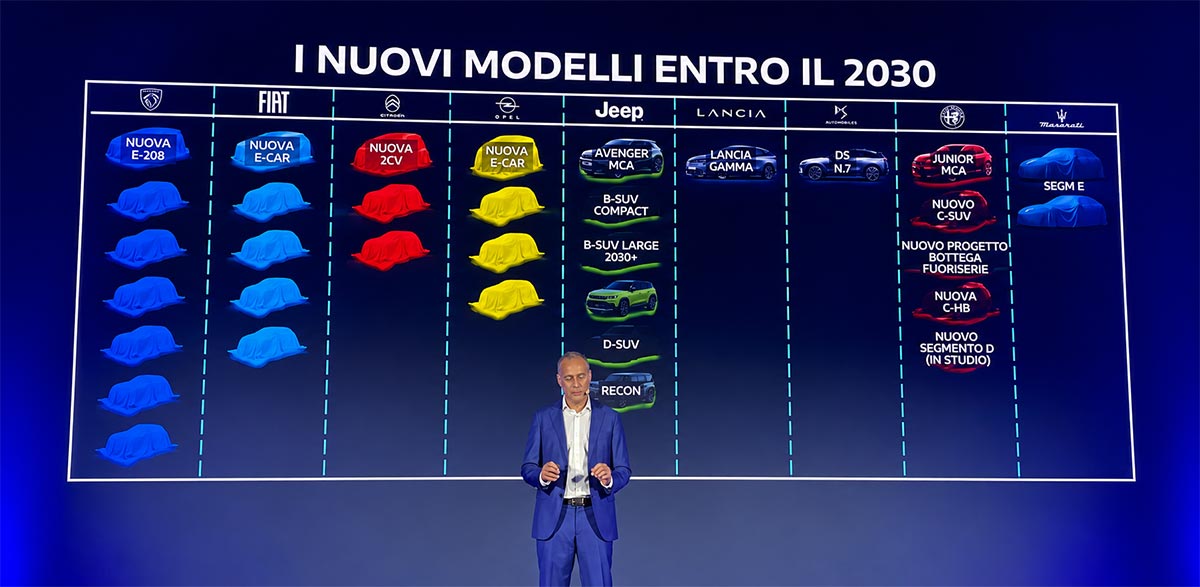
For Lancia and DS, time is running out
This is obviously the case that interests us the most: Lancia remains minuscule. The brand recorded only 6,831 European registrations in the first half of the year, according to data that combines it with Chrysler, despite a 5.2% increase in Q3.
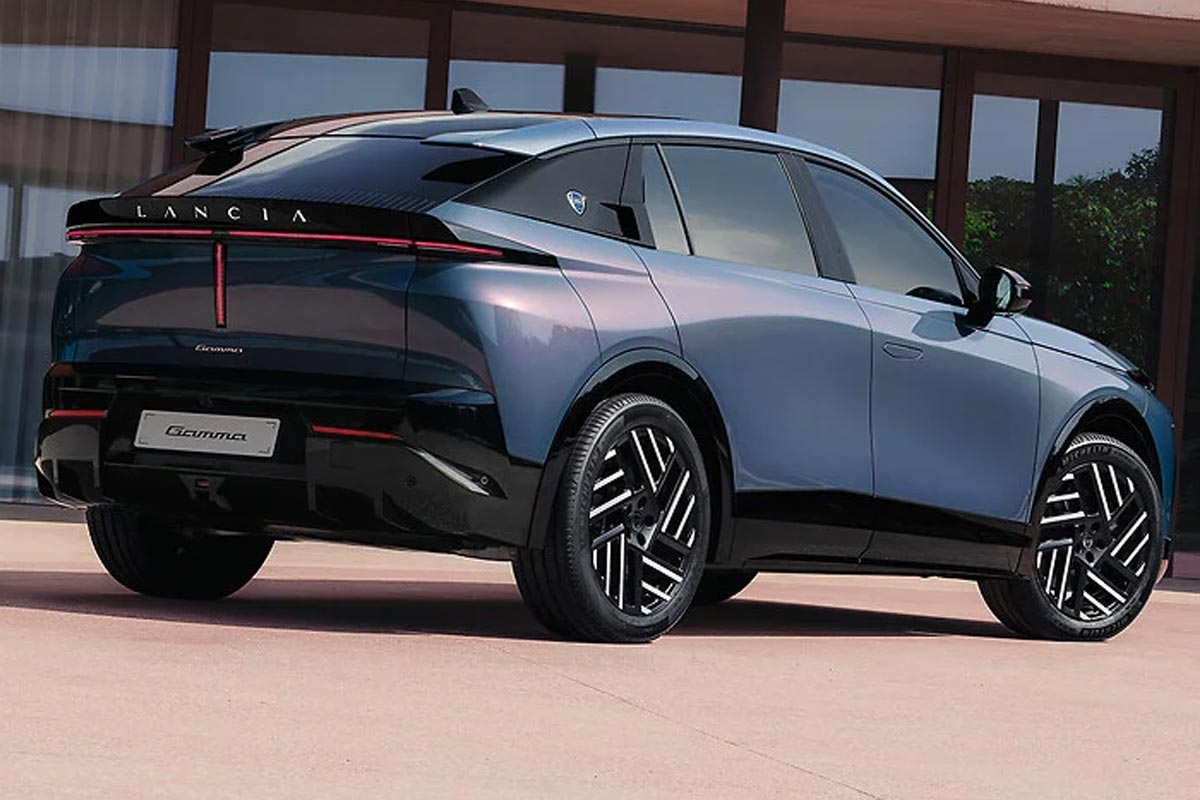
However, Stellantis isn't talking about cuts. On the contrary, Lancia must now be managed more closely with Fiat, just like in its heyday. But after the Lancia Gamma, there is still little clarity regarding the future lineup. If sales figures remain this low through 2028, the very existence of Lancia will inevitably come into question. Arnaud Belloni has just been named the new CEO of Fiat, Abarth, and Lancia, so the decision will likely fall to him.
DS finds itself in a similar situation. With 13,793 cars sold in Europe and a 19.4% decline in Q3, the French premium brand remains far behind Citroën in terms of sales volume. Its alignment with Citroën could gradually transform DS into a sort of luxury line (as it was originally within PSA) rather than a fully independent brand. In fact, Xavier Chardon, Citroën’s current CEO, has also just been named CEO of the DS brand.
Alfa Romeo Is Still a Cause for Concern
The Alfa Romeo situation is probably the most frustrating. The brand sold 26,370 cars in Europe in the first half of the year, a 20.4% decline year-over-year, along with just 1,747 units in the United States, down 45% year-over-year.
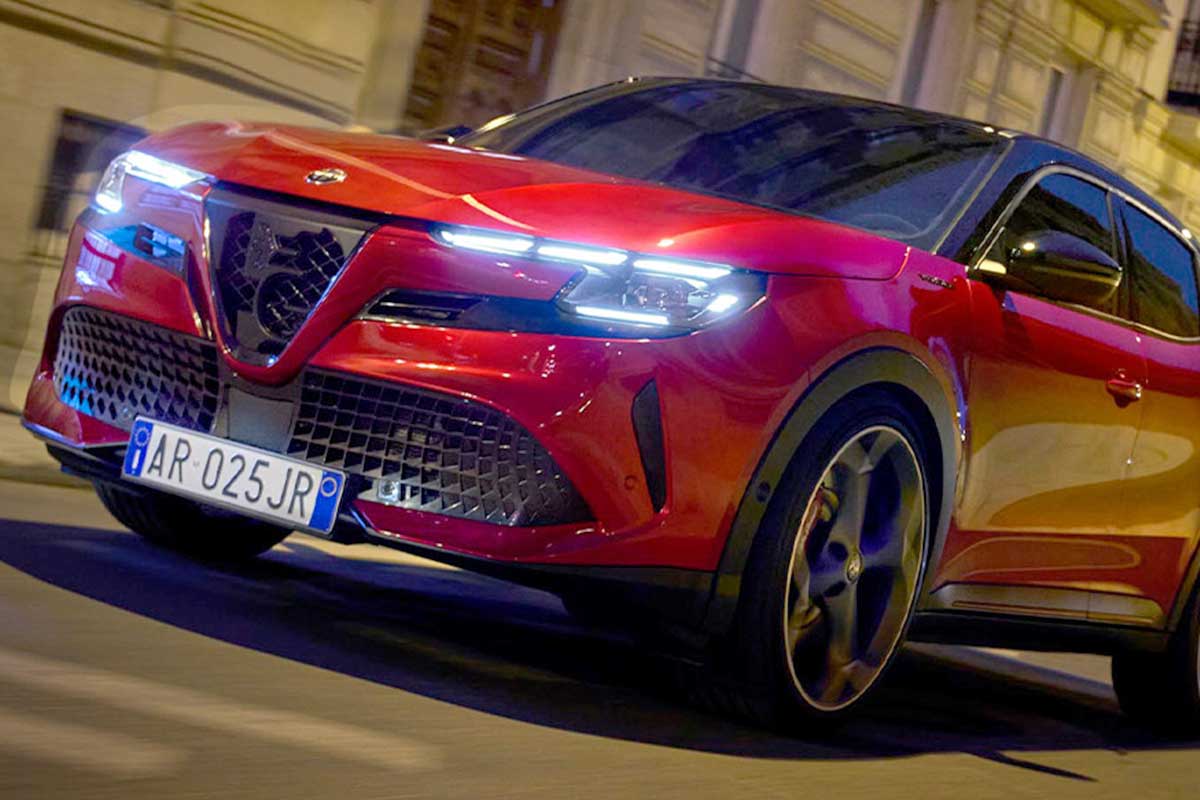
L'Alfa Romeo Junior is the only model that is finally boosting Alfa Romeo’s sales volume. The problem lies with the rest of the lineup and, above all, the timeline. The Tonale’s replacement isn’t expected until late 2027, with a market launch likely in 2028. A new Giulietta, meanwhile, could be delayed until 2029. Alfa Romeo therefore still deserves some time, but 2028 could be a critical deadline. Without a rebound in sales, Stellantis will have to ask itself how much further it is reasonable to invest.
Unsurprisingly, 2026 and 2027 will continue to be challenging years for Alfa Romeo, and the upcoming «C-SUV» will absolutely have to succeed to keep the Italian brand afloat. Looking ahead to 2030, the lineup will be limited to the (restyled) Junior, the new Tonale, and a new Giulietta.
Dodge and Chrysler: The American Alfa Romeo?
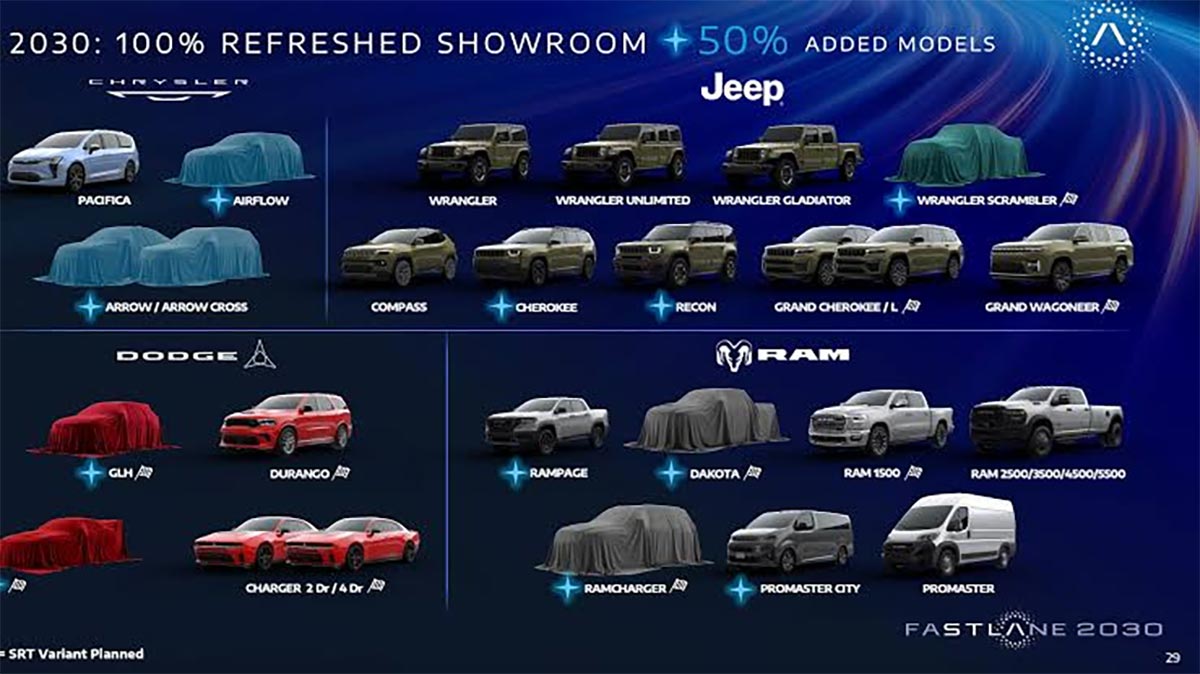
The comparison with the U.S. market is interesting. Dodge sold only 44,511 cars in the United States in the first half of the year, down 6.%. On a U.S. scale, that’s not much. However, Stellantis appears to have significant ambitions for the brand, with numerous updates to the Dodge Charger and a new GLH that will likely replace the current Dodge Hornet. Chrysler is performing even better, with 67,133 units sold—up 15% year-over-year—despite having an extremely limited lineup. Some future Fiat models could, in fact, be used to rebuild the brand with a rebadged Fiat Grizzly. In other words, low sales volume does not necessarily spell the end for a brand if Stellantis sees a profitable strategy behind it.
What about Maserati?
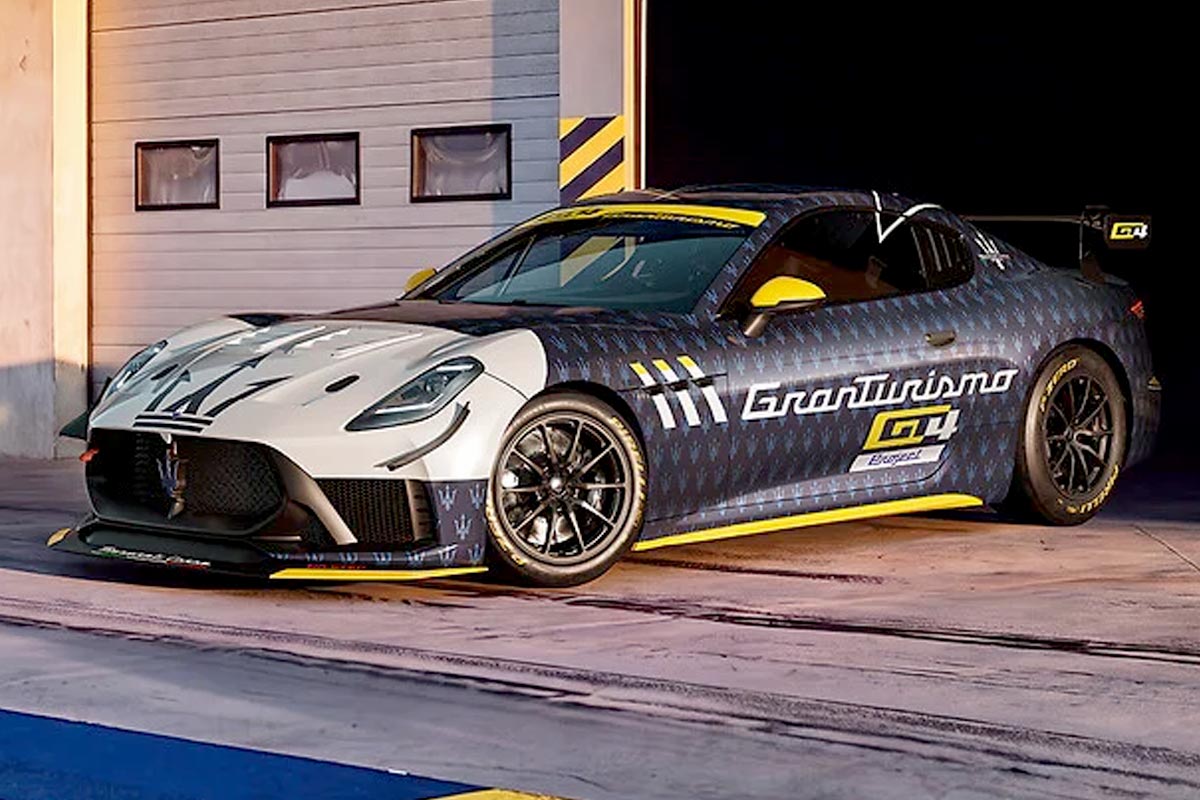
It would be a mistake to eliminate Maserati solely because of its sales. In our view, a luxury brand doesn’t need tens of thousands of cars to exist: above all, it must be desirable and (highly) profitable. Today, the brand is losing (a lot of) money, but in the luxury sector, things can change very quickly—for better or for worse. Maserati’s product plan will be unveiled by the end of 2026; Stellantis has reiterated that it has no intention of selling the brand and is currently in negotiations with two industrial partners. Stay tuned.
Four Unbeatable Brands
Fiat, Peugeot, Jeep, and Ram, on the other hand, operate on an entirely different scale. Peugeot sold 345,314 cars in Europe, Citroën 210,268, while Fiat sold nearly 194,000 units in Europe (including Abarth) and exceeded 270,000 in Brazil. Jeep maintains a massive presence in the United States with 285,394 units.
And Ram explains why Filosa considers it a priority: 235,332 vehicles in the United States, up 15 %. It’s worth noting that during the previous decade, RAM sold more than 500,000 vehicles per year and even surpassed 700,000 vehicles in 2017.
Stellantis says today that it has no intention of eliminating any brands. But clearly, not all of them will have the same resources going forward. The real shakeout could therefore take place gradually: fewer models, more synergies, and reduced autonomy. In our view, for Lancia, DS, and perhaps Alfa Romeo, 2028 could then become the year of truth.
 English
  French
  Italian
  Spanish
  German
  Japanese
  Dutch
Dutch
The folks at Stellantis aren’t very good at figuring out what to do with these brands. We’re talking about Alfa Romeo, Maserati, Dodge… Any other automaker in the world would turn them into cash cows.
Besides, when it comes to Alfa Romeo, Maserati, and even Lancia, how could sales pick up again with virtually no new models? Aside from a few mediocre PSA models that have been hastily spruced up…
The problem isn't the brands—it's the people who don't know how to use them.
How can they put Peugeot in second place when it posted a -5%???
Mediocre, but they sell better!
The three best-selling brands in Europe are all former PSA brands!
Yes, it's Polo, but the world doesn't end at Europe…
Stellantis is a multinational corporation and does not sell its products exclusively in Europe. Stellantis's flagship brand is Fiat, formerly FCA. Stellantis's most profitable brands are Jeep and RAM, formerly FCA.
At some point, we have to stop limiting everything to Europe alone just because it suits our argument.
I feel like I've gone back to the days of FCA and the late Marchionne.
Same thing… but with a bigger car and not much more money…
Exactly.
Come on, let’s get rid of DS and Lancia (RIP) and reinvest the funds in AR. Abarth should also be phased out as a brand and become a «sport» trim level (LOL, with what?) for Fiat—and things will already be looking up! As for Maserati, we’ll cut back on production volumes, stop making SUVs (even though the Levante was gorgeous), and get back to basics. A streamlined lineup, with luxury-sport models. Without stepping on AR’s toes, and we’re good to go. Let’s shut down Chrysler (what’s the point?), refocus on Dodge, Jeep, and RAM—and that’s perfect.
There are too many brands and too much fragmentation in this group.
You should apply for the position of CEO at Stellantis, my dear.
Well said… zero investments—they don’t get it. Stellantis isn’t worth a thing; they’ve got manufacturers that are golden goose!
I bought the Opel Grandland 25.26—it's a really great car… the only thing is that the app doesn't update. Thanks.
Stellantis should go back to putting real engines in its vehicles—4-cylinder ones, not 3-cylinder ones.
1.3L, 100 PS—that's nonsense. Only then can you buy these cars, and the price is right.
It's a shame it's come to this—the old ones are all still running. The Opel is constantly in the shop, and it takes days for updates and troubleshooting. That makes me personally sad.
Well, I've been a loyal customer for many years; now I only drive a 2016 VW.
The report doesn't mention Opel at all—why?
Because I don't know anything about Opel at all
Because Opel is a brand that pays off.
He keeps a low profile, does his job without drawing attention to himself, and gets by.
To make sure it sells and is available throughout Europe, let's put an end to this pure tech crap that's dragging down not only the company but the group as a whole—and DS is way too expensive when you can get the same performance from PSA and Citroën.
The automotive world is simply changing as well. The market is flooded with options, and interest in older brands that are no longer relevant is causing their sales to plummet. The fact remains, however, that more than 6.7 brands is simply too many—especially when they’re practically clones of one another.
«The fact remains that more than 6.7 brands is simply too many—especially if they're practically clones.»
And, above all, some of them are duplicates.
When it comes to Alfa Romeo, I can’t think of anything else……The same goes for Maserati……the investments in both brands—as evidenced by the timelines for the development/launch(?) of new models—are contributing to both brands« ongoing »decline«……and the current sales figures seem to confirm that as well…….Stellantis apparently intends to compete in the market going forward exclusively with Fiat and Peugeot (in and for Europe) and Dodge and Jeep (in and for the U.S.)……the »rest” is clearly becoming a testing ground for ongoing brand(ing) experiments……The end result: the sale (likely to Chinese competitors) or the discontinuation of the brands………against – all – opposition…….VW is currently demonstrating what is desirable….and what remains feasible
Stellantis' strategy of offering Peugeot models with minor modifications and different body styles is doomed to fail.
Too many brands, constant changes, delayed or even canceled launches for Alfa Romeo, little investment, brands like DS that make you wonder what their purpose is, a lack of understanding of the market—or how to kill off brands—that’s Stellantis for you.
Which brands will still be around in a few years?
Italian brands are shooting themselves in the foot by staying with the Stellantis group, because you can't make Italian cars by patching up Peugeots.
That's right… The same causes have been producing the same effects for the past five years, but they continue to deny it…
«by changing the exterior (the body)»
And besides, they all look the same.
Strange marketing and product lineup planning. Alfa Romeo used to be an aspirational rival to Audi and BMW. Now it has a sedan and an SUV that were launched in 2015–16 and are long overdue for a replacement. The lack of hybrid options is hurting sales to business customers, even though the technology is available. The Tonale is, at best, only okay. The Junior fills a gap in the market and is doing reasonably well. The lack of station wagon, coupe, and Spider options based on the Giorgio platform was, in my opinion, a misstep. When customers switched to Audi and BMW, those brands followed suit with sedans and SUVs.
Brands other than Stellantis. They need to get with the times when it comes to vehicle pricing.
Stellantis should diversify its lineup rather than discontinue brands:
Stop Discounting: Replace trust-eroding 10% discounts with free options or exclusive trim levels to protect resale value.
Enforce Price Separation: Establish a price gap of €8,000–€13,000 between budget brands (Citroën) and luxury brands (DS, Lancia).
Elevate Premium Models: Remove Lancia's lower-end engines, add sportier handling, superior finishes, and extended 5-year warranties.
Counter Chinese Rivals: Eliminate overlap among Stellantis’s five similar brands to prevent losing customers to better-equipped Chinese competitors.
I’d love to see them expand and strengthen the Lancia brand, but since the models are just reworked Peugeots, it’s hard to see how that would be an attractive proposition for consumers. And how an expanded Lancia wouldn’t end up competing with Alfa Romeo. The difference between “elegantly sporty” and “just sporty” is pretty minimal when the cars are so generic.
I have to remember that the old Ypsilon was a big seller in Italy because it was upscale but inexpensive. I hope the Ypsilon Turbo 100 starts to boost sales. I wish we had it in the UK.
In my opinion, Stellantis has stopped managing its companies as isolated subsidiaries and now aims to manage them as families.
Lancia's sales volumes are modest, but the gasoline version of the Ypsilon should help boost them; furthermore, the Gamma will need to be positioned in an attractive price range (lower than that of the DS7).
I believe the time has come for Stellantis to leverage the infrastructure that Fiat already has in place to expand Lancia's presence into other markets.
In Brazil, Fiat is the undisputed market leader, and we Brazilians have a deep connection with Italian cars! It would be interesting to see electric versions of the Ypsilon and the Gamma sold here as well.
Despite its market leadership, Stellantis lacks a premium brand; Lancia would be an ideal—and cost-effective—choice to fill this gap.
There’s real cause for concern about Maserati and Alfa Romeo. With the current (and, unfortunately, hastily planned) product lineup, it will be difficult to climb out of the sales slump. I fear that in the end, the brand rights will be sold to some random Chinese company (similar to what happened with MG), resulting in vehicles that have nothing to do with the brand except for the logo. That would break every Alfisti’s heart.
I didn't own an Opel again for 40 years—the Crossland was the culprit. After 50,000 km, the belt had to be replaced, and it was only 4 years old. Opel isn't very helpful, so now I'm driving a VW Tiguan.
Best regards, Dinand Haase
How can a struggling Alfa Romeo pull off miracles without new models?
Give it the new products, and it will deliver. They need to stop wasting money on DS—the brand no one wanted—and use that money elsewhere. As for Lancia, maybe that depends on the Gamma and a launch in Germany at last?
Please sell all Italian brands to one or two non-Chinese companies. Preferably Renault and BMW. DS should be Citroën's luxury line, so a Citroën DS7.
I don't care about American brands.
I won’t shed a tear for American brands; they always make bad, ugly cars that aren’t suitable for Europe. No mercy for them, just as they’ve never shown any mercy toward Europe. Sell them to the Chinese or Bangladeshis—we don’t care. Save the money and invest in brands with a genuine, historic tradition and market presence, like Peugeot or Alfa Romeo. Fiat, Lancia, Citroën, and others will follow. And the era of the internal combustion engine is over. The sales figures say it all.
Renault took over a run-down factory from the Romanian communist regime and turned it into a successful industry in Europe and around the world, but these folks at Stellantis have Lancia and Alfa on their hands, and the only thing they know how to do is shut them down… phenomenal!
They make nice cars, but almost every one of them has that 1.2-liter turbo engine with major problems. Just bad luck. It now has a different name and has been modified, but it's the same engine, and it still tends to consume a lot of oil pretty quickly.
And blame China? In my opinion, it’s really sad when you have 10 brands and over 80 models, you build an engine for them, and you can’t even make it properly. No wonder sales are plummeting.
If you produce junk instead of quality, you lose your reason for being.
Ram—get rid of this «brand» and put the Dodge logo back on the Ram, which is just one model alongside its sibling, the Dodge Dakota i
The problem is that there are too many brands in the mid-range market, with no real difference in their designs.
Create a greater price differential and emphasize the history of each brand more.
FIAT – chic small cars (MINI)
Citroën – entry-level car (Dacia)
Opel, Dodge – regional semi-premium sports cars (Cupra, KIA, entry-level BMW)
Chrysler, Peugeot – semi-premium classic styling (VW, Hyundai, entry-level Mercedes)
Lancia – premium classic (Genesis, Mercedes)
Alfa – sports brand (Lotus, Porsche, Alpine)
Maserati – Sporty Premium (BMW)