

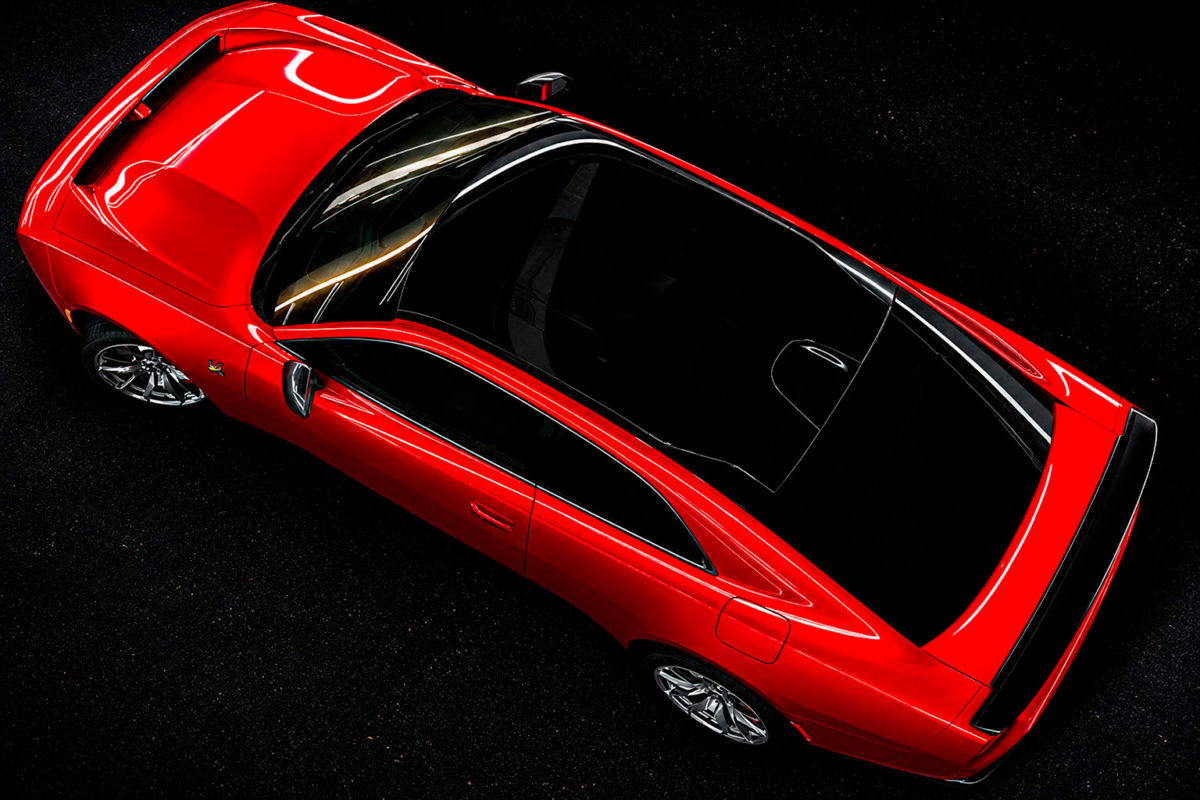
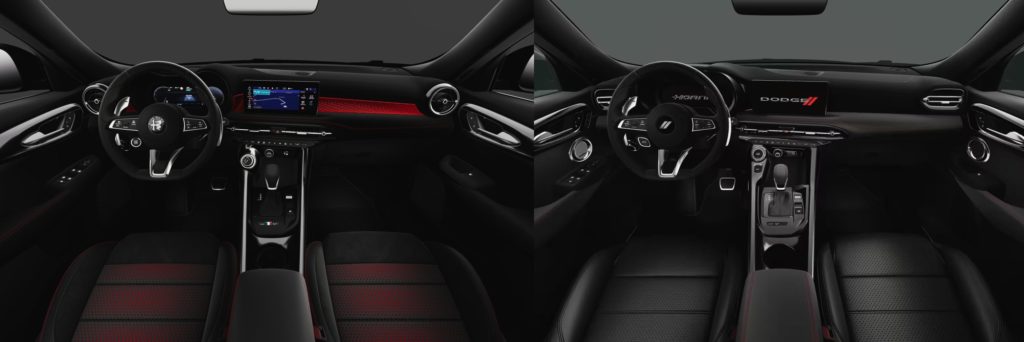
I know what some people are going to say again: what’s another Dodge doing on Italpassion? Yet we’ve already talked about this new Charger several times. And for good reason: technically, it’s a pretty good representation of what’could have become the next Alfa Romeo Giulia if his project hadn't been canceled.
The Dodge Charger is built on the STLA Large platform and was initially launched as a 100 % electric model, with up to 670 ch. Stellantis It then rounded out the lineup with a gasoline-powered version equipped with the new 3.0-liter GME inline-six engine, available in 420 ch and 550 ch versions, and soon to be offered in a 600 ch version with the Super Bee. This engine belongs to the same broader GME family as the four-cylinder engine used in the current Alfa Romeo Giulia and Stelvio.
In short, in an alternate reality, what you’re looking at right now might be a glimpse of what the next Giulia could have been. And that’s precisely why the latest U.S. sales figures are particularly interesting.
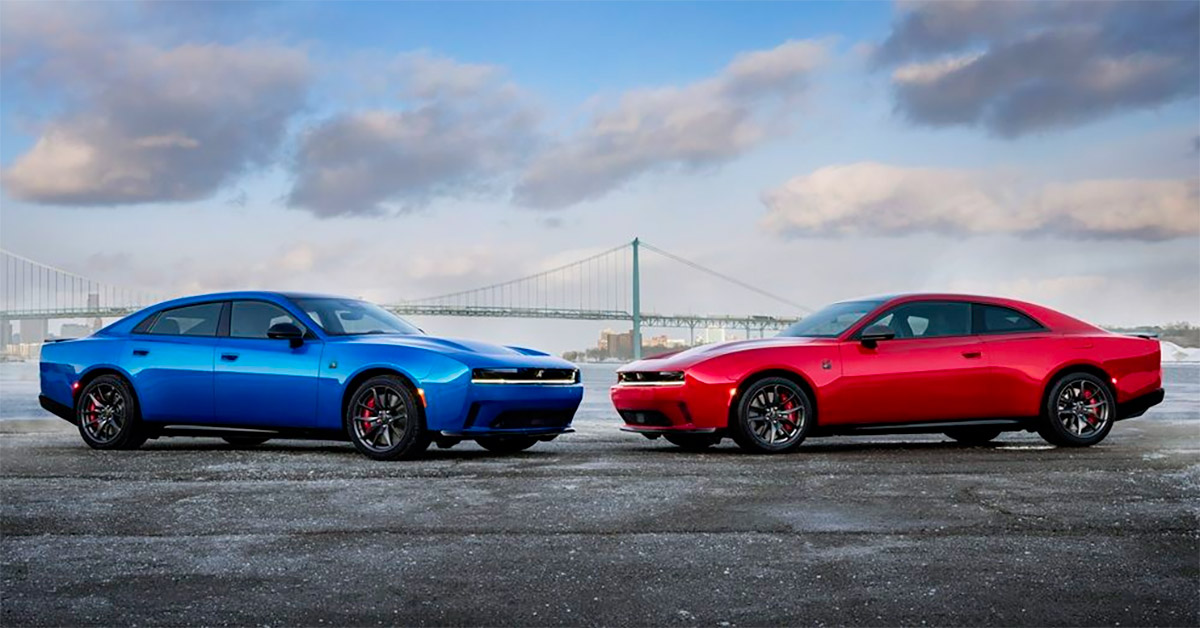
In the United States, Gasoline Is Making a Comeback
This is because the trend in the United States today seems almost the opposite of that seen in Europe. In Europe, automakers are accelerating their shift toward electric vehicles, a trend further reinforced by regulatory constraints and, more recently, by rising fuel prices. In the United States, consumer choices tell a very different story.
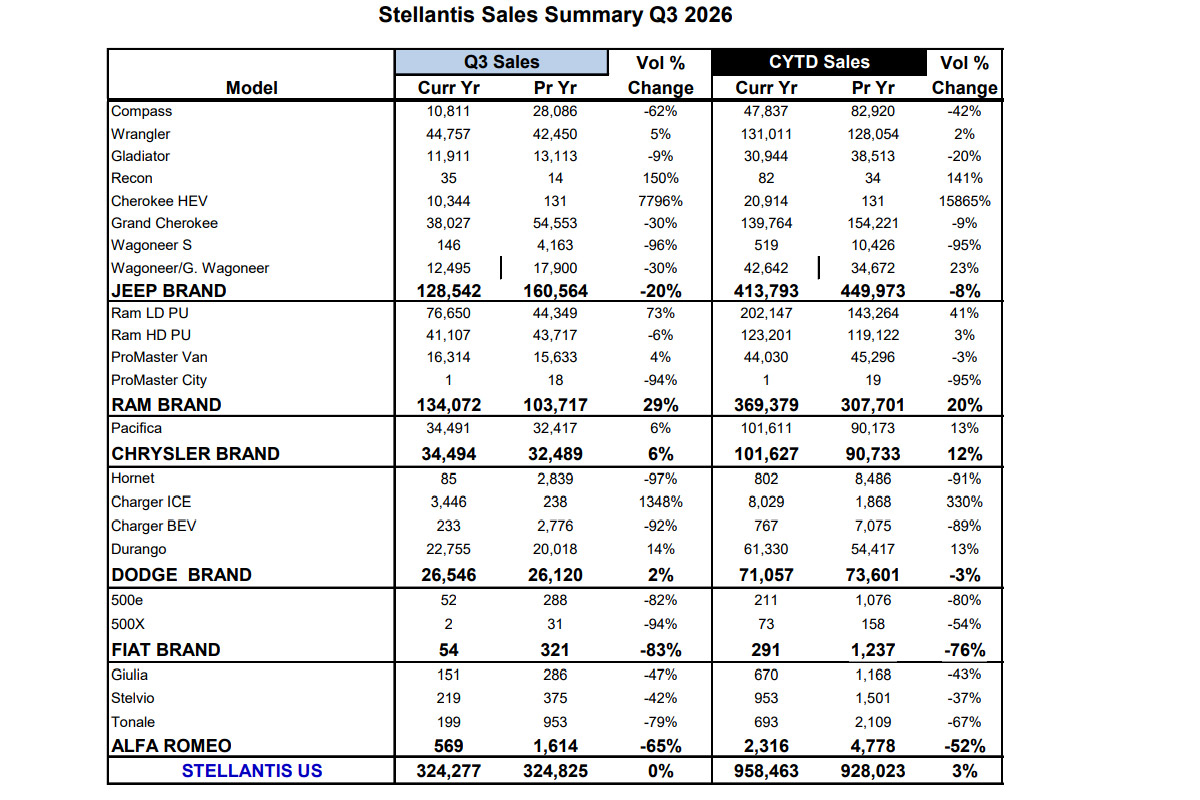
The latest figures released by Stellantis USA for the first three quarters of 2026 are spectacular in this regard. The electric Dodge Charger had recorded 7,075 sales during the same period in 2025. In 2026, it totaled only 767, representing a drop of 89 %. For the gasoline-powered Dodge Charger, it’s exactly the opposite. Its sales rose from 1,868 to 8,029 units, representing a 330 % increase. And the trend is even more impressive when looking solely at the third quarter: 3,446 gasoline-powered Chargers were sold, compared to just 238 a year earlier—an increase of 1,348 units. At the same time, sales of the electric version fell from 2,776 to just 233 units, a decrease of 92 %.
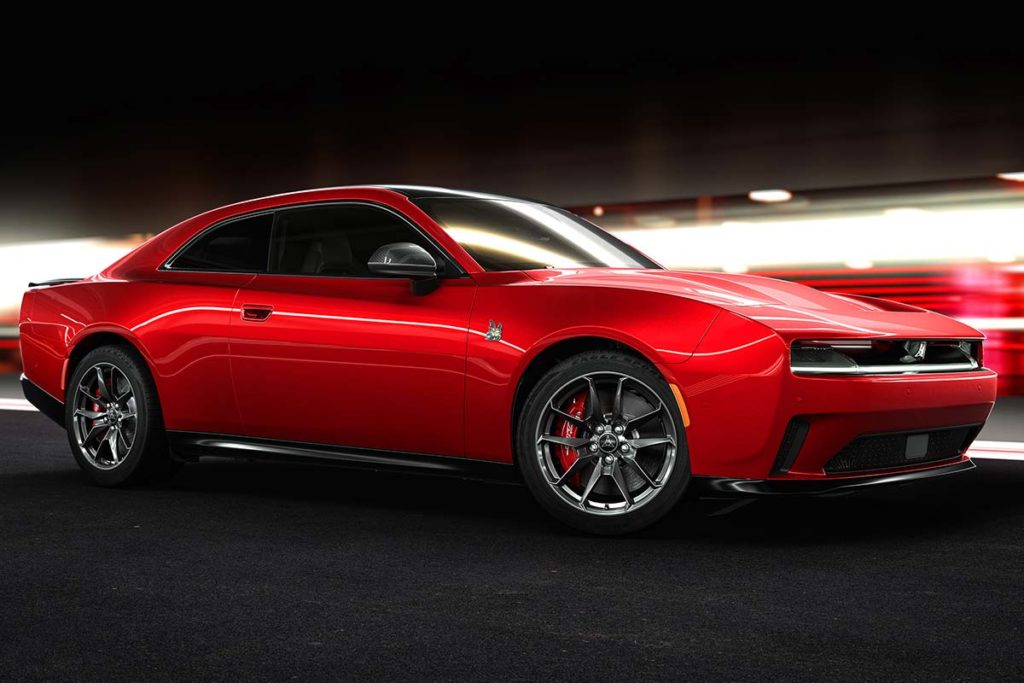
One car, two engine options, and two different fates
Of course, these figures must be put into context. The launch schedules for the various versions are not identical, and comparing their year-over-year trends alone does not allow us to draw a definitive conclusion about the future of electric vehicles. But the trend is hard to ignore. Within the same model family and on the same STLA Large platform, U.S. customers are currently turning away from the electric version, while the new gasoline engine is experiencing exactly the opposite trend.
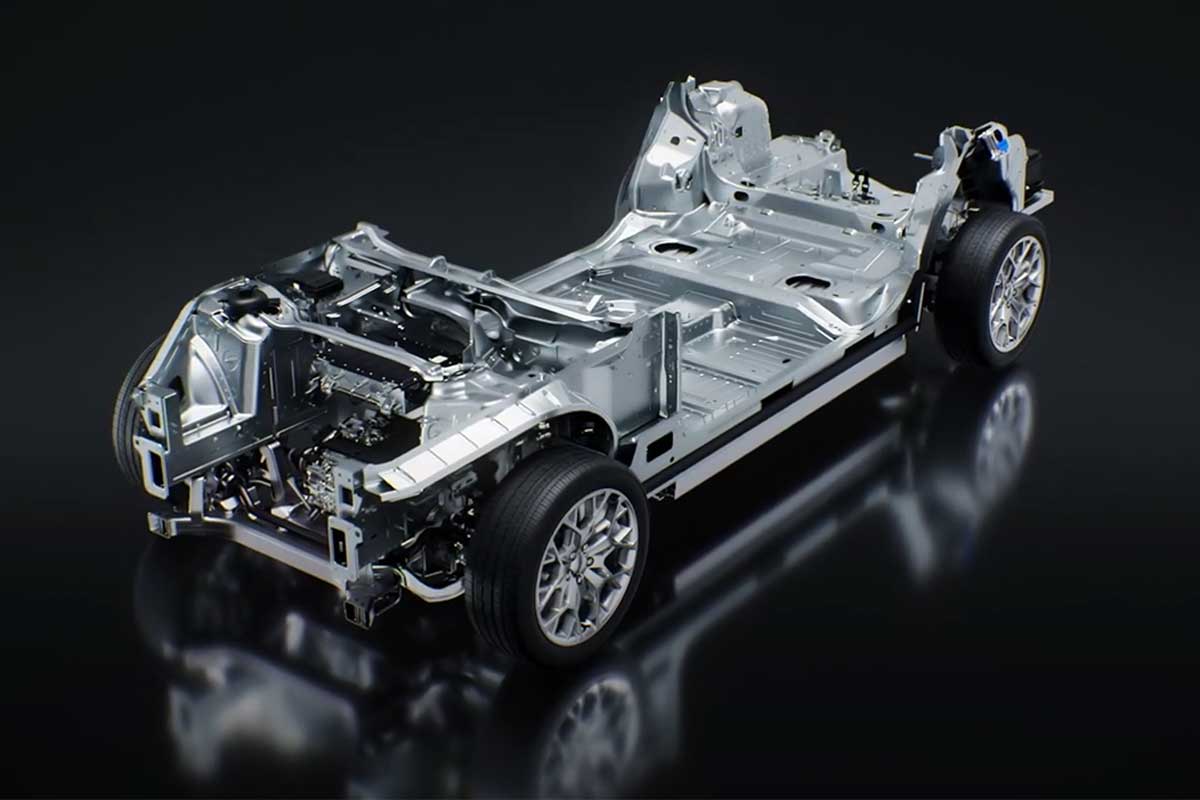
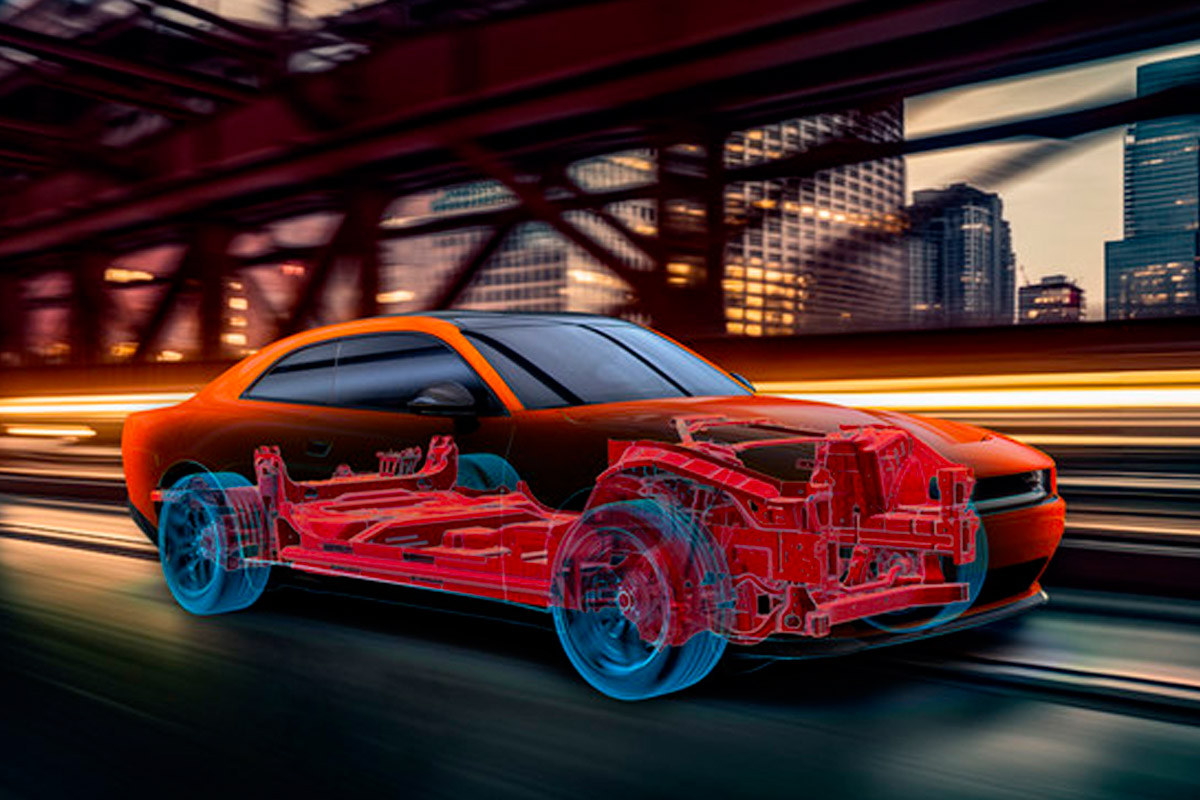
Fuel prices, taxation, retail prices, infrastructure, regulations, consumer habits, and even political considerations: many factors can explain why the automotive industry is taking such different paths across continents today. And for Stellantis, this demonstrates above all the value of a platform capable of adapting to the realities of each market.
Meanwhile, Alfa Romeo is losing ground in the United States
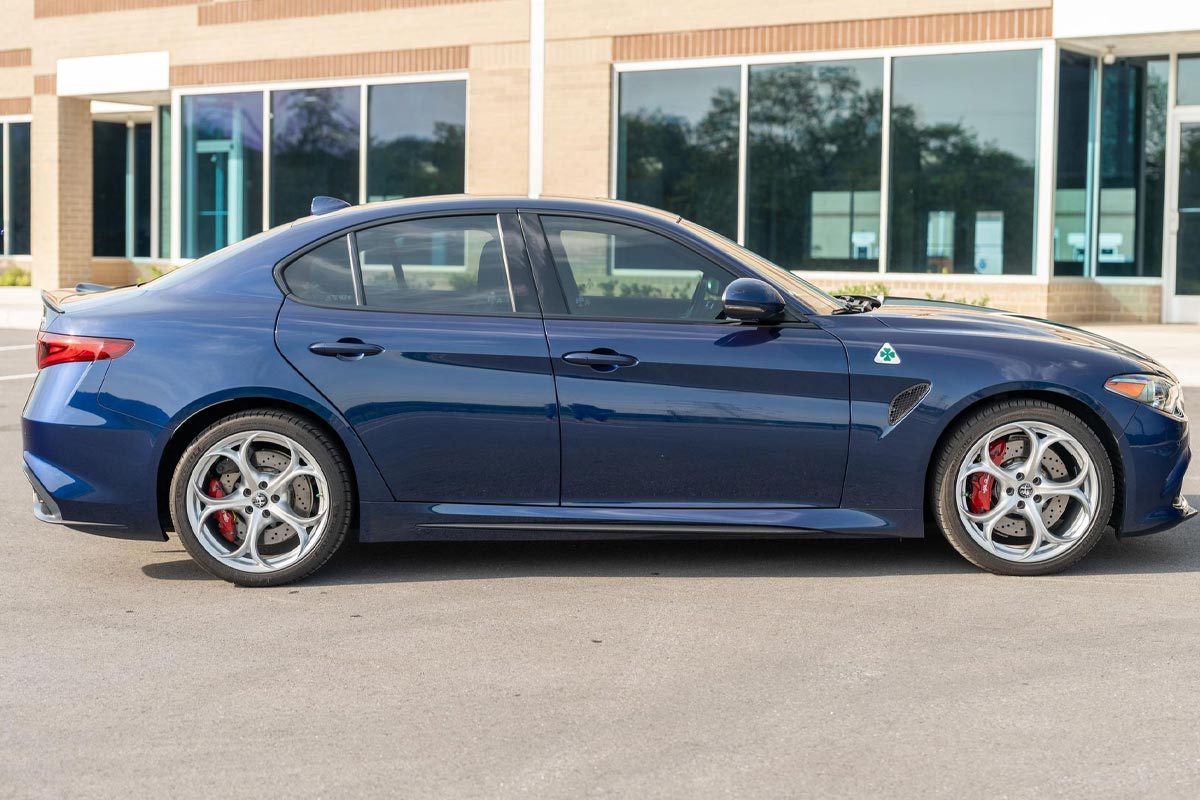
This is also where these figures become interesting for Italian brands. While sales of the gasoline-powered Dodge Charger rose by 330 %, the three Alfa Romeo models sold in the United States all saw sharp declines. In the first nine months of 2026, Giulia sales fell from 1,168 to 670 units, a decline of 43 %. Stelvio sales dropped from 1,501 to 953 units (-37 %). Even more concerning, the Tonale plummeted from 2,109 to just 693 units (-67 %). In total, Alfa Romeo has sold only 2,316 cars since the beginning of the year, compared to 4,778 during the same period in 2025: a 52% drop. This is certainly not welcome news for the Italian plant in Termoli.
Ironically, Dodge now sells more than three times as many gasoline-powered Dodge Chargers as Alfa Romeo sells cars of all models combined in the United States. It makes one wonder whether, in the future, displaying certain Alfa Romeo models in Dodge showrooms might not make more sense than seeking commercial synergies with Maserati…
The Dodge Hornet doesn't make things any better either
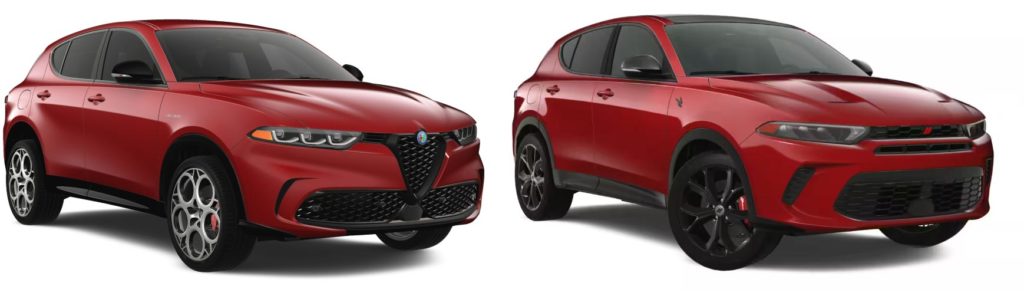
Finally, there is one model that is particularly interesting to observe: the Dodge Hornet. An almost identical cousin to the Alfa Romeo Tonale, it is manufactured alongside it in Pomigliano d’Arco, Italy. Here again, the result is stark. Over the first nine months of the year, its sales plummeted from 8,486 to just 802 units, a drop of 91.%. U.S. tariffs on imported vehicles certainly didn’t help. But perhaps American customers have also realized that simply changing the badge and a few body parts isn’t enough to turn an Alfa Romeo into a Dodge. This rebadging strategy, incidentally, brings to mind a few examples in Europe…
Three Stellantis Companies That Are Becoming Increasingly Different
Ultimately, these results highlight one of the group’s major challenges. Stellantis appears to be increasingly organized around three major regions: North America, Europe, and Latin America. These are three regions where regulations, energy prices, and—above all—customer expectations are becoming very different. The Dodge Charger is a spectacular example of this today.
 English
  French
  Italian
  Spanish
  German
  Japanese
  Dutch
Dutch