

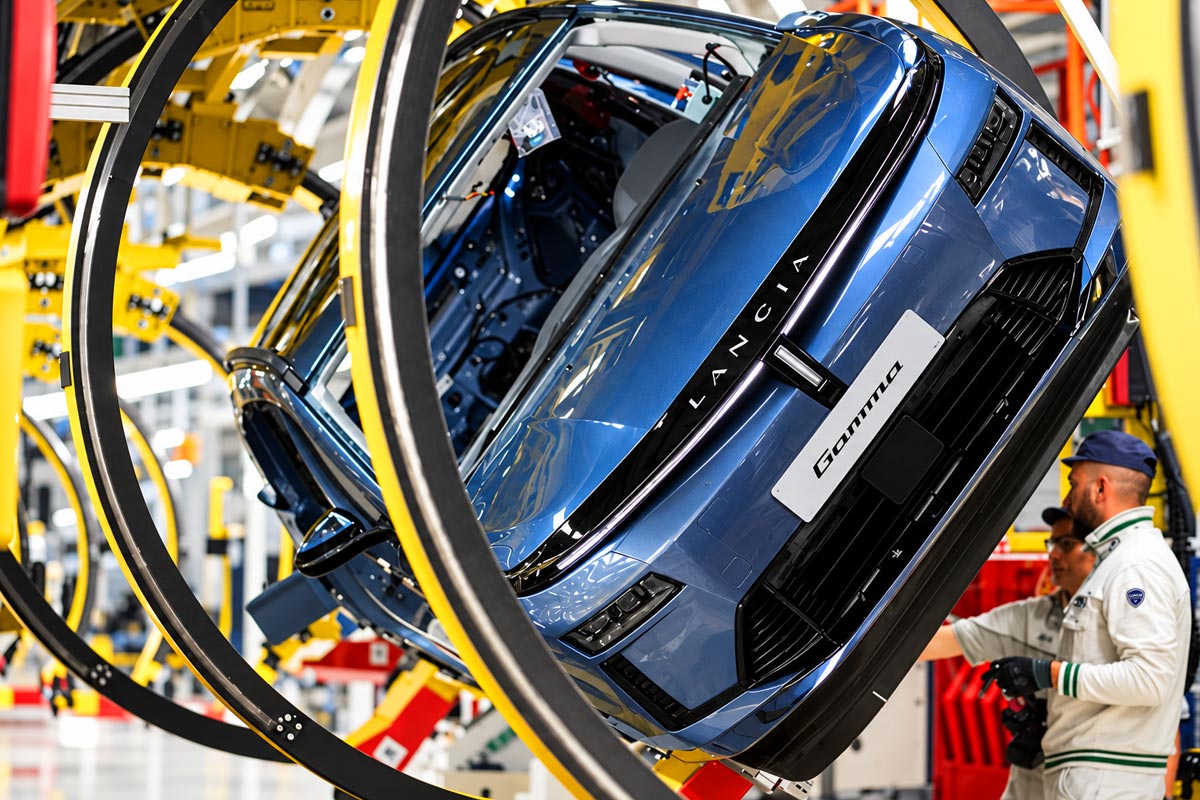
In Melfi, the assembly lines are running. And they’re running fast. About 300 cars roll off the assembly line every day. Stellantis. However, behind this renewed pace lies a much less reassuring question: Who is going to buy all these cars? This question takes on even greater significance given that a complete one-week halt in production has already been announced to employees for October.
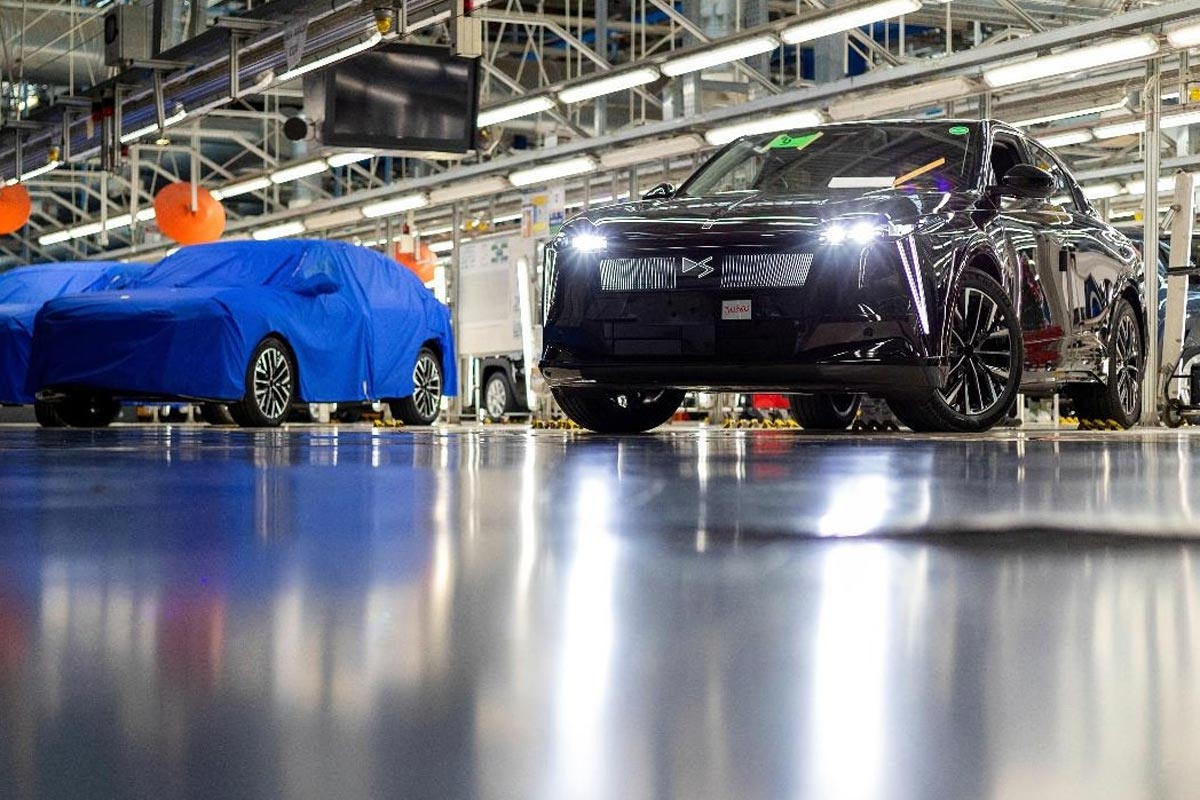
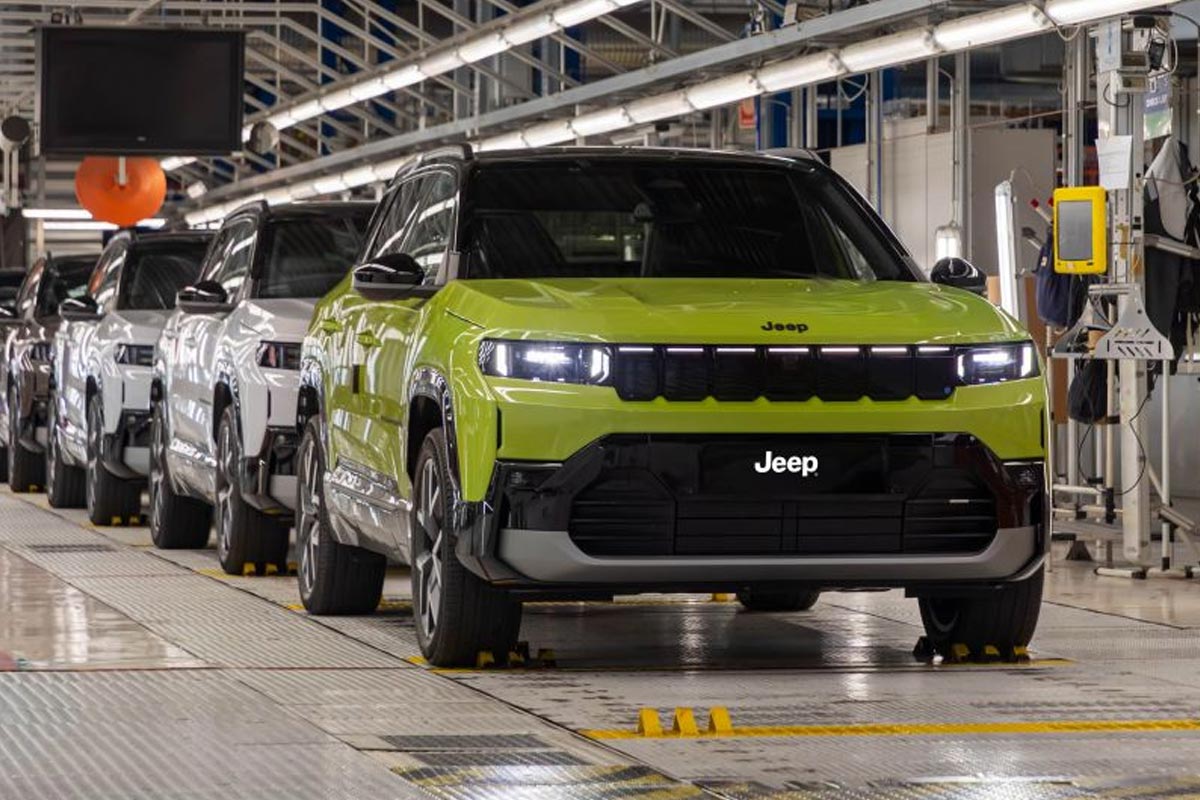
The alert comes directly from a factory worker who was interviewed by local media Basilicata24. «We produce about 300 cars a day,» he explains. Over five days, that amounts to about 1,500 vehicles a week. These figures might seem encouraging for Melfi, where Stellantis assembles models such as the DS No. 8, DS 7, and the new Jeep Compass, while the new Lancia Gamma complements the site's industrial program. But in the factory parking lots, employees are witnessing a reality that worries them.
Cars that are produced… but remain in parking lots
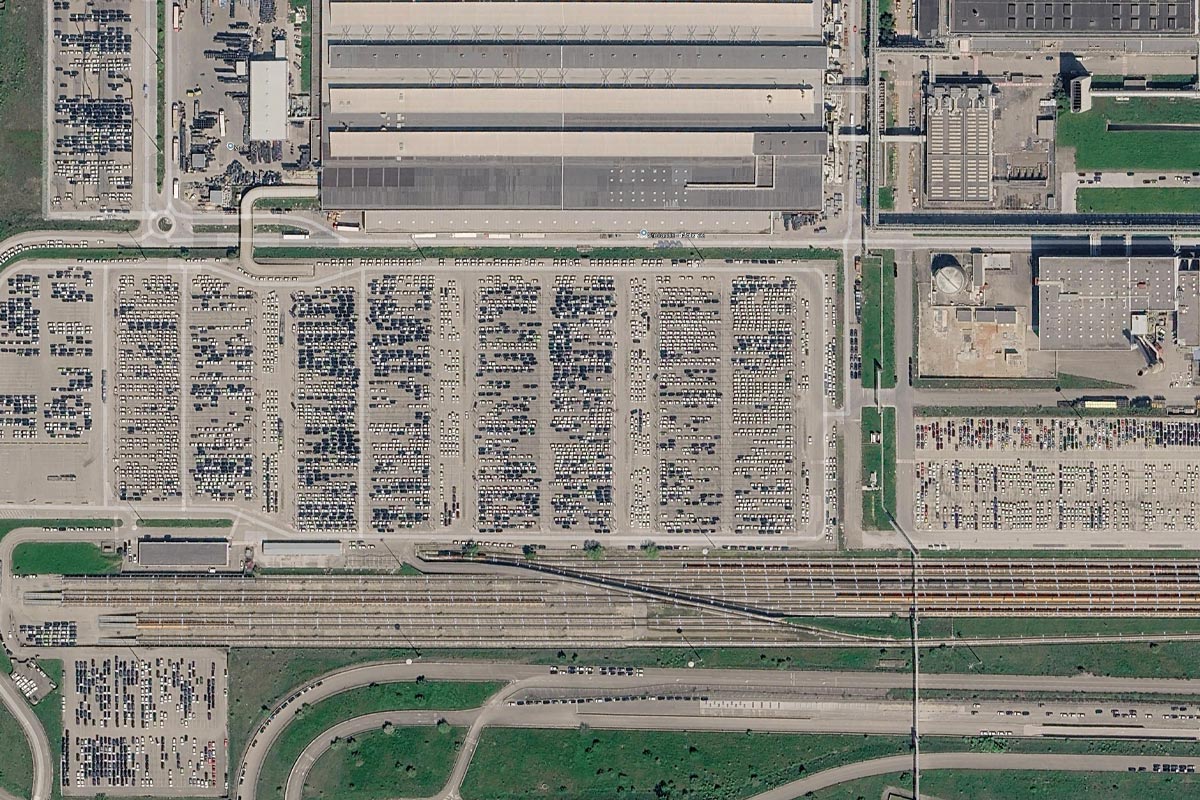
«We can see with our own eyes that many of the cars we produce are out there in the parking lots, some of them even uncovered,» says the worker. This raises the question: «The issue isn’t how many large cars we manufacture, but how many we actually manage to sell.»
The unveiling of the new Lancia Gamma on September 16, 2026, would therefore have special significance for some Melfi employees. The worker acknowledges that the new Lancia is «beautiful,» just like the DS 7. But he wonders about their market positioning: «At the end of the day, who buys these big cars?» High prices, hybrid and electric powertrains, and competition from cheaper models—particularly Chinese ones—have led the workers interviewed by the local media to doubt these new vehicles« ability to generate sufficient sales volume. And yet, the plant is churning out cars. »The production pace is fast. There aren’t many of us, and we’re building 300 cars per shift,” the employee continues. In his view, the workers are therefore fulfilling their end of the bargain. The problem lies elsewhere: finding enough customers.
A one-week shutdown announced in October
That’s where the situation becomes paradoxical. While cars continue to roll off the assembly lines, the backlog seems large enough to fuel concerns. «Last week, I saw a lot of new cars parked in the lots—there are too many of them,» says the worker. He adds, not without a touch of irony: «Maybe that’s why we’ll be shutting down completely for a week in October, as we’ve been told.»
This situation inevitably brings to mind that of another major Stellantis plant in Italy: Mirafiori. In Turin, Seven production days have already been lost since early September. Stellantis, however, expects production at the plant to double by 2026 thanks to the Fiat 500 hybrid and electric models. This doubling should be put into perspective: after producing approximately 30,000 electric Fiat 500s in 2025, 2026 production volumes are now expected to be around 60,000 cars, whereas the initial target was 100,000 units or more. Unions are now concerned about the long-term security of certain jobs, following the hiring of more than 400 workers earlier this year.
In both Melfi and Mirafiori, two different situations ultimately raise the same question: Stellantis now has new models to produce in Italy, but will the market actually allow the plants to operate sustainably?
 English
  French
  Italian
  Spanish
  German
  Japanese
  Dutch
Dutch
The problems are always the same:
– quirky design (inherited from PSA).
– Poor reliability (inherited from PSA).
– After-sales service in disarray (inherited from FCA and PSA).
– Poor value for money (a legacy of the Tavares era).
– a lack of updates to successful models (mainly inherited from FCA, but as we saw with the DS3, PSA has a knack for messing things up).