

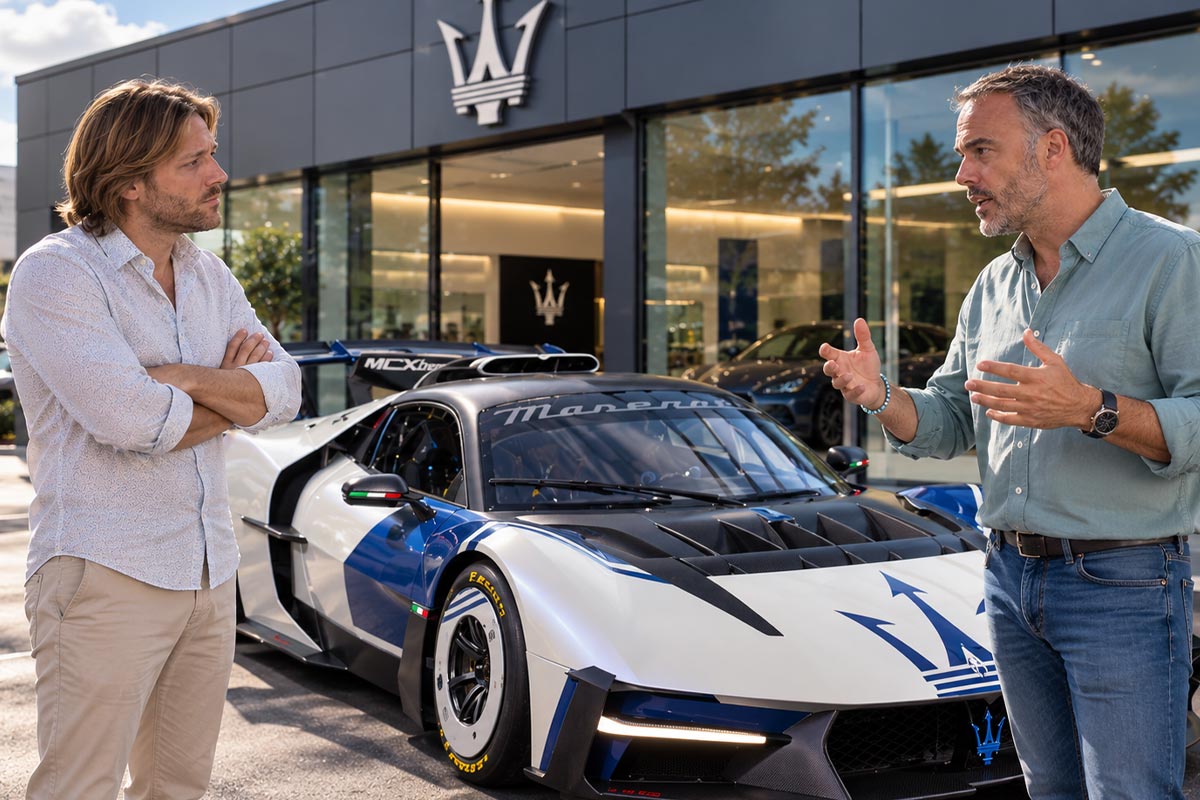
Eleven years at Maserati. First in Annecy, then in Geneva. From 2015 to 2026, Romain sold Maseratis during one of the most turbulent periods in the Italian automaker’s recent history. He experienced the years of euphoria, the drive to boost sales volume, the discounts, the arrival of electric vehicles… and then the crisis. Now that he’s left the brand, he recounts this decade from the inside to Yvan Jacob of Outrun Motor Company. And behind the sometimes juicy anecdotes lies, above all, a portrait of a legendary brand that seems to have lost some of its bearings.
From 50,000 cars to a brand in crisis
The Maserati paradox can be summed up in a few figures mentioned during the interview: approximately 50,000 cars sold in 2017, compared to just 11,000 the previous year, according to Yvan Jacob. A staggering drop that raises a simple question: How did a brand with such a rich history end up in this situation?
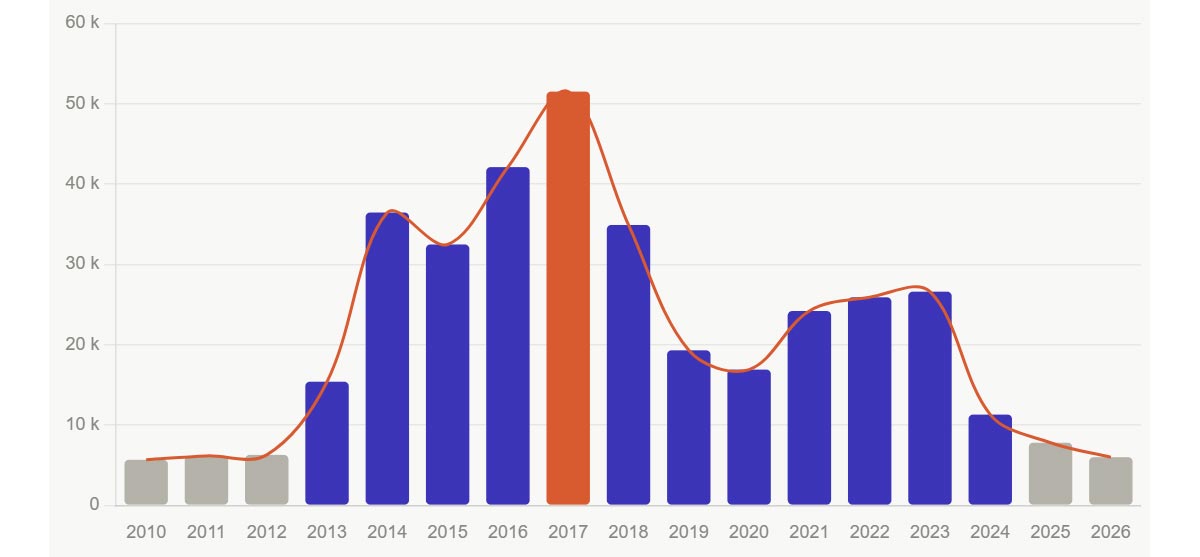
For Romain, these difficulties are nothing new. Maserati reportedly made a mistake by chasing sales volume and allowing a discount policy to take hold that was difficult to reconcile with its luxury positioning. He describes the process dealers go through: cars are allocated to dealers, paid for by them, and then must be sold. When several dealers simultaneously seek to recoup their cash, a price war ensues. A car listed at 180,000 euros may then end up being offered for 150,000, 140,000, or 130,000.
«The customer is the dealer.»
This is probably one of the most interesting criticisms from this former sales representative. According to him, Maserati has for too long considered the dealership to be its real customer, rather than the person who would ultimately drive the car. «Once the car arrives at the dealership, it’s no longer their problem,» he sums up during the conversation. The car is invoiced and paid for: as far as the manufacturer is concerned, the sale is already complete.
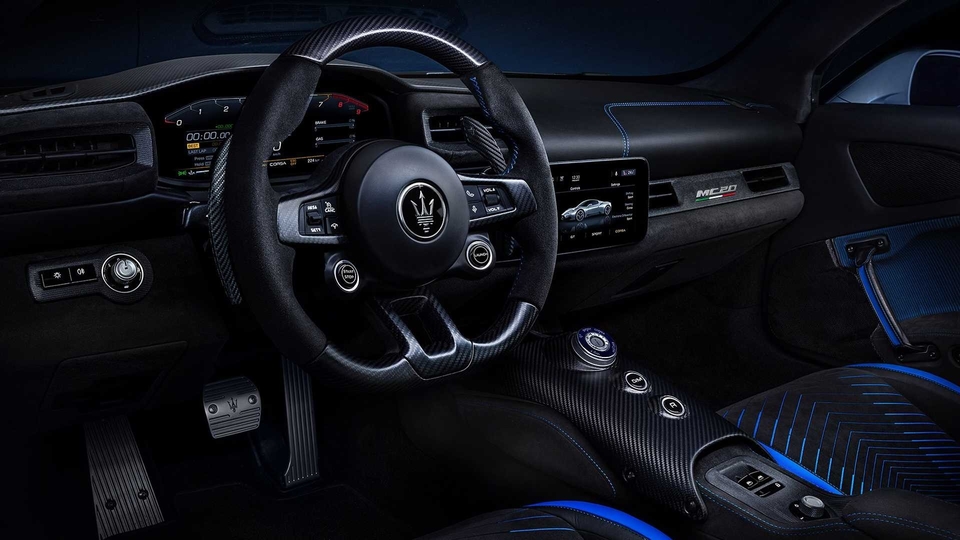
Added to this is another problem: the sharing of components. Romain and Yvan Jacob point out a rather cruel paradox. Maserati could install prestigious powertrains from the Ferrari world under the hood, while using controls in the cabin that came from much more mainstream models within the group (we know, for example, that there are components from the Fiat 500 and Alfa Romeo in the Maserati MC20). With a car costing six figures, it becomes difficult to get people to accept the details.
When the movie « Untouchables »helped sell Maseratis"
But the interview also explains why Maserati continues to fascinate. In particular, Romain offers a behind-the-scenes look at the launch of the Maserati Quattroporte in the movie « Untouchables«. According to his account, Maserati France lent the car to the production team without informing the parent company. Then the film became a phenomenon.”.
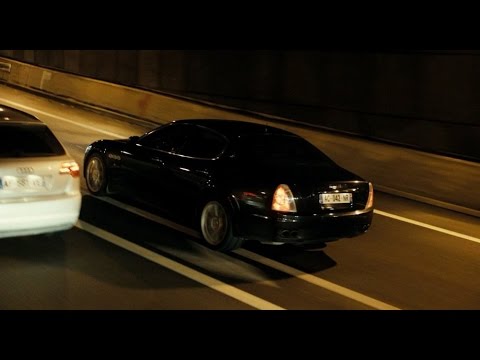
An unexpected outcome: after its release, the French inventory of the Maserati Quattroporte GTS reportedly sold out in just two weeks. This anecdote sums up almost the entire contradiction of Maserati: a brand capable of instantly sparking desire, but one that sometimes struggles to turn that emotion into a sustainable strategy.
Because after eleven years of selling the Trident, Romain remains convinced: you don’t really choose a Maserati using an Excel spreadsheet. When a customer asked him to give «good reasons» for buying one, his answer was simple: «It doesn’t work that way. » And that may be precisely what Maserati needs to rediscover: that touch of the irrational that once made people forget everything else.

 English
  French
  Italian
  Spanish
  German
  Japanese
  Dutch
Dutch