

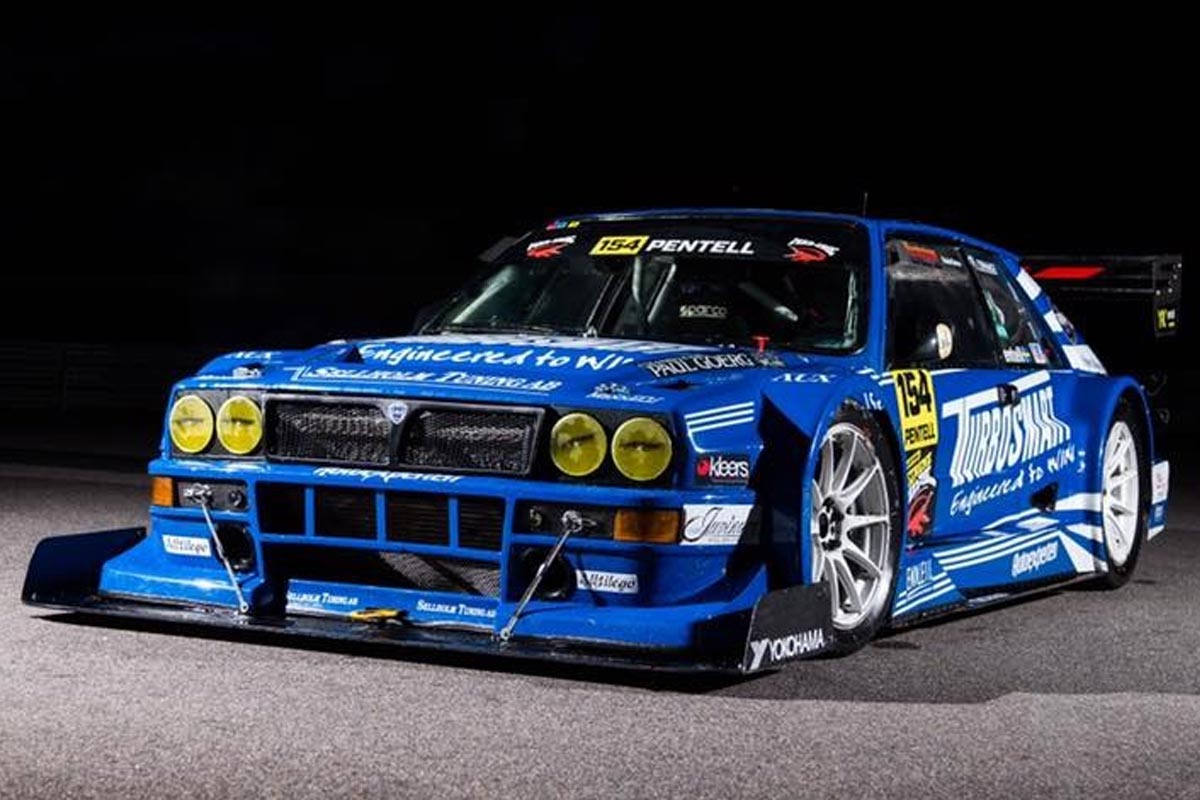
Peter Pentell is a rather whimsical Swedish driver, well known in hill-climb racing circles for his extravagant preparations. Here's the Frankenstein monster that sprang from his imagination. In 2001, he took possession of a genuine 1992 Lancia Delta Evolution, and makes it his everyday car. A few trips to the track to explore the limits of its potential inspired him to do more with his mythical compact. It all began with minor modifications, but a series of engine and gearbox failures left his passion unfulfilled. The decision was made to radically change his approach.
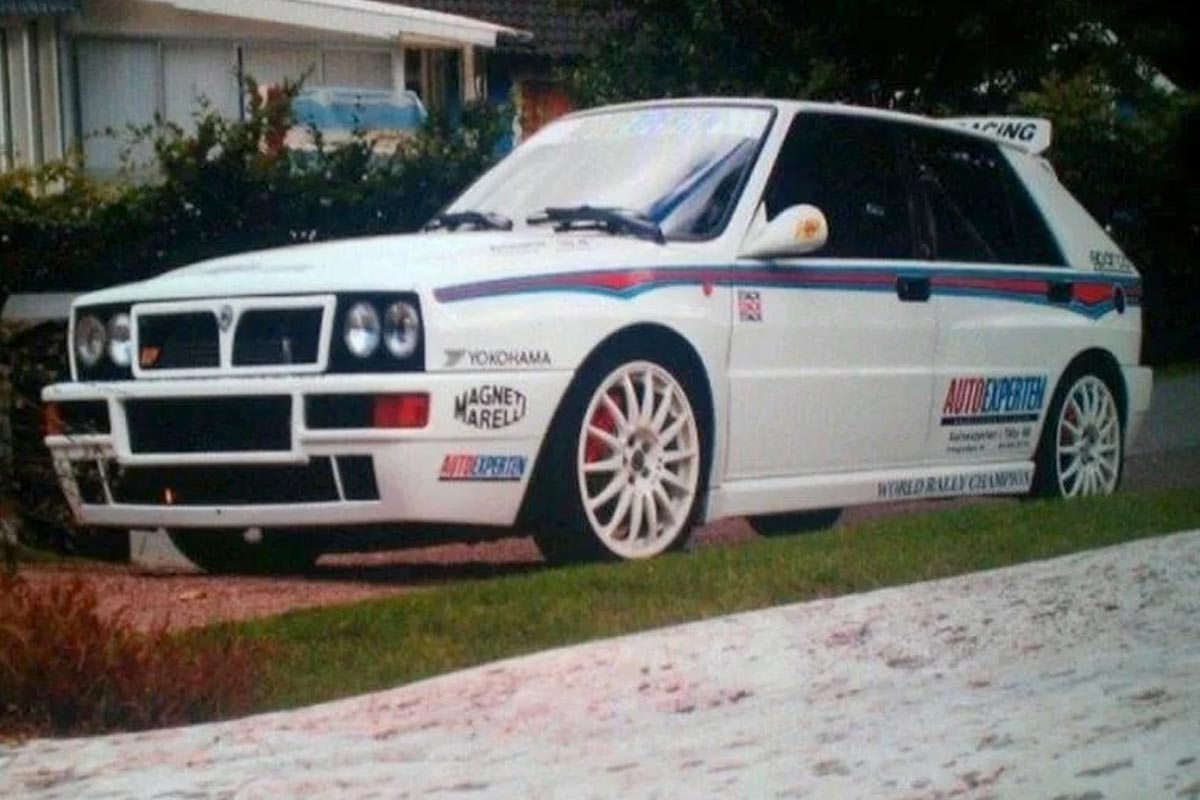
Sacrilege?
It needed a more robust powertrain, and that's where the beast from the rising sun comes in. Goodbye to most of the Delta! Make way for a bespoke tubular chassis and aerodynamic bodywork worthy of a physics-defying racer at the summit of Pikes Peak. Pentell admits to being inspired by the look of DTM sedans, with a wide bodykit and huge fins. There's even a hint of Group 5 silhouettes. To catapult the monster, the choice fell on the 2JZ in-line six-cylinder engine and transmission borrowed from a fourth-generation Toyota Supra. However, adapting a 3,000 cm³ turbocharged six-cylinder to the mounting points of an Italian compact car from the early '90s proves to be an arduous task.
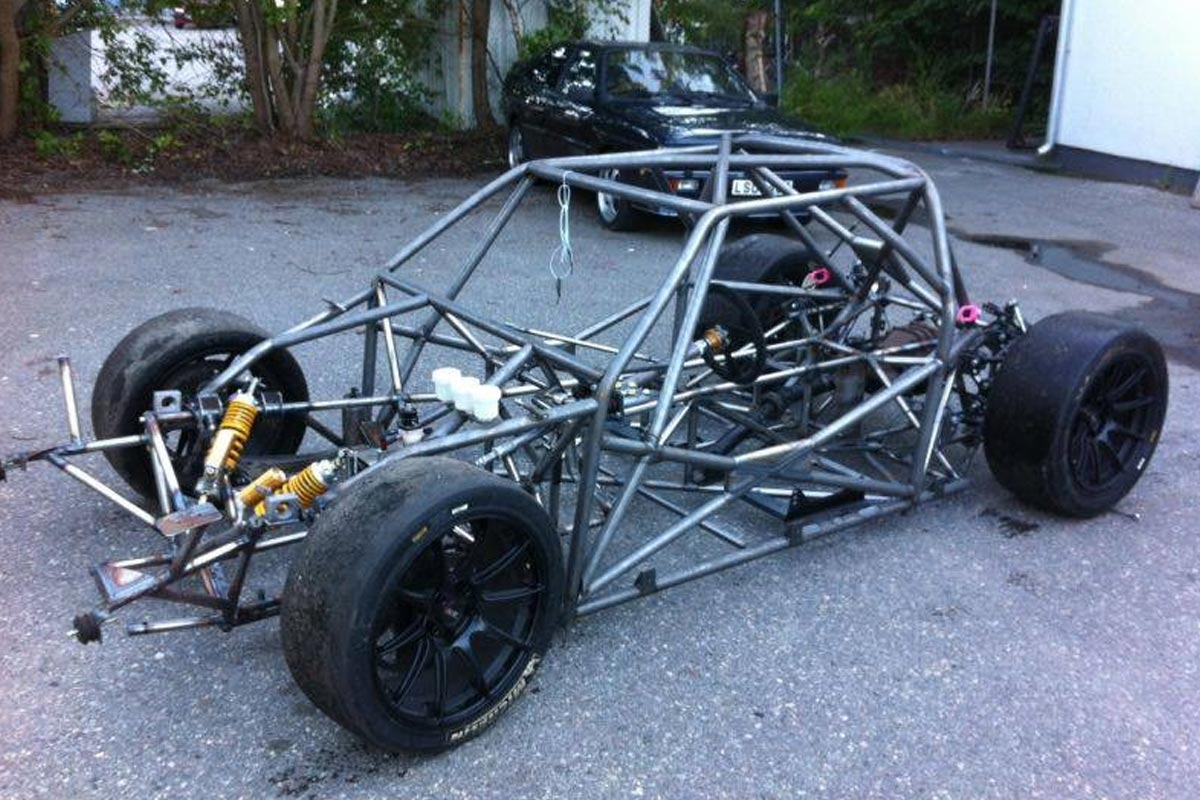
The car we'll soon be calling the Delta «LaSupra» also borrows from other cars. The pushrod suspension and five-position adjustable Öhlins dampers are taken from a Porsche 911 GT3 RSR, but other parts come from the Ultima GTR. The steering rack comes from a Porsche 997 Carrera, the electric steering pump from a Volvo V50. The result is a vehicle that retains only the Delta silhouette and window frames.
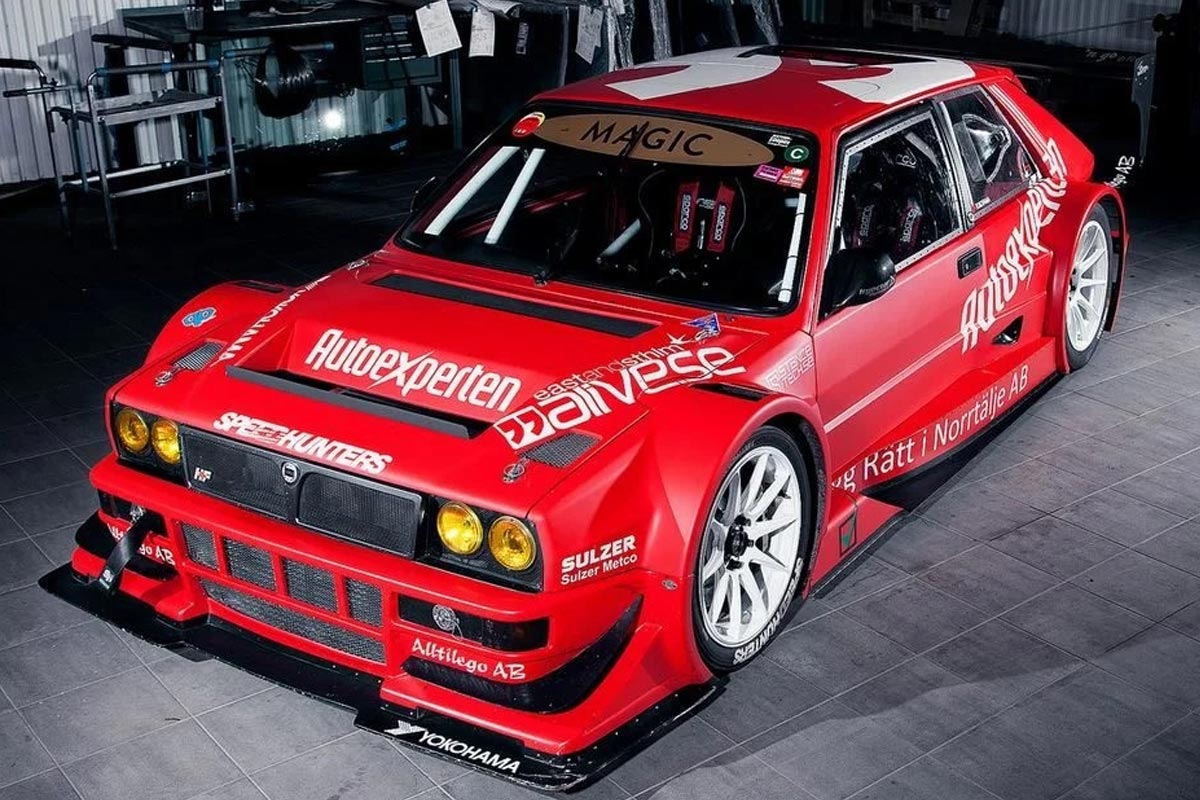
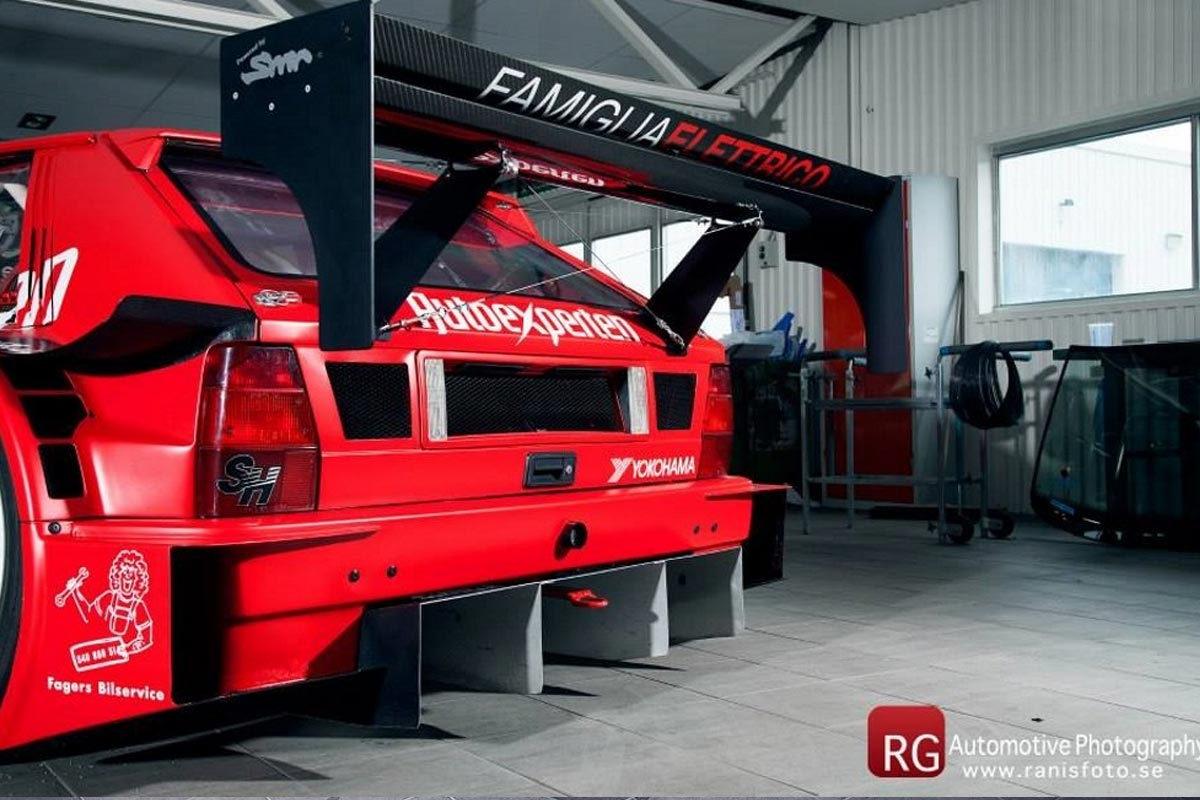
Despite looking like a Frankenstein's monster at first, this car, such as it is, fits well with Peter's vision for a hill-climbing Delta. «I wanted to create something that could have been a Lancia of that era,» he confided. «If they had decided to go into circuit racing or hillclimbing, for example.»
An engine with a cult following
When it comes to engine swaps, Toyota's 2JZ is a preferred choice for its turbo power and reliability, whether in hill-climbing or Time Attack. Supra engines of all generations have always been reliable enough to cope with large power increases. Introduced in 1991, the engine is based on a virtually indestructible cast-iron structure, a forged crankshaft and a non-interferential architecture. Its over-engineering, designed to withstand decades of extremes, makes it an ideal base for tuners. Its engine withstands extreme overpressure, even after the original turbos have been replaced by a single turbo. Both amateur and professional mechanics praise it for its ease of use: timing belts, oil changes and repairs are all within easy reach.
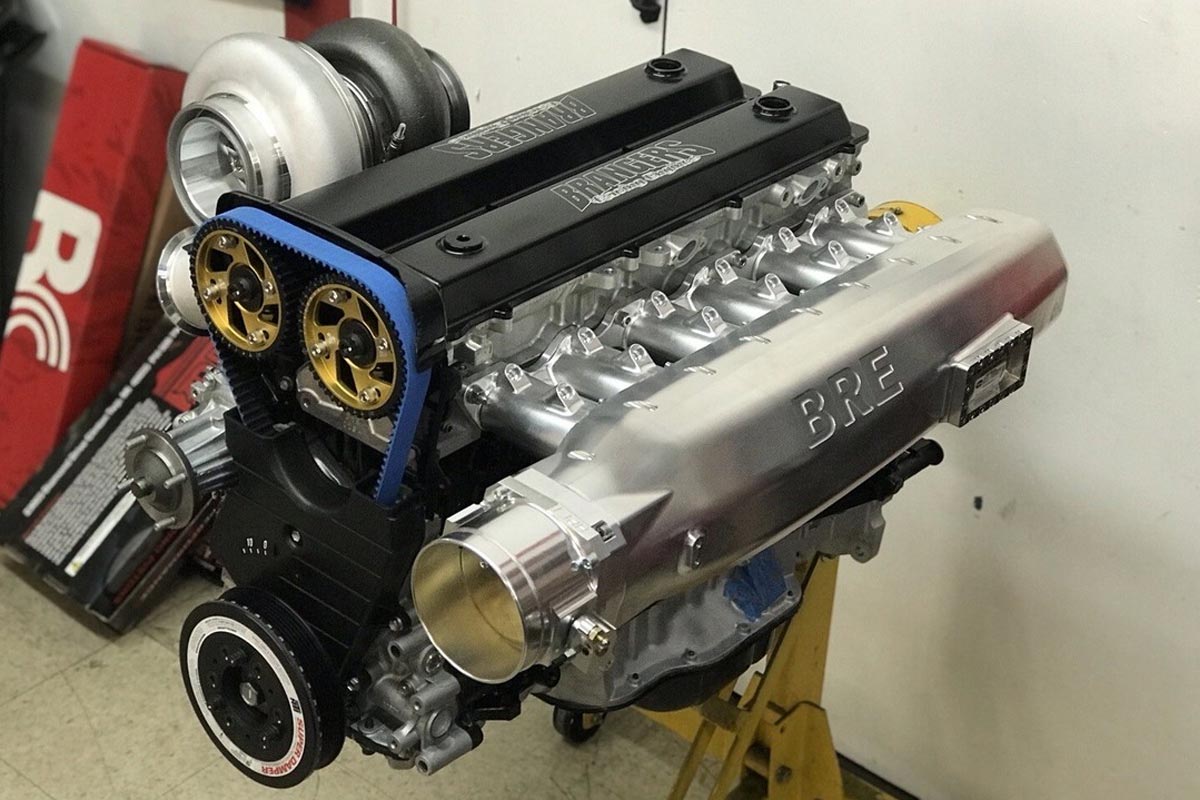
1000 hp!
The car has evolved over the years. Extensive work has been carried out on the valves, and an 80 mm turbo pipe has been fitted, while the intercooler and radiator come from a Nissan Skyline GT-R.
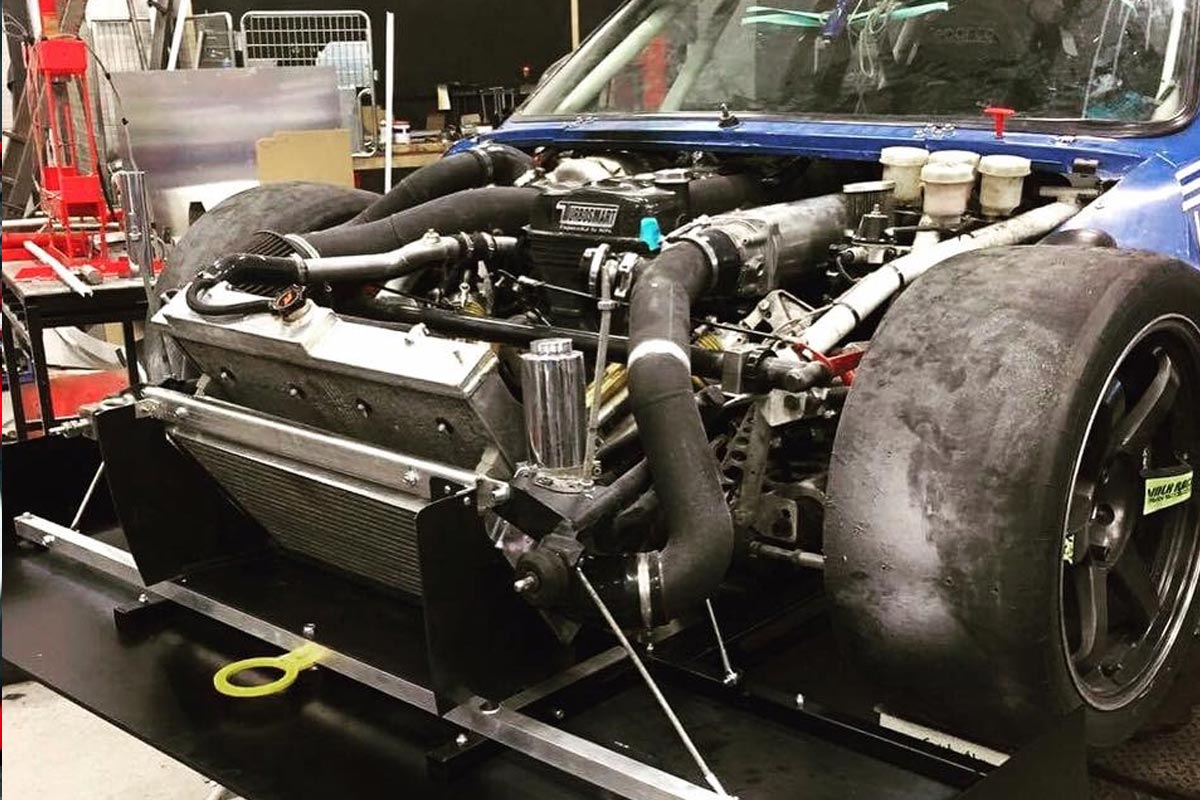
Initially red, it turned blue from 2014, initially exceeding 700 hp. With the latest evolutions introduced in 2017, a mind-blowing 1,000 hp has been achieved, transmitted to the rear wheels by a Supra six-speed gearbox, unlike the legendary rally Integrale from which it takes its inspiration. Braking is provided by a Brembo GT brake kit with 6/4-piston calipers (front/rear) and 355/345 mm floating discs (front/rear).
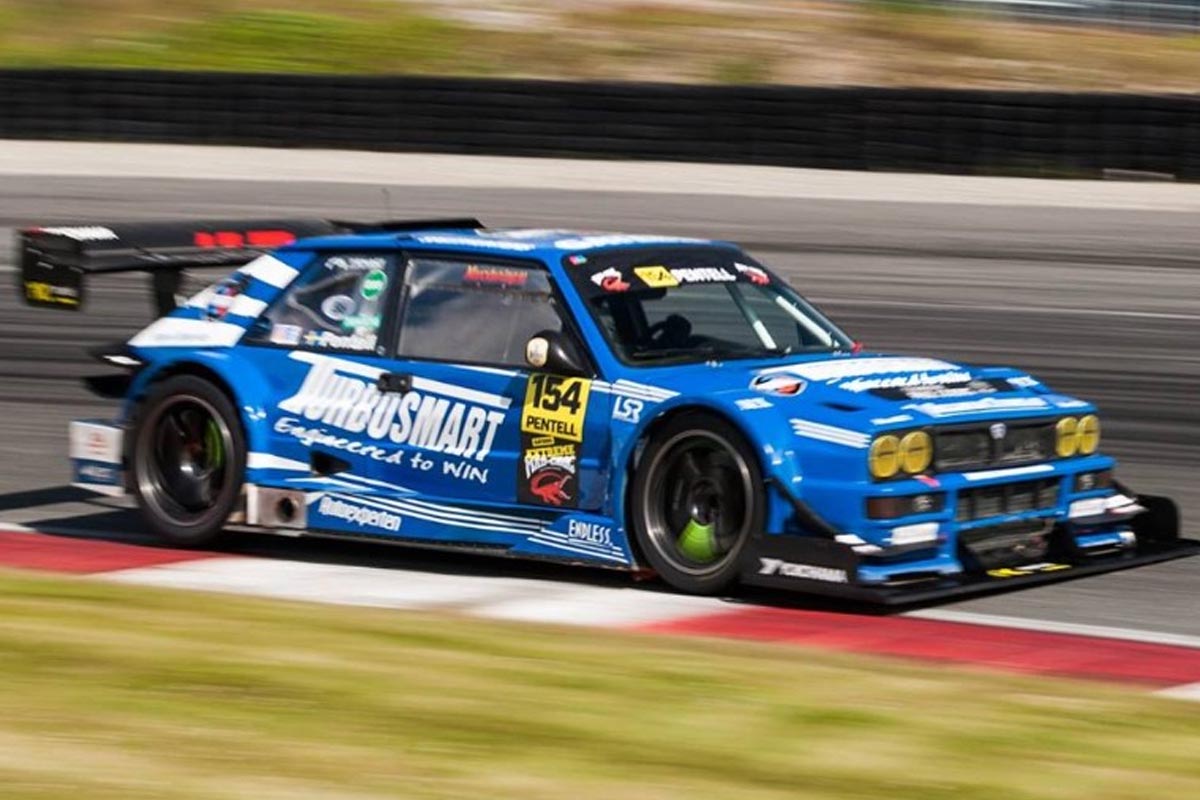
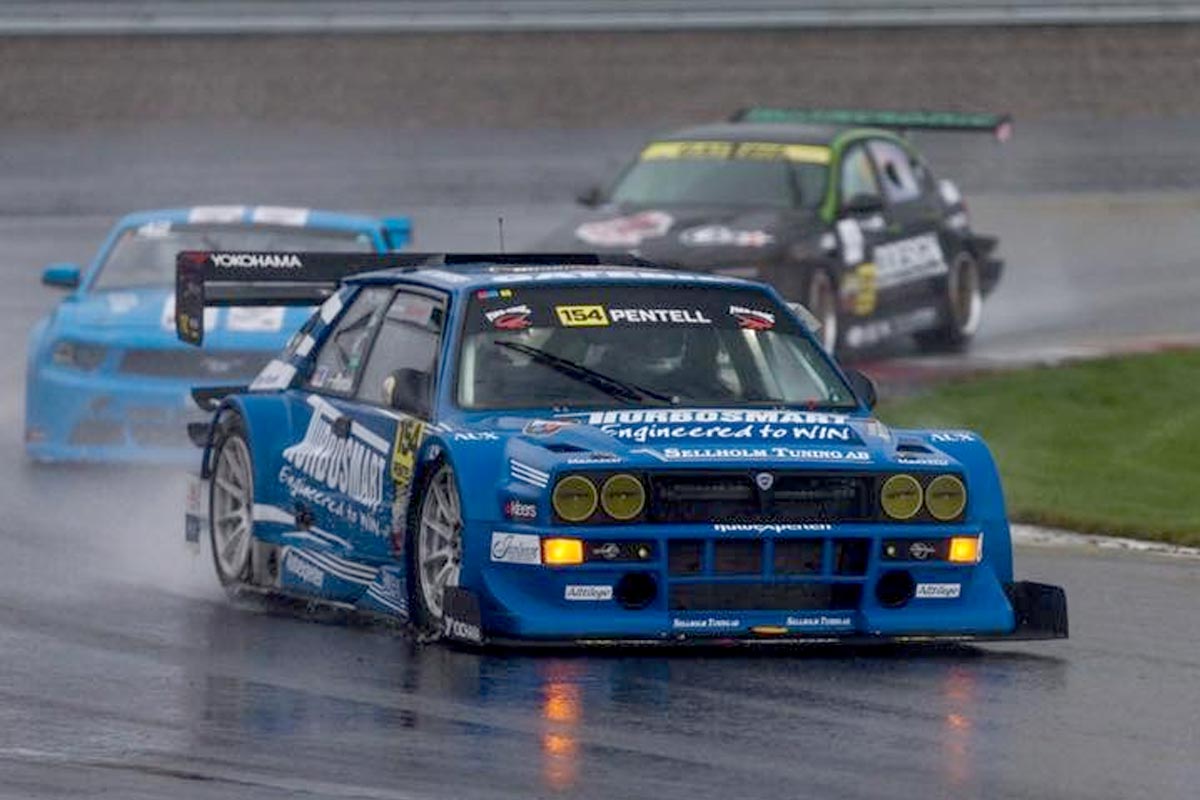
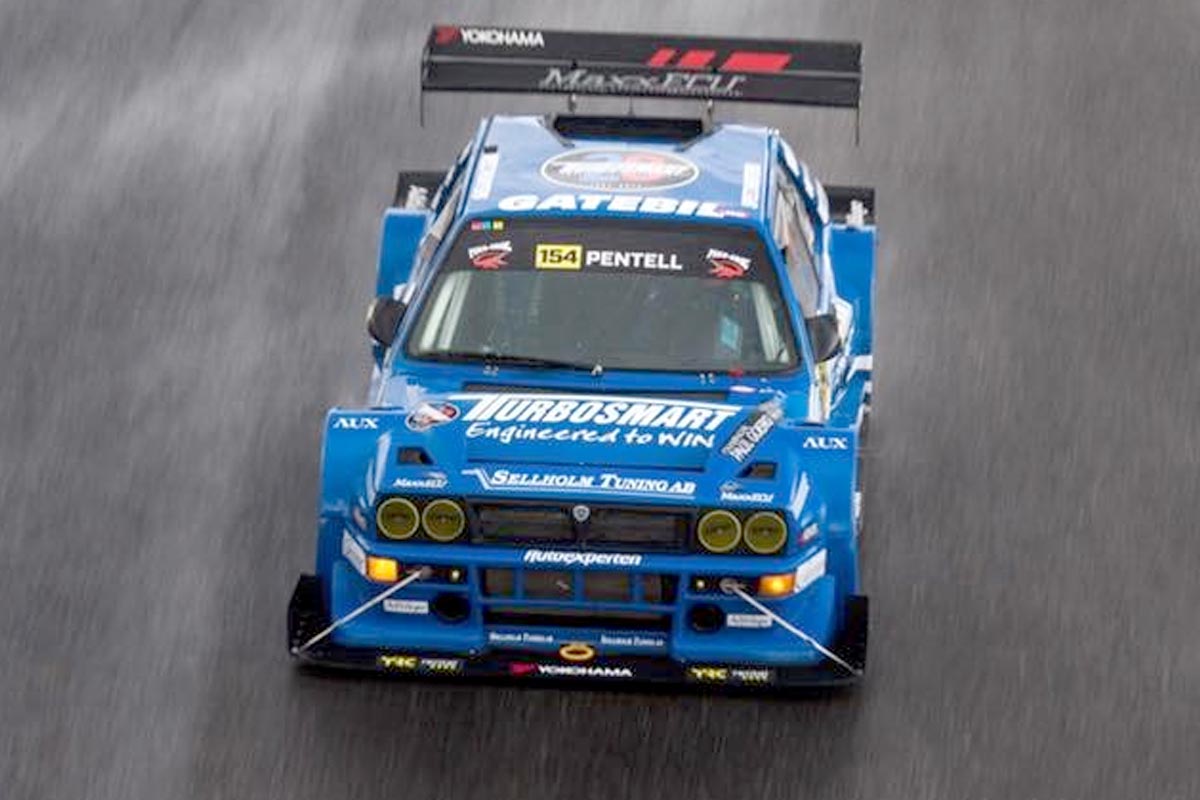
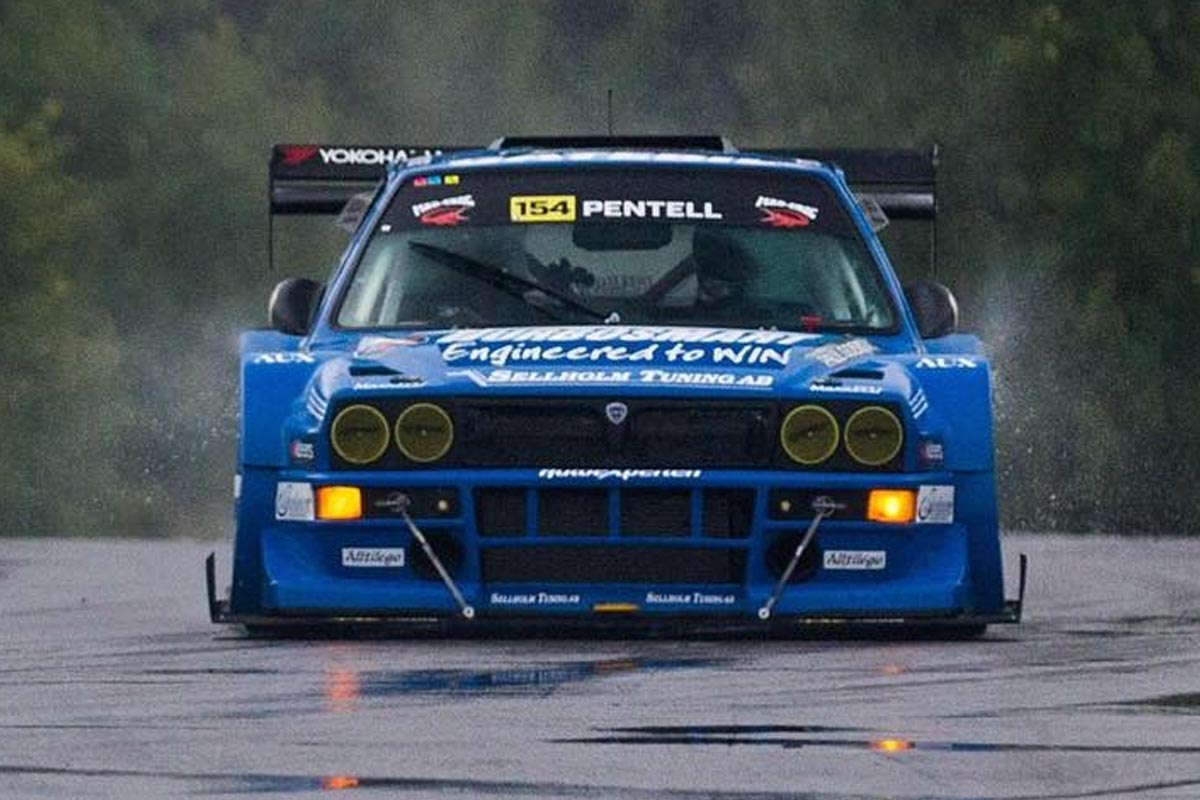
The interior is just as spectacular. The transmission tunnel features a two-lever system for adjusting the hardness of the front/rear stabilizer bars in dry or wet conditions.
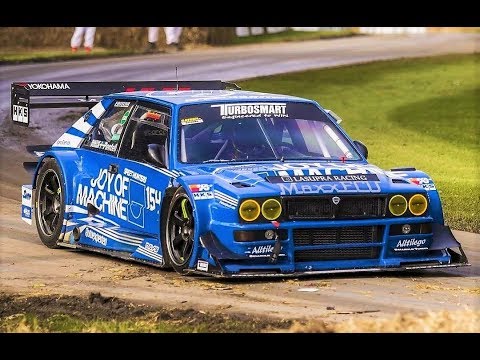
The beast has competed in both Hill Climb and Time Attack, in Nordic and European events. It also took part in the Goodwood Festival of Speed.
 English
  French
  Italian
  Spanish
  German
  Japanese
  Dutch
Dutch
Sorry, das ist kein Lancia mehr, bitte die Logos entfernen.
STUPENDA SICURAMENTE COSTERÀ UNO SPROPOSITO COMPLIMENTI