

Sometimes there are symbols that sum up a change of era. At Stellantis, This symbol could well be Opel's future electric SUV, expected in 2028. While the Group is cutting 650 engineering jobs at its historic site in Rüsselsheim, Germany, it has also confirmed that an essential part of the development of the next Opel model will be carried out... in China.
This decision is a perfect illustration of the new industrial strategy of the group headed by Antonio Filosa: less local engineering in certain business areas, more global cooperation, and above all, the assertive use of Chinese technologies when this allows us to move faster and cut costs.
Rüsselsheim downsizes
Barely a month ago, Stellantis officially announced a major reduction in its its engineering workforce in Germany. The technical center in Rüsselsheim, the historic birthplace of Opel, is to lose 650 engineers, reducing the workforce from around 1,650 to 1,000.
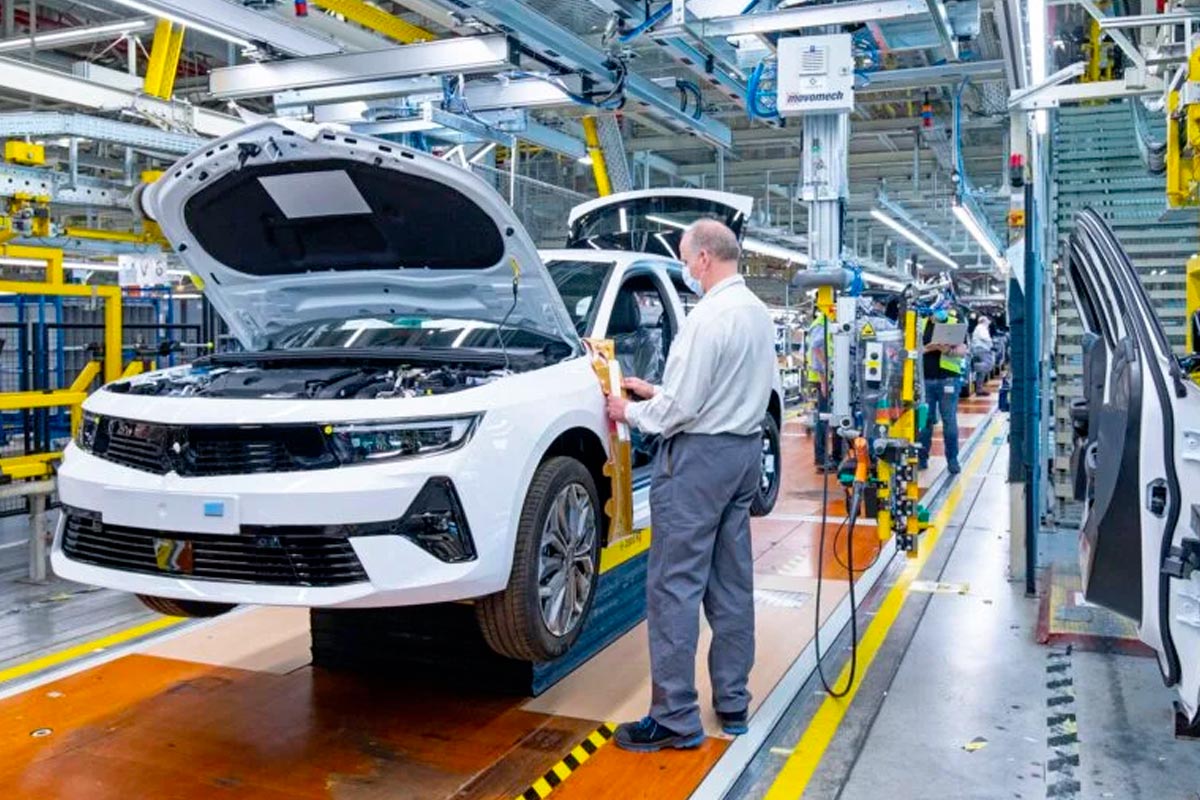
At the time, Stellantis explained that it wanted to transform this emblematic site into a more specialized center, refocusing on areas deemed strategic, such as driving aids, artificial intelligence, software and the Group's future electronic architectures.
At the time, the official line was «transformation» rather than disengagement. Opel and Stellantis promised that Rüsselsheim would retain a central role in the development of the German manufacturer's future vehicles. But the announcements made in Germany today shed much more light on what this reorganization really means.
Opel's next SUV will be largely developed in China
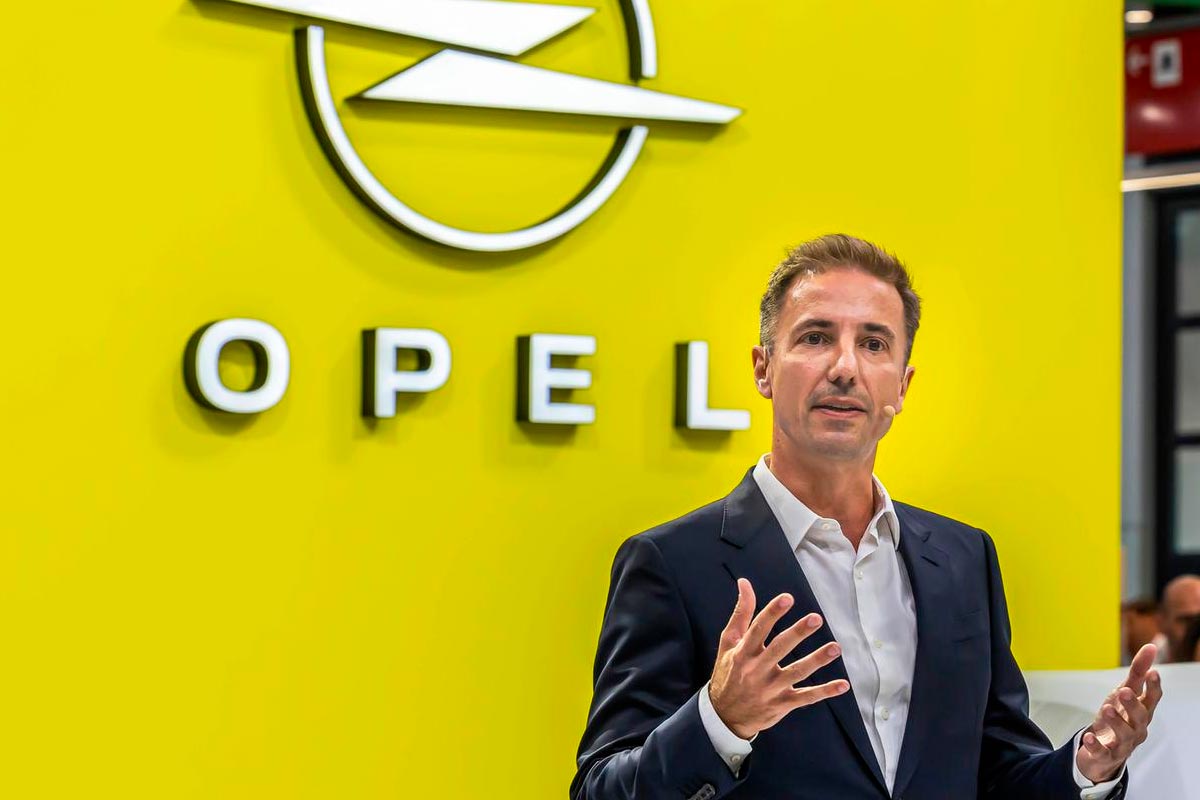
Speaking in Rüsselsheim, Opel boss Florian Huettl confirmed what until recently looked like a hypothesis: Opel's future C-segment electric SUV, scheduled for summer 2028, will be developed in close cooperation with Chinese manufacturer Leapmotor.
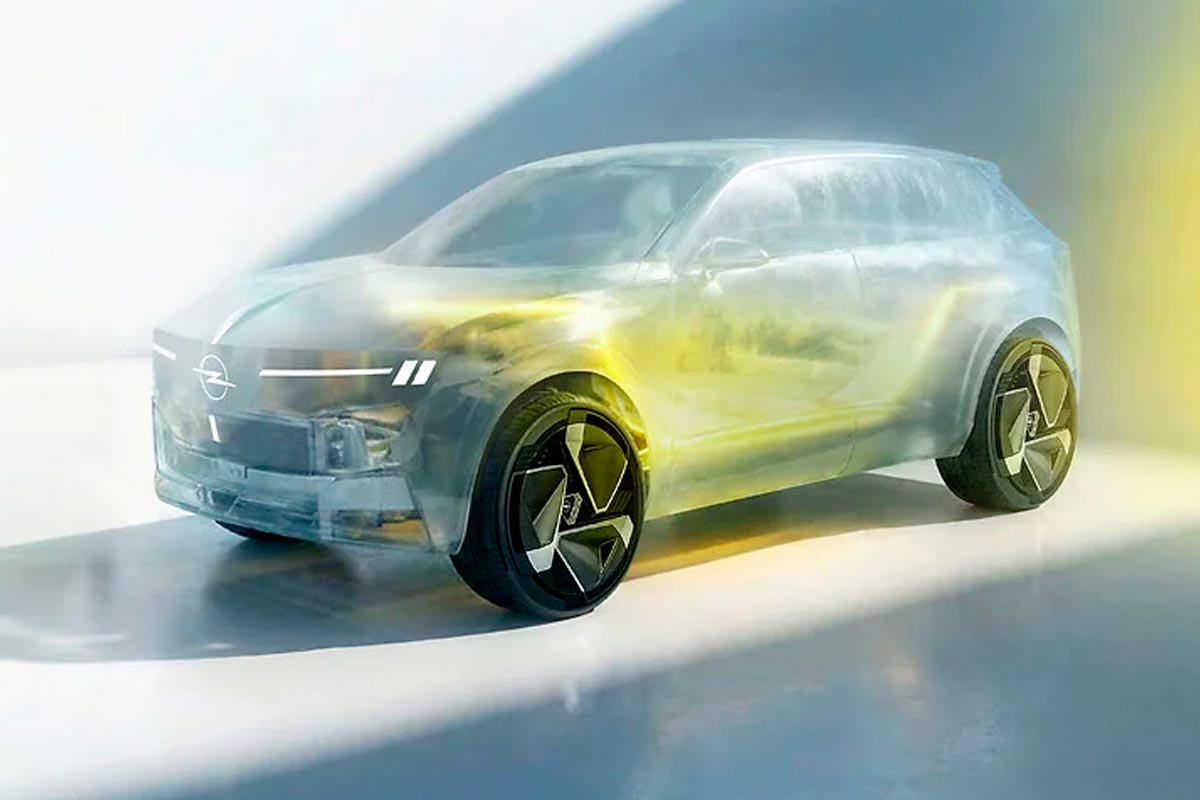
And this cooperation will not be limited to a few secondary components. According to statements made by the German executive, essential elements of the vehicle will be developed directly in China. These include the electric motor and battery, as well as the entire electrical and digital architecture of the future SUV. In short, the heart of the vehicle's technology will be Chinese.
Rüsselsheim isn't disappearing from the project altogether, far from it. German engineers will retain certain key responsibilities, notably for chassis tuning, steering, seats and lighting technologies - areas in which Opel still claims historic expertise. In other words, the next Opel SUV will indeed be «designed» in part in Germany, but on a technological basis largely sourced in China.
«In less than two years»
Perhaps the most revealing aspect of this new approach is the timetable. Florian Huettl himself explained that the partnership with Leapmotor would enable the vehicle to be developed «in less than two years». A speed that is almost unheard of in the European automotive industry, where a new model usually takes between three and four years to develop.
Why go so fast? The answer is simple: Stellantis is seeking to accelerate its electric offensive while keeping costs under control. For several months now, the group has been implicitly acknowledging that it is lagging behind Chinese manufacturers in certain technological areas, notably electric platforms and on-board software. Leapmotor now appears to be an industrial shortcut that will enable us to rapidly recover already proven, less costly and more competitive solutions.
This is no longer just an opportunistic partnership. With 21 % of Leapmotor's capital and an international joint venture 51 % owned by Stellantis, the Chinese manufacturer has become a pillar of the Group's strategy.
In Germany, the news is obviously not going down so well. It's hard not to see a link between the downsizing at Rüsselsheim and this partial transfer of skills to China. A few weeks after announcing 650 engineering job cuts, Stellantis is now explaining that entire sections of the next Opel's development will be carried out several thousand kilometers from the brand's historic headquarters.
The message sent to the German teams is inevitably a delicate one: while some of the company's engineers are leaving, future Opels will be more dependent on technologies designed outside Europe. Stellantis is obviously trying to present this development as an «intelligent distribution of skills» on a global scale. German engineers would retain the elements linked to Opel's DNA (roadholding, comfort, perceived quality), while China would supply the technological building blocks needed to remain competitive. But the symbolism remains strong.
Opel, pioneer of a silent revolution at Stellantis?
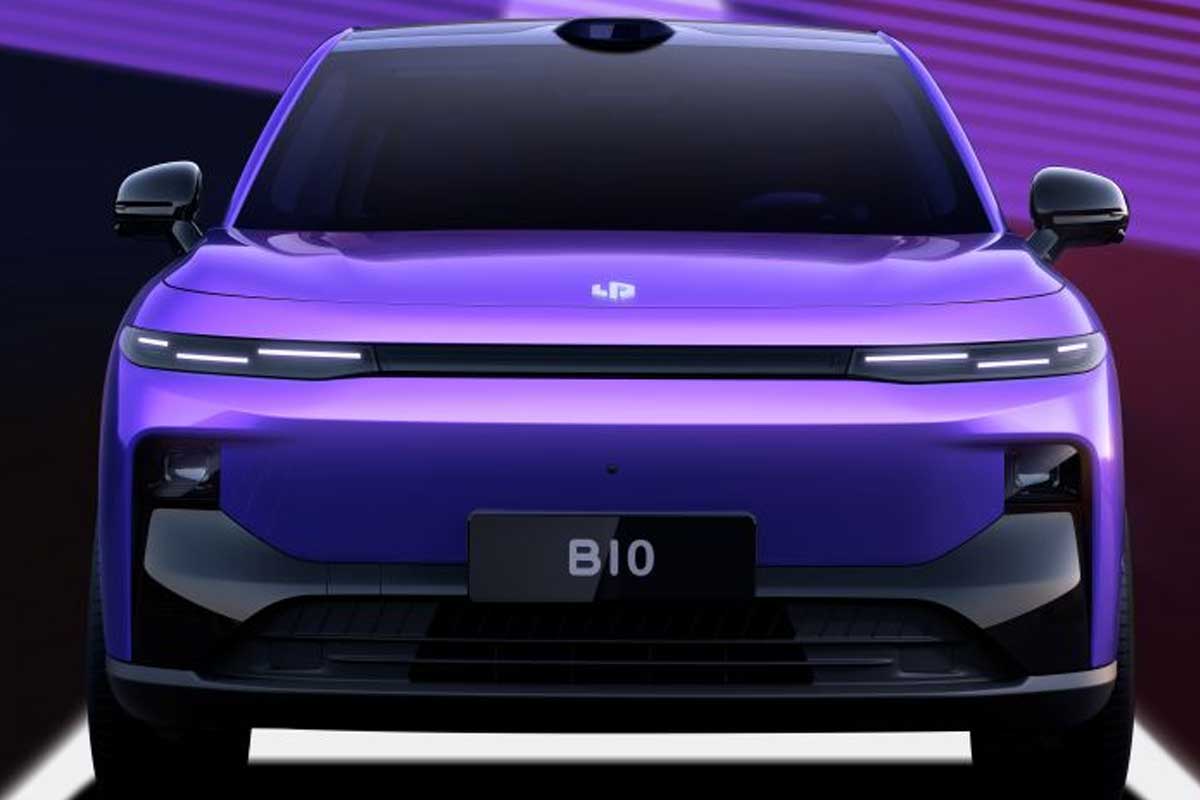
This project could also be just the beginning. The future Opel SUV will not only be developed with Leapmotor: it will also be produced at the Stellantis plant in Zaragoza, Spain, where the Leapmotor B10 is also due to be assembled. Opel's long-established plant will thus manufacture both a Chinese model and an Opel SUV based on Chinese technology.
At Stellantis, Opel now seems to be playing a laboratory role. Florian Huettl even refers to a «pioneering» role for the German brand in this new cooperation with Leapmotor. And it would be surprising if this logic were to stop at Opel. If the model proves effective - faster to develop, cheaper to produce and sufficiently competitive against Chinese rivals - it's a safe bet that other Group brands will follow suit.
 English
  French
  Italian
  Spanish
  German
  Japanese
  Dutch
Dutch
That's what happened with the new Modus (er Twingo, sorry 😮🫢😁) too.
The new Twingo was designed (in part) by Renault's Chinese R&D center. It's still a Renault.
Here, this Opel will be based on a Chinese platform designed by a Chinese brand with no ties to Stellantis. There will be no Group involvement in the development of this model, apart from the design. That's the difference.
The consumer buys from the best bidder, the citizen should boycott...
What's next: an electric Alfa Romeo made in China?
It's true that China is ahead of the game when it comes to electric cars, but that's no reason to rebadge Chinese cars for Stellantis...
Opel hasn't had an image for a long time, so it doesn't matter.
Nothing has meaning or value at Stellantis
China's sole aim is to become the world's economic leader by any means necessary, including by ruining the industries of other countries, especially those of the West, which it hates. They've already done so in several fields, such as renewable energies, and the automotive industry is next.
The Europeans are lost, as usual, for lack of long-term planning. They've given up and let the wolf into the henhouse. It's sad and, above all, it's yet another economic dependency for Europe at a time when we're saying we need to get off oil (which will never happen, given that it's everywhere).
Opel war mal Kult. Meine Frau und ich haben diese Zeit erlebt. Kadett Ascona,Manta und Co. Ich dachte Stellantis versucht Traditionellen zu moderieren. Nein,es werden Marken billig zusammen gebaut und teuer verkauft. Citroen, Peugeot, Opel,das sind Marken Autos aus der EU und keine Chinesischen Karren. Ich würde keinen Opel mehr kaufen. Renault ist schlauer
The truth is, China dominates the world. The Chinese car market is the biggest in the world, with economies of scale and state aid.
Europe has an industrial and R&D base inherited from the 20th century, with a declining automotive market that is leading to the decline of its industry.
das Grab bauen sich die Europäer selbst. Wenn die Schlüsselindustrie Auto verschwindet fallen die Arbeitsplätze und somit die Kunden-Käufer weg. Was bleibt noch übrig? Keine Firmen, keine Beschäftigungen, keine Gelder im Umlauf und extrem hohe Kosten in der Asylpolitik. Die EU und speziell Deutschland müssen so wie die Chinesen längerfristig vor denken.
If they destroy the rest of the world, other countries will collapse, even though they are the customers of China, which has built its economy on exports.
Now they've understood the limits of exporting by setting up shop on the premises of their (future) customers.
They are also overcapacity due to subsidies. China's other black spot is its aging population.
After the Second World War, Western Europe was under American tutelage and they imposed their way of life, culture and industry. China colonizes the world like this
I plunder Western technologies, boost exports to knock out the competition, and set up shop after shop.
Europeans have exhausted themselves with the regulatory constraints imposing ever more demanding standards, forcing electrics on us too quickly.
Chinese automakers are looking for easy prey, like Stellantis, who would like to close a few factories off the market...
When I read «transferring skills to China», I rather think that Europe has become so incompetent in the automotive sector that brands are fleeing this continent to go where the future of mobility lies. And this time, it won't be in Europe. But it's like for samrtphones, gafa, cryptos, AI, Europe is relegated!