

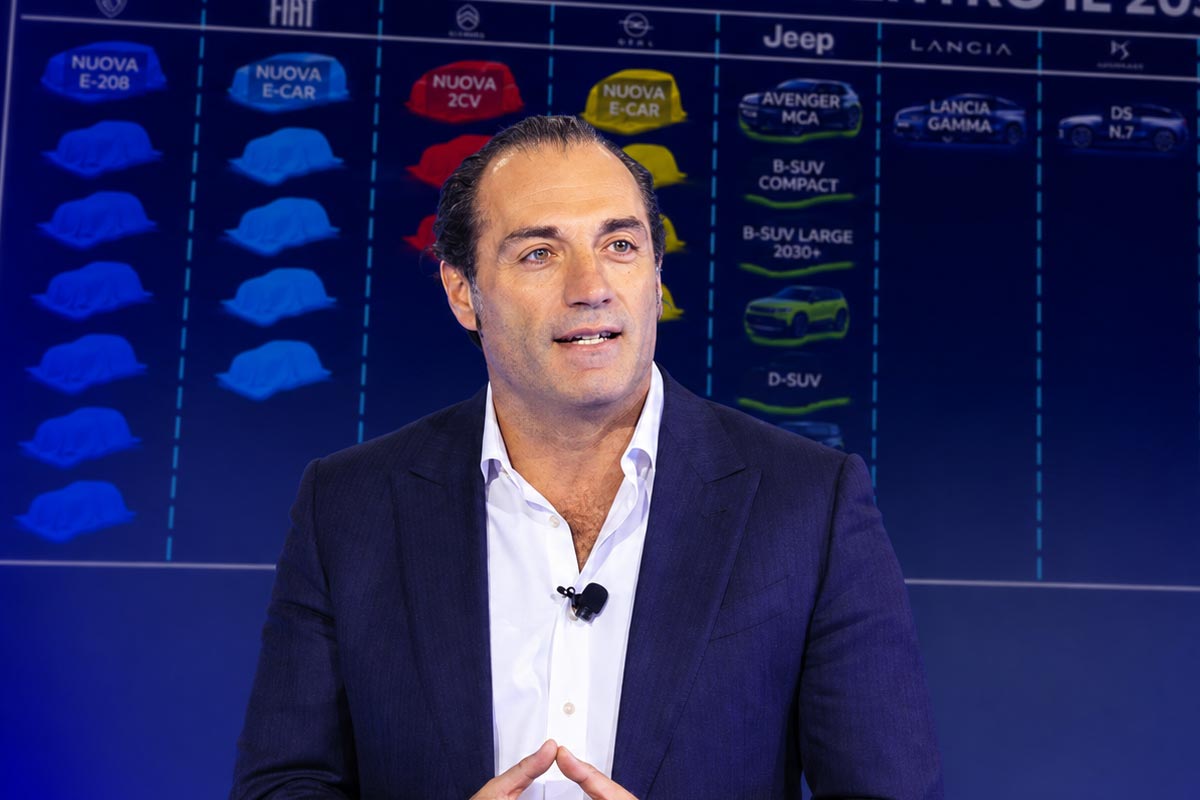
When creating Stellantis In 2021, Carlos Tavares, then CEO of the group, promised that all brands would get their chance. Five years later, it’s clear that this strategy has reached its limits. By trying to relaunch simultaneously Alfa Romeo, Lancia With DS Automobiles, Stellantis has spread its investments thin rather than focusing its resources on its most promising brands. But things are changing. According to information from the Journal de l’Automobile, Alfa Romeo is now reportedly being given priority, while several Lancia and DS projects are being scrapped.
Three premium brands, but scattered resources
Let's take Lancia as an example. In 2024, the Italian brand launched its new Ypsilon, a premium city car that could very well have become a new Alfa Romeo MiTo. In 2026, Lancia continues its revival with the Gamma SUV, which is technically similar to Alfa Romeo's upcoming compact SUV.
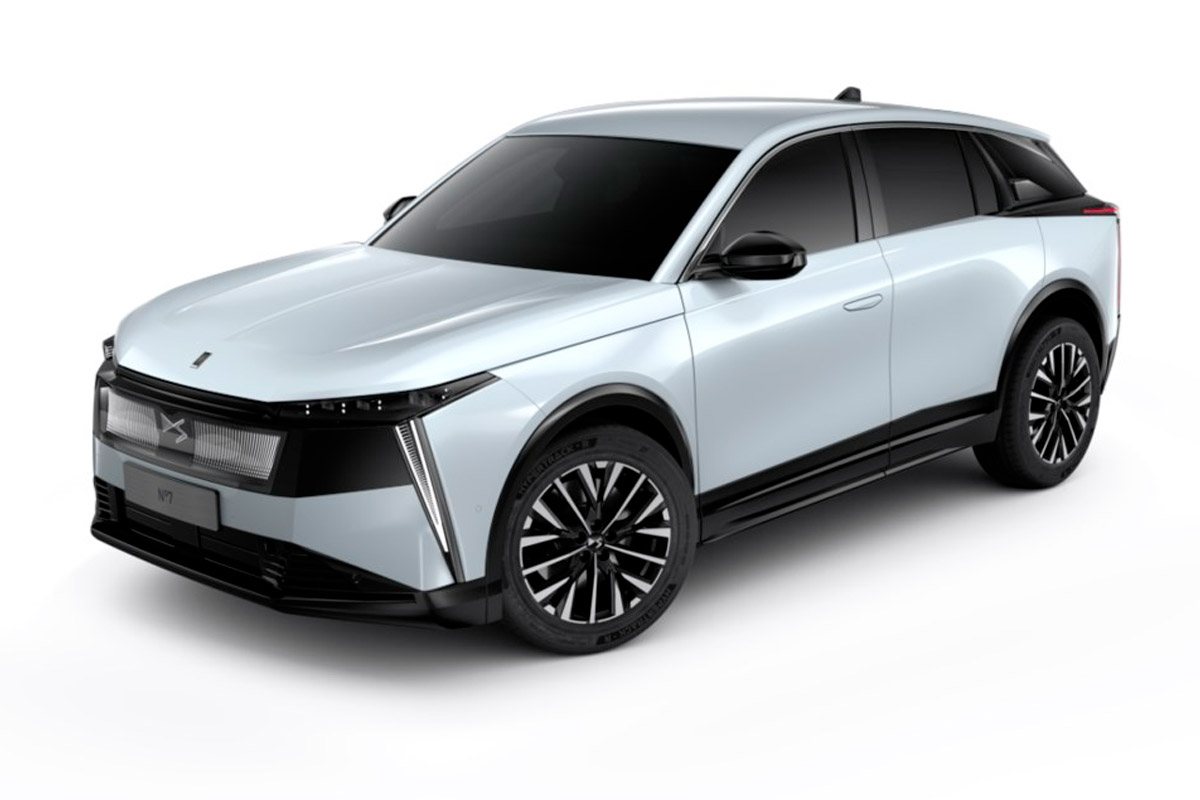
The same is true for DS Automobiles, which has launched the DS No. 8 and DS No. 7. The latter, in fact, shares its technical underpinnings with the Lancia Gamma and the upcoming Alfa Romeo Tonale SUV.
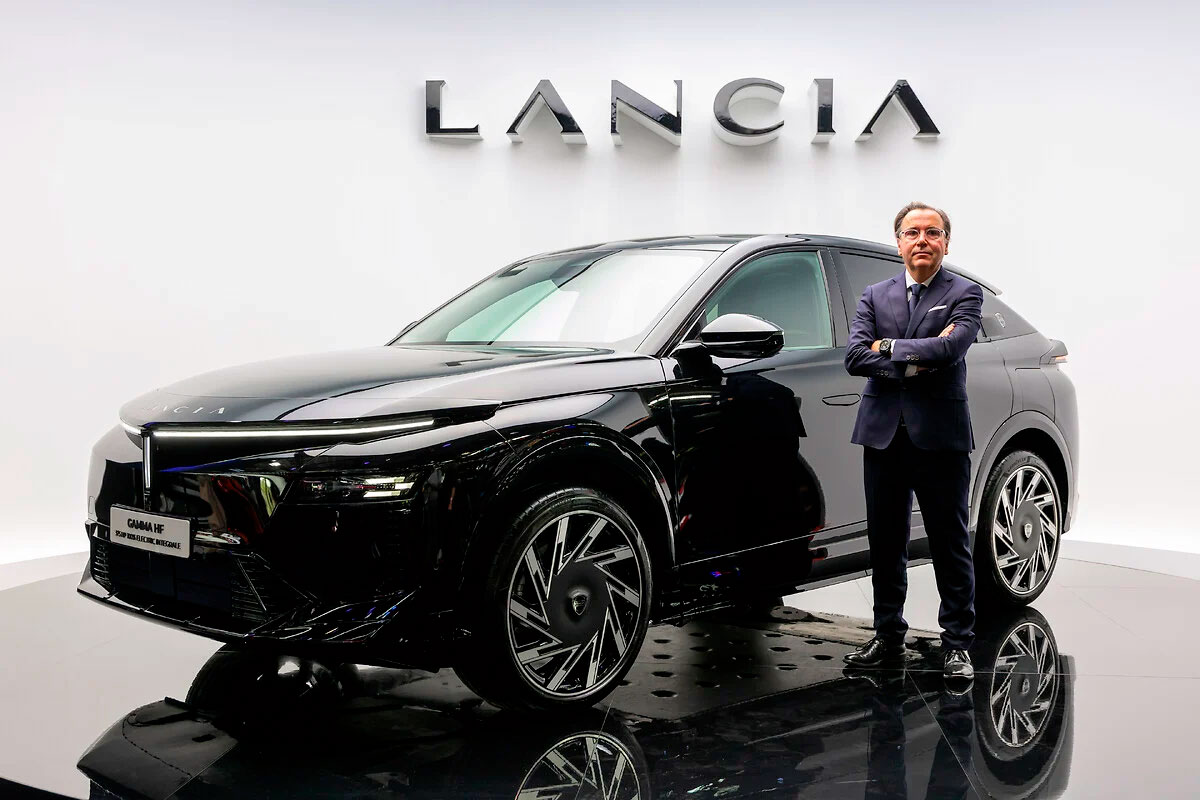
Meanwhile, Alfa Romeo must essentially rely on the Junior, which has been on the market since 2024, to maintain its sales. The brand is still waiting for real innovations, while its sister brands have benefited from significant investments.
Let’s imagine for a moment that Stellantis had made different choices. Rather than funding two new Lancia models and two DS models, the group could have devoted those resources to Alfa Romeo. By 2026, the Biscione brand could have had three new models instead of just one (and even five if the new Giulia and Stelvio hadn’t been canceled).
Business Results That Raise Questions
This diversification of investments is all the more questionable given that the business results have not materialized.
In 2025, Lancia registered only 11,591 cars across five European markets, including 9,710 in Italy, 850 in France, and only 625 in Spain—the country where the new Ypsilon is actually produced. These are particularly modest figures for a brand that Stellantis had hoped to turn into a European premium player.
At DS Automobiles, the situation is hardly any more encouraging. With 27,772 European registrations in 2025, down 23 %, the French brand is also struggling to win people over.
These results raise a question: Did Stellantis really have the resources to develop three premium brands with such similar ambitions?
Alfa Romeo Saved, Lancia and DS Sacrificed?
According to information published by The Automobile Journal, Stellantis has reportedly made its decision. The future Lancia Delta, originally scheduled for 2028, has reportedly been scrapped. The same fate awaits the future DS No. 4. Conversely, Alfa Romeo is reportedly reviving a previously canceled project: a new compact sedan, named the Alfetta, expected in 2030 and to be produced in Tychy, Poland.
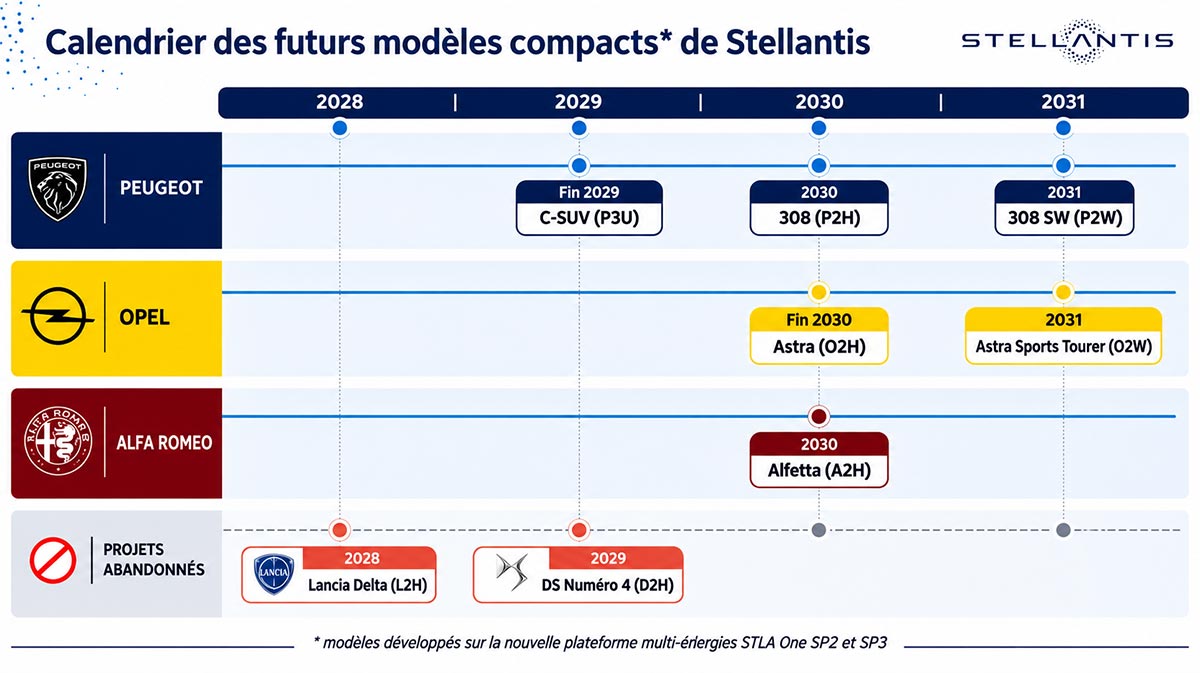
This change in direction is part of a broader reorganization. DS is expected to align more closely with Citroën, as it did during the PSA era, while Lancia would rejoin Fiat, as it did under Fiat SpA and FCA. This suggests that, over time, premium models could become more fully integrated into the lineups of the two mass-market automakers.
A logical choice, but too late?
For Alfa Romeo, this new direction is good news. However, we’ll have to wait until 2030 to see the Alfetta, while the future of the new Giulia and Stelvio remains uncertain.
Stellantis finally seems to be acknowledging that it can't do everything, everywhere, with all of its brands. But after five years of scattered investments Alfa Romeo likely suffered significant losses while Stellantis was trying to revive both Lancia and DS at the same time.
 English
 French
 Italian
 Spanish
 German
 Japanese
 Dutch