

Horacio Pagani has never made a secret of his passion for perfection. But according to Ben Collins, the former Stig from Top Gear, this quest goes far beyond a simple attention to detail: it revolves around a true obsession—the quest to shave off even the slightest kilogram. As a guest on the Cars & Money podcast, the British driver—who has long tested the world’s most extreme cars for the BBC show—recounted a memorable conversation with the founder of Pagani. A conversation that perfectly sheds light on the Italian brand's sometimes controversial technical choices.
A choice that has been criticized… but one he stands by because of the weight
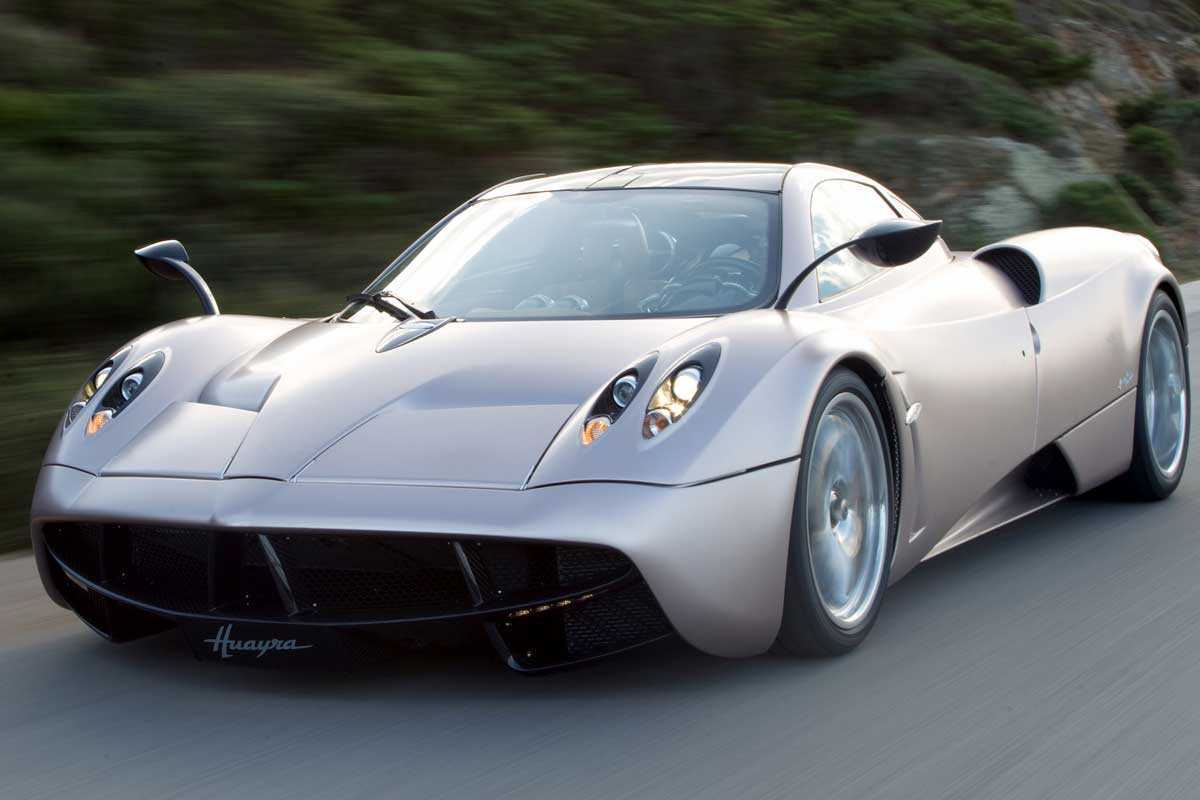
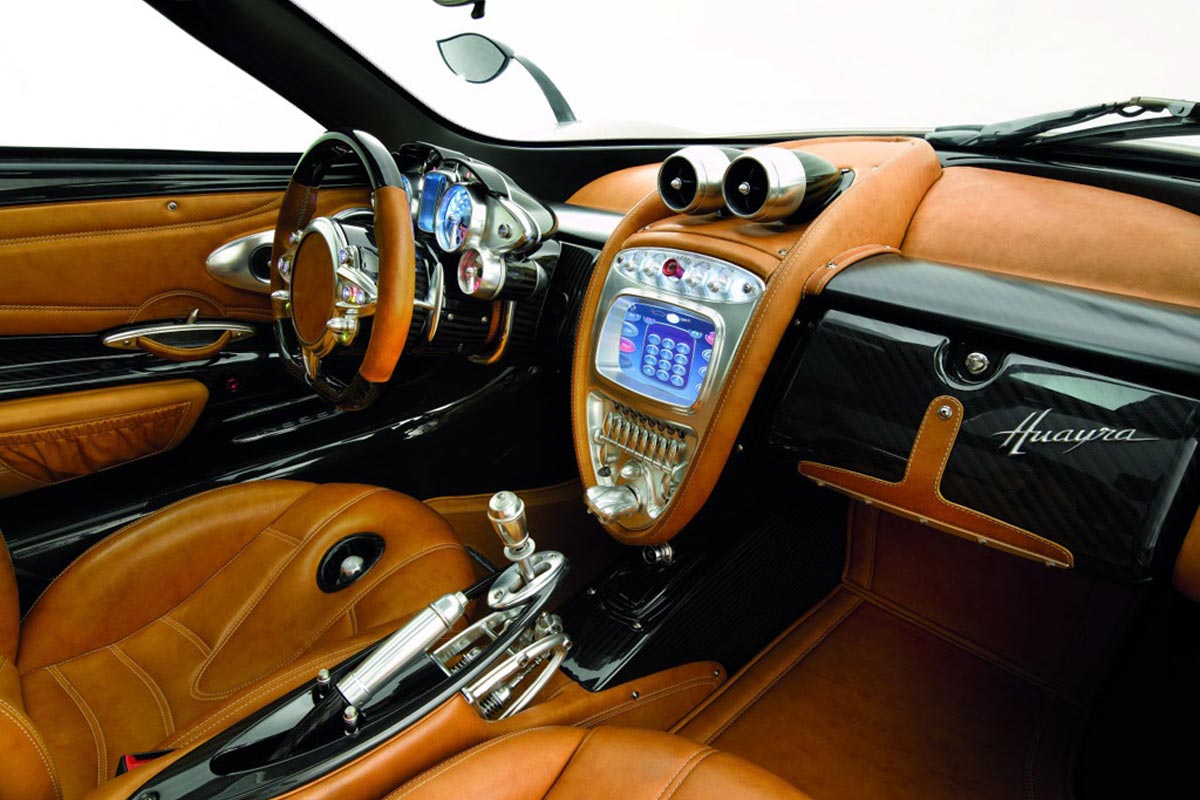
When the Pagani Huayra When it hit the market, many journalists pointed to its single-clutch automated transmission. At a time when Ferrari was already making dual-clutch transmissions standard and Porsche was establishing its famous PDK, the solution chosen by Pagani seemed outdated. Ben Collins acknowledges, in fact, that the Huayra’s first two gears were particularly jerky. But behind this decision lay an ironclad logic.
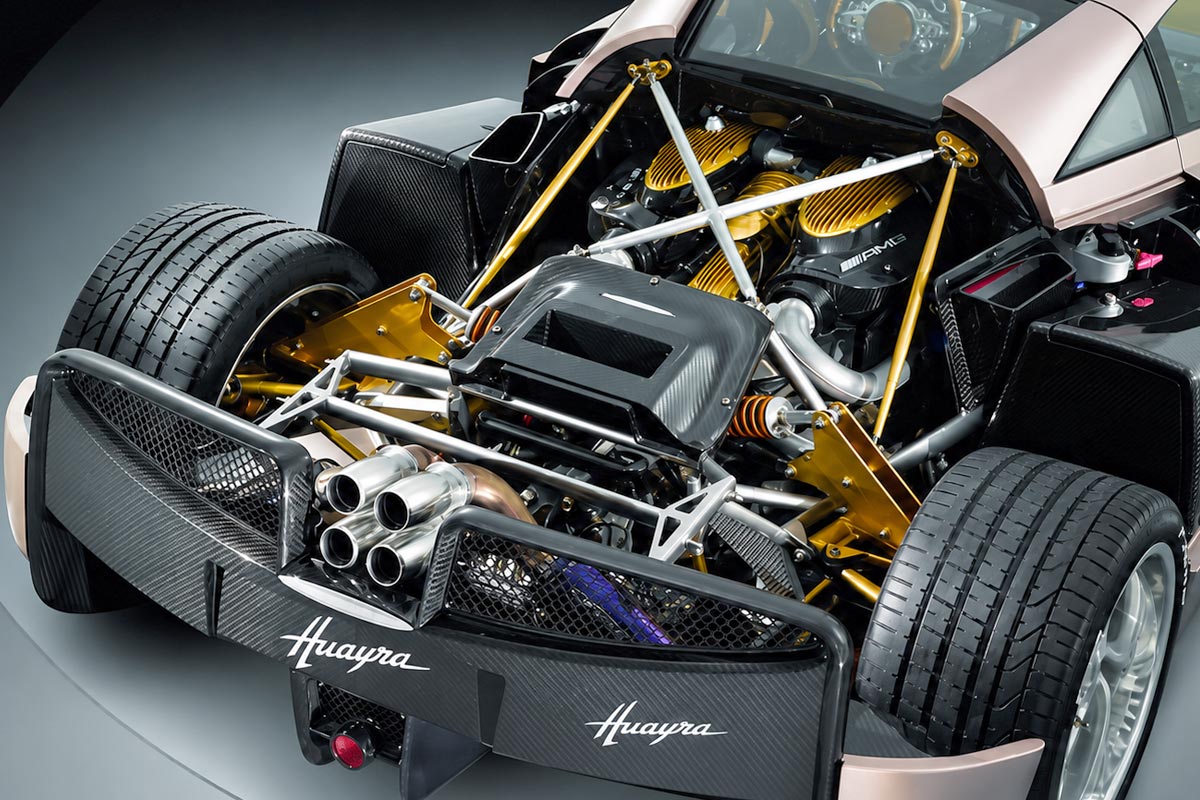
The former Stig recalls a conversation he had directly with Horacio Pagani at the Italian manufacturer’s workshops. According to him, the creator of the Huayra explained that the only dual-clutch transmission capable of handling the torque of the AMG V12 was the one used in the Bugatti Chiron.
The problem? Its weight. «That transmission weighed as much as our engine,» Horacio Pagani reportedly explained to him. «It was like adding a second engine to the car. » Faced with this reality, Pagani’s founder believed a choice had to be made: prioritize fast, smooth gear changes or preserve the car’s overall lightness. For him, the answer was obvious. The choice therefore fell on a 7-speed Xtrac automated sequential transmission (single-clutch). This 7-speed Xtrac sequential transmission is mounted transversely and can handle torque exceeding 1,000 Nm, while saving 70 kg compared to a conventional dual-clutch transmission.
Lightness Above All Else
This philosophy has shaped Pagani's entire history. Since the Zonda until the Huayra, every component is designed to reduce weight, even if it means foregoing certain technologies that have become standard among competitors. Ben Collins fully understands this approach. For him, a sports car must above all remain lightweight, responsive, and offer an immediate response to the driver’s inputs. He points out that adding increasingly heavy components inevitably detracts from the driving experience. In his view, this obsession with weight explains why Pagani has long resisted the trend toward dual-clutch transmissions, despite criticism.

A vision that still makes a difference
In hindsight, this anecdote perfectly illustrates what sets Pagani apart from other supercar manufacturers. While many have prioritized pure performance or technological sophistication, Horacio Pagani has continued to champion an almost artisanal philosophy, in which every kilogram counts. This vision has sometimes led to technical compromises, but it also contributes to the unique character of the Italian brand’s models. For Ben Collins, this choice was therefore not a technological setback, but rather the expression of a deep conviction: in a true supercar, lightness remains the key to everything.

 English
  French
  Italian
  Spanish
  German
  Japanese
  Dutch
Dutch
Maybe if Pagani manufactured its own engines, the dual-clutch transmission wouldn't be a problem anymore.
I think it's wrong to make technical compromises just to save weight!
Yeah, you don't develop cars either.
Let the ignorant remain ignorant.
That's the right philosophy.