

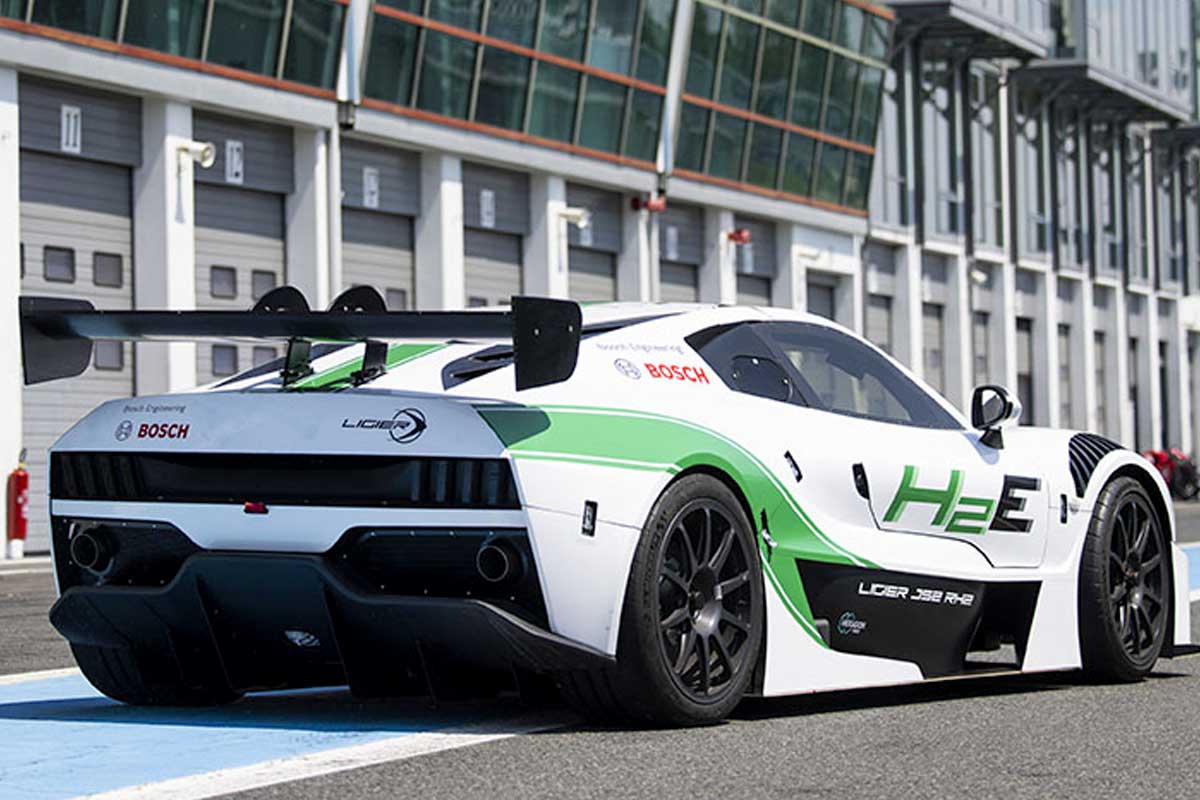
Three years after its first appearance at Le Mans, the Ligier JS2 RH2 is back in the spotlight. This unique racing car, powered by a V6 engine Maserati powered by hydrogen, will once again perform a demonstration run at the 2026 Le Mans 24 Hours. But this time, it's back with a major evolution of its powertrain, more powerful, more torquey and even more accomplished.
While hydrogen is still struggling to find its place in production cars, some motorsport players continue to believe in its potential. Bosch Motorsport, Ligier Automotive and Maserati are pursuing a project launched in 2021 to demonstrate that a hydrogen combustion engine can deliver hypercar performance while drastically reducing its environmental impact.
The Maserati Nettuno V6 as a starting point
At the heart of this project is an engine well known to enthusiasts of the Trident brand: the Nettuno V6. This 3.0L twin-turbo engine powers the Maserati MC20, MCPura and GT2 Stradale. Designed from the outset as a very high-performance engine, it has proved an excellent basis for conversion to hydrogen.
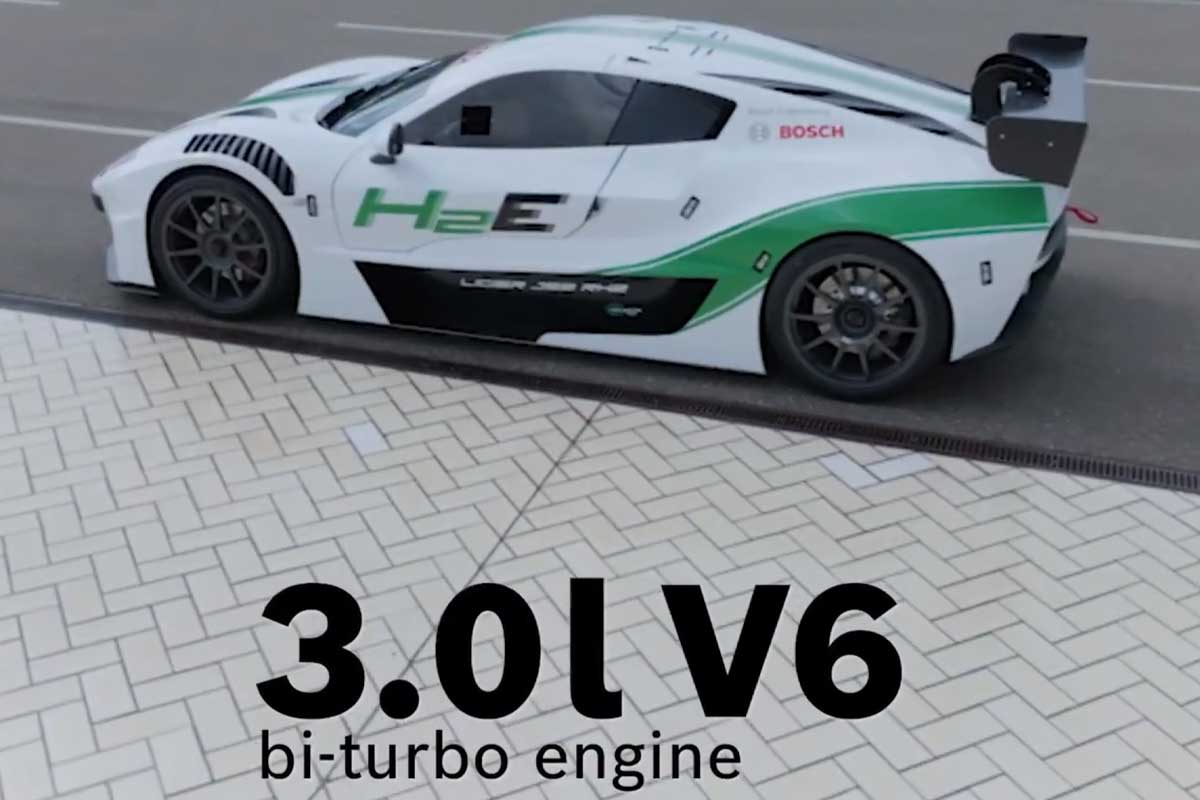
According to Davide Danesin, Head of Maserati Engineering, the Nettuno's intrinsic robustness enables it to withstand the very high combustion pressures generated by hydrogen. A quality that facilitated the work of Bosch Engineering's engineers.
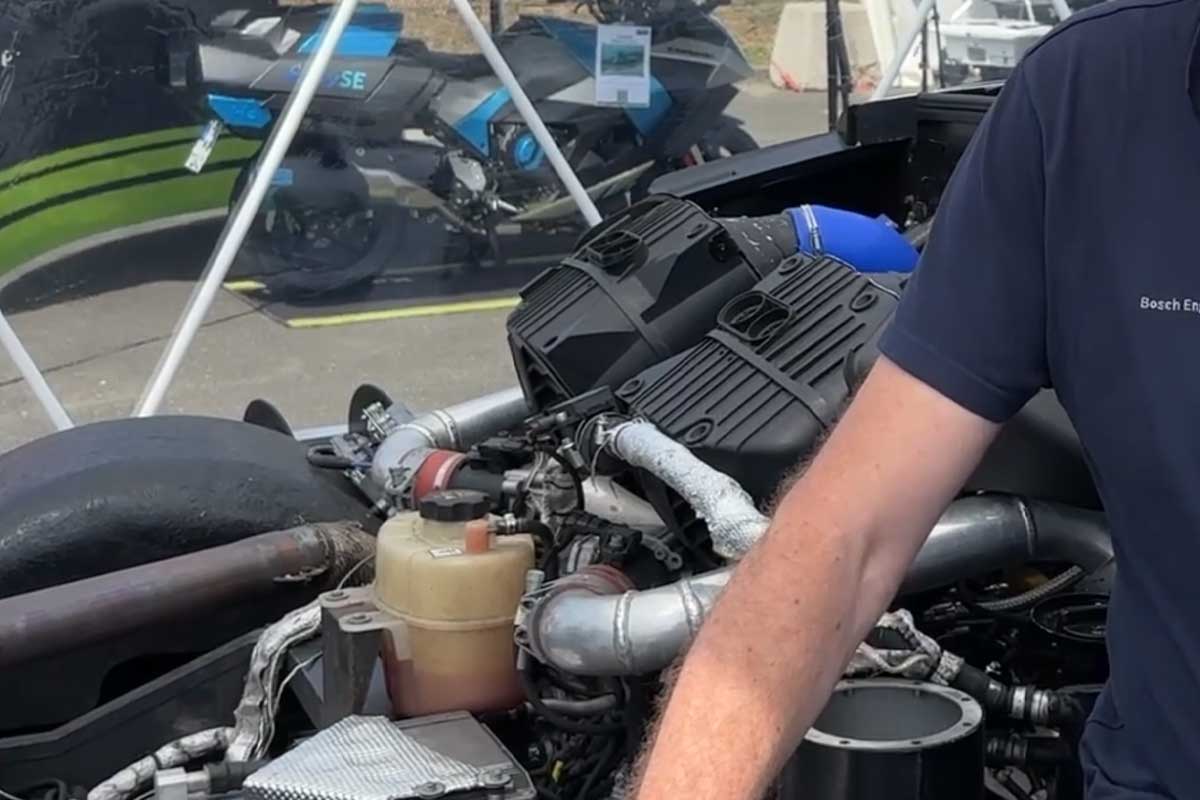
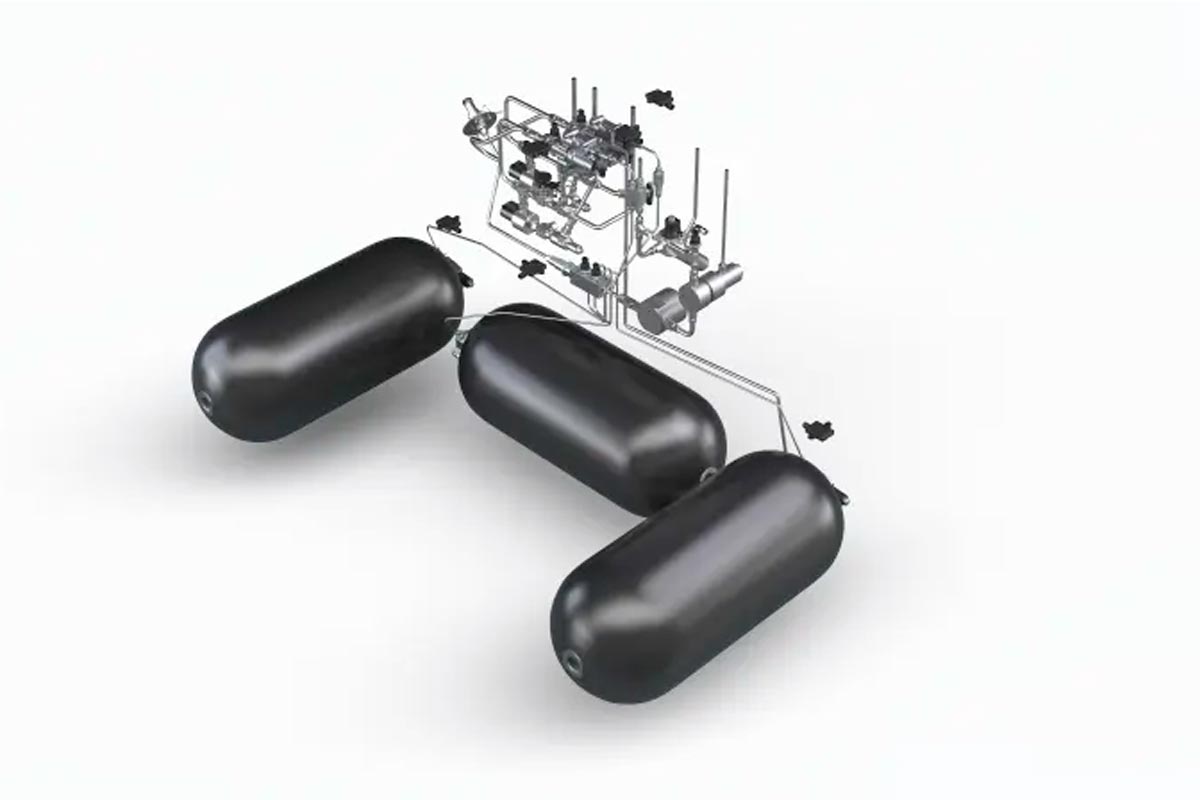
To transform this gasoline engine into a hydrogen engine, certain essential parts have been retained, such as the cylinder heads and turbochargers. Modifications are concentrated mainly on the injection system, ignition, electronic management and pistons, whose shape and compression ratio have been revised to make the most of the new fuel's characteristics.
More powerful than a Maserati MC20
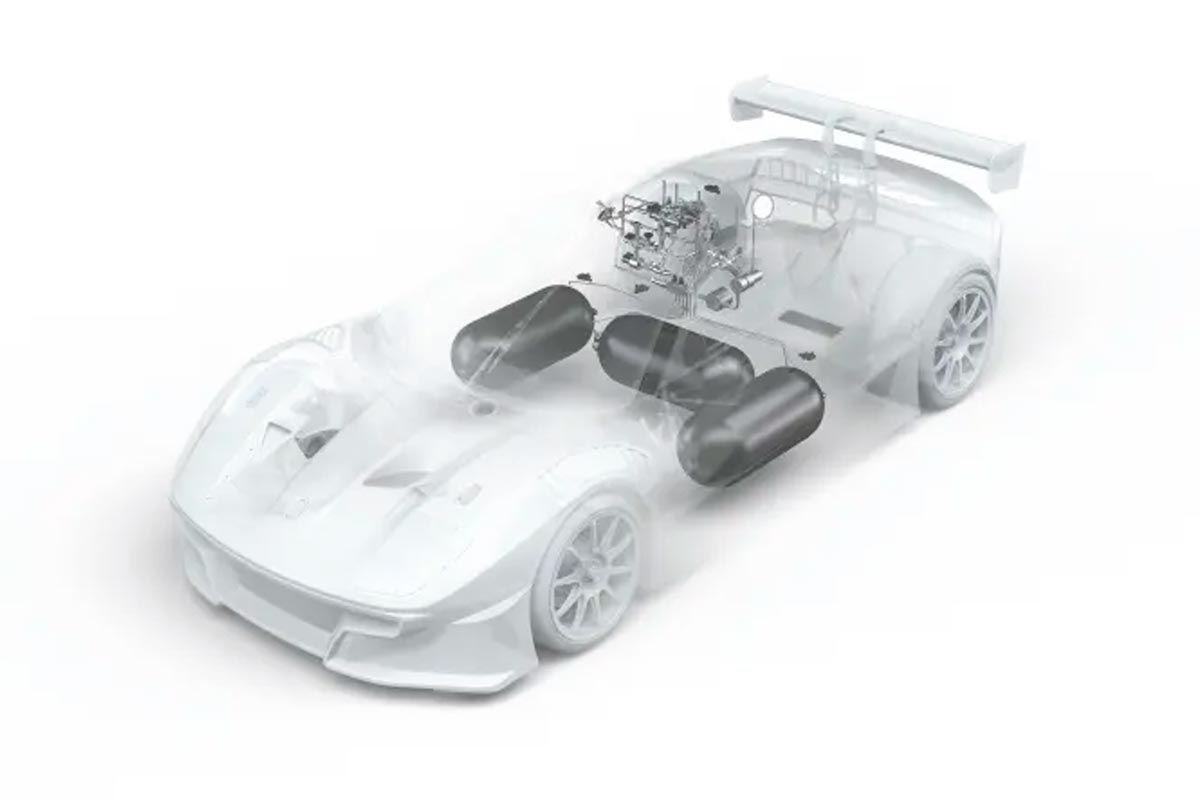
The main new feature of this 2026 version is the adoption of a latest-generation direct hydrogen injection system developed by Bosch. Thanks to these special injectors, combustion is more stable, while performance is significantly enhanced. With this new configuration, the V6 develops around 480 kW, or almost 650 hp, with torque peaking at 880 Nm. These figures even exceed the standard performance of the Nettuno engine installed in Maserati production models.
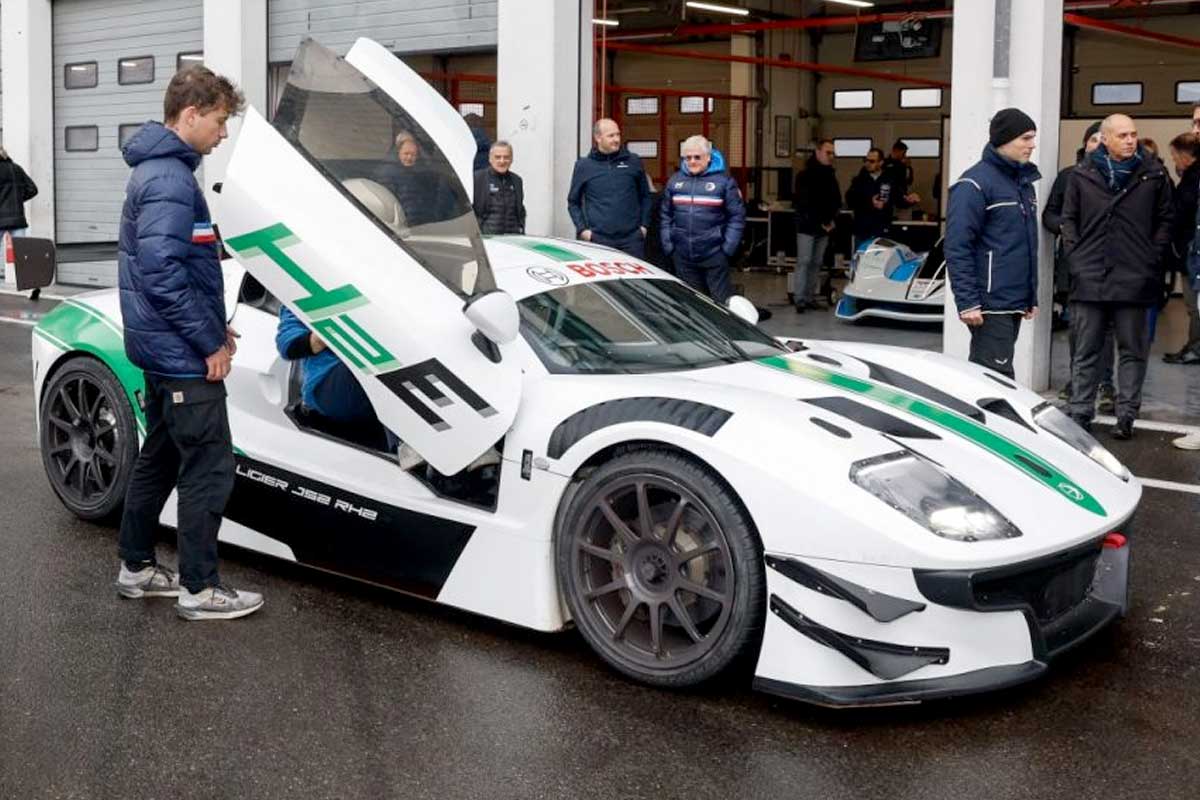
This project is all the more interesting in that it is not based on a fuel cell powering an electric motor. What we have here is a traditional internal combustion engine, with its characteristic revs, mechanical character and sound, but running on hydrogen as fuel.
Full-scale reliability demonstration
If the Ligier JS2 RH2 is attracting so much interest, it's also because it's no longer just a rolling laboratory. Since its official presentation at the Le Mans 24 Hours in 2023, the prototype has accumulated almost 8,000 kilometers of track testing in a wide variety of conditions. Bosch, Ligier and Maserati place particular emphasis on the reliability demonstrated by the engine-vehicle combination. The various tests carried out over the last few years have enabled us to continually refine the concept, increasing power and torque while further reducing emissions.

For Bosch Motorsport, this development work represents an important step towards the democratization of alternative solutions in motorsport. The aim is not only to create a technological demonstrator, but also to accelerate the transfer of these innovations to on-road applications.
Back to the 24 Hours of Le Mans
Spectators attending the 24h du Mans 2026 will be able to discover the Ligier JS2 RH2 throughout the week in the H2 Village, the area dedicated to hydrogen technologies at the famous Sarthe circuit. The highlight, however, will be the Saturday before the start of the race, when the prototype will perform a demonstration lap on the circuit.
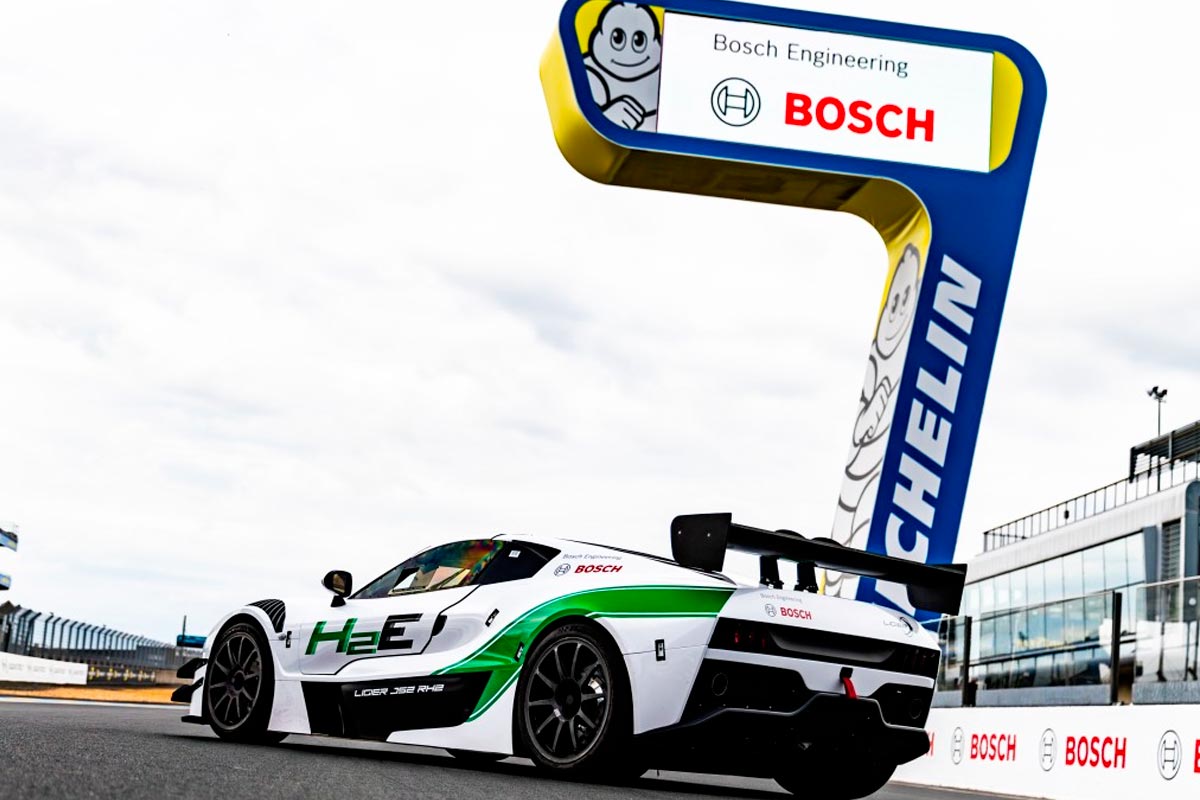
For Ligier, this project also has a historical dimension. Jacques Nicolet, President of Ligier Automotive, recalls that the original Ligier JS2 was already powered by a 3-liter Maserati V6 engine and won the Tour Auto in 1974. More than fifty years later, the association between the two French and Italian brands is reborn in a totally new form, geared towards the decarbonization of motor sport.

 English
  French
  Italian
  Spanish
  German
  Japanese
  Dutch
Dutch
No puretech V6 since Ligier is French?
Roooh, Lysander's going to be very upset.