

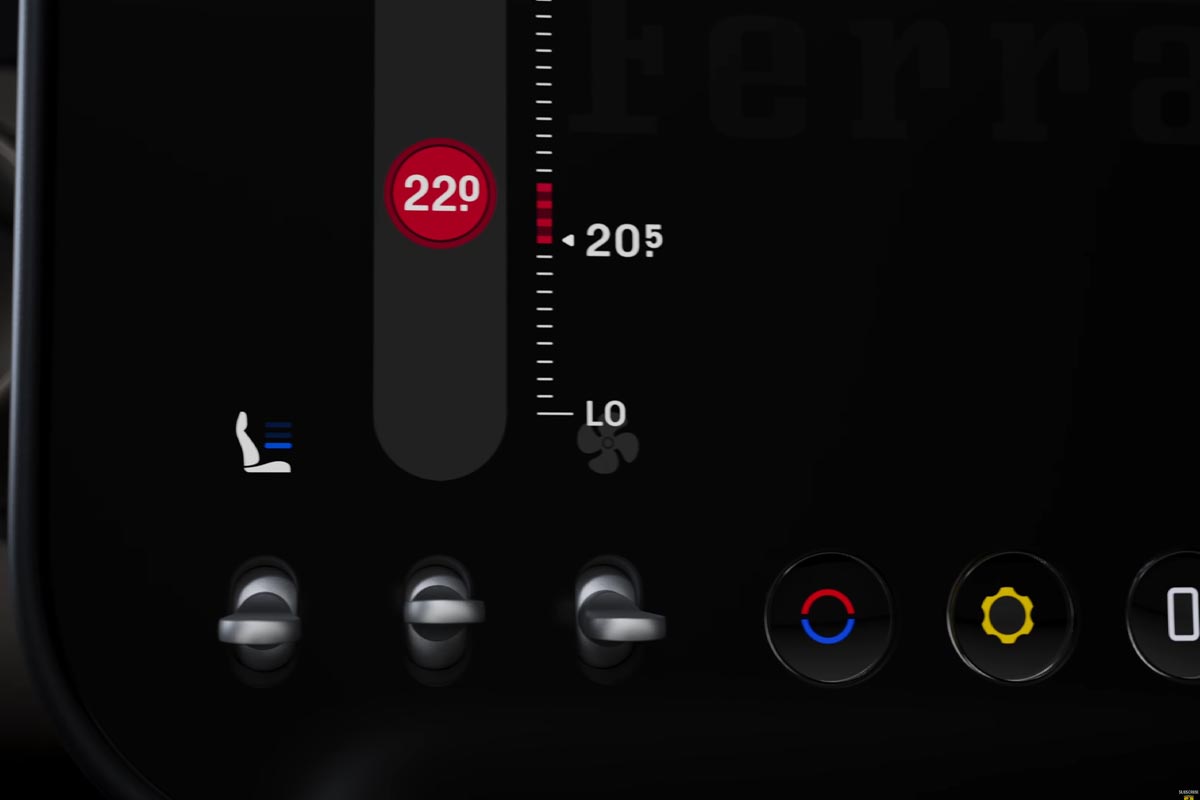
A few days after Jony Ive's much-discussed statements on touchscreens in cars, Ferrari has just released a new video of its future electric vehicle. And the contrast is... striking. For while the pitch emphasizes a return to physicality, simplicity and pure driving, the staging seems to come straight out of Cupertino.
A video that smells of Apple
Minimalist music, ultra-smooth animations, meticulous transitions, perfectly controlled lighting... it's hard not to think of an Apple keynote when discovering the first images of the interior of the electric Ferrari, known as the Ferrari Luce.
It's all there: the slow revelation of interfaces, transparency effects, needles that turn into digital gauges or compasses, right down to the rhythm of the visual narrative. Some Internet users have made no mistake. The comments below the official video speak for themselves: «This looks like an Apple commercial», «iFerrari», or «The Ferrapple».
Even those who like it recognize the influence. The interface is described as «clean», «futuristic», almost too perfect. So much so that some are already imagining what the Apple Car might have looked like... since abandoned.

“No touch screens... but very digital staging
What makes the situation even more interesting is the discrepancy with the discourse of Jony Ive himself. After five years of collaboration with the LoveFrom collective, the British designer recently explained that turning an electric car into a “tablet on wheels” was a mistake. In his view, an overly digital interface detracts from the driving experience. And yet, this video clearly highlights... the interface.
Of course, Ferrari insists on the presence of physical controls: buttons for air conditioning, mechanical rockers, F1-inspired steering wheel. Many Internet users hail this choice as a welcome return to “more buttons, less screens”. But when it comes to communication, it's all about digital.
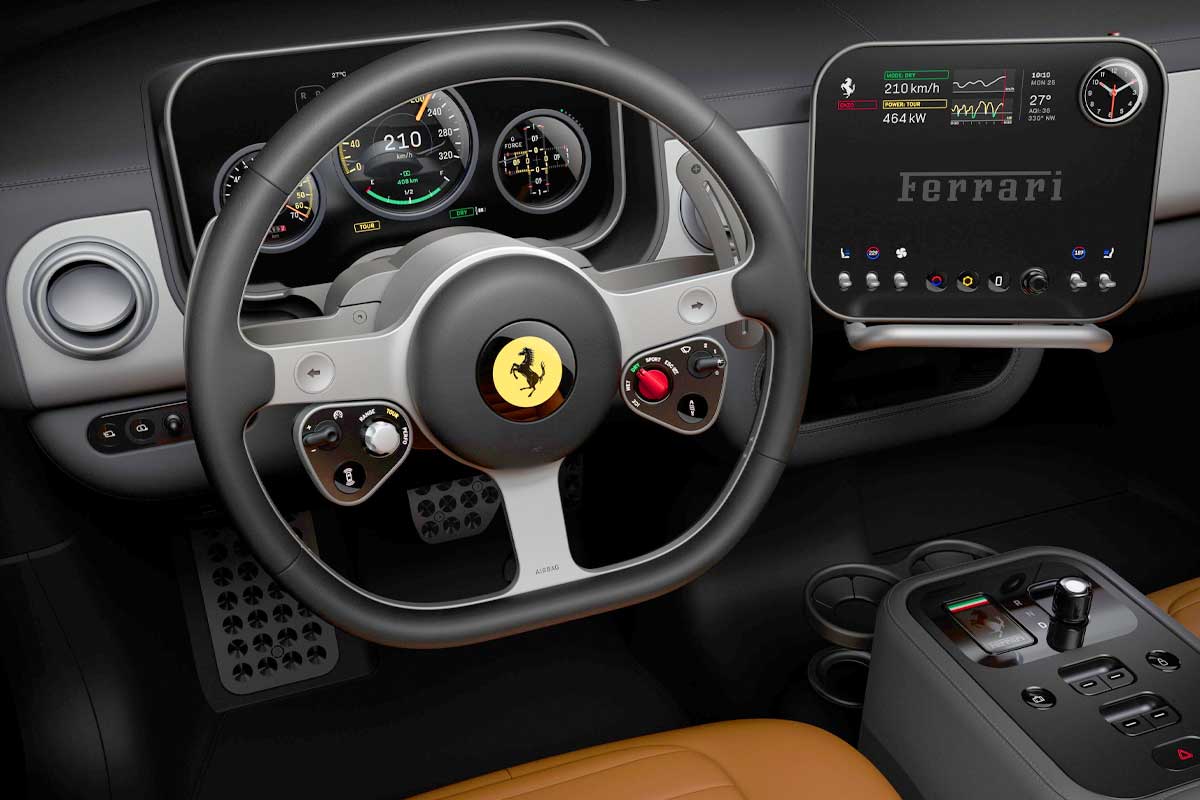
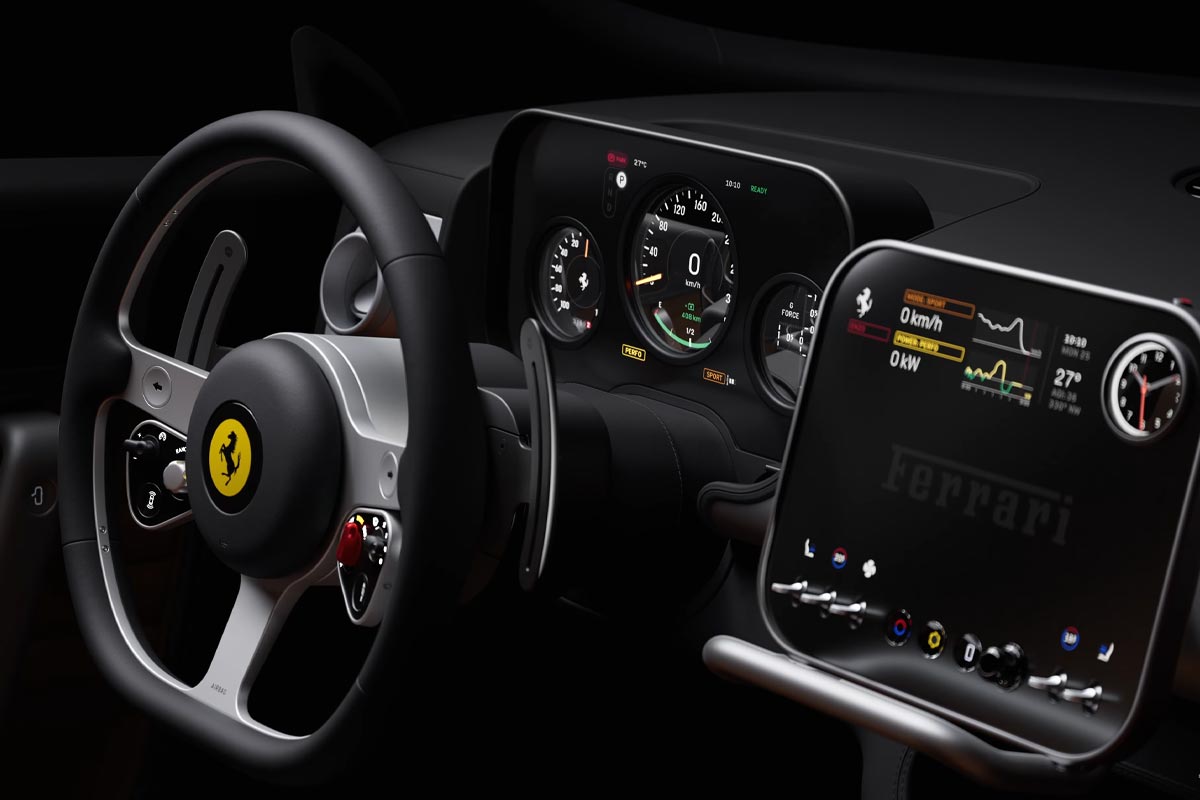
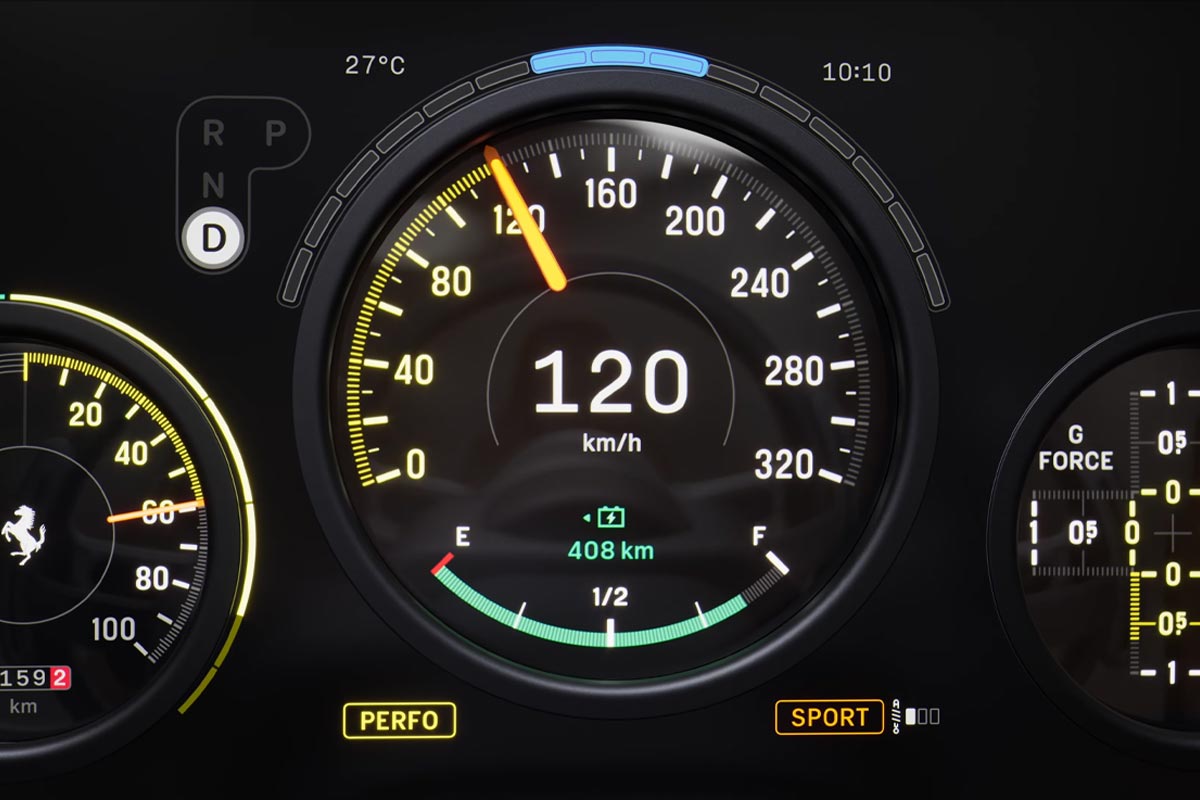
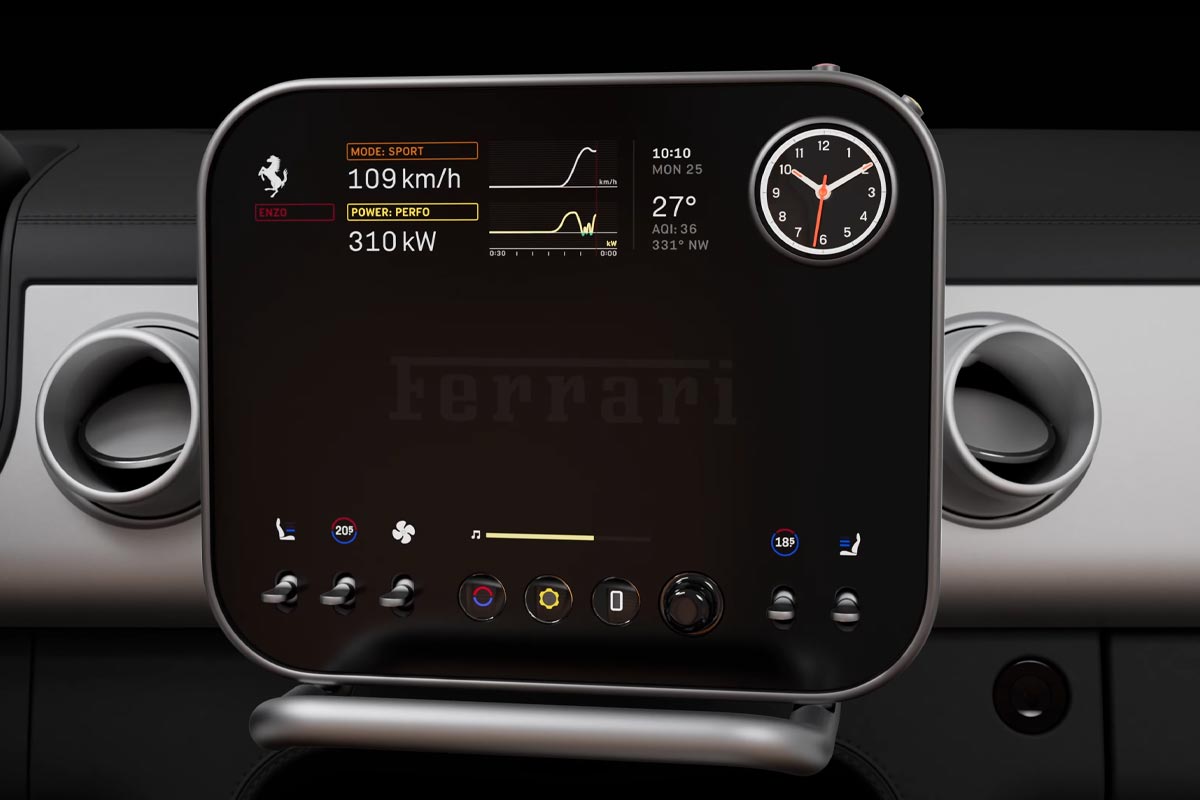
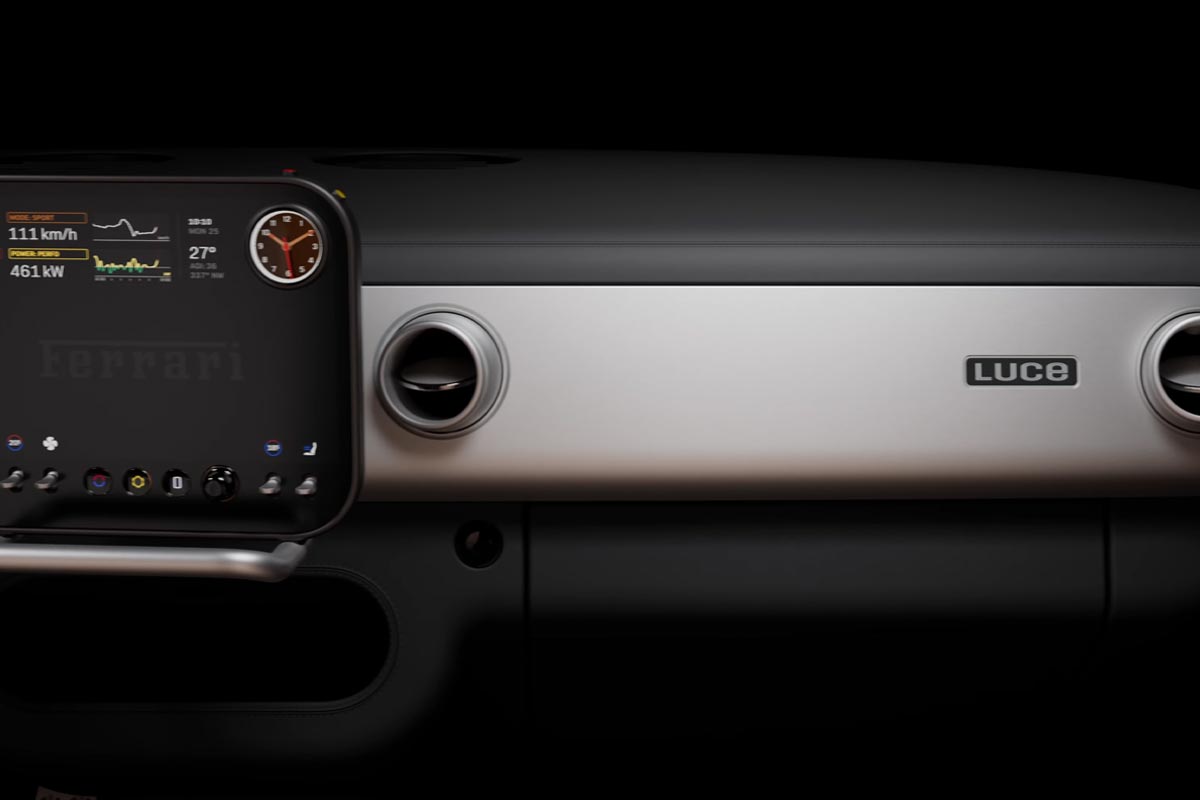
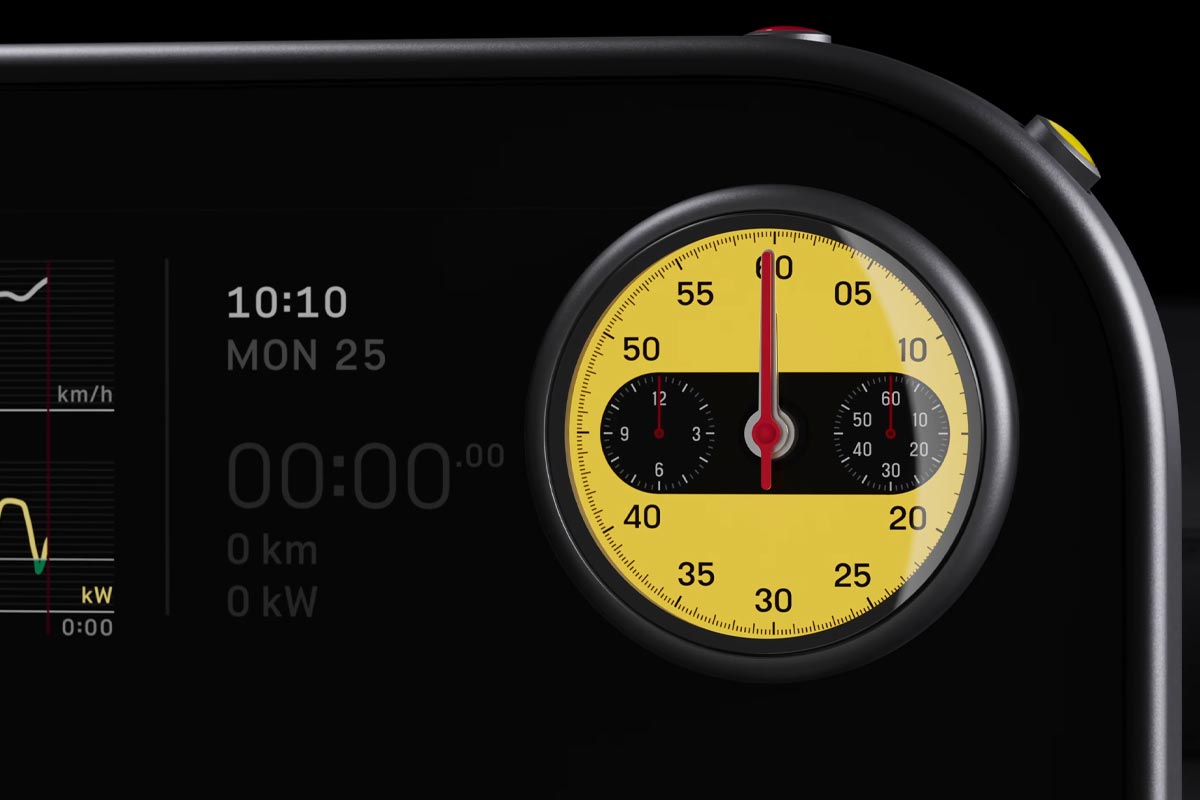
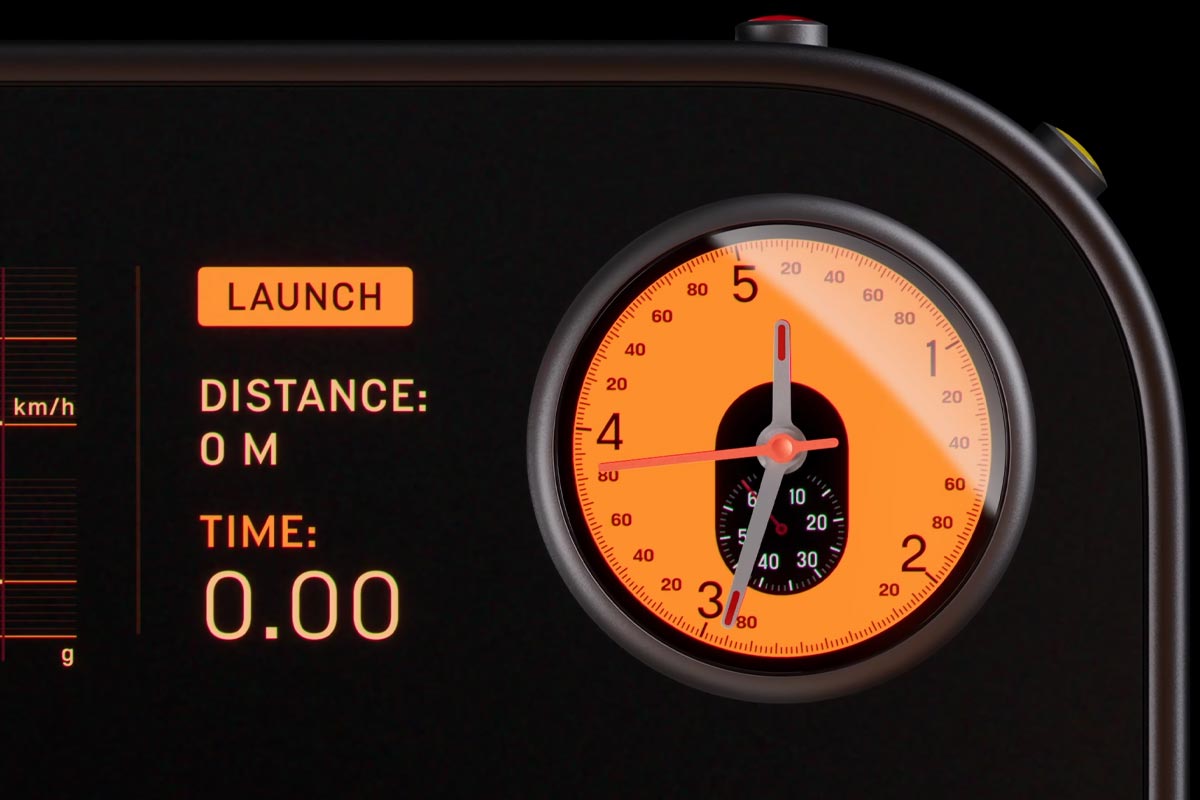
A divisive interface
In the comments, there are two opposing views. On the one hand, those who see it as a total success. The interior is described as “magnificent”, “revolutionary”, even “a future design classic”. The balance between analog and digital is particularly appreciated, as is the three-spoke steering wheel, reminiscent of historic Ferraris.
On the other hand, purists remain skeptical. Some criticize the “cold” ambience, too close to a smartphone or an electronic product. Others go further, saying that “it doesn't look like a Ferrari”, or regretting the absence of a combustion engine, a central element of the brand's DNA.
But even among the critics, there is one point of consensus: Ferrari has succeeded in creating something that leaves no one indifferent.
Ferrari has already mastered storytelling
In the end, this video may say more than it shows. Above all, it proves that Ferrari has perfectly understood how to stage its electric shift. Relying on visual codes similar to Apple's, the Italian brand isn't just trying to present a car, but to install a new perception.
An electric Ferrari won't just be a Ferrari without a combustion engine. It will be a technological, desirable, almost iconic object... like an iPhone on four wheels. And judging by the reactions, the strategy is already working.
 English
  French
  Italian
  Spanish
  German
  Japanese
  Dutch
Dutch
Apple verkauft seit Jahren das gleiche Design . Zwar jedes Jahr in einer anderen Trendfarbe, aber trotzdem bleibt es immer gleich ... Und ist auf die Dauer langweilig . Geschmäcker sind verschieden . Es muß auch nicht 1 qm Bildschirm wie z.B. im Maextro sein . Obwohl viele Dinge dort ganz vernünftig verteilt sind . Aber ein Ferrari sollte Ferrari ausdrücken und nicht wie ein postmodernes i phone aussehen . Blinkertasten im Lenkrad ? Sogar Tesla hat sich eines Besseren besonnen .
Hoffentlich macht der Luce das was er innen vermissen läßt mit seiner Hülle wieder gut .
You can see the references to the F40's cockpit, but this tablet still seems incongruous. Otherwise, the turn signals on the steering wheel are also present in the Roma, so that's not really the problem.