

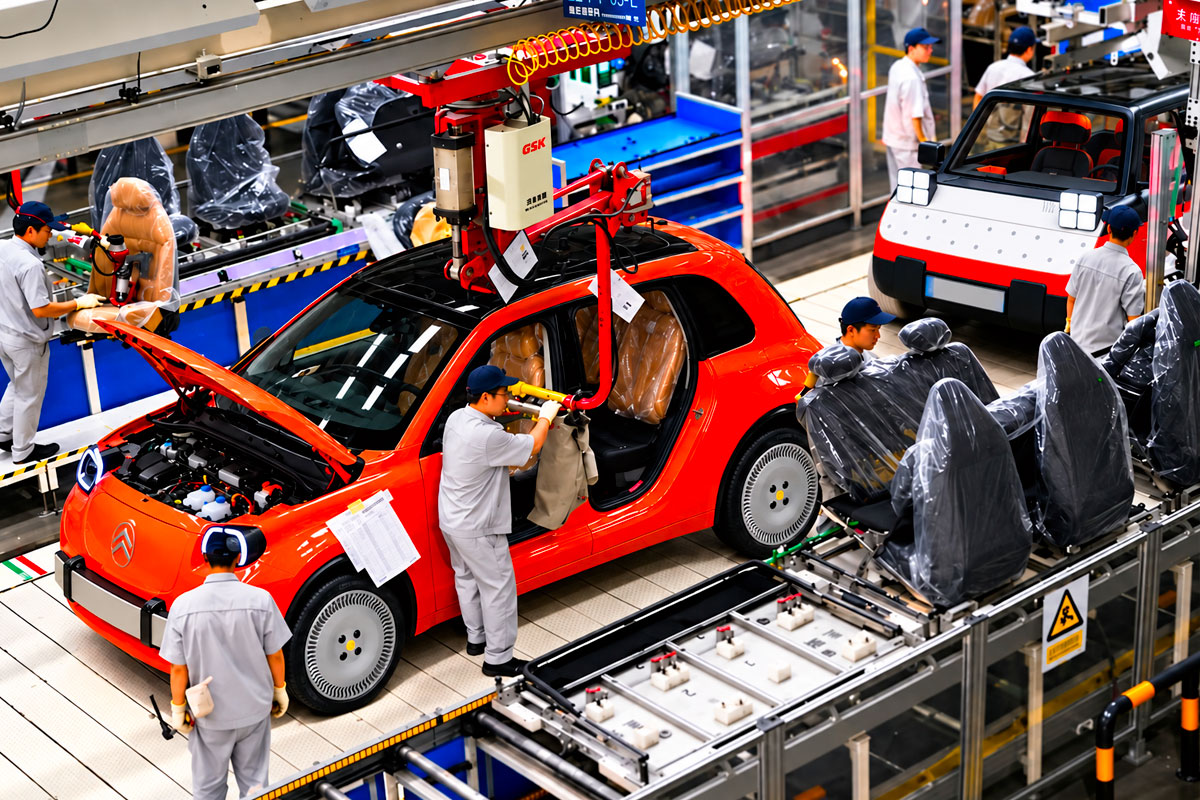
For the past few weeks, excitement has been building around the return of the legendary Citroën 2CV. It’s a small electric car with a neo-retro design, manufactured in Europe, and set to go on sale for around 15,000 euros starting in 2028. But behind this project lies a much more significant transformation for Stellantis : The group is learning from its Chinese partner, Leapmotor, how to develop a car in just two years.
E-Car: A New Platform That Adds to the Confusion
Since the E-Car project was announced in May 2026, information has been pouring in, sometimes leading to some confusion. STLA Small, STLA Smart, STLA One? No, Stellantis’s future affordable small electric cars will indeed be based on a new architecture called E-Car.
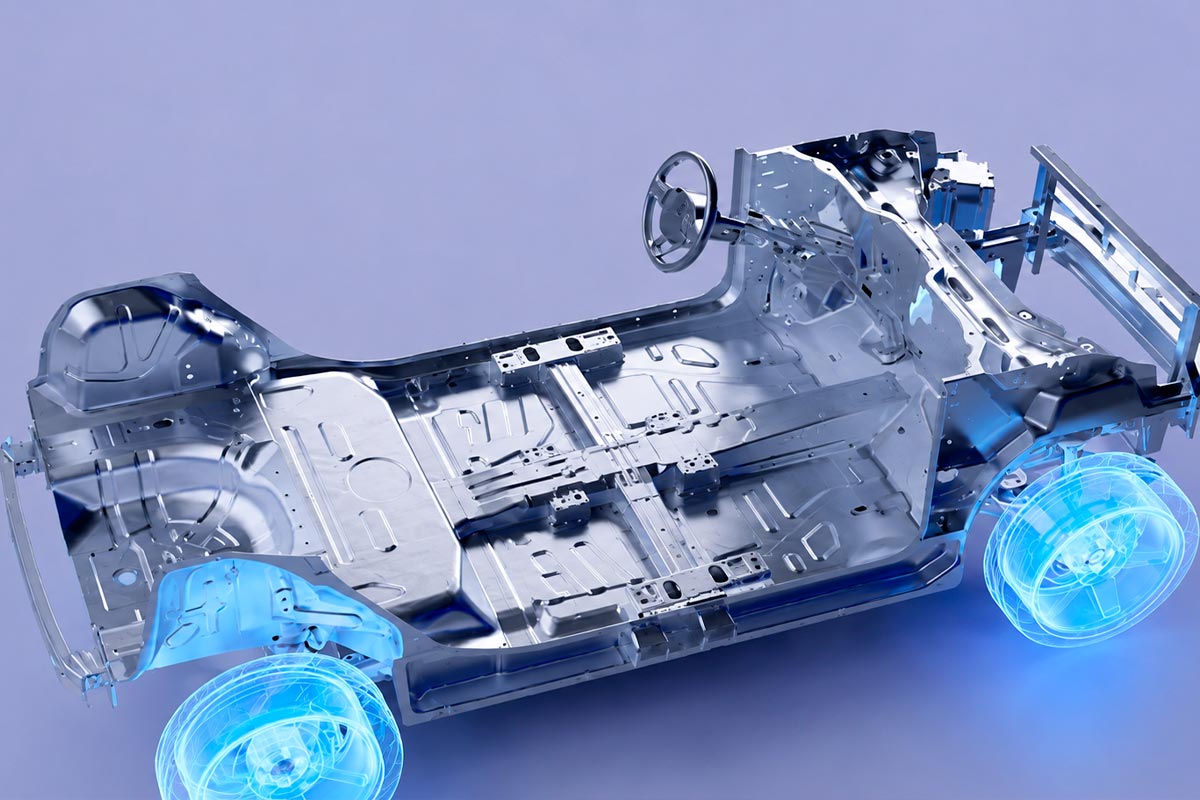
And contrary to what some people thought, this platform isn’t being developed solely by the group’s European engineers. At the Paris Motor Show, Ned Curic, chief technology officer at Stellantis, confirmed that the E-Car program is being developed in collaboration with Leapmotor at the Mirafiori complex in Turin. This is an important confirmation, as we had previously mentioned this possibility. starting in May, before going into detail in June then in July the possibility of using an upgraded version of the Leapmotor T03 platform for future Citroën 2CV and Fiat Panda models.
Stellantis is learning to work at the Chinese pace
But the most interesting revelation concerns their work methods. At Mirafiori, Stellantis engineers work directly alongside their Chinese counterparts. Ned Curic explains that the European teams share their expertise in designing small cars tailored to the European market, while Leapmotor teaches them how to develop vehicles much more quickly.
The result? According to the executive, Stellantis has now gained the ability to develop a new car in just two years. This is a significant change for a European automaker accustomed to much longer development cycles. And, above all, it is essential for bringing electric vehicles to market for less than 15,000 euros.
This collaboration also echoes the comments made by Leapmotor CEO Zhu Jiangming, which we previously reported late September. The Chinese manufacturer offers its partners integrated technology packages that include batteries, motors, and electronics, among other components, in order to reduce costs and development time.

A Citroën 2CV and a Fiat Panda manufactured in Italy on a Chinese platform
Further confirmation: Production of the first E-Car models will begin in 2028 at the Stellantis plant in Pomigliano d’Arco, near Naples, which currently manufactures the Fiat Panda, among other models. The future Citroën 2CV appears to be one of the leading contenders. A small electric Fiat, the successor to the Panda and sometimes referred to as the “Koala,” could also join the lineup.
Stellantis plans to introduce at least two models—or even three, according to statements by Emmanuele Cappellano, head of Stellantis Europe. However, the group has not yet officially confirmed the identity of the third vehicle (sometimes it is referred to as a new Leapmotor T03, other times as an Opel).
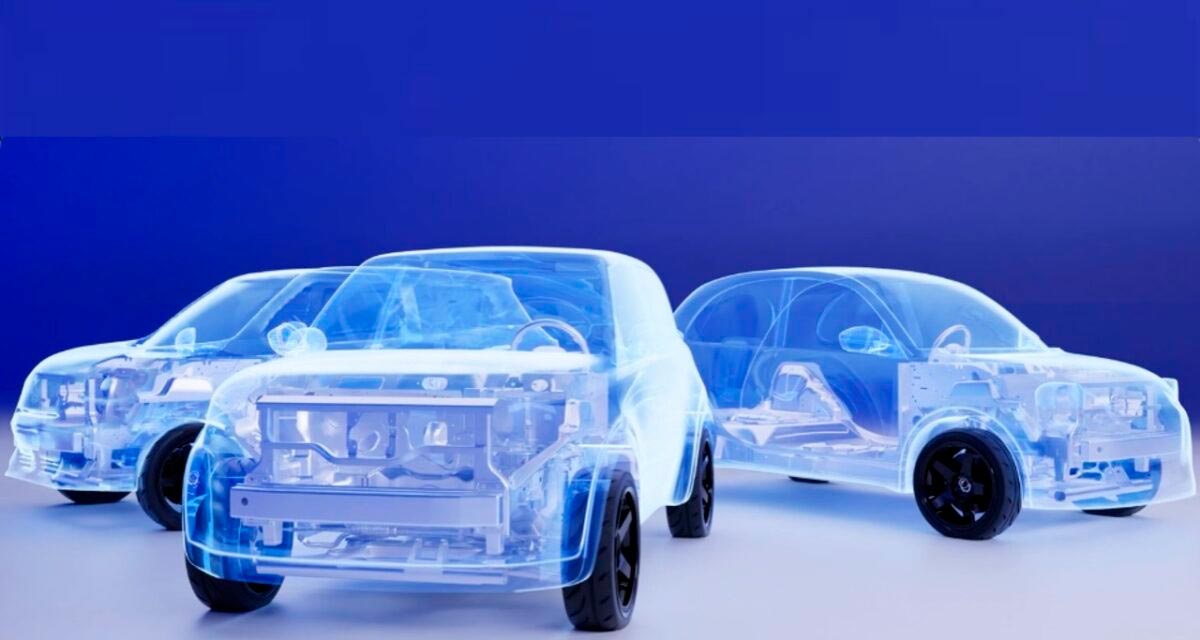
As for the platform, the collaboration with Leapmotor has now been confirmed, but the exact use of an architecture derived from the T03 remains to be determined. In our view, it is an evolution of the T03 platform, co-developed by Stellantis and Leapmotor. For Stellantis, the stakes go far beyond the return of two popular small cars. The goal is to regain the ability to quickly design affordable vehicles, while keeping their development and manufacturing in Europe.
The irony of the story? To revive the spirit of the Citroën 2CV and the Fiat Panda—two icons of the European mass-market car—Stellantis must now learn to work at the pace of its Chinese partner.
 English
  French
  Italian
  Spanish
  German
  Japanese
  Dutch
Dutch