

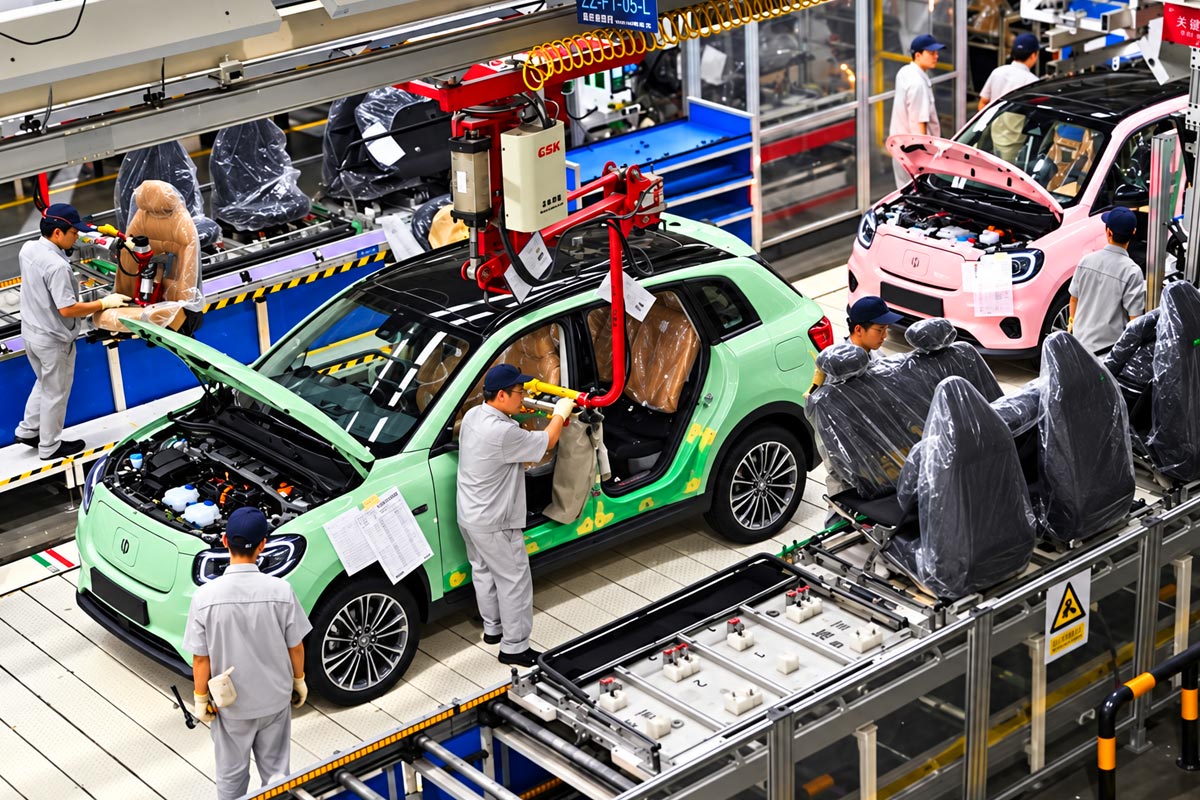
We knew that Stellantis wanted to make greater use of Leapmotor's technologies. We now have a much clearer picture of how this partnership might work. And the explanations provided by Zhu Jiangming, founder and CEO of Leapmotor, provide valuable insight into what the industrial production of Stellantis’s future small electric cars might look like.
In an interview given on September 18 to a Chinese media outlet Pacific Auto, the executive outlined the two methods proposed to partner automakers. The first is the traditional approach: Leapmotor manufactures the vehicle directly at one of its plants. The second is much more appealing for Europe: the partner automaker retains its own plant, but Leapmotor provides it with a sort of «technology kit» that is ready to be integrated.

Battery, electronics, control units, headlights: the Leapmotor kit
This kit isn't limited to a single platform or battery pack. Leapmotor explains that it can provide a complete package that includes the battery pack, the electric powertrain, various electronic control units and controllers, as well as lighting systems.
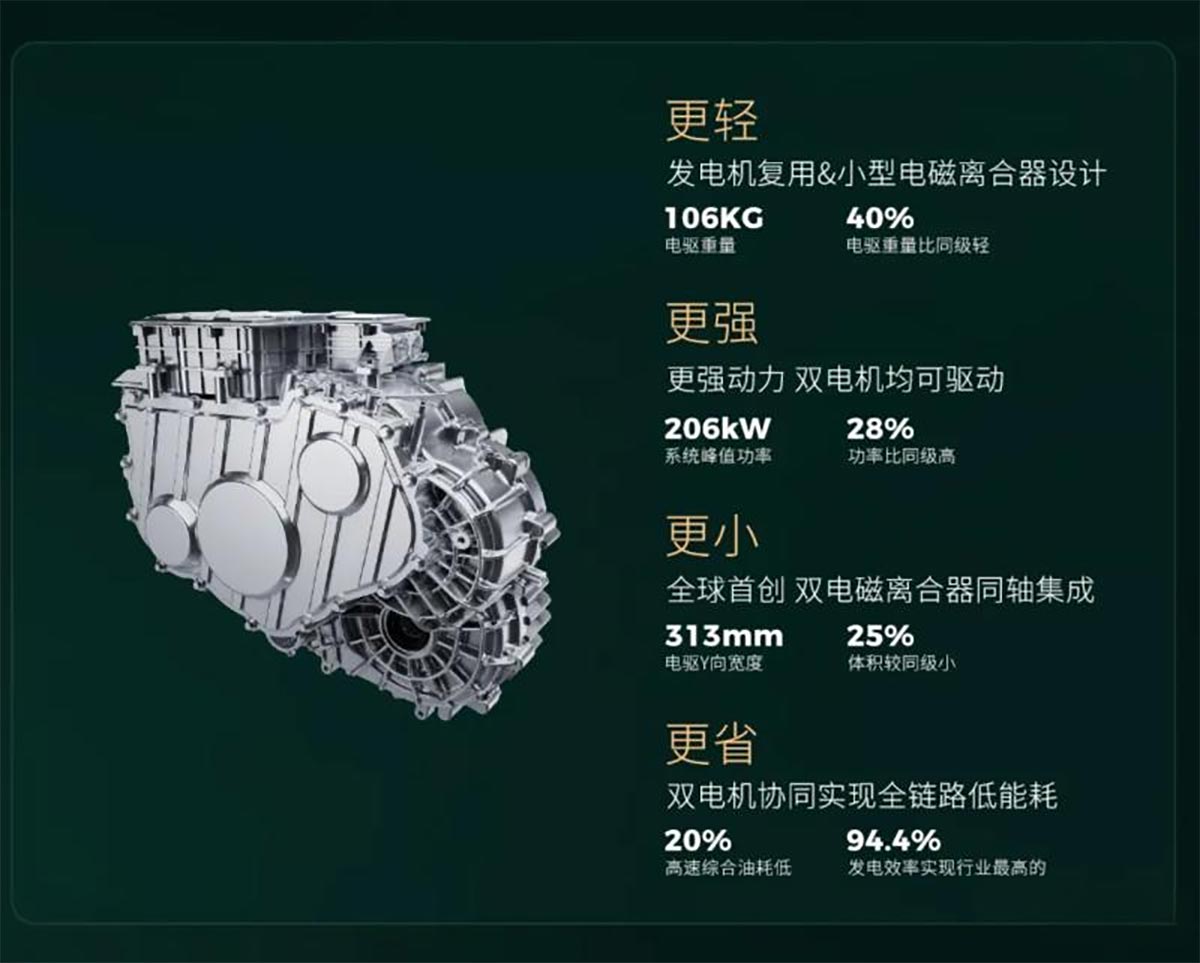
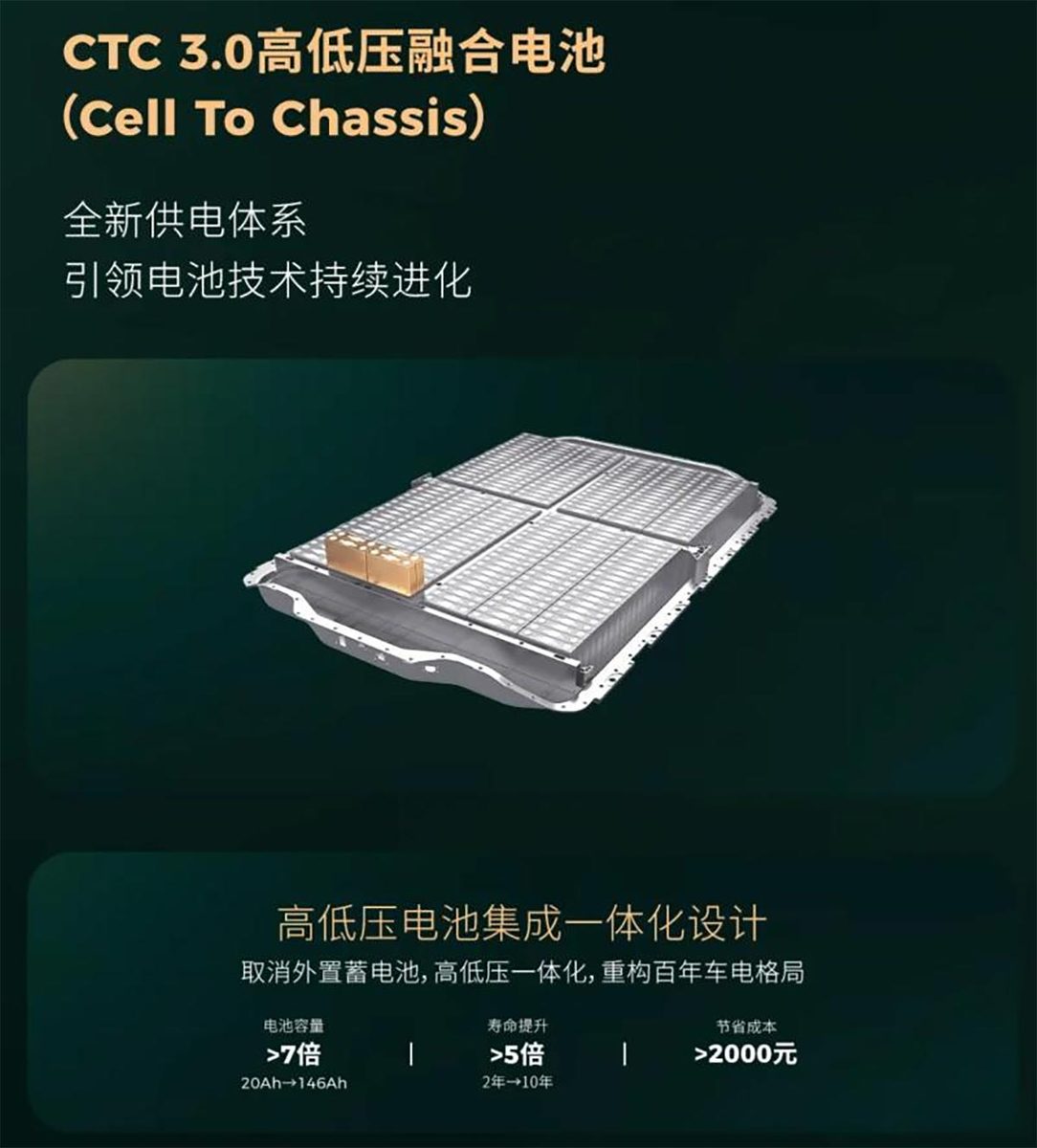
The idea is simple: rather than letting a manufacturer purchase components separately from multiple suppliers and then having to make them work together, Leapmotor offers a pre-developed and integrated system. According to Zhu Jiangming, this approach could save approximately 120 to 240 euros per car. This amount may seem modest, but it becomes particularly significant when producing hundreds of thousands of small electric cars with slim profit margins. Leapmotor also states that its electronics have already been selected by eight automakers. A partnership with the Chinese group FAW has even gone into production.
An approach that is strangely reminiscent of the E-Car project in Pomigliano
This is where these statements become particularly interesting for Stellantis. That’s because this second method corresponds almost exactly to what the group might need for its future European electric cars. According to information published this summer by Bloomberg, Stellantis is reportedly exploring the use of Leapmotor technologies for its new line of affordable small electric cars, with production planned, in particular, at the Pomigliano d’Arco plant in Italy.
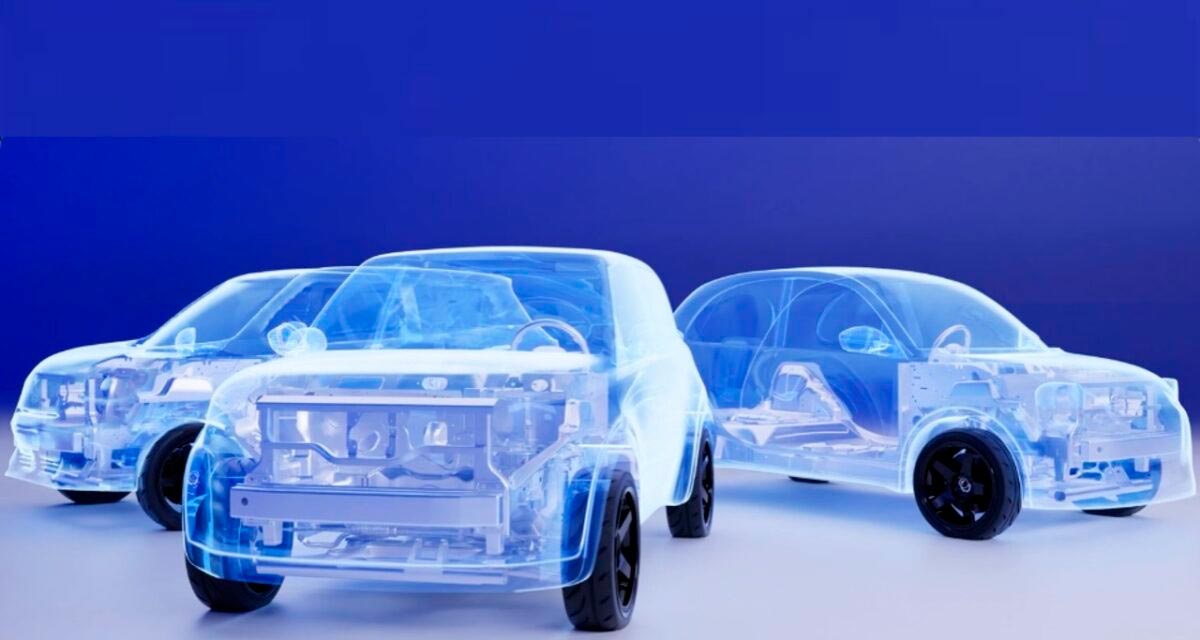

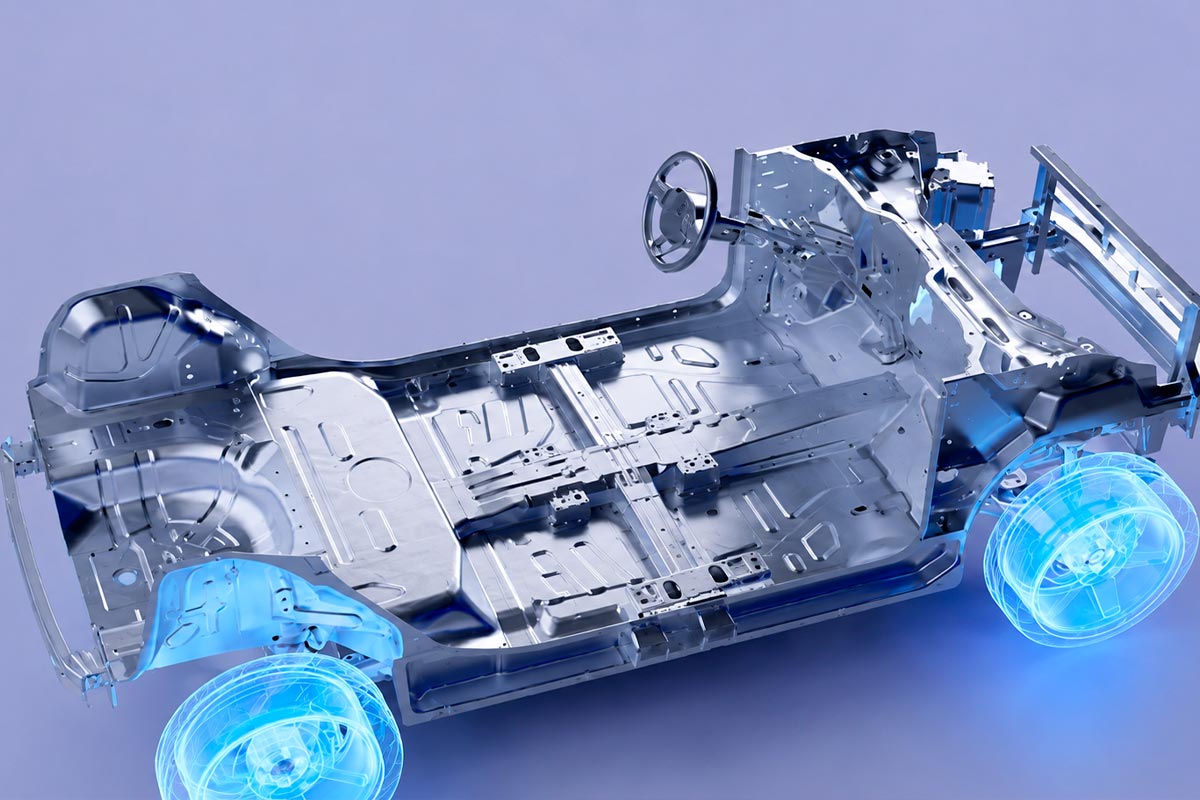
A word of caution, however: Leapmotor has never officially confirmed its involvement in Stellantis’s E-Car. But the method described by Leapmotor’s CEO adds another piece to the puzzle. Stellantis could theoretically manufacture a Fiat or a Citroën at its own Italian plant—with its own bodywork, design, and tuning—while receiving the essential technical components from Leapmotor in kit form.
Opel is already leading the way
In fact, this scenario would no longer be purely theoretical in the relationship between the two groups. Opel is already developing a compact electric SUV expected in 2028, built with components from the Leapmotor technology ecosystem and manufactured in Spain. This project is to be developed in less than two years, with the goal of significantly reducing costs and design lead times. It could thus set a precedent for even deeper cooperation on smaller models.
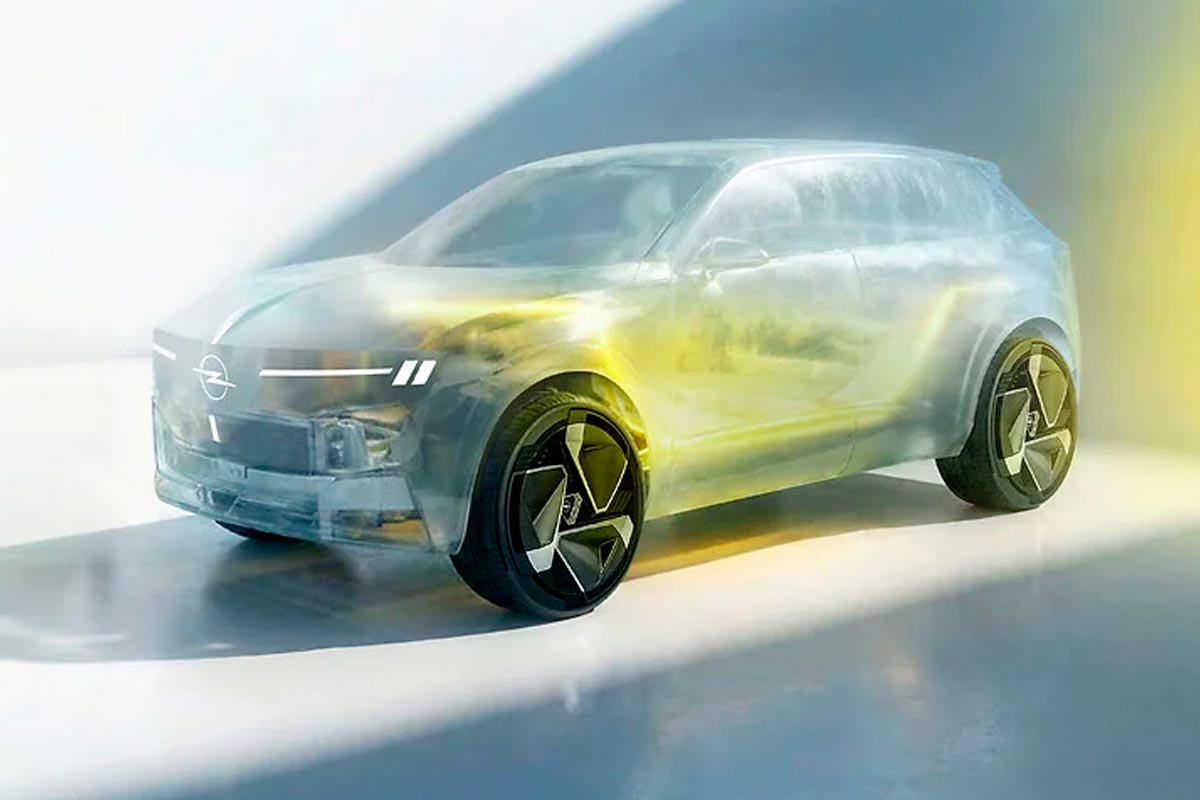
For Pomigliano, the stakes would be high. Stellantis plans to produce a new generation of affordable cars there starting in 2028, while the plant must prepare for the post-Fiat Panda era and the evolution of its industrial plan. And Leapmotor has just explained exactly how a manufacturer can keep its factory while making extensive use of its technology: a car assembled locally, but with part of its technical core already arriving ready-made in the form of integrated components.
It remains to be seen whether Stellantis will actually apply this approach to its future Fiat and Citroën E-Car models. For now, Bloomberg reports this, while Leapmotor has not confirmed it. But the instructions have just been unveiled.
 English
  French
  Italian
  Spanish
  German
  Japanese
  Dutch
Dutch