

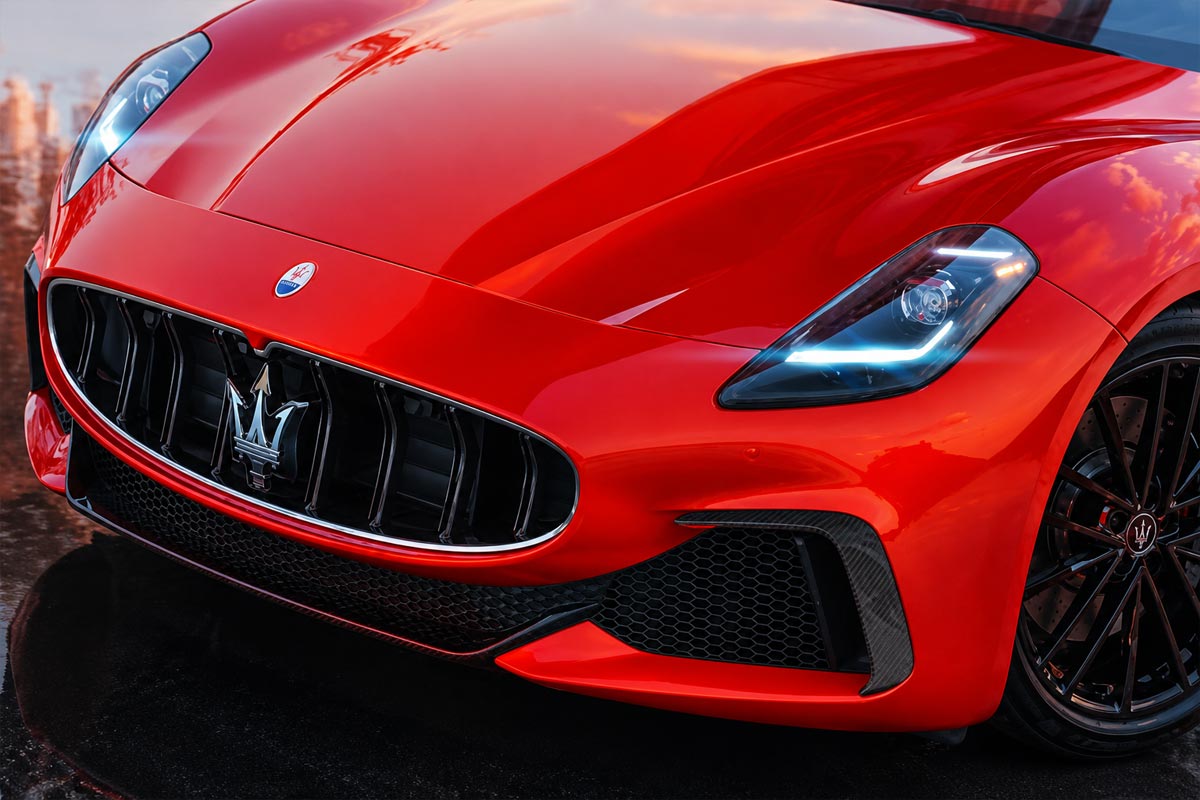
For years, Maserati chased sales volume. The goal of 50,000 cars per year seemed achievable when the Ghibli, Quattroporte, and Levante formed the core of the lineup. Then the brand went through a difficult period: aging models that weren’t replaced in time, a gamble on the 100 % electric car that didn’t meet expectations, and sales in free fall. In 2026, the Trident is undergoing a major strategic shift. However, Italpassion’s exclusive figures for the first half of the year show that the transition is still far from complete.
A brand that now prioritizes exclusivity
The new Maserati no longer aims to return to its former sales volumes. The priority is now profitability, customization, and exclusivity. Company executives want to produce more vehicles on a made-to-order basis and offer models that are increasingly tailored to each customer’s expectations.
“For Maserati to remain viable, we only need to produce 15,000 to 20,000 cars a year. We don’t need high volumes. We must not become a run-of-the-mill manufacturer, but rather remain obsessed with the customer and quality. An angry customer is a lost customer. […] Our customers do not forgive mistakes, but this team knows how to bring Maserati to the expected levels of profitability.”
Statement by Jean-Philippe Imparato, former CEO of Maserati
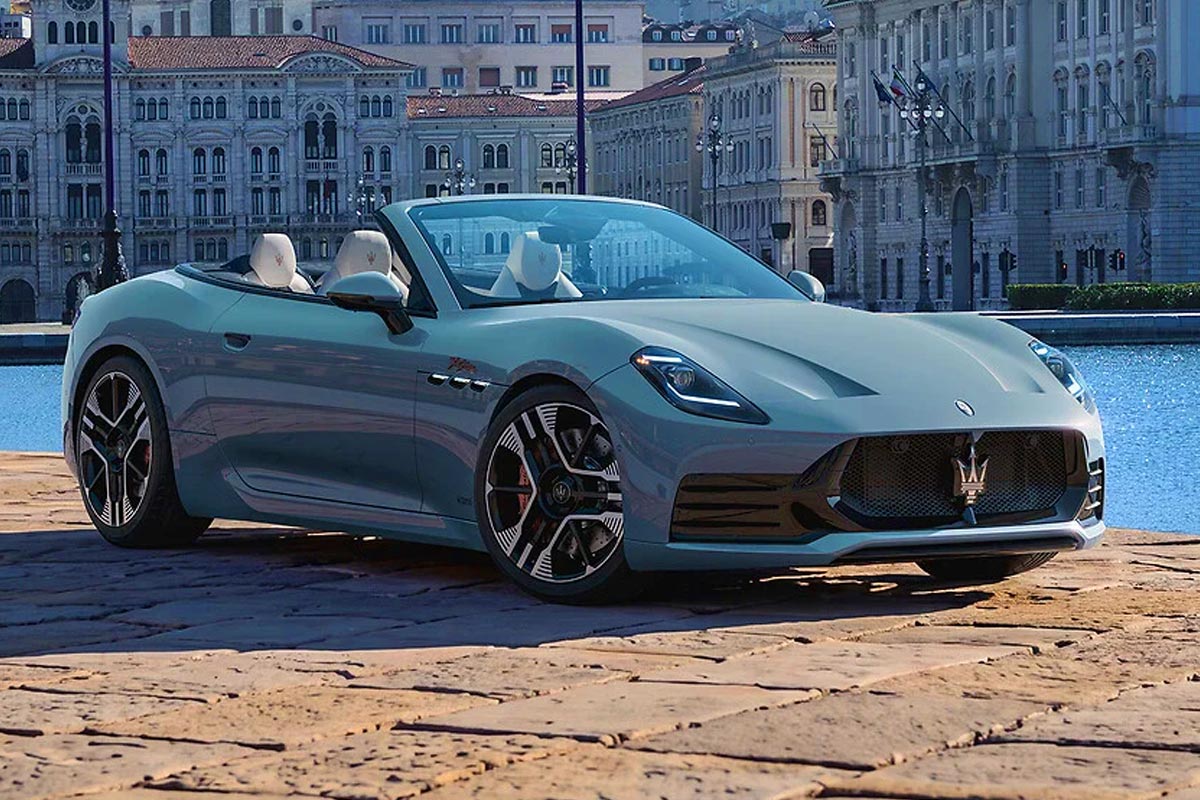
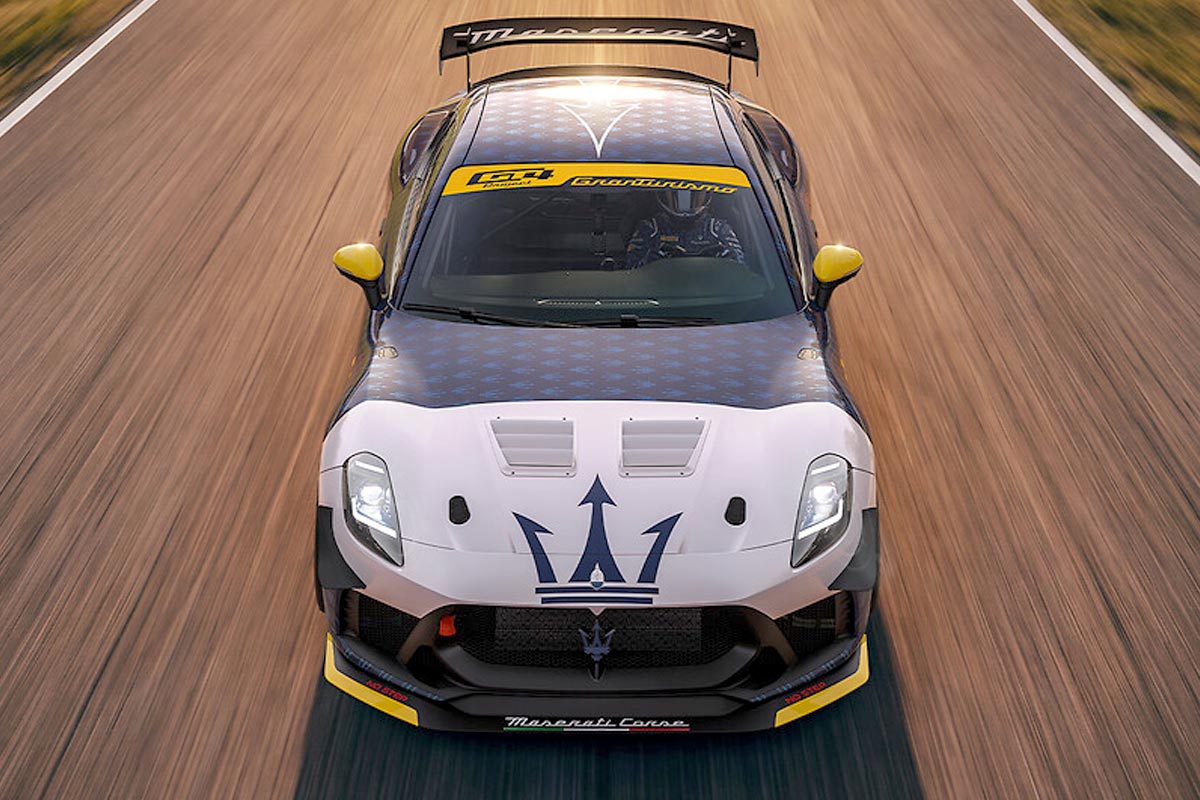
This new direction is already bringing about several changes. The entire lineup is gradually adopting a more aggressive style inspired by the spectacular MCXtrema. Competition remains at the heart of the brand's image with the GT2, while a new GT4 derived from the GranTurismo is also in the works. The GranTurismo, GranCabrio, and MCPura are getting titanium exhaust systems to deliver a more expressive sound, while the V6 Nettuno engine continues to expand its presence across the lineup, notably on the Grecale, with versions now ranging from 390 to 550 ch.
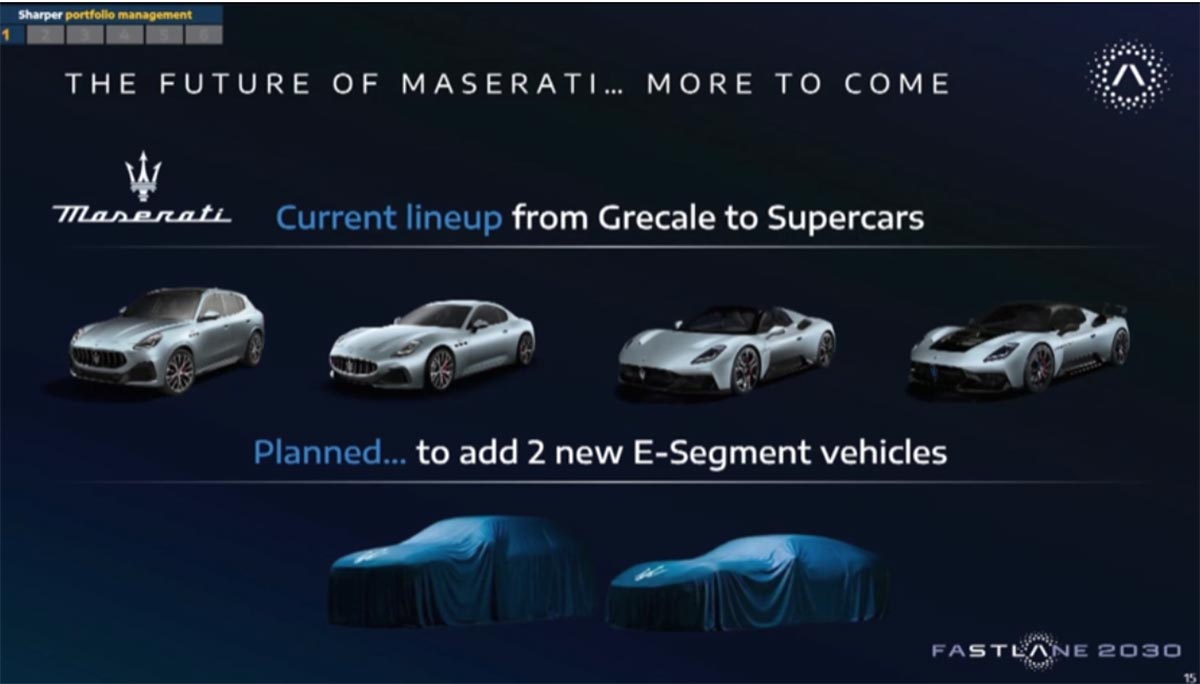
The future will also involve a major evolution of the Grecale, expected in 2027, featuring new hybrid powertrains. Looking even further ahead, Maserati is preparing the return of a large luxury SUV to replace the Levante, as well as a new Quattroporte. However, both of these models will depend on an industrial partnership currently under negotiation, which pushes back their likely arrival to around 2029 or 2030.
The United States remains in first place… but is falling apart
While we await these new developments, registrations continue to decline. In the major markets tracked by Italpassion, Maserati recorded only 2,737 registrations between January and June 2026, compared with 4,366 a year earlier—a decline of 37 %.
The United States remains the brand's largest market worldwide, with 876 registrations, but has also seen a sharp decline of 46 % compared to the first half of 2025.
Italy is now close behind with 623 registrations, down 39 %. This symbolic figure also illustrates the lack of interest in electric models: Italian statistics no longer even break down registrations for Folgore models, as their sales volumes have become so marginal.
Japan reaffirmed its status as a loyal market with 309 registrations, despite a 27 % decline, while Germany saw a 28 % decline, with 243 units.
Some markets are holding up
However, it’s not all bad news. The United Kingdom stands out as an exception with 255 registrations, up 49 from the previous quarter, even surpassing Germany for the half-year. Switzerland also posted an increase of 20 % with 109 vehicles, while Luxembourg saw a rise of 24 %, although volumes remain very modest.
Conversely, Spain (-33 1Q3Q), Australia (-33 1Q3Q), France (-31 %), Turkey (-48 %), and the Netherlands (-60 %) continue to decline.
June 2026, however, proved to be somewhat more encouraging in several markets, suggesting a slight slowdown in the decline.
Finally finding a low point
These results aren’t really that surprising, given Maserati’s current strategy. The brand seems to have accepted that the days of selling 50,000 cars a year are a thing of the past. The goal now is to gradually rebuild a more exclusive and desirable image, even if that means registering around 5,000 vehicles for the entire year of 2026.
The real challenge for the second half of the year will therefore not be to return to strong growth, but simply to see whether Maserati has finally managed to halt a decline that has been going on for several years. Reaching a low point and then stabilizing would already be a first victory ahead of the arrival of the next generation of models.
| Country | January–June 2026 | Evolution |
|---|---|---|
| United States | 876 | -52% |
| Italy | 623 | -39% |
| Japan | 309 | -27% |
| Germany | 243 | -28% |
| United Kingdom | 255 | 49% |
| Switzerland | 109 | 20% |
| Australia | 101 | -33% |
| Turkey | 62 | -48% |
| Spain | 94 | -33% |
| Luxembourg | 21 | 24% |
| France | 33 | -31% |
| Austria | 5 | -17% |
| Netherlands | 6 | -60% |
| 2737 | -37% |
 English
  French
  Italian
  Spanish
  German
  Japanese
  Dutch
Dutch
The V8 needs to make a comeback ASAP!!!
«On the contrary, Spain (-33%), Australia (-33%), France (-31%), Turkey (-48%), and the Netherlands (-60%) continue to show a decline.»
I don't understand. All but three countries in Europe are in decline, but why should these be called «negative records»?
And why would they be happy to lose customers?
I absolutely love my Maserati Granturismo—it’s a work of art, a dream to drive, and it turns into a racing beast with just the push of a button. Pure happiness!
Meanwhile, in Belgium:
- First 6 months of 2025: 68
- First 6 months of 2026: 79 (+17%)
Leave the trash out and drive an Alfa Romeo Q