

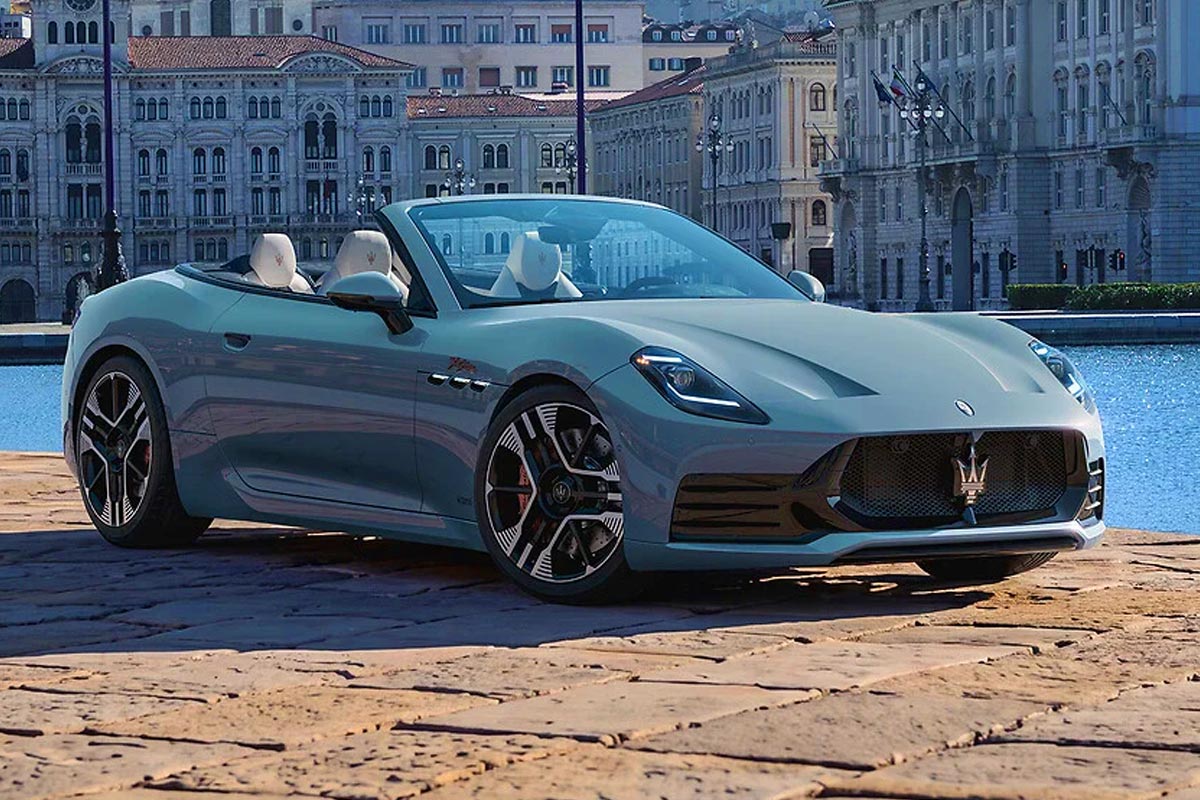
In the midst of the centennial year of its iconic Trident, Maserati unveils a major update to its product line with the new GranTurismo, GranCabrio and Grecale. This announcement comes at a particularly significant time for the Italian brand. As global registrations continue to decline sharply And while Maserati could end 2026 with around 5,000 units sold—a level comparable to that of 2010—the Modena-based automaker intends to reaffirm what defines its identity: Italian luxury, performance, and grand touring.
This new product offensive is therefore no small matter. In fact, it marks one of the first milestones in the strategy led by Santo Ficili, CEO of Alfa Romeo and COO of Maserati, who aims to strengthen the brand’s luxury positioning rather than continue a race for volume that has become difficult to sustain.
A new design identity inspired by racing
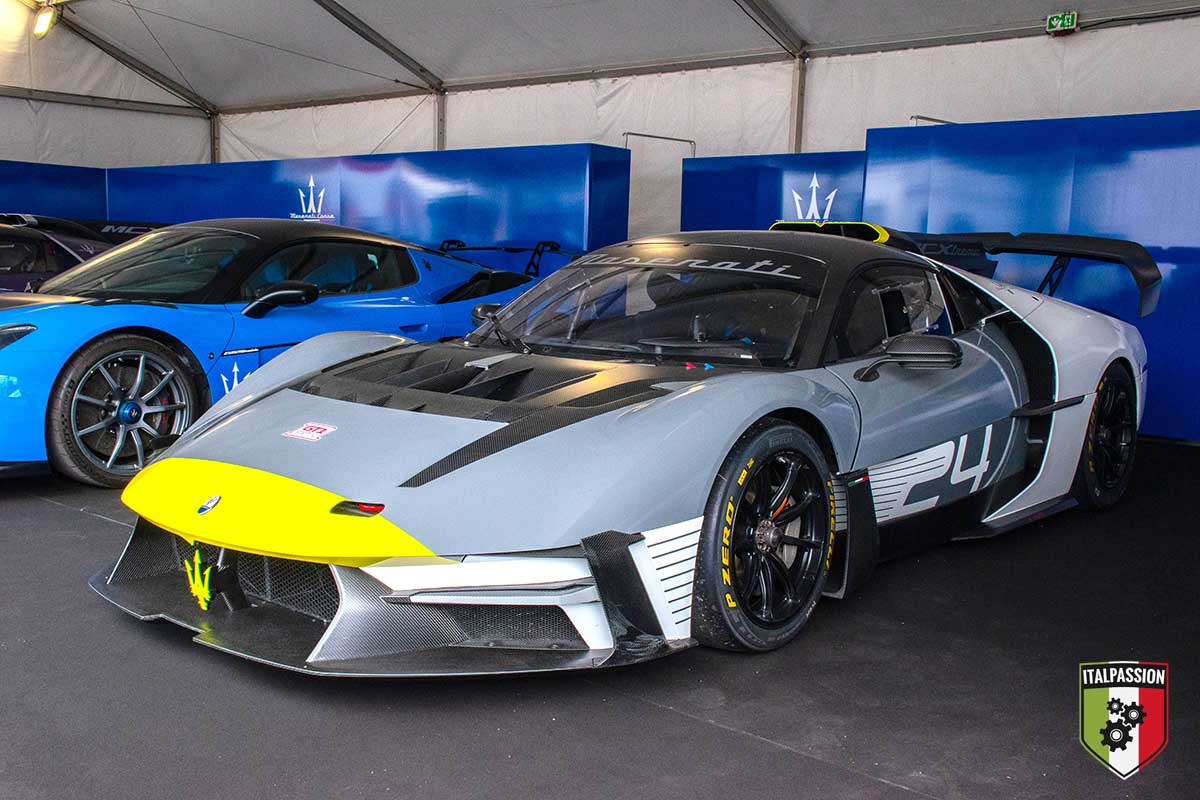
The first noticeable change is in the design. Maserati is evolving the design language of its models, drawing direct inspiration from its most exclusive creations. It all began with the MCXtrema, the spectacular track-only car, before this new identity was carried over to the GT2 Stradale and then the MCPURA. Today, this more aggressive, more horizontal, and more assertive style is making its way onto road-going models.
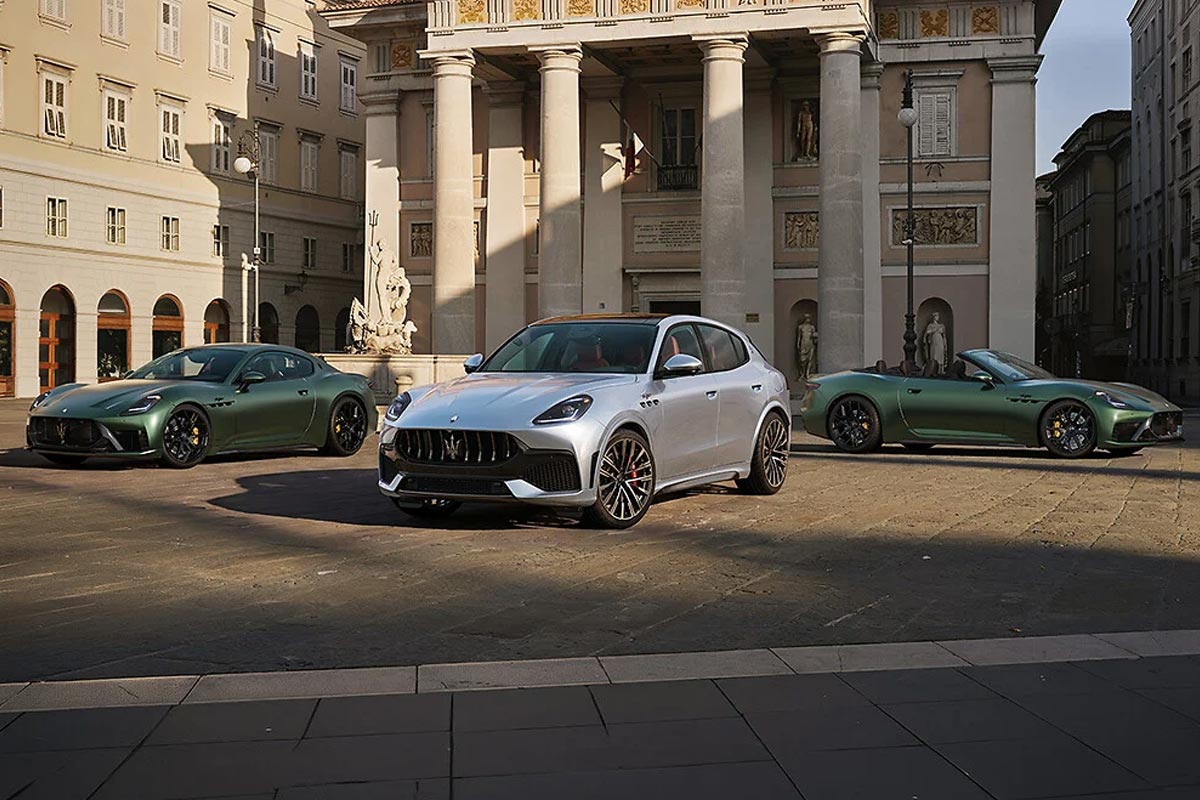
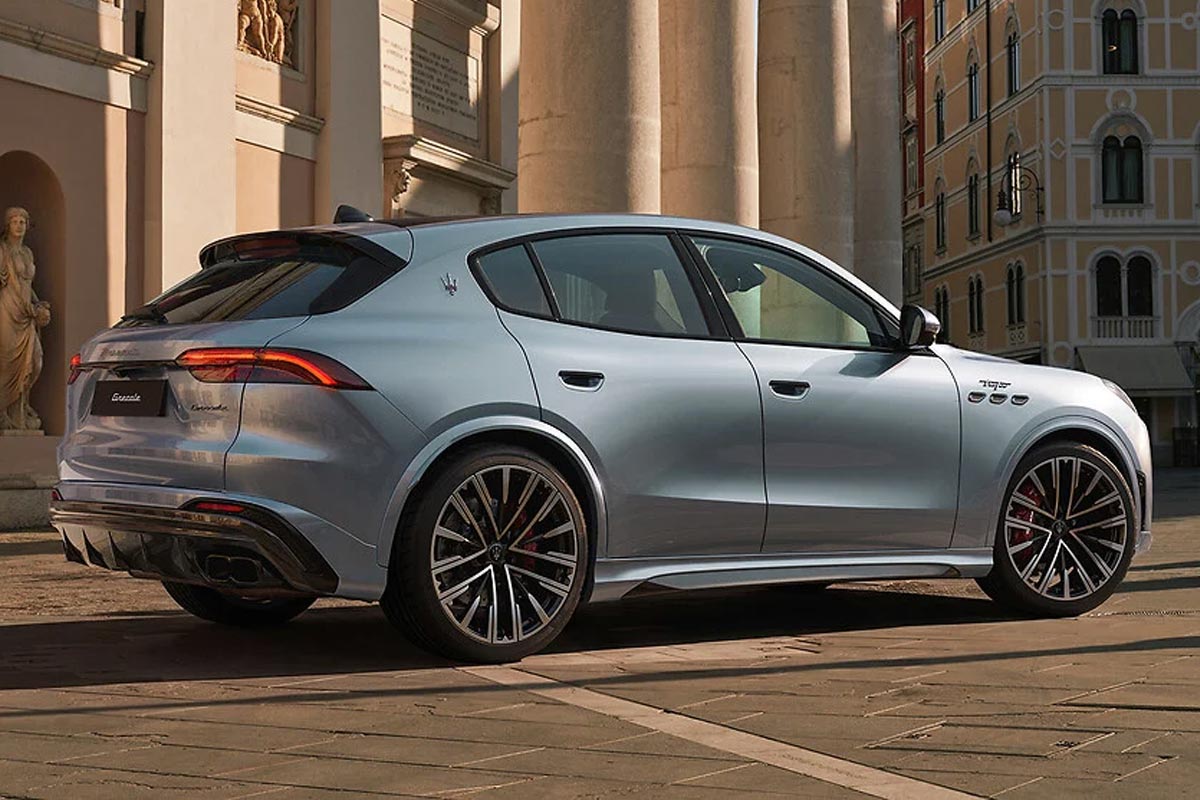
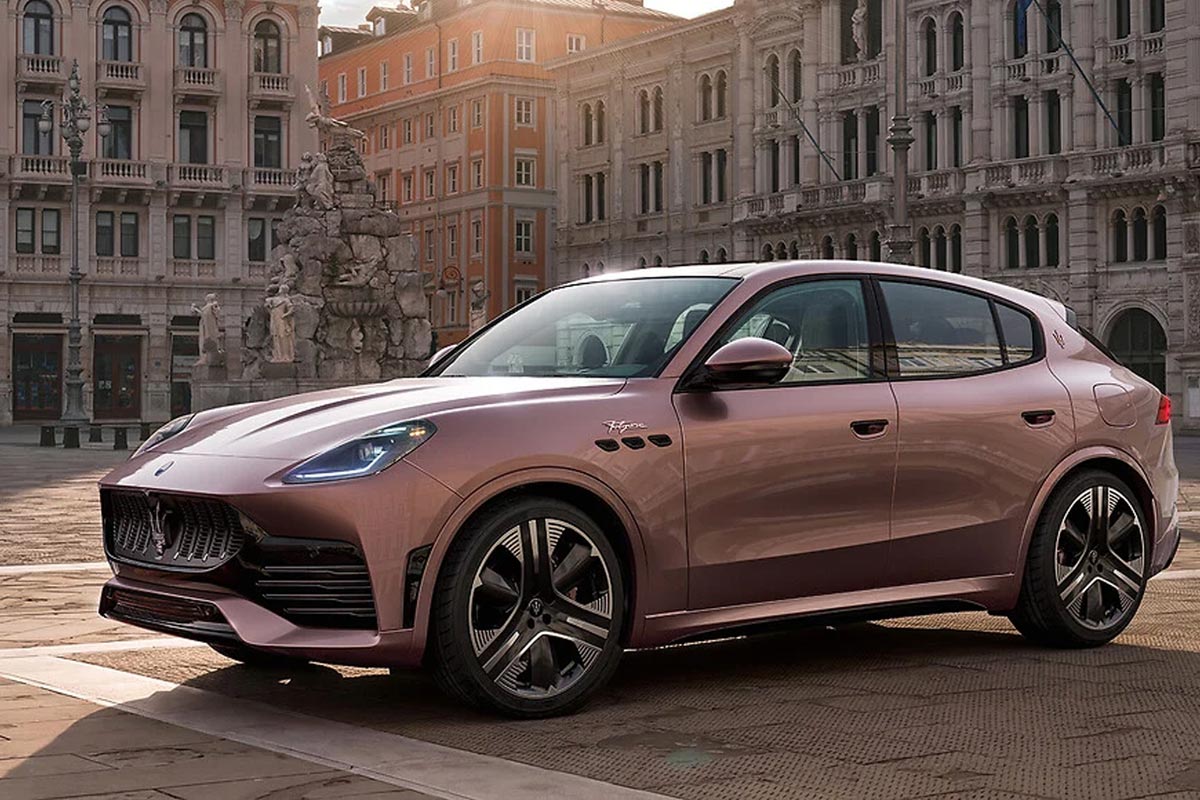
The new GranTurismo, GranCabrio, and Grecale feature a redesigned front end with a more striking look, revised air intakes, and optimized aerodynamics. The goal is clear: to modernize the range’s image while preserving the elegance characteristic of Maserati.
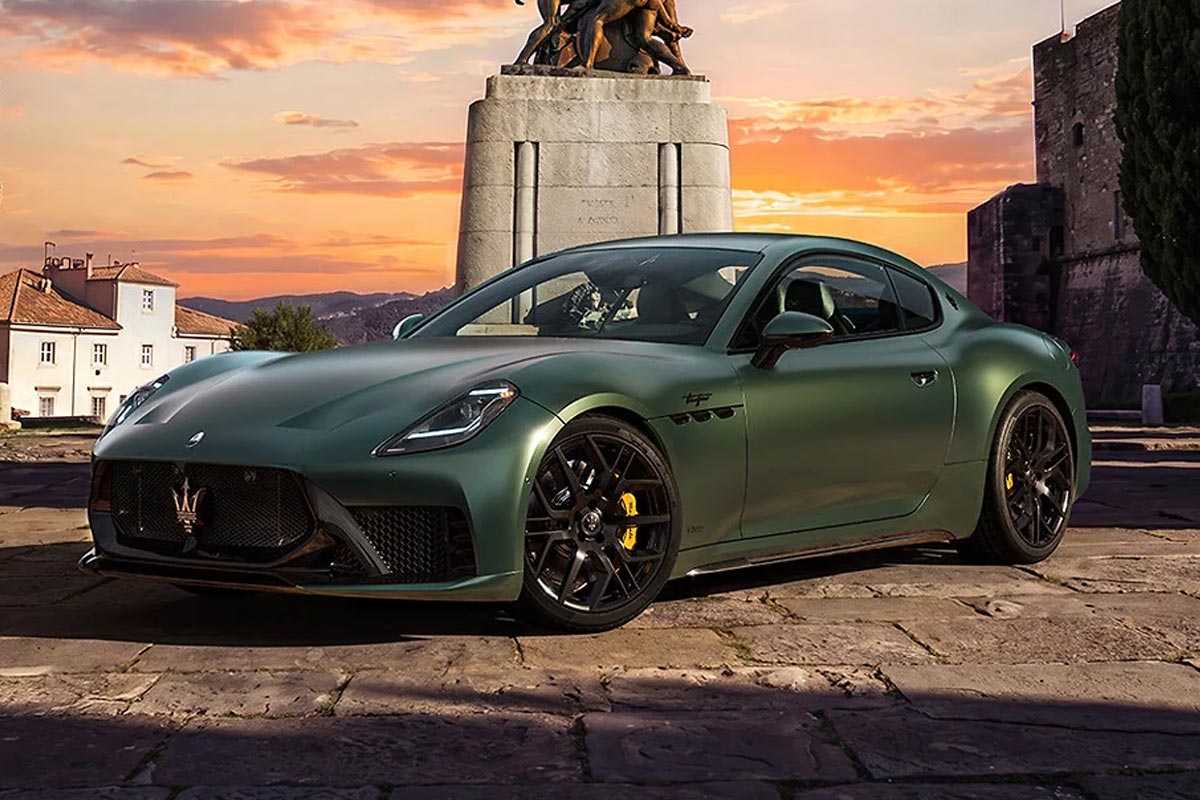
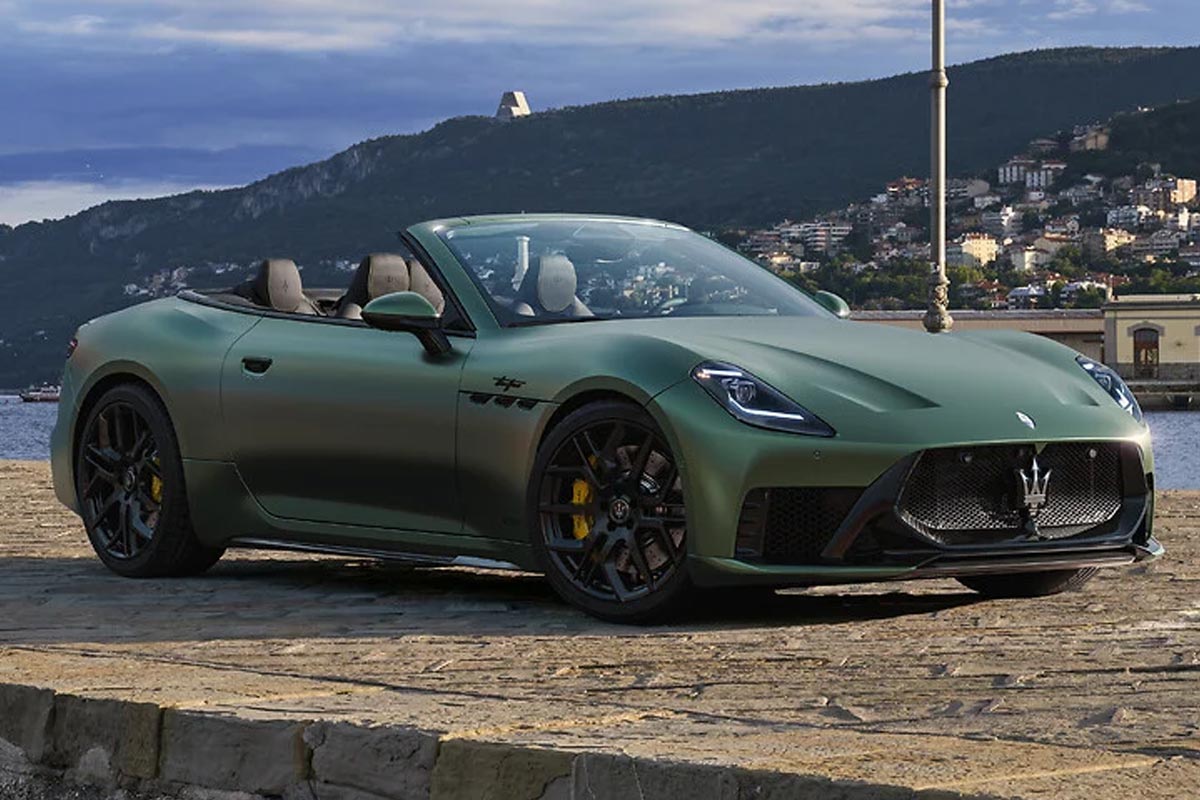
The V6 Nettuno is more than ever at the heart of the strategy
While many luxury automakers are accelerating their transition to all-electric vehicles, Maserati continues to rely on its iconic engine. The new GranTurismo and GranCabrio Trofeo models now feature a Nettuno V6 engine with 590 ch, which is 40 ch more than before.
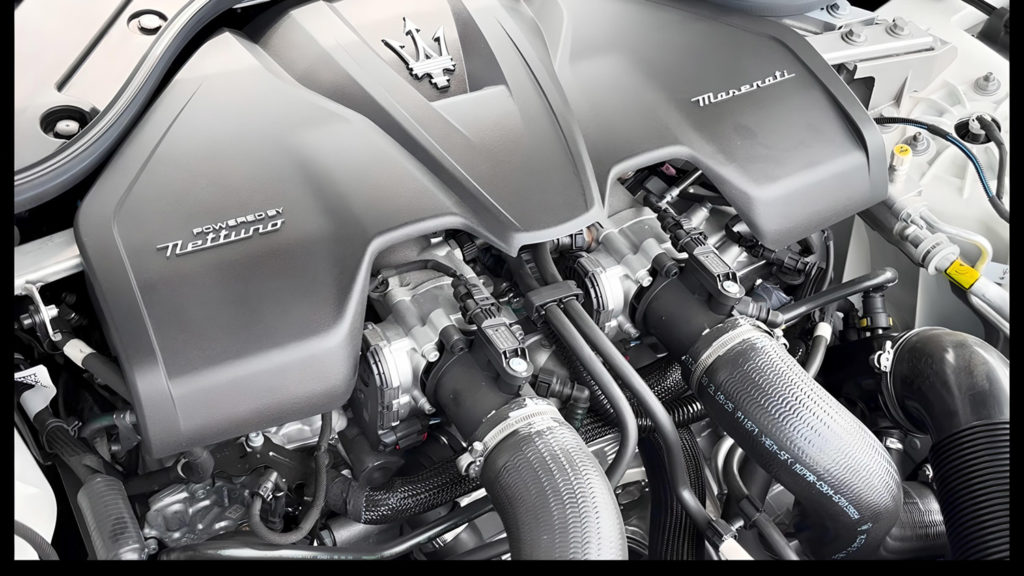
The manufacturer also highlights the work done on the engine’s sound. The Sportivo exhaust system is now standard on Trofeo models to provide a more immersive sound experience—a feature that is particularly important to customers who appreciate the emotional appeal of Maserati cars.
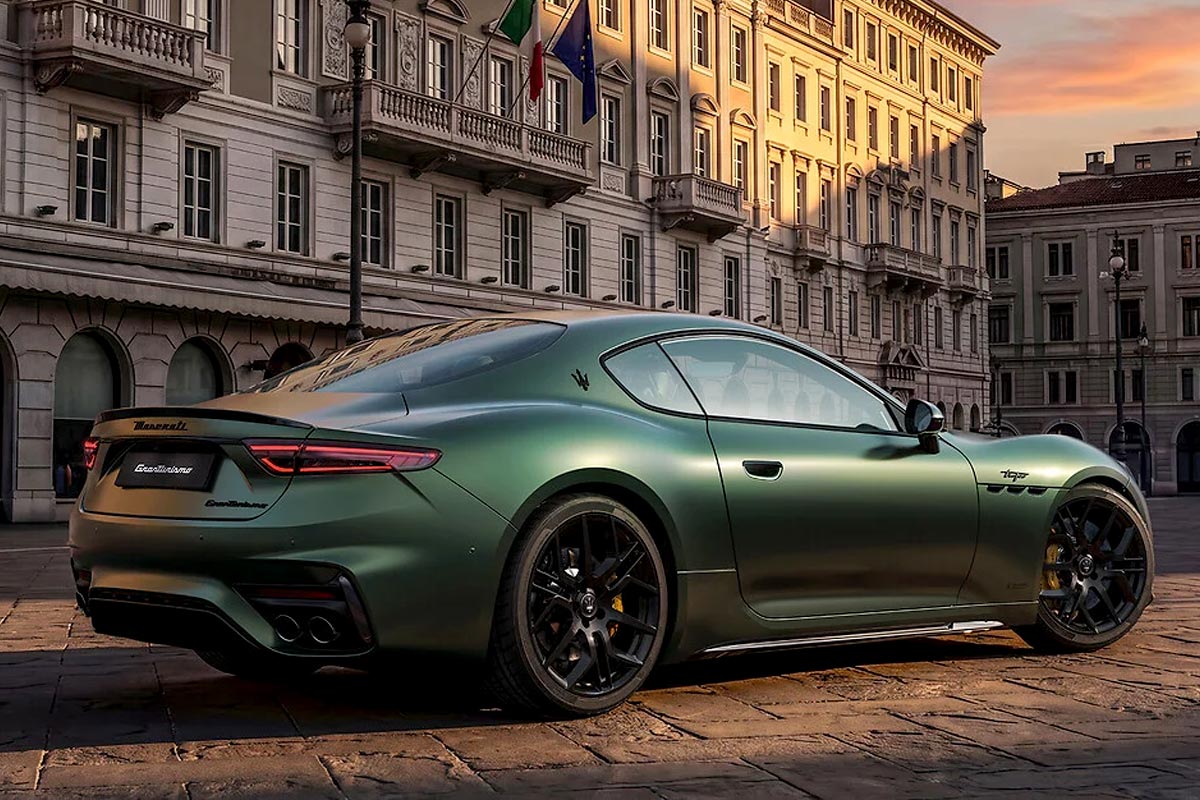
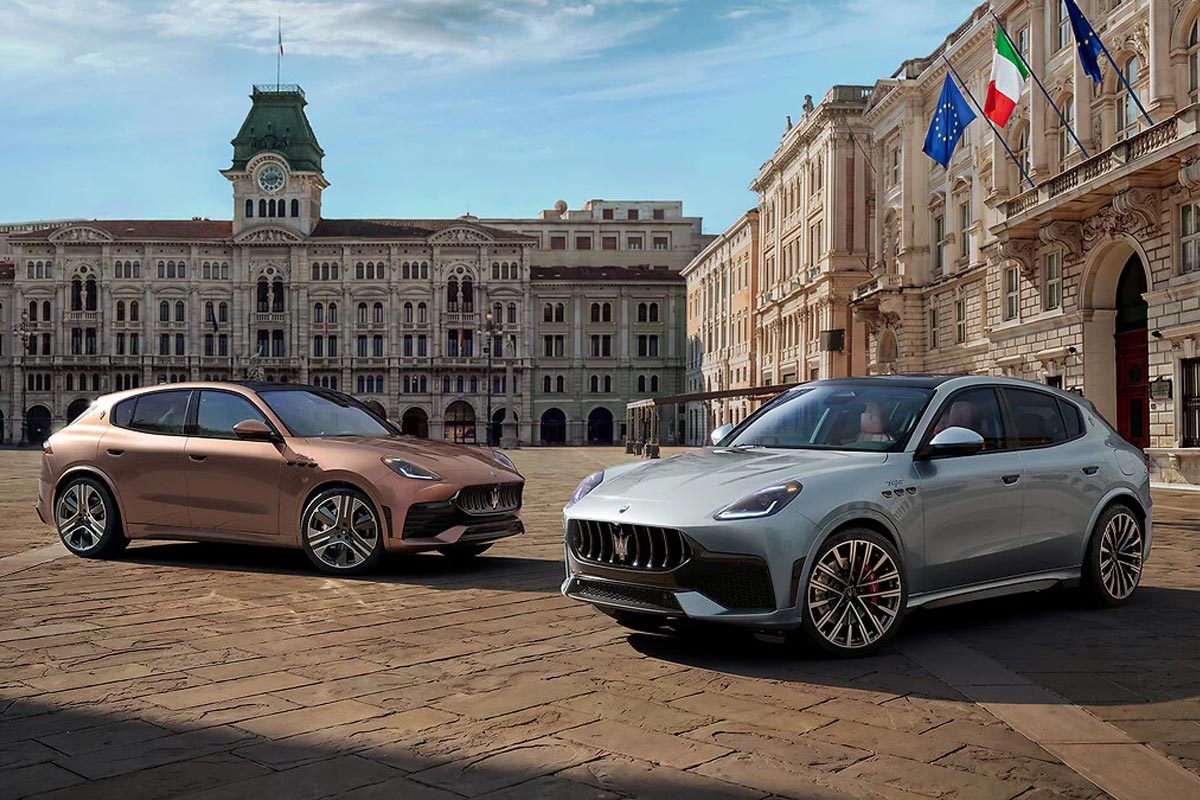
The Grecale is also benefiting from this development with the introduction of a new 390 ch Nettuno V6 engine. Positioned between the four-cylinder hybrid versions and the radical 530 ch Trofeo, it promises more torque at low RPMs and sportier handling.
The Folgore are making progress without any major changes
That doesn’t mean Maserati is giving up on electric vehicles, though. The Folgore versions remain available across the entire lineup. The GranTurismo Folgore retains its 760 ch of power, while the GranCabrio Folgore still holds the title of the fastest electric convertible on the market, with a top speed of 290 km/h.
The engineers focused primarily on efficiency. Thanks to new energy management algorithms, the GranTurismo Folgore’s range now exceeds 540 km. The Grecale Folgore has also seen improvements, with a range of up to 580 km—or even more, depending on the wheel configuration chosen. These are welcome improvements, even if they do not fully address the main issue observed in certain European markets: low demand for the brand’s electric models. In Germany, for example, only five electric Maseratis were registered between January and May 2026, according to our latest analysis.
A revamped product line, but the business challenge remains the same
This evolution of the GranTurismo, GranCabrio, and Grecale comes at a crucial time for Maserati. As we noted recently, global registrations continue to trend downward in most key markets. The United States, the brand’s largest market, saw a 55 % drop over the first five months of the year. Italy declined by 41 %, Germany by 38 %, and Japan by 29 %.
These new features seem more like a consolidation effort than a revolution. But they are welcome, represent a step in the right direction, and allow Maserati to maintain the appeal of its models while awaiting the arrival of future products and continuing its strategy of moving upmarket.
 English
  French
  Italian
  Spanish
  German
  Japanese
  Dutch
Dutch
Beautiful, high-quality cars…
However, there aren't many customers.
The front end is clearly inspired by Porsche, with that drool dripping from the grille. And the headlights already look like they’re from a Jaguar…
Identity is fading even further…
Stellantis doesn't bring anything good.
For once, pS, I agree—they're gorgeous.
You can’t recognize the usual «mouth» with its visual protrusions. The horizontal lines don’t match anything else in the rest of the design, which is curved. It looks like a front end from another brand. It looks more aggressive, but it’s not consistent.
You're right—I zoomed in on the photo, and it's a total disaster!!!!!
I agree … it’s becoming more aggressive but losing its elegance. It looks like Teutonic design.
Potté—there's really nothing he likes.
It is the very structure of Stellantis that he is fighting against. Everything else is just a pretext…
No, actually, he's right—when you zoom in on the photo… wow, it's a total disaster!
Designing a bumper with hallucinogenic mushrooms 🍄 on it has never ended well!
As for the rest, I completely agree with Potté—the structure itself is a fiasco, even though everyone had predicted it would be!!!!!
Uh, I take back what I said—I didn't enlarge the front panel, and it's a mess, but what the hell is this monstrosity? 😱!!!
Making the cars uglier isn't going to boost sales.
The beautiful Maserati grille is overshadowed by the black plastic that dominates the bumper. It looks like a poor Volkswagen design.
The volume model, the Grecale, is expensive for its small size and looks like a Ford crossover. The Granturismo and Grancabrio are still stunning but are starting to show their age. There seems to be no vision or strategy for Maserati, just simple «solutions» that won’t actually fix the problems. I’ve been to the factory in Modena; there’s such pride in their history and craftsmanship, yet Stellantis will drain them of it.
We are in complete agreement. I also immediately thought of Volkswagen Group products.
Do we know when they'll be available for purchase or at dealerships?
Maserati is part of Stellantis. So it's an Italian group run by a family that doesn't give a damn about Italy now that Elkann is in charge.
In short, stay away—that's all.
There's no point in hiding the fact that you simply can't afford one!!
We saw what happened when the French were in charge—it was a massive, irreparable disaster!!!
THP is French; PureTech is French
The scoop design isn't as good as it used to be, and—most importantly—there's no switch to the 800V architecture for the Grecale. The teams can get back to work.
It makes me want to buy one!!!
That said, I think we need to keep making electric models and continuously improving them to gain credibility and attract a new, complementary customer base.
As for internal combustion engines, we’ll need to focus on becoming pioneers in high-performance hydrogen-powered engines.
,
It's actually the opposite… it makes me want to buy one even more!!!!!!!
I was laughing my head off because with a facelift like that, customers are definitely going to run away. That's for sure.
A facelift that copies the layout of the 2023 MG MG5: it’s outdated, ugly, and doesn’t make sense
These Maseratis are simply magnificent, with a dream engine—the V6 Nettuno.
Italian charm is irreplaceable, and this brand stands out in the market.
Alfa Romeo should look to borrow more components from Maserati, rather than from the mass-market automaker Peugeot.
I completely agree—just like Lancia, for that matter—but the facelift is ugly as sin.
What is a dream engine? Surely not a «run-of-the-mill V6,» no matter how melodious it may be. In short, Maserati is still a generation behind the times. A retro style that’s been tweaked (sorry for the analogy), and still a gas engine—not even a hybrid (or if it is, a hybrid that’s already outdated).
The Germans have been churning out quite a few horrors lately… but they’re «cutting-edge» and not some 20th-century stuff!! And that’s exactly what sells. .
That's nonsense—German carmakers are deep in the red and their cars aren't selling. Just look at Porsche, Audi, and VAG—they're laying off employees left and right; Mercedes is in free fall; and BMW has announced it's in the red after hiding it for two years!!
The ordinary V6 is the benchmark that leaves German V8s in the dust on the track—whether it’s an Alfa or a Maserati—and the Germans have never been able to build one as effective as this.
Anyway, play again!
Maseratis, aside from the "massacre" model, definitely look newer than the German cars—and they do so without trying too hard.
Well, yeah, that's why Maserati's sales have been sky-high for the past three years… Try again…