

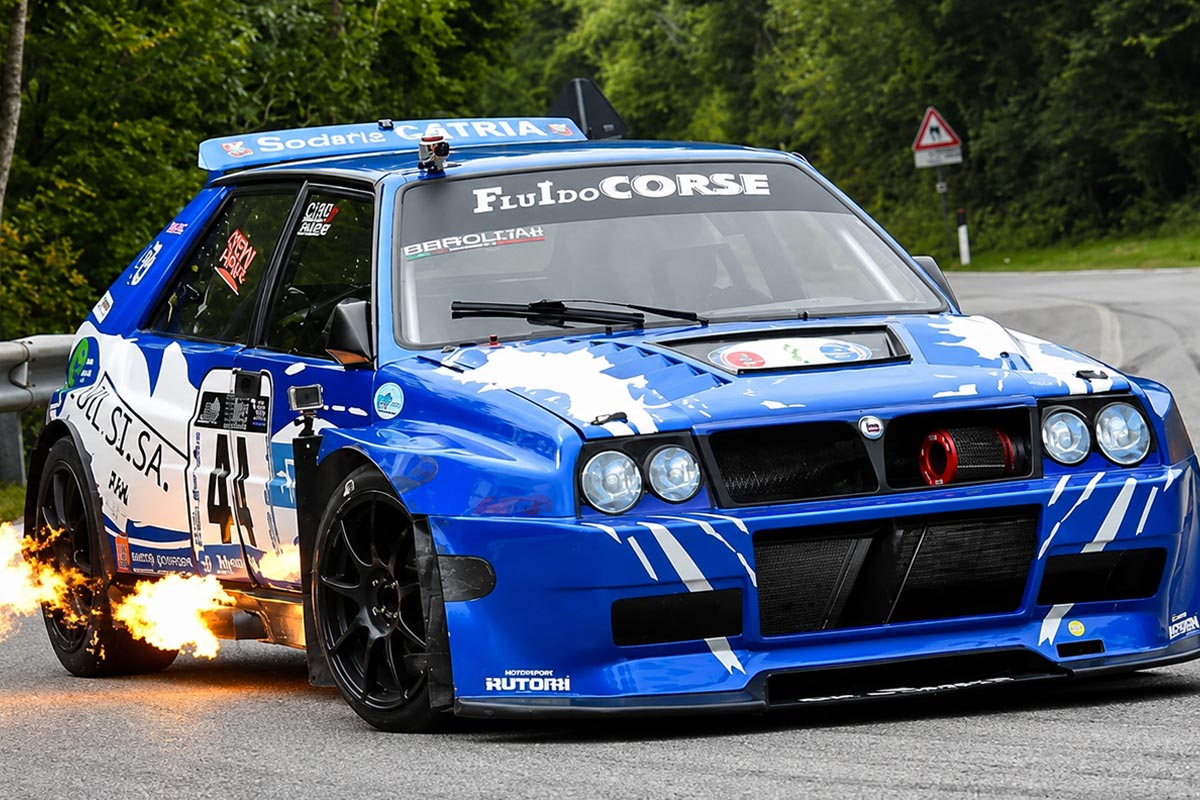
Before becoming an ultra-exclusive automotive project, this car was already a legend in Italian hillclimb racing. Its story didn’t begin in an engineering office or at a major automaker, but in a small workshop in the Marche region, centered around one driver: Marco Sbrollini.
A mountain driver, first and foremost
A native of Pergola, in the Marche region, Marco Sbrollini is an Italian driver and entrepreneur who specializes in hillclimb racing. Competing in the CIVM (Campionato Italiano Velocità Montagna) championship and in several rounds of the European championship—including the must-see Trento-Bondone—he is quickly making a name for himself in the E1 class, reserved for heavily modified cars.
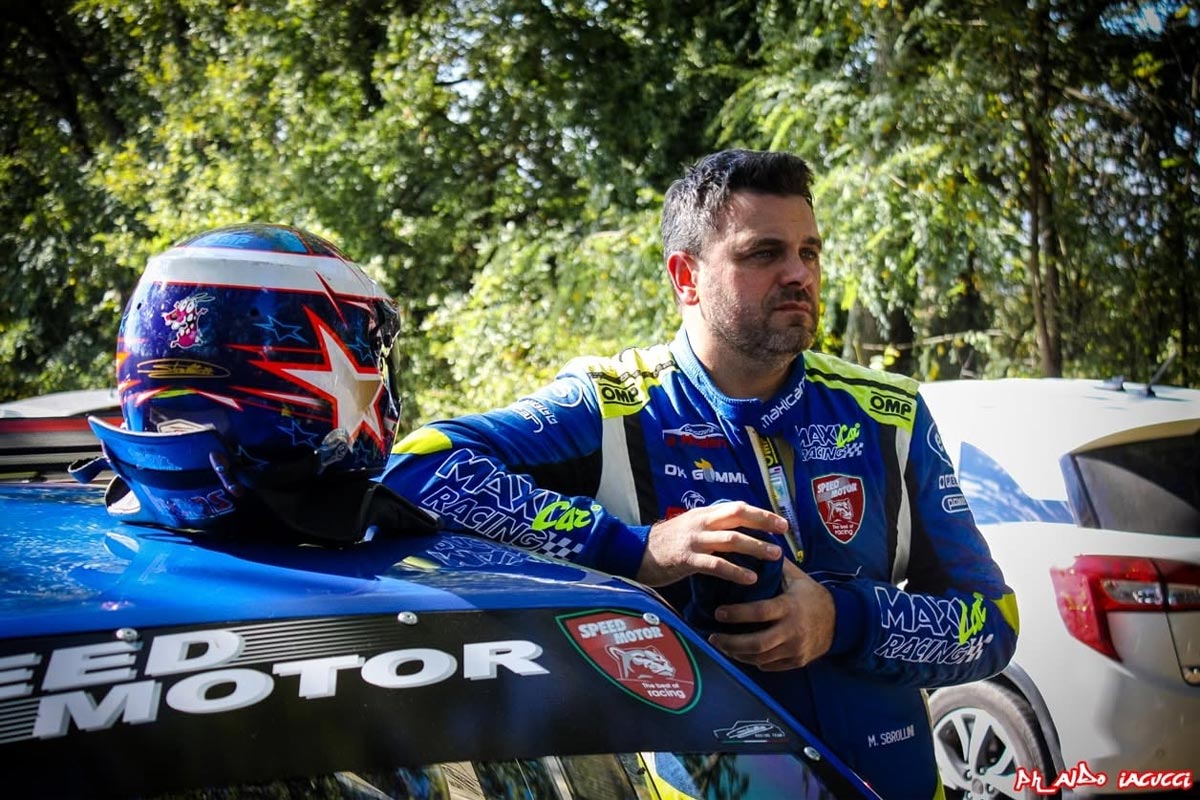
For more than ten years, he will transform a Lancia Delta Group A as an extreme racing prototype, before using it as the foundation for an even more ambitious project. His standout year remains 2017, when he won the E1 Italia Championship and the Northern Italy division with several class victories against much more modern cars.
The DELTA EVO
Sbrollini’s car is officially a Lancia Delta Evo Group A, but it bears little resemblance to a production model anymore. We’ve already featured several of them in our articles, as the Delta is one of the favorite sedans among many tuners: examples include Bruno Ianello’s S4 and the HF models by Mirko Bubnic and Norbert Handa.
Marco Sbrollini’s modifications to the Deltav Evo include a complete reinforcement of the fuselage, a lower center of gravity, changes to the attachment points, and a switch to a quadrilateral (double-triangle) suspension system, an architecture that is completely different from that of the original Delta.
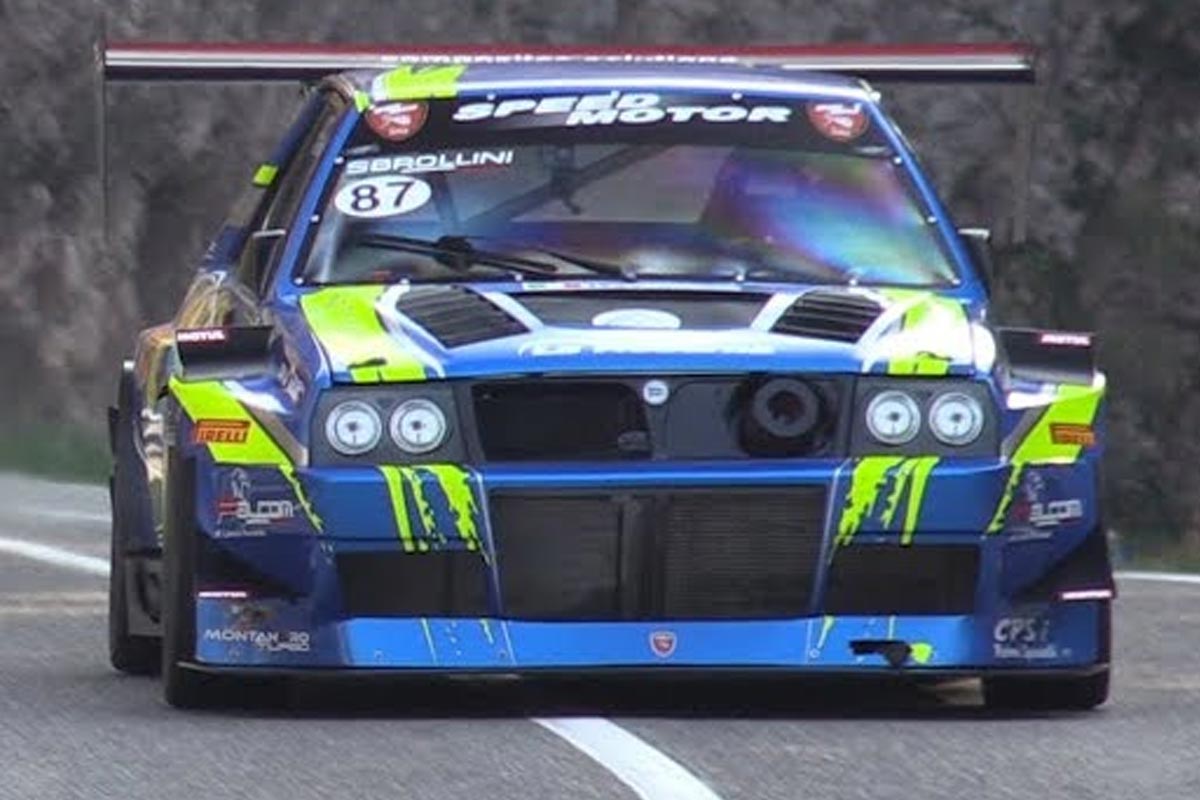
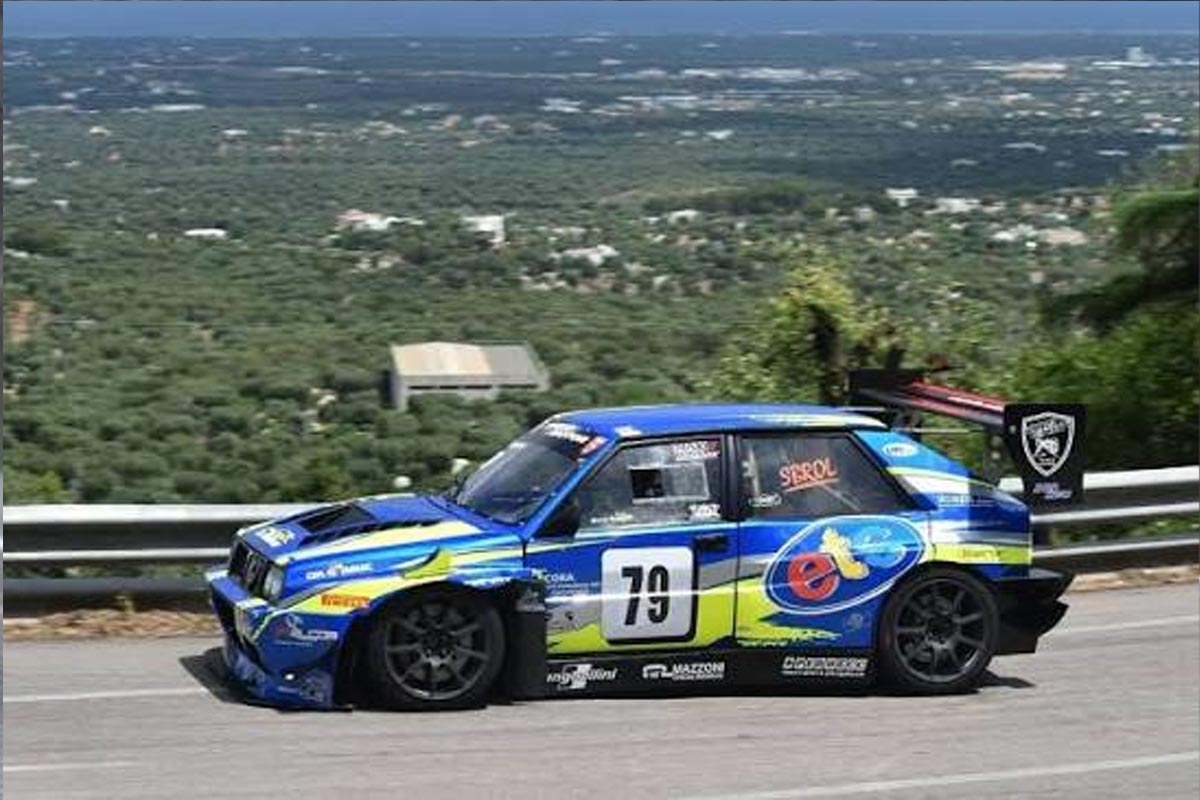
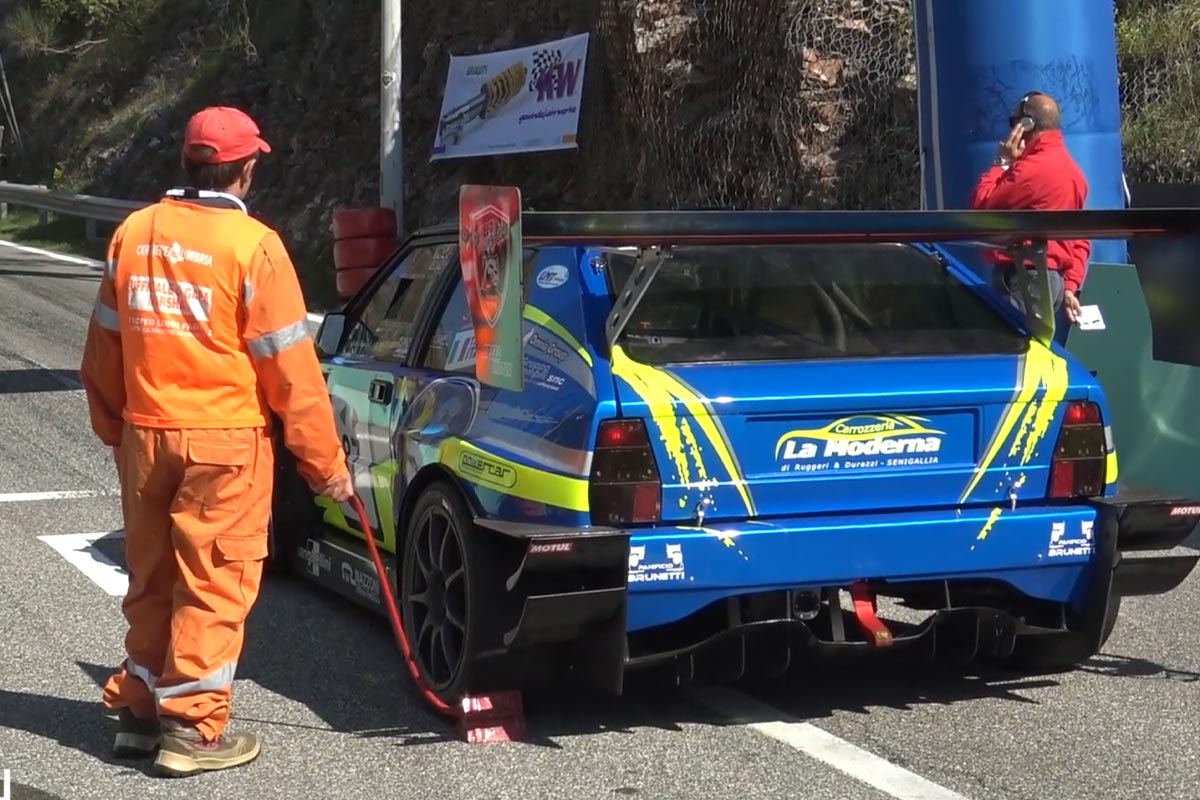
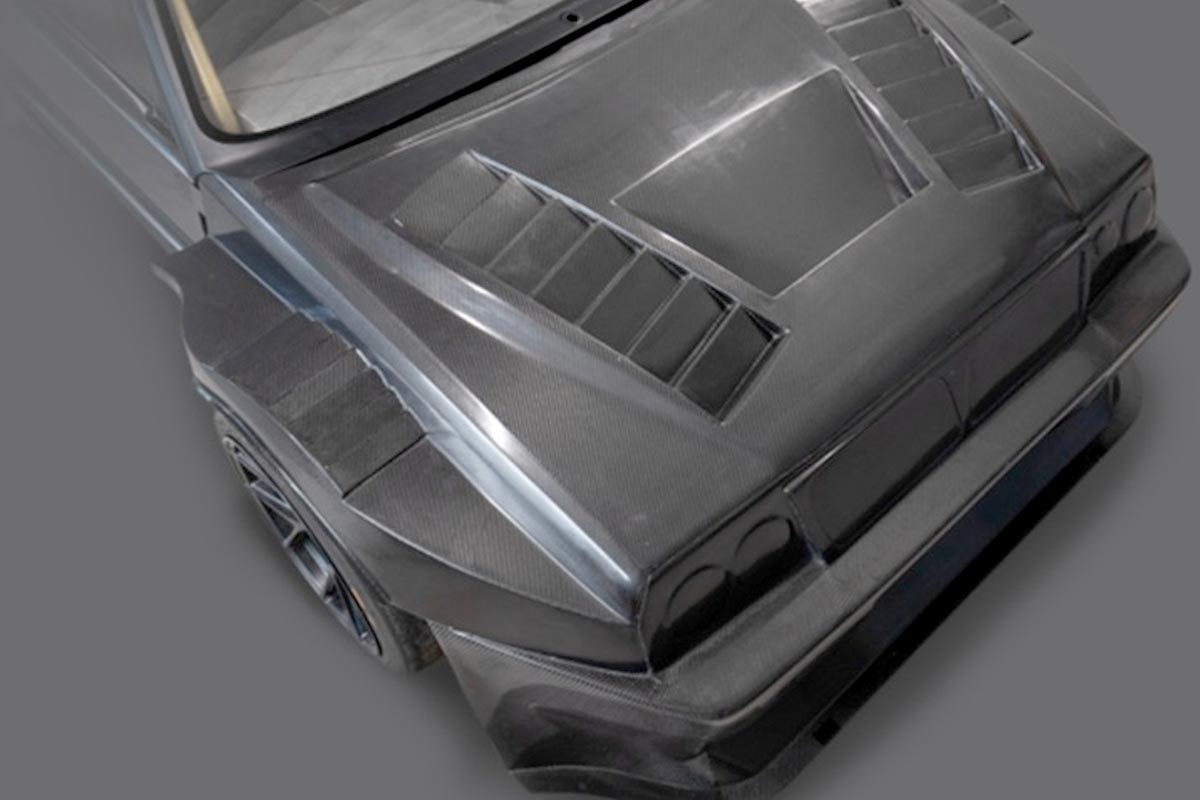
The body is primarily made of handcrafted composite fiber, widened and optimized for competition. The aerodynamics have been extensively redesigned, featuring a large double-plane rear wing, numerous aerodynamic appendages, and optimized rear airflow.
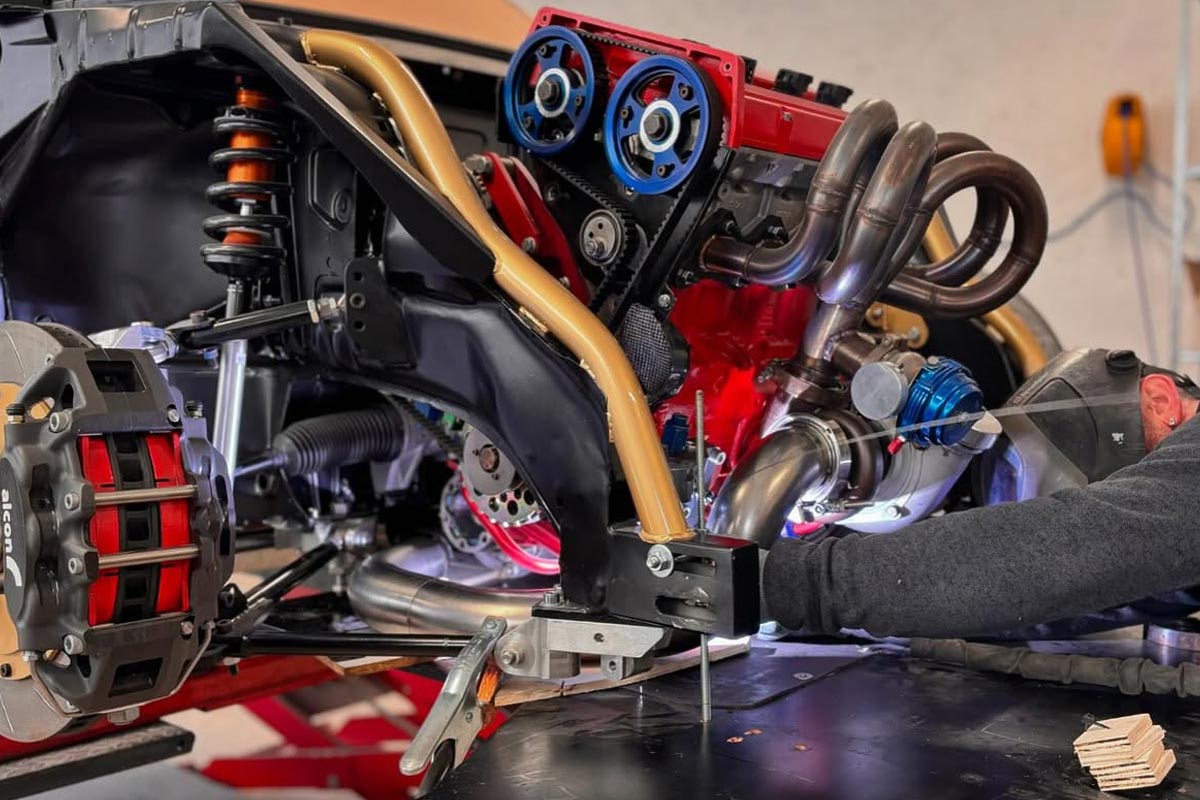
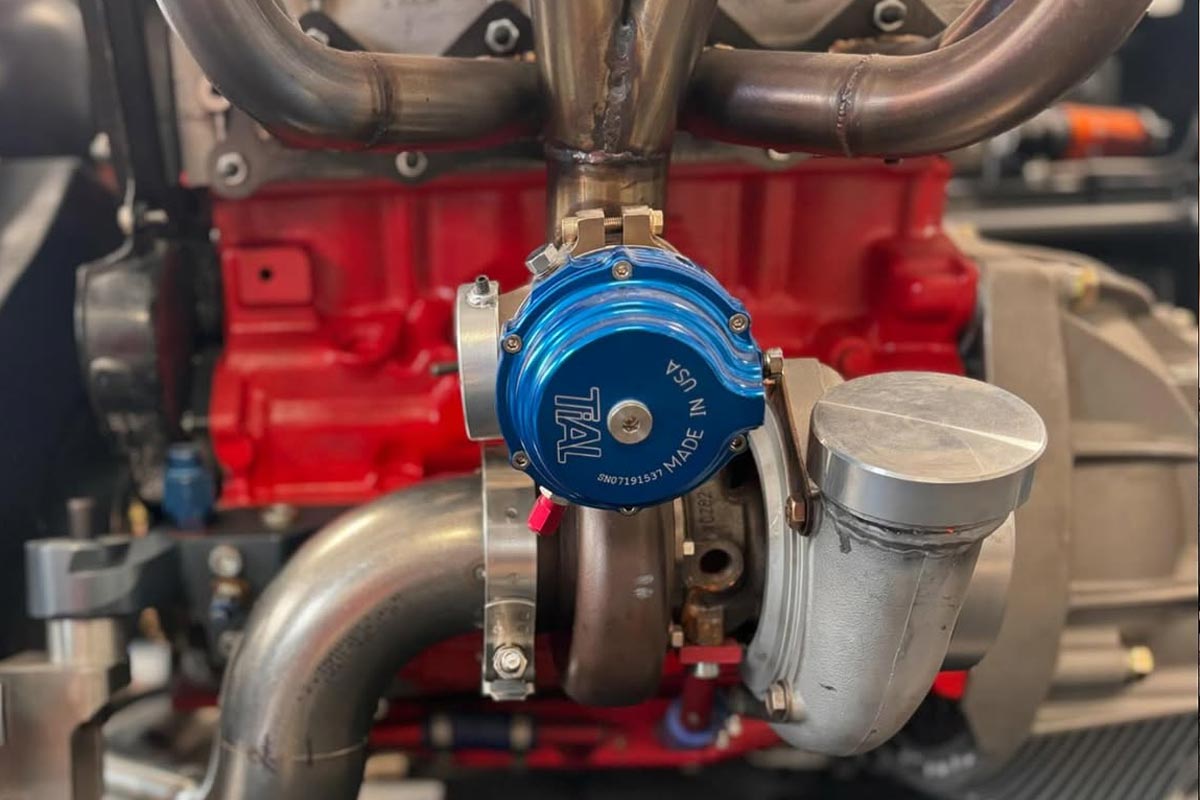
Under the hood, as with other Delta hill-climb race cars, there’s a 2.0L turbocharged 4-cylinder engine derived from Fiat/Lancia but with CPS forged pistons and a high-flow Garrett turbocharger, delivering approximately 500 hp and over 60 mkg of torque. The drivetrain is one of the most advanced components, featuring a Zanghellini 6-speed sequential transmission, specialized front and rear differentials, and a Shiftec pneumatic control system operated from the steering wheel—an architecture similar to that of modern rally cars

Taking it even further: the DELTA SP EVO POWER
For several years, the team continued to develop the Delta Evo, but a limitation became apparent: the original architecture could no longer be developed sufficiently. As early as 2017, Sbrollini put forward a key idea: «Our goal is to build a new hull to further reduce the weight.»This is the first direct indication of the future EVO Power project.
In October 2024, the project was officially unveiled at Rallylegend in San Marino, a major historic rally event. The driver enlisted the help of numerous regional talents for this project: Fernando Lancia’s Falcom handled the design and construction of all the mechanical parts. Other companies involved include Zanghellini of Trento, which handles the drivetrains, and Composita, which manufactures the body entirely from carbon fiber. To support the project, Sbrollini is relying on the Speed Motor team from Gubbio, led by Tiziano Brunetti, with whom he has been working for over 10 years.
«We wanted to ensure continuity and build on the successes and sacrifices we’ve faced together,” says Marco Sbrollini, “and also give some p»It pays homage to a global automotive icon like the Lancia Delta, which we intend to reintroduce both as a race car and as a collector's item. We are now ready, and I must say I feel quite moved.".
A small-scale production for maximum performance
The new car is called the “EVO Power Delta SP.” The goal is to produce a limited series of 10 units, intended for both racing and collector’s use, with performance superior to that of the original Delta race car.
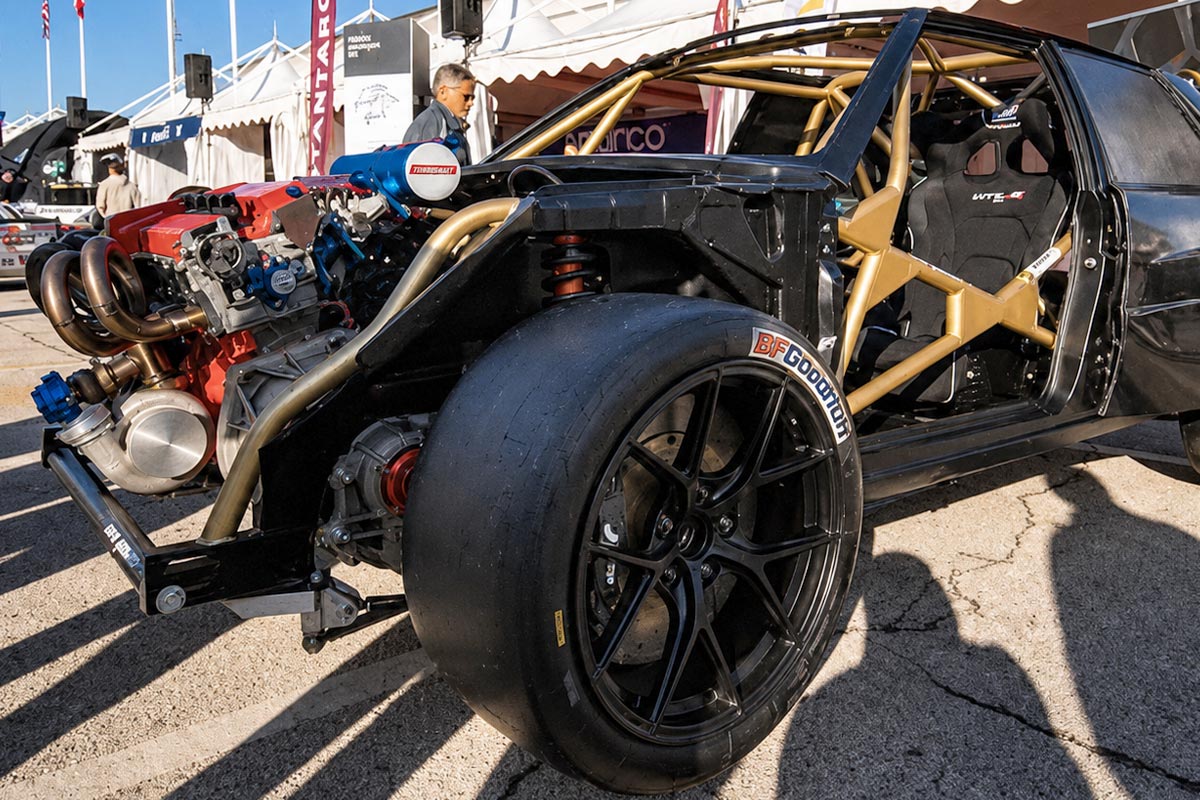
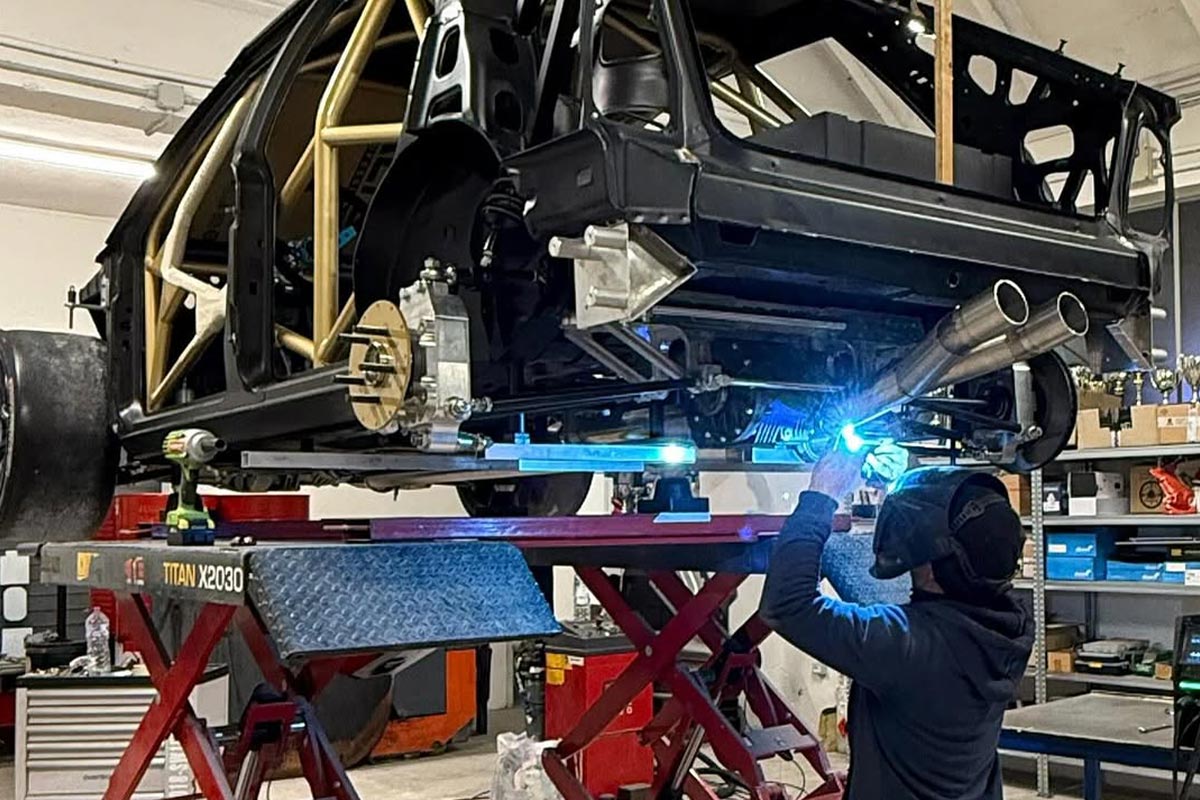
The Delta SP directly incorporates the design elements of its predecessor, the race car. But its weight will drop from 1,090 kg to 910 kg thanks to a full-carbon monocoque and an interior also dominated by carbon fiber, including an impressive center console. In terms of looks, we can already make out an insane rear wing—almost as wild as the ones on the Pikes Peak prototypes! The body kit promises to be very muscular and spectacular.
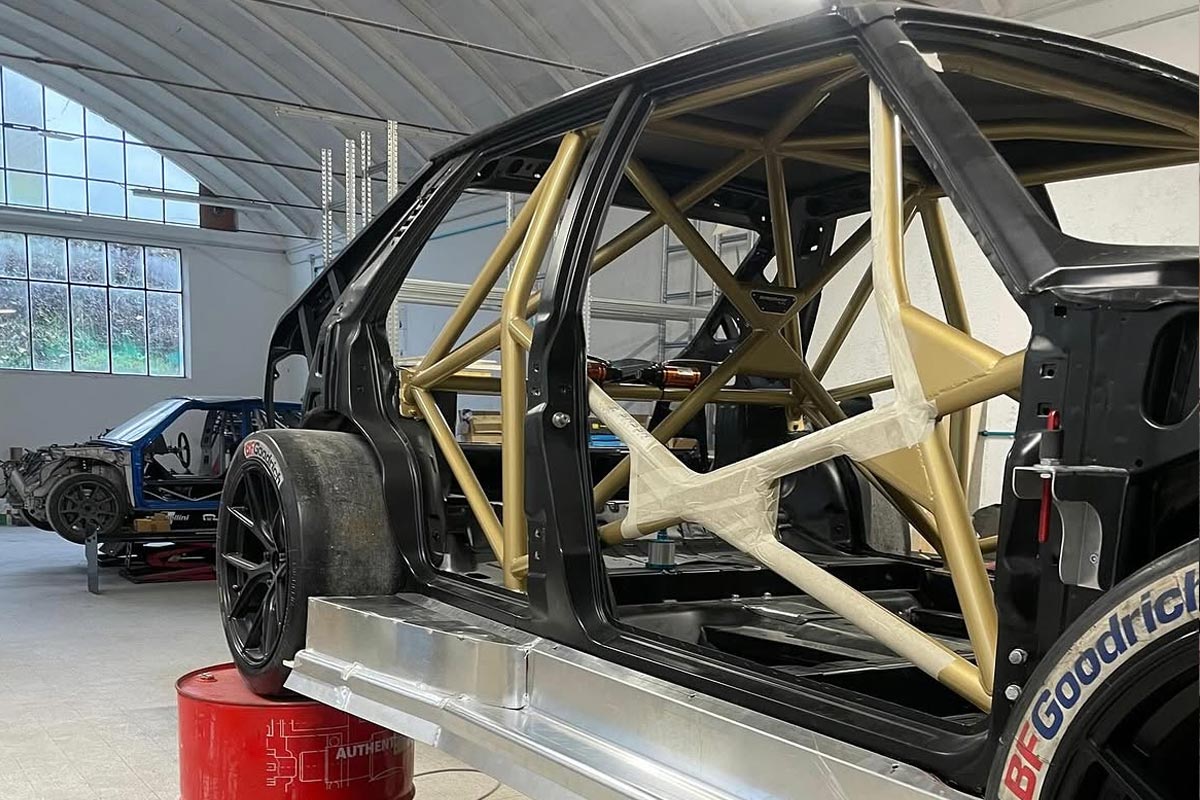
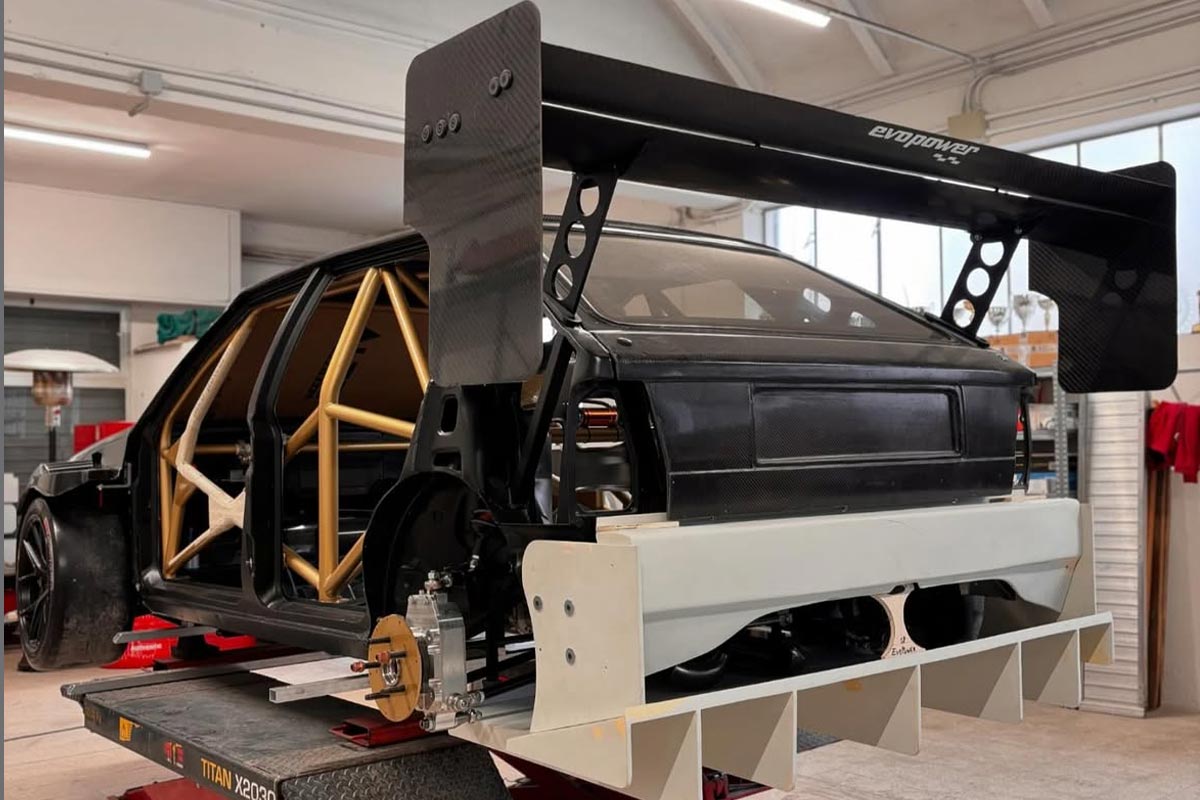
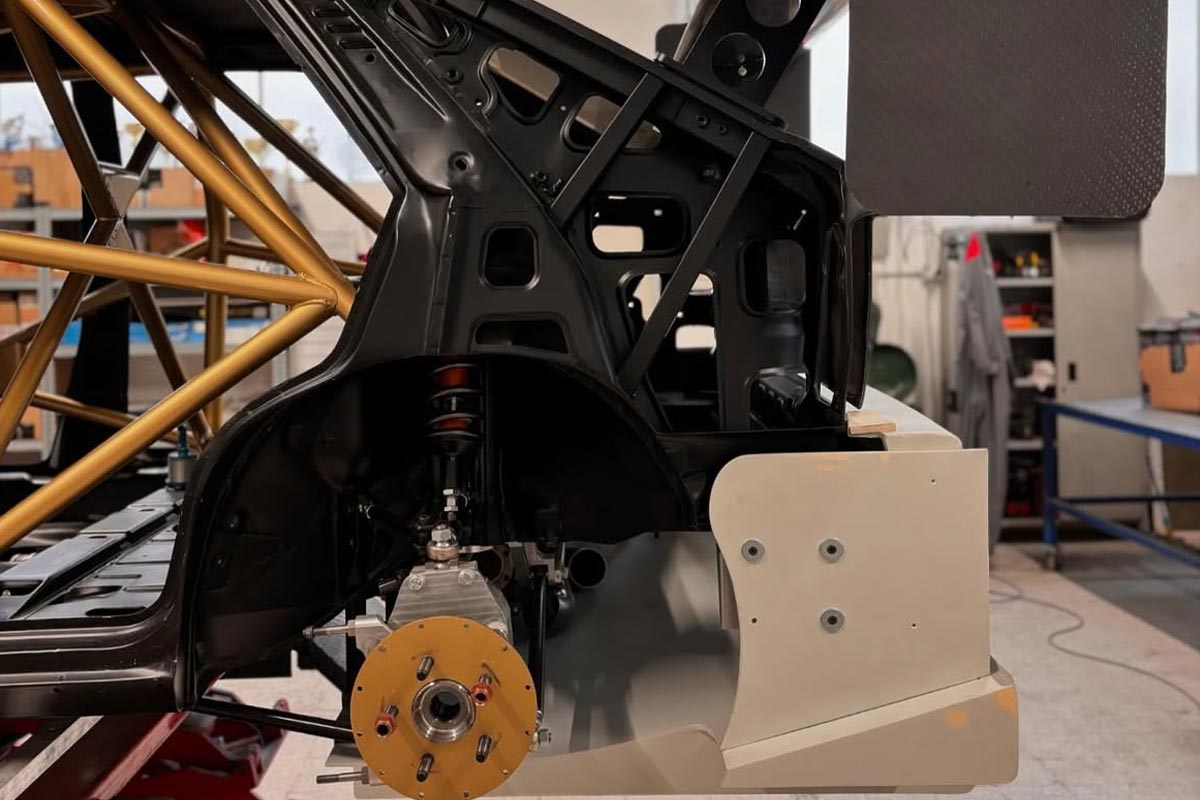
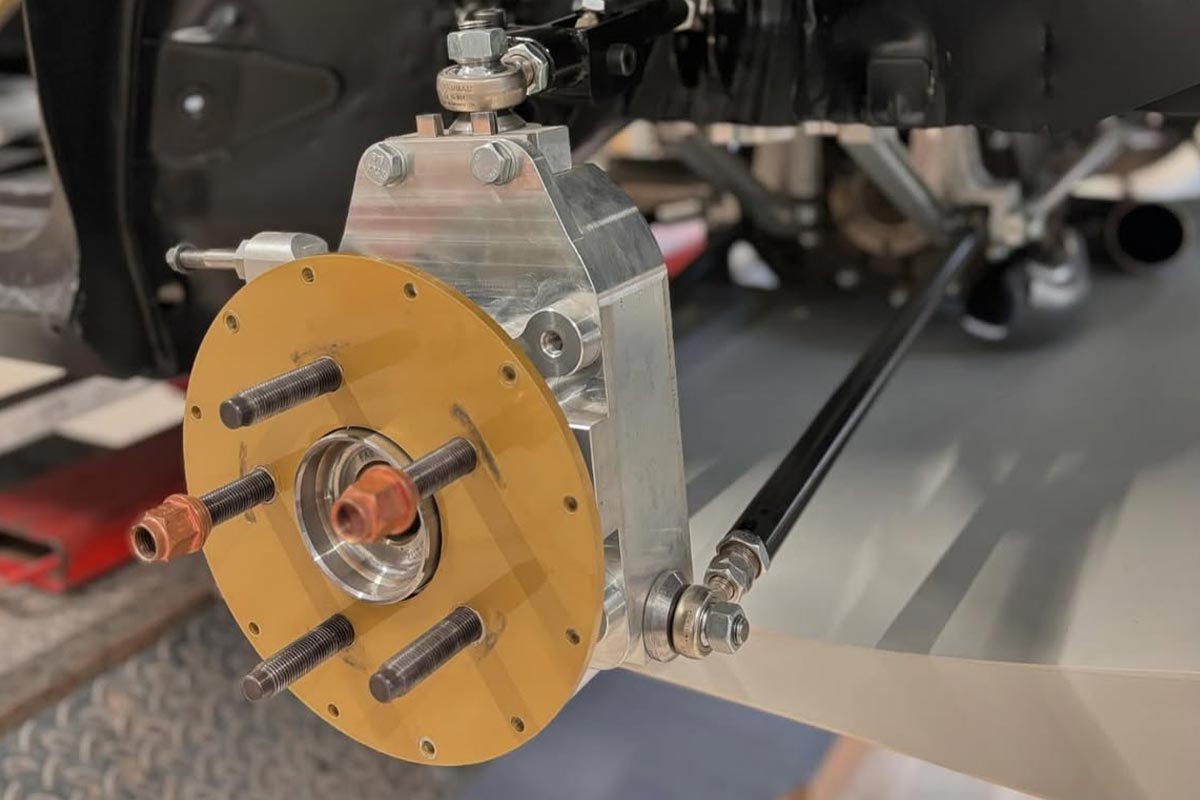
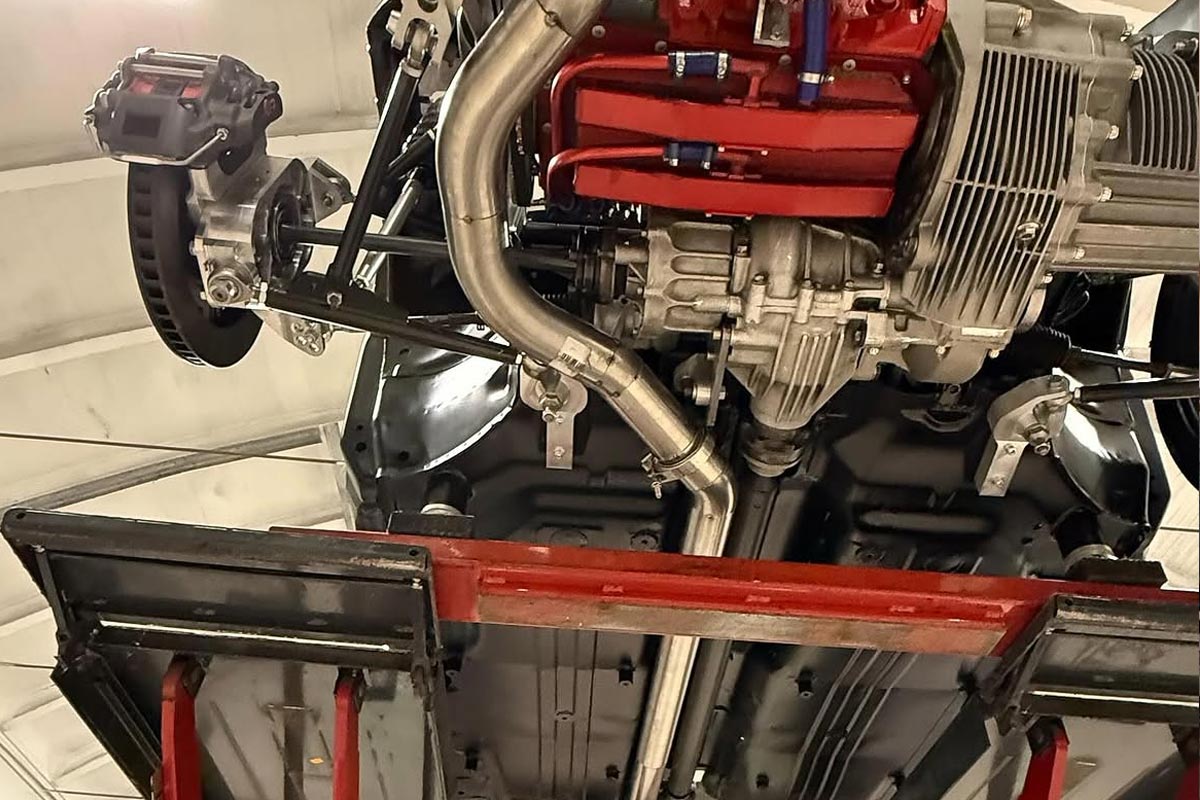
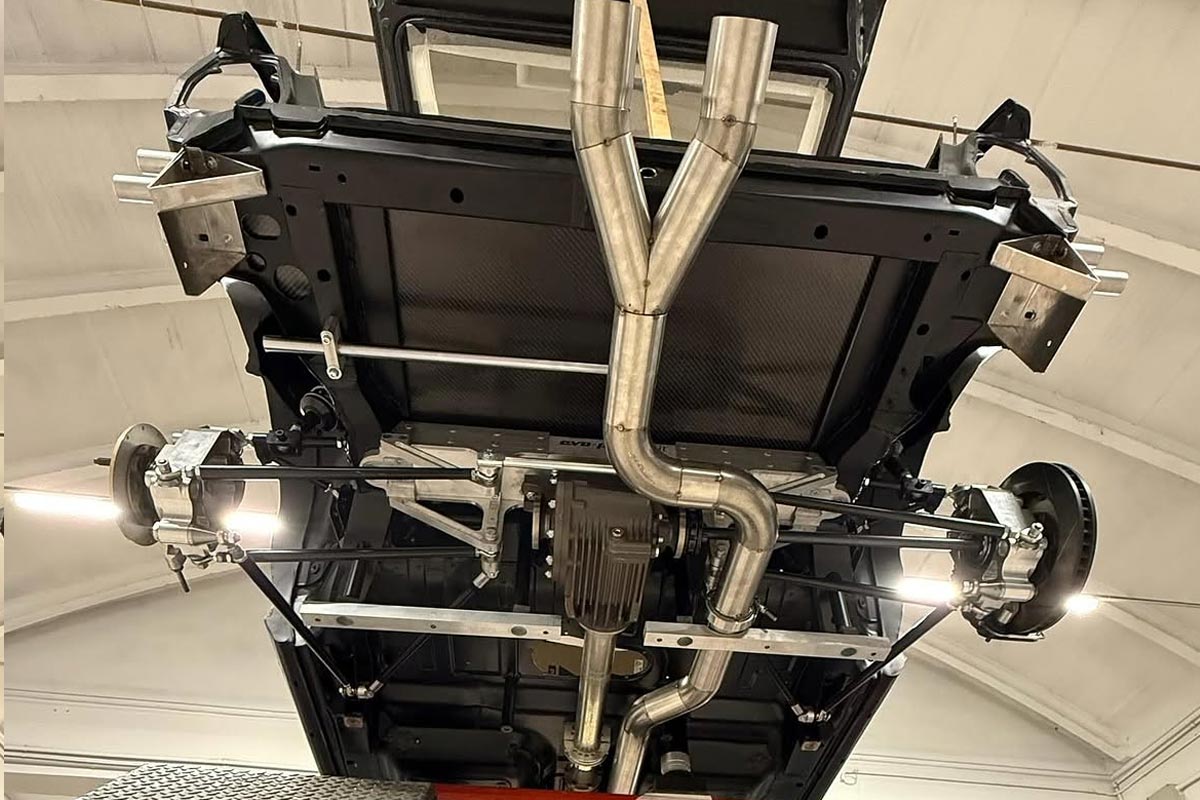
Mechanically, the Delta stays true to the spirit of the original with a 2.0-liter turbocharged engine that now produces 600 hp at 8,500 rpm. Otherwise, it features proven components from Marco’s previous Delta Evo, including double-wishbone suspension and a Zanghellini transmission. You can also admire the splendid 76mm stainless steel exhaust system that ends in a Y-configuration.
In an automotive landscape dominated by restomods, the Delta SP EVO Power stands apart. It is not a nostalgic reinterpretation, but the direct successor to a race car that actually existed, was developed, and won races. The first test drives are expected to take place soon.
 English
  French
  Italian
  Spanish
  German
  Japanese
  Dutch
Dutch
300 cv per liter—that means the engine will need to be rebuilt at least every 50,000 km.
Nostalgia! It reminds me of the former Gr B team from '85.