

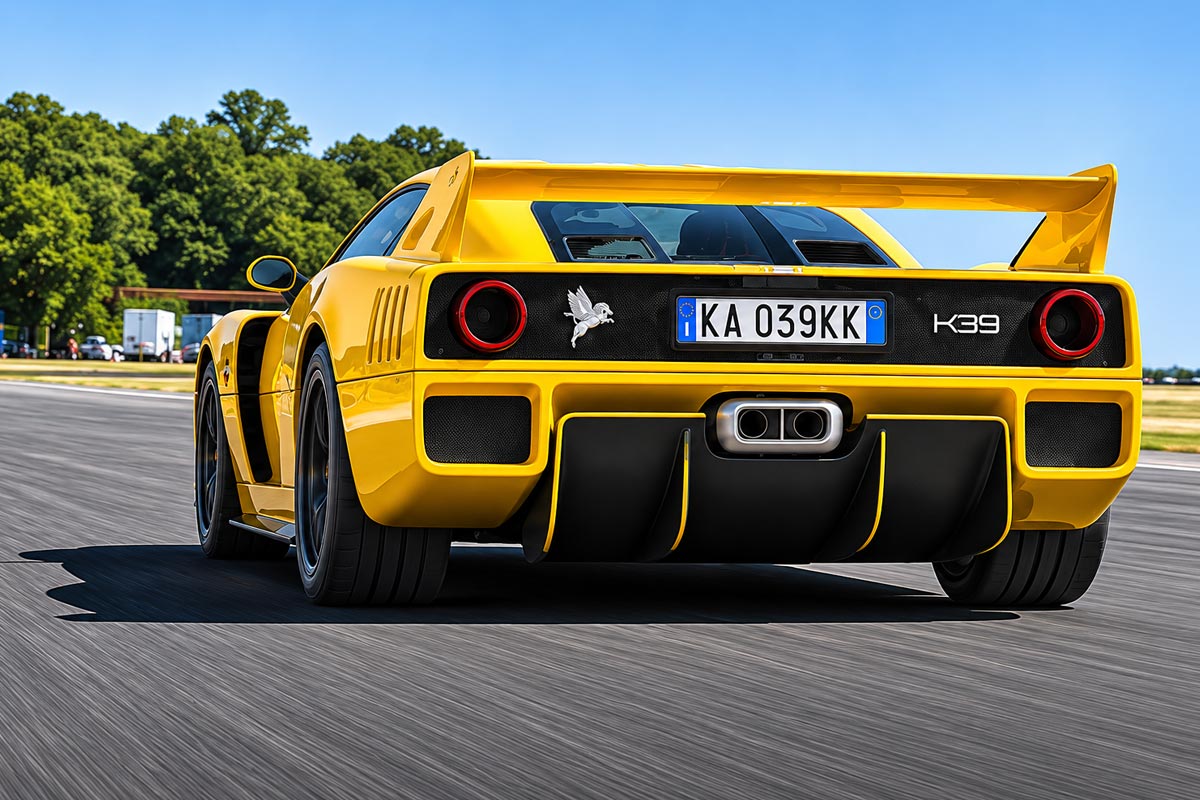
After causing a sensation at Goodwood this summer, the Kimera K39 is back in the spotlight. This time, it’s not for a presentation or a public demonstration, but for a true first test drive. The Top Gear journalists got behind the wheel of the yellow prototype of the Italian hypercar on their famous test track. And while the advertised 1,000 HP isn’t quite available yet, first impressions are already promising.
The same prototype as at Goodwood, with a few surprises
Remember, last July, we showed you the first test drive of The Kimera K39 at the Goodwood Festival of Speed. The event was even marred by a minor incident: the transparent window on the engine cowling had flown off during the ascent.

It was precisely this same yellow prototype, nicknamed «Kimi,» that Top Gear reporter Jack Rix spotted on the British test track. And clearly, the car still bears the marks of its rushed development. We’ve learned, in particular, that Kimera had only two weeks to finish assembling the chassis and install the engine before Goodwood. The car was reportedly even finished on the morning of its debut! Another amusing anecdote: during testing, the hood is now securely held in place with duct tape… to avoid a repeat of the Goodwood incident?
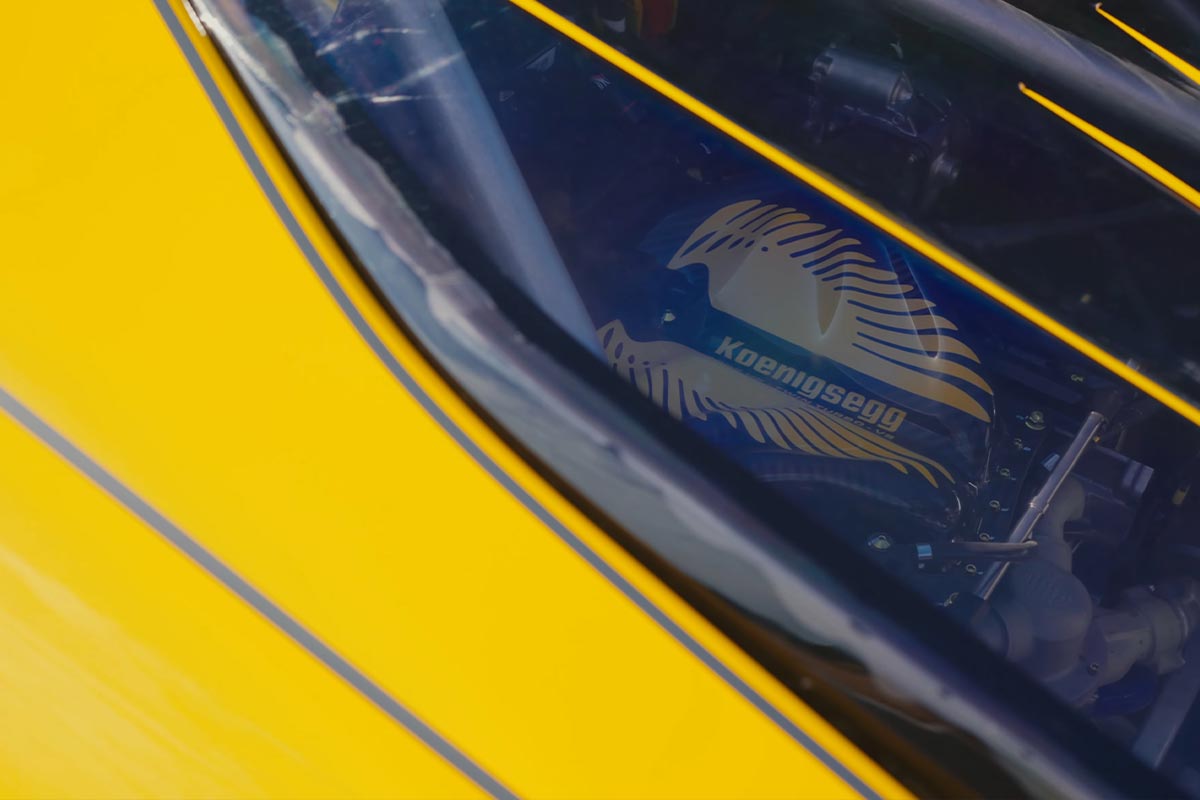

A 1,000 HP Koenigsegg V8… that only produces 600 ch for now
Beneath its bodywork, inspired by 1980s endurance race prototypes, the K39 hides a 5.0-liter twin-turbo V8 supplied by Koenigsegg. It is expected to produce 1,000 HP and 1,200 Nm of torque, transmitted exclusively to the rear wheels via a seven-speed manual transmission. But Top Gear reveals an important detail: during this test drive, the turbos were only boosting at 0.2 bar. The engine would therefore produce about 600 HP, which is 400 HP less than the announced final power output.
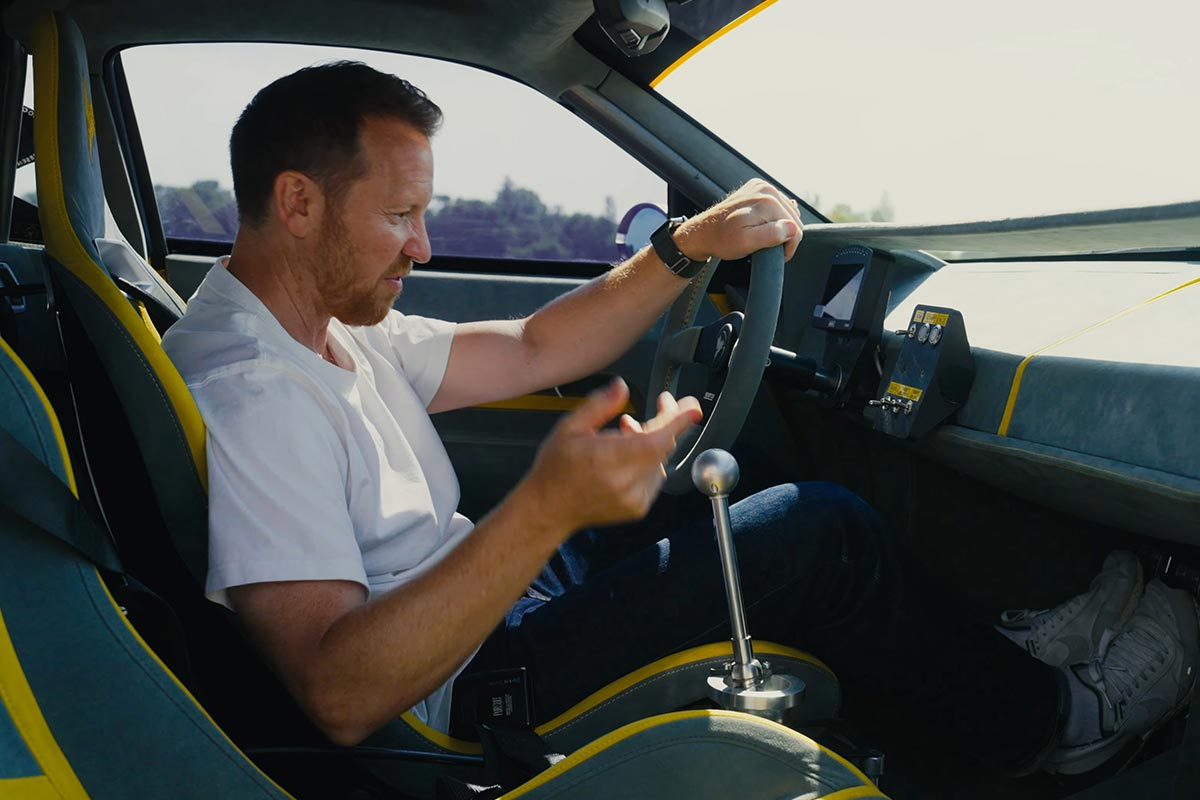
That doesn’t stop Jack Rix from being impressed. The journalist describes the engine as loud and raw, with particularly aggressive revs. He immediately recognizes the character of the Swedish V8, even with such low boost pressure. Kimera is also aiming for a weight of just 1,100 kg, which would give the final version a particularly spectacular power-to-weight ratio.
A more stable Kimera, but just as wild as ever
Behind the wheel, Jack Rix notices a significant difference compared to the EVO37 and EVO38. While those models have a very rally-oriented handling character, with a natural tendency to slide, the K39 feels much more stable thanks to its lower, wider, and longer chassis.
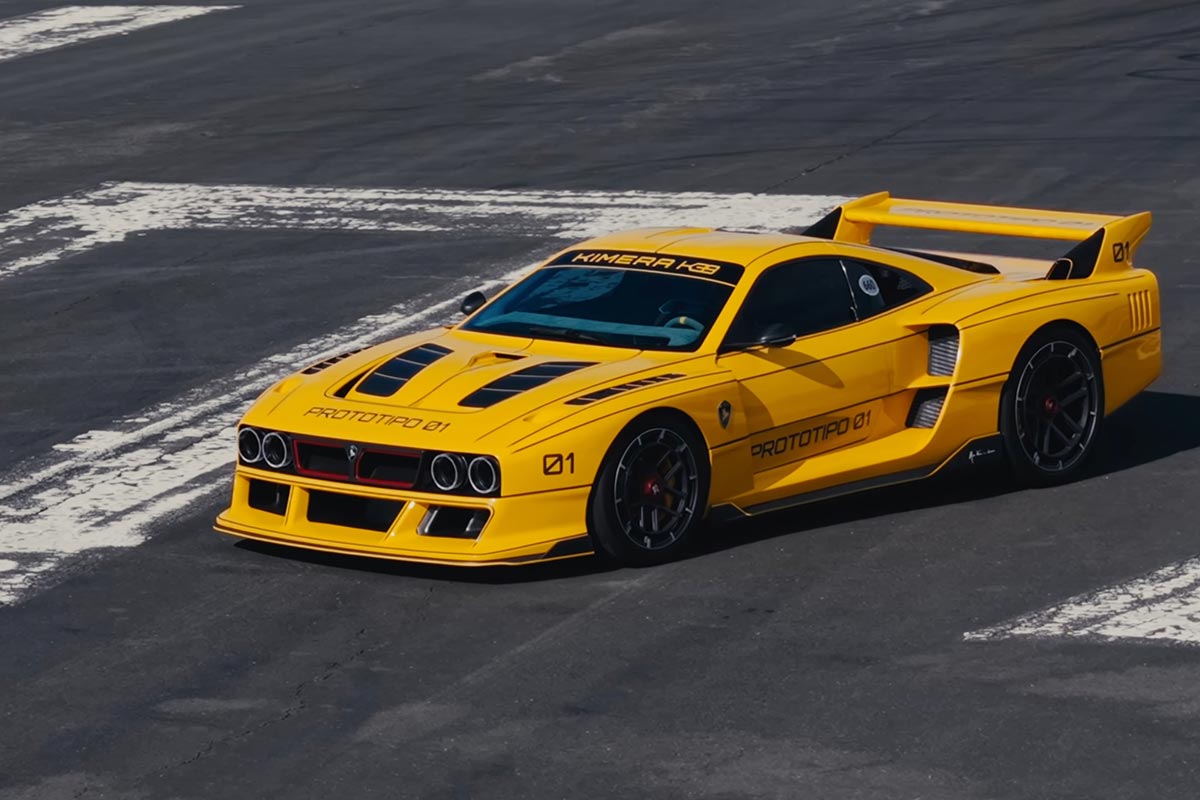
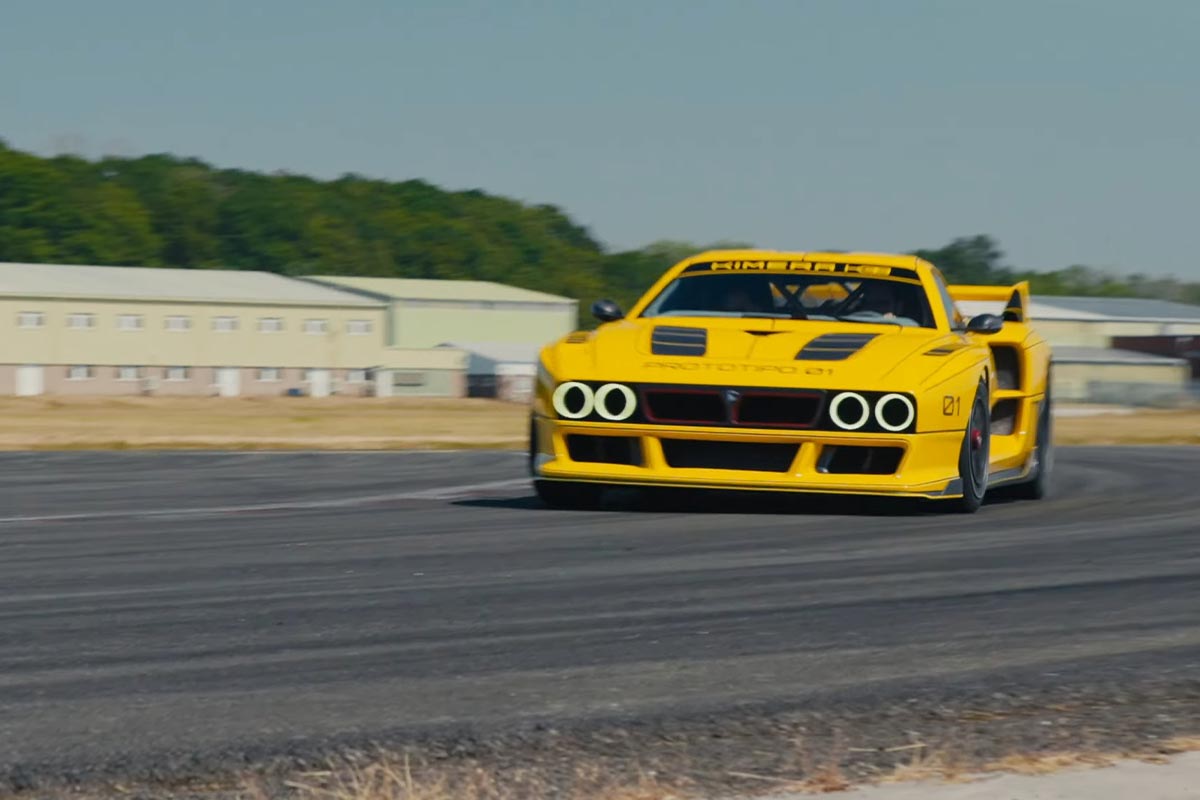
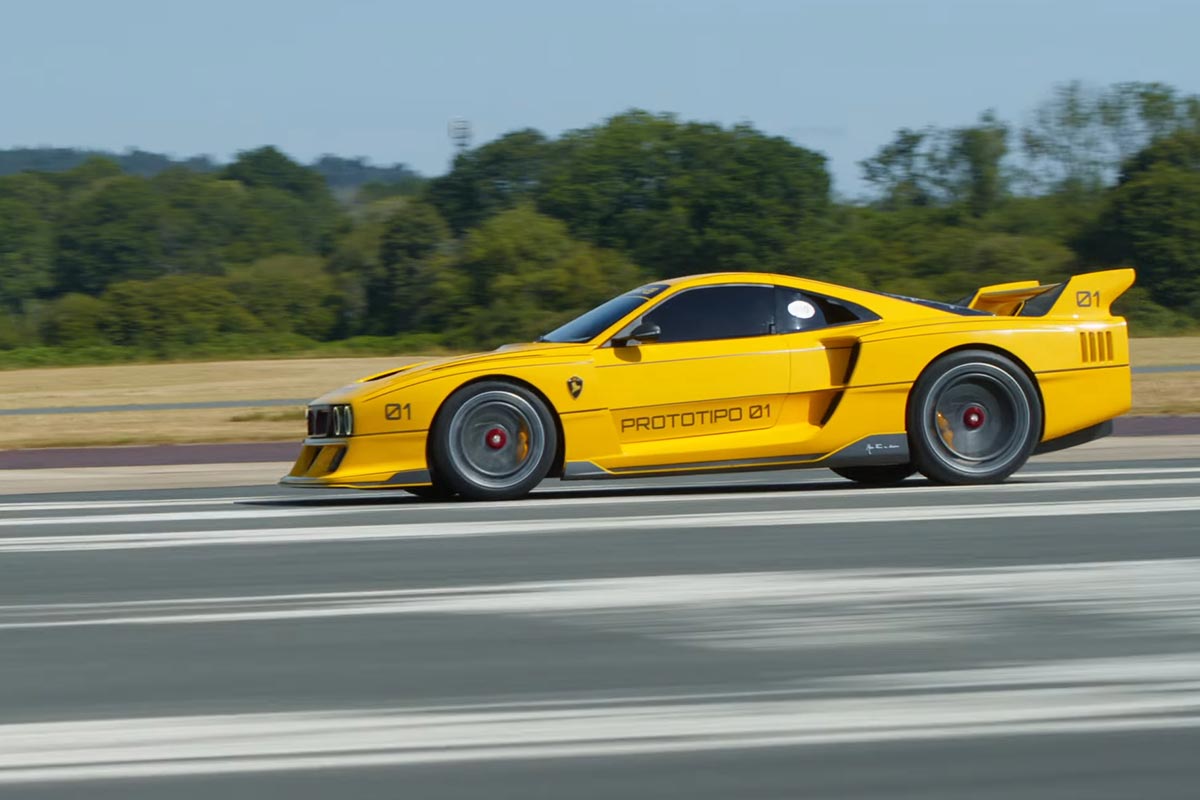
The essay then takes on a new dimension when Luca Betti, founder of Kimera and former rally driver, gets behind the wheel with the journalist as a passenger. A few corners taken at high speed are enough to demonstrate the car’s potential. Luca Betti admits that he initially feared losing Kimera’s DNA by developing a hypercar more geared toward the track. But his first few kilometers put his mind at ease: despite its completely new architecture, the K39 retains that raw, analog mechanical character that defines the manufacturer’s identity.
There's still a lot of work to be done before the final version is ready
However, it’s important to keep in mind that this K39 is still an early prototype. Its interior does not yet match that of the production model, the chassis settings still need to be refined, and the additional 400 HP have yet to be fully harnessed.
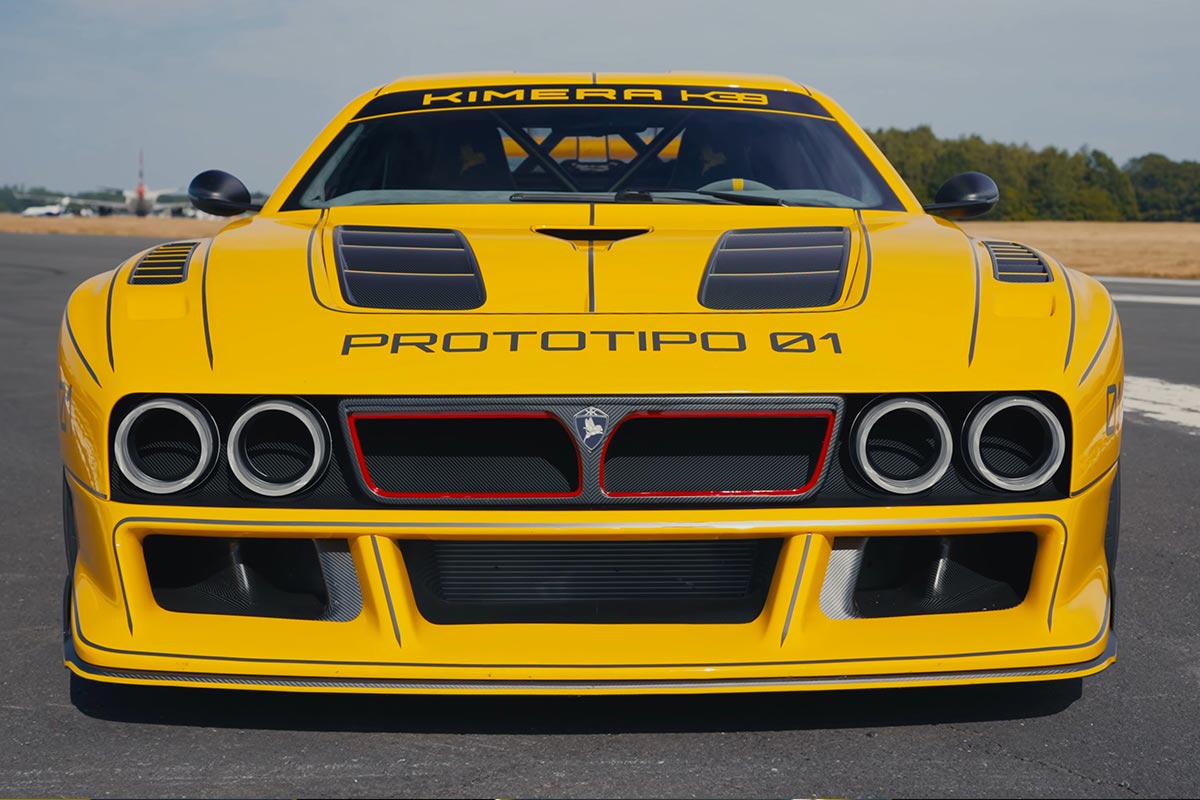
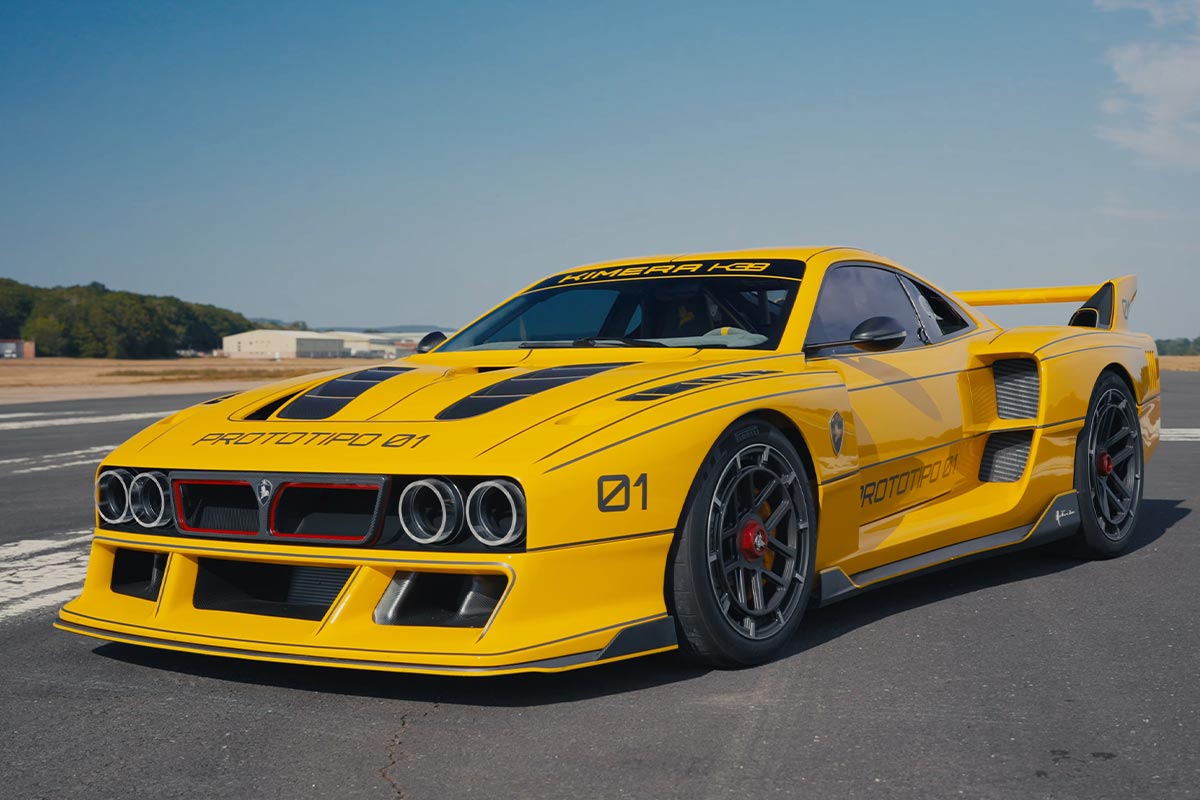
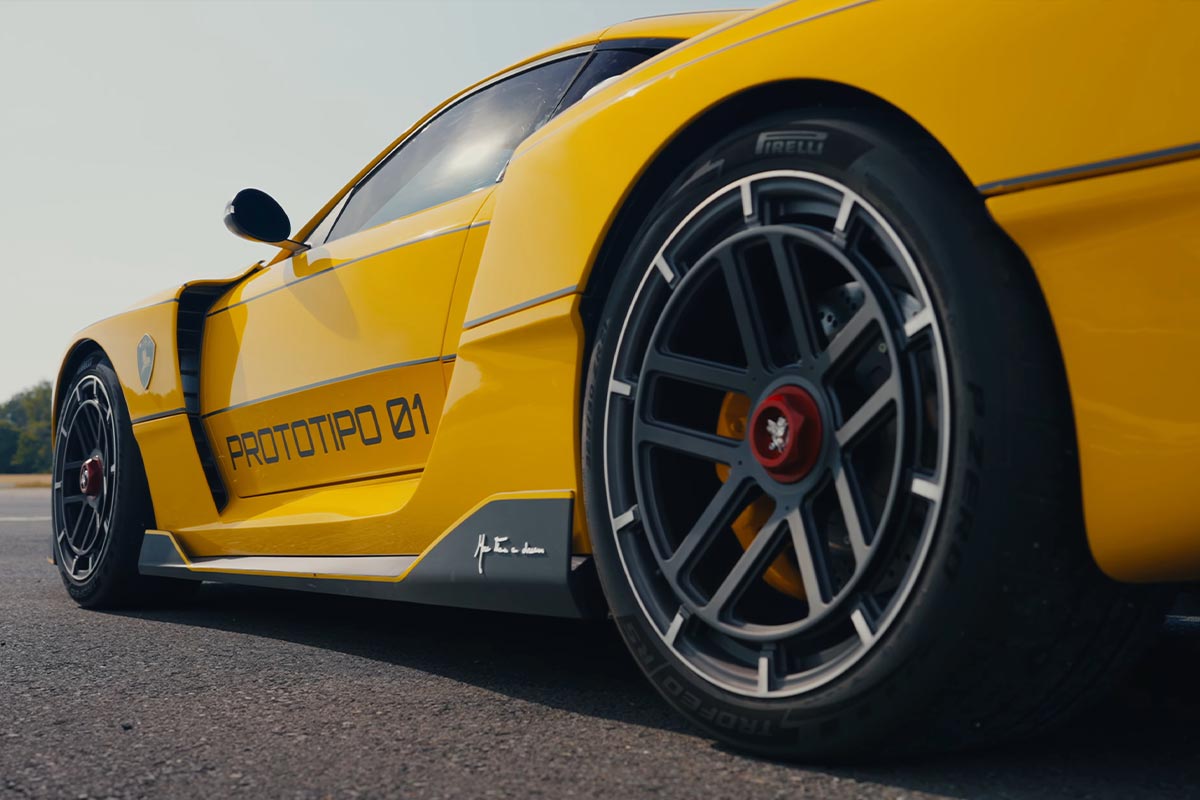
After winning a design award in Monterey and given that its entire output has been allocated to customers, Kimera must now turn this promising first impression into a truly accomplished hypercar. The first deliveries are expected after production begins in the spring of 2027. In the meantime, this Top Gear test drive offers a glimpse of what the small Italian automaker has in store. And perhaps the most impressive part is yet to come: imagine this same car with its full 1,000 HP unleashed.
 English
 French
 Italian
 Spanish
 German
 Japanese
 Dutch