

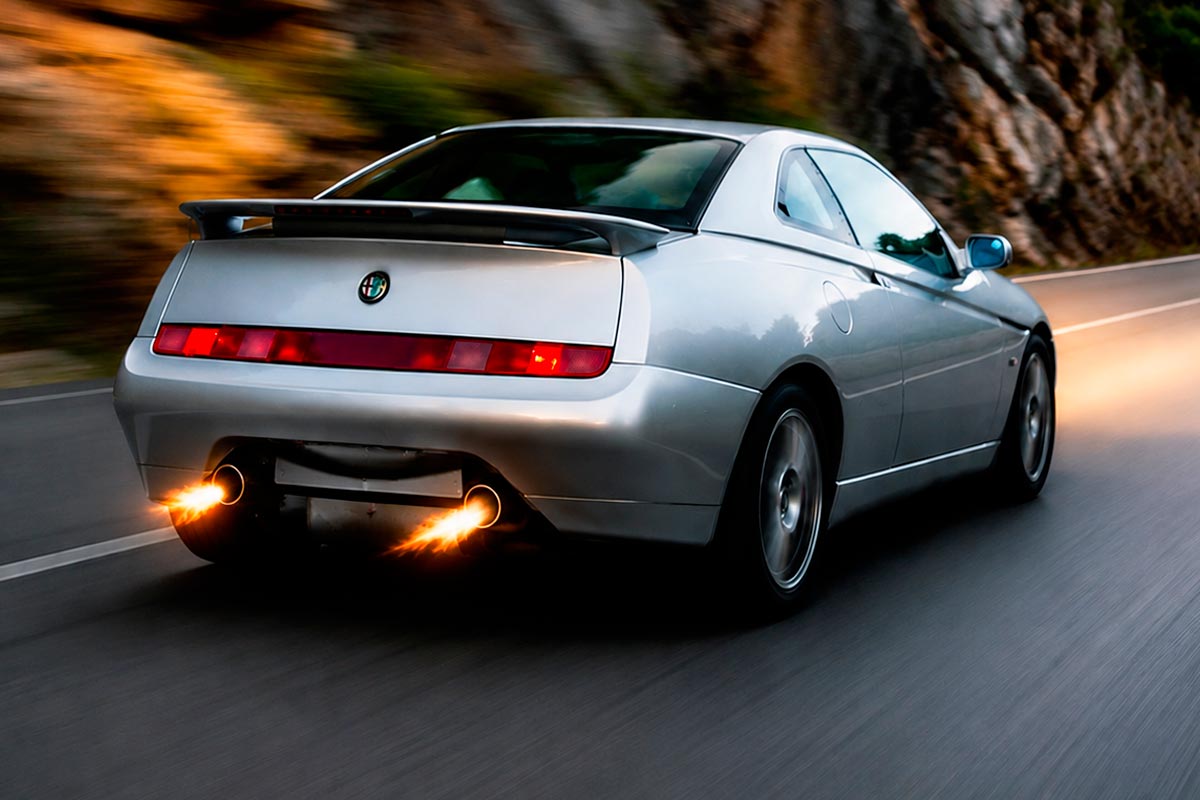
The “bimotore” has a long history at Alfa Romeo. Before the war, Scuderia Ferrari developed a monstrous 16C-35 racing, 600 hp and set freeway speed records. Much later, Wainer imagined a Alfasud 4×4 with two engines, not to mention the far-fetched project of a 164 Bimotore in England. But did you know that the GTV 916 was also subjected to this Frankenstein-like experiment?
A timeless pencil stroke
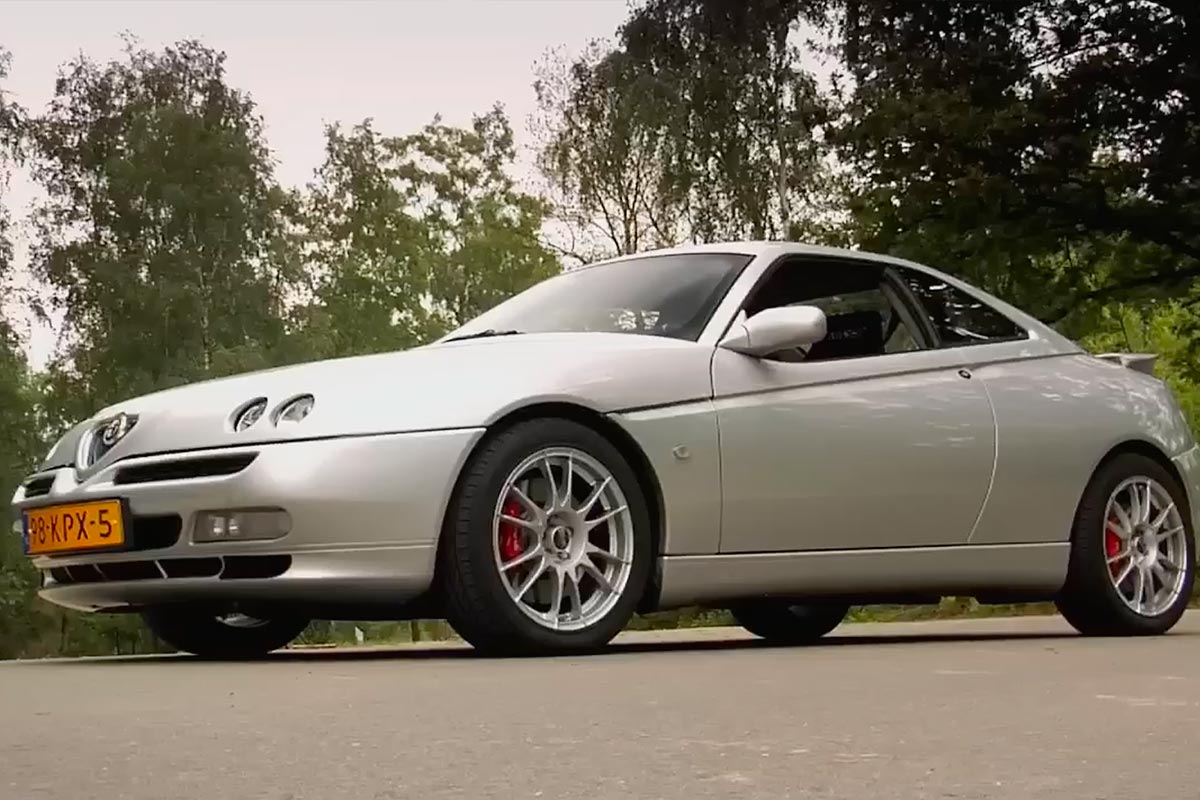
Designed by Enrico Fumia of coachbuilder Pininfarina, the GTV was previewed at the 1994 Paris Motor Show. Marketed from 1995, it remained in production until 2006, when it was replaced by the Brera. It was the last car to be built in the famous Alfa Romeo Arese factory.
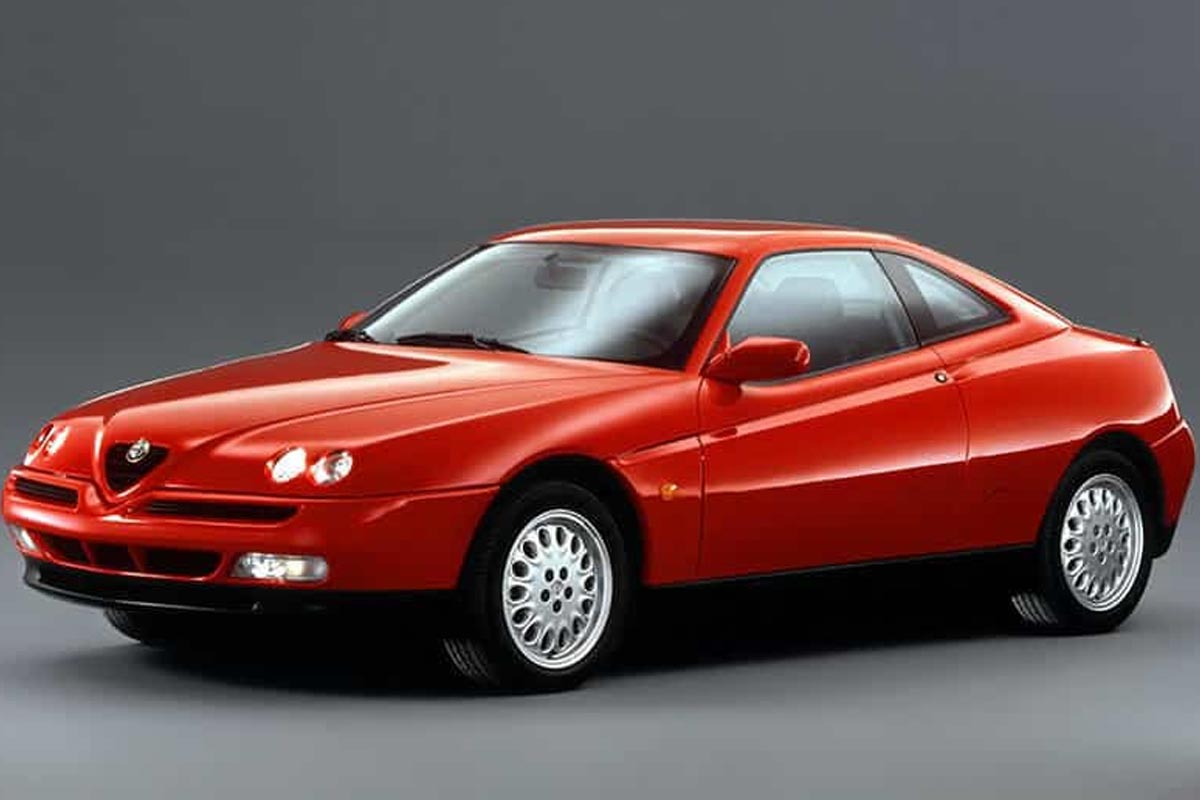
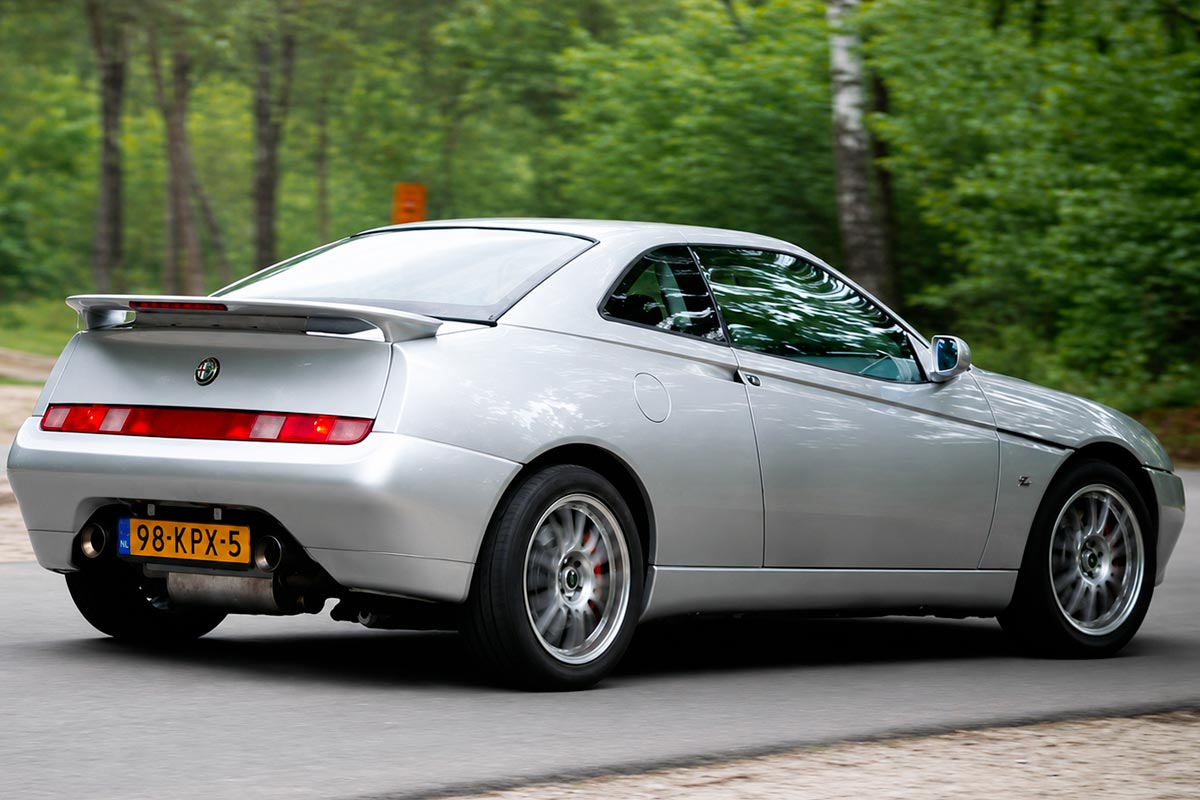
Elegant, low and wide, the GTV is considered to be a “mini Ferrari”, with aggressive lines, a windscreen and a very inclined bezel. It's recognizable by the pronounced «V» on its hood, which extends from the windshield pillars to encompass the typical Alfa Romeo grille badge, the scudetto. A trademark later found on the 8C, Mito and even the Giulietta. The flanks are marked by a deep rib that runs up towards the stern, further emphasizing the car's sporty character.
A patchwork quilt
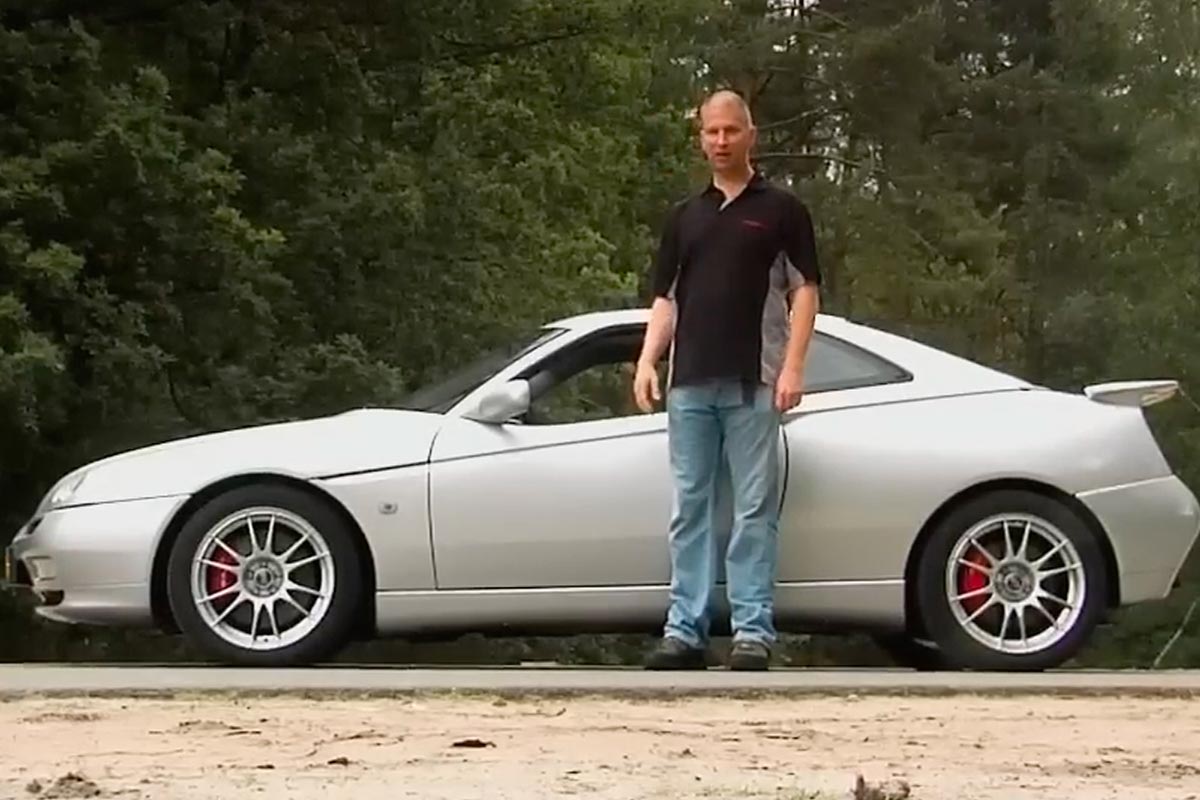
The GTV you see here is a twin-engine car, prepared by the Dutch company Squadra-Tuning. It is equipped with a 3.0L V6 at the front, a 245 hp prepared engine that was introduced in 1997 to crown the range.
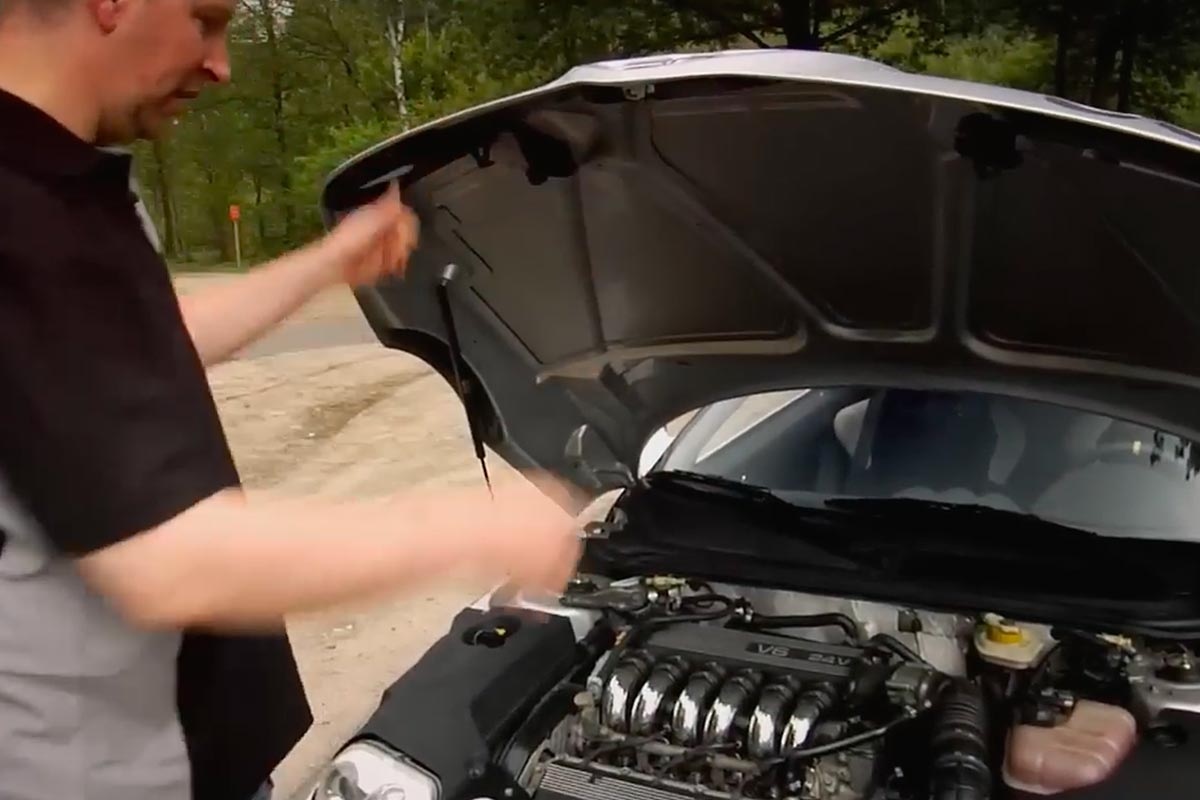
At the rear, a 3.2L V6 from a 156 GTA, rated at 245 hp, takes its place in the trunk. The front (330 mm) and rear (305 mm) brake discs come from a GTA, and the transmission from a 166 (V6 version).
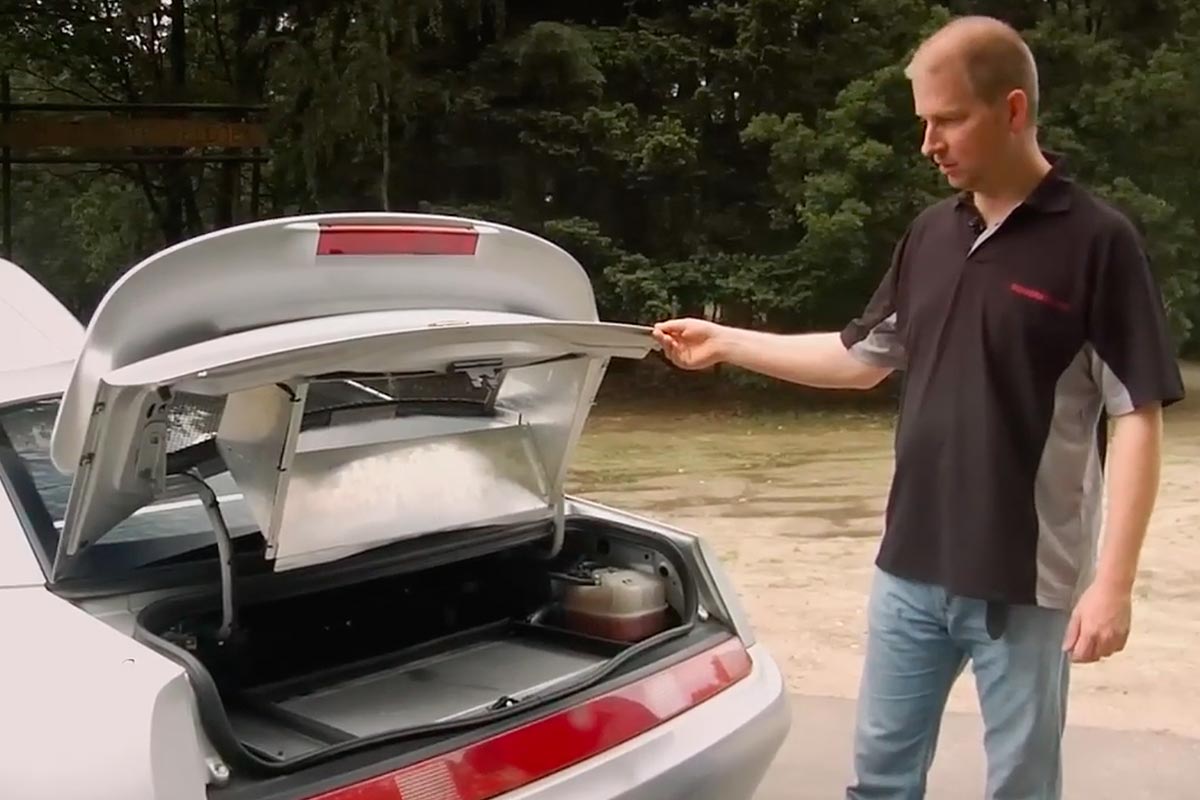
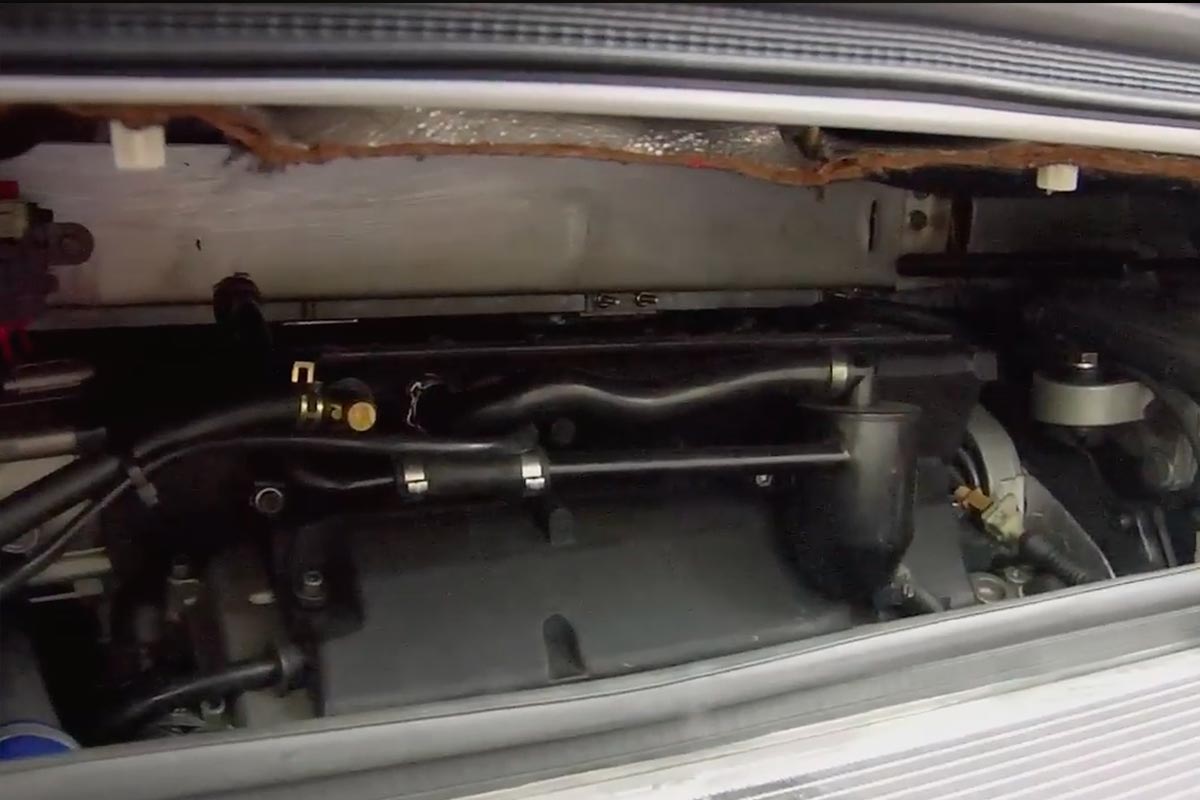
Both engines have been modified to deliver similar power. The result? Almost 490 hp and over 500 Nm of torque! In theory, it can reach 295 km/h at 9,000 rpm, but the owner himself admits he hasn't really tempted the devil...
A remarkable feat of engineering
For synchronization, the engines are combined with two five-speed manual gearboxes, themselves derived from the Lancia Kappa 2.4 JTD! Cooling at the rear is provided by an opening in the hood and a wing that directs the flow of air to the radiator. The left exhaust comes from the front engine, the right from the rear.
The interior is stunning. Everything is duplicated, but compartmentalized in a “hemispheric” fashion: everything concerning the front engine (fuel pump, clutch, etc.) is on the left-hand side of the car, and everything concerning the rear engine is on the right-hand side of the vehicle.
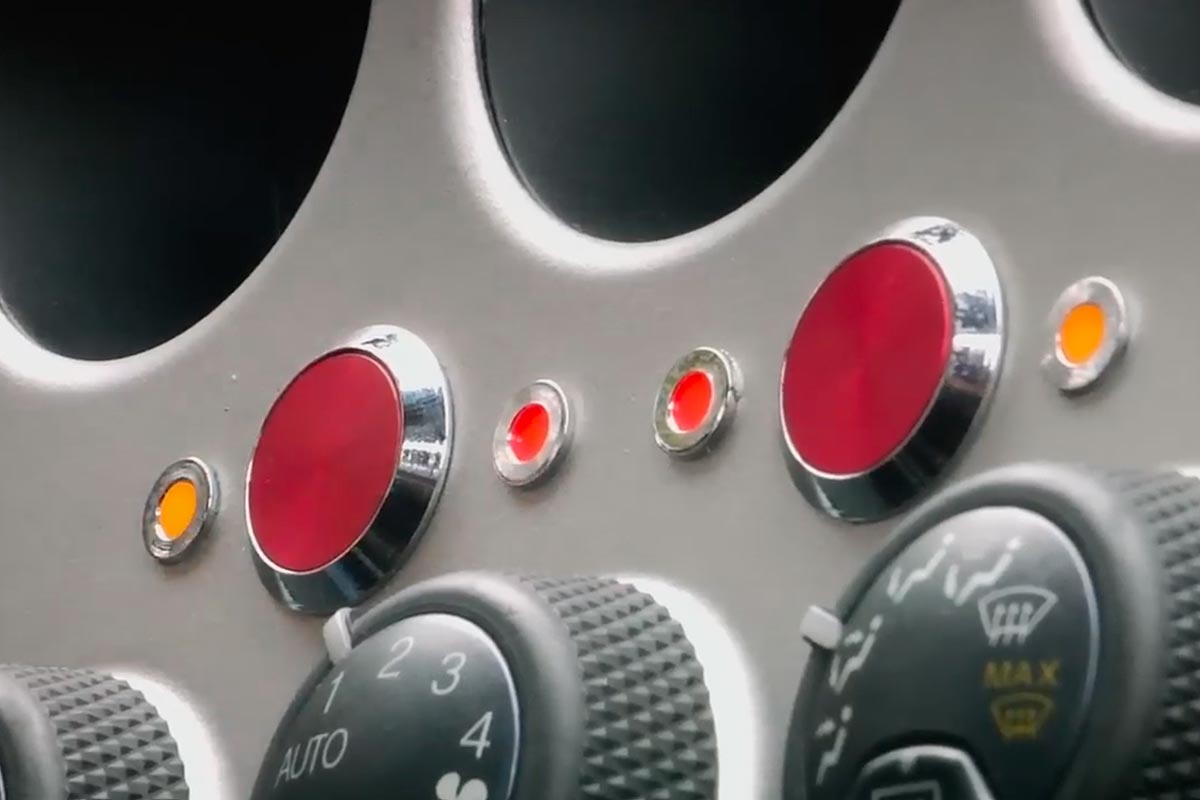
The center console also houses two tachometers and start buttons, with the front engine switched on first. So, what's the next wild patchwork?

 English
  French
  Italian
  Spanish
  German
  Japanese
  Dutch
Dutch