

After several years' absence, the Beijing Motor Show marks the strategic return of Stellantis to the forefront of the Chinese scene. But behind the concept cars and the spotlights, it was above all an unusually lucid speech that caught the eye.
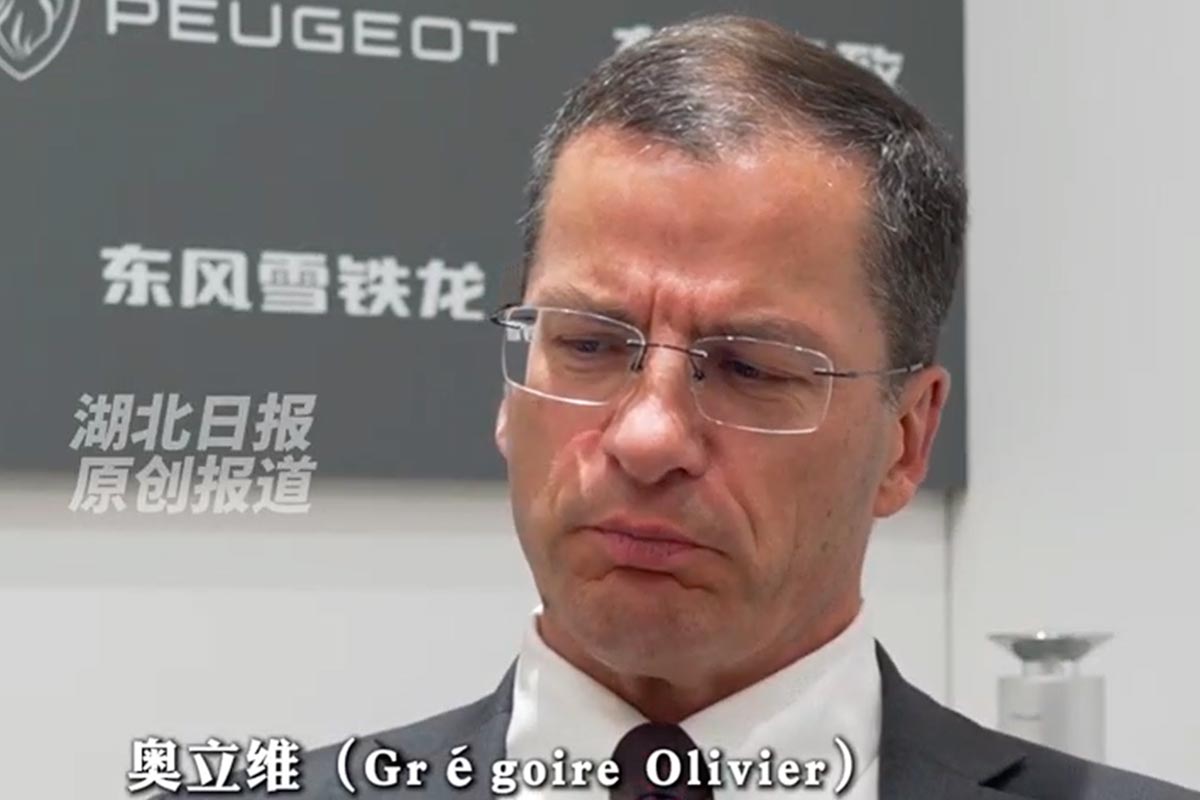
In an interview with the Chinese media outlet Hubei Daily, Olivier Grégoire, Stellantis' Director for China and Asia-Pacific, made it clear that the Group's future in the electrical sector will necessarily involve China... and local partnerships.
«China is 10 years ahead in electric vehicles».»
The message is clear, almost brutal for a Western manufacturer: according to Stellantis, China now dominates the electric vehicle sector.
«China is probably ten years ahead of the rest of the world,» explains Olivier Grégoire. This lead is not limited to the vehicles themselves, but encompasses an entire industrial ecosystem: batteries, motors, on-board electronics, software architectures... Faced with this reality, the group recognizes that it cannot succeed alone. «If you don't cooperate with Chinese companies, it will be very difficult to succeed in the field of electric vehicles», it admits. This contrasts with the more protectionist stance adopted in Europe and the United States in recent years.
Future models designed... with China
A major change in Stellantis' strategy is its declared intention to co-develop its future vehicles with local players. The group intends to rely on Chinese partners to accelerate its development in electric vehicles and take advantage of an ecosystem that is now considered essential. Among the references cited is Dongfeng Motor Corporation, the Group's long-standing partner.
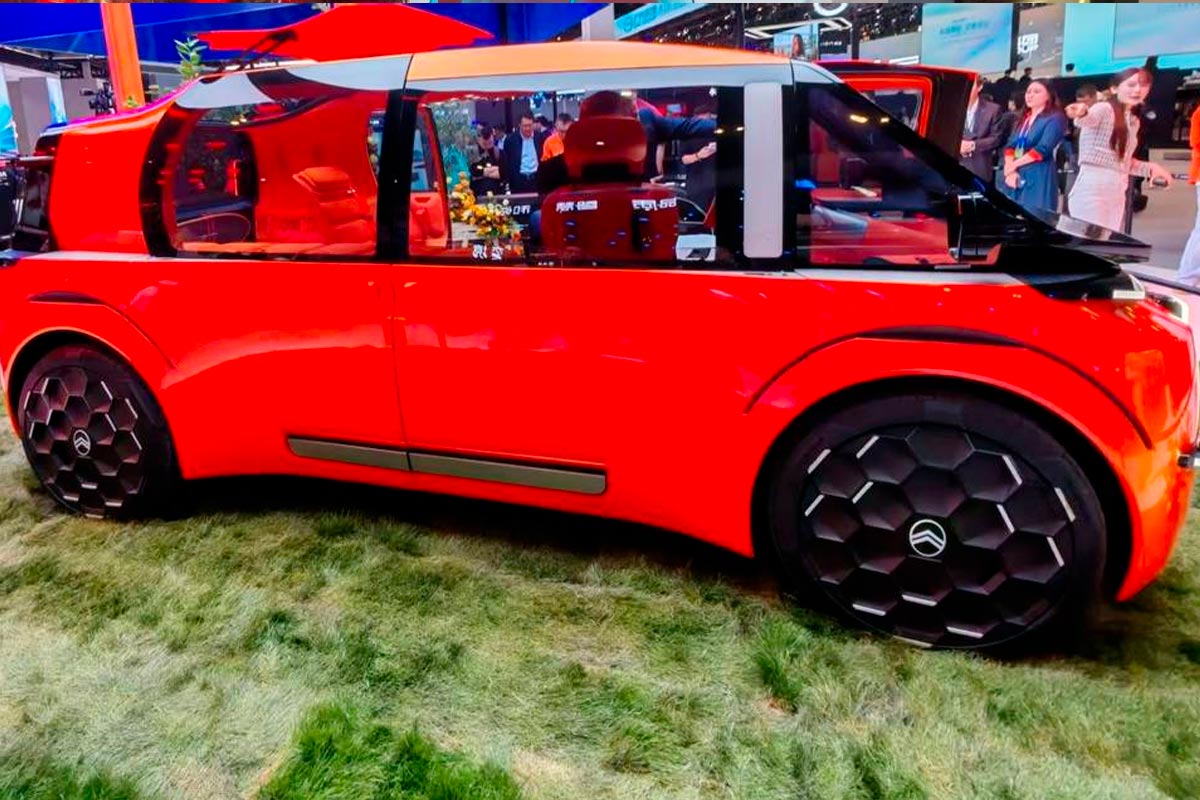
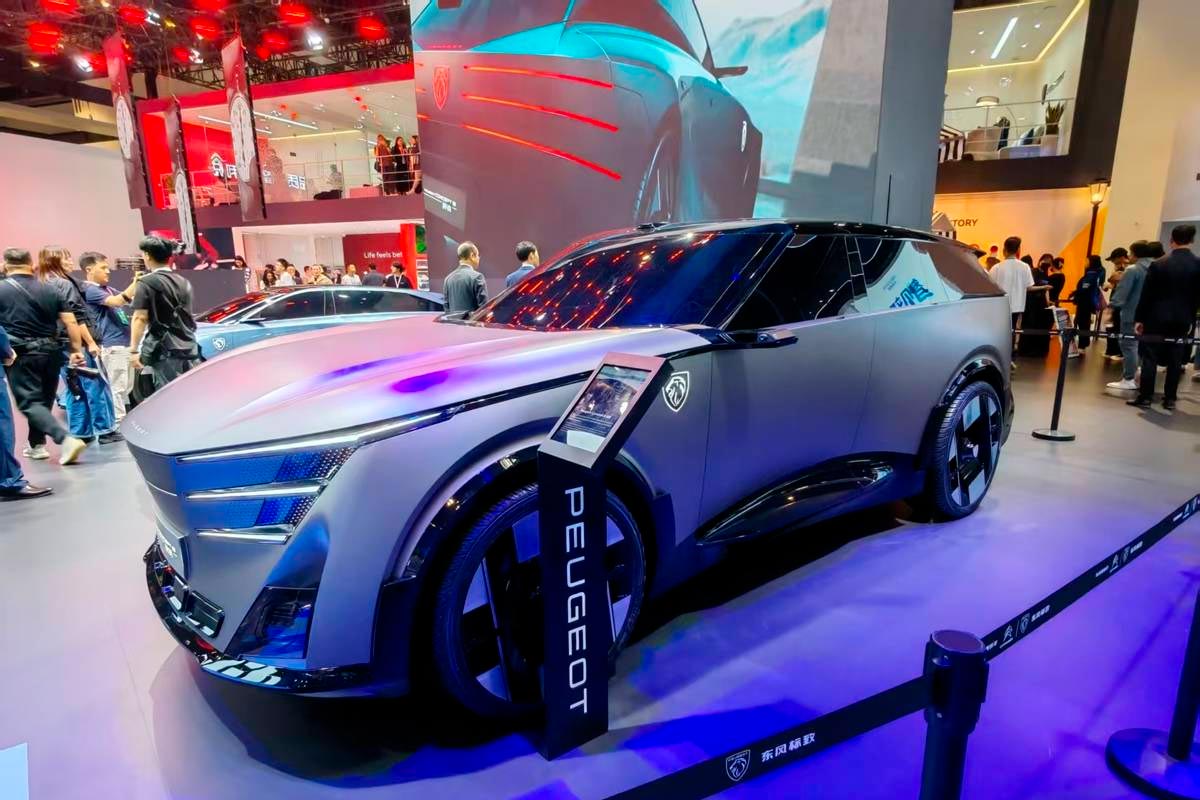
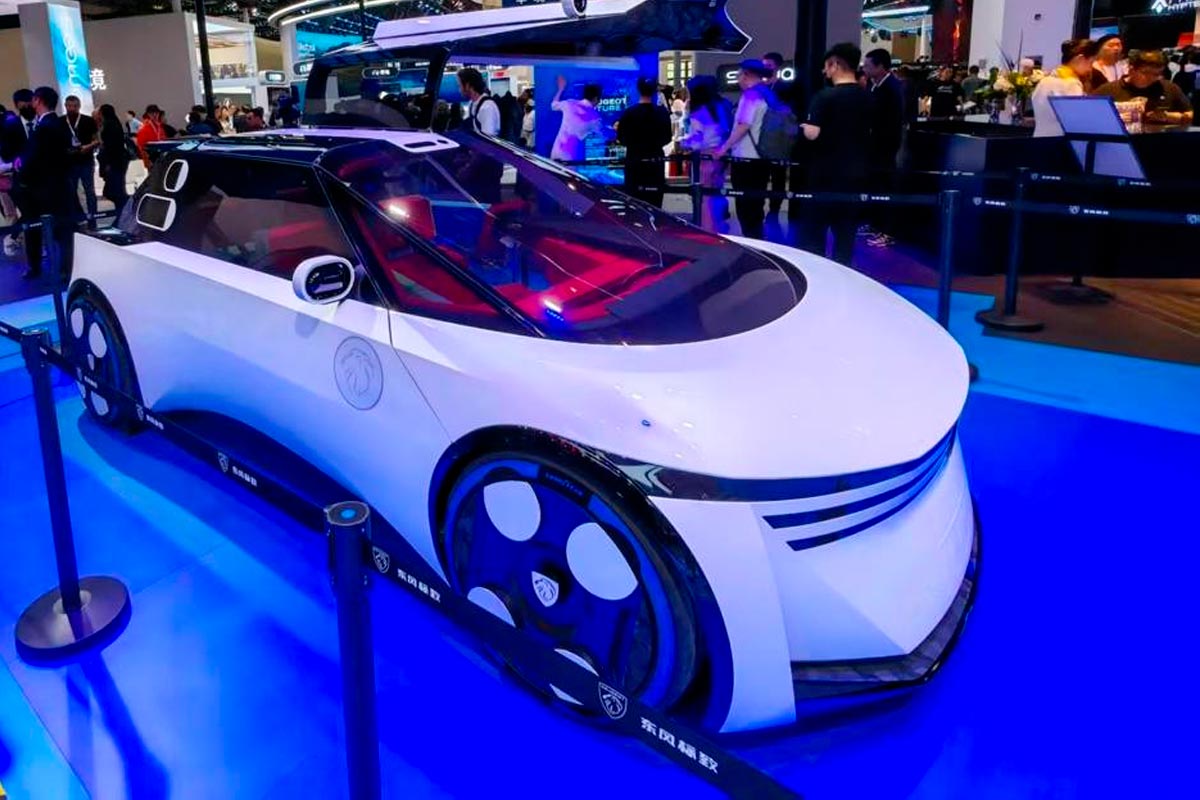
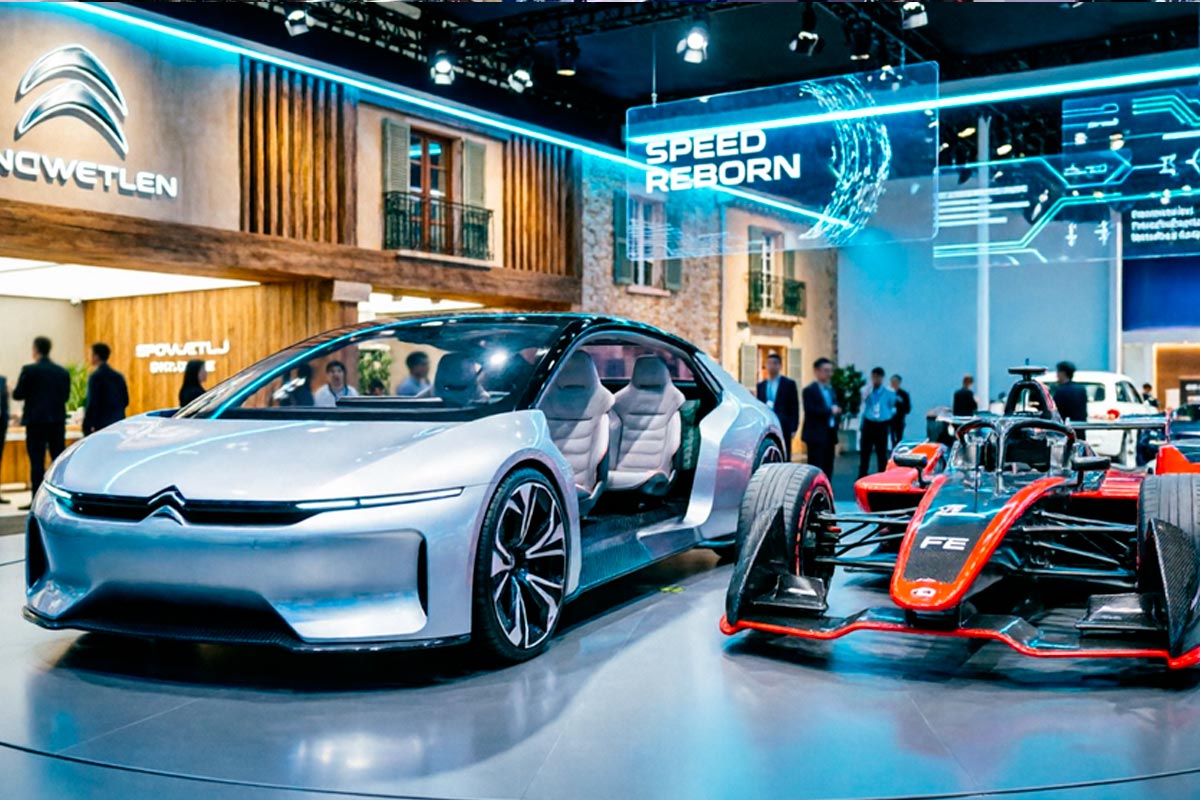
The aim is clear: to produce competitive models, adapted to local needs, but also capable of international success. With this in mind, several of the concept cars presented in Beijing could be industrialized in China, notably at the Wuhan plant.
Wuhan, industrial pillar and symbol of the future
Stellantis has a long-standing presence in China. The Group has been present in the Wuhan region since 1992, with the creation of its joint venture with Dongfeng. Today, this area has become one of the country's main automotive hubs, often referred to as China's «automotive valley».
For Stellantis, Wuhan remains a key element in its industrial strategy. The group confirms its intention to continue investing there and to develop its future electrified models. In this way, Stellantis hopes to make up for lost time... precisely by relying on those who have already taken the lead. Note that Stellantis made 9 official visits to China, in the space of 8 months.
 English
  French
  Italian
  Spanish
  German
  Japanese
  Dutch
Dutch
Unfortunately, it's lucid!
And it's wise to recognize this.
Will the production models derived from the Peugeot concept 6 (sedan) and concept 8 (D-SUV) be copied by Alfa and Lancia? A priori, Alfa's product plan is all mapped out, but who knows...
China is ten years ahead in the field of batteries (particularly CATL). As for the rest, as we can see on the European market, the best-performing Chinese player is SAIC, via its MG brand, which makes resolutely European cars. They seem to have understood the market better than the Europeans themselves, with simple ergonomics, a decent finish, no fuss and contained prices. As far as driving pleasure is concerned, Leapmotors' tests give a glimpse of the mediocrity of the automobile.
Leapmotors claims 482km WLTP range for its B05 compact sedan with a 67.1 kWh battery, while VAG exceeds this range with a 58kWh battery on the ID.3 Neo.
We're talking about Stellantis, but the two groups behind it didn't invest properly. They've been living on rents in markets they've taken for granted.
You can't just start making fuel cells and then stop just because a fad comes and goes, like grants. You have to do the research that will lead to innovation.
You don't have to think about money right away and then sell up and disappear.
They've lived on rents with markets they've taken for granted.
You can't just start making fuel cells and then stop just because a fad comes and goes, like grants. You have to do the research that will lead to innovation.
You don't have to think about money right away and then sell up and disappear.
FCA and PSA were responsible even before Stellantis was created. They've sacrificed brands like Lancia and Alfa, stripped them of their souls with common platforms on both sides, all to save money and more dough right away.
Now they're late
The Germans, who thought they were the masters of the world, are now out of the picture, with their outrageously expensive cars in the BMW and Audi styles. The Chinese are making good cars at reasonable prices. The wheel is turning, and we'll see in the future if Europe still has a future.