

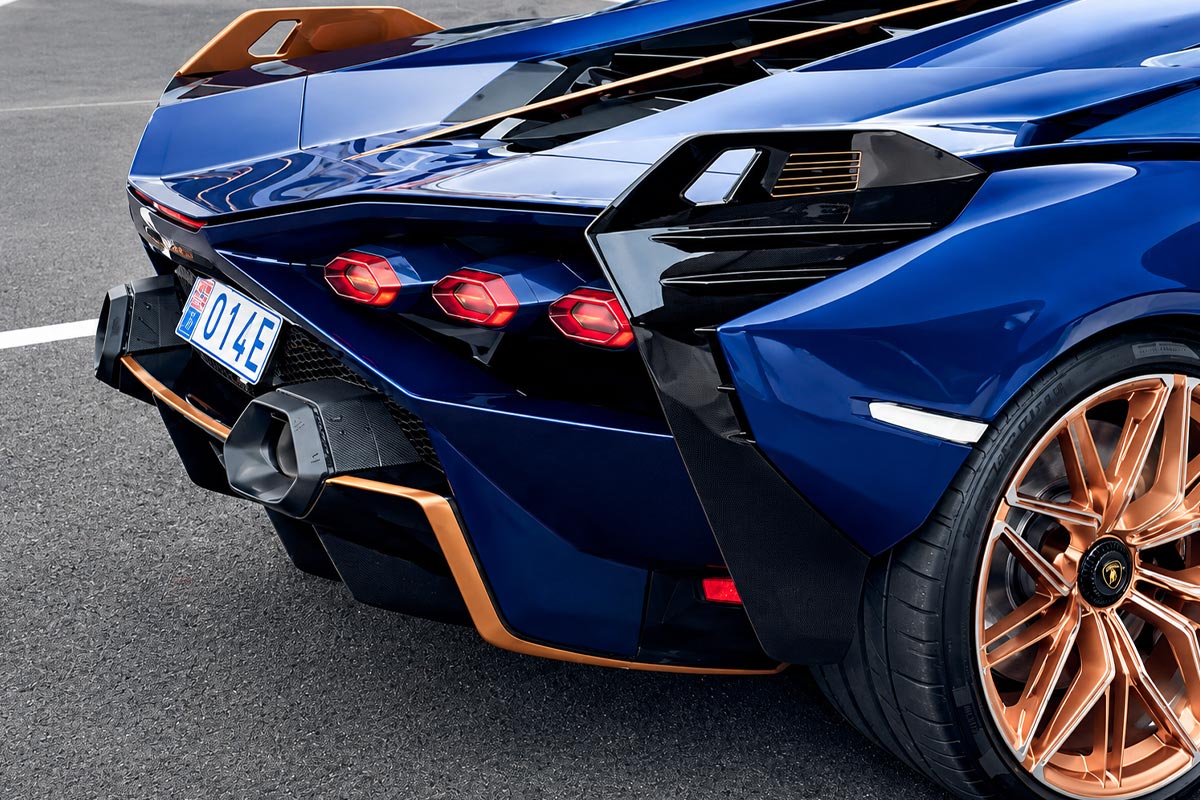
What if a future electric Alfa Romeo or Maserati had a button that could unleash a burst of extra power for a few seconds? The idea isn't entirely new: Lamborghini has already explored it with the spectacular Sián. But a patent for Stellantis recently spotted by CarBuzz shows that the group, in turn, is working on a «power boost» system that uses auxiliary energy storage.
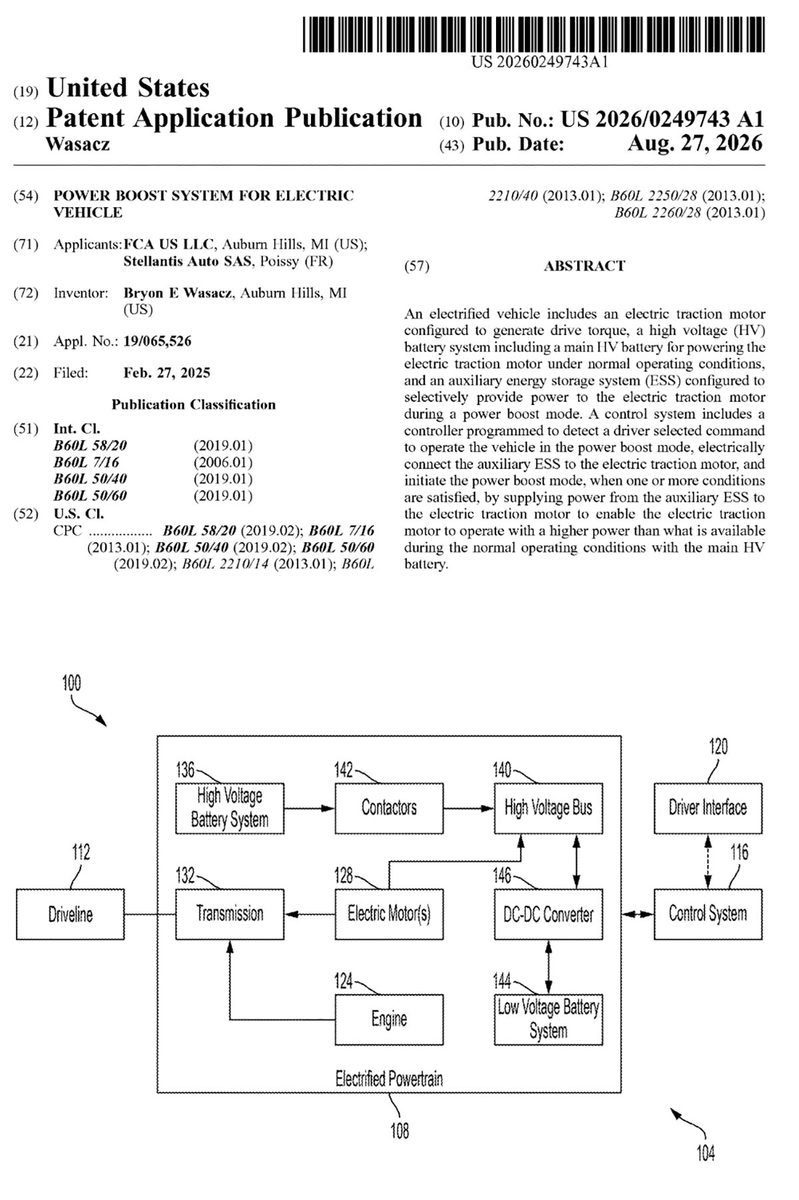
The document is very recent. Filed in the United States in February 2025 and published on August 27, 2026, under application number US 2026/0249743 A1, it describes a system for electrified vehicles capable of delivering more power to the electric motor than the main battery can normally provide.
A supercapacitor to deliver more power
The concept developed by Stellantis is particularly interesting. Instead of deliberately limiting the available power during normal driving in order to conserve energy for a «boost» mode, the automaker would add a second energy storage system. This could take the form of a supercapacitor, capable of providing additional energy on demand.
The patent uses the example of a main battery operating at 800 V, combined with an auxiliary storage system operating at 900 V. When the driver requests a boost, this higher voltage makes it possible to increase power without exceeding the current limits of the electrical components.
Stellantis estimates this would provide approximately 30 to 50 kW of additional power, or up to 68 ch. In another example detailed in the patent, the driver could activate the mode using a button on the steering wheel, the dashboard, or the touchscreen. Pressing the accelerator pedal firmly would then trigger the boost for a set period of time, potentially 10 to 30 seconds. And the energy wouldn’t necessarily be lost after each use: the supercapacitor could be recharged via regenerative braking, with a converter responsible for boosting the voltage needed to recharge it.
An idea that inevitably brings to mind the Lamborghini Sián
It’s hard not to draw a comparison with the Lamborghini Sián FKP 37. Unveiled in 2019 and based on the Aventador, Lamborghini’s first hybrid model combined its 785 ch V12 engine with a 34 ch electric motor, for a combined output of 819 ch.
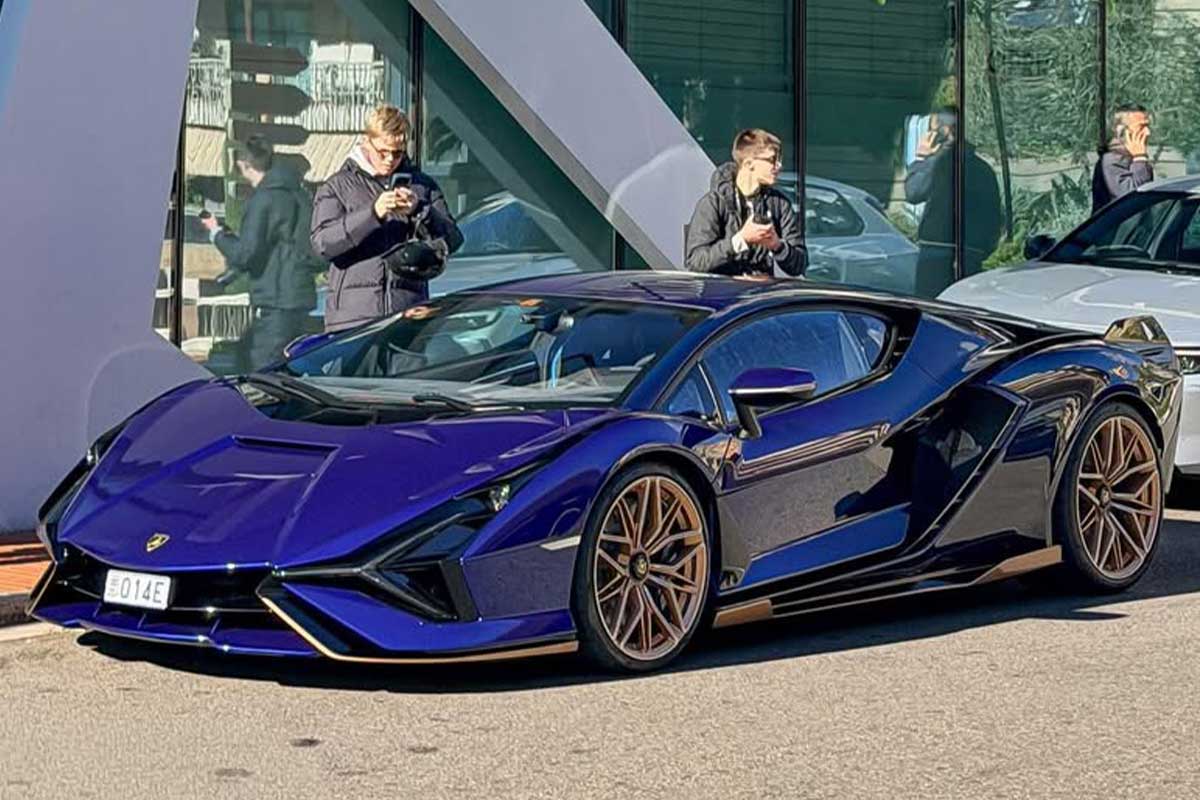
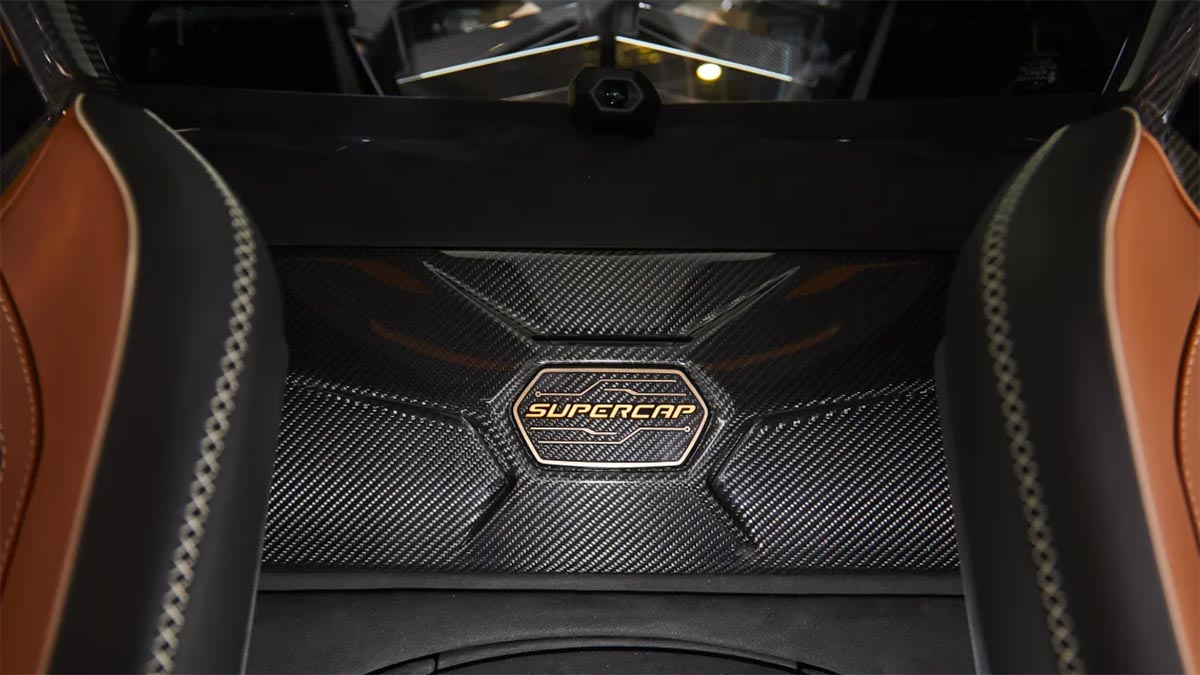
Most importantly, Lamborghini had opted for a supercapacitor rather than a conventional lithium-ion battery. Capable of charging and discharging energy very quickly, it notably improved acceleration while keeping the system’s weight down. This technology was then reserved for a supercar priced at over two million euros, with only 63 coupes produced, in addition to 19 roadsters.
From Lamborghini to Stellantis' future cars?
Stellantis’s patent obviously does not refer to any future model, and its filing does not guarantee that the technology will be brought to market. But its scope is broad: the document envisions its use in electric, hybrid, plug-in hybrid, and range-extended vehicles. It was filed by FCA US and Stellantis Auto SAS (France).
For the group’s Italian brands, however, this approach is appealing. A future electric Alfa Romeo or Maserati could thus feature a true «boost» function—not by unleashing power that’s artificially restricted the rest of the time, but by actually adding several dozen kilowatts for a few seconds. It’s a rather spectacular way to give an electric car some character… by adopting a formula that Lamborghini had already proven to be highly effective.
 English
  French
  Italian
  Spanish
  German
  Japanese
  Dutch
Dutch
If only PSA could offer a «reliability» option 😬
What if Stellantis finally broke new ground in electric vehicles and stopped being a follower?