

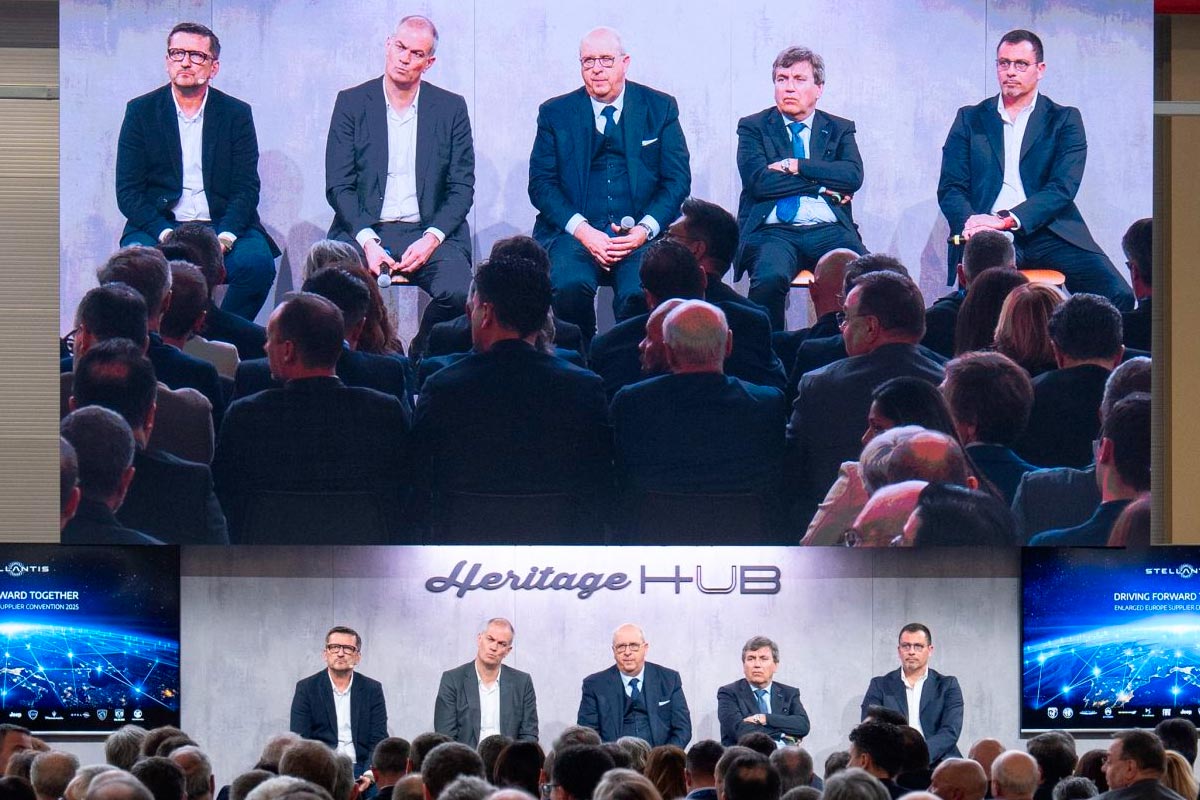
For several years, Stellantis has adopted a particularly aggressive strategy towards its suppliers. A policy of cost-cutting taken to extremes, asserted at the highest level by Carlos Tavares, who had no hesitation in claiming to be «number one in unpopularity». Today, however, the tone has changed radically. And above all, the group is acknowledging that this approach has reached its limits.
A strategic shift
The tone is set by Stéphane Dubs, Stellantis Purchasing Manager for Extended Europe. In an interview with Auto Actu, The Group clearly recognizes that the stance it has adopted to date is no longer adapted to the current market situation. In a tense industrial context, between regulatory pressure, the transition to electric vehicles and increased competition, the Group is reviewing its approach. «The question is: in the face of this difficulty, is a brutal posture the best way? We don't think so,» he explains.
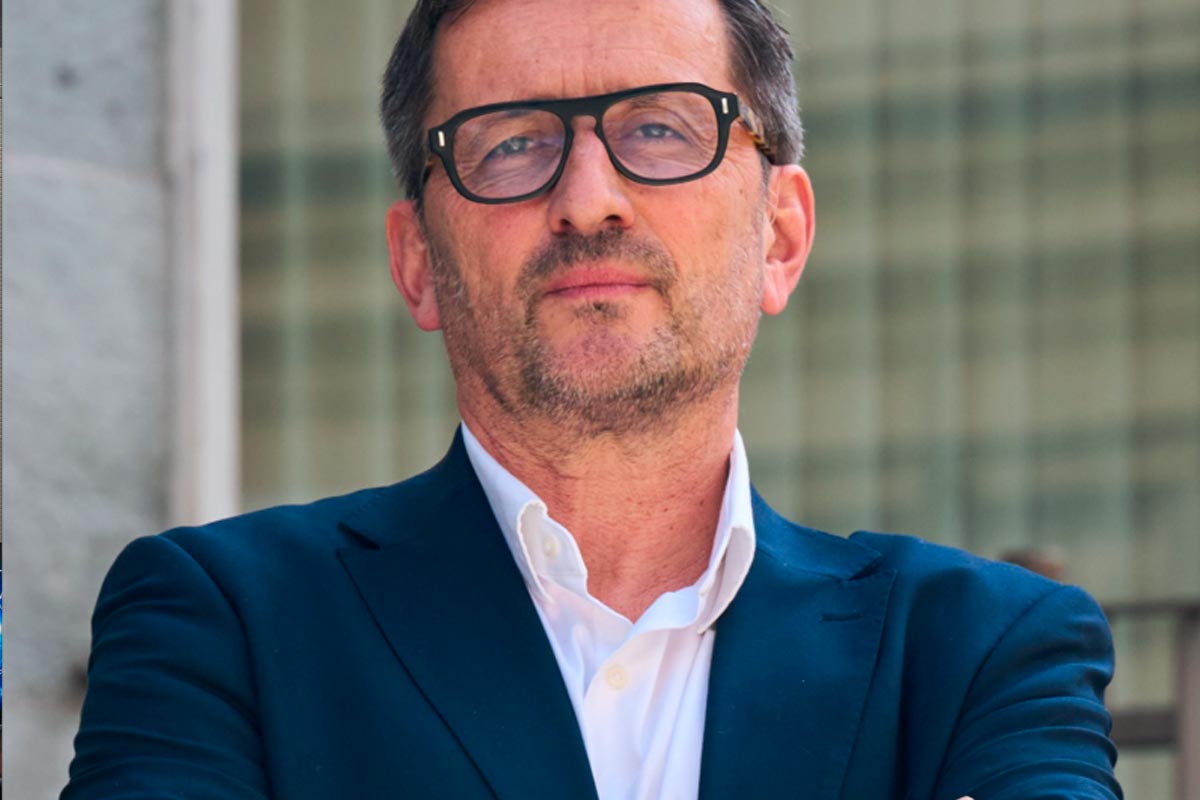
This change comes after a period marked by a policy of drastic cost-cutting, including a strong focus on low-cost countries and a reduction in the supplier base of up to 15 %.
The end of a culture of power struggle
What's changing today is not just the discourse, but the mindset. Stellantis now recognizes that the purely transactional logic of permanent price negotiation is no longer enough. «Arrogant positions on both sides [...] are not the best way to resolve issues», explains Stéphane Dubs. A statement that marks a clear break with past philosophy.
Under the impetus of Antonio Filosa and Emanuele Cappellano, the automaker is now seeking to rebuild a more collaborative relationship with its industrial partners. The objective is clear: to move from a power relationship to one of cooperation.
A supplier council to rebuild trust
The creation of the Supplier Advisory Council Europe symbolizes this turning point. Meeting for the first time in Turin at the end of March, this council brings together some twenty suppliers as well as trade organizations such as Fiev and Anfia. What's special about this meeting is that Stellantis is not alone in steering this body. Suppliers themselves take part in defining priorities, around cross-functional topics such as volume visibility, supply chain resilience and innovation.
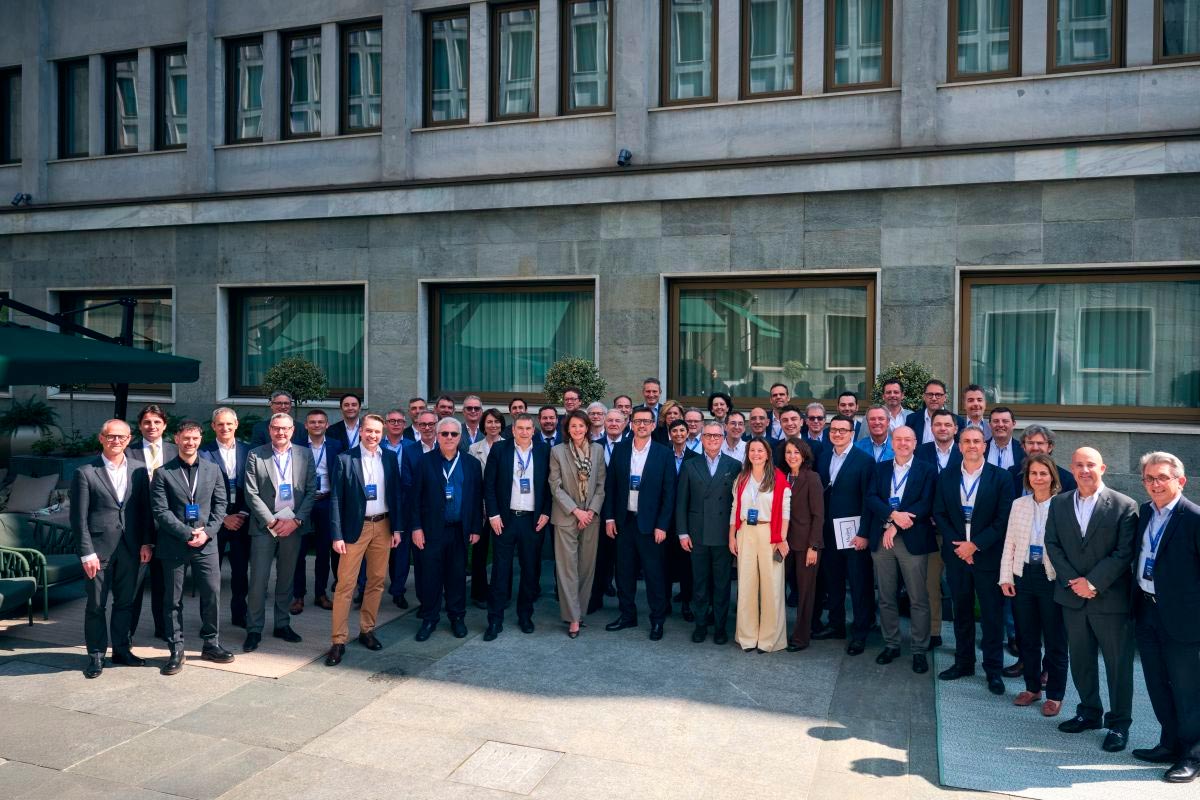
The idea is to move away from a relationship focused solely on commercial negotiations, and build global solutions. A profound change in an industry where discussions often boil down to a simple question: «You're too expensive».
Pressure on costs remains... but changes form
However, Stellantis is not suddenly becoming a «gentle» manufacturer. Price pressure is still with us, but the way it is applied is changing. Rather than imposing price cuts, the group now seeks to work with its suppliers to identify performance gains. This involves concrete practices such as comparative analysis of competing parts and co-engineering.
The objective remains the same: to buy at the right price. But the method is becoming more fact-based and collaborative. Another important change is to accelerate the implementation of optimizations during the life of the models, rather than just at project launch. A way of sharing gains more rapidly... and avoiding stumbling blocks.
A rare form of self-criticism in the industry
Notably, Stellantis also recognizes its own internal limitations. The group admits that it was unable to fully exploit the ideas put forward by its suppliers, or to deploy them quickly enough. This self-examination led to the implementation of a new organization inspired by practices observed in South America. This self-criticism is far from insignificant: it shows that the automaker is no longer simply seeking to exert pressure, but also to improve its own operations.
Behind this change of stance lies a major strategic challenge. In a fast-changing industry, Stellantis needs to secure its industrial ecosystem. To remain competitive in the face of competitors who are sometimes more integrated or supported by strong industrial policies, the group must once again become an attractive partner for its suppliers, particularly in key areas such as electrics and software. At the end of the day, the message is clear: in tomorrow's automotive industry, it's not enough to impose. You have to convince.
 English
  French
  Italian
  Spanish
  German
  Japanese
  Dutch
Dutch
It's a bit easy to admit one's mistakes after the fact. I'm not sure it would have been the same in a situation more favorable to the Group! As for Carlos Tavares, this kind of cynical, manipulative profile plays havoc with companies. I've known...
1 year of recognizing this, recognizing that, but still the same insipid crap in dealerships. There's at least another 2 or 3 years of Tavares-era decisions to come, and I'm just talking about new vehicles...
Frankly, when you see Filosa taking 1 year to draw up a plan...
Before criticizing Filosa for putting a plan in place, Elkan had to make up for all Tavares's bullshit and then choose a new CEO who would also reflect on all the group's brands. That can't be done overnight, given the difficulties with electric cars and the Puretech scandal.
Between 1 day and 1 year I can see a slight difference, but then again...
As for Elkann, instead of trying to make up for Tavares' bullshit, he would have done better to prevent him from doing so. That said, he's no stranger to selling off the family jewels...
As they say, the damage was done at the time of the merger, the choice was made to choose Tavares as CEO of the group, and then the Board of Directors realized a little late that they were on the wrong track. .
Tavares must have had Trump as a role model: brutality, not collaboration with suppliers.
But how could this guy have been left in charge of Stellantis for so long?
The French State and PSA, I think, a condition for the merger.
After 5 years, what has the Italian (or American) side gained from this merger?
It's all about communication. Stellantis has become the new European GM, with all the negative connotations that entails. There was an urgent need to react, or risk becoming an industrial bête noire, as FCA Europe had already become, at least in part.
Talking about «FCA Europe» makes no sense, Fiat Group bought Chrysler in 2014, deleveraged for years, restored profitability, produced high-quality engines in partnership with its subsidiaries in Brazil and the USA (GSE and GME), developed an excellent combustion (Giorgio), hybrid (Evo) and electric (500e and Maserati Folgore) platform, had set up a partnership with Samsung for infotainment. Tavares has swept everything under the carpet. The Tonale could have been better, that's true.
Aha, nu weten we waarom ze zo'n waardeloze auto's maken die spontaan uit elkaar vallen.
Nu goed, dat is dubbel interessant voor het bedrijf: één keer verdienen door spotgoedkope (minderwaardige) onderdelen te gebruiken, en een tweede keer verdienen door hun klanten peperdure herstellingen te verkopen om de minderwaardige onderdelen te vervangen door nieuwe minderwaardige onderdelen.
En dan nog steeds miljardenverliezen scoren!
Je moet het maar doen!
Meanwhile, MG Motors (SAIC) in the generalist segment and the BMW/Mercedes/Porsche trio in the high-end/luxury segment are making rapid progress. I hope it's not too late, there's still the design and the historical heritage, but when I read the head of design talking about Maserati and see what's coming out of Alfa and Fiat, I'm afraid.
Better late than never, as the saying goes. Indeed, Stellantis' frequent changes of foot and the stop-and-go imposed on him do not optimize operations and services.