

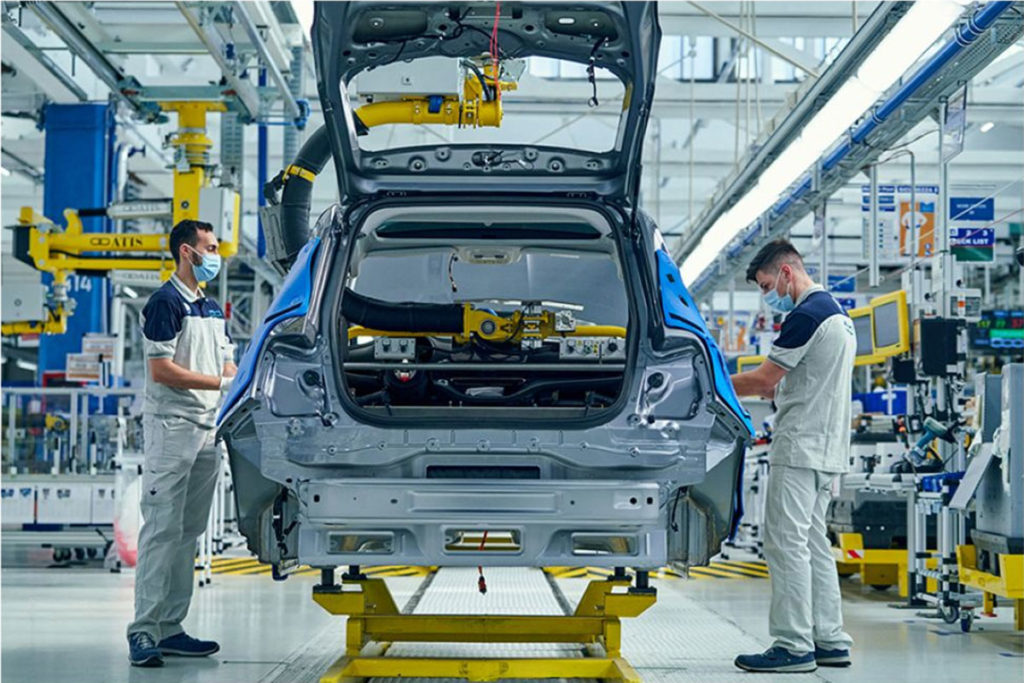
A few weeks after admitting that he had «gone too far» in cost reductions, Stellantis continues its strategic shift. The automotive group has announced the recruitment of over 2,000 additional engineers, mainly dedicated to vehicle quality and validation. This is a strong signal from new CEO Antonio Filosa, who is determined to restore the automaker's technical reputation.
Behind this announcement lies a clear objective: to correct the consequences of several years of drastic cost-cutting and put product quality back at the heart of the Group's strategy.
A «reset» in the way cars are developed
In a recent conference call, Antonio Filosa explained that Stellantis was in the process of radically rethinking the way it developed its cars.
«We're overhauling the way we work and strengthening quality control to correct operational problems caused by some past decisions,» he said.
This internal transformation is described by some executives as a kind of «deep reset» in development processes. The aim is to avoid problems being detected too late, once the cars have already been marketed.
New engineers will be tasked with testing and validating vehicles, optimizing industrial processes and identifying potential faults before models reach dealerships. Others will work further upstream, designing platforms, engines or electronic architectures.
Quality becomes a strategic priority
The change is also visible in the Group's organization. Quality Director Sébastien Jacquet now sits on the Stellantis Strategic Management Committee, a decision-making level usually reserved for the most important functions. This sends out a clear signal: quality is no longer seen as a mere technical issue, but as a strategic challenge for the entire Group.
On LinkedIn, Sébastien Jacquet recently summed up the philosophy of the new quality team:
«Putting the customer at the center of everything we do at Stellantis. That's the mission of this new quality team.»
This move is in response to criticism of the reliability of certain new models in recent years.
The limits of the Tavares strategy
For many observers and dealers alike, the current difficulties stem partly from the strategy pursued during the Carlos Tavares era. The former Stellantis boss made cost-cutting a top priority. This financial discipline enabled the group to significantly improve profitability, but was accompanied by major cuts in engineering teams.
According to some American dealers, this policy may have weakened the quality of new vehicle development. As one dealer put it: cutting budgets while demanding the same level of quality was a difficult gamble. Problems often arise when manufacturers launch new models or major restylings, at times when new technologies and increasing vehicle complexity can generate unexpected defects.
Restoring customer confidence
Stellantis now wants to simplify certain technical choices and rely more on proven solutions, in order to reduce industrial complexity while improving vehicle reliability.
This new direction comes at a time when the automotive industry is undergoing a major technological transformation. Electrification, digitalization and the massive integration of software are making vehicles more sophisticated... but also more difficult to develop.
By massively recruiting engineers dedicated to quality, Stellantis hopes to detect problems much earlier in the development process, avoid defects in production and restore customer confidence.
For Antonio Filosa, the message is clear: after years dominated by cost-cutting, the top priority must once again be quality. This is essential if the image of the Group's brands is to enjoy a lasting revival.
 English
  French
  Italian
  Spanish
  Portuguese
  German
  Japanese
  Turkish
  Dutch
Dutch
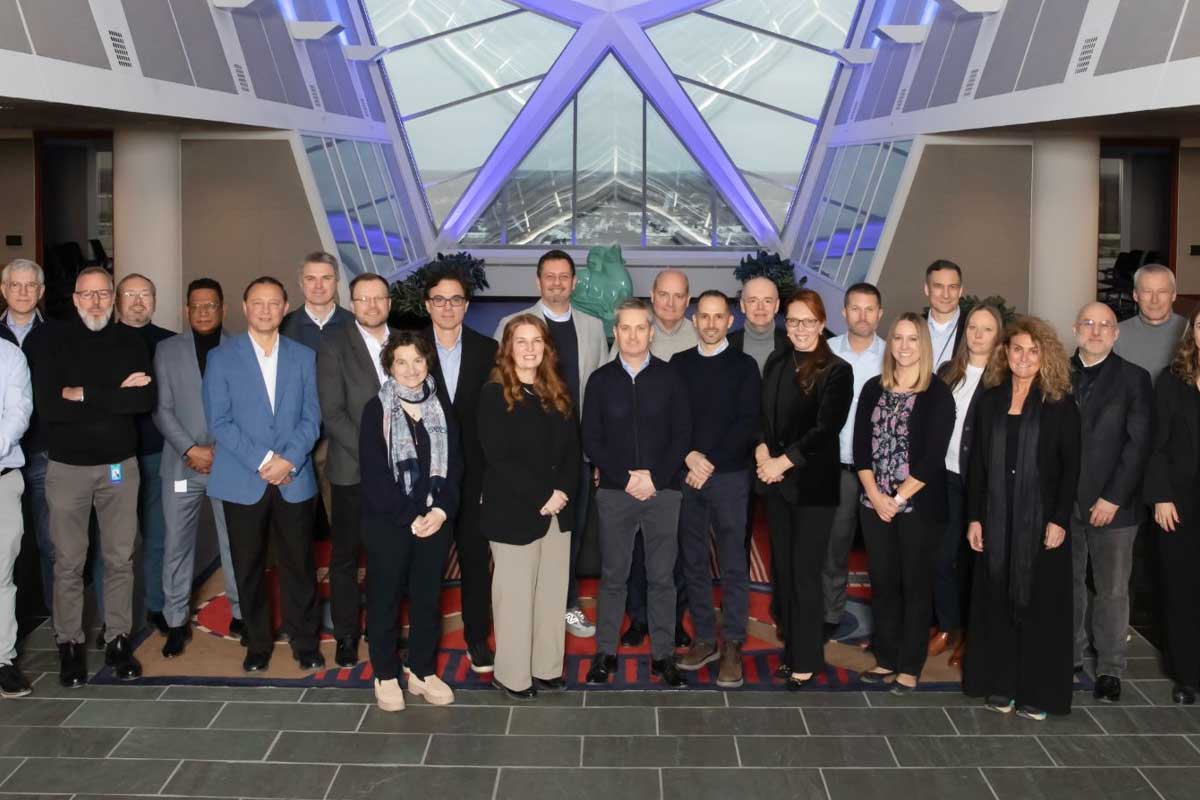
They don't look like great car enthusiasts in this photo... Let them prove themselves, there's work to be done!
Filosa must continue to repair the damage done by Scrooge Tavares. The longer this goes on, the more we realize that Tavares has made nothing but disasters and bad decisions.
Cutting costs at the expense of reliability, makes you wonder if Tavares didn't want to destroy Stellantis?
Fix Tavares' bullshit and stop adapting the same PSA mirrors to all the group's models, a little originality between each brand, just look at the copy-pasted Opel Frontera which has no personality compared to the Citroën C3 Aircross. Apart from the much more successful dashboard, the grille and the rear and side view, it's all Citroën. How can a group get to this point? .