

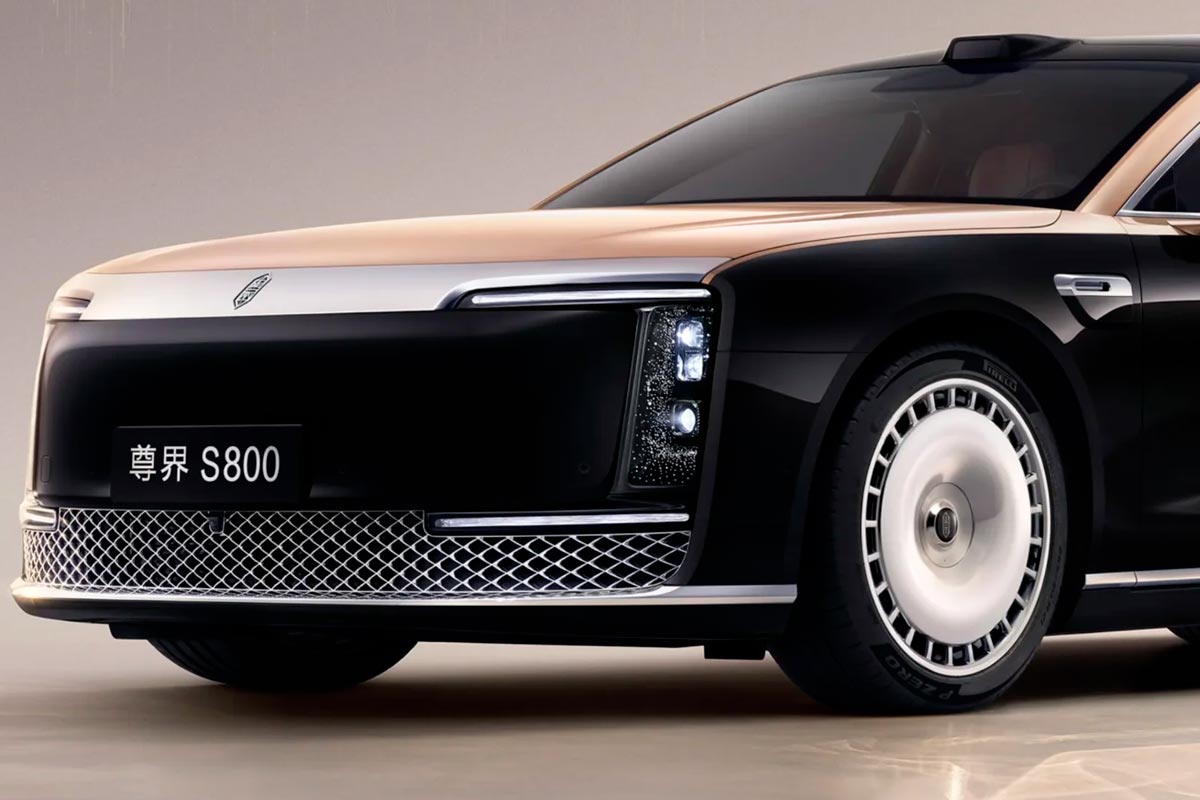
For several hours, a rumor from China has been stirring the automotive media. According to several Chinese media, subsequently relayed by several European media, including the Italian financial daily Milano Finanza, Stellantis is reportedly in talks with Huawei and JAC Motors to develop a future luxury electric car with the badge Maserati.
On paper, the principle is simple: Huawei would supply the software technologies, intelligent systems and digital architecture, JAC would take care of industrial development and production, while Maserati would contribute its design and brand image. In China, the model would be sold under the Maextro label, the premium brand created by Huawei and JAC. Internationally, it would adopt the famous Trident name.
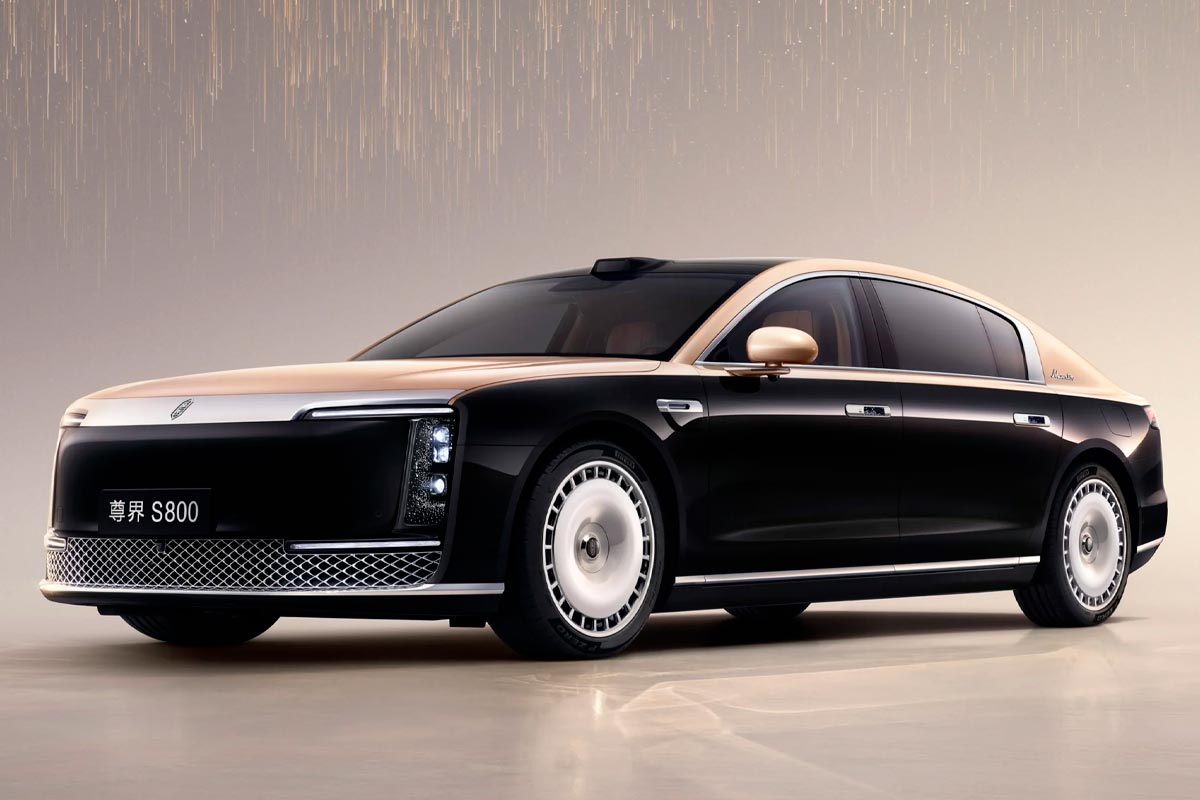
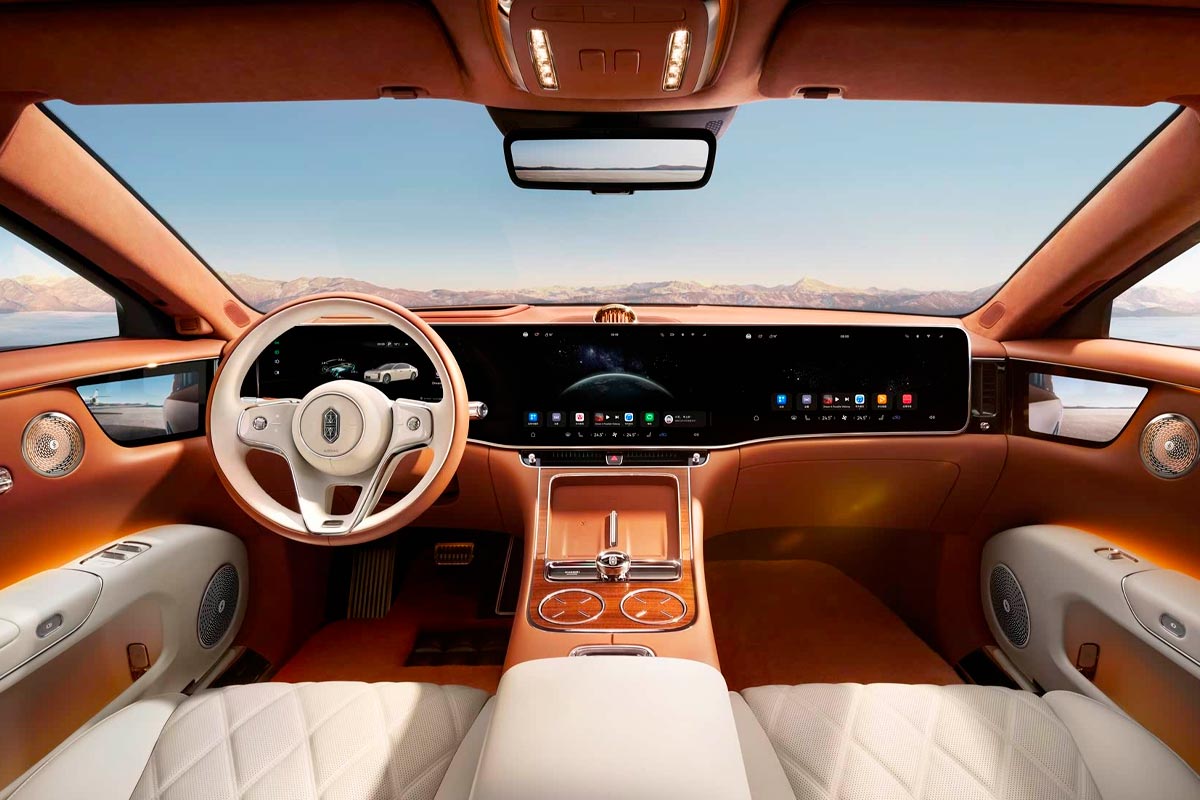
A sort of “Chinese Maserati”, developed from a local technical base, designed to compete with luxury benchmarks such as Rolls-Royce, Mercedes-Maybach and China's new top-of-the-range electric sedans. On paper, the idea may seem credible. In reality, it raises a lot of questions.
Can Maserati really become a 100 % electric brand?
For several years now, Maserati has been trying to convince with its Folgore range. But commercial results have fallen far short of its stated ambitions. The Italian brand has certainly succeeded in launching electric versions of the Grecale, GranTurismo and GranCabrio, but these models struggle to win over customers.
The problem goes far beyond range or performance. You don't buy a Maserati just for its technical specifications. It's bought for the mechanical emotion, the sound, the character, the almost theatrical experience that Italian combustion engines have always been able to offer. It's an art of living.
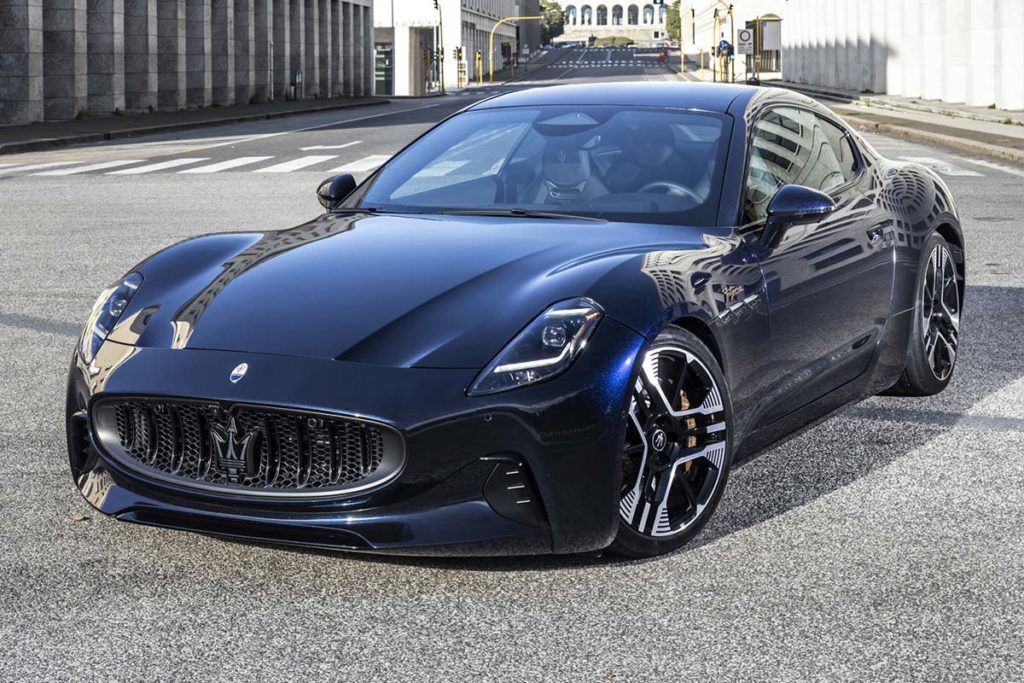
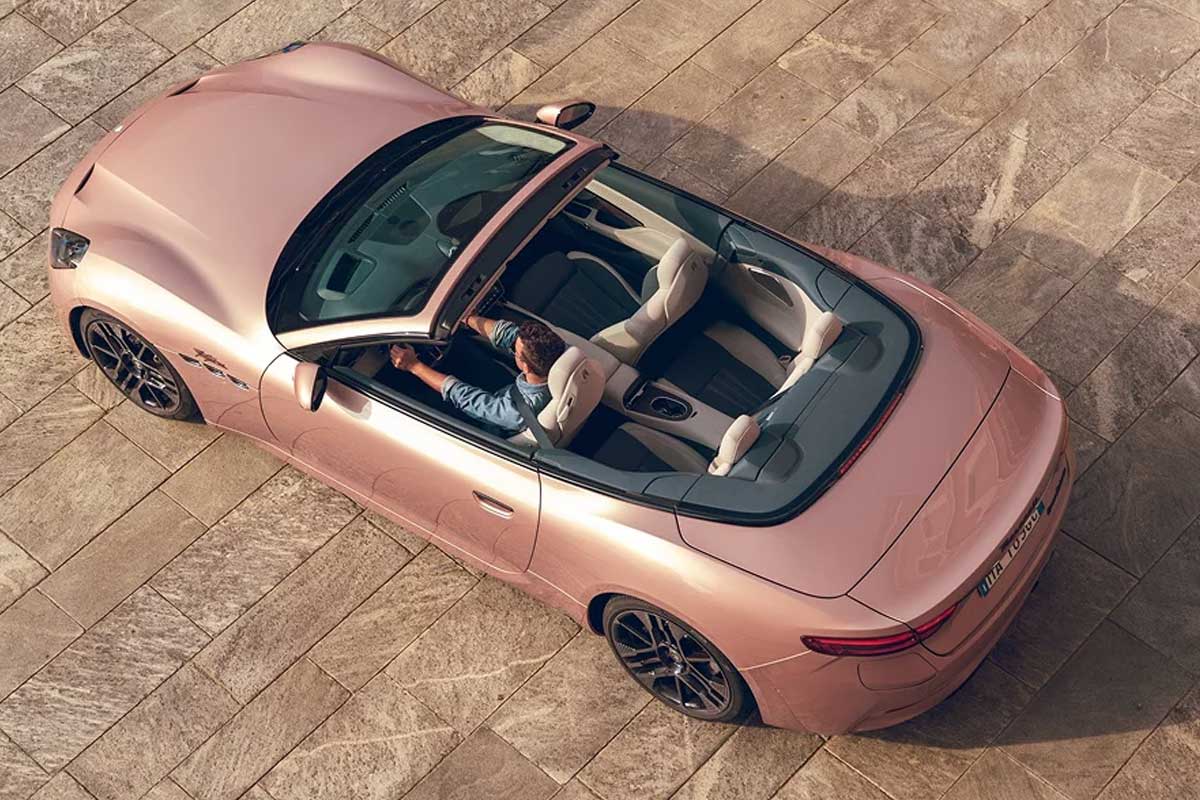
However, until now, the Maserati badge associated with the 100 % electric has never really found its audience. Yet the cars aren't bad. Just ask anyone who's tried a Folgore Granturismo or Folgore Grancabrio. These are good luxury electric cars! But the figures speak for themselves: the brand's sales have plummeted in recent years, from around 27,000 units in 2023 to less than 8,000 cars in 2025. It's a marketing problem. So to imagine a future Maserati based on a Chinese platform and solely electric may seem contradictory to the brand's very DNA.
A Chinese platform in a future Maserati?
This is probably the most surprising aspect of this rumour. For years, Maserati's entire future has been based on the Giorgio platform and its evolutions. This architecture, originally developed for Alfa Romeo, remains one of the Stellantis group's best platforms. It symbolizes a certain idea of Italian sportiness.
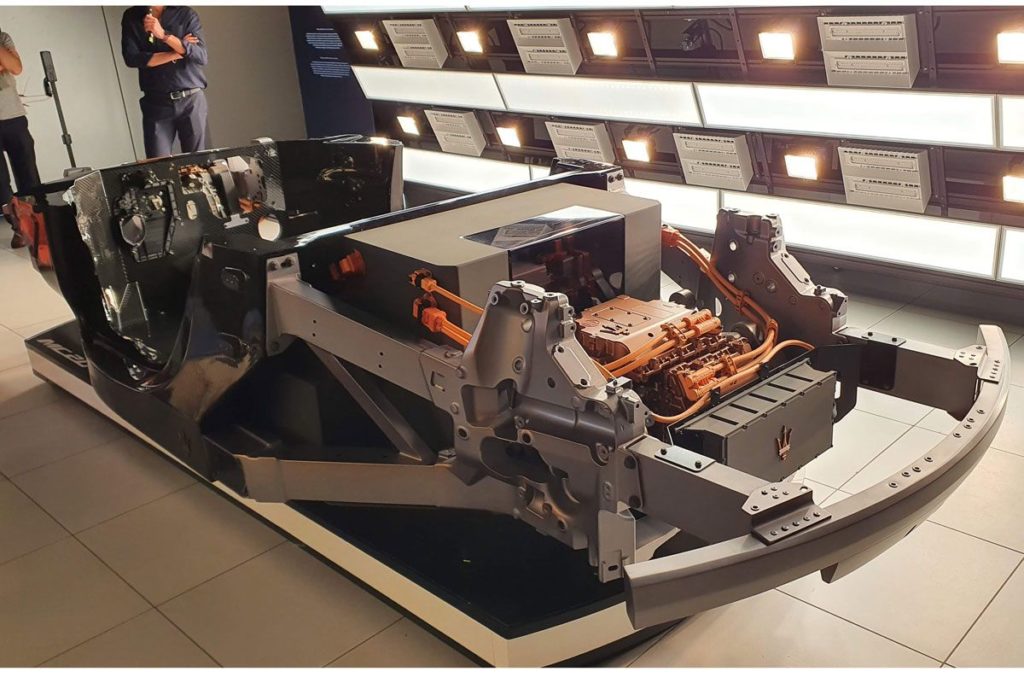
So it's hard to imagine a coherent future range where some Maseratis use a “made in Italy” Giorgio platform, while another model is based on a Chinese architecture designed primarily for connected electric vehicles. Of course, the automotive industry is changing fast. Audi is already developing electric models in China specifically for the local market. Volkswagen is also multiplying its technological partnerships with Chinese manufacturers to remain competitive. Even Stellantis has already invested heavily in Leapmotor.
But Maserati is not a generalist brand.
Would a Maserati designed in China still be a Maserati?
Basically, the real issue is not technology. It's cultural. Just a few days ago, Cristiano Fiorio, CMO of Maserati, reminded us what the Trident represents today:
“The Trident and Maserati represent not only an automotive symbol, but also a cultural one.”
Important words. For Maserati sells above all a history, an Italian identity, an imagination combining Modena, motor sport, luxury and a certain mechanical passion. Given this logic, many will find it hard to see how a car developed in China, designed with Chinese partners and derived from a Maextro model could become the “cultural symbol” referred to by Maserati management.
This is not to say that the project is necessarily a bad one. Chinese automakers are now well versed in the production of technologically advanced electric cars. Some of them already rival the best European references in terms of software, comfort and even performance.
But a good car doesn't automatically become a true Maserati. The risk would be to turn the Trident into a mere marketing badge for a product developed primarily to meet the expectations of the Chinese market.
A strategy ultimately reserved for China?
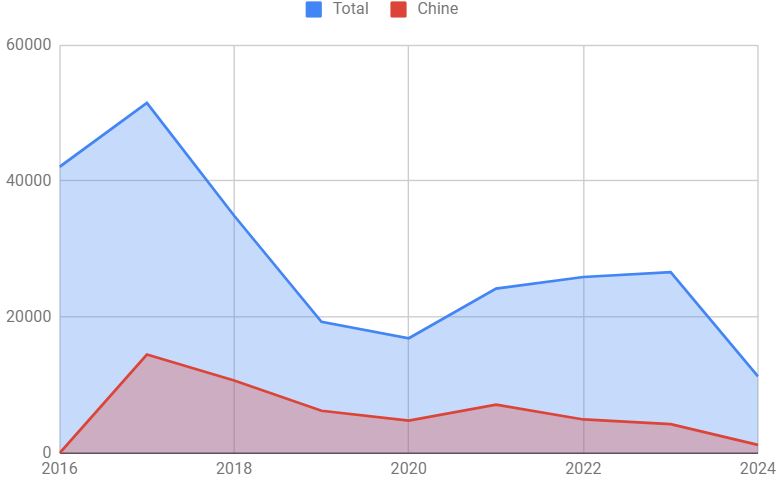
This is probably the most credible scenario. China remains a fundamental market for automotive luxury, even if Maserati has all but disappeared there in recent years. In 2017, the brand sold almost 15,000 cars there every year. Today, registrations are said to have fallen to around 1,000 units.
Using a Chinese technology base to offer a Maserati designed specifically for Chinese customers might make a certain amount of economic sense. After all, local buyers now place enormous emphasis on software, intelligent assistants, displays and in-car technologies, areas in which China has a considerable lead.
If this project really comes to fruition, it could therefore resemble a local strategy comparable to Audi's in China, rather than a global revolution in the Maserati range. From our point of view, a Chinese Maserati marketed in Europe is hard to believe.
 English
  French
  Italian
  Spanish
  German
  Japanese
  Dutch
Dutch
This kind of project may be appropriate in China...but then in Europe, it would be a total fiasco, Maserati is already struggling to sell real Maserati, so Chinese Maserati I tell you not, we touch the bottom at Stellantis! 😂😂😂
It would also be a flop in China: why buy a Maserati if the platform and technology are Chinese? The principle of luxury is to buy exclusivity.
«Maserati is already having trouble selling real Maseratis» ahah that's exactly it
Sorry, aber dieser Berichterstattung/ Recherche ist teilweise falsch. Audi ist in china eine eigene Marke. ... und anscheinend ist der Journalist immer noch der Meinung, das die europäischen Autohersteller die Führung haben... in China sind die Elektro Autos viel moderner, da sehen die Europäer altbacken aus... das zeigen auch die verkaufszahlen...
Denn Gedanken das Maserati sich mit einem Maextro-Modell zusammenschließt würde befürworte ich. Verbesserung der elektonischen kompnenten. Dreibeine Strategie, eine für die Emotionen, Hybrid die anderen für Elektro. Es ist für jeden was dabei. Nicht viele aber dafür exklusiv.
I hope this «Chinese Maserati» will be for China. But will investment in future Italian Maseratis be maintained?
It doesn't cost much to rebadge new models. They want to make cash at low cost, while limiting risk.
We've come a long way
I'm surprised because Stellantis developed a wide STELA platform that was to be used on both sides of the Atlantic for the top end of the market. This is already the case with the Dodge Charger, an excellent car. .
We no longer have confidence in our engineers or the means to invest.
Stellantis seems to be in a state of panic
It's not April 1st!
I thought just like you, it's as far-fetched as you can get!
I don't believe it either, I hope it's not true. But what worries me is that the Maserati/China connection is recurrent, and there's no smoke without fire.
At some point, this rapprochement will have to happen, because if the Europeans can't sell in China, they'll have to adopt Chinese-based products to sell, even if it's not easy, as we're seeing with Audi, which is making a fiasco of its new brand.
Or we seriously limit the number to maintain attractiveness, or turn to pretenders in the target market.
As you say, Audi is getting nowhere with its Chinese brand. It's a waste of time and money. It's time to come up with a real strategy to develop Maserati's international image, instead of constantly changing your mind (for example, about entering Formula E) and continually reducing resources in Modena. The management team is catastrophic in every respect.
Can't argue with that...
I have the weakness to believe that this is just a rumor. It can't be true, even commercially it's a bad idea. That Maserati should discuss integrating technologies with Huawei for models marketed in China, why not, the Chinese platform and manufacturing on the other hand I think would be a complete contradiction in terms. A Maserati must necessarily be designed and built in Modena and/or Italy. That's what a Chinese customer buys, if he exists.
This rumour doesn't hold water, the Chinese have mastered electrical technology, they are capable enough to launch new luxury cars without needing a Maserati and the faster they learn. .
What's the point of the project if the car isn't badged and sold by Maserati in China? Apart from torpedoing what little image it has left in Europe.
Given the S800's failure in terms of design, it would be a good deal for the Chinese though lol
This is a joke in very bad taste!!!!
Maserati is a soul, an Italian heart...not a vulgar commercial product.
The Chinese have made enormous progress, that's for sure, but their brands still don't have a history. And especially not a prestigious history like those of Italian brands....
IF STELLANTIS dares to do this, I hope transalpine patriotism will awaken with strength and vigor.
Totally agree, Italian engineers don't need China to make wonderful cars. So much damage has been done to the automotive industry by Carlos Tavares.
Is it just me, or is this science fiction?.
Stellantis schiebt gerade irgendwie Panik, die Führung macht gerade lauter Fehler. Haben so viele Tolle Auto Marken unter dem Dach und wollen die ganze Zeit bei allen was einstampfen außer bei Fiat‼️🤦🏻♂️
I will sell my Maserati directly. No time to waste if China takes over. Worse you cannot have. These people don't know anything about heritage, nothing about V6 or V8’s, nothing about handling and good design. It is impossible. See how they've ruined Lotus. Why can't Italians stop making mistakes?
It's not the Italians in particular, it's ALL the managers of this group who are losing their heads. As I read above, we're in the middle of science fiction (dystopia), so there's still hope that they'll pull themselves together. There must be something good to come out of it, they can't statistically be that bad at everything. Can they?
I'm afraid so 😰
Italian politics have to step forward, interfere, and save Italian culture.
Yes, that's the problem. You get the impression new managers will perform better. But it's worse. Imparato has done nothing for Alfa Romeo. Also Filosa is making a mesh. After Tavares and Marchionne (FCA) made a lot of mistakes.
At the moment I have hopes Roberta Zerbi from Lancia is doing -slowly but surely- the right thing.
I think it's time to pair up brands:
Alfa must return to being a brand that makes beautiful, sporty and affordable cars, and leave more room for Maserati at the top end of the range.
Lancia and DS must be very close brands, sharing symbols of elegance.
The same can be said of Peugeot and Opel, and Fiat and Citroën.
Excellent reflection and to tell the truth, this is already partly the case:
- Fiat to use Citroën's smart car platform in a variety of ways
Citroen C3 => Fiat Panda
Citroen C3 Aircross => Fiat Panda XL/Grizzly
Citroen Basalt => Fiat Grizzly Coupe
- Lancia to release a Gamma very similar to the DS N°7/8