

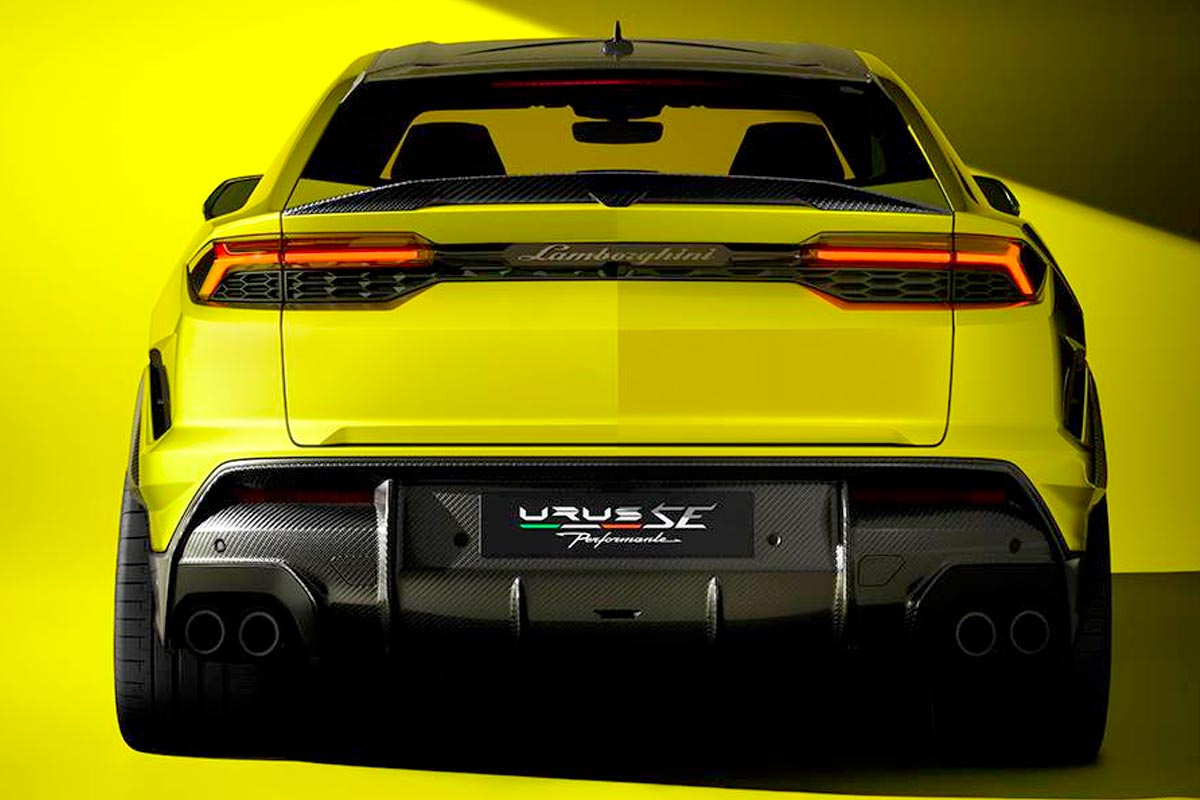
For a long time, the recipe seemed simple at Lamborghini : More power automatically meant better performance. Yet the new Urus SE Performante defies that logic. With 812 ch, it delivers 146 ch more than the previous Urus Performante, while posting exactly the same 0 to 100 km/h time: 3.3 seconds. A paradox that perfectly sums up the evolution of super-SUVs in 2026.
More powerful than ever, but not any faster off the line
The precedent Urus Performance, launched in 2022, already produced 666 ch and 850 Nm thanks to its 4.0-liter twin-turbo V8. Lightweight for its class at 2,150 kg, it accelerated from 0 to 100 km/h in 3.3 seconds and reached a top speed of 305 km/h.*
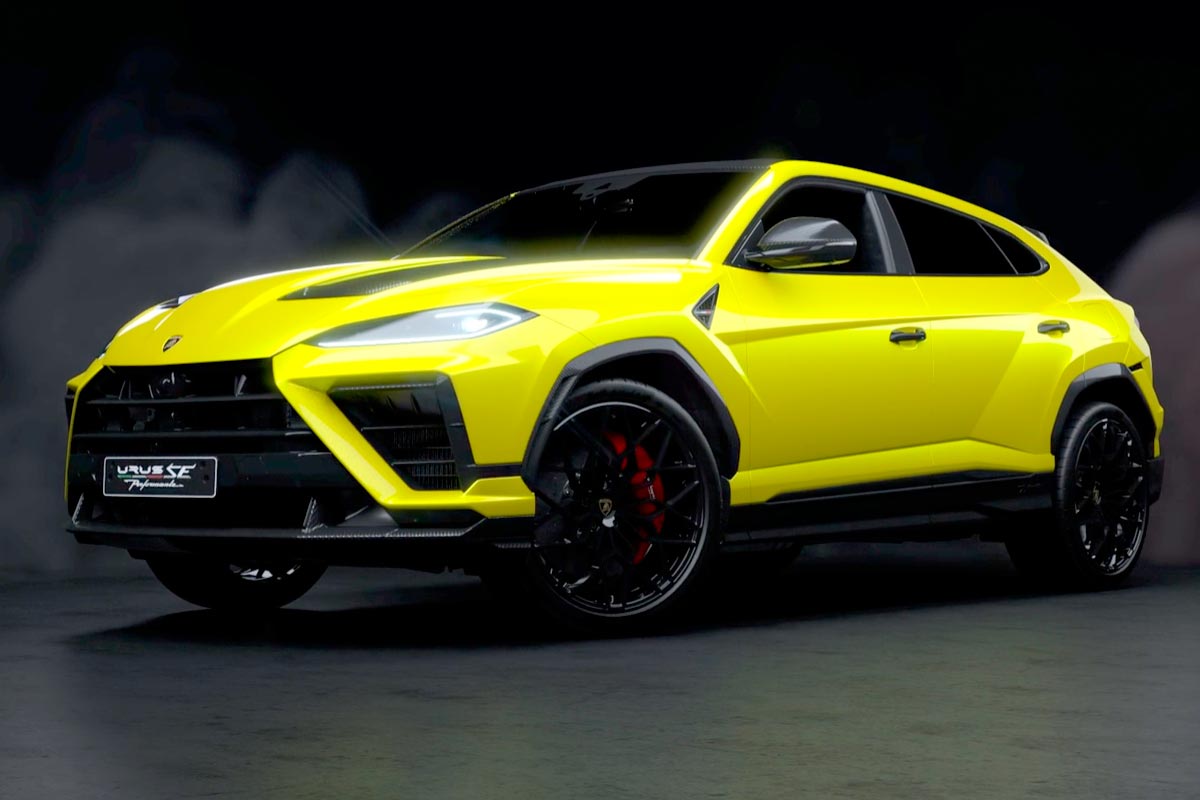
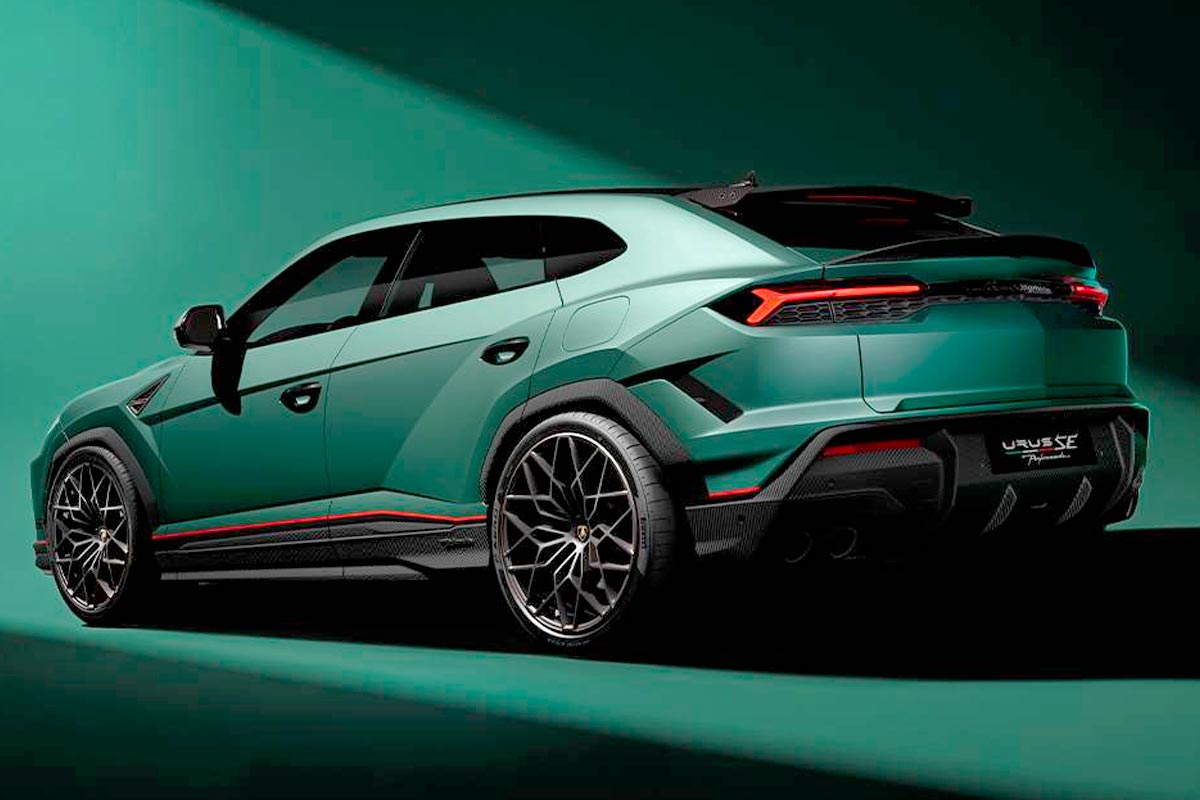
The new Urus SE Performante represents a complete shift in philosophy. Its V8 engine is now paired with an electric motor and a 25.9 kWh battery. As a result, combined power climbs to 812 ch and torque reaches 1,000 Nm. On paper, the increase is spectacular: +146 ch and +150 Nm.
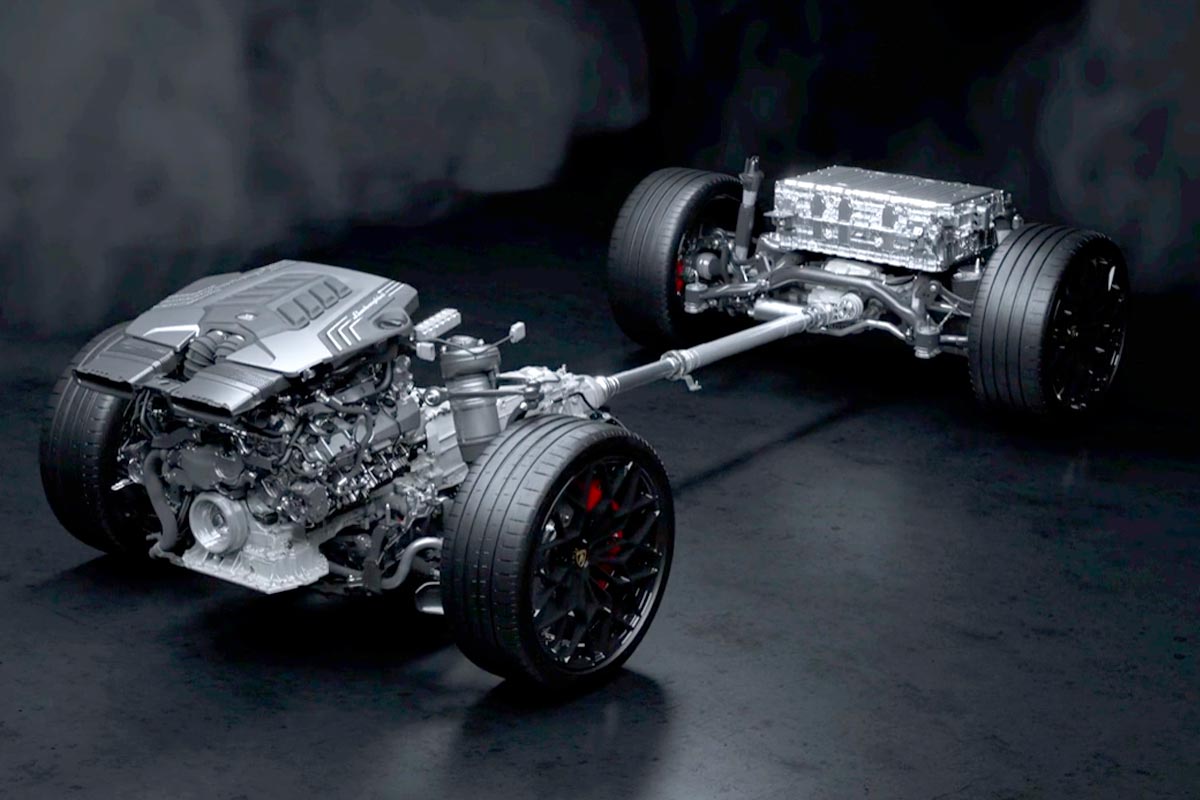
Yet, despite this extra power, the 0 to 100 km/h time hasn't changed by even a tenth.
Weight, the number one enemy
The explanation lies primarily in the weight. The previous Urus Performante weighed in at around 2,150 kg. The new Urus SE Performante tips the scales at 2,473 kg despite extensive use of carbon fiber. The hood, fenders, bumpers, diffuser, and several aerodynamic components are made of carbon fiber to offset the weight gain associated with the hybrid system. Lamborghini has also adopted a titanium Akrapovič exhaust system, which saves about ten kilos.
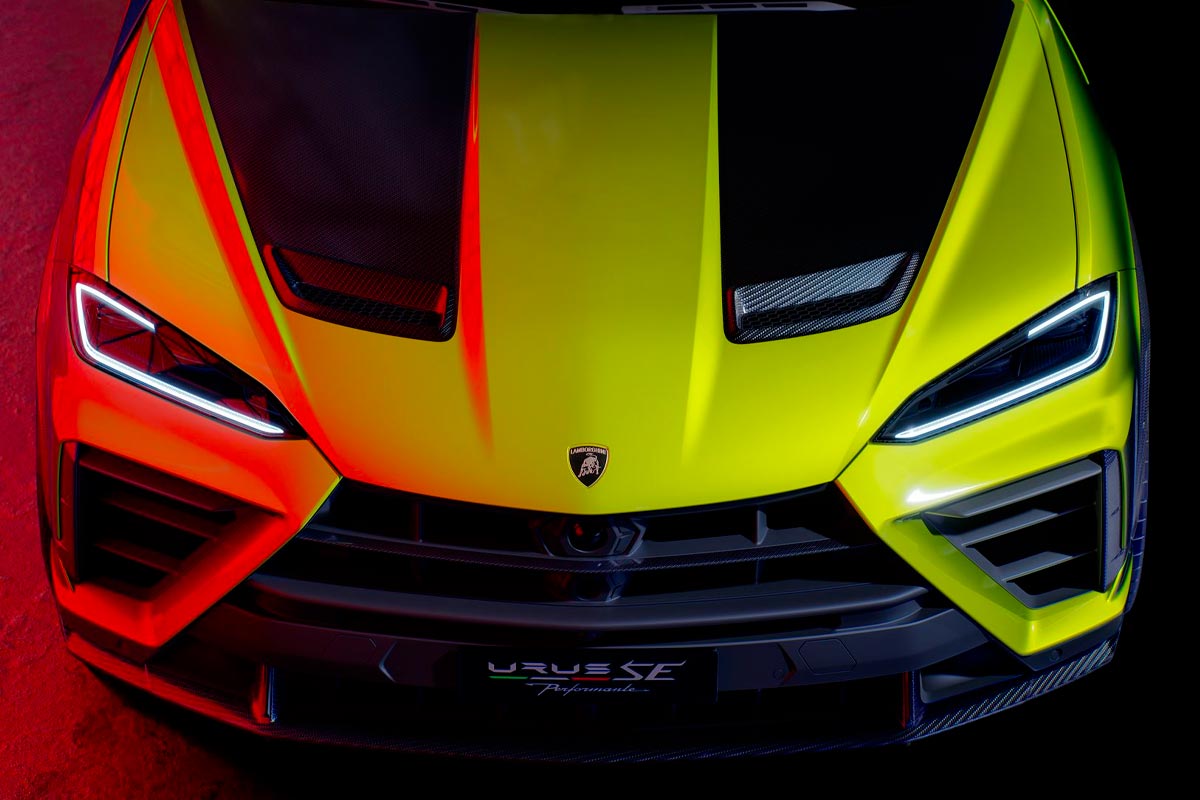
Despite this, the battery and hybrid system add more than 300 kg compared to the previous model. The additional 146 chevaux therefore serve in part to offset this extra weight.
Where the gap becomes striking
While the 0-100 km/h time remains the same, the new model takes the lead as soon as the speed increases. The previous Urus Performante took 11.5 seconds to reach 200 km/h. The new Urus SE Performante cuts that time to 10.8 seconds. Its top speed has also increased from 305 to 312 km/h.
The power-to-weight ratio has also improved, dropping from 3.22 kg/ch to just 3.04 kg/ch. In other words, the hybrid system doesn’t change the Urus’s performance from a standstill, but it allows it to accelerate much more forcefully once it’s up to speed.
An SUV that's now even more high-tech
Lamborghini didn’t just add an electric motor. The automaker also developed a new AURA air suspension system, a 6D dynamic sensor capable of analyzing the vehicle’s movements in real time, along with a predictive braking system. As a result, the brand claims a 55% reduction in body roll and improved vehicle responsiveness compared to the previous Urus Performante. A new Rally mode has also been introduced for loose surfaces.
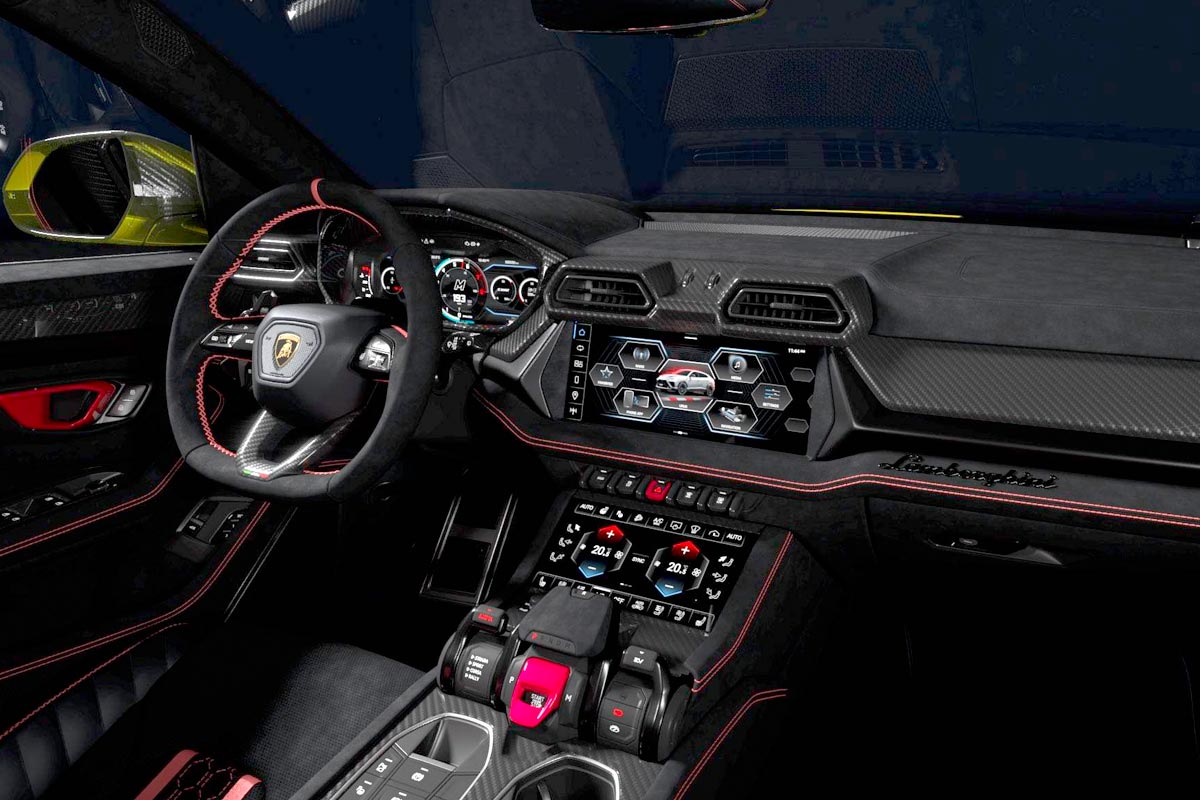
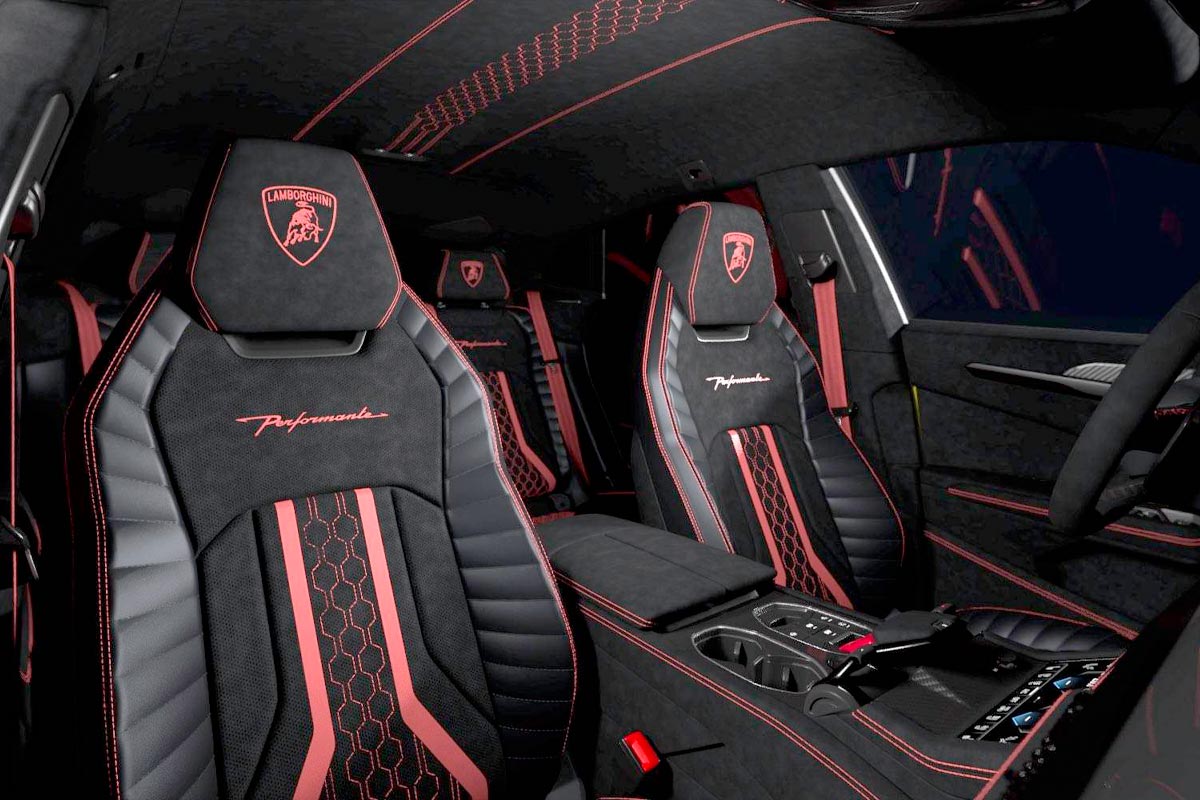
Ultimately, the new Urus SE Performante perfectly illustrates the evolution of modern super-SUVs. Heavier, more complex, and much more powerful, it doesn’t gain any ground in the 0 to 100 km/h sprint, but it’s faster in every other aspect. This may show that by 2026, the horsepower race is no longer the sole indicator of performance—and this isn’t just true for SUVs. Light is right!
 English
  French
  Italian
  Spanish
  German
  Japanese
  Dutch
Dutch
Instead of boosting the power, they’d be better off focusing on reliability, because it’s really not great—and that’s why we’re seeing fewer and fewer of them on the road in Switzerland. Customers are fed up with spending all their time at the repair shop for every little thing, but when you know who’s in charge, you wouldn’t expect anything other than an unsellable piece of junk.
What are "ch"? CV, kWh, HP… I've never heard of "ch.".
Good morning, Italpassion is a website in French that is then translated. For us, “ch” stands for “horses.” So it’s either CV or HP, depending on the language. It’s nice to take the time to leave this kind of comment that adds nothing to the discussion.