

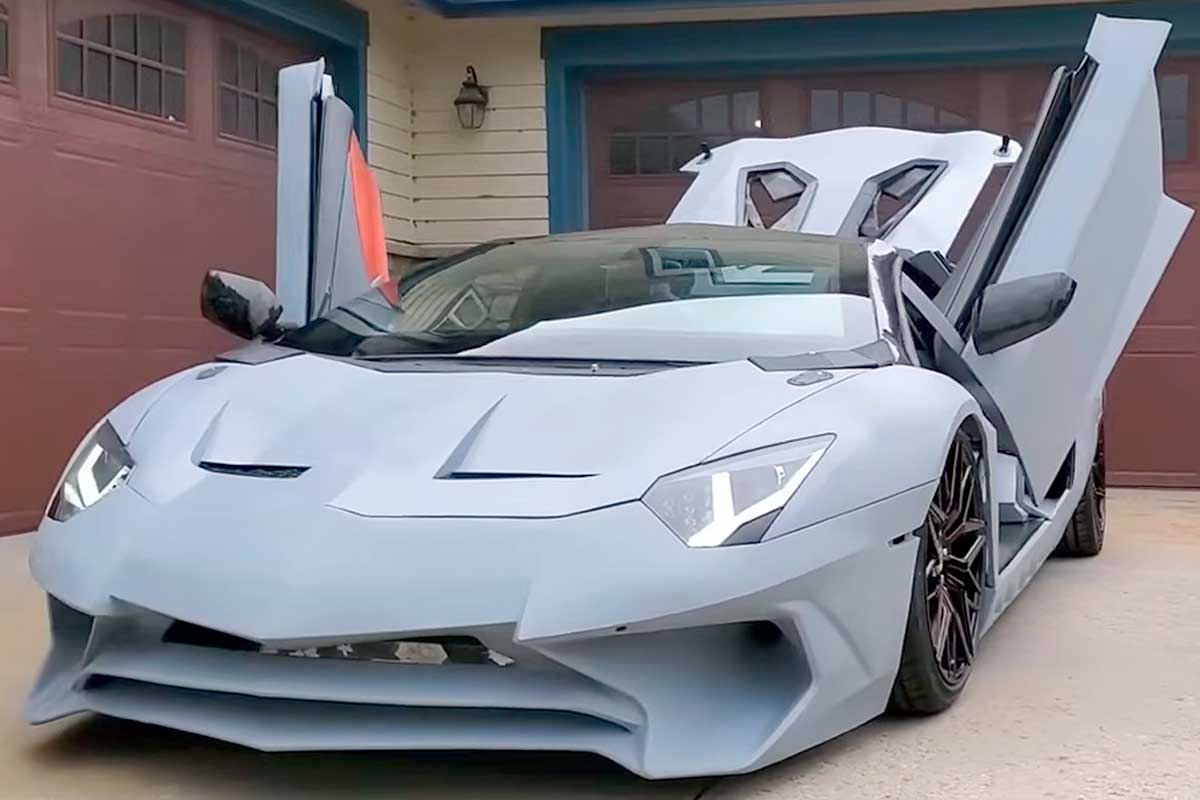
A few years ago, the story of Sterling Backus went round the world. This American engineer, passionate about mechanics and new technologies, had embarked on a totally crazy project: to build his own Lamborghini in his backyard using consumer 3D printers. After four years' work and a budget of around 20,000 dollars, or almost 17,000 euros, he had succeeded where many wouldn't even have dared to begin.
But the adventure didn't stop with this first supercar. While his Lamborghini continues to evolve, Sterling Backus is now working on a second, equally ambitious project: a new supercar rebuilt using 3D printing.
It all started with a simple video game game
The origins of this adventure almost sound like a movie script. Sterling Backus recounts that it all began when he was playing Forza with his son on Xbox. On the screen appeared a Lamborghini Aventador, a car that fascinated the young boy. Looking for a father-son project to learn about car mechanics, tire changing and the basics of engine operation, Sterling came up with an idea that seemed completely unrealistic: why not build a car together?

What started out as a family discussion quickly became a colossal project. His son takes part in the various stages, from dismantling the engine to certain welding operations, while discovering the possibilities offered by 3D printing.
A Lamborghini born in a garden
The result is now well known to car enthusiasts. The Aventador SVJ-inspired Lamborghini was built almost entirely from 3D-printed parts. Hundreds of hours of computer design were required before manufacturing even began. Using CAD software, Sterling modeled the various elements of the car. One of the advantages of this method is that it is often sufficient to design one half of the vehicle before symmetrically reproducing the other side.
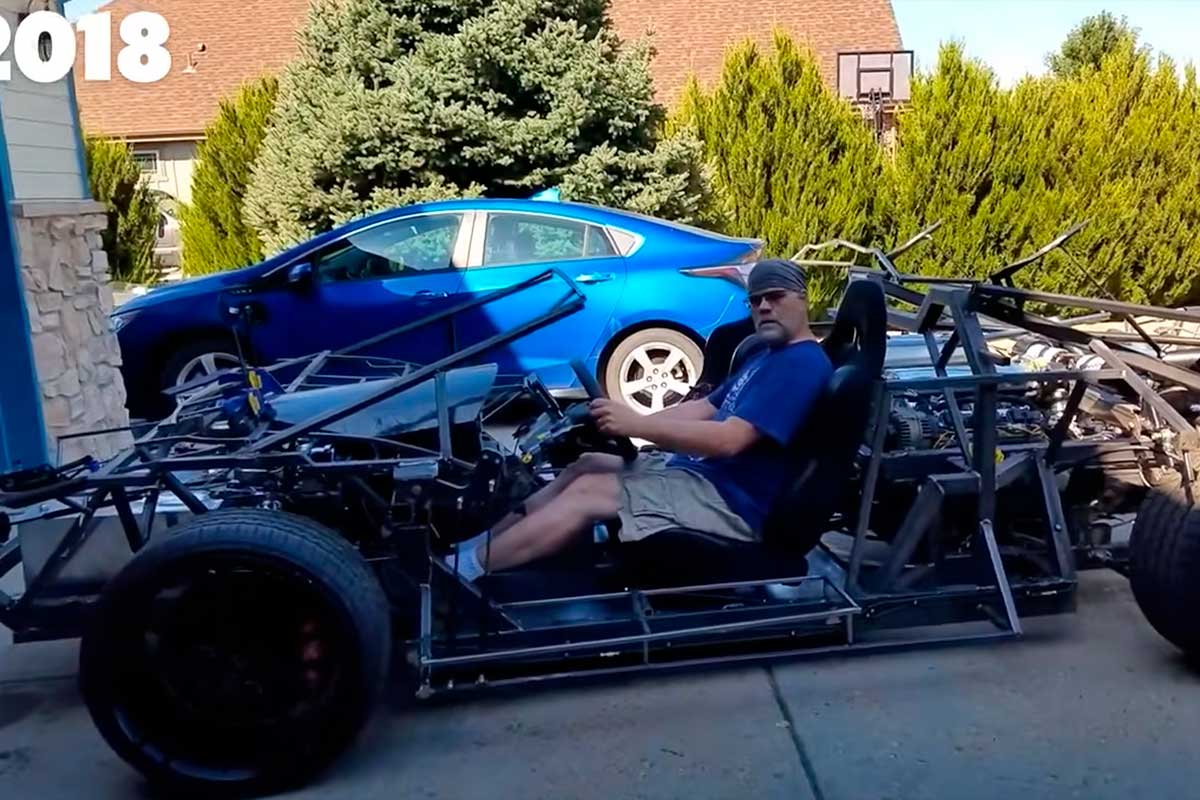
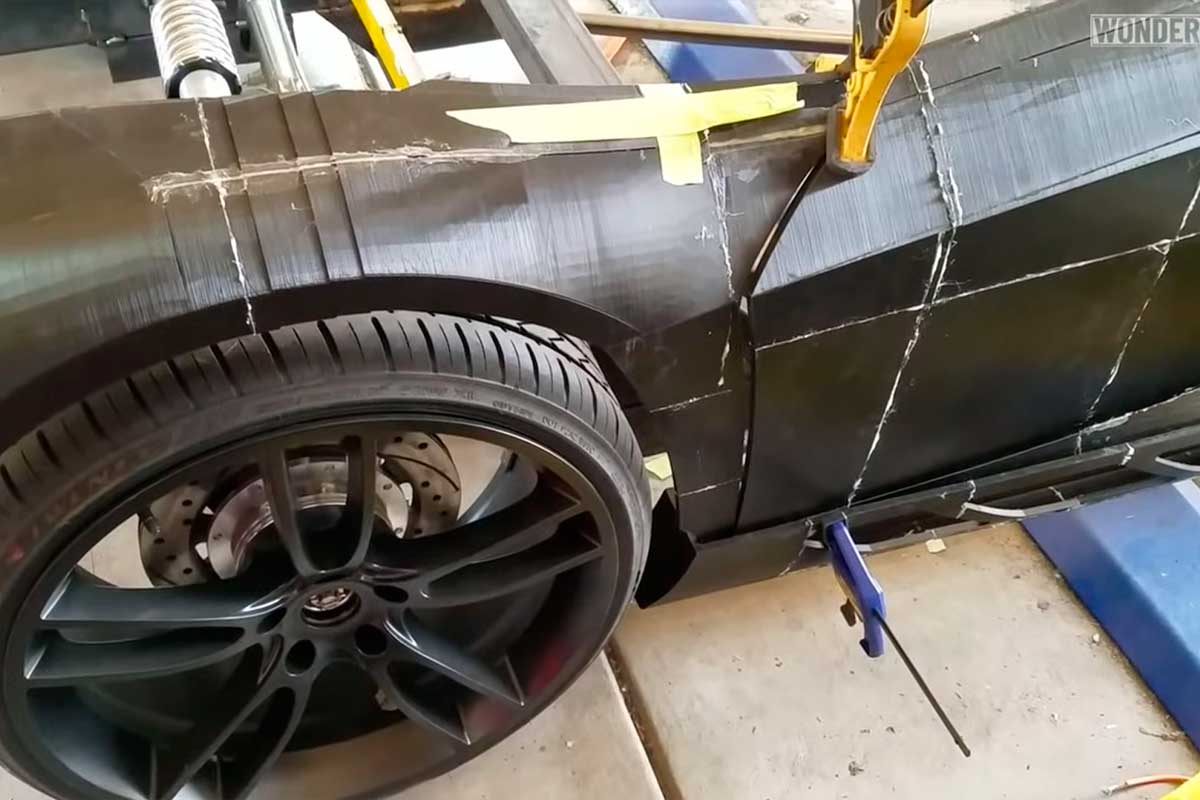
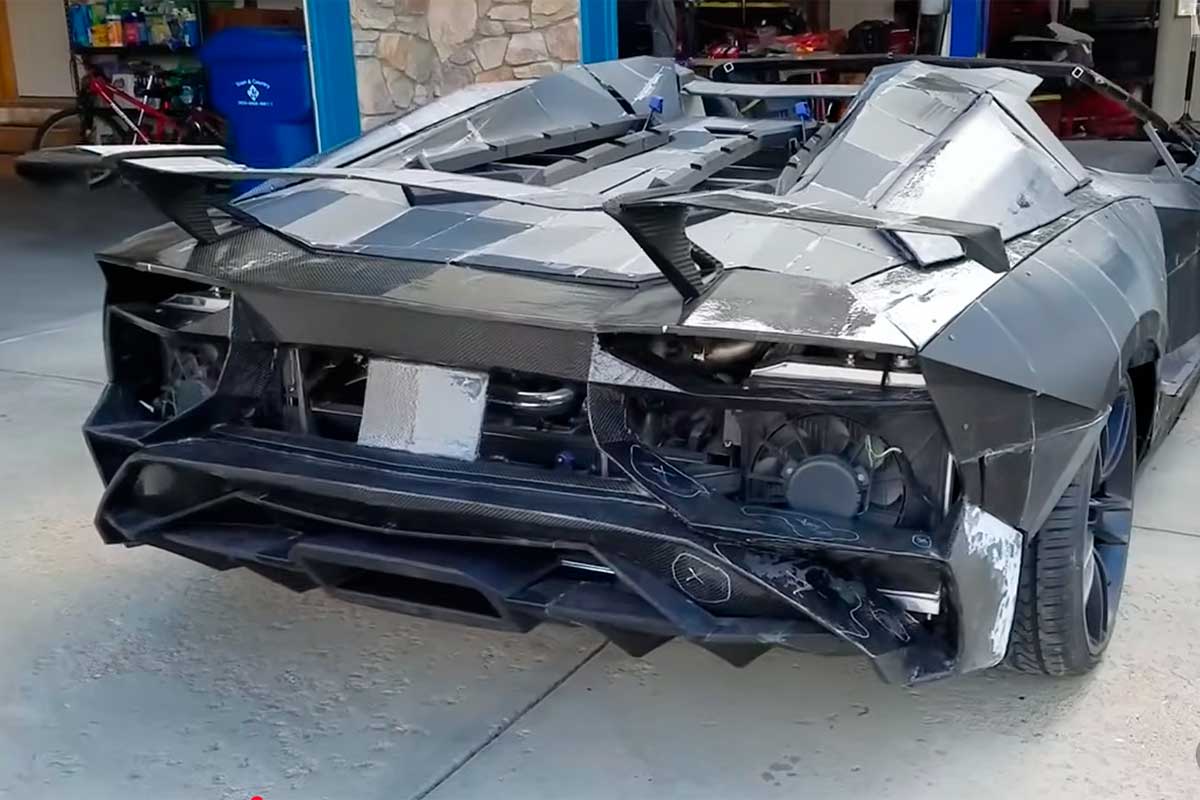
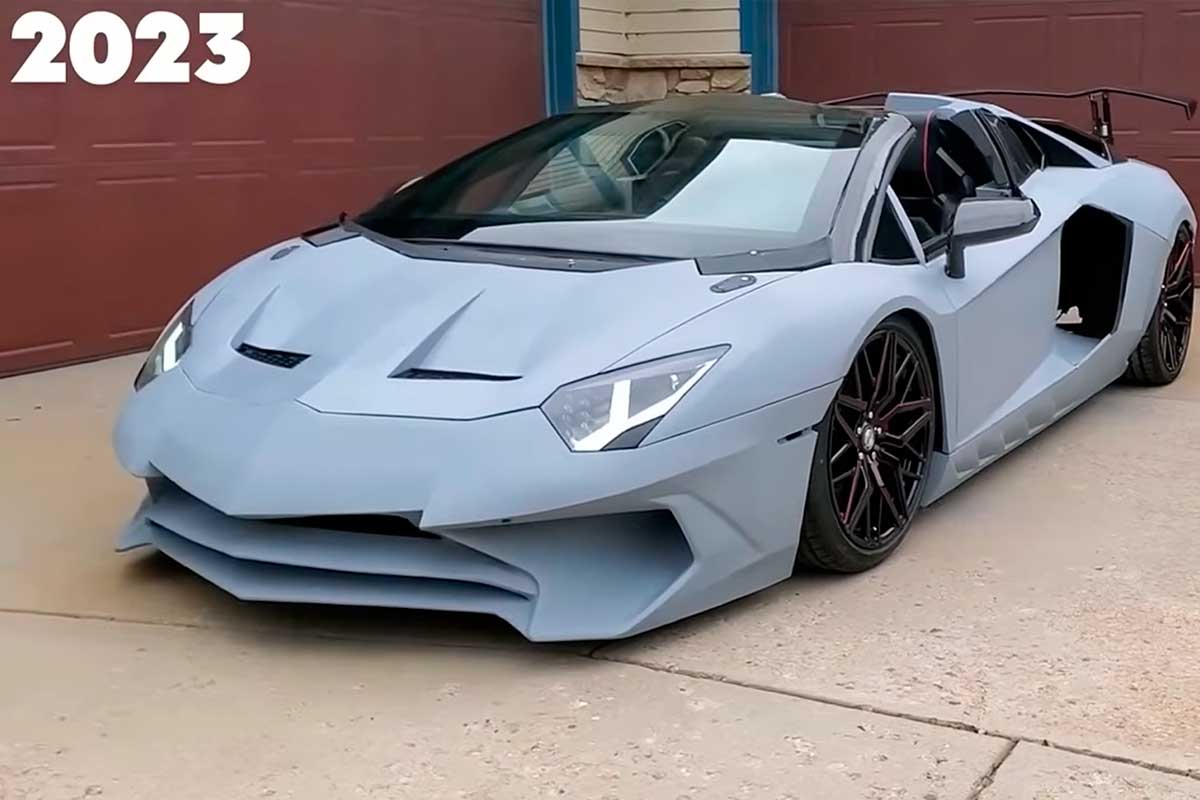
Over the years, the 3D printers have worked almost non-stop. The body panels were printed piece by piece before being assembled like a gigantic jigsaw puzzle. Of course, some parts remain impossible to manufacture in the workshop. The chassis, engine and even some complex mechanical components were sourced from other vehicles. But most of the bodywork was produced at home. The story took on an unexpected dimension when an offer of around $100,000 was made to purchase his creation. Despite a sum far in excess of the cost of the project, Sterling Backus refused. For him, this Lamborghini represents much more than a car: it's the symbol of years of work shared with his son.
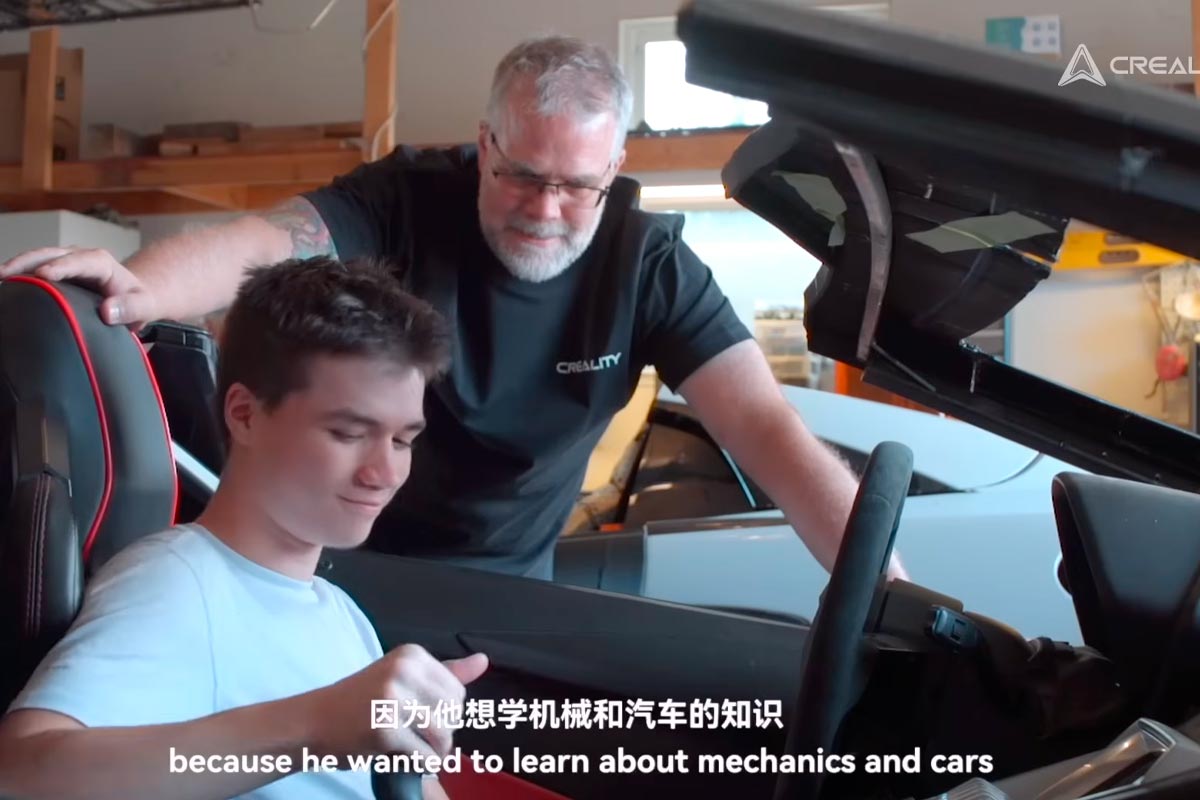
Lamborghini discovered the project... and loved it
As images of this 3D-printed Lamborghini circulated on the Internet, media attention became considerable. Echoes of the project even reached Sant'Agata Bolognese, Lamborghini's historic headquarters in Italy. Sterling admits that at first he thought he was in for a legal warning. After all, carmakers generally protect their image and intellectual property very strictly.
According to him, Lamborghini executives were seduced by the story of this family project and by the innovative use of 3D printing. The brand even contacted him to collaborate on an advertising campaign broadcast during the 2019 holiday season.

This official recognition has given his work considerable visibility and contributed to the development of his YouTube channel, where he now shares his experiences with a community of 3D printing enthusiasts.
After the Lamborghini, it's time for a McLaren
Far from resting on his laurels, Sterling Backus has taken on a new challenge. Using the skills he acquired building his Lamborghini, he is now working on a McLaren 600LT.
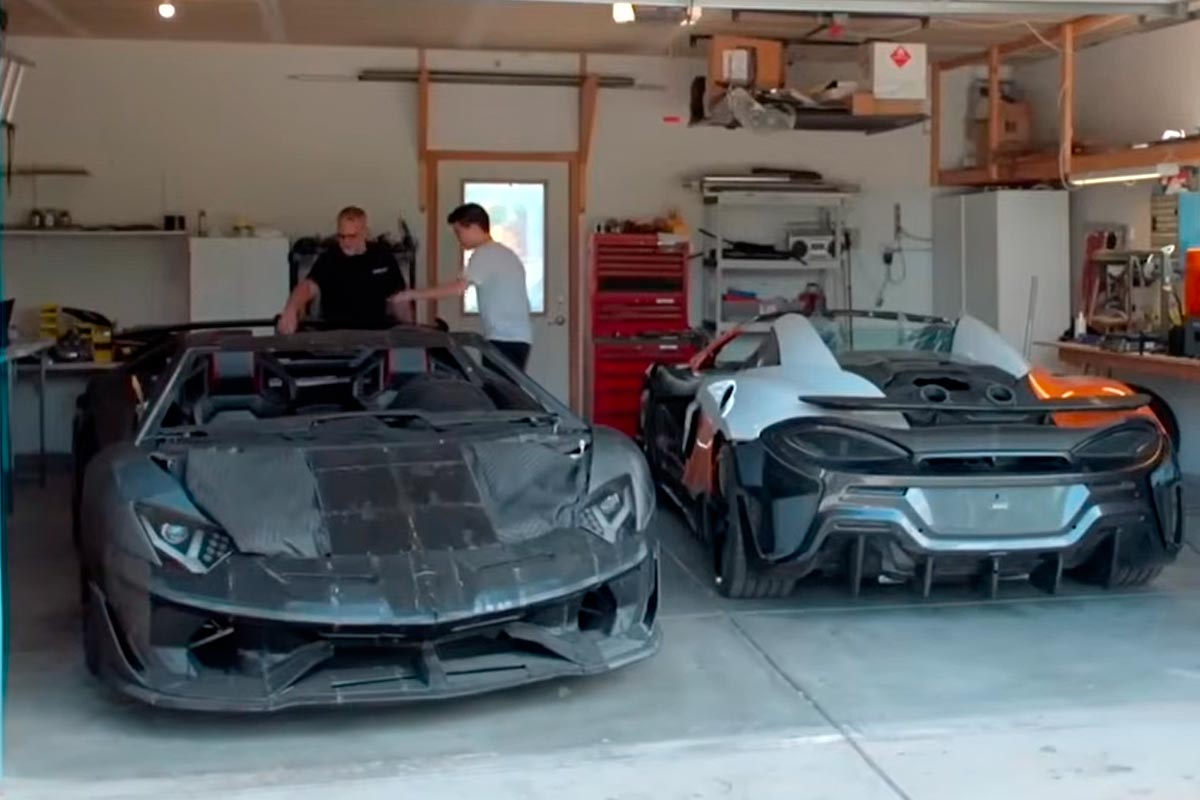
This time, the approach is different. Instead of starting from a blank sheet of paper, he has salvaged the remains of a McLaren from a scrapyard. The aim is to gradually rebuild the vehicle, using original parts where available and 3D printing to replace those that are missing.
This method is particularly interesting when you consider how expensive and hard-to-find some supercar parts can be. For example, many parts for headlamps, brackets and body components are now recreated directly from digital models before being printed in the garage.
High-speed technology
One of the most impressive aspects of the project is the evolution of the technology itself. When Sterling first started manufacturing its Lamborghini, some parts took several days to print. Today, with more modern machines, the same parts can be produced up to three times faster.
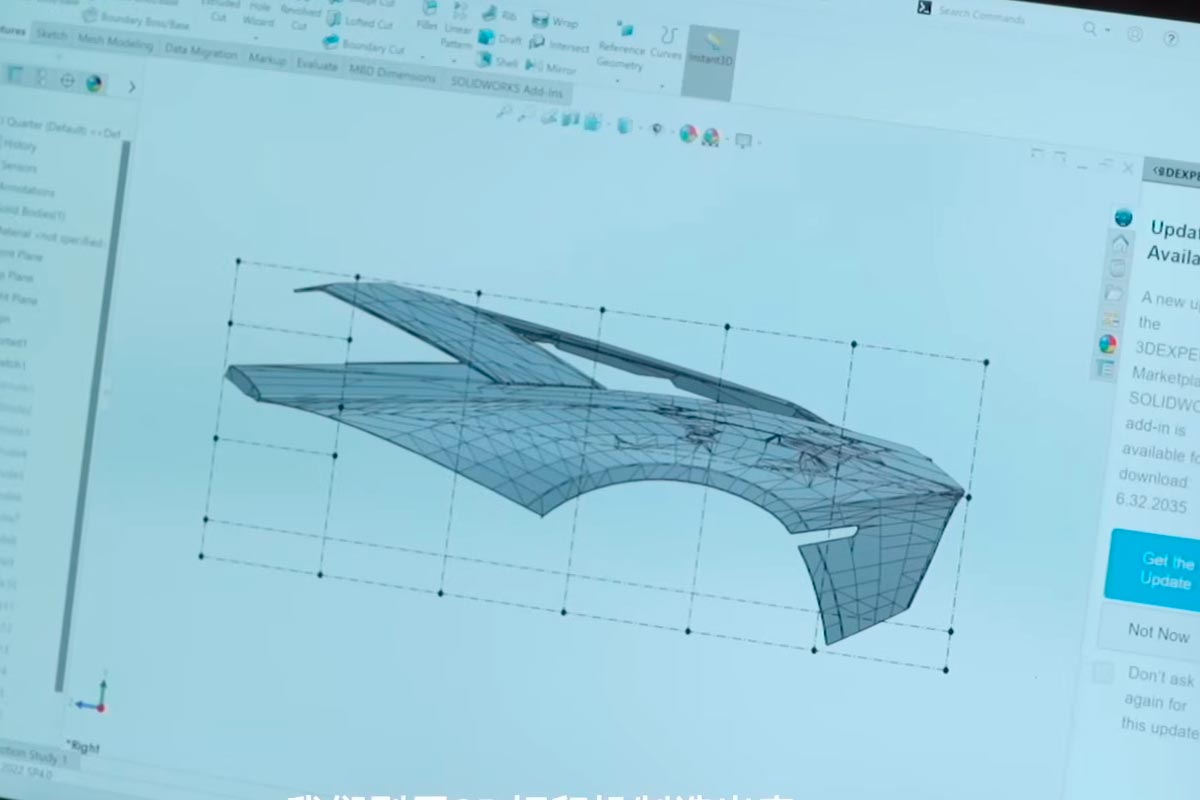
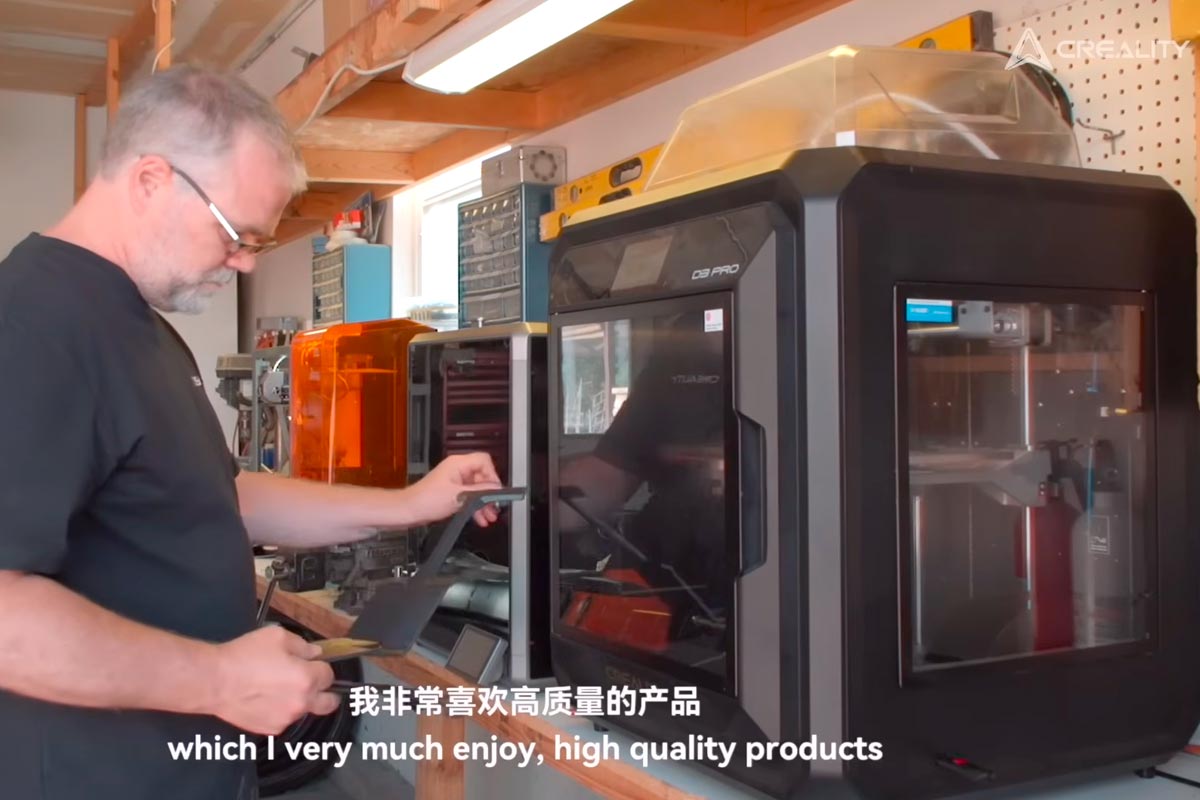
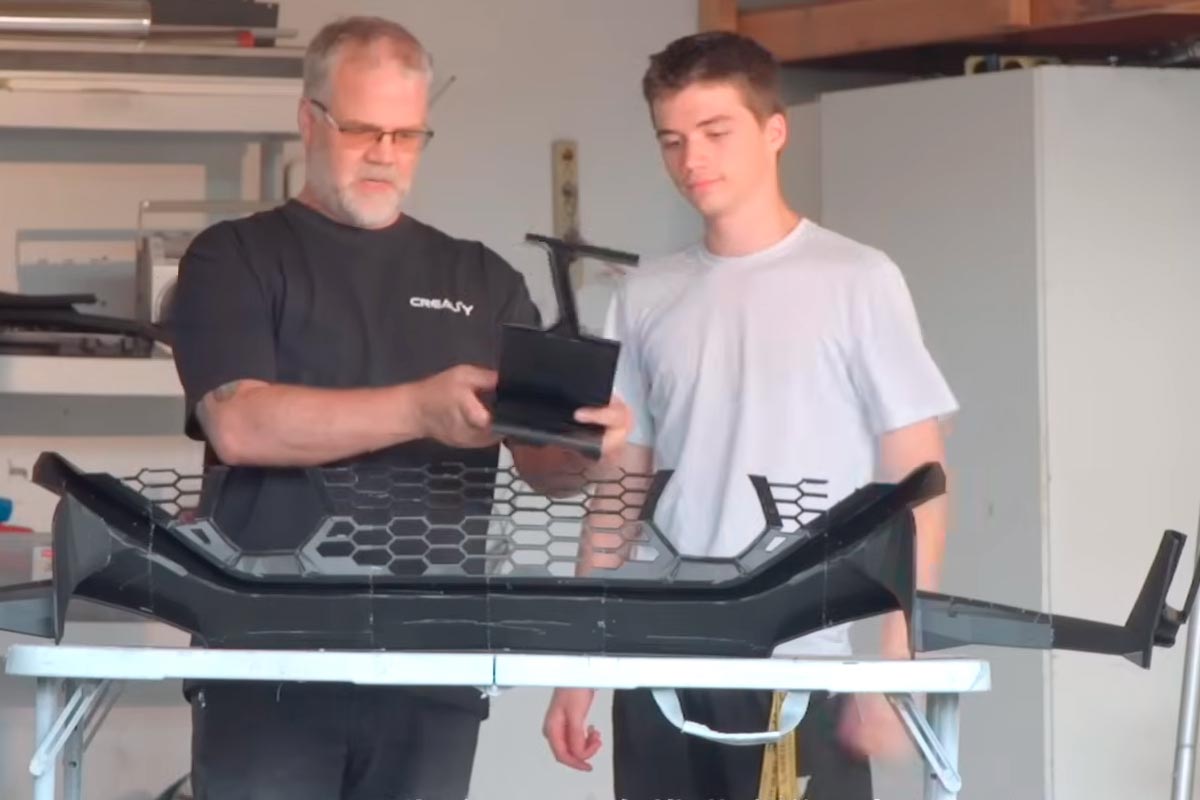
This improved performance enabled him to speed up the development of his McLaren and the new parts for his Lamborghini. Materials have also evolved. Some mechanical parts are now made with carbon-fiber-reinforced filaments or technical nylon, sufficiently resistant for more demanding uses than simple bodywork.

Much more than a supercar
For Sterling Backus, the goal goes far beyond simply building cars. Once the bodies are complete, he plans to cover certain parts with carbon fiber (more on this soon), paint the vehicles and then present them at car and 3D printing shows. But above all, these cars serve as teaching aids. He regularly takes them to schools to show pupils what can be achieved by combining science, engineering, mechanics and 3D printing.
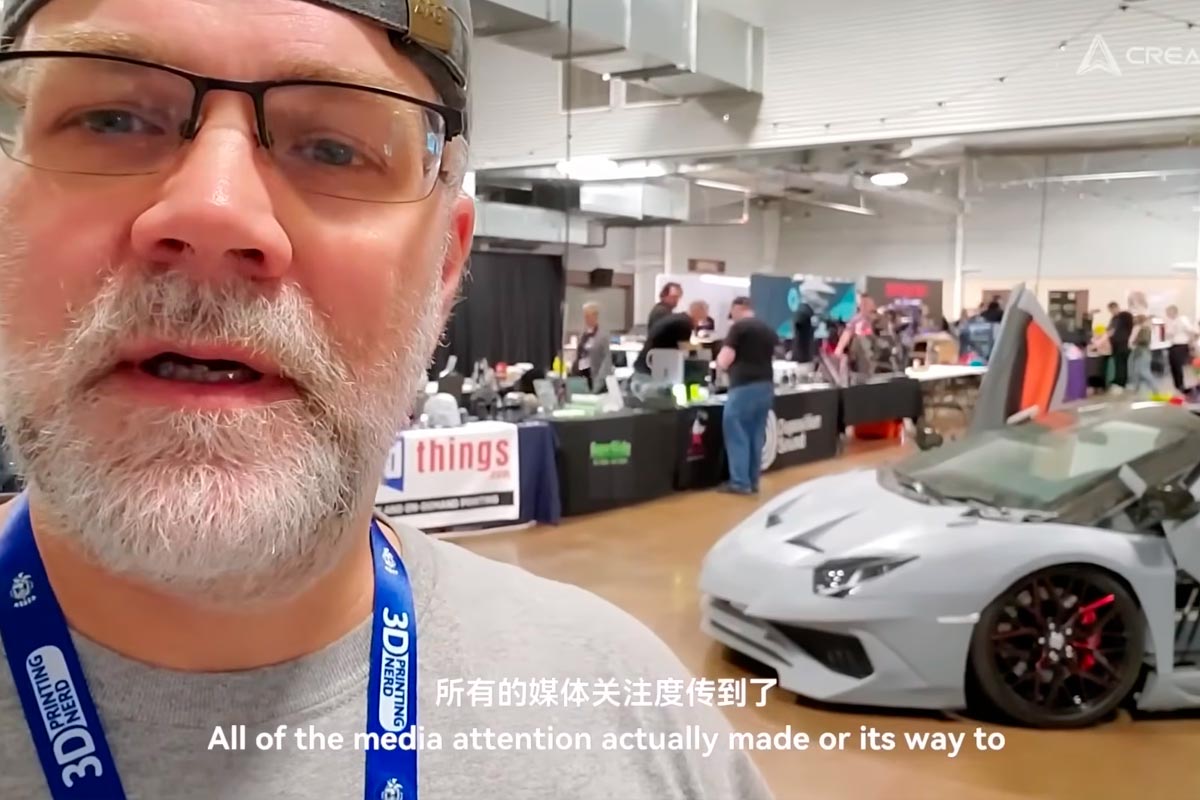
Because behind this €17,000 Lamborghini and this future McLaren lies a message: with passion, patience and new technologies, projects that once seemed reserved for the big manufacturers can now be realized... in a garden.

 English
  French
  Italian
  Spanish
  German
  Japanese
  Dutch
Dutch
A wonderfully written piece by Alexandre Filluzeau he touches on the technical aspects the accommodating Italian manufacturers and their welcoming of this project and the emotion of a father and son building together in a backyard it's an inspiring piece that makes a person want to do their own classic high end projects can't fault this article
Flawless a thank you to Alexandre Filluzeau