

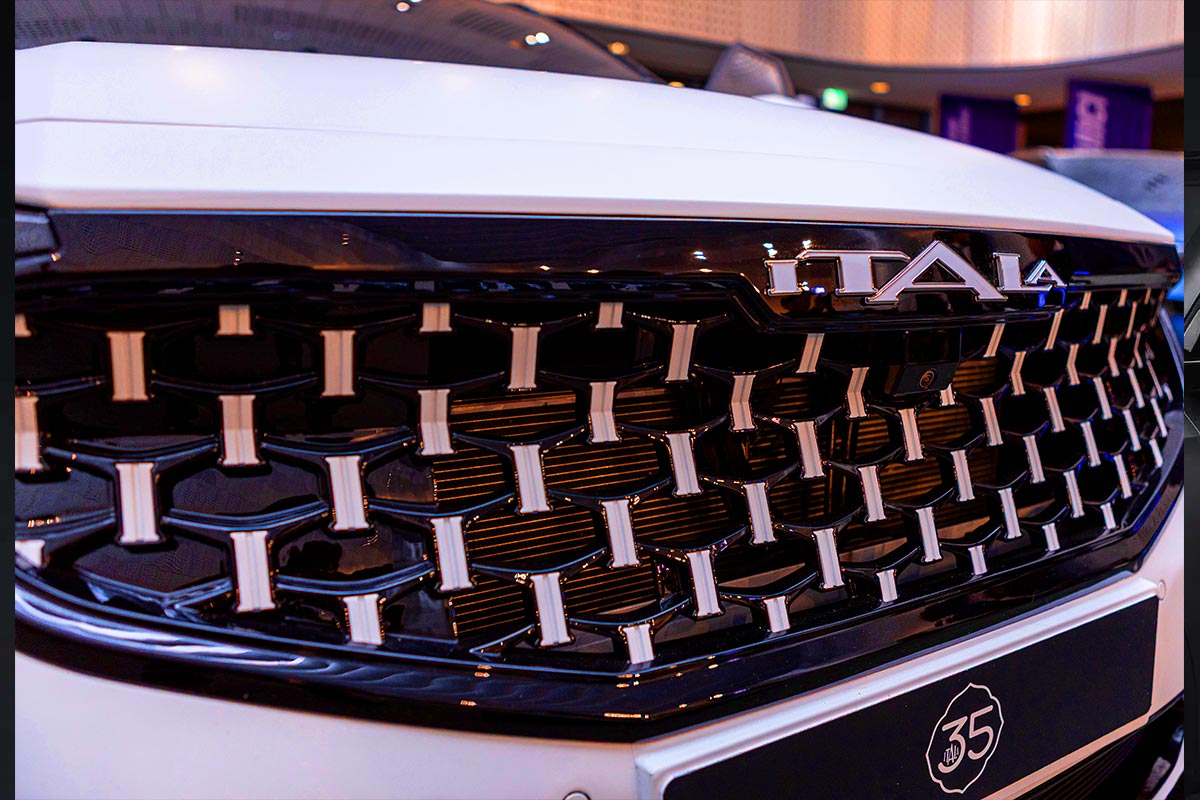
Some press releases are perplexing, like the one recently received from’Italdesign about the revival of the Itala brand. On paper, the story is appealing. A historic Italian brand founded in the early 20th century is being reborn thanks to the DR Automobiles group's «Historic Italian Brands» project. Its first model, the Itala 35, is presented as a compact SUV combining Italian heritage, national know-how and international partners. To reinforce this image, the exterior design was entrusted to Italdesign, one of the most prestigious names in transalpine automotive design.
But when you look at the car, the question immediately arises: where does Italdesign's work really end and that of the Chinese manufacturer GAC Group begin?
A thinly disguised Chinese car
The press release makes no secret of the vehicle's origins. The Itala 35 is based on a platform supplied by the Chinese GAC (Guangzhou Automobile Group) and is not an entirely new development. Italdesign explains that it worked from an already defined technical base, with numerous constraints imposed. In particular, the front and rear headlamps were retained, while the Italian studio intervened mainly on non-structural body elements: bumpers, upper part of the hood, tailgate and spoiler.
In other words, the vehicle's foundations were already there. The problem arises when comparing the Itala 35 with the GAC Emzoom, an SUV already marketed by the Chinese manufacturer. The similarities are obvious. The overall proportions, side glazing, silhouette, body volumes and even many details remain virtually identical. Even Stellantis would have tried harder!
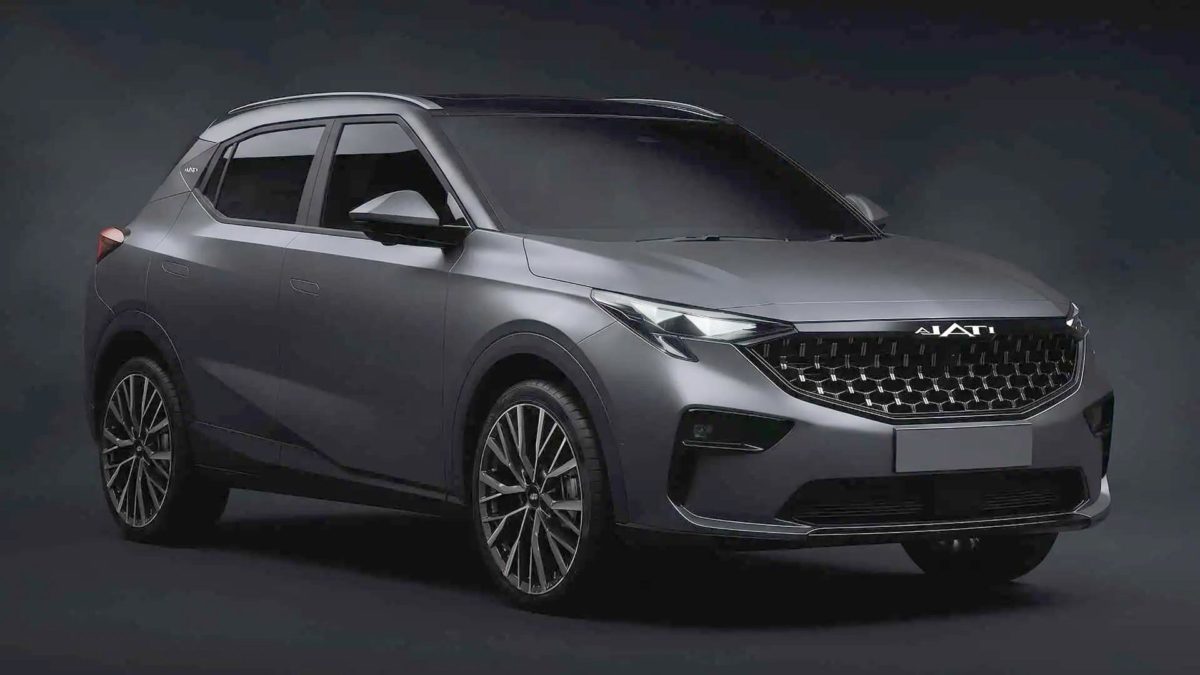
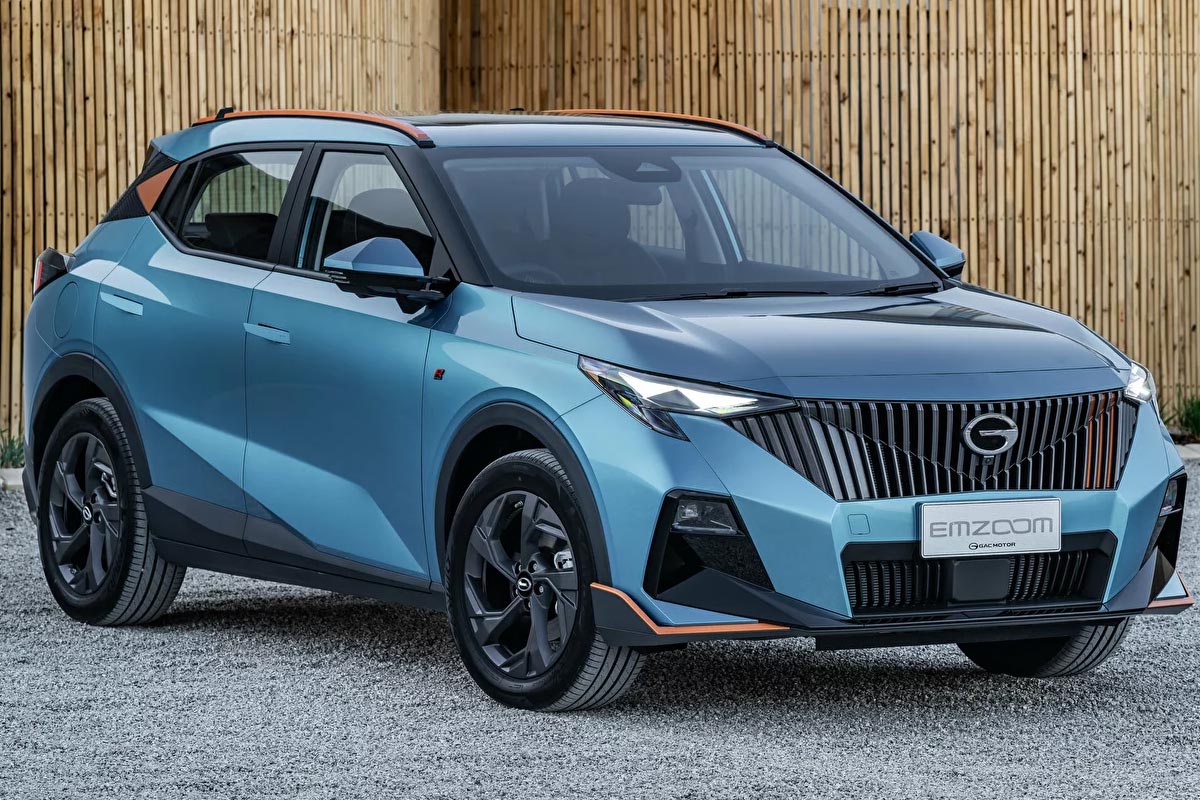
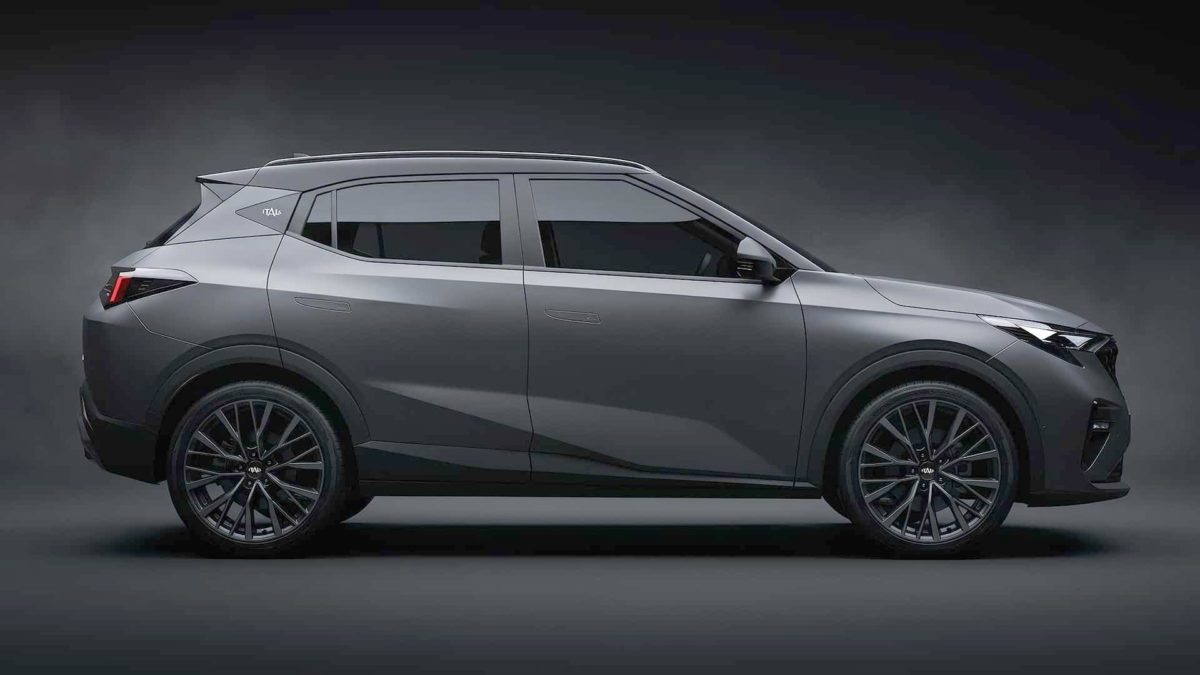
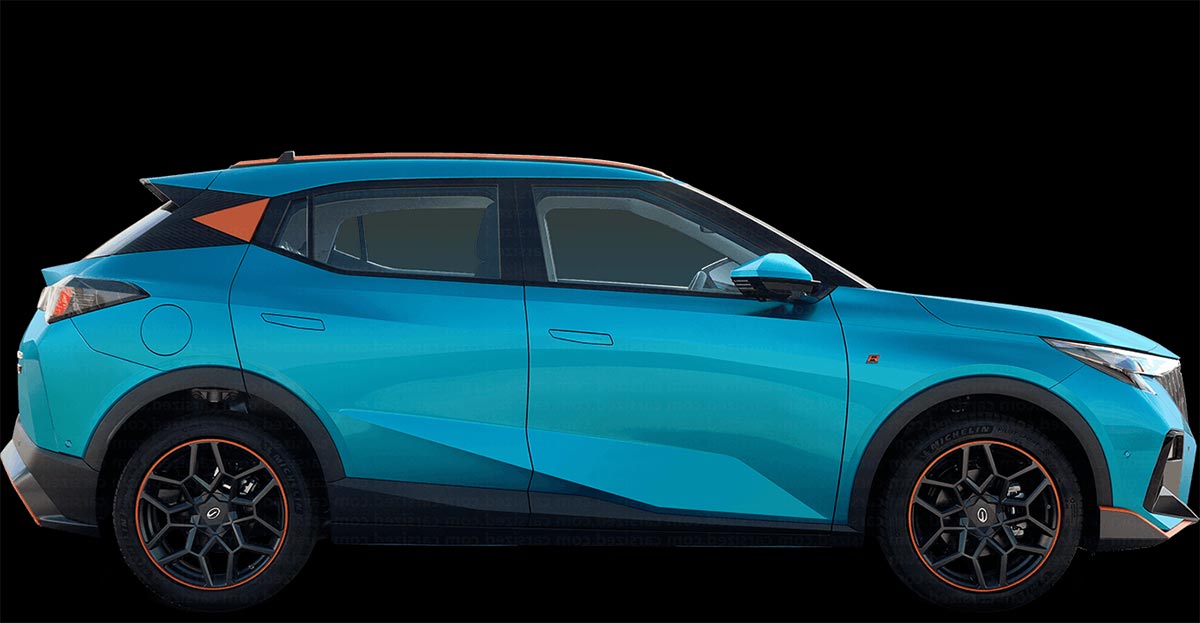
Italdesign's modifications do exist, but they're more of a slight restyling than a genuine creation.
The return of historic brands as a marketing tool
It is precisely the contrast between the reality of the project and the tone of the press release that is surprising. Italdesign refers to the creation of a strong identity, the reinterpretation of a historical heritage and design work to make the vehicle immediately recognizable. The studio insists on the notions of «strength» and «elegance», while explaining that it has developed a new visual signature to be used on future Itala 56 and Itala 61 models (which will probably be restyled GACs).
«The challenge was not to reproduce the past, but to reinterpret it. The brief given to our team revolved around two seemingly contradictory concepts: strength and elegance. On the one hand, the car was to have a bold character, expressed through clean lines, dynamic surfaces and sculpted volumes; on the other, the intention was to preserve formal clarity and coherence. We have translated this into a design that is both assertive and balanced. In particular, we focused on the expressive heart of the project at the front, through the grille, which plays a key role in defining the brand's identity. Particular attention was paid to detail, for example in the design of the grille, conceived to combine singularity and heritage, incorporating symbolic references to the Itala brand and the city of Turin.»
However, on reading the technical details, it quickly becomes clear that the exercise consisted mainly of dressing up an existing vehicle. The press release even acknowledges that the project was based on a predefined structure and a number of fixed elements. An appreciable honesty, but one that makes the highly ambitious presentation of the final result all the more surprising. In the end, it seems that the aim is less to create a new Italian car than to give an Italian look to an existing Chinese product.
This strategy is not totally new to the automotive industry. With Itala, the operation takes on an extra dimension, since this time it involves a truly historic brand. Founded in 1904 in Turin, Itala marked the beginnings of the Italian automobile before long disappearing. Its name naturally evokes a prestigious industrial heritage... for those who know.
Associating this name with a vehicle developed in China therefore builds a much more seductive narrative than simply importing Asian models. The addition of the Italdesign label further reinforces this credibility.
Italdesign's new mission?
This case comes at a particular time for the famous Turin-based studio. Just a few months ago, Volkswagen Group sells majority stake in Italdesign to UST, a multinational technology company of Indian origin. The deal, valued at around 150 million euros, marks an important turning point in the history of the company founded by the legendary Giorgetto Giugiaro.
At the time, management assured us that nothing would change, that the Italian identity would be preserved and that the headquarters would remain in Moncalieri, near Turin. Yet this Itala 35 project may already illustrate the changing role of Italdesign in the modern automotive industry. Where once the studio designed entirely new cars such as the Panda, Golf or Delta, today it sometimes intervenes as a design specialist applied to existing platforms.
This is not necessarily a problem in itself. After all, the global automotive industry increasingly operates on shared platforms. But in the case of the Itala 35, the line between original creation and marketing operation seems particularly fine. More than just the rebirth of Itala, the Itala 35 gives the impression of being a demonstration of what part of the European automotive industry is becoming today: selling an Italian story around a product designed elsewhere.
 English
  French
  Italian
  Spanish
  German
  Japanese
  Dutch
Dutch
Es ist erschreckend was aus Italadesign geworden ist. Mann soll mit Kleingeld unverkäuflichen Chinamist für den Kunden Begehrenswert machen, da wird sich das legendäre Designstudio wohl ordentlich Gesundschrumpfen müssen denn das Ergebniss hätte die Oma vom Hausmeister auch nicht viel schlechter machen können.
China and Asia as a whole hold the future of the industry, and not just the automotive one. And Italdesign has always preferred to work with successful, top-tier, and thriving brands. Regarding the similarities with GAC, I remember the snide articles in old American and British magazines about the first Lexus cars. Toyus, Lexota-journalists made fun of those cars in so many ways. They also sneered at the first MGs-how could these Chinese compare to the great British marque? Time has passed, but the truth (plus success and profits) is on the side of the Japanese and Chinese.