

A
Alex
Published on June 5, 2026
★
★
★
★
★
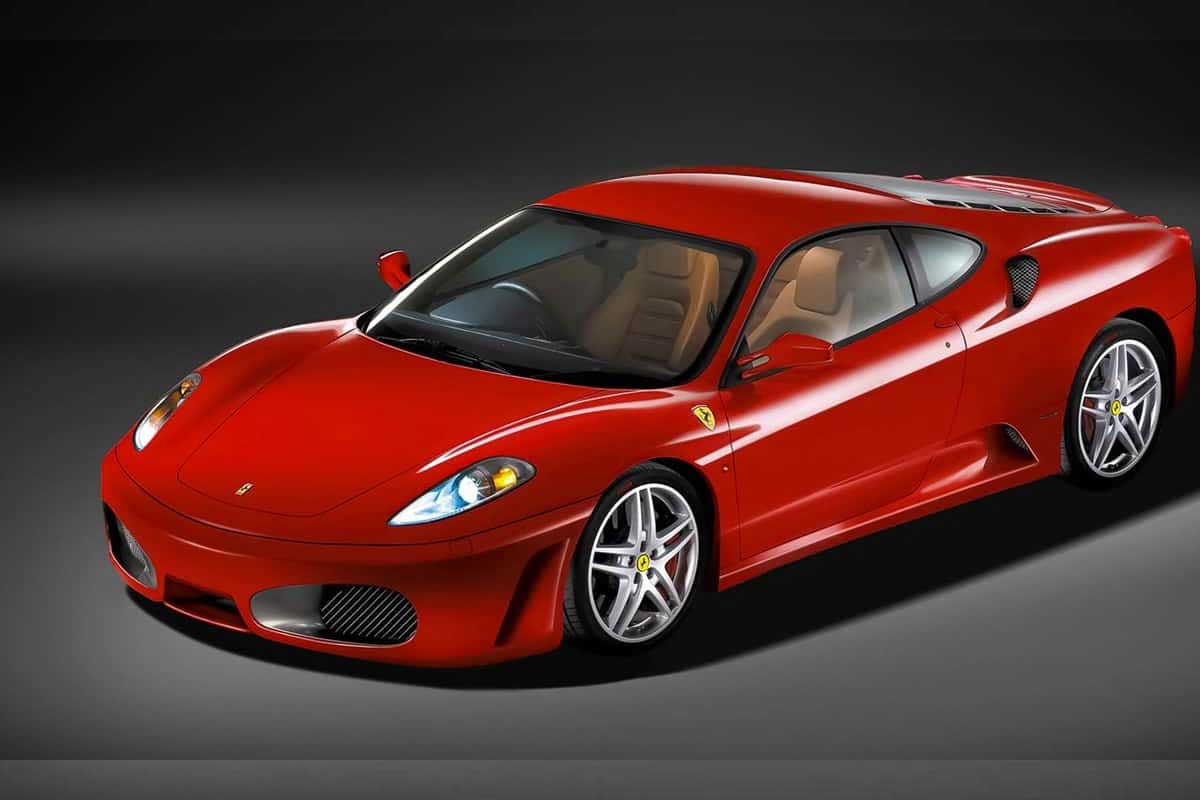
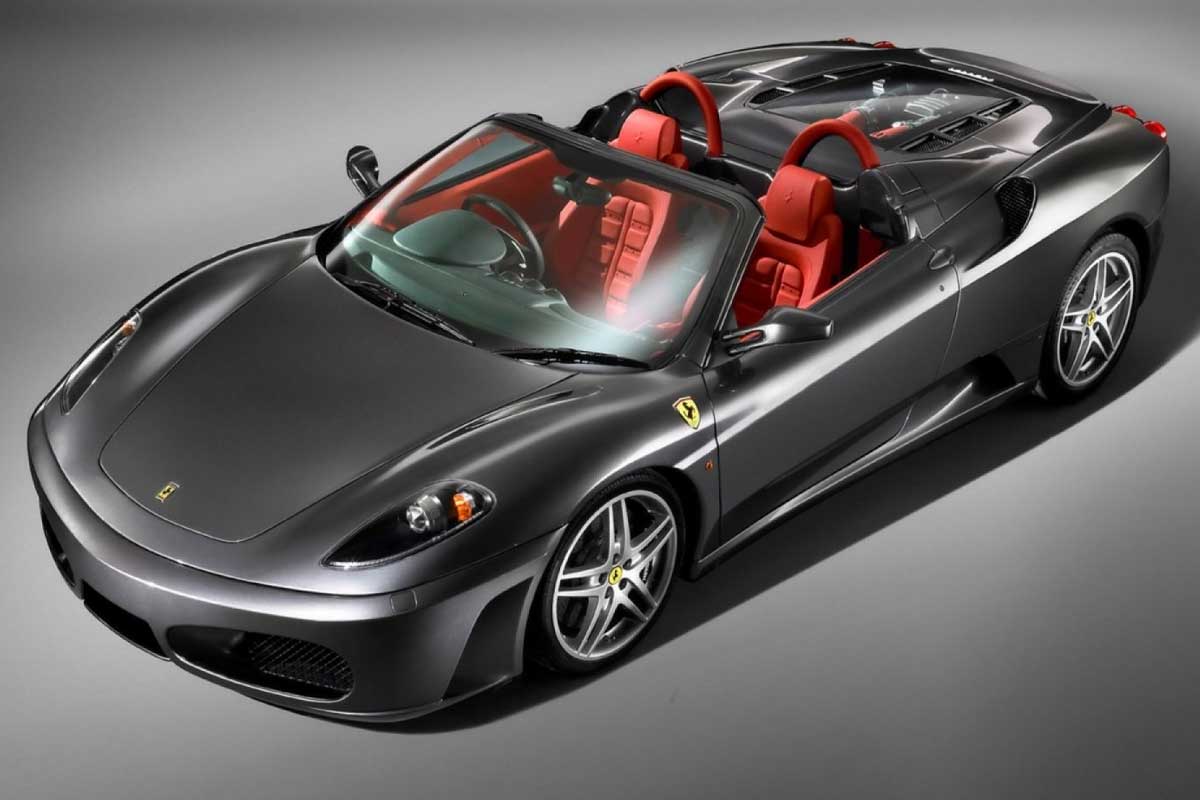
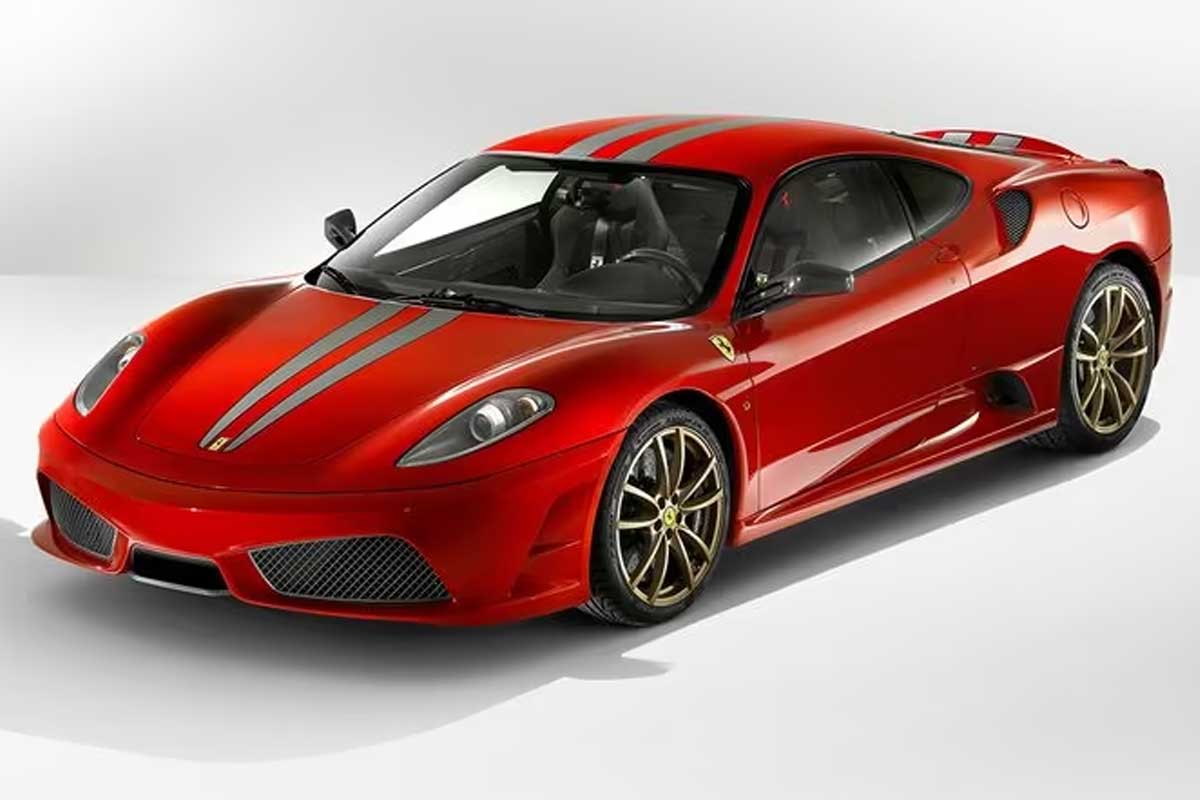
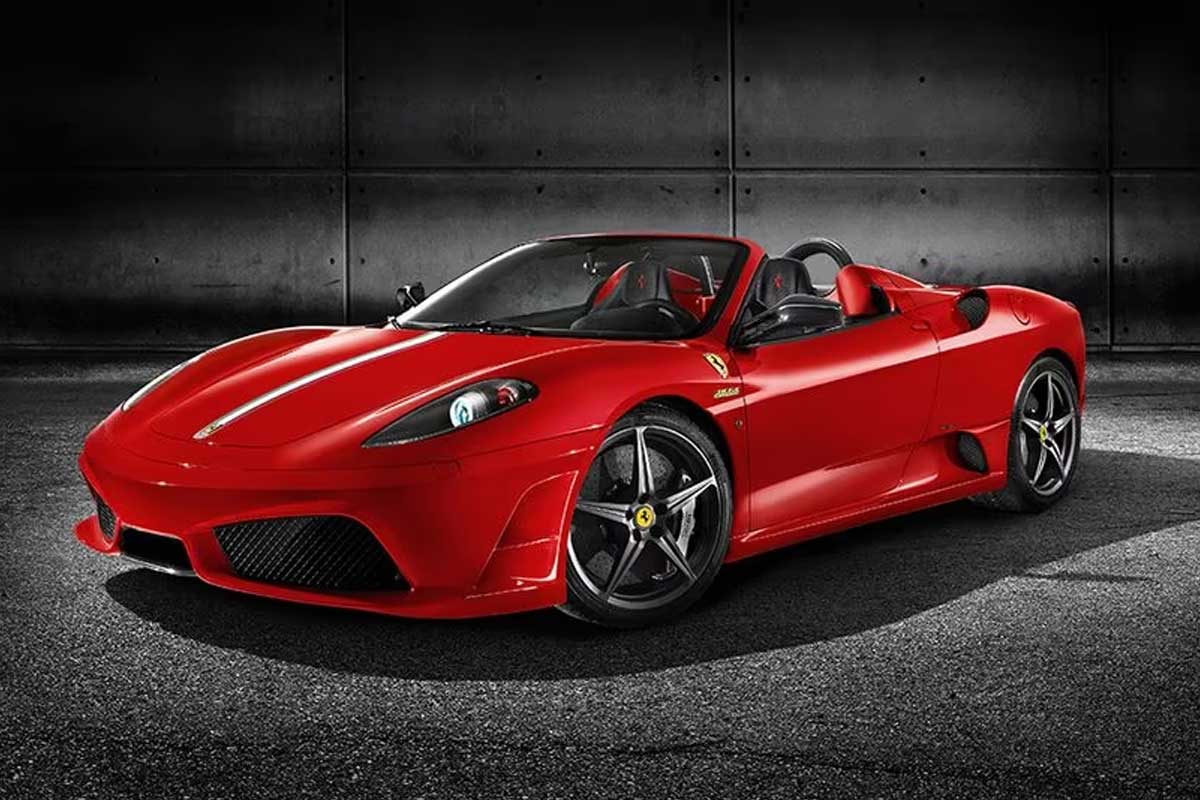
I’ve owned this 2005 Ferrari F430 with a manual transmission for just a short while, but I’d been looking for one for years. Of the approximately 16,000 F430s produced worldwide, only 300 coupes were equipped with the original manual gearbox. When this one came up for sale, I didn’t really have a choice: I had to buy it.
What makes this car special isn't just its rarity. It's above all the driving experience. We're talking about a naturally aspirated V8 capable of revving to over 8,500 rpm, paired with a true manual transmission. The famous "click-clack" of the metal shift gate is just as addictive as the sound of the engine. Every time I drive it, I feel like I’m in a video game from my childhood.
Most enthusiasts know the story: when it was first released, the manual transmission cost about $12,000 less than the F1 transmission. Back then, everyone wanted the steering wheel paddles because that was the technology Michael Schumacher used in Formula 1. Today, the situation is completely reversed. A manual F430 is worth about twice as much as an equivalent F1 version.
My car already has about 67,000 km on it, which is a lot for this type of car. The two previous owners drove it regularly, and I plan to do exactly the same. I drive it whenever I can, and it certainly won't be left sitting in a garage. My dog even loves riding in the passenger seat.
I’ve owned many air-cooled Porsches before this Ferrari: 964, 930, 993… They’re fantastic cars, but the F430 is in a league of its own. It’s stiffer, more radical, and much more spectacular. You can tell it was designed at a time when Ferrari was still striving to offer a very mechanical, very analog driving experience.
I also appreciate the fact that it remains relatively simple compared to modern Ferraris. No hybrid system, no complicated technology—just a big naturally aspirated V8 mounted behind the seats and a manual transmission. For me, it’s probably one of the last Ferraris to offer this combination.
If I had to find a flaw in it, it might be the attention it draws. Unlike my old classic Porsches, which mostly drew smiles and thumbs-up, the Ferrari sometimes elicits more mixed reactions. Red, loud, and sporting Ferrari badges on the fenders, it never goes unnoticed.
But honestly, as soon as the engine revs up and the metal grille resonates with every gear shift, everything else fades away. That’s exactly the kind of feeling I bought this car for.
What makes this car special isn't just its rarity. It's above all the driving experience. We're talking about a naturally aspirated V8 capable of revving to over 8,500 rpm, paired with a true manual transmission. The famous "click-clack" of the metal shift gate is just as addictive as the sound of the engine. Every time I drive it, I feel like I’m in a video game from my childhood.
Most enthusiasts know the story: when it was first released, the manual transmission cost about $12,000 less than the F1 transmission. Back then, everyone wanted the steering wheel paddles because that was the technology Michael Schumacher used in Formula 1. Today, the situation is completely reversed. A manual F430 is worth about twice as much as an equivalent F1 version.
My car already has about 67,000 km on it, which is a lot for this type of car. The two previous owners drove it regularly, and I plan to do exactly the same. I drive it whenever I can, and it certainly won't be left sitting in a garage. My dog even loves riding in the passenger seat.
I’ve owned many air-cooled Porsches before this Ferrari: 964, 930, 993… They’re fantastic cars, but the F430 is in a league of its own. It’s stiffer, more radical, and much more spectacular. You can tell it was designed at a time when Ferrari was still striving to offer a very mechanical, very analog driving experience.
I also appreciate the fact that it remains relatively simple compared to modern Ferraris. No hybrid system, no complicated technology—just a big naturally aspirated V8 mounted behind the seats and a manual transmission. For me, it’s probably one of the last Ferraris to offer this combination.
If I had to find a flaw in it, it might be the attention it draws. Unlike my old classic Porsches, which mostly drew smiles and thumbs-up, the Ferrari sometimes elicits more mixed reactions. Red, loud, and sporting Ferrari badges on the fenders, it never goes unnoticed.
But honestly, as soon as the engine revs up and the metal grille resonates with every gear shift, everything else fades away. That’s exactly the kind of feeling I bought this car for.
 English
  French
  Italian
  Spanish
  German
  Japanese
  Dutch
Dutch