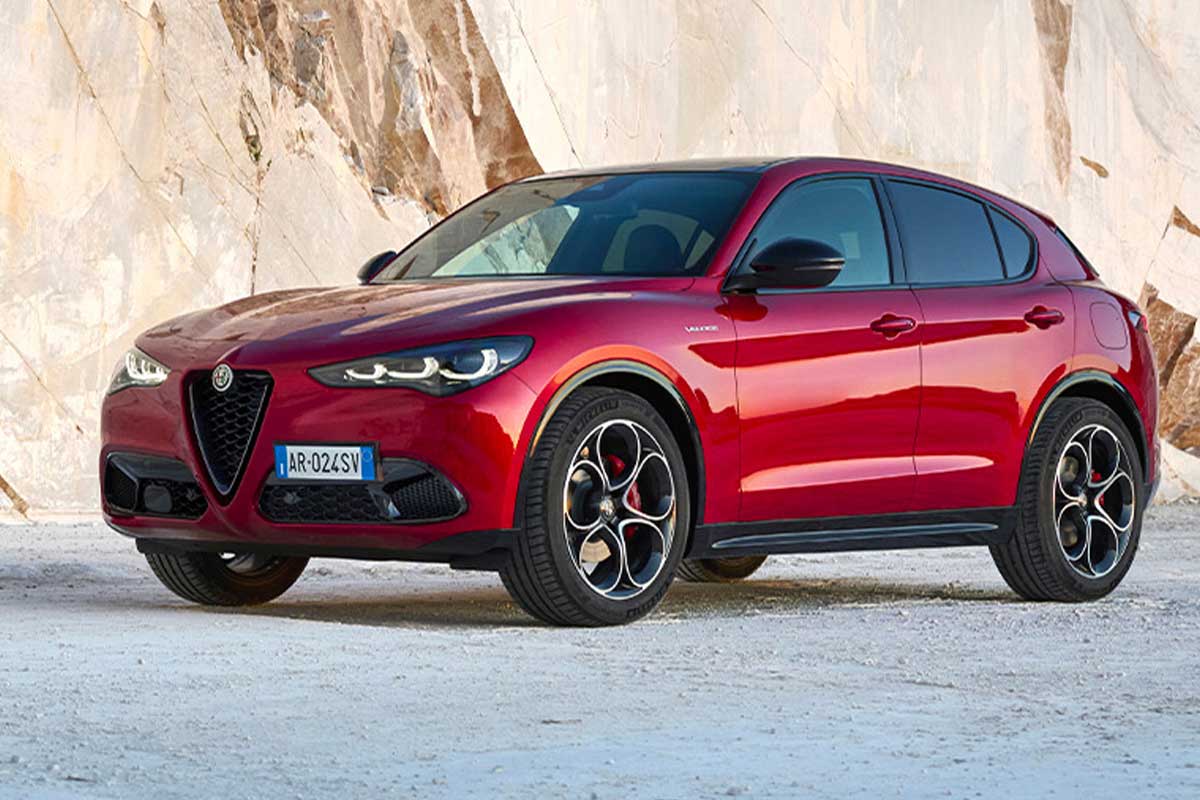
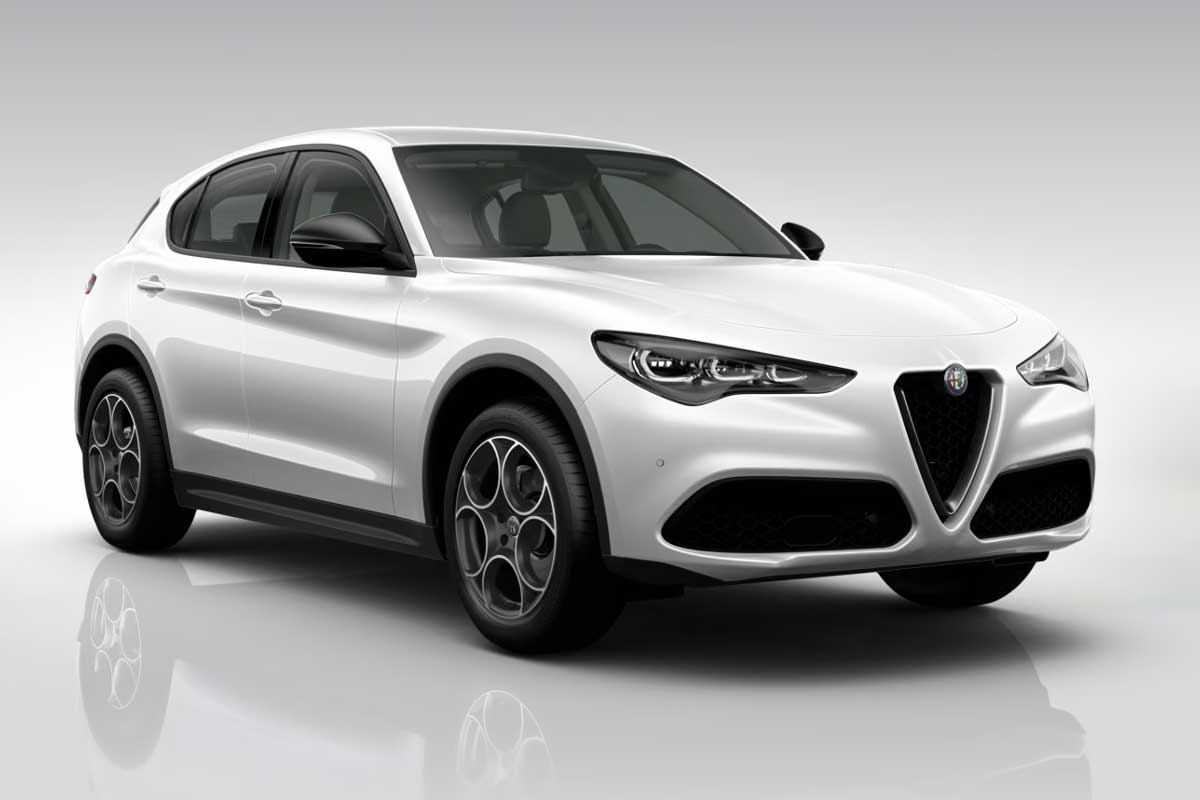
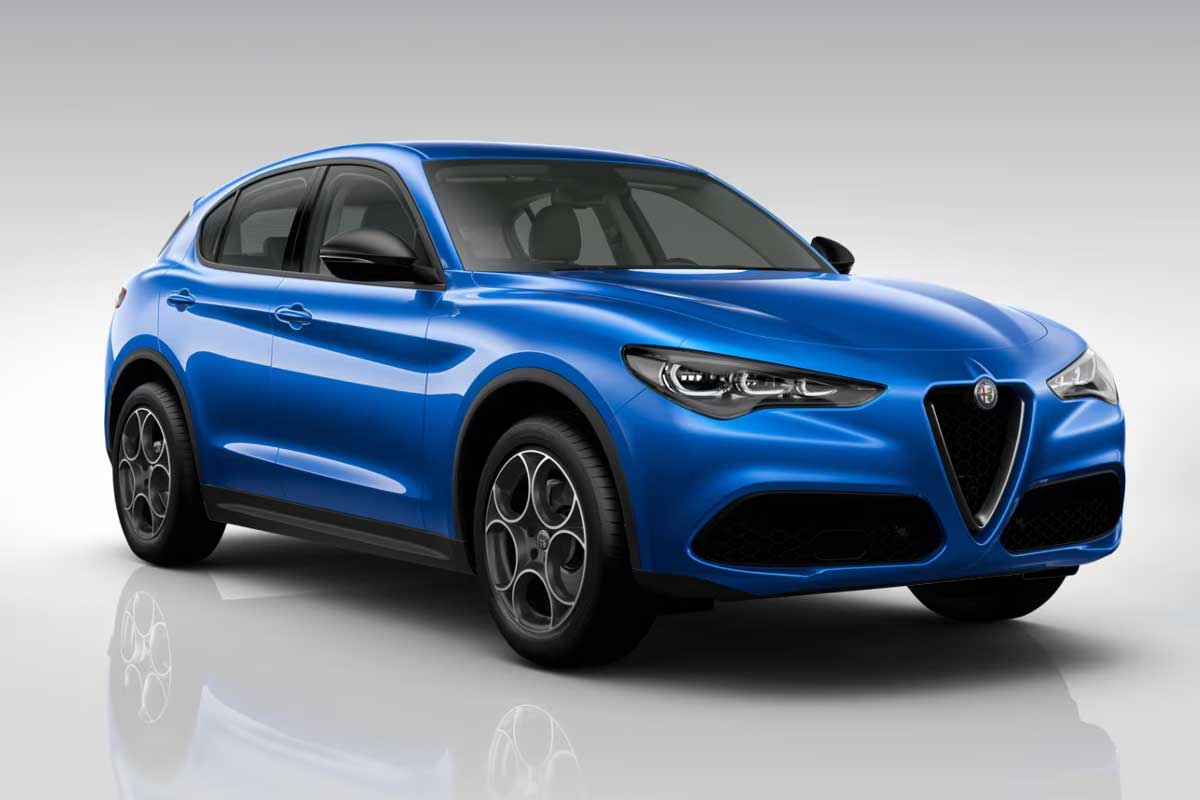
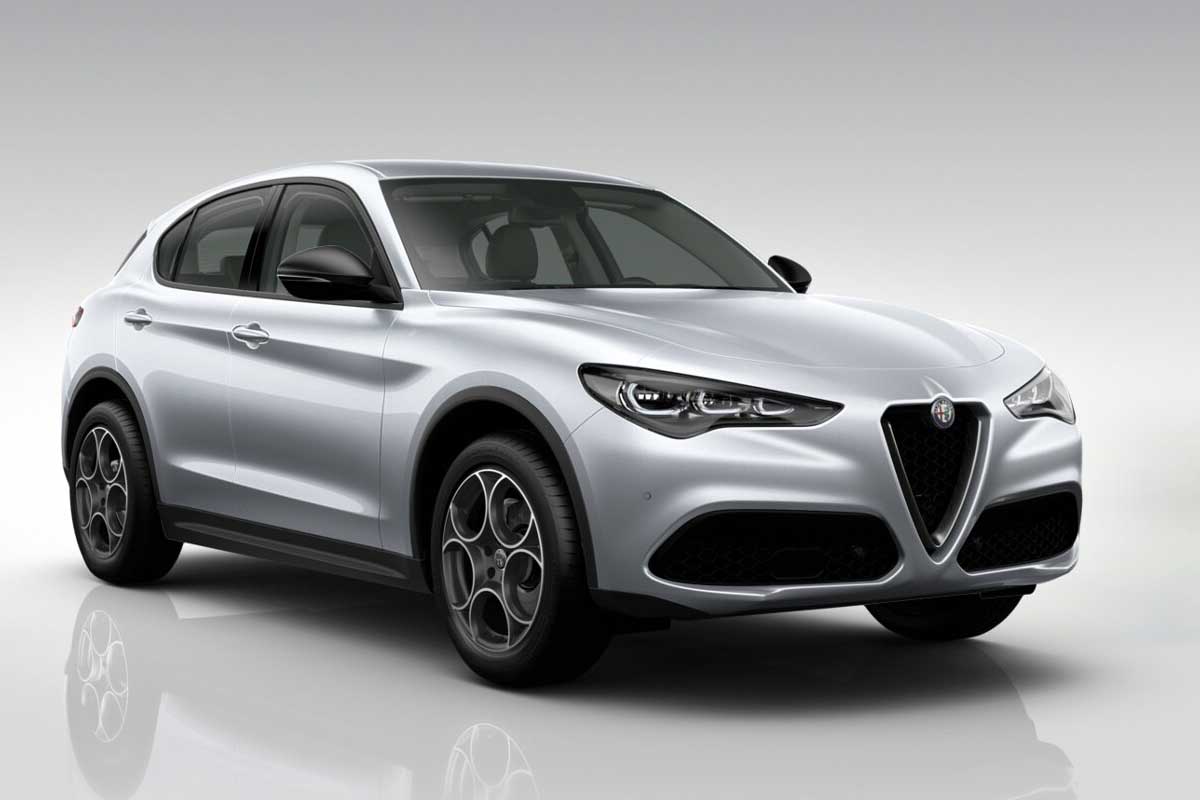
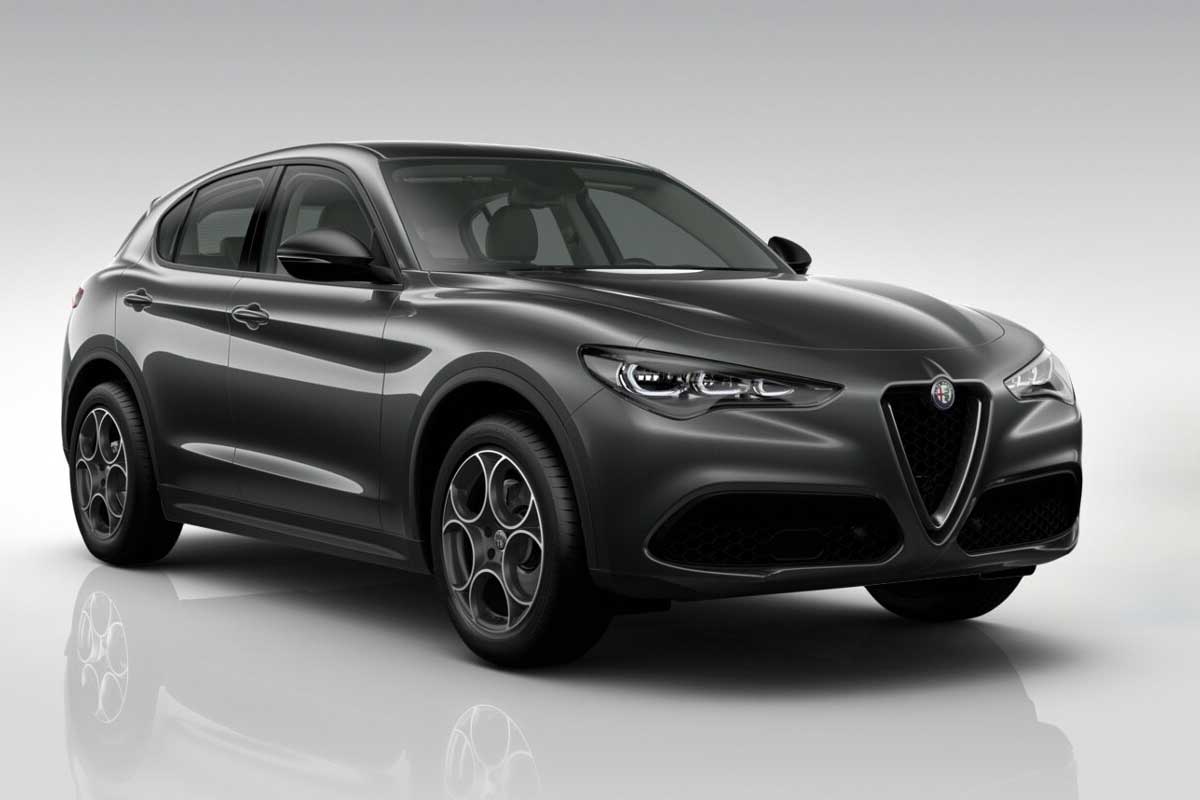
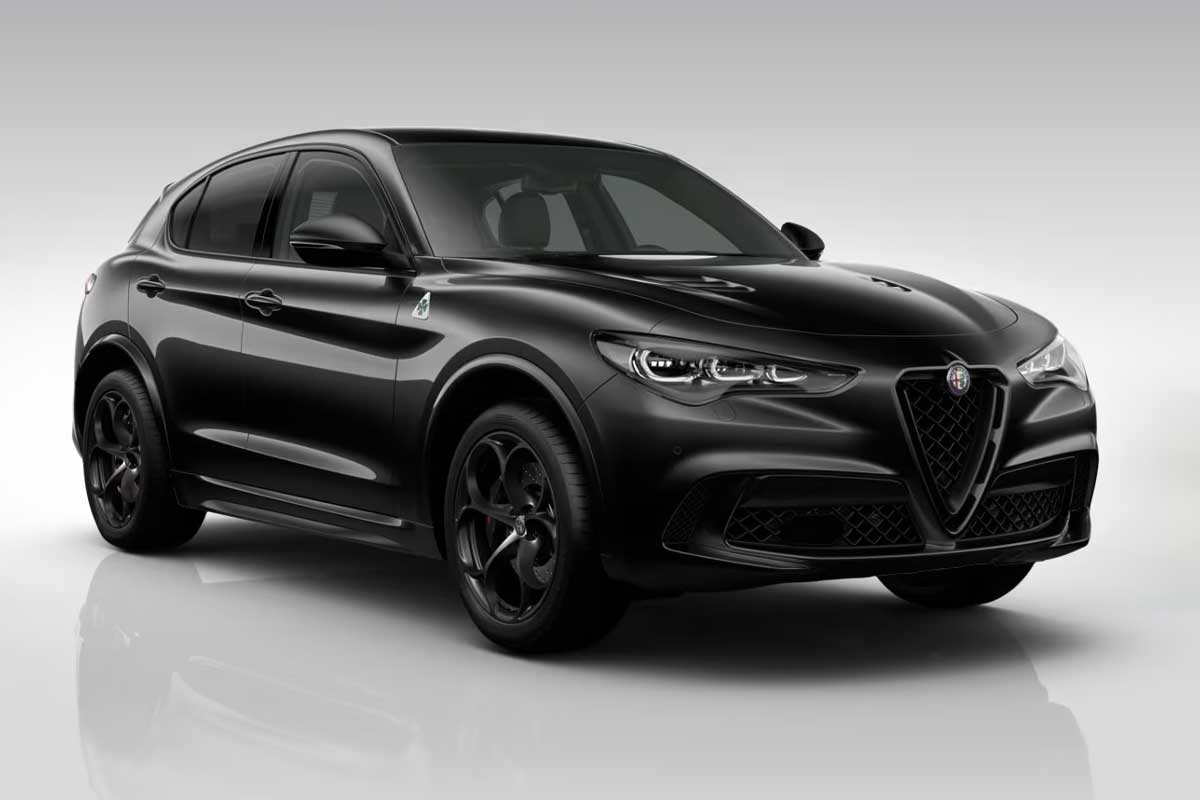
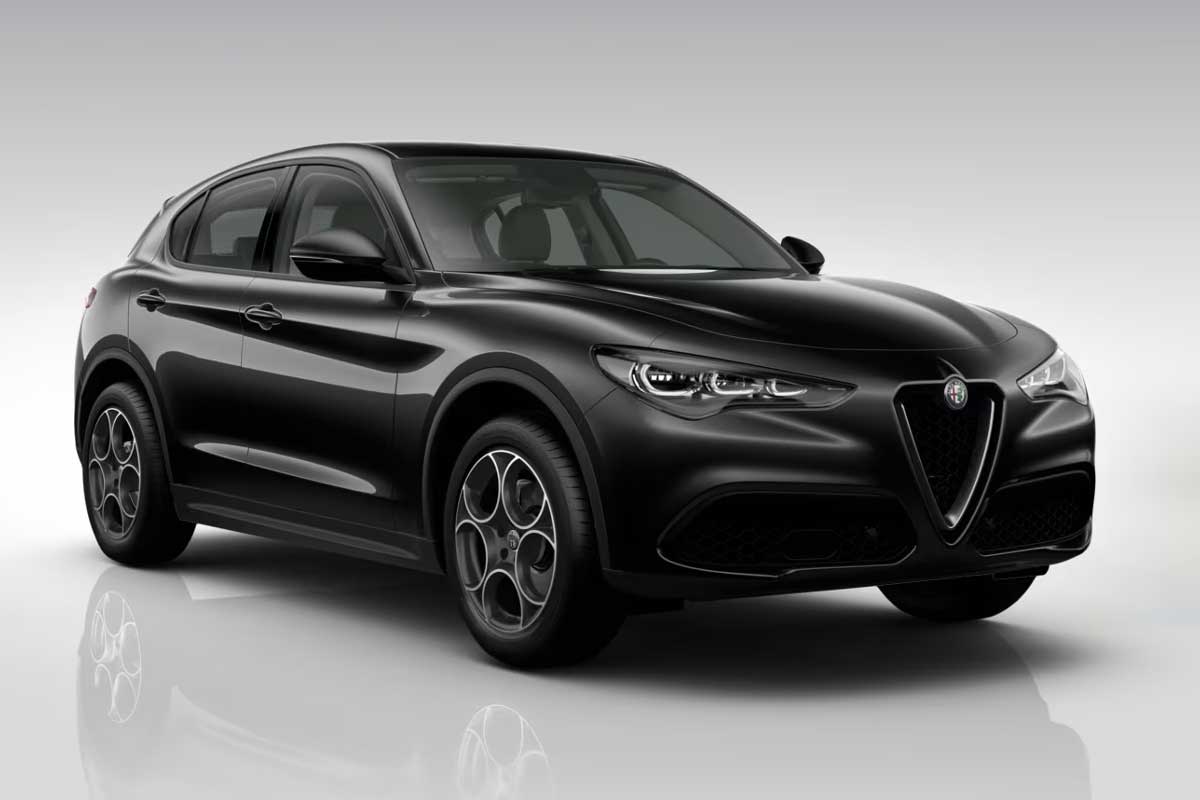
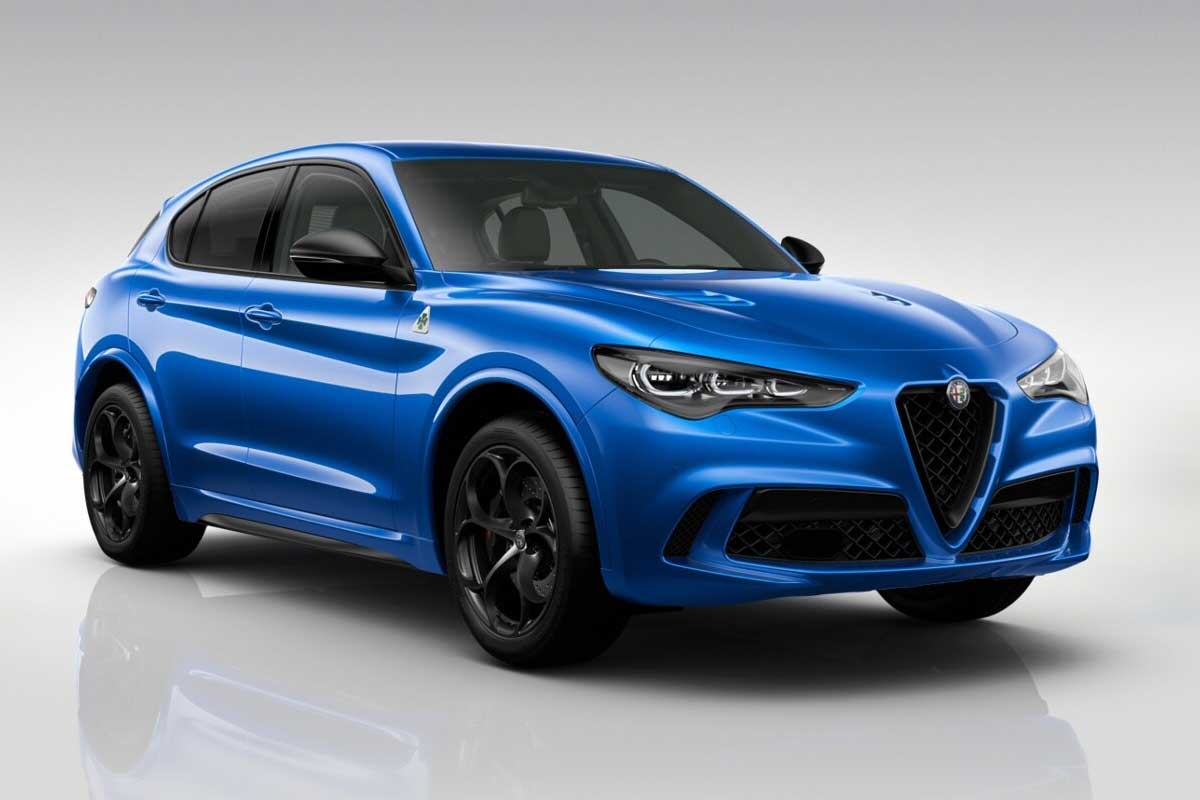
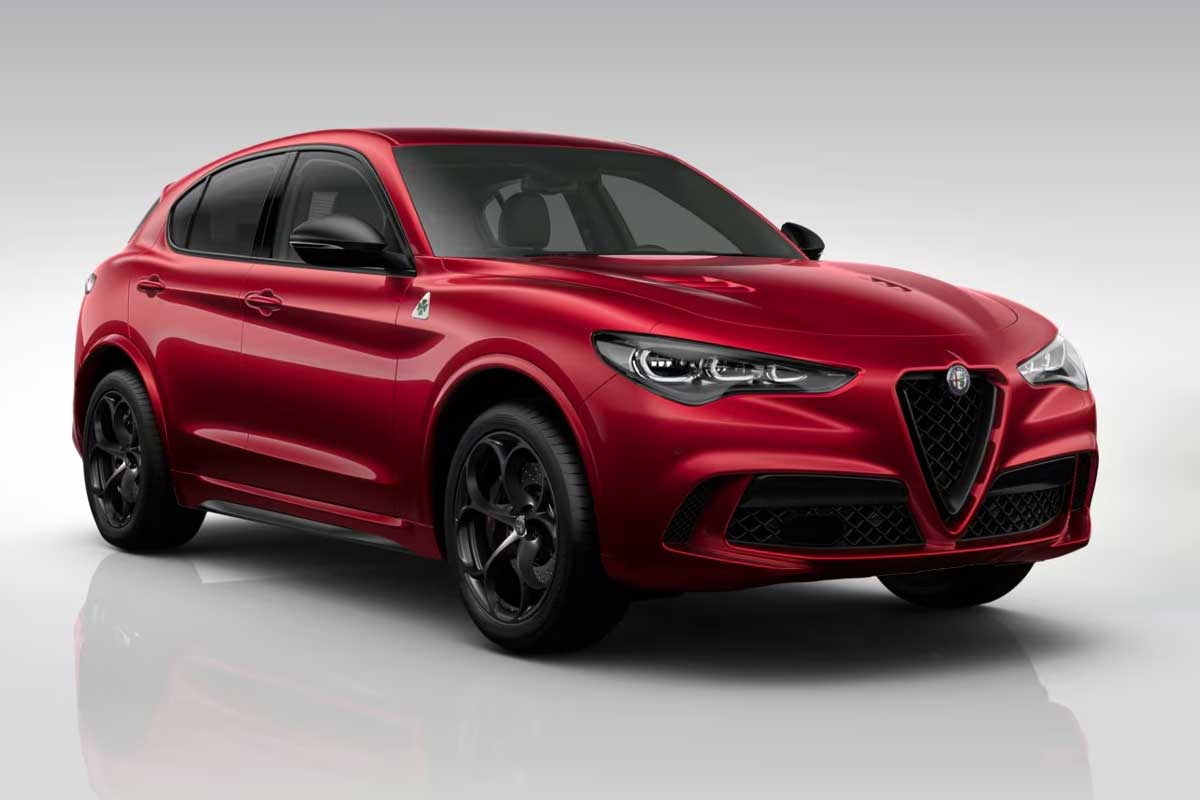
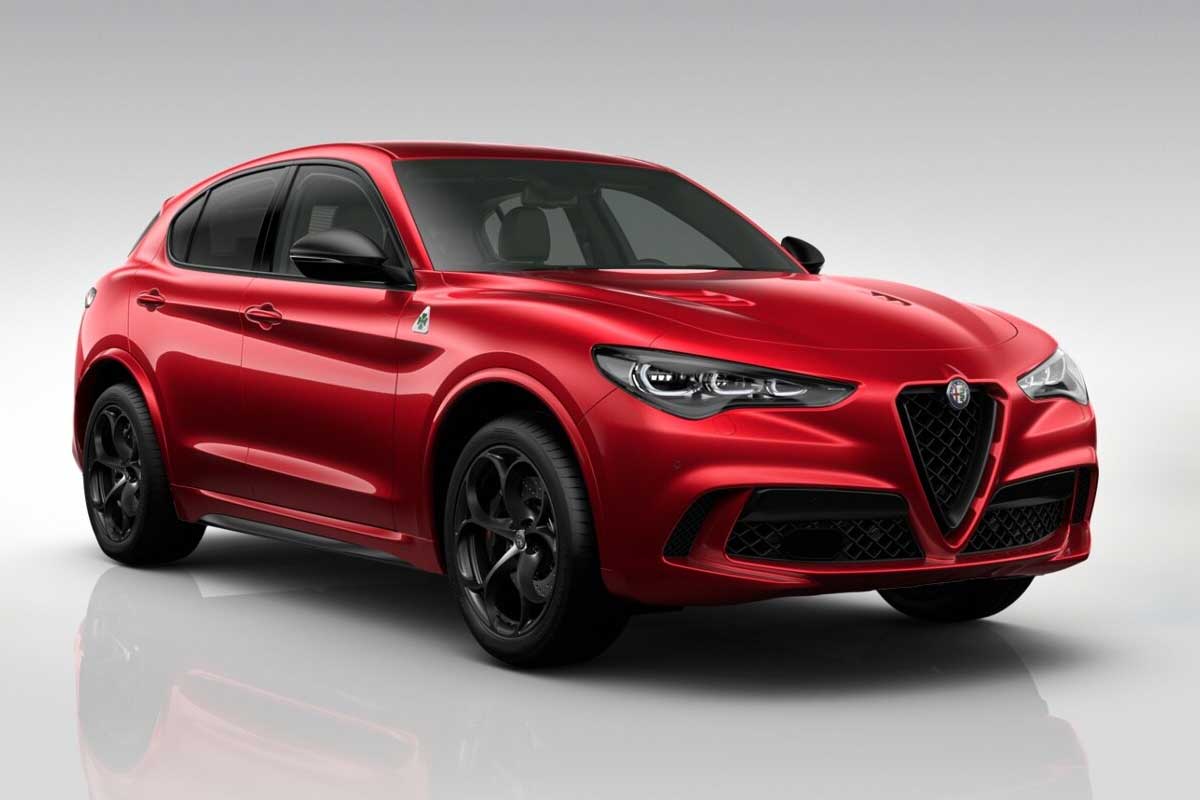
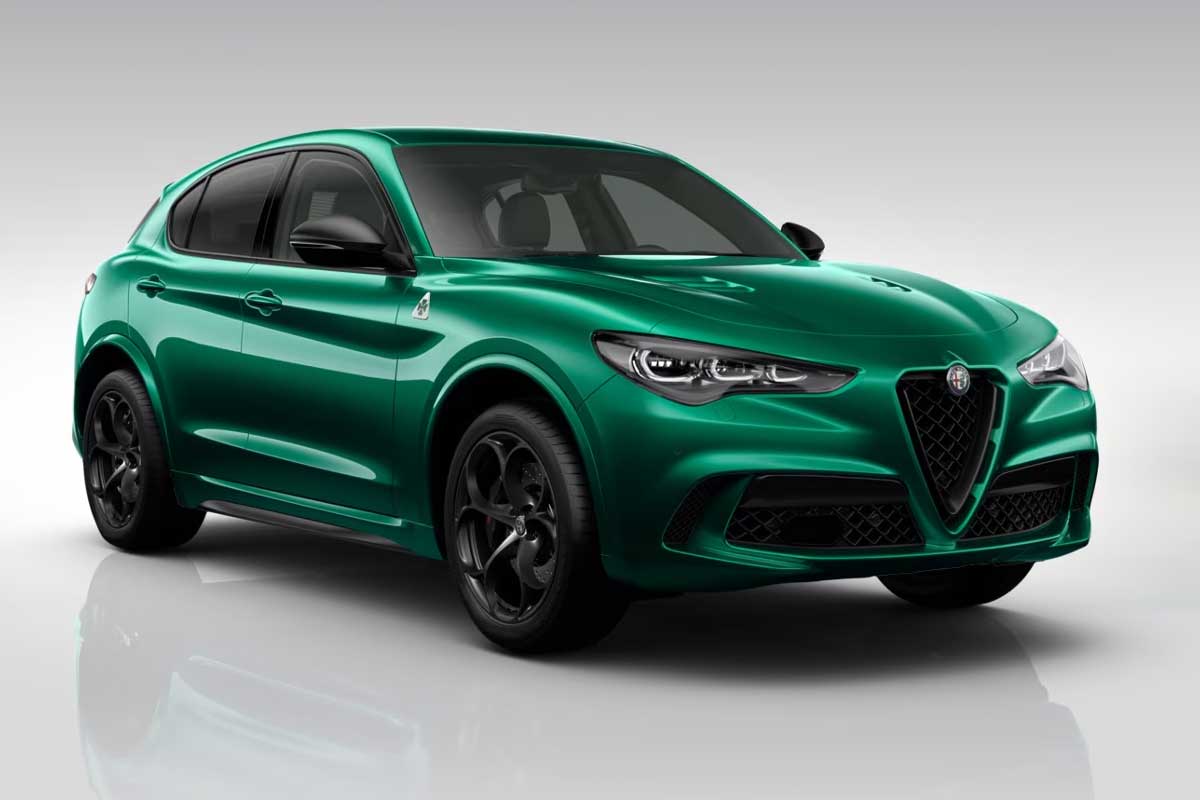
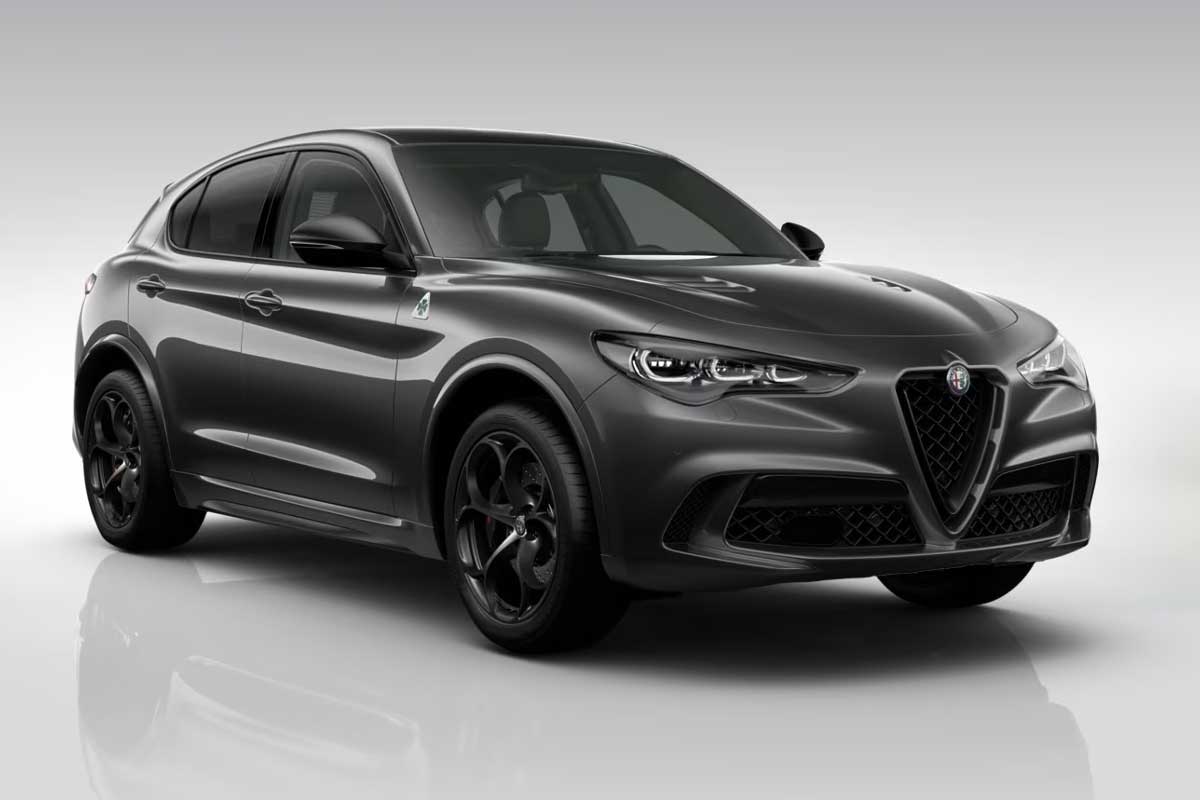
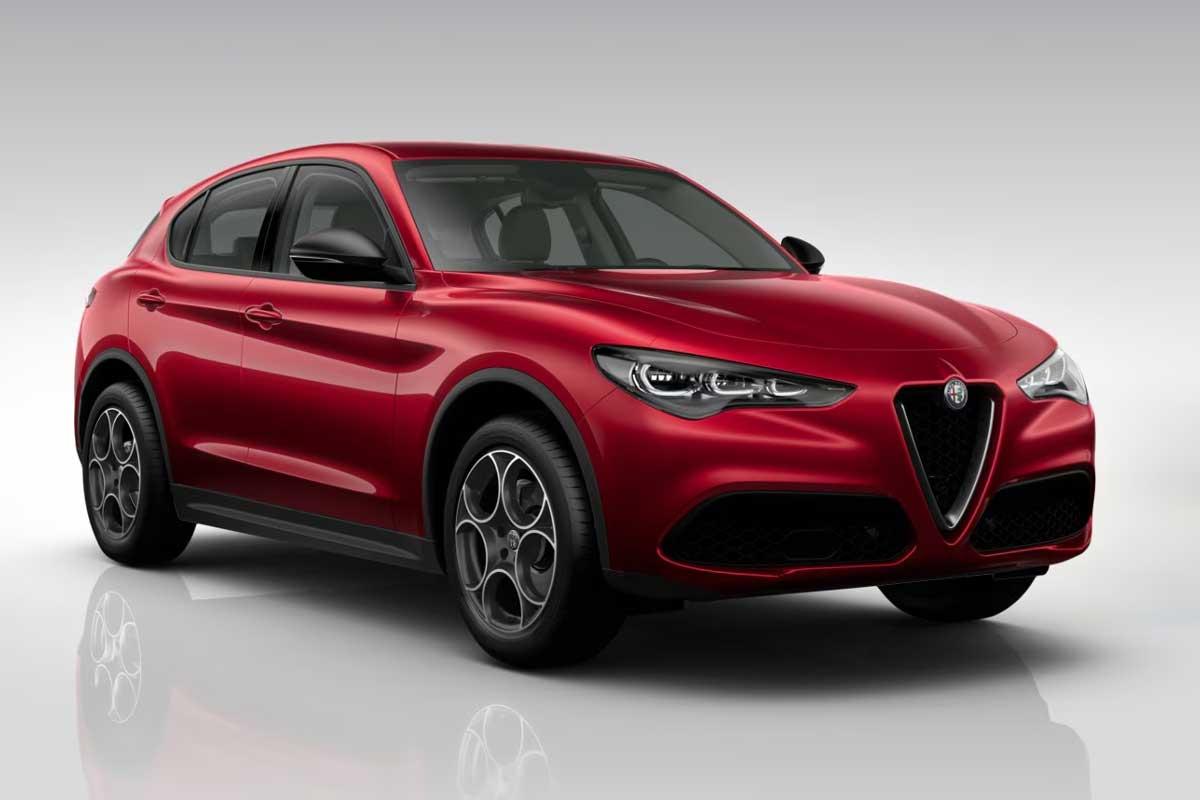
The Alfa Romeo Stelvio is the first SUV in the Italian brand's history. Introduced in 2016, it is based on the Giorgio platform, shared with the Alfa Romeo Giulia, and focuses on driving pleasure. Positioned in the premium SUV segment, the Stelvio stands out for its sport sedan-like dynamic behavior, precise steering and remarkable balance. The Quadrifoglio version embodies the pinnacle of the range, with a Ferrari-derived twin-turbo V6 engine, making the Stelvio one of the most powerful SUVs on the market.
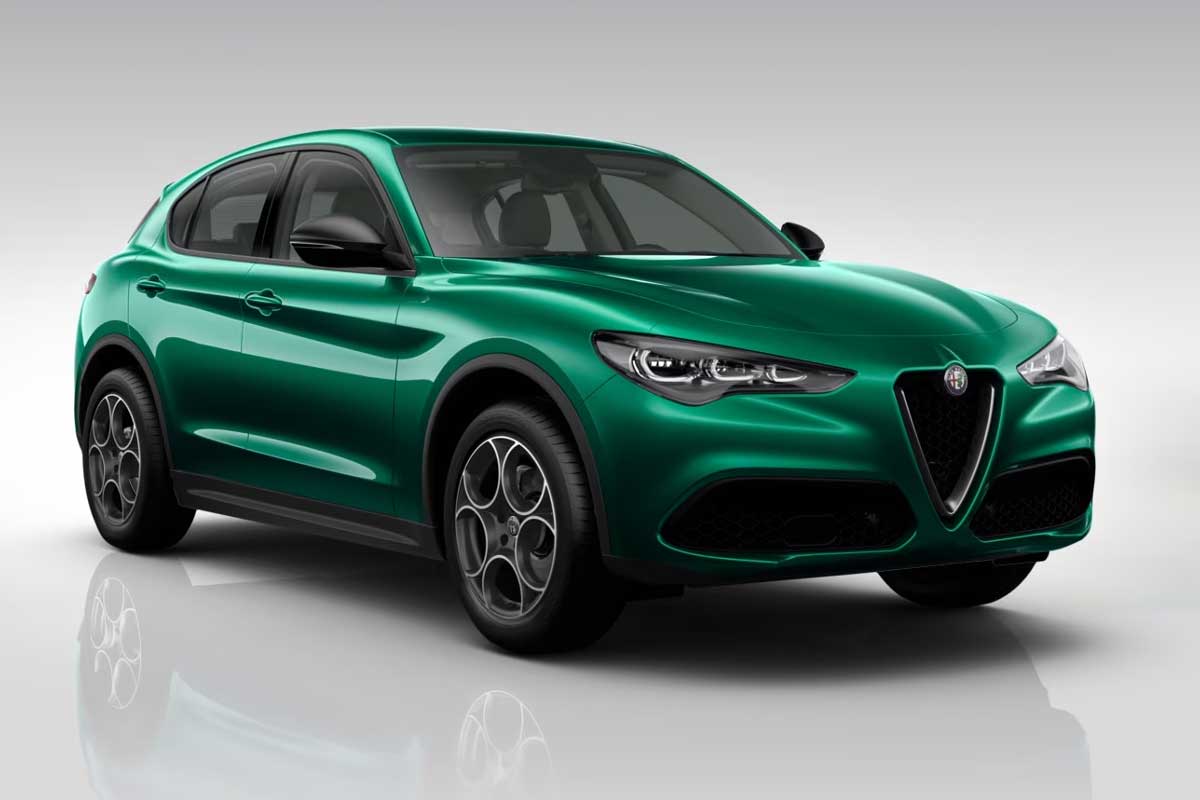
In 2023, the Alfa Romeo is slightly updated both inside and out (front lights).
Advertising
Price
The price of Alfa Romeo Stelvio starts from
55,000 €, 60,000 $, 50,000 £.
All prices in the table below are shown "from" without options.
After 4 years and 110,000 km, my Alfa Romeo Stelvio Ti 2.0 Turbo Q4 still puts a smile on my face every time I drive it. It isn't the most practical car in its class, but it's probably one of the most enjoyable to drive.
In terms of reliability, the track record is pretty good. Maintenance has been limited to regular service visits, replacing the spark plugs at around 104,000 km, and replacing the battery in late 2024 after some difficulty starting the car in cold weather. I haven't experienced any major breakdowns.
Of course, not everything is perfect. I recently noticed a slight vibration when braking, probably due to the front brake rotors starting to warp. I also hear a few minor rattles inside the cabin, and the collision warning system is sometimes a little too sensitive, detecting vehicles that aren’t even in my path.
What impresses me most is how well the car has aged. Despite the mileage, the interior is remarkably well-preserved. The brown leather seats show very little wear, and the whole car still exudes quality.
Above all, the Stelvio is a unique SUV. The steering is precise, the handling is dynamic, and the 2.0-liter turbo engine delivers enough power to make every drive enjoyable. However, if you’re looking for the most rear-seat space, the lowest fuel consumption, or the best resale value, there are better options available.
But if you're looking for a family SUV with character—one that stands out from the crowd and is still a joy to drive even after 110,000 km—then the Stelvio is definitely worth considering.
L
LGPublished on June 14, 2026
★★★★★
📅 2019🛣️ 100,000 km⚙️ 2.2 Turbo Diesel 210 ch Q4
After 5 years and 100,000 km, this Alfa Romeo Stelvio 2.2 Diesel Q4 continues to remind us why it’s often considered one of the most enjoyable SUVs to drive in its class. Still, not everything has been perfect.
The main problem we encountered occurred right around the 100,000 km mark: an oil pressure warning related to the oil pump. Fortunately, the engine sustained no damage, but the repair was extensive, as a large portion of the vehicle’s front end had to be disassembled to replace the affected part. According to the mechanic, this defect affects certain early production models and stems more from an assembly issue than from a design flaw.
Once that issue is resolved, it’s hard not to appreciate this car’s qualities. What immediately stands out is the technical excellence of its design. The Giorgio platform, the longitudinally mounted engine, the near-50/50 weight distribution, the numerous aluminum components, and the Q4 all-wheel-drive system give it a character that’s very different from most competing SUVs.
Behind the wheel, the Stelvio continues to impress. The 210 ch diesel engine is responsive, with plenty of torque available even at low RPMs, and the 8-speed ZF automatic transmission remains a benchmark. In Dynamic mode, the car’s responses become noticeably sharper, and you quickly forget you’re driving a 4.70 m-long SUV.
What’s most impressive is the chassis. The steering is extremely direct, almost sporty. In corners, body roll is very well controlled, and the car feels unusually light for an SUV. It’s easy to see why so many owners refer to the Stelvio as a "raised Giulia.".
The interior has also held up very well over time. Despite 100,000 km, the seats show little wear, the steering wheel is still in excellent condition, and the materials remain pleasing to both the eye and the touch. I particularly appreciate the instrument cluster, which combines analog gauges with a central display—a design that today seems almost more elegant than fully digital dashboards.
Of course, a few details give away the model's age. The infotainment system isn't quite as fast as today's standards, and the rearview camera could have used a larger display. But these are ultimately minor criticisms given the overall driving experience.
Looking back, this Stelvio gives me the impression that it was designed first and foremost by enthusiasts. It may not be the most technologically advanced in its class today, but it still has that extra bit of soul that many modern SUVs have lost.
A
AlfaQVPublished on March 3, 2026
★★★★★
📅 2018🛣️ 50,000 km⚙️ V6 510 ch
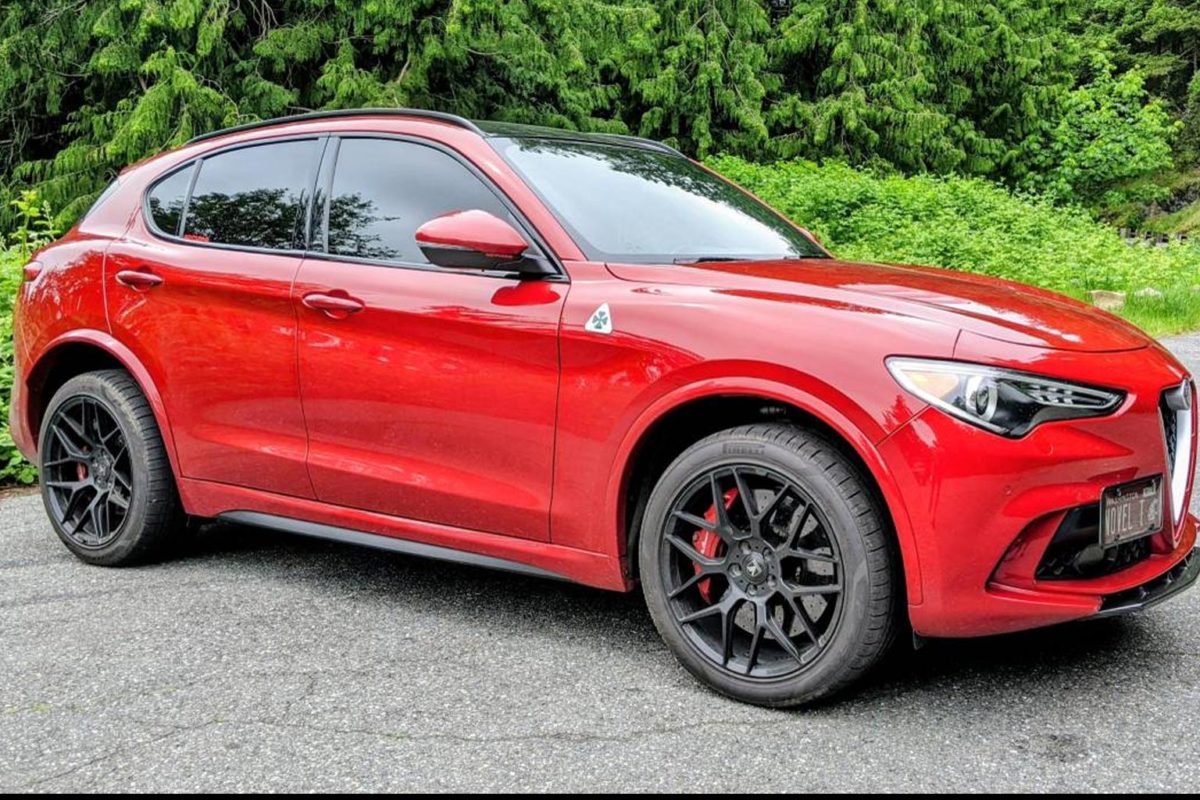
After several weeks behind the wheel of a Stelvio Quadrifoglio, one thing is certain: this car is exceptional to drive. Its 510 ch twin-turbo V6, its chassis, and its performance make you forget that you’re driving an SUV. But you have to be aware that the running costs are on par with its performance.
Fuel costs are the biggest expense. In mixed driving conditions, I get between 16 and 20 l/100 km. Based on 15,000 km per year, the fuel budget can easily exceed €4,500.
Tires are also a significant expense. A complete set of Michelin summer tires costs about 1,200 €, or even more, depending on the size you choose.
Insurance premiums are also high for this type of high-performance vehicle. Depending on the driver's profile and the coverage selected, you should expect to pay several thousand euros per year.
Despite these costs, it's hard to hold it against the car. Every time you start it up, every time you accelerate, and every time you take it for a drive, you're reminded why the Stelvio Quadrifoglio is often considered one of the most exciting sport SUVs ever made.
F
FPPublished on December 18, 2025
★★★★★
📅 2017🛣️ 123,000 km⚙️ 2.2 Diesel 180 ch
When I bought my rear-wheel-drive Alfa Romeo Stelvio 2.2 Diesel with 180 ch, many people warned me that maintenance would cost a fortune. After several years of ownership, the reality is quite different.
Let’s start with what everyone cares about: fuel economy. In mostly urban driving, I average around 7.7 l/100 km. On more mixed-use trips, the average drops to about 8.5 l/100 km. But it’s especially on country roads and highways that this engine really shows its potential: on a trip of about 500 km, I recorded just 5.9 l/100 km. For an SUV of this size and power, I find that result very impressive.
What surprised me most about the Stelvio was the cost of routine maintenance. For a standard service that includes filters (oil, air, fuel, and cabin) as well as engine oil, the cost of parts remains reasonable. Using genuine parts or OEM-equivalent parts, the total comes to less than €180.
As for labor costs, they are a far cry from the clichés we sometimes hear about Italian premium brands. For a complete oil change with replacement of the main filters, the labor bill came to about 60 €. In other words, the costs are very similar to those for a mainstream SUV.
For everyday driving, this 180 ch 2.2-liter diesel engine is probably one of the most well-rounded powertrains in the lineup. It offers enough power to move the Stelvio with ease while maintaining reasonable fuel economy. This is exactly the kind of engine I’d recommend to someone who drives a lot of kilometers each year.
Ultimately, what stands out from my experience is that the Stelvio is often less expensive to maintain than one might think. You get an SUV with exceptional handling and true Alfa Romeo character, without necessarily having to deal with exorbitant running costs.
Owners' opinions
Do you own or have you owned this car? Share your experience.



 English
  French
  Italian
  Spanish
  German
  Japanese
  Dutch
Dutch