

Ettore Bogani had built a solid reputation in Italian motorsports. A native of Florence, he was both a driver and a tuner, with a particular passion for mechanics Alfa Romeo. His hillclimb career began in the late 1960s in an Alfa Romeo GTA, but he also competed in the 1970s in various sports prototypes, such as Chevron and Osella. He was also seen in circuit races, notably in a BMW.
In the 1980s, Bogani began building its hillclimb prototypes, with a particular focus on simplicity, efficiency, and ease of tuning. His cars were built in Florence, at the Quadrifoglio workshop on Via Lanza, where the company known as Bogani Automobili Firenze was based. After Ettore Bogani’s passing in 2016, the workshop also closed, leaving behind a very limited production run that is now highly sought after by enthusiasts of historic prototypes.
In the beginning, the category National Sport
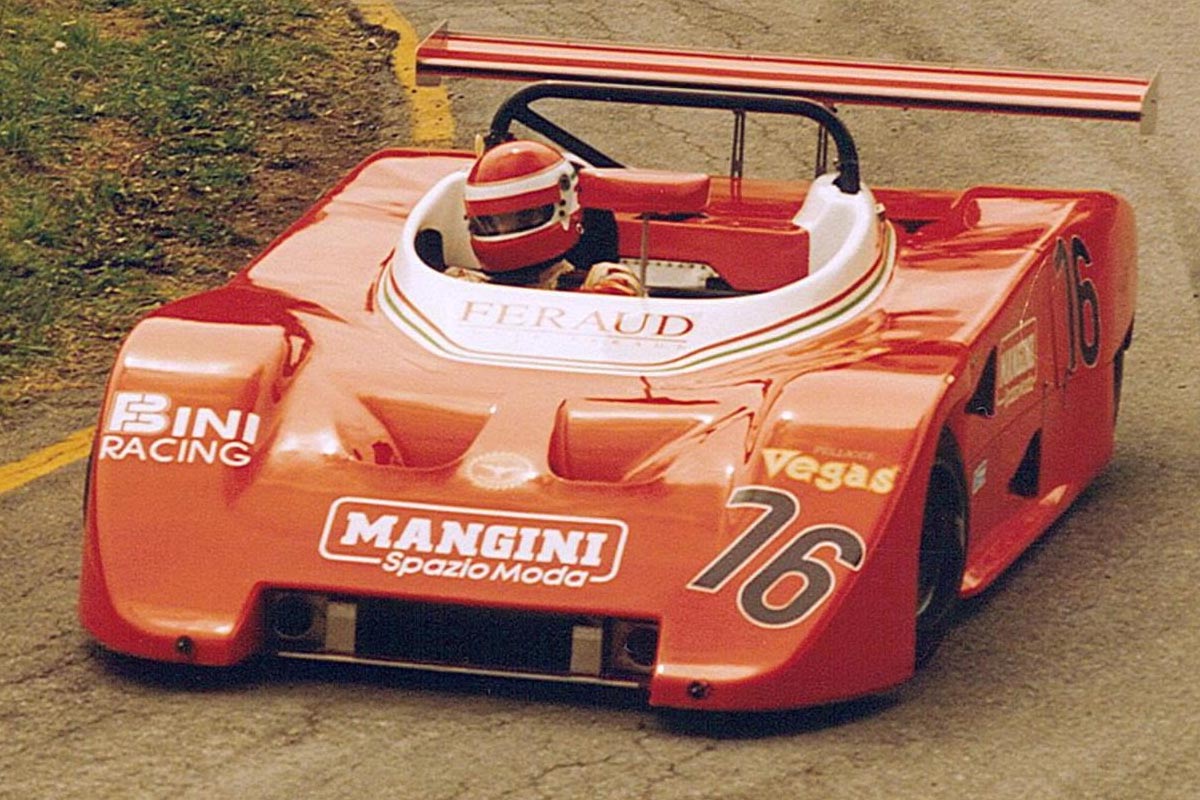
Bogani is embarking on the construction of small prototypes that comply with the category's regulations National Sport Italian, which allowed for the use of components derived from automotive production. The series was relatively accessible compared to the more sophisticated international prototype series. The category was created by the Federation in 1984 and, until 1990, used a 2.5-liter V6 engine. Naturally, the standard engine was the 2.5-liter Busso V6, notably derived from the GTV. Then, in 1991, the standard displacement increased to 3 liters. Well-known names stood out in the series, such as Arturio Merzario, the 1985 champion, and Giorgio Francia (who competed in the DTM with the 155 V6), the 1991 champion. The category, quickly nicknamed «Formula »Alfa Romeo", came to an end in 1994, then was revived in 2016, now as part of the historic Montagne Championship.
One of the first chassis
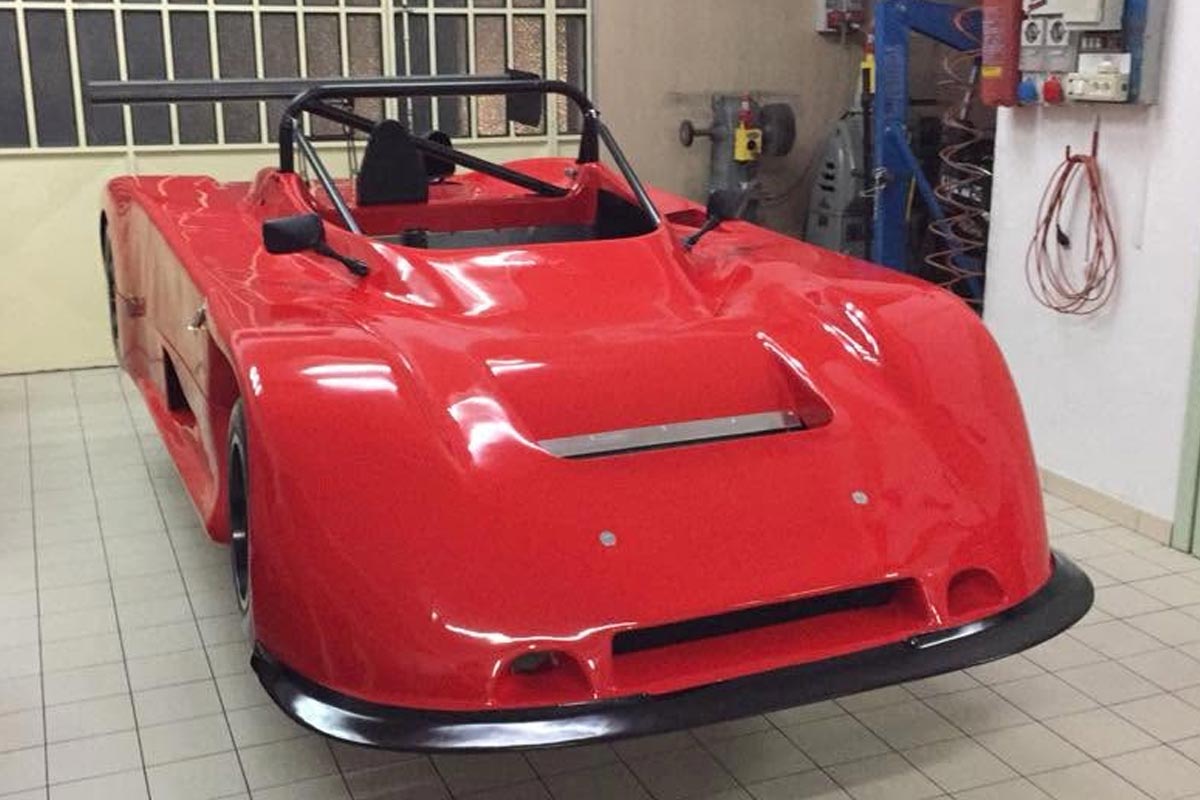
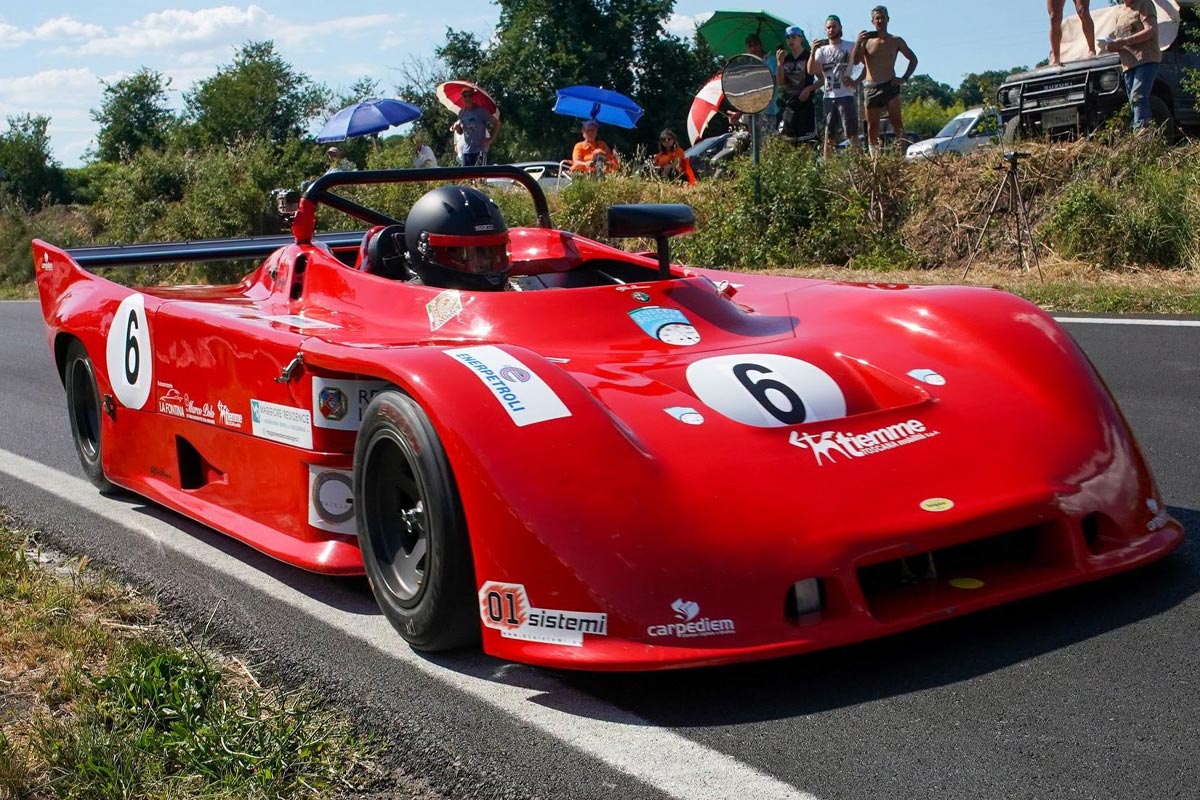
The Boganis thus used Alfa Romeo engines, as did other manufacturers of the time, such as Osella and Lucchini. Sources dedicated to the brand mention a production run of about twenty chassis. Andrea Balducchi, owner and restorer of the Bogani No. 14, mentions 21 chassis produced, though he notes that accurately determining the number is difficult due to replicas built over the years and restorations that have sometimes significantly altered certain cars. According to information provided directly by Maurizio Rossi, his Bogani Sport Nazionale is chassis No. 6, built in 1985, with a 2,500 cm³ Alfa Romeo engine. It therefore belongs to the first generation of the Bogani Sport Nazionale 2.5-liter models.
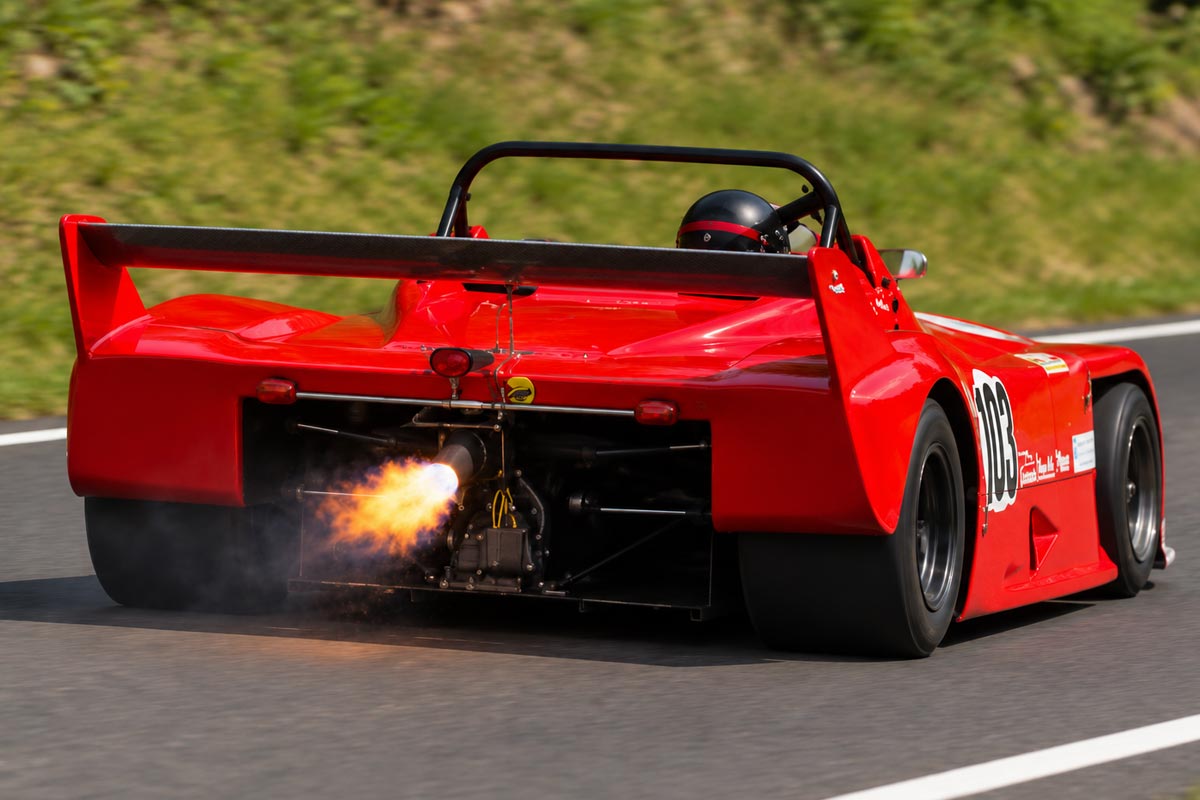
Maurizio Rossi notes that, unfortunately, he does not have the original technical passport, but he does have the registration certificate and the certificate of origin. Its history prior to that is, however, partially known. Before Maurizio Rossi, the car was driven by Pierluigi Carnevaletti, a driver from Senigallia who is well known in the historic hill climb racing community. In 2009, he won the Trofeo Storico Lodovico Scarfiotti, and he continued to race a Bogani SN 2500 in the years that followed. Below is another Bogani prototype from 2009.

Bogani No. 6: Lightweight and Efficient Design
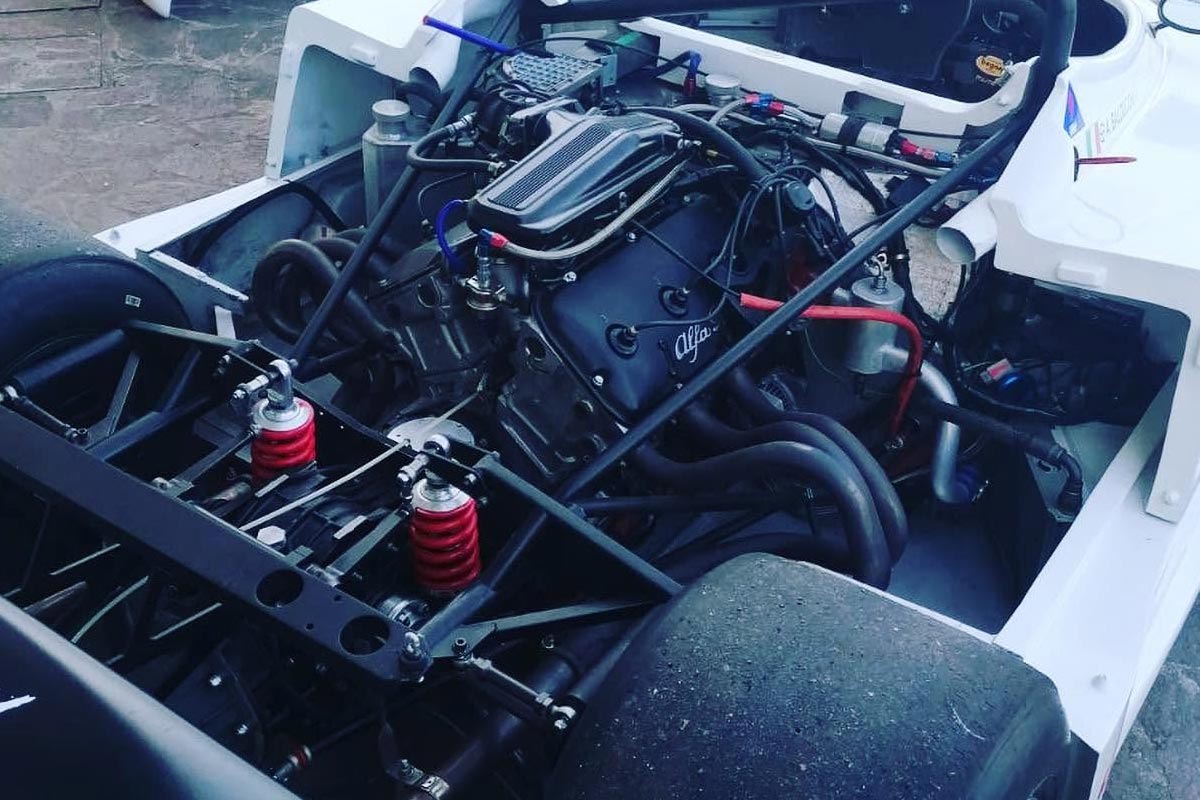
The Bogani No. 006 retains the fundamental characteristics of the Sport Nazionale philosophy. Its 2,500 cm³ Alfa Romeo «Busso» V6 engine is tuned to specifications close to those of a Group N car and features a standard analog electronic control unit, which cannot be modified. Power is estimated at approximately 180 chevaux.
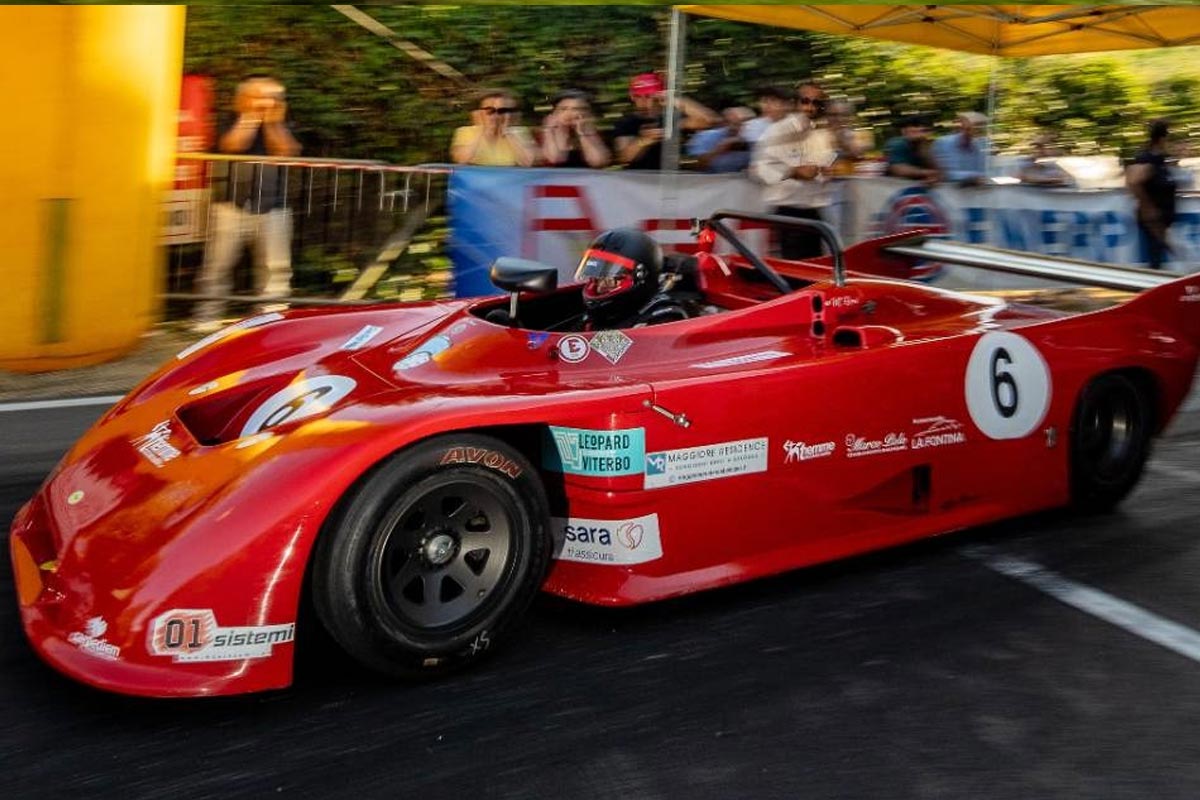
Rossi lists the weight as just 630 kg, while the technical specifications allow for a minimum of 600 kg. The power-to-weight ratio is thus approximately 3.5 kg/ch, which is particularly favorable for a car of that era. Power is transmitted via a Hewland FT200 transmission, a well-known staple in the world of race cars. Finally, in its beautiful all-red livery, the barquette has aged very well and retains a very elegant and sleek silhouette, despite being forty years old!
From the Alfa Boxer to the Championship with Bogani
Maurizio Rossi didn’t join Bogani right away. For several seasons, he raced in a Formula Alfa Boxer, a single-seater derived from the former Formula Alfa Boxer development series—launched in the late 1980s—which used an engine based on the Alfasud. ACI archives still show him behind the wheel of this single-seater during the 2022 season.
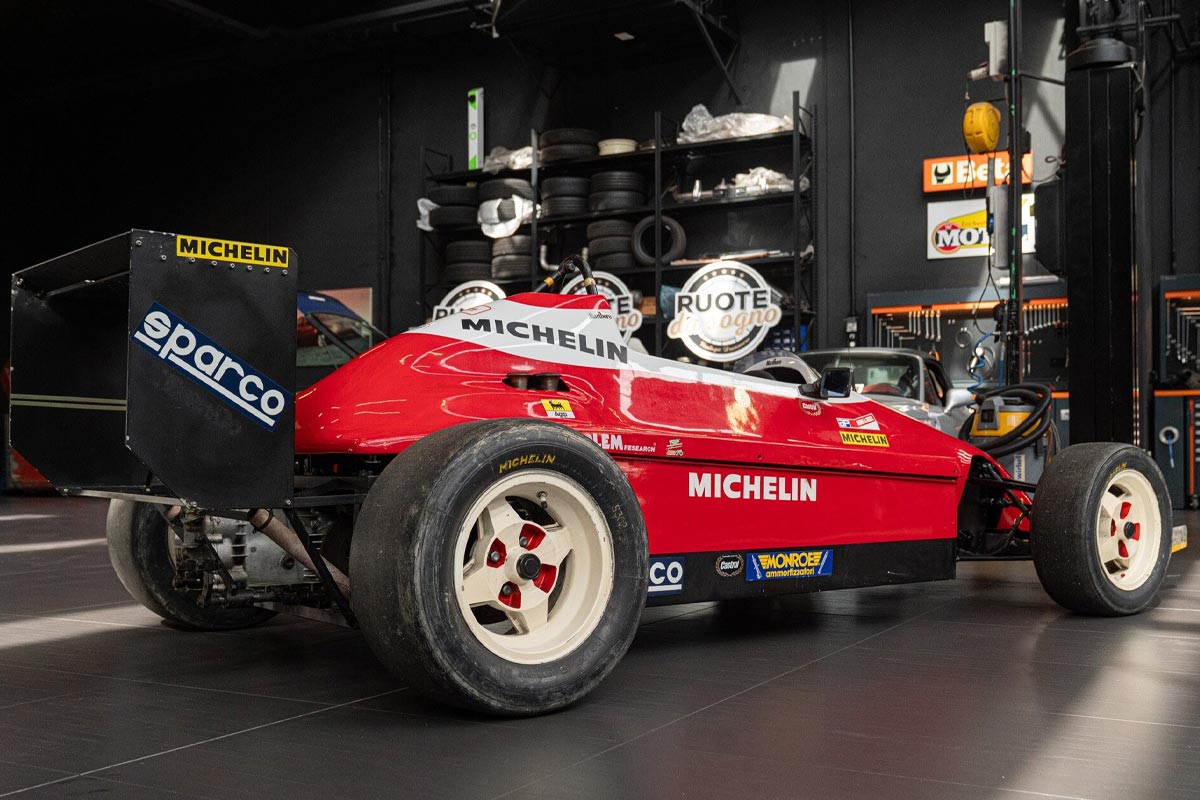
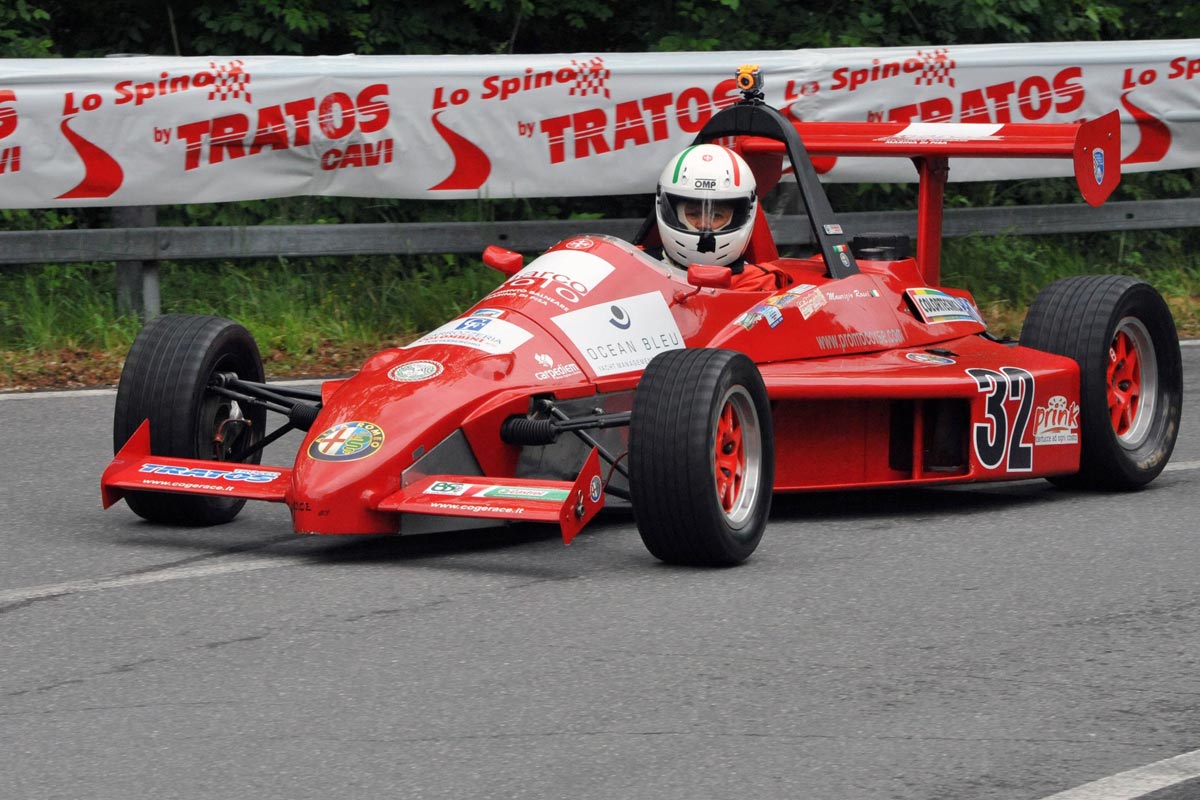
The 2024 season thus marks the beginning of this new «prototype» era for Bogani. Right from this first season, the car demonstrated its potential. At the 59th Trofeo Luigi Fagioli in Gubbio, Rossi finished third overall in the historic competition and won the CN4 class with his Bogani. The 2025 season was more of a year of fine-tuning, with only a few appearances in the JR SN2500 class, racing under the Scuderia Bologna Squadra Corse banner.
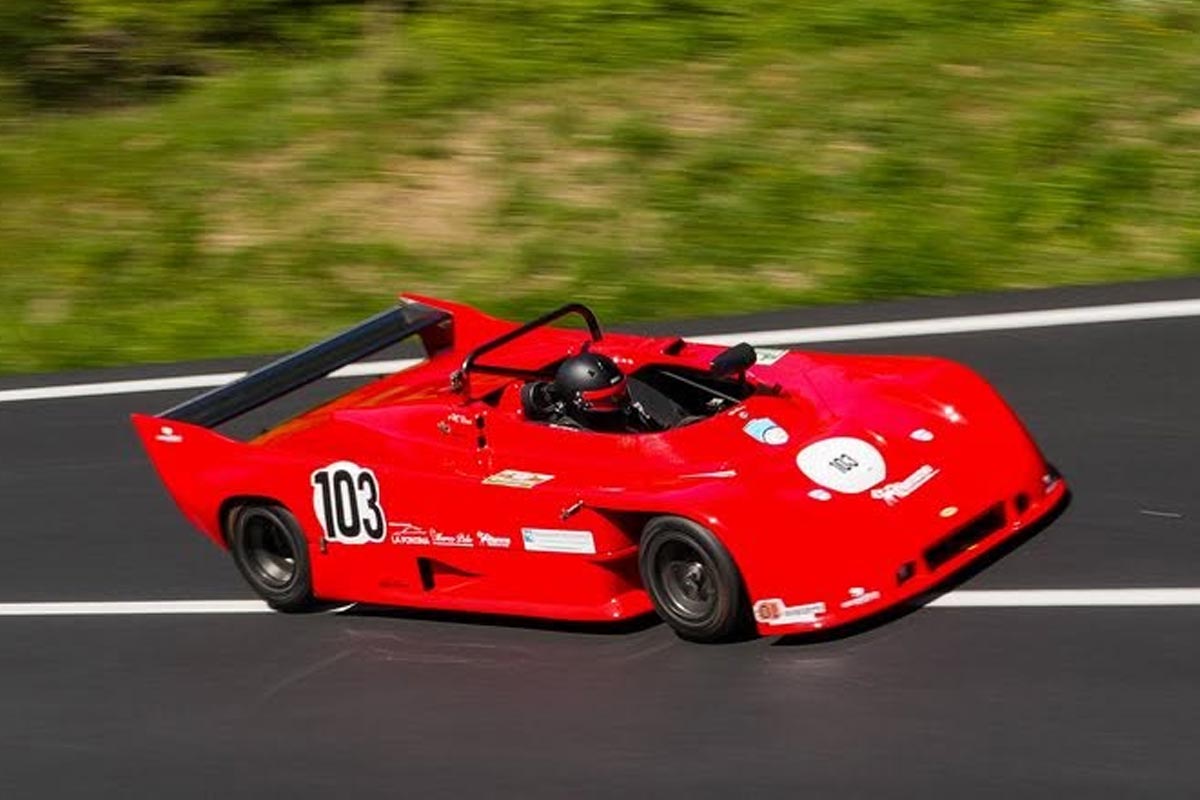
Maurizio Rossi returns full-time in 2026, with a car that has been extensively tested, fine-tuned, and optimized. And this time, he’s here to win. Starting with the Coppa della Consuma, Maurizio Rossi places the Bogani on the overall podium. The second major race was the Bologna-Raticosa, where he also posted the fourth-fastest overall time in the historic competition and won his class.
This rise to prominence ultimately culminated in winning the 2026 Italian championship in the JR SN 2500 class. At the Coppa del Chianti, he continued his campaign and finished second in the Sport Nazionale 2500 class, behind Arnaldo Pinto. After a learning curve in 2024 and further development in 2025, chassis No. 006 clinched the Italian title in 2026, more than forty years after it was built.
»This Italian title is the culmination of a tremendous amount of work, race after race, but it is not a victory I achieved alone. It is a success that I wish to share and dedicate from the bottom of my heart to Promocorse for her unwavering support and for always making me feel»I would like to thank my family; Bologna Corse, which has been a pillar of my journey and the goals I have achieved over the years; and all of our partners and sponsors, whose support is essential to the success of each of our projects."
Congratulations to Maurizio Rossi, and thank you for his valuable information! The image below does not show chassis number 6, but it does give you a dynamic glimpse of a Bogani prototype equipped with the Alfa Romeo Busso V6 engine.

 English
 French
 Italian
 Spanish
 German
 Japanese
 Dutch