

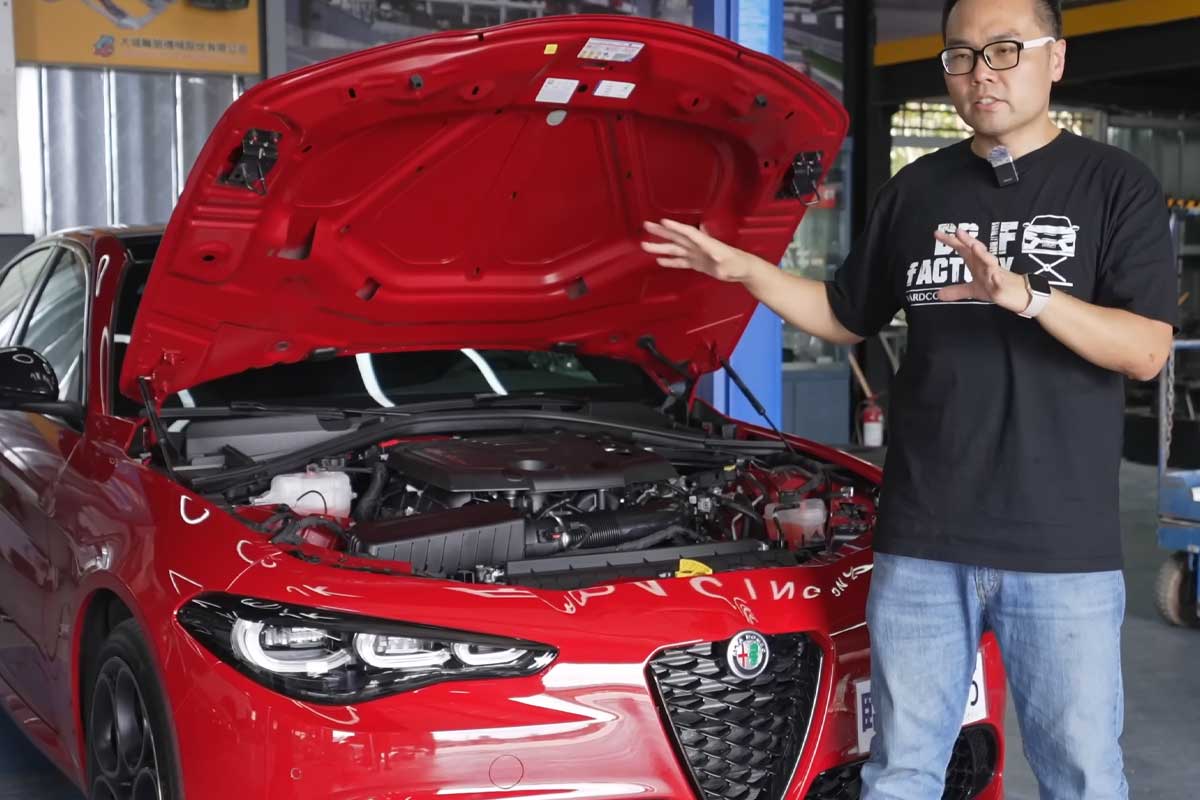
Since its launch, the Alfa Romeo Giulia has had a flattering reputation for being one of the most fun-to-drive sedans on the market. But does this reputation really hold up against established benchmarks such as BMW and Mercedes-Benz?
This is precisely the question that a Japanese manufacturer has set out to answer, by taking an in-depth look at the Italian chassis. And his analysis goes far beyond subjective impressions: it's based on very concrete technical choices.
A platform designed with fun in mind
At the heart of the Giulia is the Giorgio platform, a technical base developed specifically for the Giulia. Alfa Romeo. Where some manufacturers pool their architectures to reduce costs, Alfa has made a different choice: to start from scratch with a clear objective: to maximize driving pleasure.
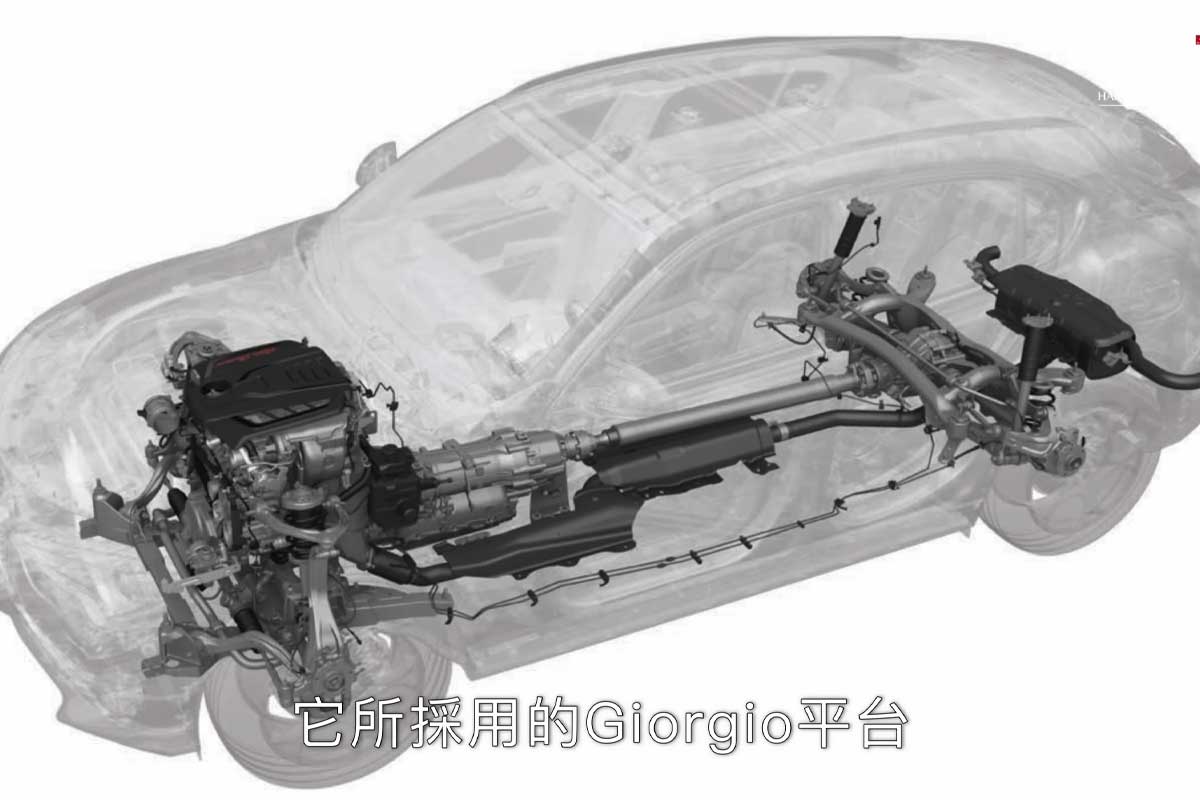
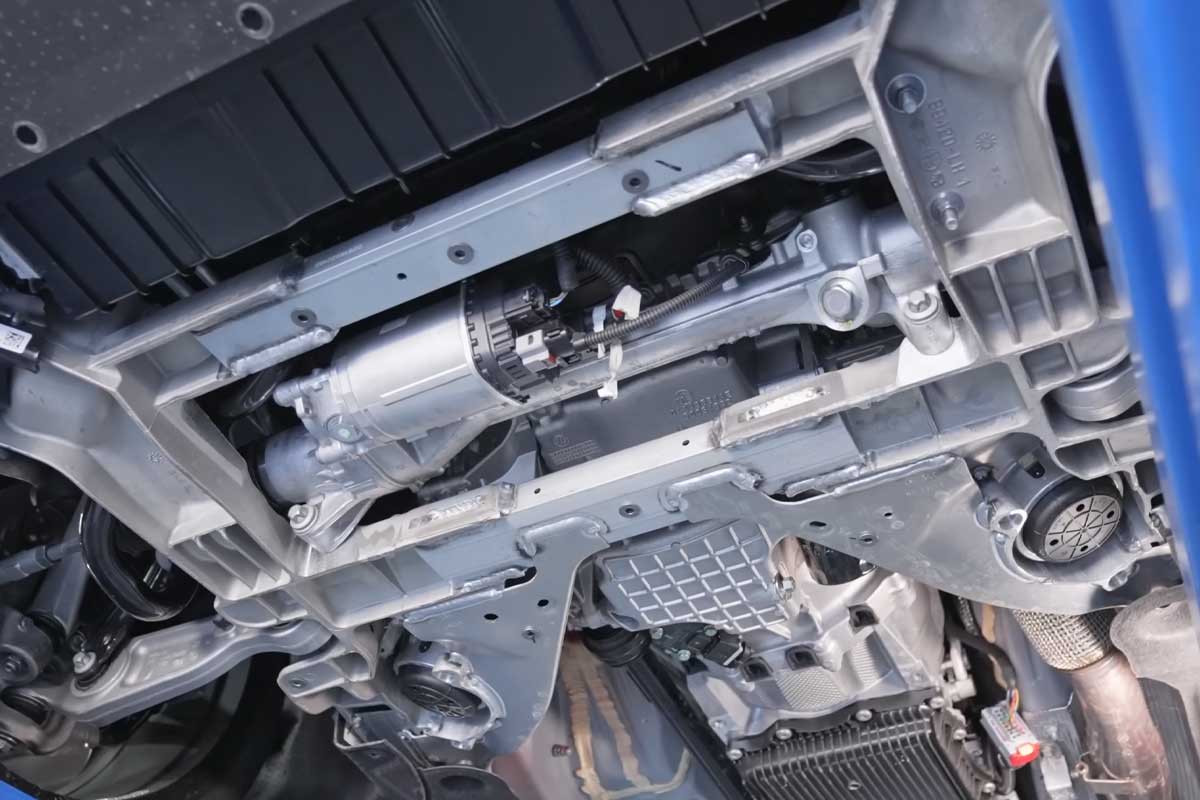
From the outset, this platform has been designed for rear-wheel drive, with a weight distribution close to the ideal 50/50. This simple point already profoundly changes the car's behavior. Where some competitors focus on versatility, the Giulia's philosophy is much more focused on balance and dynamics.
Architecture worthy of a sports car
The analysis also highlights a key element often overlooked: suspension. At the front, the Giulia adopts a double wishbone system (called semi-virtual steering axle double wishbone by Alfa Romeo), a solution generally reserved for sportier cars. The result is greater control of the wheels when cornering, and greater precision when changing direction.
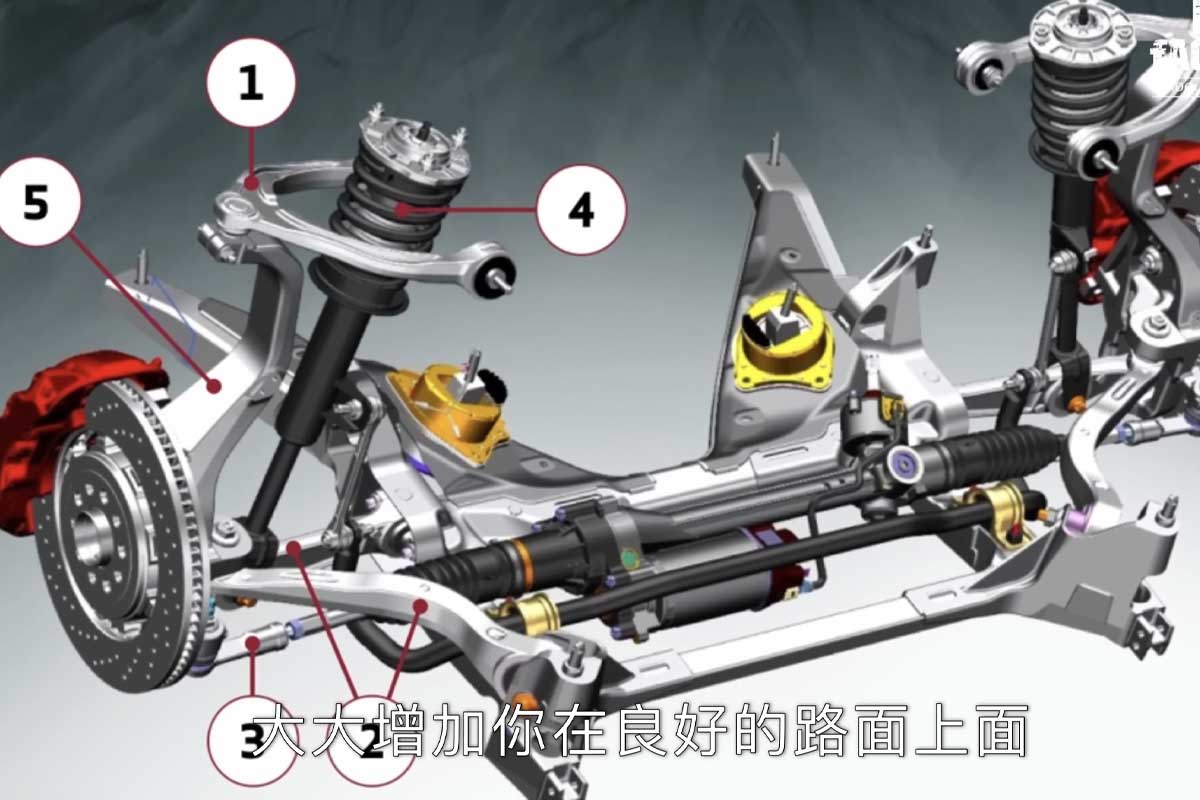
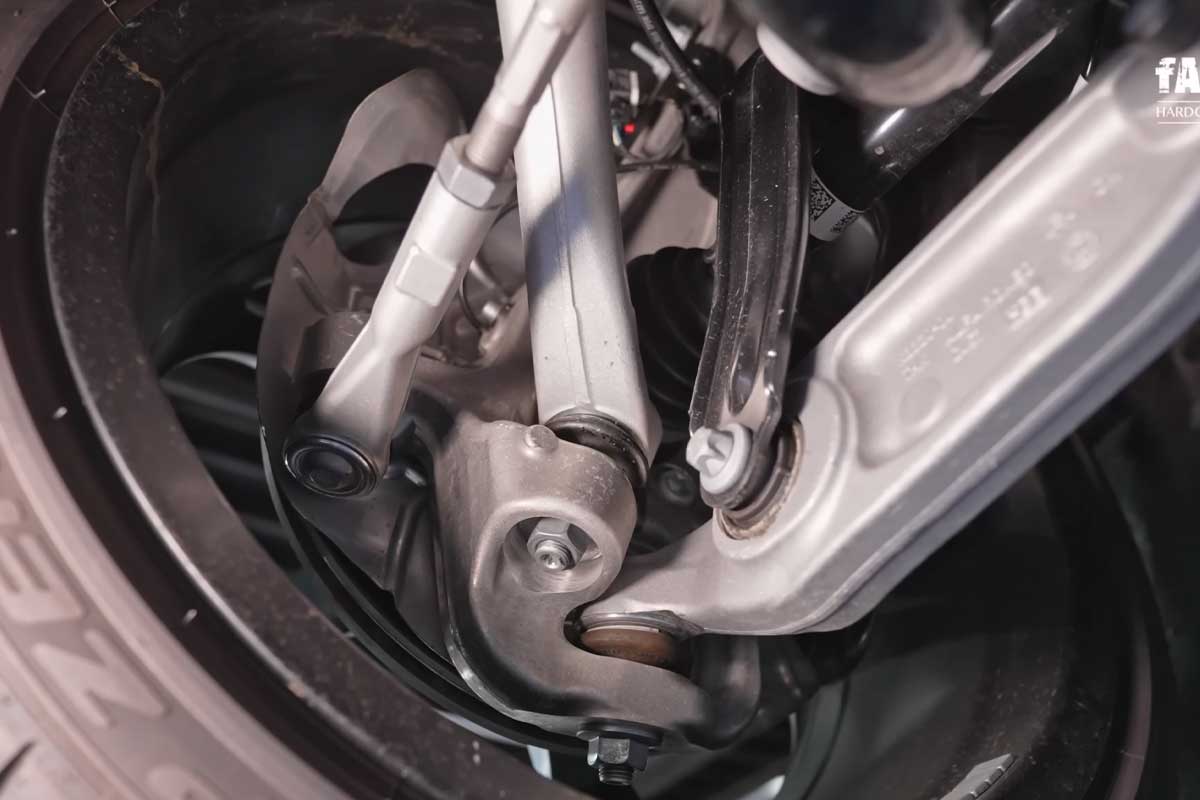
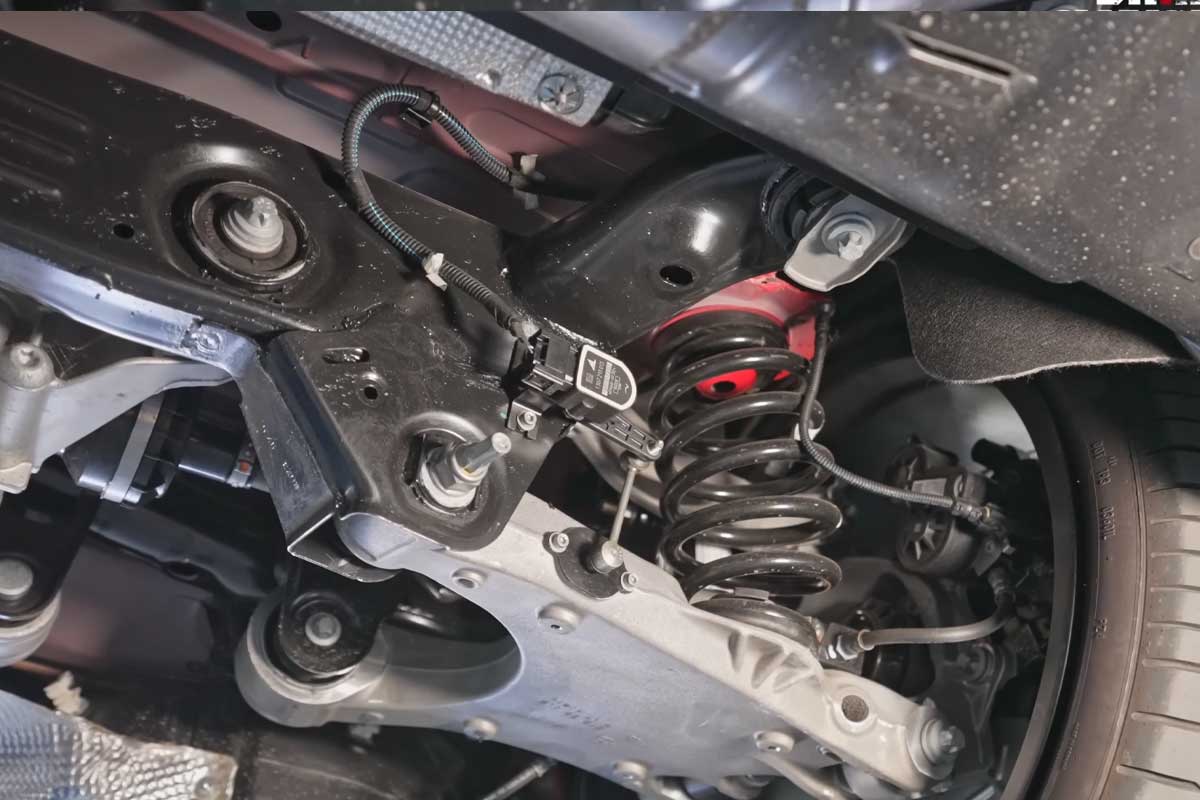
At the rear, the multi-link system completes the package, providing the necessary compromise between comfort and efficiency. But here again, the aim is not to filter sensations as much as possible: it's to keep as much information as possible flowing back to the driver. The result, according to the analysis, is clear: the Giulia doesn't seek to isolate, it seeks to involve.
Very direct management
If there's one point on which the verdict is particularly strong, it's the steering. The youtuber insists on its extremely direct, almost raw character, which contrasts with what most modern competitors offer. As a reminder, the ratio among the fastest in the segment with ≈ 11.8:1.
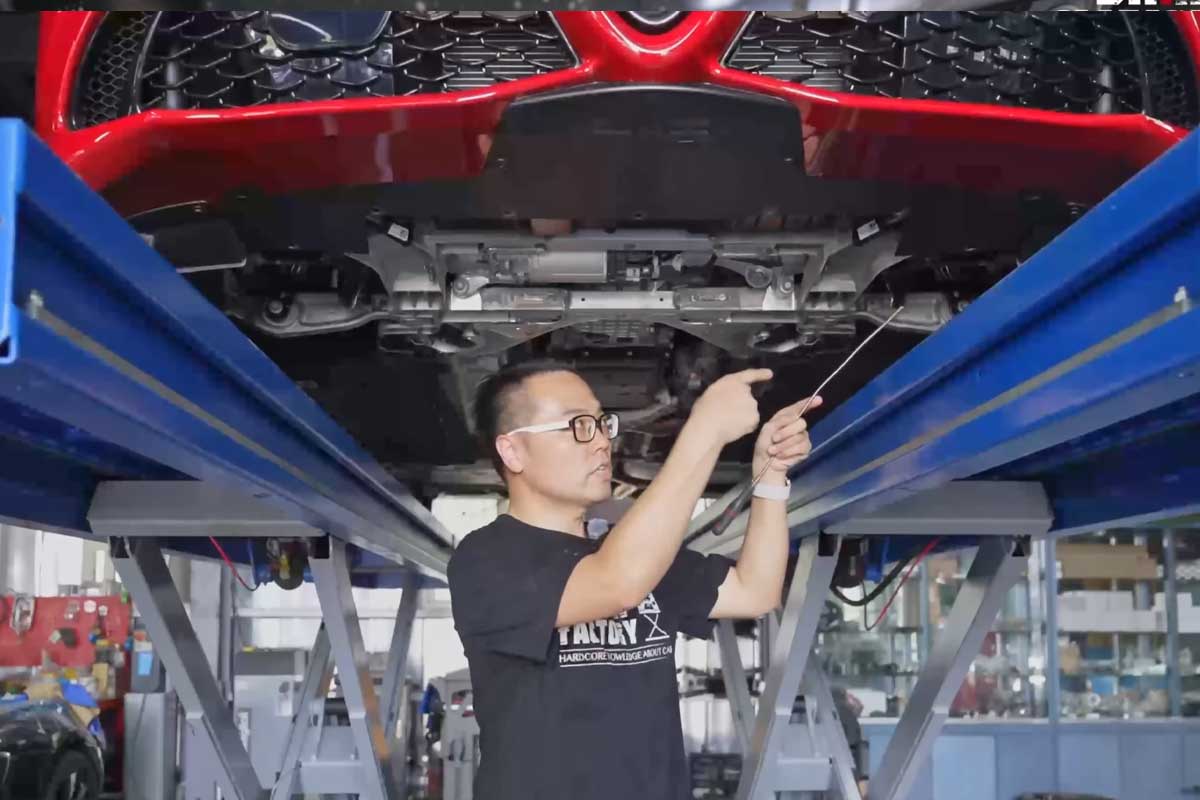
In many of today's premium sedans, the steering is deliberately filtered for maximum comfort. At BMW, despite the claim to a certain sportiness, this filtration remains perceptible. At Mercedes, it's even more assertive. The Giulia is the complete opposite. Every movement of the steering wheel is immediately reflected on the road, with a precision and speed that reinforce this sensation of mechanical connection. It's precisely this point that, according to the analysis, makes all the difference behind the wheel.
A conscious effort to save weight
Another decisive aspect is weight. Alfa Romeo has gone to great lengths to keep its sedan's weight down, making extensive use of aluminum (hood, wings, suspension) and carbon components (driveshaft (even outside the quadrifoglio!).
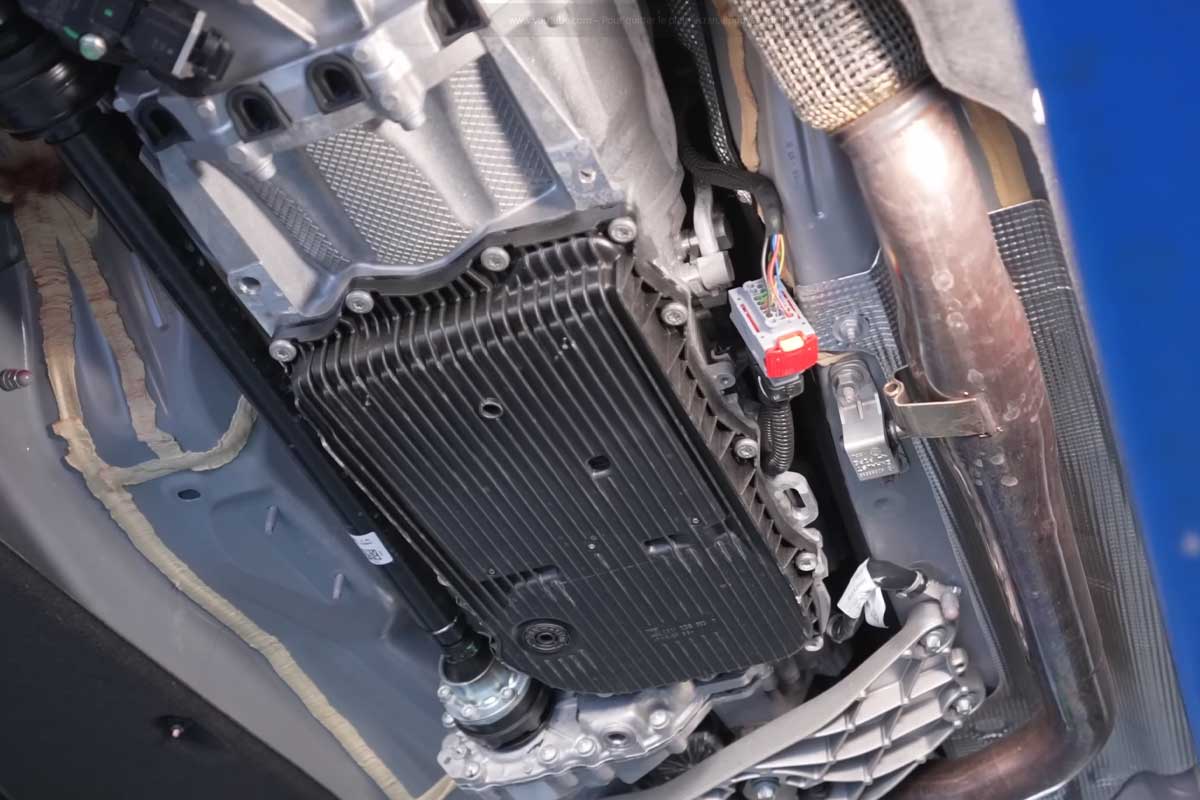
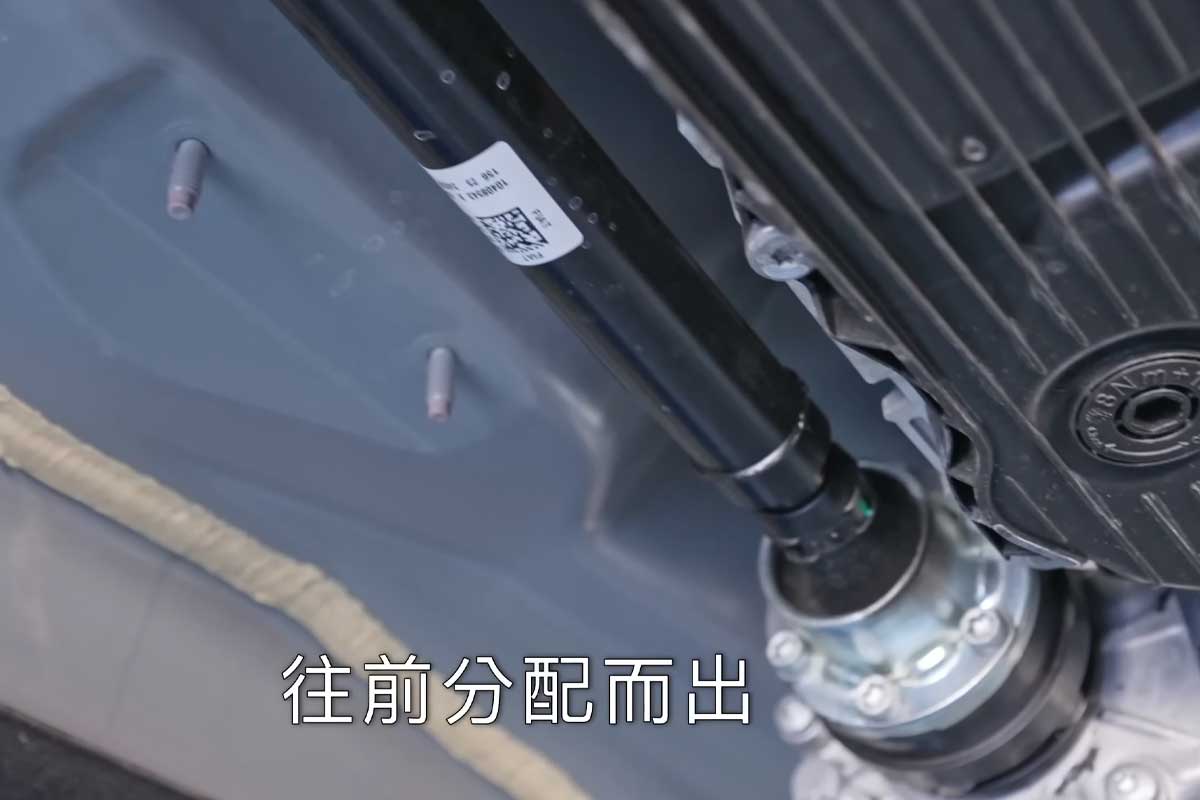
This weight reduction isn't just a marketing ploy. It has a direct impact on the car's behavior: more responsiveness, more agility, and above all a feeling of lightness that is rarely found in this category. In contrast, German cars appear heavier, more composed, sometimes more reassuring... but also less engaging.
BMW and Mercedes: a different philosophy
This analysis does not denigrate German references. On the contrary, it highlights a fundamental difference in approach. BMW and Mercedes seek above all to offer complete cars, capable of shining in all areas: comfort, technology, soundproofing, ease of driving. This versatility is their strength, but it also implies compromises.
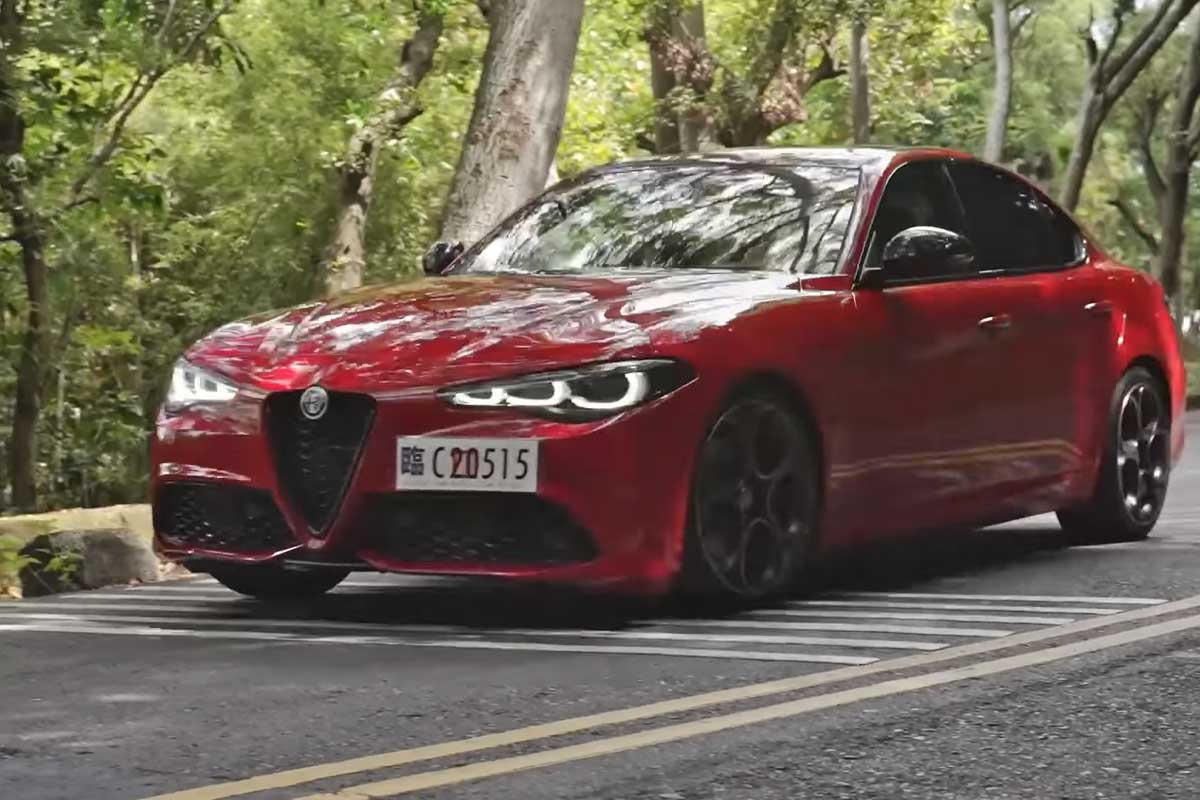
The Giulia, on the other hand, makes a more radical choice. It is willing to sacrifice some comfort or neutrality to offer a more intense driving experience. This is not a car that seeks to please everyone, but to seduce those who love to drive.
A verdict without appeal... but nuanced
So, is the Giulia's chassis really superior to that of BMW and Mercedes? The answer is both clear and nuanced.
Yes, when it comes to pure sensations, precision and driving pleasure, the Giulia is at the top. Its steering, balance and lightness give it a clear advantage for those seeking an authentic experience.
But this verdict depends entirely on expectations. For everyday use focused on comfort and serenity, the Germans remain the undisputed benchmarks. In reality, the Giulia is not exactly in the same league. It doesn't aim to be the best everywhere, but to be unforgettable where it really counts: behind the wheel.

 English
  French
  Italian
  Spanish
  Portuguese
  German
  Japanese
  Turkish
  Dutch
Dutch