

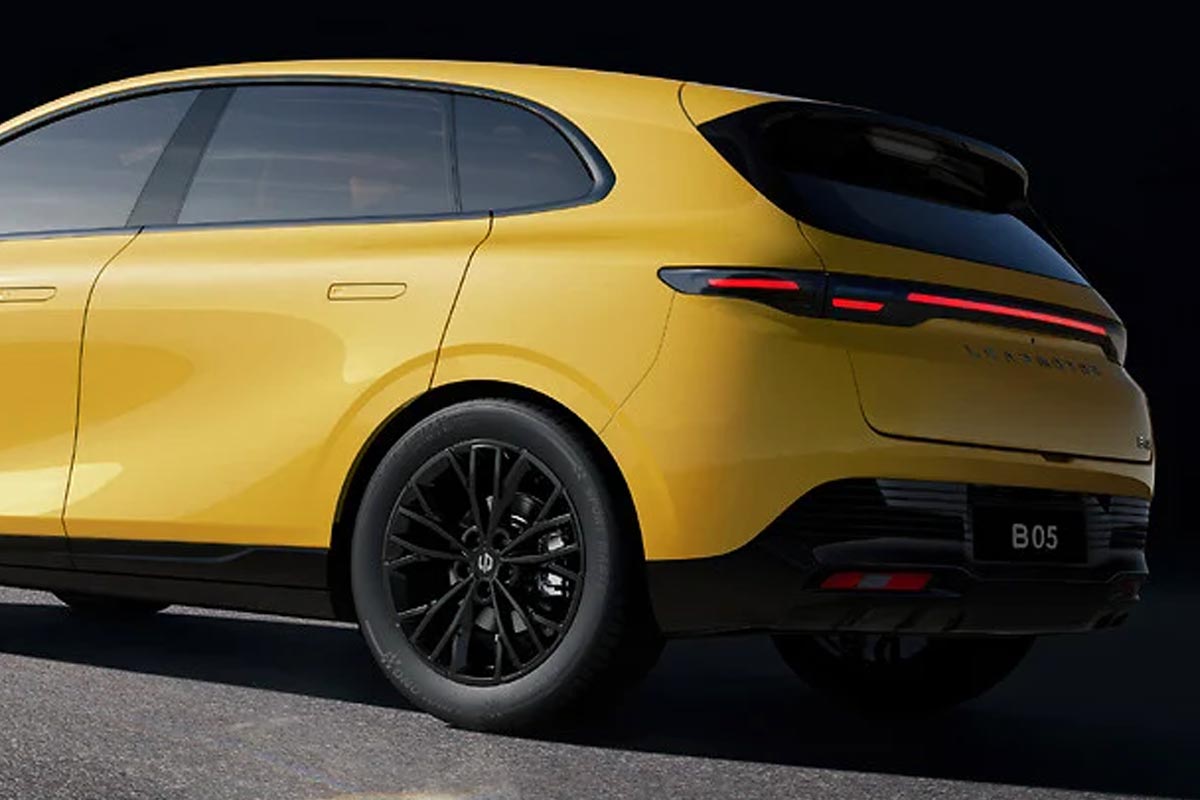
While Stellantis is getting ready to unveil its new strategic plan on May 21, one guideline already seems to be taking shape: focus investments on four key brands. Officially, these are Peugeot, Fiat, Jeep and Ram. But in our opinion, a fifth brand is already emerging as an essential part of the Group's strategy.
A refocused strategy... but not a closed one
According to several sources close to the matter, the future plan led by CEO Antonio Filosa aims to concentrate financial resources on the most profitable and global brands. A logical approach in a difficult context, marked in particular by a massive net loss in 2025 linked to ill-calibrated investments in electric vehicles.
The Group's other brands, such as Alfa Romeo, Citroën and Opel, will not disappear, however. They will be used in a more targeted way, often on a regional scale, drawing on technologies developed by the main brands. This pragmatic strategy aims to maximize synergies without sacrificing the potential of each brand. As a reminder, among the Italian brands, Alfa Romeo has 70,000 sales a year, Maserati just under 10,000 and Lancia just over 10,000. That these brands are profitable is already a miracle. But not enough to generate substantial profits for investment (or dividends), or to keep factories running full time.
Leapmotor, the outsider that changes everything
But in our view, it would be a mistake to limit the analysis to these four brands. For several years now, Leapmotor has been growing at an impressive rate. The Chinese manufacturer, of which Stellantis owns 21 %s and, above all, 51 %s of the international joint venture, reached a major milestone in 2025 with over 500,000 vehicles sold. Even more revealing is the target of one million sales by 2026.
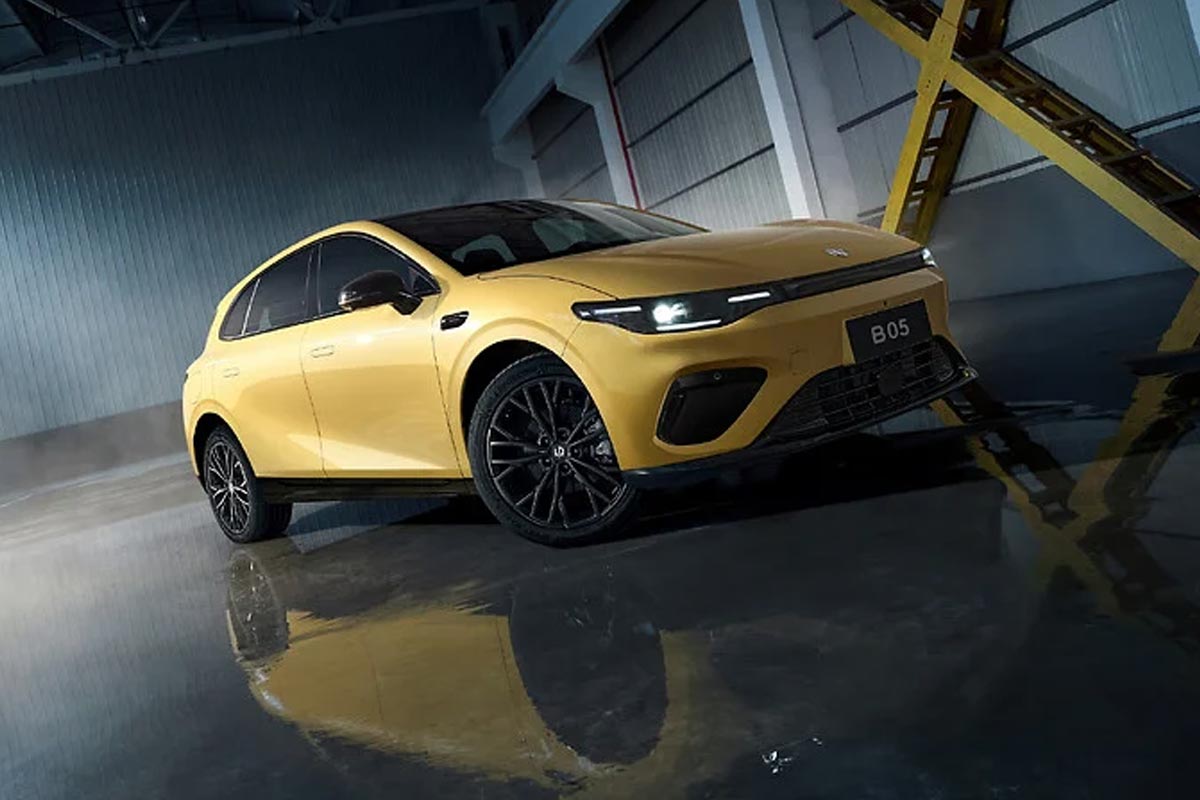
At this pace, Leapmotor is already overtaking some of the Group's historic pillars in terms of volume, and approaching the volumes of Fiat, Peugeot and Jeep. A performance driven by dazzling growth (+120 % over one year) and the ability to offer competitive electric vehicles on a large scale.
Leapmotor's interest in Stellantis is not limited to volumes. The Chinese brand represents a major strategic lever on several fronts. Firstly, on the technological front, with advanced know-how in electric platforms and simplified architectures, often more efficient than multi-energy solutions developed in-house.
Secondly, in economic terms. Leapmotor is already profitable, a rare feat among electric startups, and aims to reach 5 billion yuan (600 million euros) in profit by 2026. Finally, there's the regulatory challenge. In an increasingly strict European emissions context, Leapmotor's electric models enable Stellantis to improve its CO2 credits.
Towards a fifth “hidden” brand?
Officially, Stellantis continues to communicate on its four priority brands. But in reality, Leapmotor is already being integrated as a fifth backbone of the group. Synergies are set to become even stronger. Joint projects are already being discussed, notably to develop models for Europe in Spain, based on Chinese platforms. A logic that could go as far as rebadging. Leapmotor is even planning to move upmarket with a second premium brand by 2027, further proof of its global ambitions.
In this new balance, Leapmotor is no longer a mere ally. It's already a de facto centerpiece. And perhaps even Stellantis' true fifth strategic brand.
 English
  French
  Italian
  Spanish
  German
  Japanese
  Dutch
Dutch