

On paper, the rule has existed for a long time. But with the massive return of employees to the site at the beginning of 2026 more to the end of teleworking, Today, it is causing teeth to gnash. At the North American headquarters of Stellantis at Auburn Hills, not all employees are on the same footing when it comes to parking.
The spaces closest to the buildings are strictly reserved for vehicles from the Group's brands: Chrysler, Dodge, Jeep, Ram, Fiat, Alfa Romeo and Maserati. The others? Head for the more distant parking lots, sometimes a good walk away. It's a policy that can also be found at other American manufacturers such as Ford and General Motors (no idea if this kind of rule exists in Europe), but which has taken on a new dimension since thousands of employees were called back to the office after several years of telecommuting. And that's when the first surprises appeared... in the form of “fines”.
A ticket... without a fine
Please note that this is not an official fine. The famous “tickets” are actually warnings issued by the group's internal security. No payment is required, but repeat offenders may see their car immobilized with a boot.
Officially, the rule is simple: follow the signs. Unofficially, it is sometimes misunderstood... or even misapplied. Some employees discovered these warnings when they returned to work on site, and testimonials quickly circulated on social networks and internal forums. But the most striking story is that of an engineer... who was wrongly punished. This is what the local media Detroit Free Press reveals.
The absurd case of the “unrecognized” Plymouth”
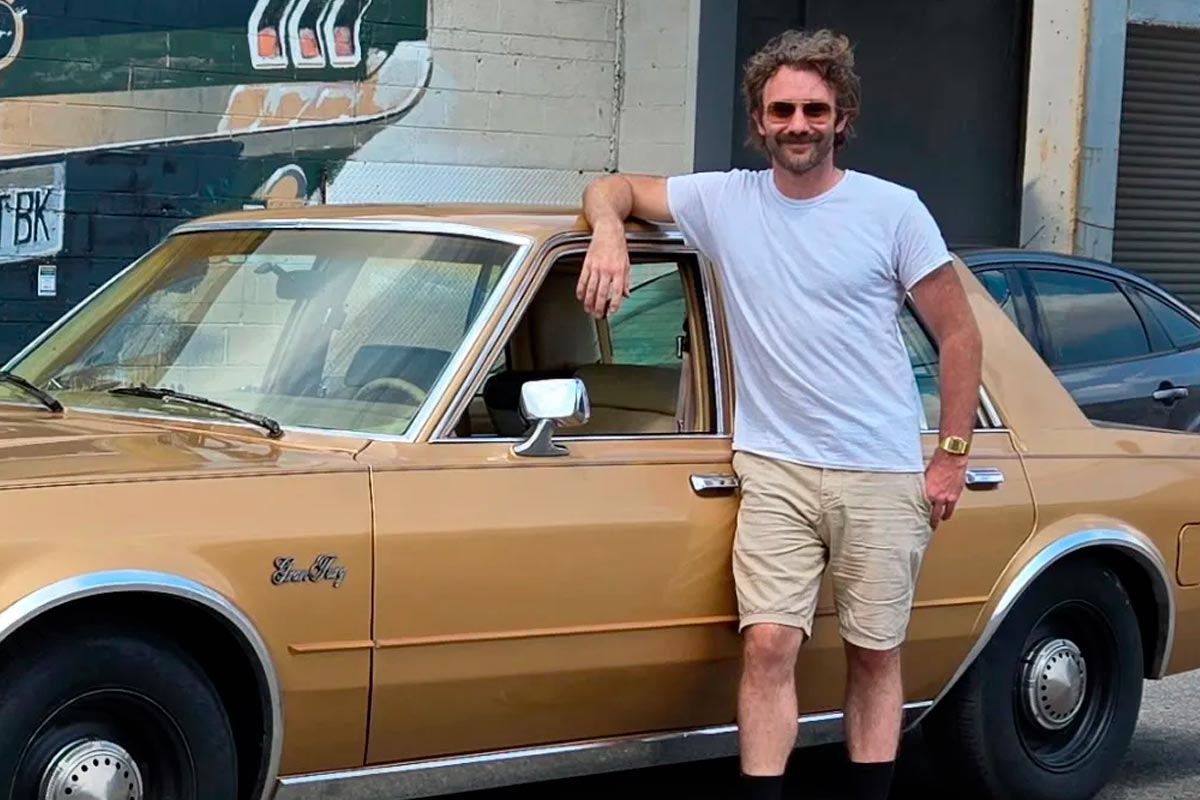
Devon Sykes, electric vehicle engineer at Stellantis, thought he was in the right. This car enthusiast showed up at work with a 1987 Plymouth Gran Fury, an iconic model from the Chrysler era. Logically, for him, there was no doubt: Plymouth is part of the history of the Stellantis Group. The brand was founded in 1928 by Walter Chrysler before disappearing in 2001, well before the creation of Stellantis. But it remains a piece of the industrial puzzle that makes up today's automotive giant.
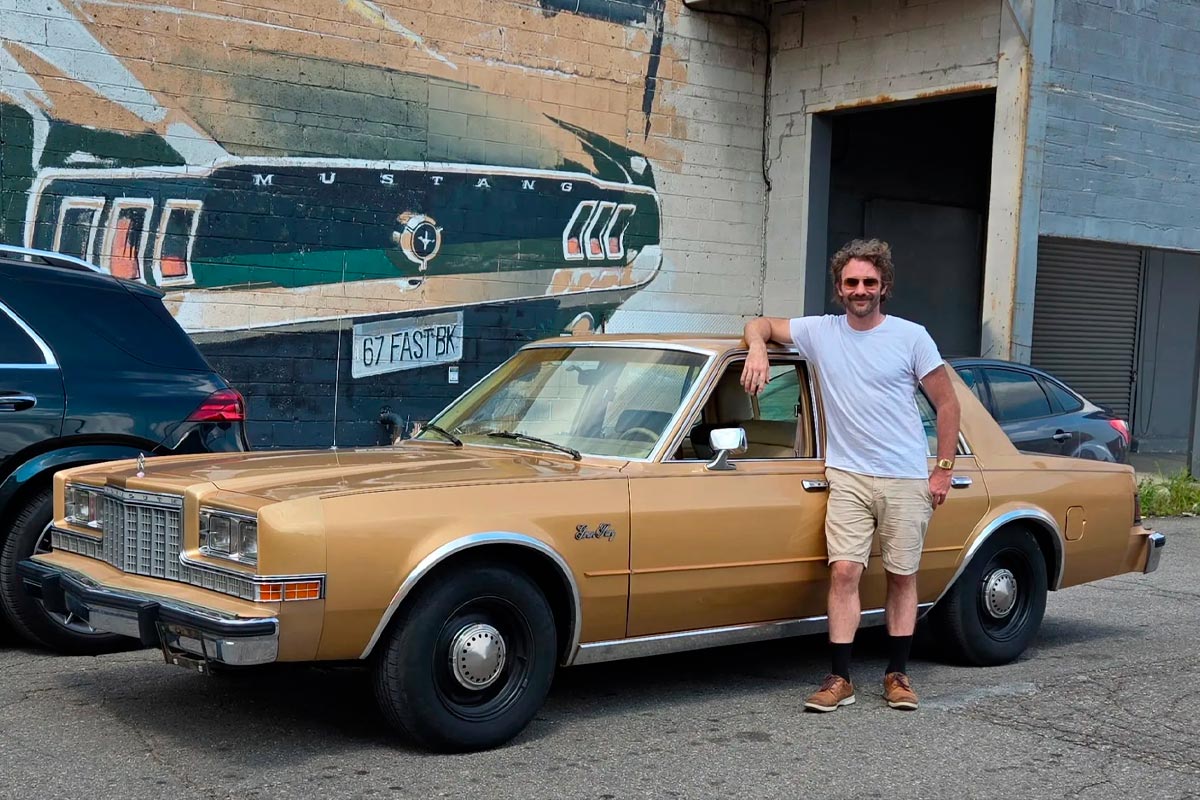
Confident, he parks his car in a space “reserved” for group vehicles. At the end of the day, surprise: a ticket was waiting for him on his windscreen. His car is considered... a competitor's vehicle. A situation that initially made him laugh. The very next day, the engineer went to security to protest. The reaction was immediate. Seeing the name “Plymouth” on the ticket, the manager understood the error. The ticket is cancelled on the spot, without even being registered in the system.
The case could have ended there. But it highlights a deeper problem: the loss of industrial memory within large organizations. For if a security guard doesn't recognize a historic brand like Plymouth, how many other names from the past are forgotten today?
With its multiple brands resulting from successive mergers, Stellantis has a unique heritage. But it has to be understood and recognized internally. And clearly, in some cases, even a car from the group's DNA can be seen as an intruder.
 English
  French
  Italian
  Spanish
  German
  Japanese
  Dutch
Dutch
Renault in Batilly: a Peugeot was banned from entering the site for an intervention a few years ago.
Same thing at Renault Lardy
Anche in Italia era addirittura vietato l'ingresso aglu stabilimenti alle quto non FIAT!
Well, I can't ride my bike because I don't have 4 wheels.
Just kidding.
It's reassuring that an engineer working for stellantis in 2026 drives a 1987 grand fury. All might not be lost ...
If a Renault employee prefers to drive a Peugeot, that's his choice.
It also means that he doesn't trust the brand he works for.
It's his right
Human stupidity and greed will never stop!
At the same time, the USA is already killing itself with its stupid autocrat in the boot of Vladimir, who saved his ass when he went bankrupt with his casinos in Atlantic City! And he claims to be the king of deals!
... wird genau so bei Volkswagen in Wolfsburg praktiziert.