

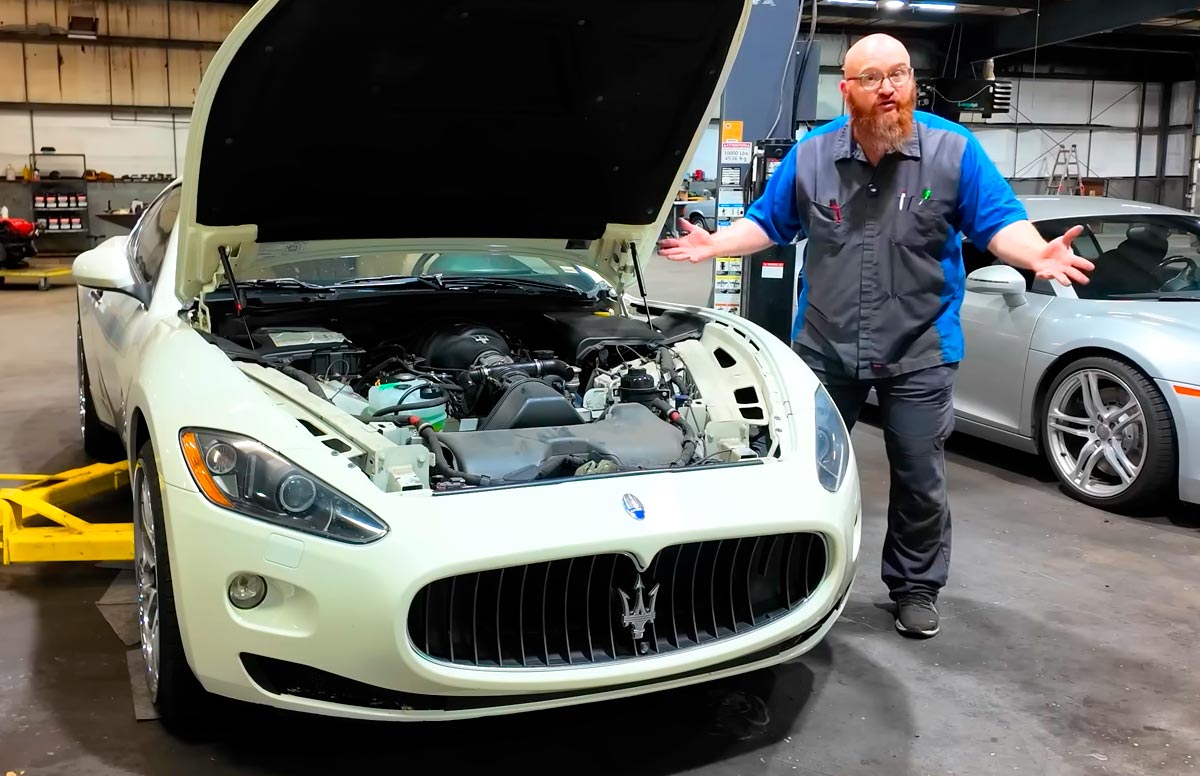
The Maserati GranTurismo is one of those cars that seems timeless. With its Pininfarina-designed lines, Ferrari-derived V8 and mythical sound, it continues to inspire long after its release. But one question often comes up: what does a V8 GranTurismo really look like when it starts to rack up the miles? That's exactly what an American mechanic specializing in high-end cars wanted to find out, by examining a 2009 GranTurismo with almost 60,000 miles on the clock.
A Maserati still impressive despite the years
Right from the outset, the results are reassuring. Despite its age and mileage, this Maserati GranTurismo remains in excellent condition. The bodywork is clean, the proportions as elegant as ever, and the interior retains that very Italian blend of leather, wood and luxurious ambience.
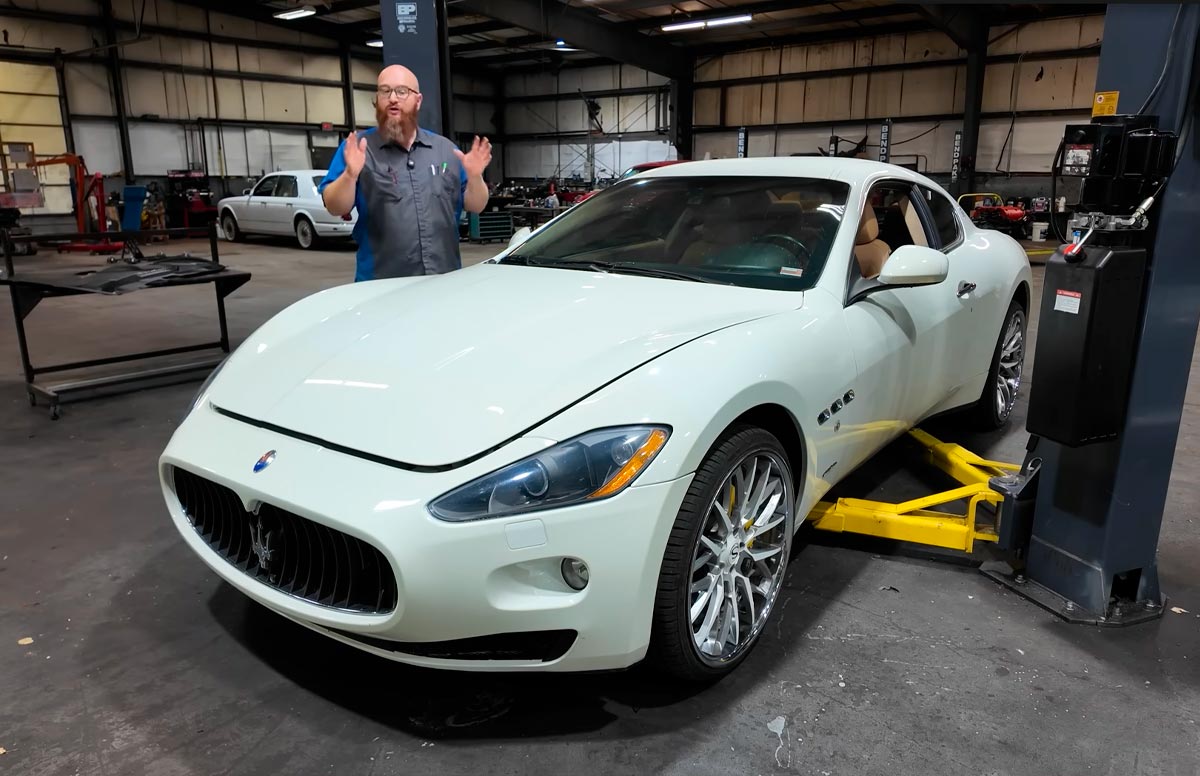
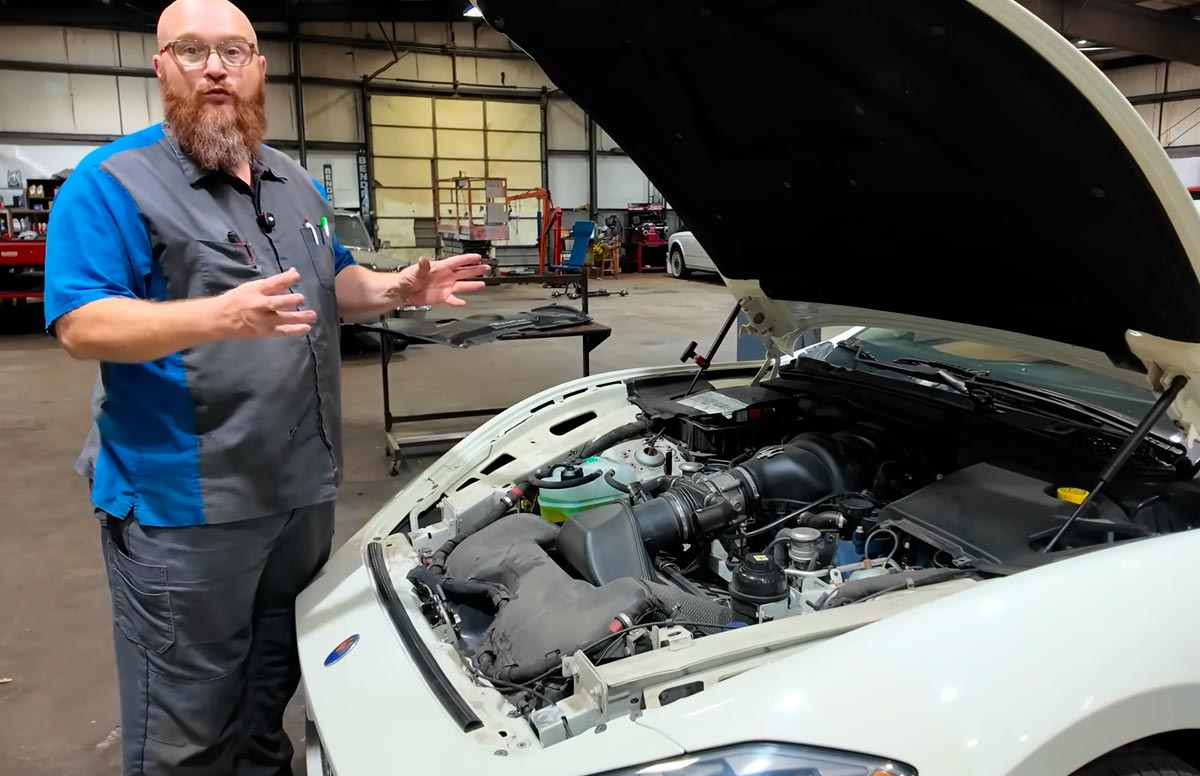
The mechanic even points out that it's one of his favorite Maseratis. According to him, GranTurismos have a unique charm and, above all, an exceptional sound, thanks to their 400-horsepower, naturally-aspirated V8. Under the hood, he also points out an important detail: this engine shares much of its DNA with Ferrari. Although it uses a more conventional cross-plane crankshaft than a Ferrari flathead V8, the mechanical spirit remains very close to that of Maranello.
An interior that has aged rather well
With almost 100,000 km under its belt, you'd expect a tired interior. Yet the GranTurismo comes through with flying colors. The camel-colored leather is still in good condition, the leather-wrapped dashboard remains flattering, and the Alcantara in the headliner retains a beautiful presentation. The seats show little wear and tear, and the overall impression is that of a top-of-the-range grand tourer.
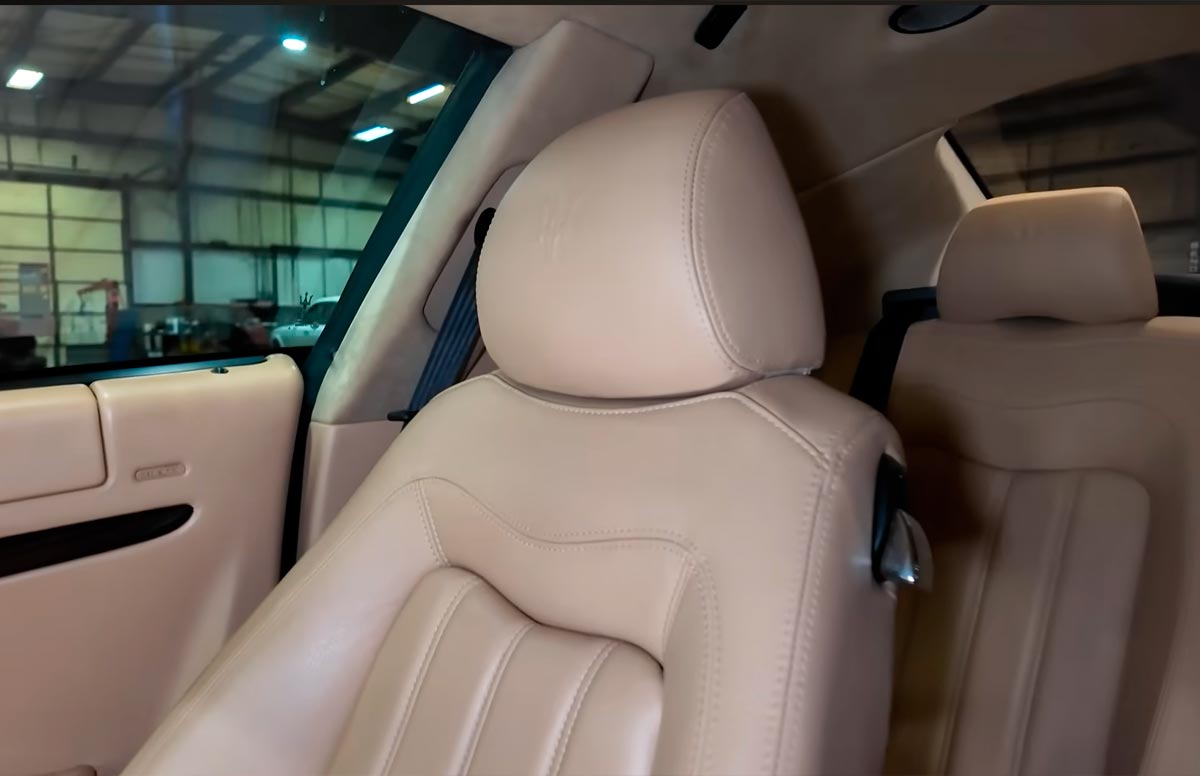
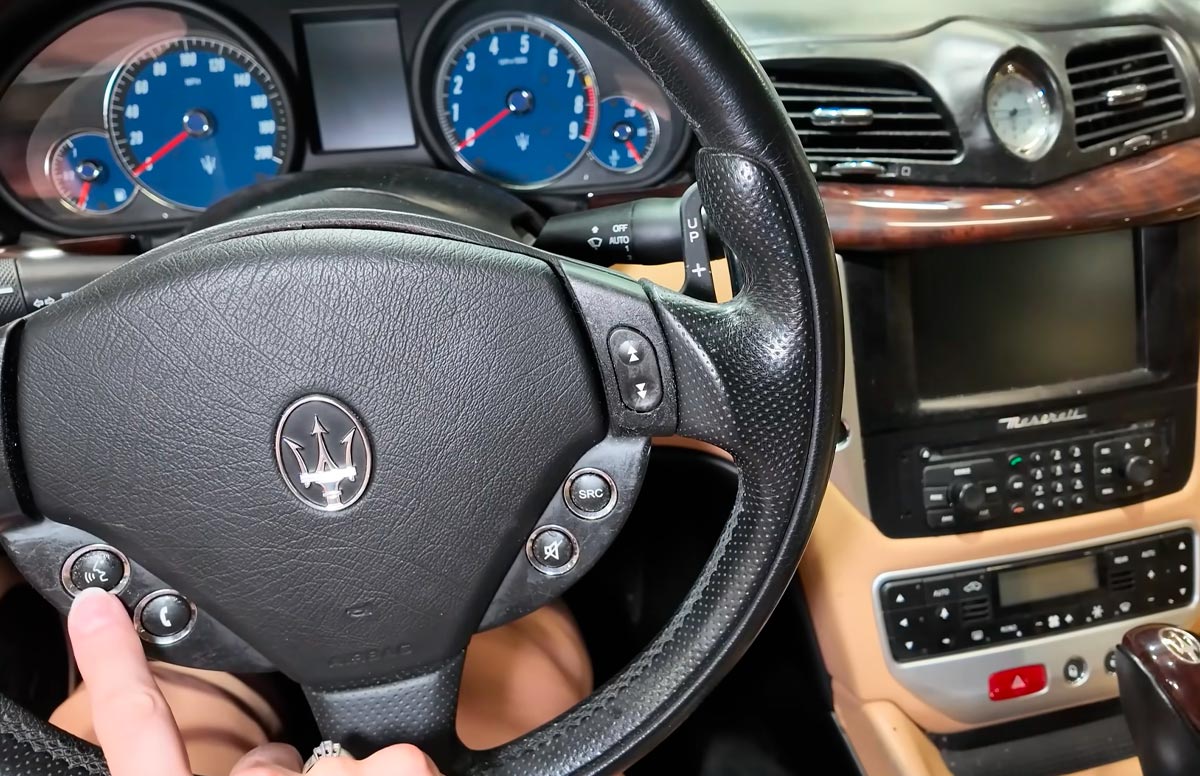
Of course, some details betray the years. The buttons on the steering wheel are starting to fade and some plastics are becoming sticky, a well-known problem on many Italians (and not only) of this era. But overall, the car gives the impression of having stood the test of time.
The real breakdown that worried the owner
But the story begins with a big scare. The owner had noticed a few traces of coolant before a warning light came on the dashboard. Fearing that he had destroyed the engine, he decided to take the car to the specialist immediately.
After inspection, the good news came quickly: the V8 had not been damaged. The leak didn't come from the radiator, a hose or the thermostat. In the end, the culprit was much more mundane: the coolant expansion tank.
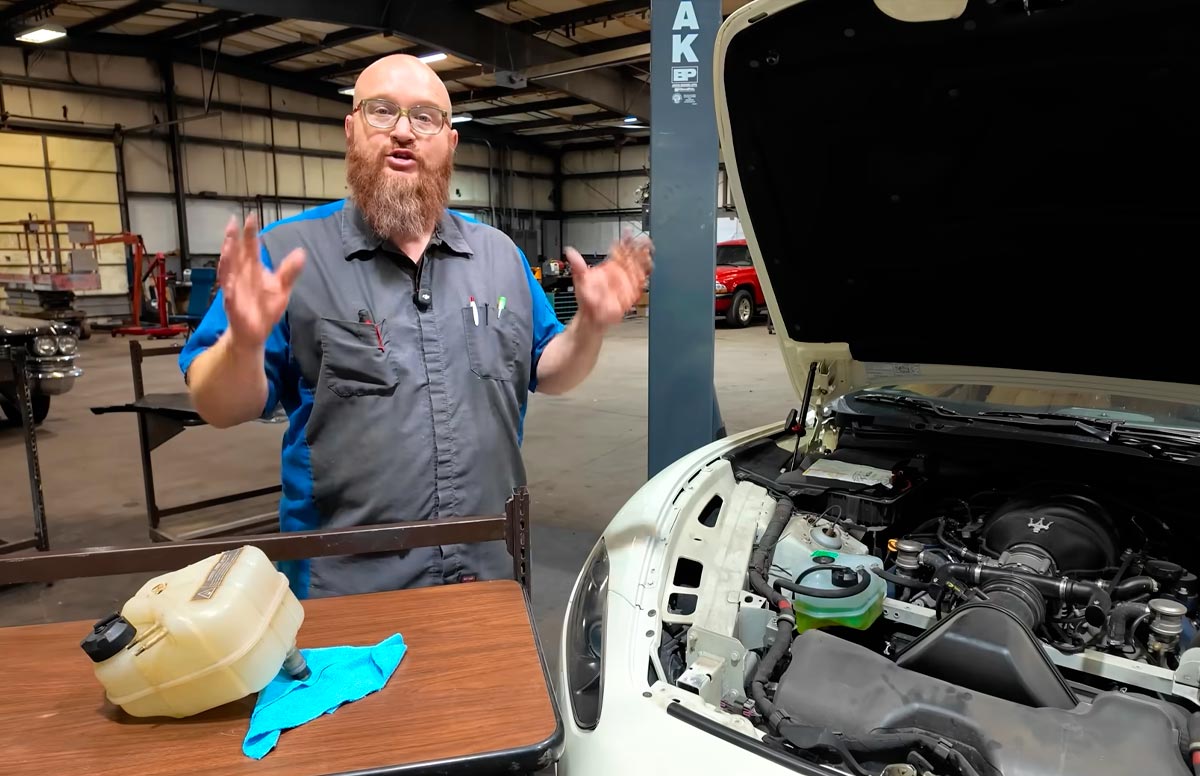
The mechanic explains that this part is a recurring weak point on this generation's Maserati Quattroporte and GranTurismo. With heat, the metal inserts end up deforming and pushing the plastic, which then cracks under pressure. As a result, leaks gradually appear. And, as is often the case with Maserati, even a relatively simple part becomes expensive. Where a conventional expansion tank would cost around 50 euros on an ordinary car, the one on the Maserati can easily cost several hundred euros.
«When something breaks, take the price you have in mind... and multiply it by four or five.»
The real problem with Maseratis: the price of repairs
In the end, this is the point the mechanic stresses most. In his opinion, these cars are not catastrophically unreliable, but each breakdown can quickly become very costly. Skyhook-piloted shock absorbers can cost several thousand euros apiece, brakes are also very expensive, and some engine repairs quickly become astronomical.

Why do you ask? Simply because a large proportion of the components are derived from Ferrari. Owning a low-priced Maserati on the second-hand market does not mean that maintenance is affordable. The mechanic even tells of one owner who entrusted his Maserati to a small, non-specialized garage. A few mistakes later, several expensive parts had been damaged, leaving the garage unable to pay for repairs.
«They're great. They have style. They give that image of someone who has money. But you really have to have the means to maintain them.»
All in all, this inspection reveals a rather interesting reality. A Maserati GranTurismo with almost 100,000 km can still be very attractive, both visually and mechanically. The V8 is robust when maintenance is taken seriously, and the car retains a rare charm that few modern GTs still possess. But this video also reminds us of the obvious: buying an attractively priced used Maserati is only the beginning of the story. Maintenance remains that of an exceptional car, with costs often close to those of a Ferrari.

 English
  French
  Italian
  Spanish
  German
  Japanese
  Dutch
Dutch
At some point, whatever the brand, you're going to have to go through vases, and the best thing to do is change them every 100,000km.
Whatever the prestige brand, the price of maintenance and parts is outrageously high. If you buy a Maserati but can't afford to maintain it... what's the point?!🤷🏻♂️
«Hoewel hij een conventionelere kruiskrukas gebruikt dan een Ferrari flat six V8...»
Flat six V8...realy?!
Hallo, dat was een vertaalfout, ik heb het zojuist gecorrigeerd. Bedankt voor het melden.
I've owned one of these for 10 years, and I maintain it meticulously. It's been a great car for traveling across Europe. The only issues, aside from routine maintenance, have been a window regulator and a pair of front springs. I'm very happy with it and would definitely recommend one.