

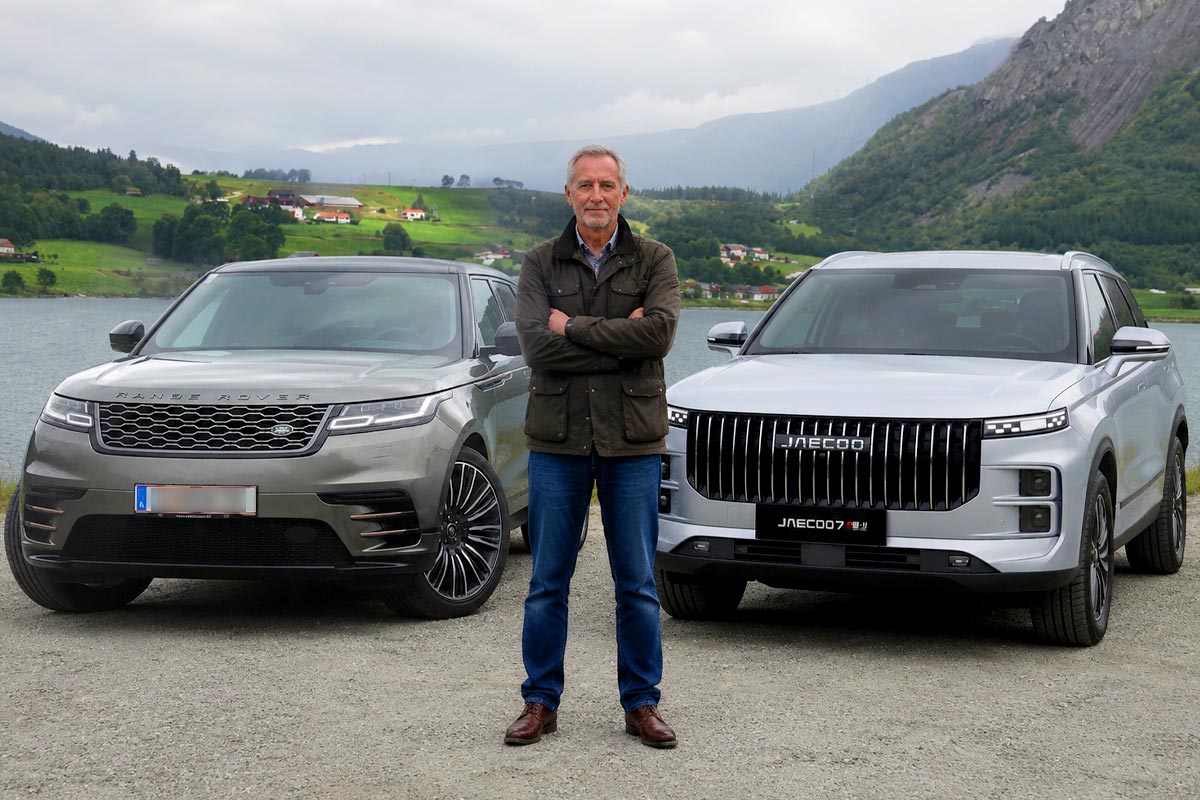
For years, driving a Range Rover, Jaguar or even Maserati represented a certain idea of the luxury automobile. Brands synonymous with prestige, refinement and sometimes even a certain social status. Yet, in a testimonial collected by Daily Mail, At the age of 61, Adrian Batchelor has decided to turn over a new leaf and take the wheel of a Chinese SUV that was still unknown in Europe until recently: the Jaecoo 7. A choice that would have seemed improbable just a few years ago, but which perfectly illustrates a trend that is revolutionizing the European automotive market.
From a car enthusiast to a Chinese SUV
Adrian Batchelor is not your typical profile behind the wheel of a new Chinese brand. This former British jeweller explains that he has been driving for over 40 years and has owned “a lot of very good cars”, including Range Rovers, Jaguars and Maseratis. Models renowned for their comfort, image and performance.
But when he discovered the Jaecoo 7, produced by Chinese manufacturer Chery, something changed. The SUV's styling, inspired by the Range Rover Velar, immediately attracted his attention with its price/performance ratio. Curious, he took it for a test drive. In his own words, he was “completely convinced” after just a few kilometers. He even says he “absolutely had to have one”.
The “Temu Range Rover” that seduces England
In the UK, the Jaecoo 7 has become a viral phenomenon. On social networks, many are already calling it the “Temu Range Rover”, an ironic reference to the famous Chinese low-cost website. Indeed, the Chinese SUV takes on some of the aesthetic codes of the top-of-the-range British models, while costing almost half as much.
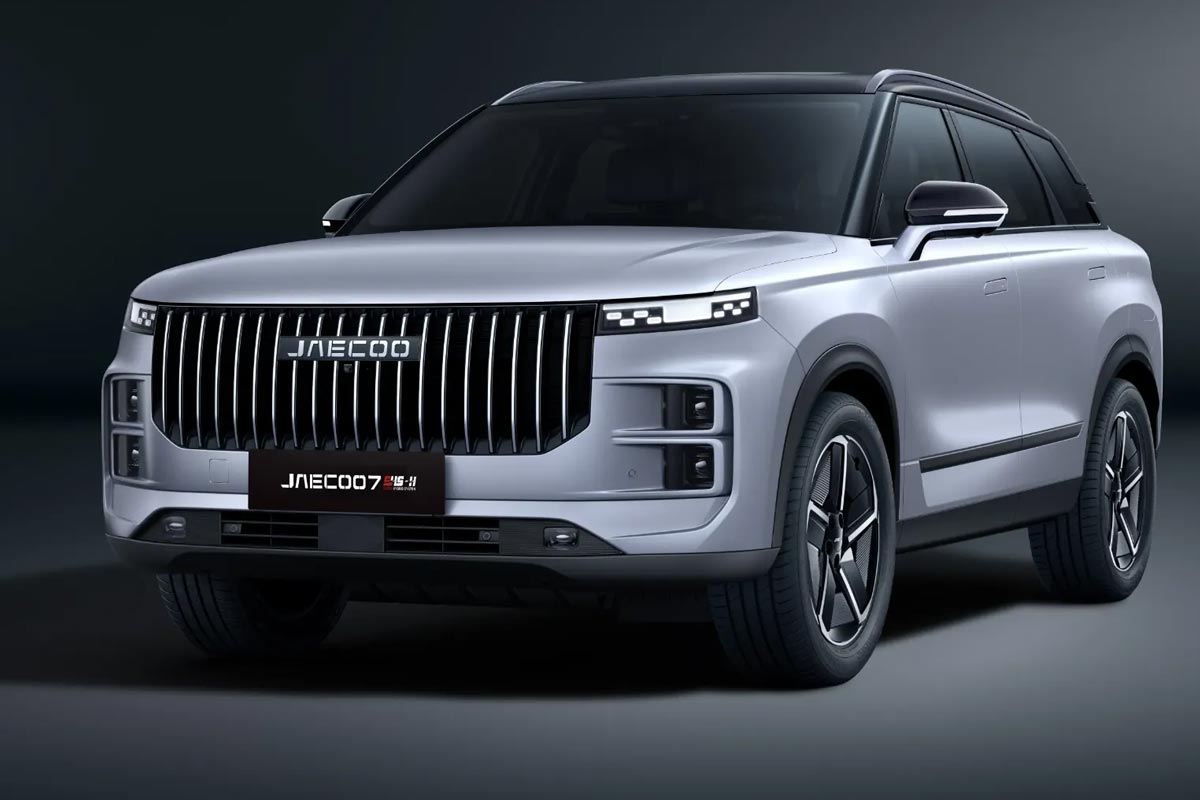
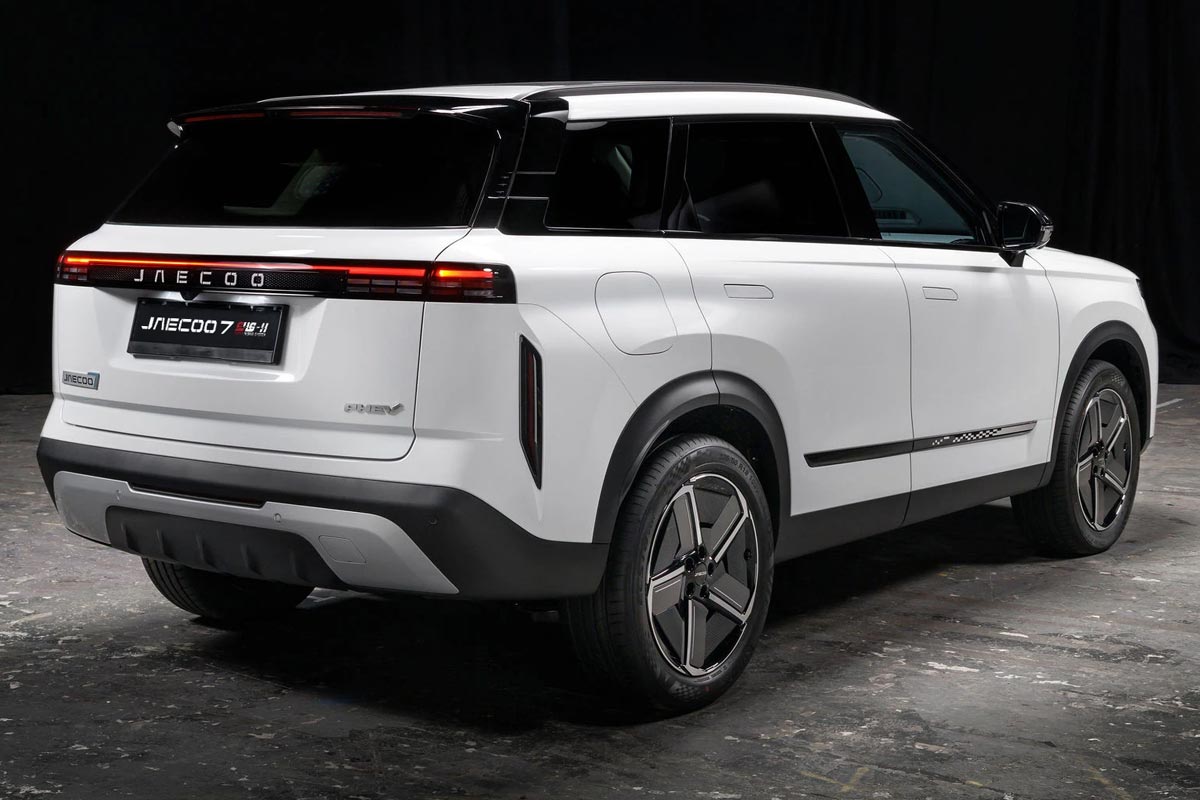
The success is impressive. In March 2026, the Jaecoo 7 even became the country's most-registered new car, ahead of benchmarks such as the Ford Puma or Nissan Qashqai. Since its launch in early 2025, over 26,000 units have already been sold in the UK. This success is based on a recipe now well known to Chinese automakers: an attractive design, state-of-the-art technology and, above all, extremely generous equipment for a contained price.
When even former Range Rover owners change sides
What's striking about this story is not just the model's success with young families. Above all, it's the fact that motorists accustomed to European premium vehicles are also beginning to switch. Adrian Batchelor is fully committed to his choice. For him, criticism of Chinese cars often comes from people who have never tried them. He also points out that the global automotive industry already relies heavily on components made in China.
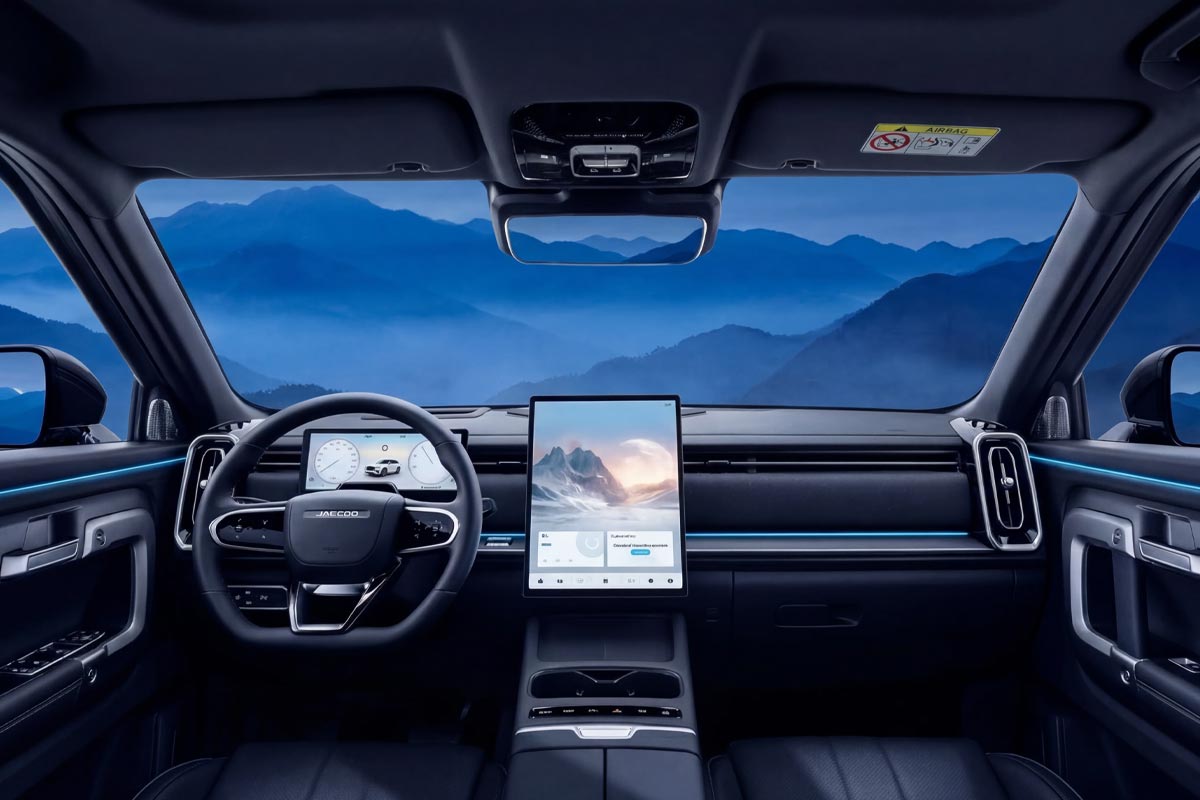
His reasoning is above all pragmatic. Why continue to pay much more for European models when the Jaecoo offers a modern interior, large central screen, numerous driving aids, heated and ventilated seats and flattering looks for a much lower price? The Chinese SUV starts at around £30,000 in the UK, or around €35,000, while a Range Rover Velar costs well over £57,000, or around €65,000, in comparable versions.
A revolution that worries European brands
Above all, the Jaecoo phenomenon illustrates a profound change in the automotive market. For a long time, Chinese manufacturers were perceived as being unable to compete with European brands in terms of design, quality or technology. Today, the situation is different. The new Chinese SUVs are arriving with comprehensive equipment, competitive plug-in hybrid powertrains and, above all, extremely aggressive prices.
Of course, there are still some points of debate. Several journalists, for example, point to less refined handling than a European premium SUV, less communicative steering and questions about long-term reliability and the cost of spare parts. But for many customers, the calculation now seems simple: why pay more for the prestige of a badge when Chinese cars offer an experience deemed sufficient, if not very convincing, on a daily basis? And this is perhaps the most worrying aspect for the historic brands.
 English
  French
  Italian
  Spanish
  German
  Japanese
  Dutch
Dutch
It's a strange testimony: you buy a Jag, a Maserati or a Range for its notoriety, in addition to the intrinsic qualities of the product.
When your brand is renamed the Land Rover Temu, it's because you didn't buy it for its aura, but just because your purchasing power and self-esteem have taken a serious nosedive.
How does buying a Chinese car mean that its purchasing power and esteem have declined?
Perhaps it's simply that the vehicle is of better quality. As for the intrinsic qualities of a Land Rover, the brand's reputation has plummeted because of its disastrous reliability.
Because in Jaecoo's case, it's not an ambitious product that shines with its own qualities and design, it's a Chinese copy that sells because it mimics Land Rover gimmicks and offers them at knock-down prices.
At a time when some Chinese brands are starting to offer genuinely interesting and original products (Xpeng, Avatr), or simply low-cost products without trying to appropriate the codes of a Western brand (MG) or simply genuinely impressive technical products (BYD)
It's as if an Alfa lover came to us and said he was buying a Chinese car that copied an existing Alfa because it was cheaper.
It would show how little esteem he has for the brand's Italian heritage (even if it is already seriously diluted in the Stellantis magma).
«For him, criticism of Chinese cars often comes from people who have never tried them.»
I can only agree with him.
True, but Tesla's Musk is a Nazi and the Chinese have Xi the exterminator. Reason enough to avoid. Besides, Filosa is becoming a symbol of non-buying for Stellantis too.
Personally, it can be a good vehicle, but it's ugly inside and out. Period. And it's the same for most English or German panzers. The Maserati Grecale is also too big, but still beautifully designed.
As for being cheaper... we'll see in 5 years. They don't work for free in China
L'ho comprata 13 mesi fa la 7 SHS a 36K euro
Ho fatto 60.000 chilometri.
Oggi ho comprato la 8 dando indietro la 7 valutata 31K
Ho avuto Volvo Alfa Romeo Audi BMW Mercedes Porsche
Non ho nulla da dire.
Unica certezza che ho 30K euro in più disponibili.