

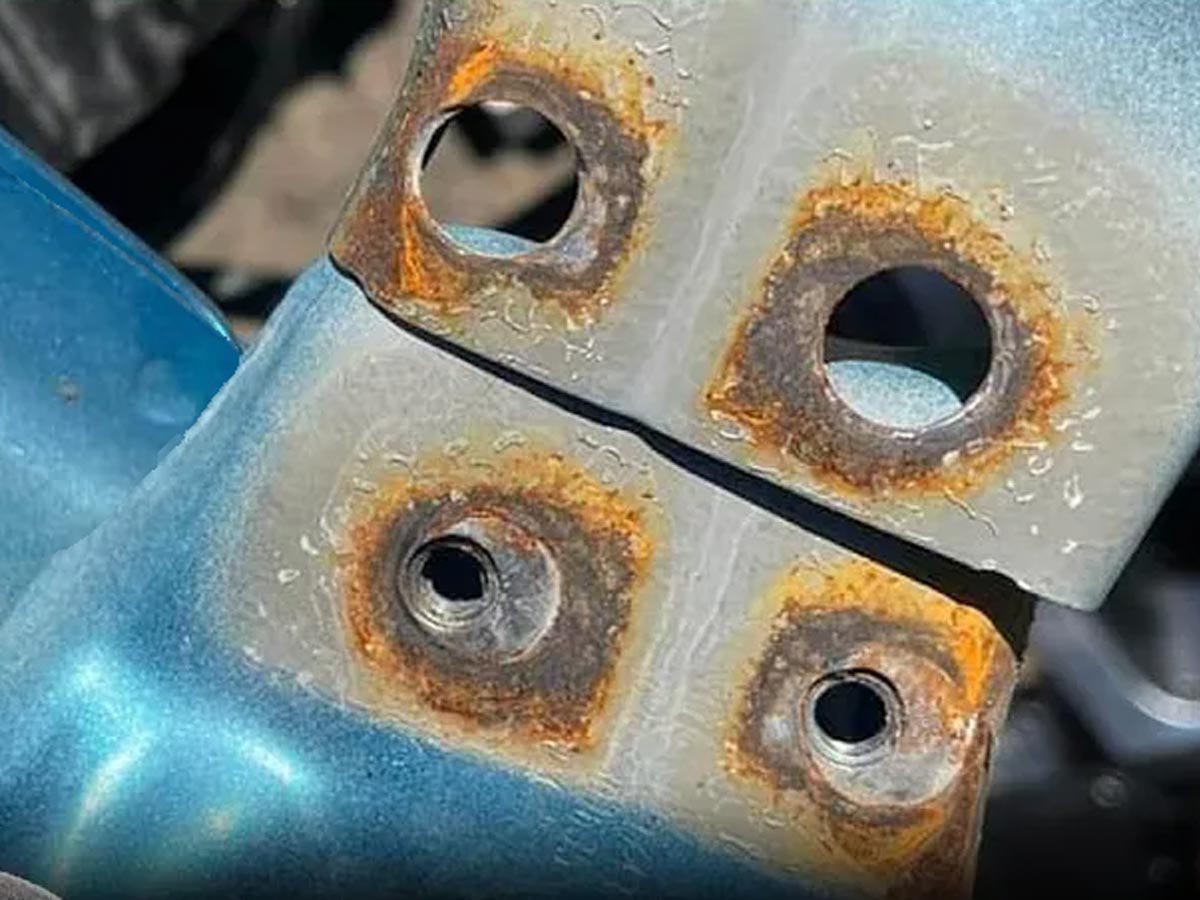
For a long time, rust was a stubborn cliché attached to Italian cars. Alfa Romeo, Fiat and Lancia were often singled out in past decades for their susceptibility to corrosion. But in 2026, the landscape has changed... and it's now certain Chinese cars that are starting to be talked about for the same reasons.
MG: first signals from Europe
In recent months, a number of testimonials from European users of MG models have emerged. The cases concern in particular MG ZS EV, MG4 and MG5 models, with recurring observations in certain sensitive areas: underframes, welds, rocker panels and structural components.
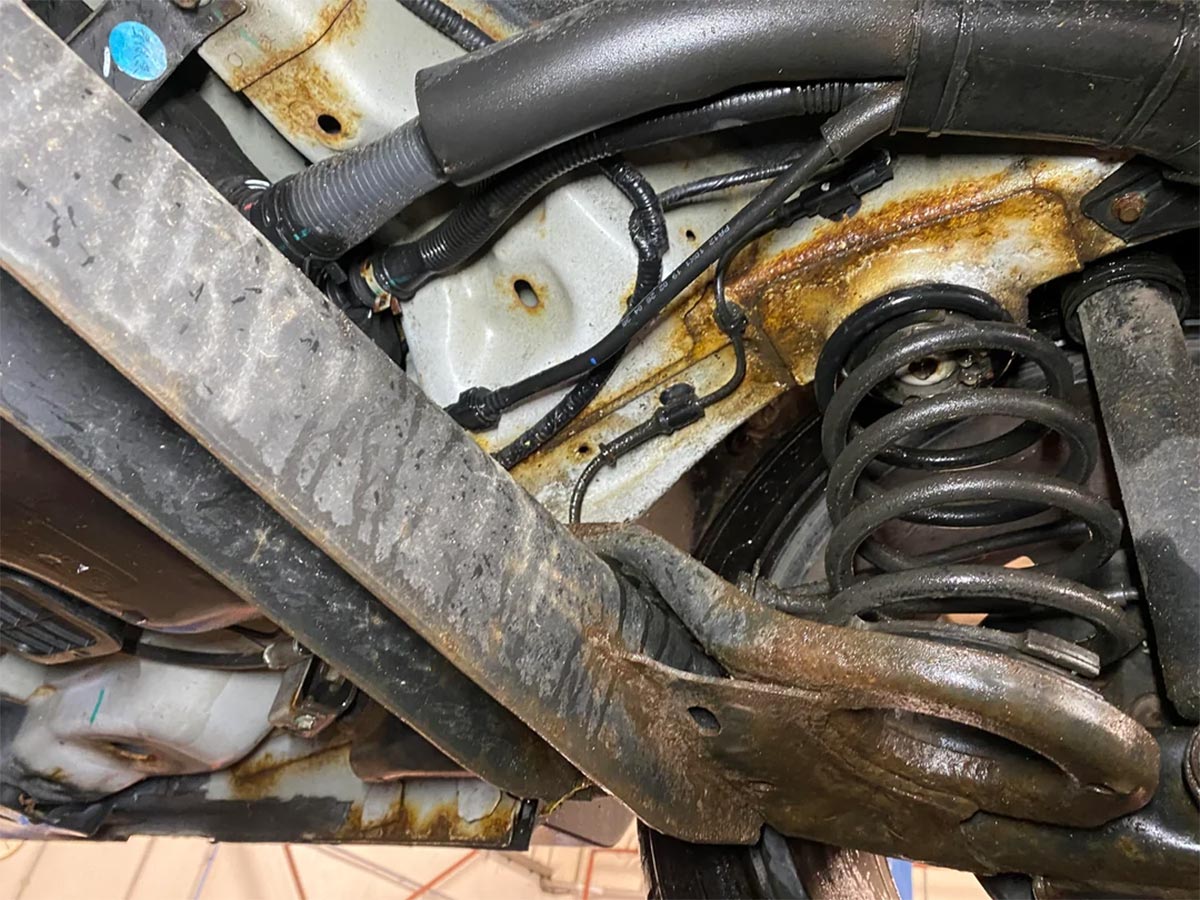
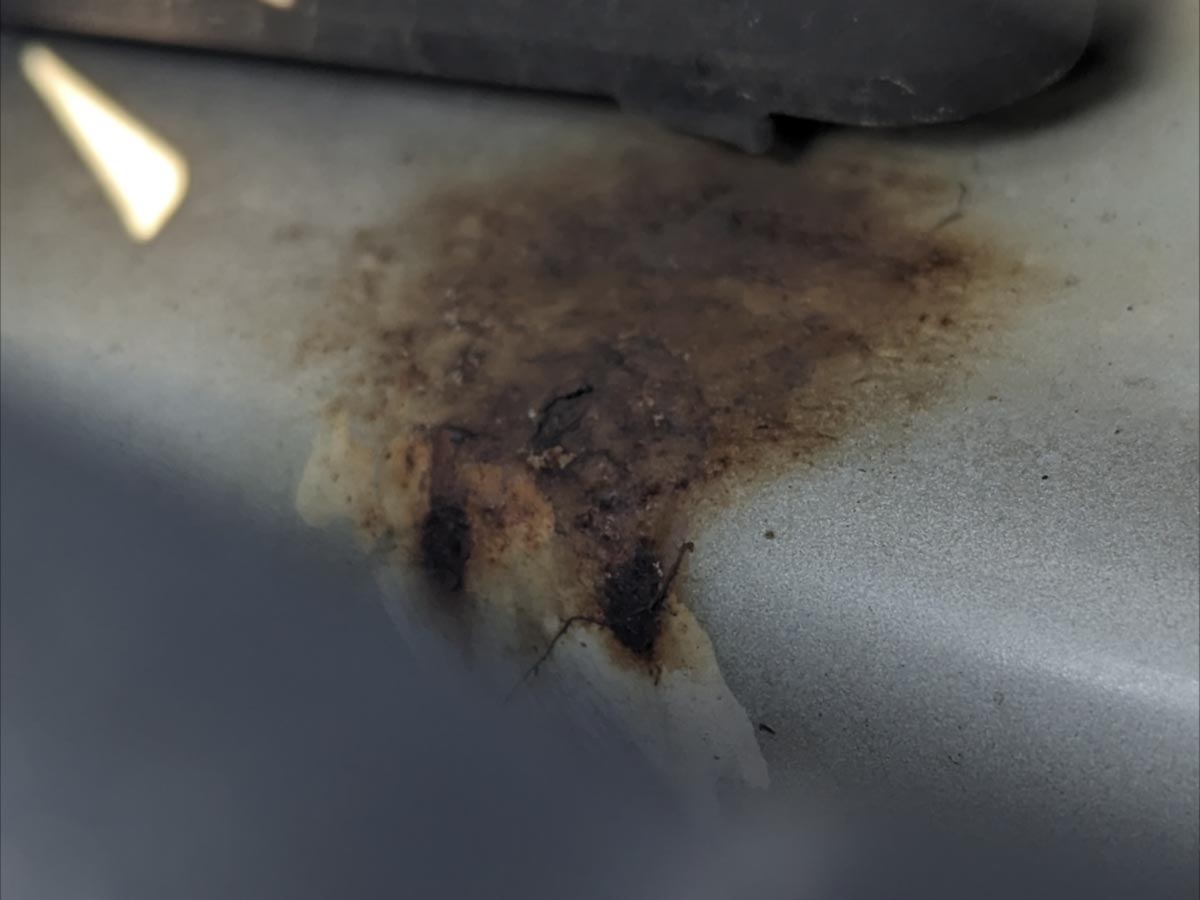
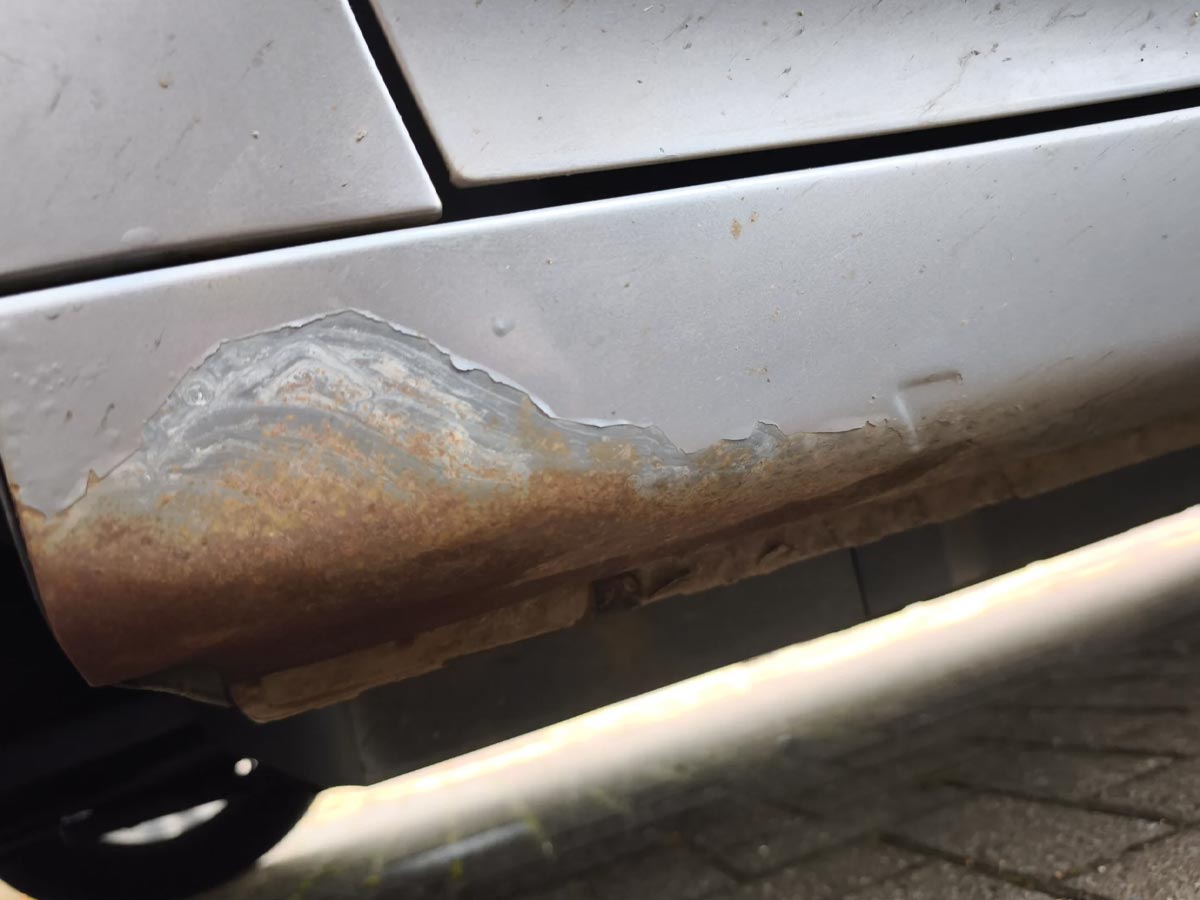
This phenomenon is particularly noticeable in countries such as the UK and Germany, where humidity and the use of salt on winter roads naturally accelerate the onset of corrosion. In these conditions, some owners even recommend applying additional anti-corrosion protection after purchase. One important point is worth emphasizing: MG's 7-year anti-corrosion warranty essentially covers body perforation, not surface rust. A nuance that can make all the difference for owners faced with these problems.
BYD: isolated but high-profile cases
BYD, for its part, has not been totally spared. The Atto 3 model recently hit the headlines in Australia and New Zealand after photos were published showing rust spots on relatively new vehicles.
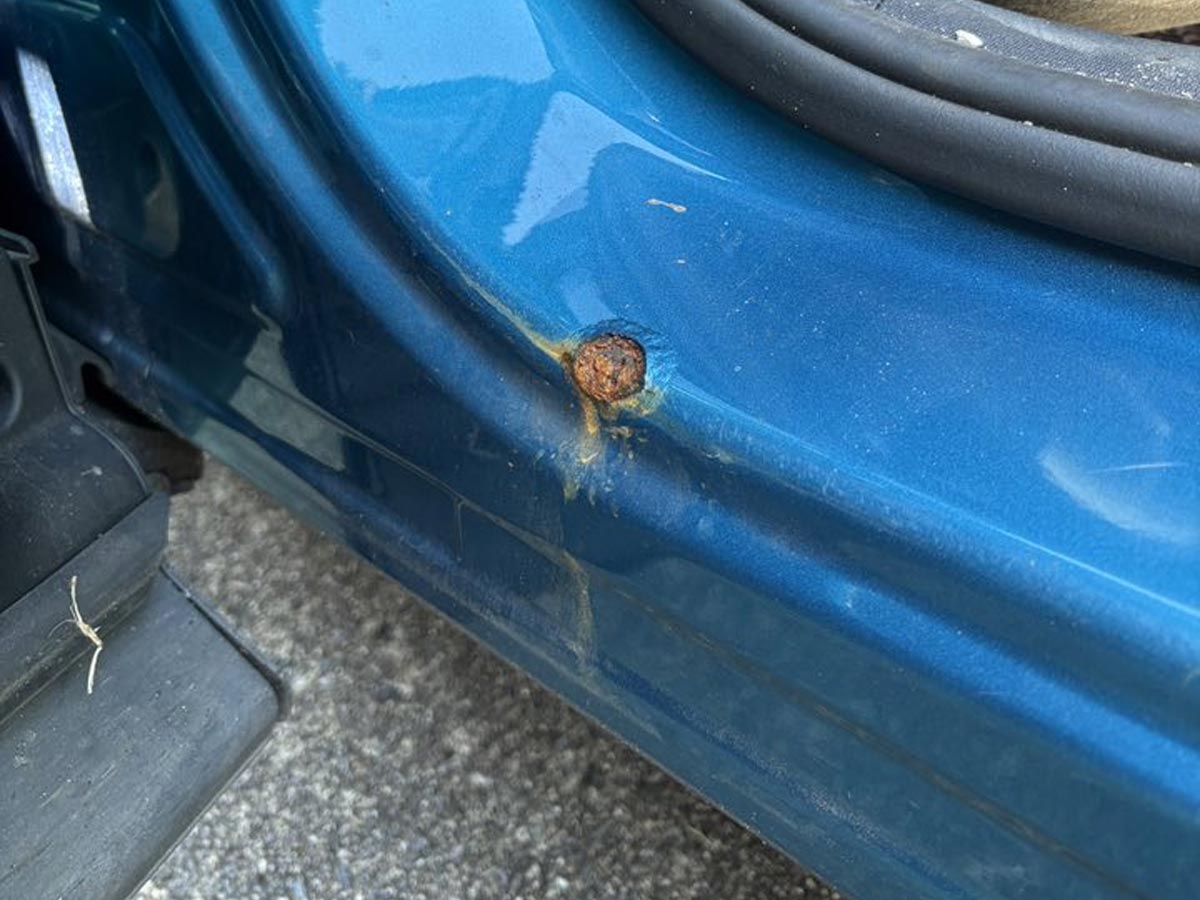
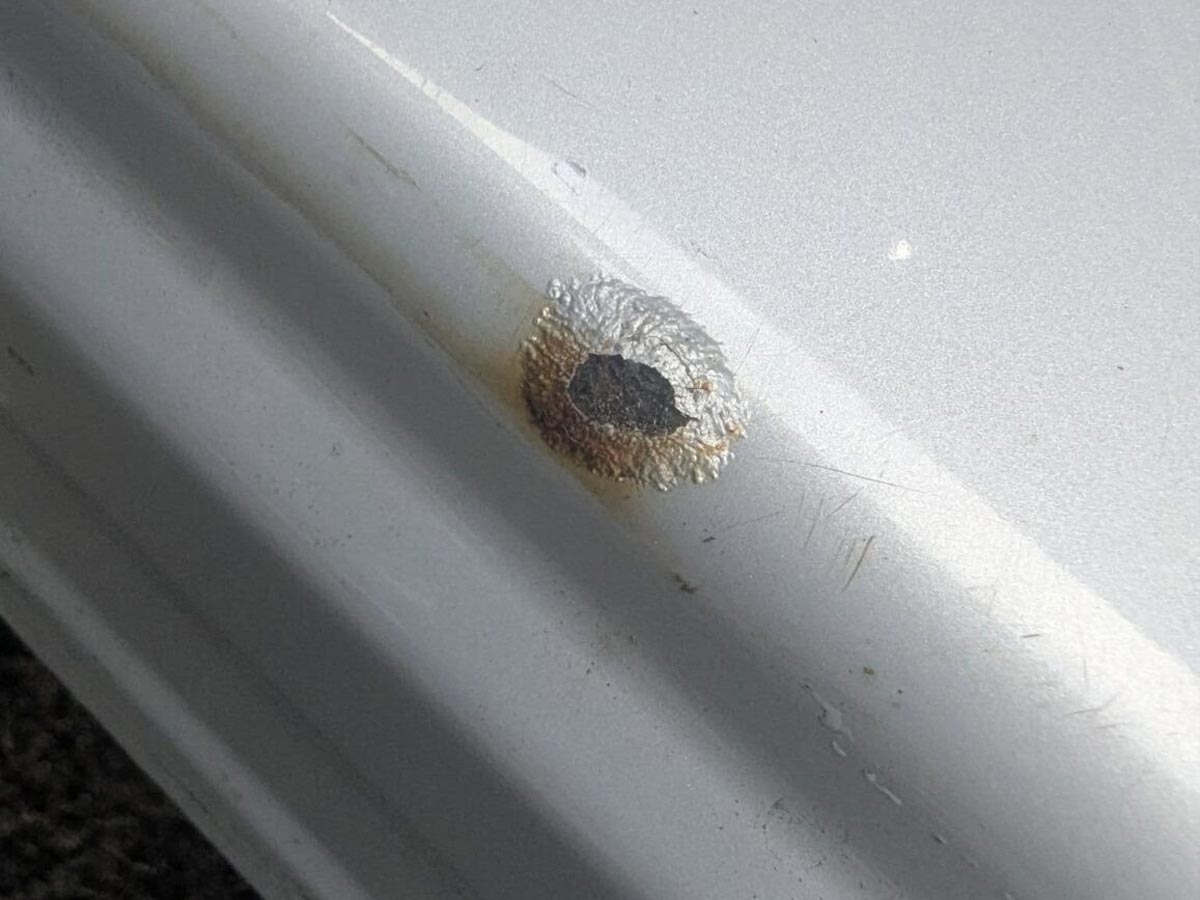
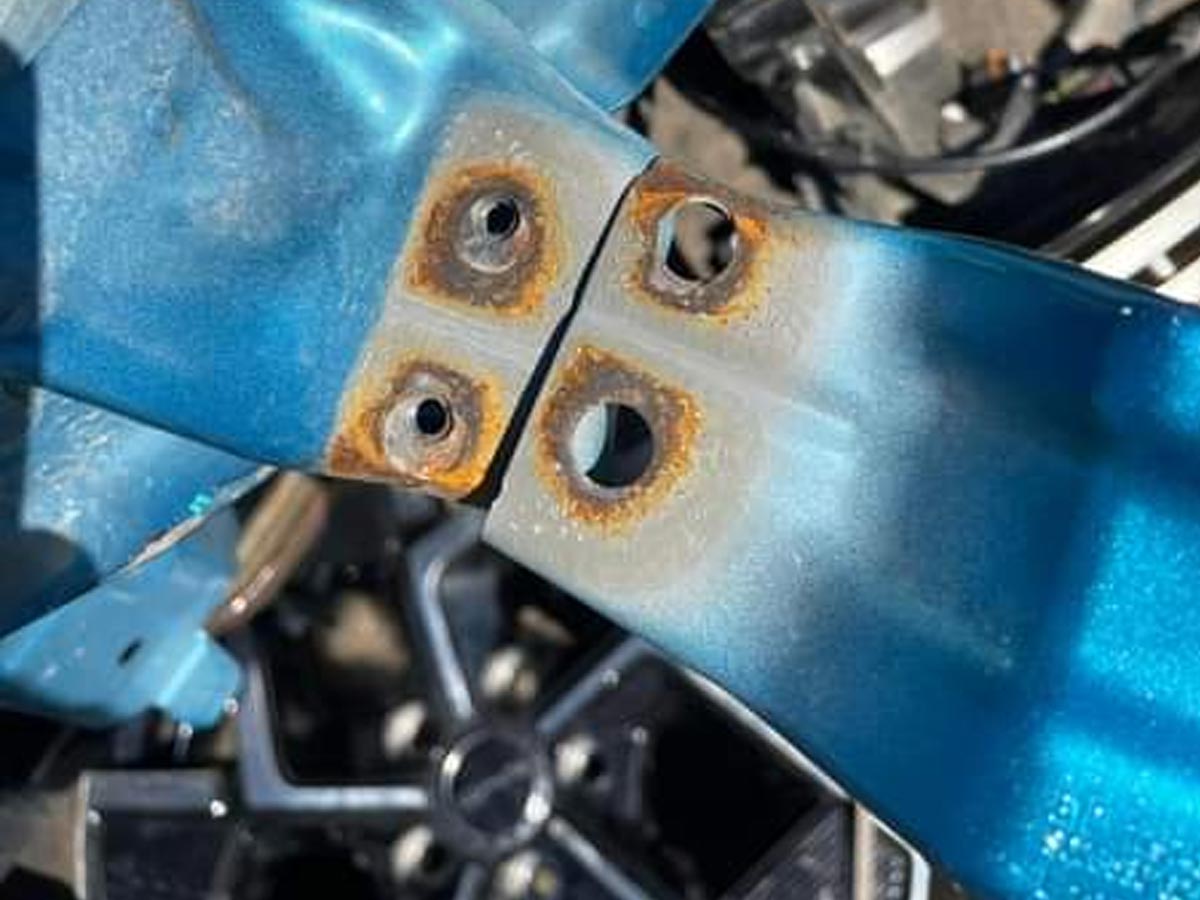
In one case, a New Zealand owner had to have a large part of his vehicle repainted, an operation estimated to cost several thousand euros... entirely paid for by the manufacturer. A survey of end-users suggests that the problem may be due to insufficient preparation of the metal before repainting on some of the first batches. Other hypotheses have been put forward: stone chips, scratches, the marine environment or operating conditions. However, several testimonials also point to the opposite, with two- to three-year-old vehicles parked near the sea without the slightest trace of corrosion.
Quick response from manufacturers
Faced with these reports, BYD was quick to respond. The automaker claims that its vehicles meet the highest international standards, and are based on advanced protection techniques such as electro-galvanizing, in which a thin layer of zinc is applied to protect the metal.
In the cases reported, the brand took charge of repairs under warranty, even mobilizing its local teams to follow up the cases. This responsiveness shows just how crucial customer satisfaction is for a manufacturer in full global expansion.
What makes this situation particularly interesting is its symbolic aspect. While Italian manufacturers have greatly improved their manufacturing quality and corrosion resistance over the decades, it is now some of the new players on the world market who have to prove themselves in these fundamental respects.
However, this does not mean that all Chinese cars are affected. Cases remain relatively rare at this stage, and the generally positive feedback from BYD model owners confirms this. But in an ultra-competitive market, where brand image is also determined by durability, these episodes can quickly gain momentum.
The meteoric rise of Chinese manufacturers is largely due to their attractive prices. But this rapid rise to prominence can sometimes reveal teething problems, particularly in critical areas such as corrosion protection.
 English
  French
  Italian
  Spanish
  German
  Japanese
  Dutch
Dutch
Buy Chinese cars, it's not too expensive and it's quality like some people think. No, in fact, BYD and MG rusting is very annoying for their image.
Rust on Italian cars is ancient history, the 70s and 80s.
We mustn't generalize about certain cases. And the Chinese react when certain groups try to throw the baby out with the bathwater (follow my lead).
Beware of Chinese products 😉
We forget to mention that a car of any make must be washed and rinsed with water after contact with salt.
And we're going to leave them our European factories and their know-how. We've underinvested in them and left the situation to rot... Stellantis has succeeded in maximizing profits by reducing suicide constraints at every turn.
No strategy, a real weathervane, the boat sinks normally
I often liken Chinese goods to fools gold, not quite what it appears to be.
Photos are not all of modern MGs
And Renault r for rust