

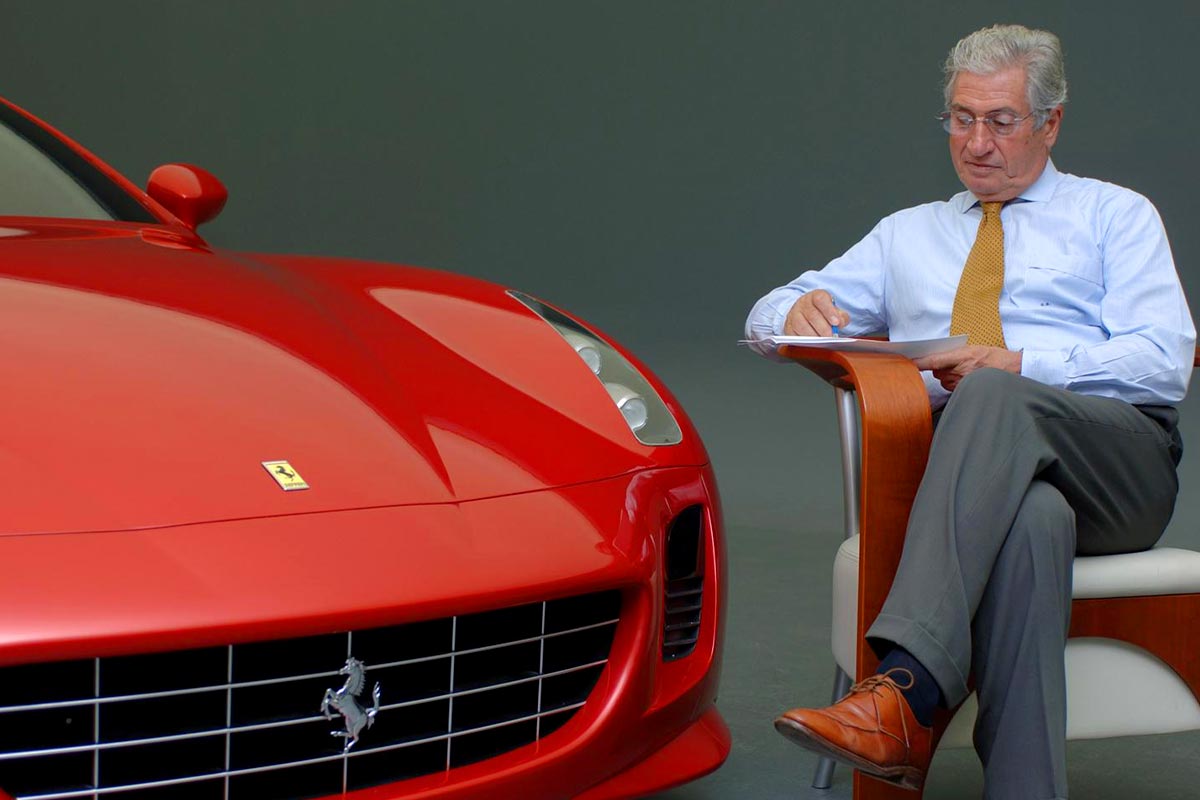
Since its launch, the Ferrari Luce leaves no one indifferent. The first electric Ferrari 100 % in history, the Maranello automaker's sedan is as divisive as it is intriguing. After the feedback from Ferrari owners, the analysis of a great collector or even first notices from China, A particularly long-awaited opinion was missing, that of a great designer: Giorgetto Giugiaro.
Because when it comes to automotive design, few voices carry as much weight. The father of such benchmark models as the Volkswagen Golf, Fiat Panda, DeLorean DMC-12, Lancia Delta and Maserati Ghibli, the Italian designer has spanned several generations of automobiles and shaped the history of the industry. Interviewed by Automoto.it, In this interview, he gave a frank analysis of the Ferrari Luce, ranging from admiration for the boldness of the project to harsh criticism of its styling.
A Ferrari that breaks all codes
For Giugiaro, the surprise provoked by the Luce is perfectly understandable. For decades, Ferrari has been associated with low, aggressive cars, sculpted to evoke performance even when standing still. The Luce breaks completely with this tradition.
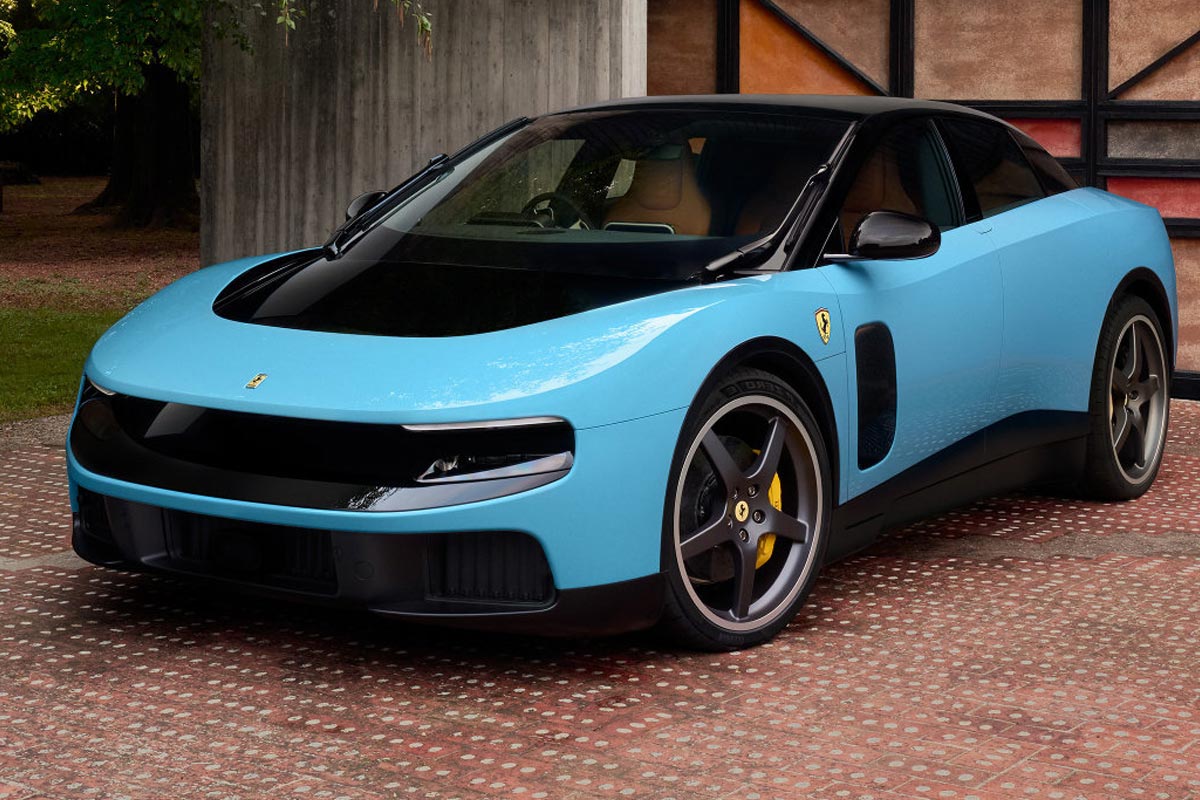
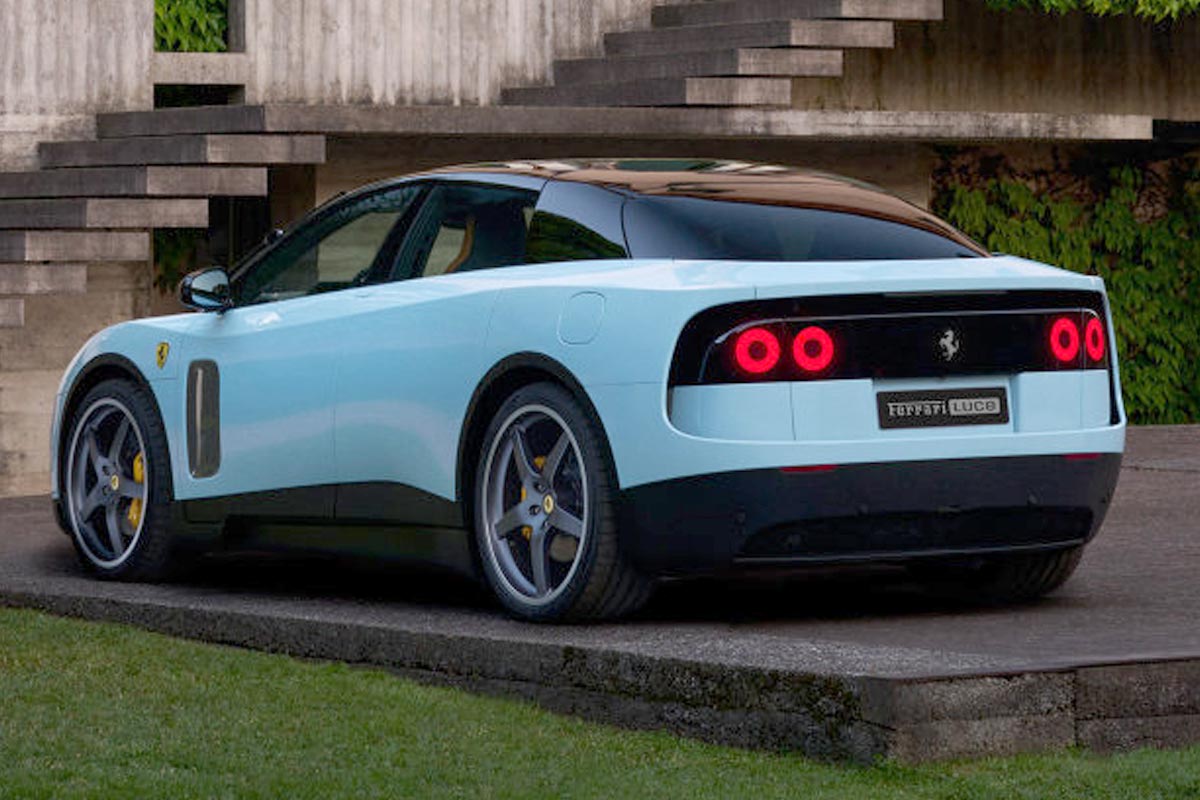
The designer believes that the majority of the public were confused because they expected a Ferrari that conformed to the brand's usual codes. However, he believes that a manufacturer of this stature has the right to explore other territories. In his opinion, Ferrari is perhaps addressing a different clientele, one more attracted by technology and comfort than by ostentation or displays of visual power. This approach did not leave him indifferent. Quite the contrary, in fact.
«The courage of a lion»
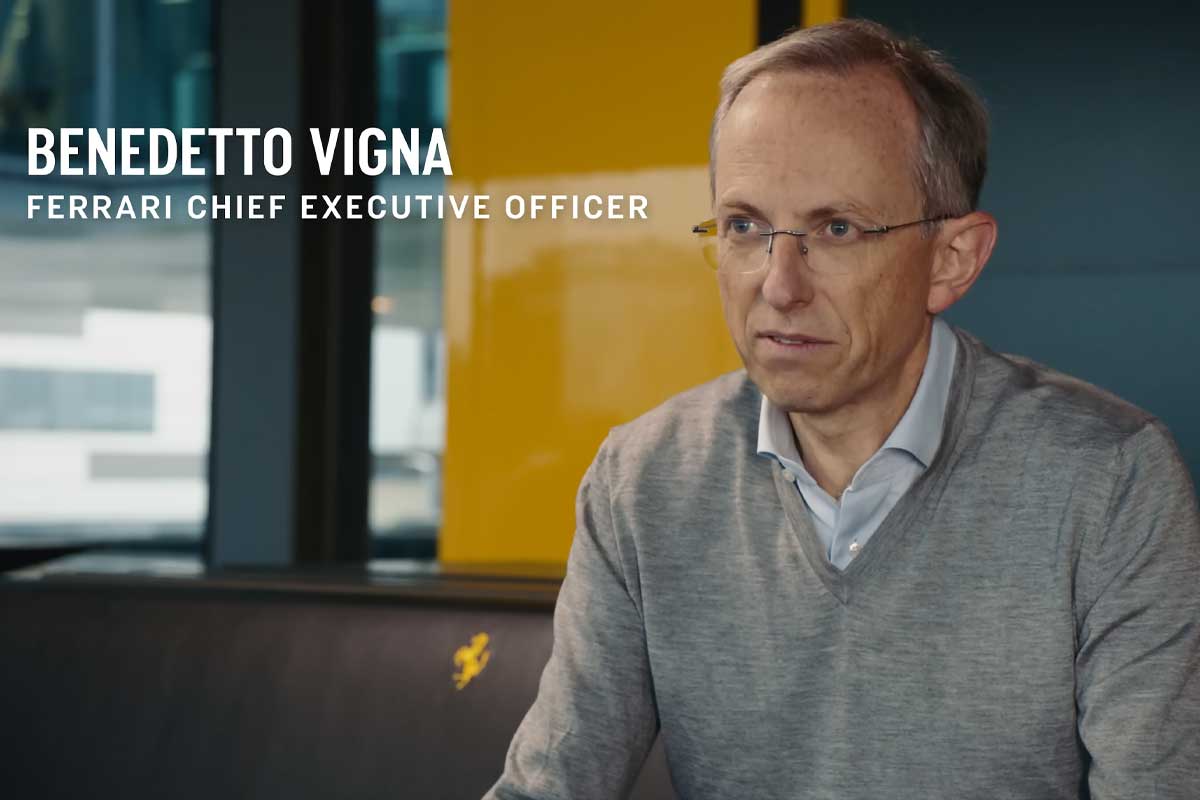
One of the most striking passages in the interview concerns Giugiaro's admiration for the decision taken by Ferrari CEO Benedetto Vigna. The designer even reveals that he personally contacted the CEO to praise his initiative: «You have the courage of a lion». For him, launching a product that goes against all market expectations represents a true act of courage. For Giugiaro, following enthusiasts' expectations is relatively simple. Proposing an electric Ferrari with an atypical design, knowing that the critics will be numerous, is a much riskier approach. It's precisely this risk-taking that he respects, regardless of his assessment of the final result.
A harsh assessment of the design
While Giugiaro applauds the strategy, his view of the design is far less indulgent. The Ferrari Luce was designed with the participation of the LoveFrom studio, founded by Jony Ive, famous for having imagined the aesthetics of numerous Apple products. It is precisely this choice that seems to pose a problem for the Italian designer.

A beginner would do better,’ he says bluntly. According to him, the problem isn't that the car lacks aggressiveness or that it adopts a sedan silhouette. What it lacks is any real creative force. Giugiaro considers the car too discreet, too ordinary, incapable of exuding anything exceptional despite its historic status as the first electric Ferrari.
He also believes that designers from the world of consumer electronics don't necessarily have the necessary experience to master all the constraints specific to automobiles: safety, homologation, aerodynamics and ergonomics. In his opinion, Ferrari could have achieved a better result by entrusting the project to automotive design specialists capable of proposing a different approach without sacrificing a strong visual personality.
Technology before appearance
This position is consistent with the philosophy that Giugiaro has been defending for decades. When asked what his greatest creation is, he cites not an exotic supercar but the Fiat Panda. For him, a successful car is above all one that perfectly meets the needs of its users.
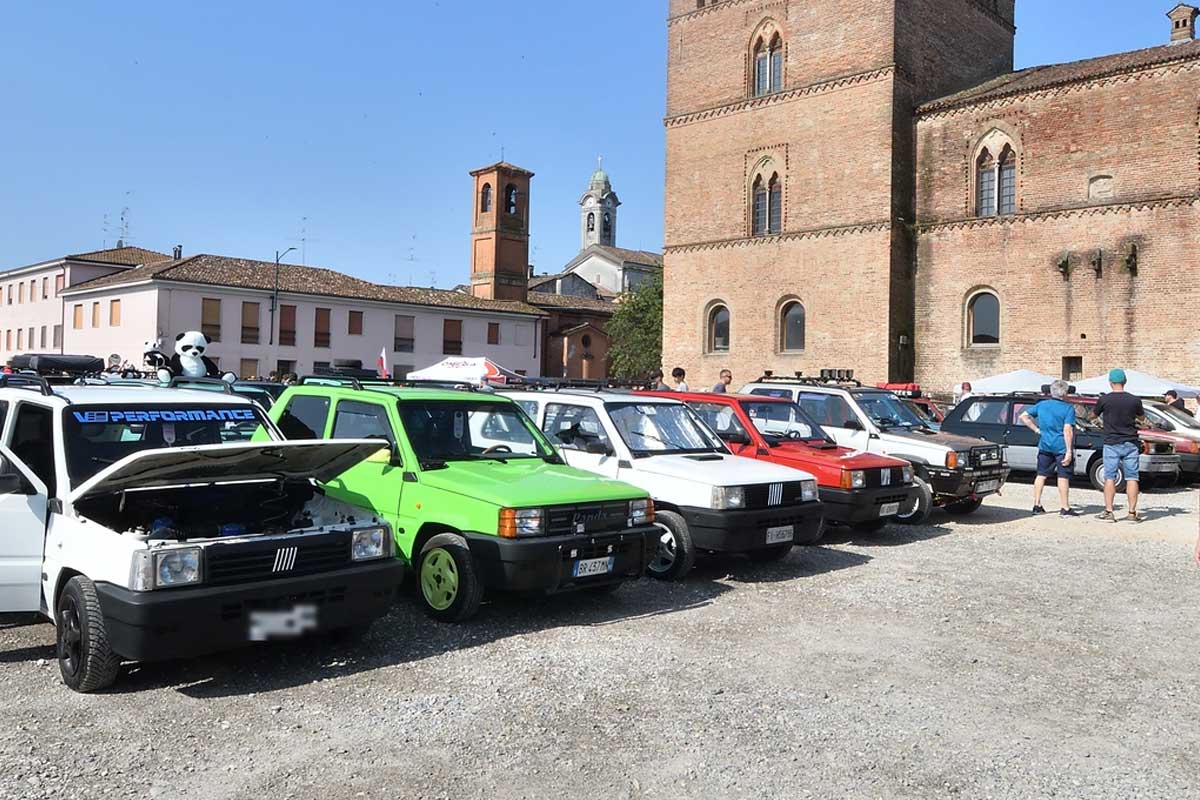
This vision also explains why he now appreciates atypical vehicles such as the Tesla Cybertruck, which he claims to drive himself. In a world marked by traffic jams and constraints, he now prioritizes functionality, visibility and comfort over the pursuit of a spectacular silhouette.
Can Ferrari afford anything?
One of the most interesting aspects of Giugiaro's analysis concerns the freedom available to the major brands. In his view, Ferrari has sufficient legitimacy to explore new avenues without having to justify itself. He compares the brand to a renowned surgeon capable of performing an operation different from those for which it is renowned.
In other words, Ferrari is not condemned to eternal repetition of the same recipes. Its strength lies precisely in its ability to surprise and push the boundaries. For Giugiaro, even if the Ferrari Luce doesn't totally convince him aesthetically, Ferrari has no reason to be ashamed of this project. On the contrary, he feels that the brand has achieved a remarkable technological feat and had every right to shake up convention.
What would Enzo Ferrari have thought?
The question that often accompanies the Ferrari Luce is simple: what would Enzo Ferrari have thought of such a car? Giugiaro answers lucidly. In his opinion, the Ferrari founder would probably never have imagined such a project, as he associated performance with combustion engines, noise and competition. But he also points out that every era has its own vision of progress.
The Luce is not Enzo Ferrari's Ferrari. It is the Ferrari of Benedetto Vigna and of an automotive industry facing new technological and environmental challenges. Perhaps that's where this car's importance lies. More than just an electric model, the Ferrari Luce represents a turning point for the brand. A turning point that Giorgetto Giugiaro doesn't entirely endorse in terms of design, but whose boldness he deeply respects. And coming from a man who designed some of the most iconic automobiles of the twentieth century, this judgment undoubtedly deserves as much attention as the car itself.
 English
  French
  Italian
  Spanish
  German
  Japanese
  Dutch
Dutch
From a guy (who really had some good ideas back in the day) who drives a cybertruck and talks about safety, visibility... in short grandpa «we don't give a damn about your senile opinion»!!!!
Giorgetto Giugiaro is a living treasure in Italy, how about a little respect?
tesla cars are technological and comfort successes! It's the 1st manufacturer to start from a blank page and rethink the car of the 21st century. The design of these cars stems from efficiency and personally I find them beautiful, apart from the cybertruck ok. The Tesla approach was brilliant. Result: in 10 years, Tesla has sold more than Audi or Bmw. Its stock market value is 2x higher than all the European groups put together. Does that mean anything?
Si, significa che non sei informato!
Vendite complessive auto ultimi 10 anni:
BMW 24,540.000 circa, Audi 17.340.000 circa, Tesla 8.790.000 circa
(font: Car Sales Statistics)
The Tesla CyberTruck is a horror, I can confirm. In comparison, the Ferrari Luce is a beauty, even if its design is surprising.
Het ontwerp is nu juist allesbehalve verrassend. Het is alles wat je op de auto design studie leert over het vormgeven van een iets te hoge lompe auto, zonder risico's te brengen.
I think Giugiaro is right: a big risk, a bold concept and a more or less bad exterior design. It would be great if more legendary designers would also give their opinion about the Luce. Too bad many of them (Gandini, Sacco, Spada) just left this planet.
...A beginner would do better... I listened to the interview and he did say that he approves of Ferrari's approach and didn't criticize the car at all! I'd even go so far as to say that despite his advanced age, GG is still very modern in his thinking and analysis: to say that he severely criticizes the Ferrari Luce ...shows that you haven't listened to his interview properly!!!!
He's not criticizing Ferrari but the Luce's style, that's true. On the other hand, he does say that Tesla's stupid thing is a step forward and that he drives one. Seriously, I don't get it. And I'm speaking having already seen the cyber thing, because due to American bases in Europe, there are a few that have the right to drive on our roads (although they're not homologated....). In short, I can confirm that Grandpa Giugiaro is going senile! But he's by no means the only one.
I think you didn't understand my comment ....... But it's by far not the only one: I think you're very borderline senile!
It's not the electrical technology that's to blame, it's the design. .
Mein Vater Designer bei Fa.Wendler in Reutlingen würde sich im Grab umdrehen wenn er diesen Ferrari gesehen hätte so ein scheußliches Auto. GRÜßE NORBERT Schwandner.