

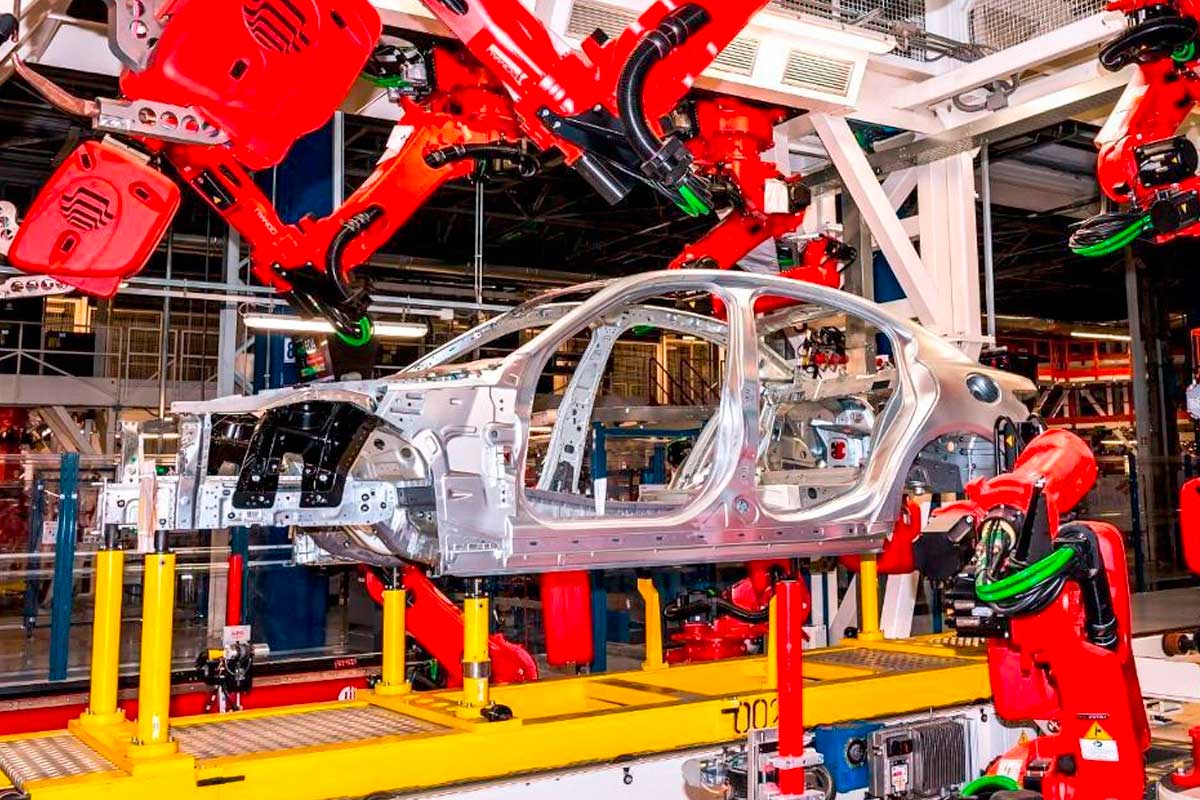
There was a time when the Cassino plant symbolized the industrial might of Fiat in Italy. In the 1990s, some 12,000 people worked there every day to produce popular models such as the Fiat Tipo, Tempra, Bravo and Brava. Today, the atmosphere has changed radically. The plant, now owned by Stellantis, located in Lazio, now employs just 2,100 people, and concerns about its future have never been greater.
A plant that has long represented Italian industrial know-how
The Cassino plant was inaugurated in the early 1970s to support Fiat's industrial expansion. With its ultra-robotized lines and production capacity of over 250,000 vehicles a year, it was one of the Group's most modern sites.
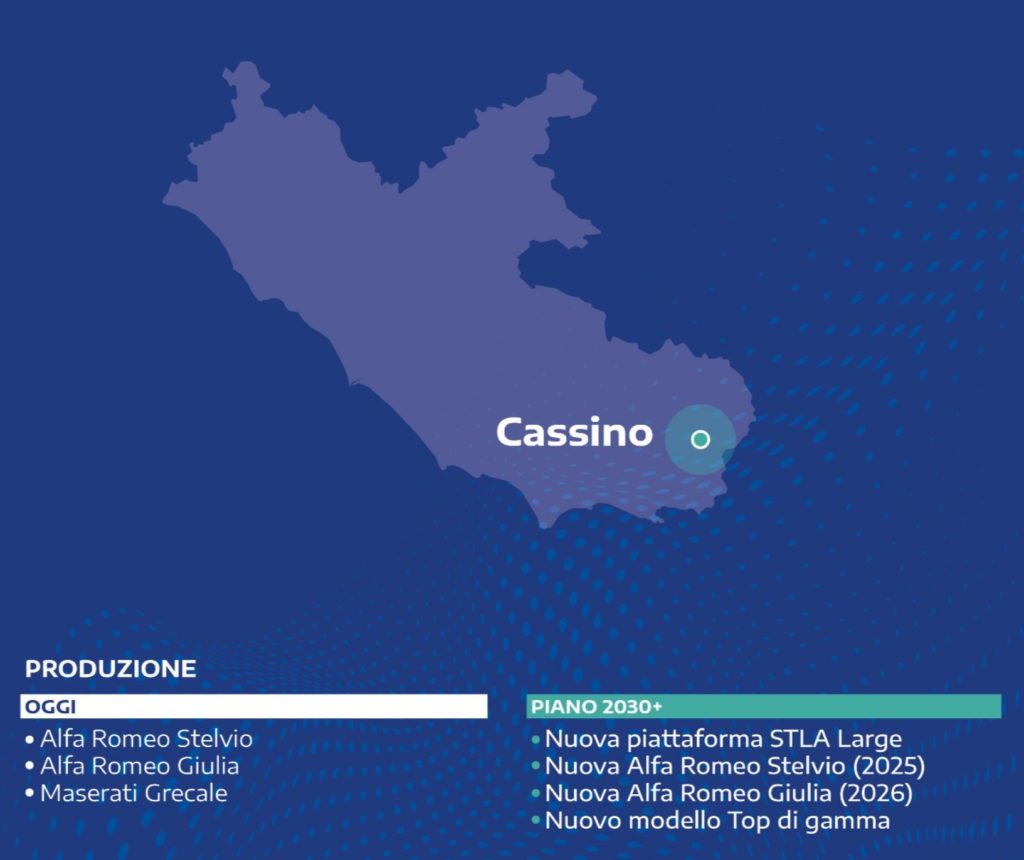
For several decades, Cassino produced some of Fiat's most important models: Ritmo, Tipo, Bravo, Stilo, Giulietta... Cars distributed throughout Europe, capable of keeping the plant running at full capacity. But in recent years, the situation has deteriorated rapidly. Today, Cassino mainly produces Alfa Romeo Giulia, Stelvio and the Maserati Grecale. These are low-volume models, a far cry from the large production runs that once sustained the plant.
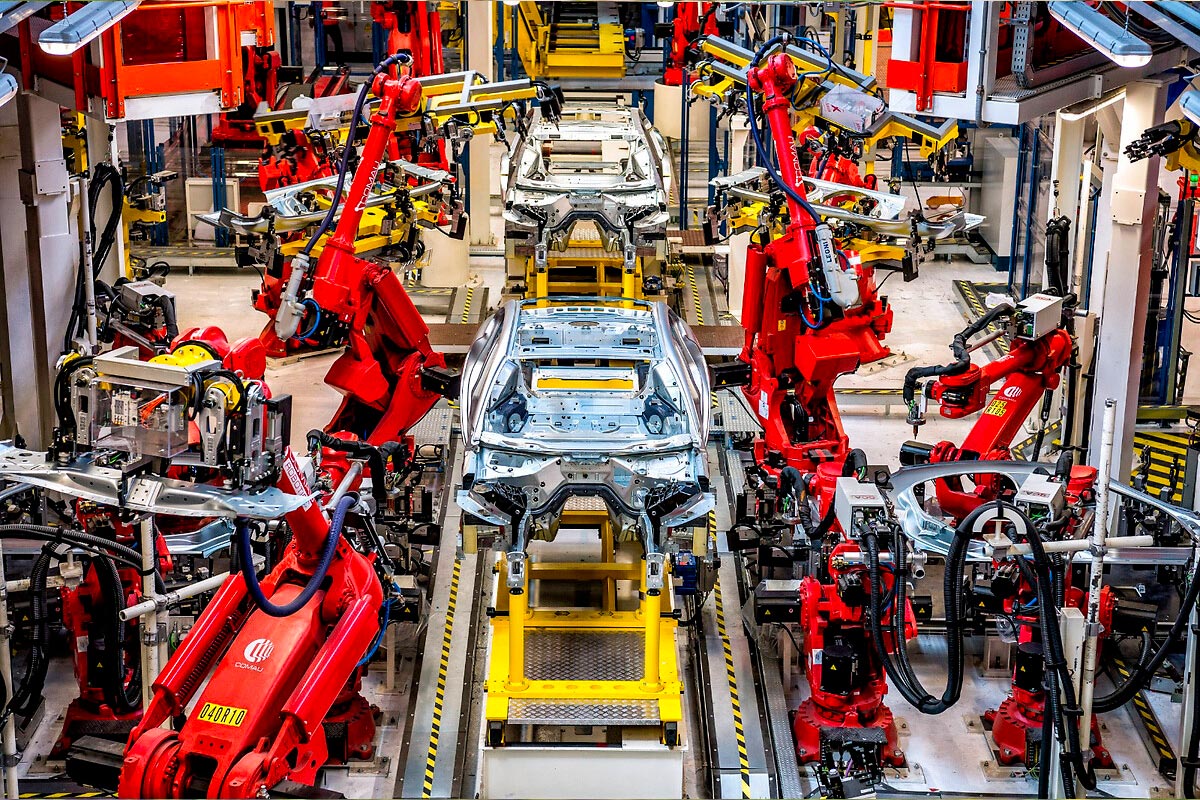
A production that has become almost symbolic
According to information provided by the unions, the Cassino plant will have produced fewer than 20,000 vehicles by 2025. An extremely low figure for a site capable of producing several hundred thousand units a year. At the presentation of the «FaSTLAne 2030» strategic plan in Detroit, the new CEO of Stellantis, Antonio Filosa, was very vague about the future of the Italian site. All he said was that «Cassino has a future linked to the Maserati plan to be presented in December».
Meanwhile, the unions are openly worried. For behind the reassuring rhetoric that ’no sites will close«, the figures tell a different story. Fiom-Cgil representatives estimate that the Stellantis plan will reduce production capacity by 800,000 vehicles in Europe. And the most fragile Italian sites, such as Cassino and Termoli, appear to be in the front line.
From 1 million cars in Italy... to 800,000 for the whole of Europe
What's also striking in this dossier is the spectacular evolution of industrial ambitions. Just a few years ago, the Italian government was publicly asking Stellantis for a plan to produce at least 1 million vehicles a year... in Italy alone. At the time, the group was producing around 750,000 vehicles in the country.
Today, the situation seems almost absurd: according to the unions, Stellantis is now planning to reduce its European production capacity by 800,000 units. Meanwhile, Italian production has already been cut almost in half compared with the company's 2024 ambitions. The contrast perfectly illustrates the change in the Group's strategy. Under Carlos Tavares, and now Antonio Filosa, Stellantis is increasingly focusing on a global, multi-regional approach. Major investments are directed towards North America, seen as the most profitable market, while Europe has to cope with industrial alliances (with Chinese groups) and gradual cost-cutting.
Cassino, symbol of Italy's industrial decline?
Cassino is much more than just a car plant. For many in Italy, the site has become a symbol of the gradual decline of the national automotive industry. In the 1990s, each direct job created up to six indirect jobs in the region. Today, this economic effect has been greatly reduced. Successive departures, periods of short-time working and falling volumes have profoundly weakened the entire local ecosystem.
And despite Stellantis' ambitious announcements of 60 new models and 60 billion euros of investment by 2030, Italy continues to wait for concrete answers for its historic plants. At Cassino, employees have already seen the workforce shrink from 12,000 to 2,100 in just a few decades. Many now fear that this is not the end of the downward slide. Unions estimate that the workforce could fall to 1,900 within a few months.
 English
  French
  Italian
  Spanish
  German
  Japanese
  Dutch
Dutch
This plant will become Chinese like the French plant in Rennes
Stellantis announces the ads as a slow, gentle death so that you don't feel it.
It's a complete renunciation, you can't believe their ads, a lot of brands have disappeared. That's just the way it is.
I don't understand why PSA-based Alfa cars are bad, but those produced in Cassino on a true Italian base don't sell! There's a problem in the matrix!
PSA-based Alfa's aren't selling, because the Junior effect won't last long, and since we can't see them anywhere, it's enough to make you wonder if the sales figures have been fudged.
Generations of car buyers know nothing about Alfa/fiat and lancia cars, and with Chinese brands everywhere now, they don't stand a chance outside of Italy