

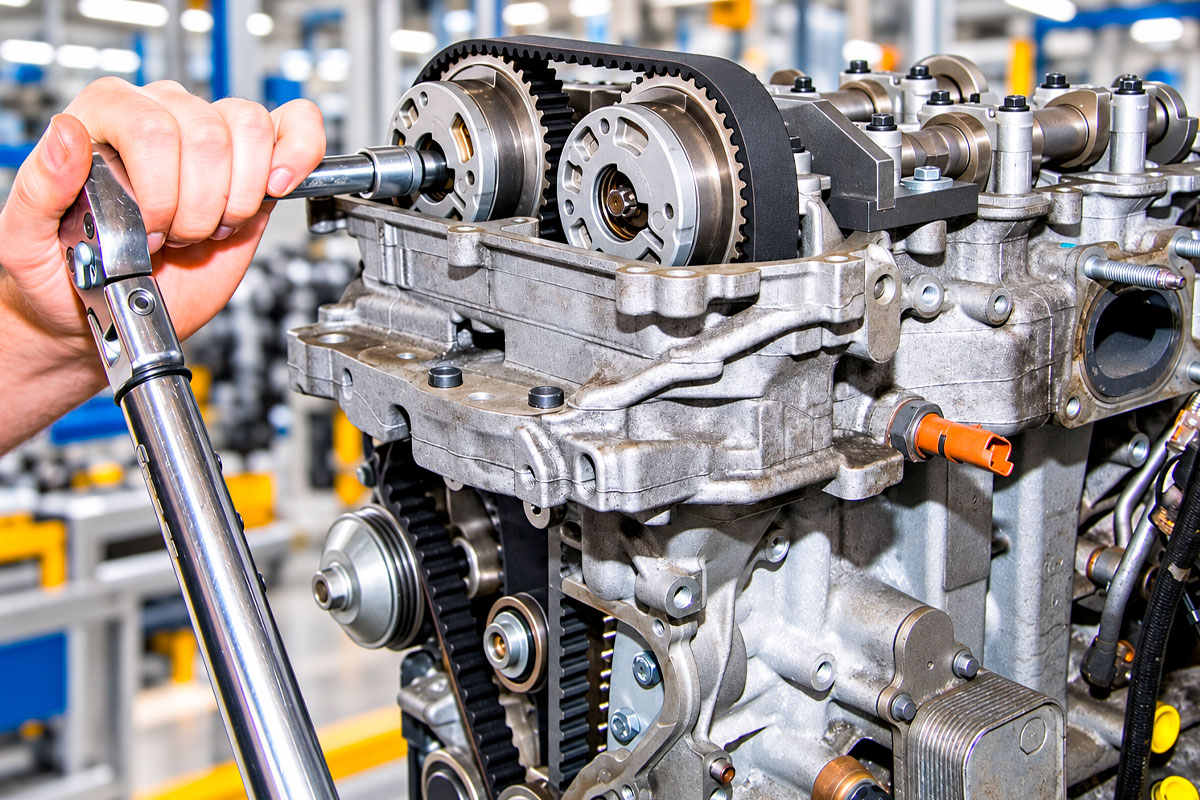
A chapter in European automotive history came to a close on October 30, 2026. After 57 years of operation and more than 52 million engines produced, the French plant in Douvrin, in the Pas-de-Calais department, is closing its doors for good. Owned by Stellantis, this industrial site will remain closely associated with the 1.2L PureTech engine, whose reliability issues have been a major concern in recent years. But behind this closure lies a much richer history, one that also involves Alfa Romeo and Lancia.
57 years of history and 52 million engines
In 1969, Peugeot and Renault decided to join forces to build this factory. At the time, it represented a major industrial investment for a region affected by the decline of the mining industry.
The foundry began operations in 1971, ahead of the launch of production of the first engines in the X family in 1972. Many other engine models followed, including the famous TU engines, of which more than 15.6 million were produced through 2013. Over the decades, Douvrin became one of Europe’s leading centers for the production of internal combustion engines. At its peak, the site employed nearly 5,800 people.
In 2014, the plant was wholly owned by the PSA Group, before coming under the control of Stellantis in 2021, following the merger with FCA.
The PureTech plant is closing permanently
In recent years, Douvrin has been best known for producing several PSA Group engines, notably the 1.2L PureTech, the 1.5 BlueHDi, and, previously, the 1.6 THP.
Production of PureTech engines began at the plant in 2013–2014, with the installation of new production lines. The engine became infamous for its reliability issues, particularly those related to its oil-bathed timing belt.
In an ironic twist of fate, this closure comes just a few days after Antonio Filosa's public apology. On October 19, the CEO of Stellantis acknowledged the difficulties faced by customers with PureTech engines and promised to make quality a priority.
However, the closure of Douvrin had been planned for several years. Engine assembly had already ceased, while some machining operations were still ongoing. October 30 thus marks the definitive end of industrial operations at the site. But this is not the end of this engine. The third-generation 1.2L EB2 engine—which is no longer called Puretech and powers many Stellantis models in Europe—is still being produced at another Stellantis plant in Szentgotthard, Hungary, alongside the 1.6L EP6 engine.
A factory so closely tied to the history of Alfa Romeo
But Douvrin is not just about the PureTech. As early as 1974, the plant was producing the famous PRV V6, developed by Peugeot, Renault, and Volvo. This engine powered the DeLorean DMC-12, among other vehicles, as well as the Lancia Thema. And it was precisely the latter that, somewhat unexpectedly, enabled Alfa Romeo to develop its racing engine for the 155 V6 TI in 1996.
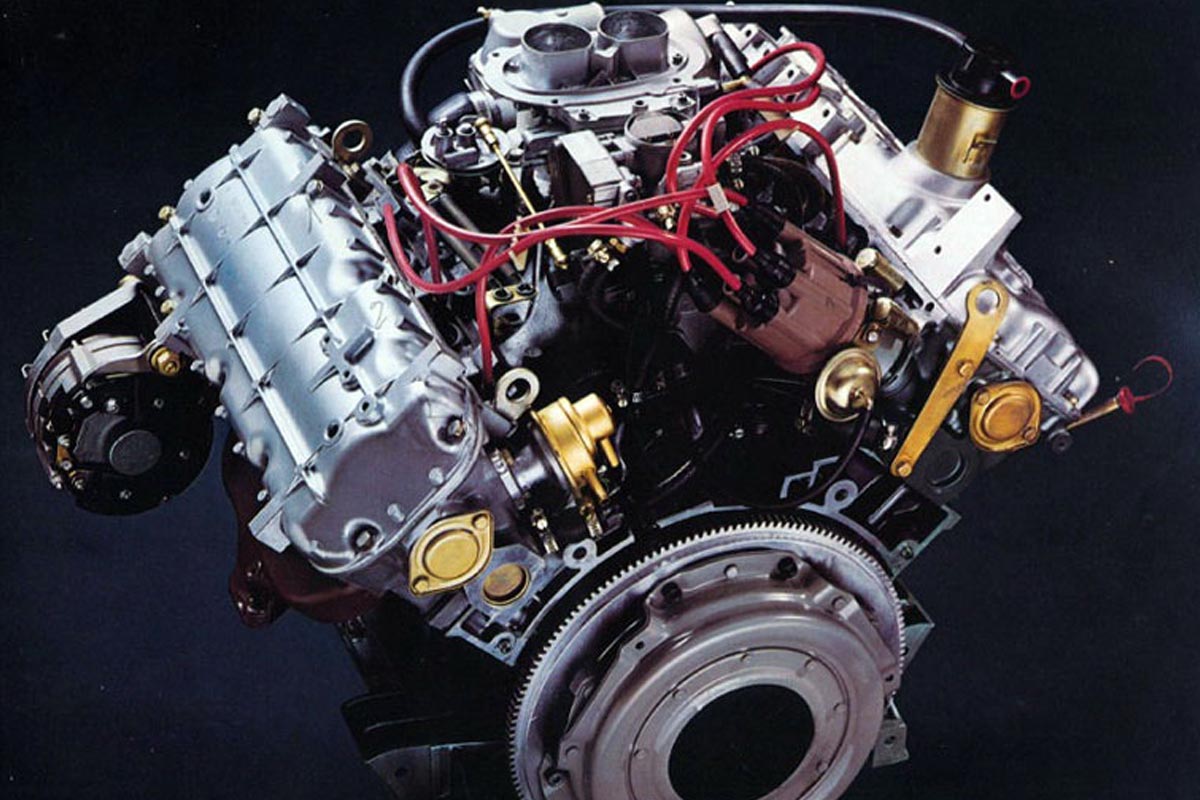
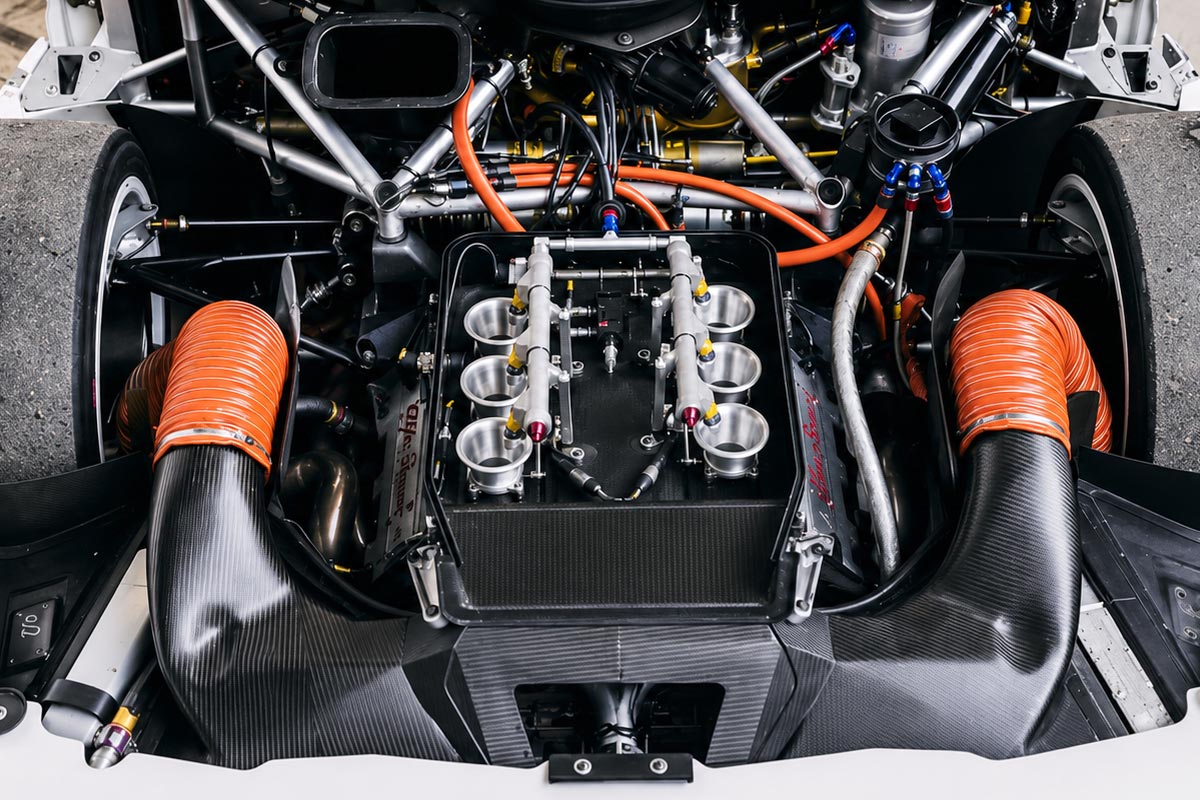
To comply with ITC championship regulations, Alfa Romeo needed a 90° V6 engine. The Italian manufacturer then drew on the architecture of the Lancia Thema’s PRV to develop a thoroughly redesigned race engine. This reveals a surprising historical connection between this French factory and one of Alfa Romeo’s most iconic race cars.

After internal combustion engines, electric batteries
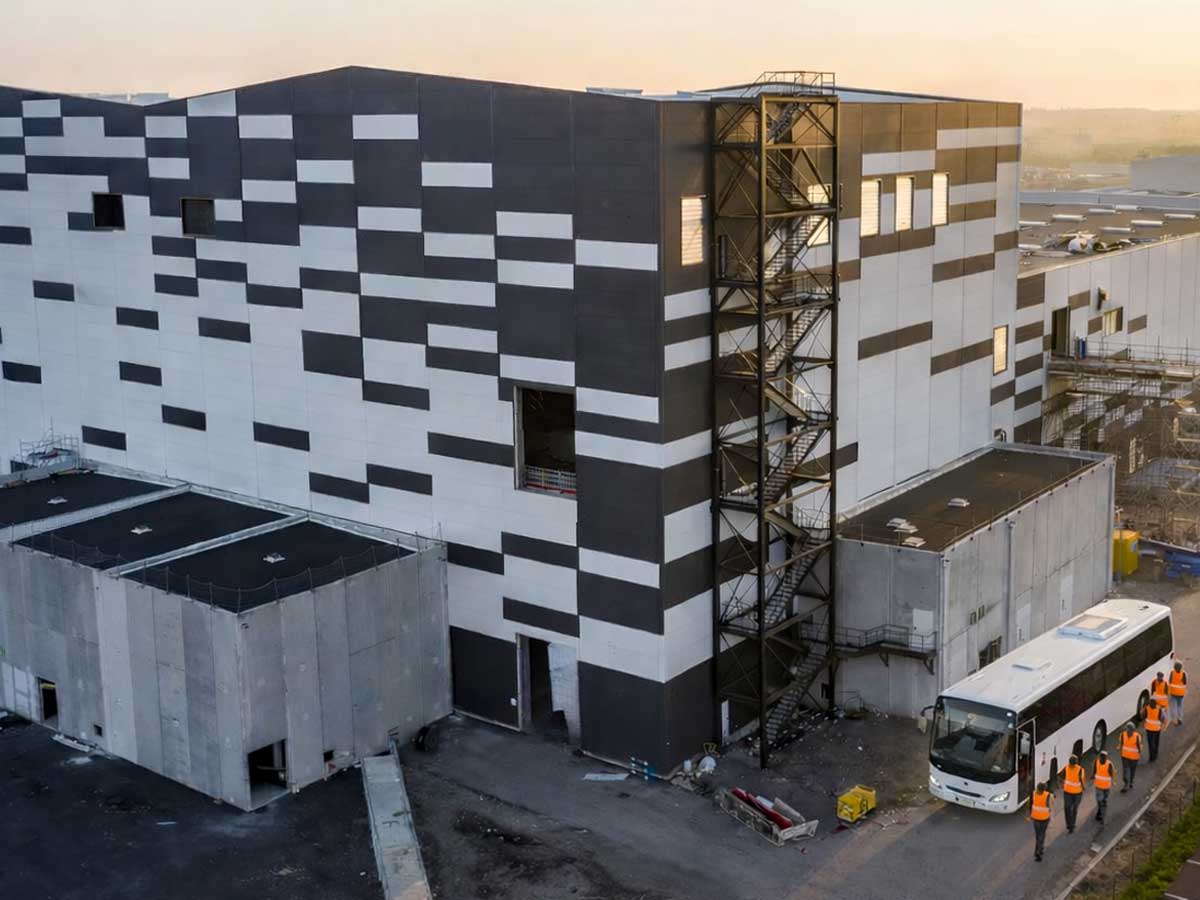
If this engine plant closes, automotive production will continue nearby at the ACC Gigafactory, supported by Stellantis, Mercedes-Benz, and Saft. On October 12, 2026, ACC announced that it had produced its five-millionth lithium-ion cell—enough to power nearly 40,000 electric vehicles. A second production line, with an annual capacity of 12.9 GWh, is scheduled to come online in 2027.
After 57 years and 52 million engines, Douvrin thus symbolizes the transition from one era to another: the era when the European automotive industry manufactured millions of internal combustion engines, before gradually shifting toward electric batteries.
 English
 French
 Italian
 Spanish
 German
 Japanese
 Dutch