

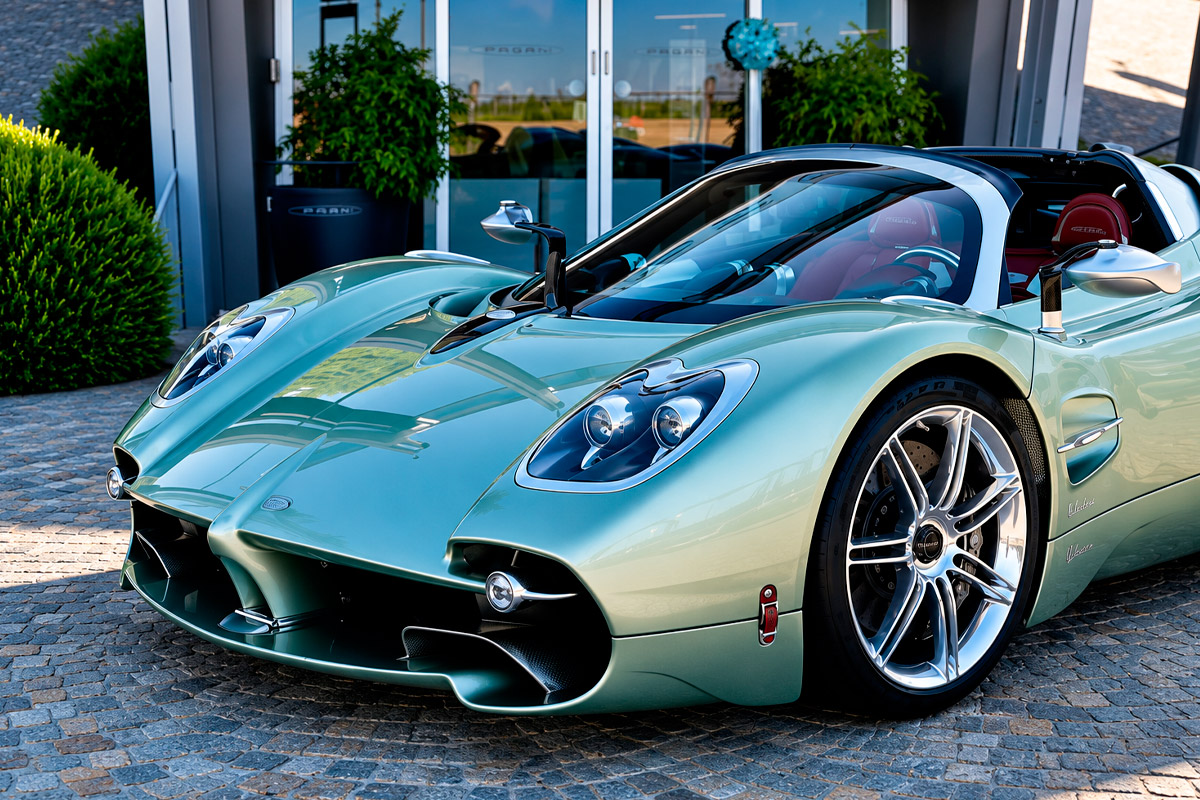
When you think of a hypercar costing more than three million euros, you immediately picture an exceptional engine, a carbon-fiber body, or an interior worthy of fine watchmaking. But at Pagani, luxury can also be found where no one looks. Even in the… screws.
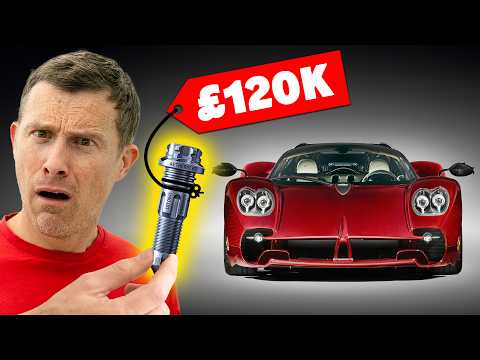
During an exclusive tour of the factory in San Cesario sul Panaro, near Modena, Carwow journalist Mat Watson revealed a detail that perfectly encapsulates the Italian brand’s philosophy. A single Pagani contains approximately 2,000 titanium screws. The unit price of each screw is estimated at 60 pounds sterling, or about 70 euros. The total is staggering: nearly 140,000 euros just for the screws. That’s more than the price of a new Porsche 911 Carrera.
Screws worthy of jewelry
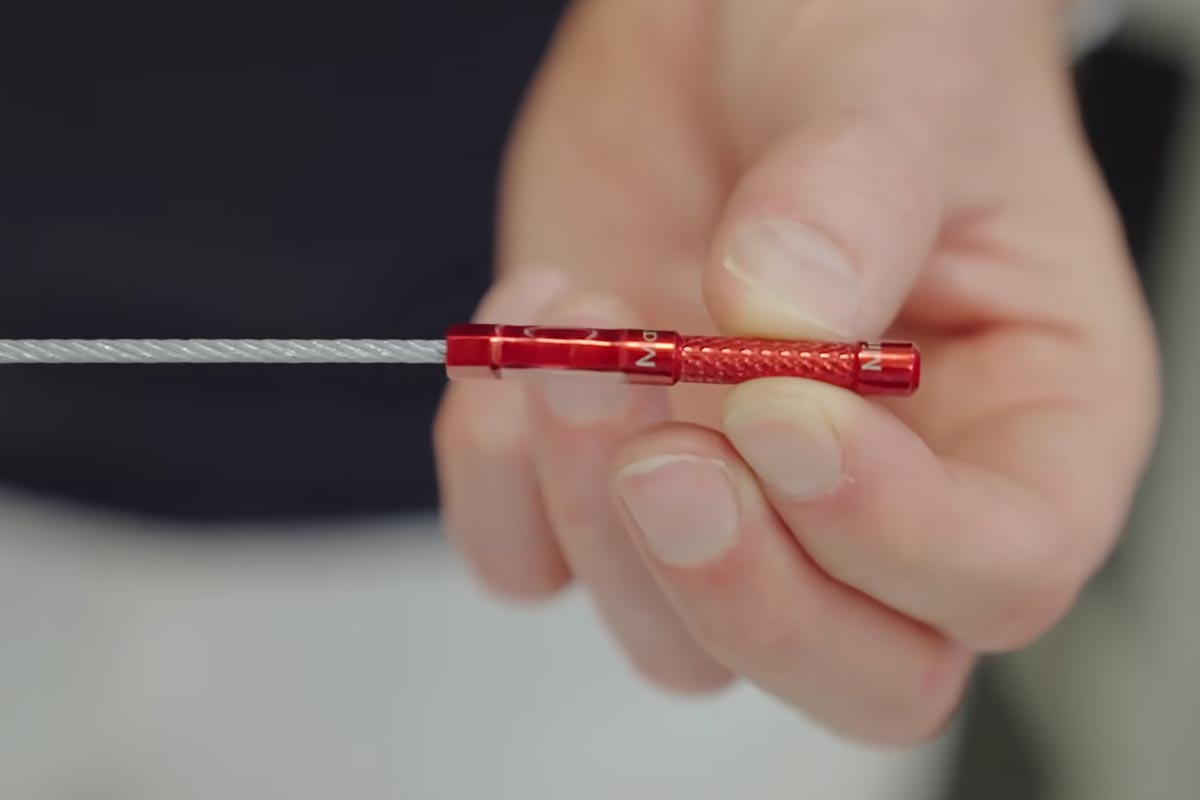
These fasteners are not merely technical components. Each one features a Pagani logo engraved with extreme precision, to a depth of just two microns. By way of comparison, this engraving is dozens of times finer than a human hair.
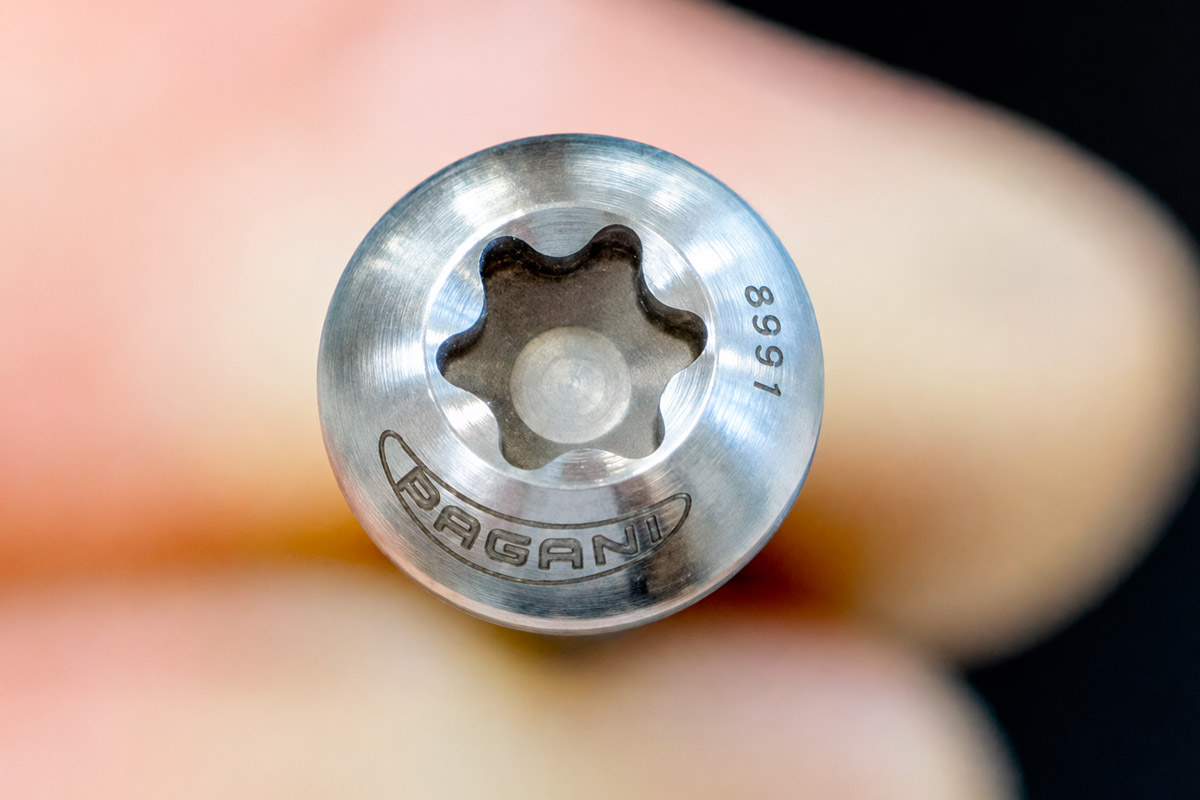
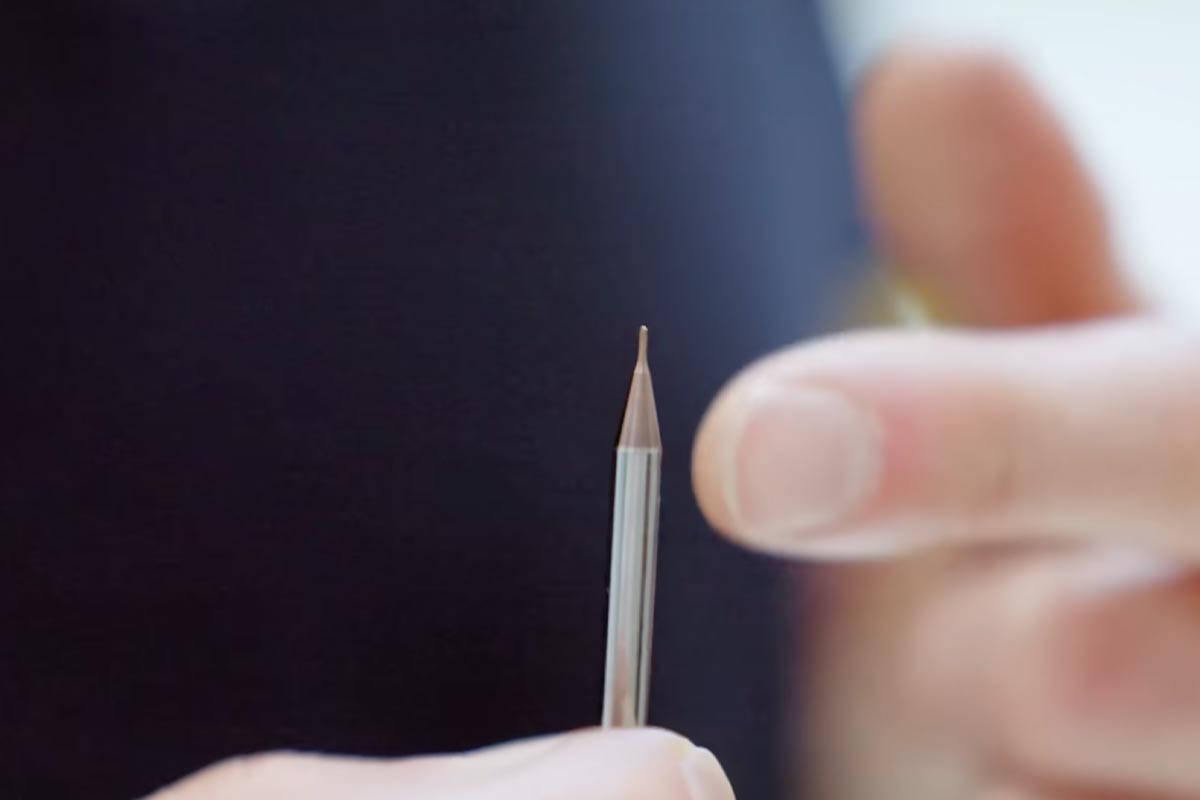
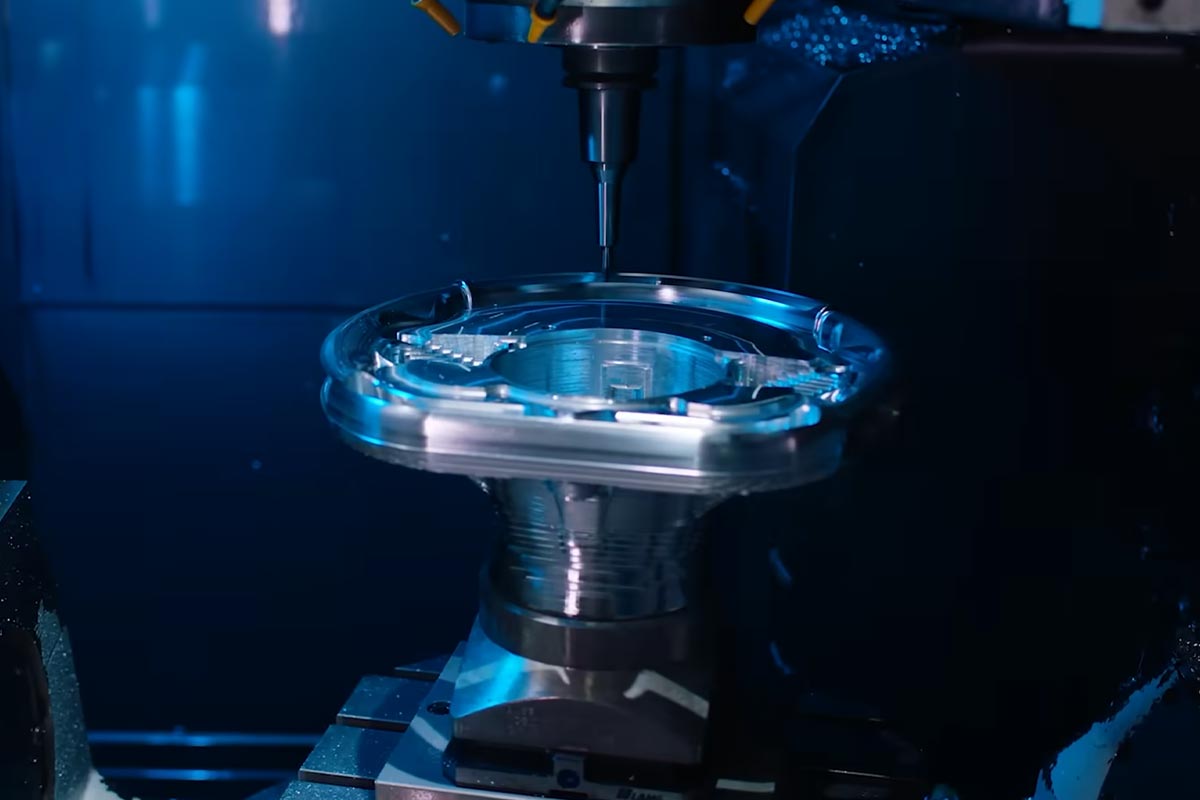
In the video, the Carwow team even shows the machine capable of producing this microscopic marking. This level of craftsmanship perfectly illustrates the obsession with detail that Horacio Pagani has cultivated since founding his brand. However, this spectacular figure should be taken with a grain of salt. Neither Pagani nor Carwow specifies whether this is the actual cost paid by the manufacturer, an average estimate, or the price of replacement parts. The total amount is therefore simply the result of a calculation and not an official figure provided by the manufacturer.
An obsession with detail at every level
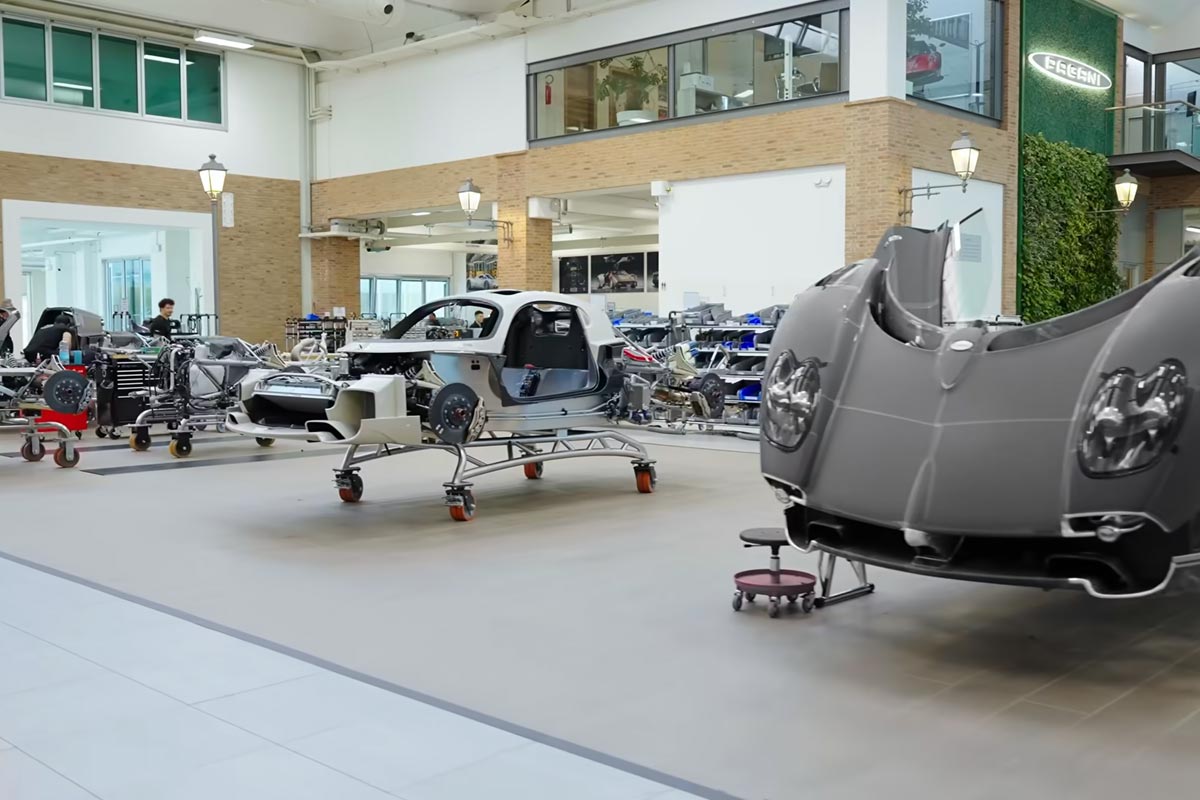
In the end, screws are just one example among many. A tour of the factory reveals an almost artisanal approach to manufacturing.
The oil dipstick, for example, is machined from a block of titanium and then anodized. Once installed on the engine, it is removed so that the Pagani logo can be engraved perfectly in line with the axis before being permanently reinstalled. An astonishing process… for a simple oil dipstick.
The steering wheel undergoes the same process. It is machined from a 43-kg block of aluminum that spends nearly 36 hours in CNC machines before being hand-polished for eight hours by an 80-year-old craftsman. In the end, the part weighs just 1.7 kg.
When you look at the wheel bearings, the suspension arms, or even the gearshift lever, it quickly becomes clear that Pagani doesn’t just design mechanical parts. Each component is conceived as a work of art as much as a functional element.
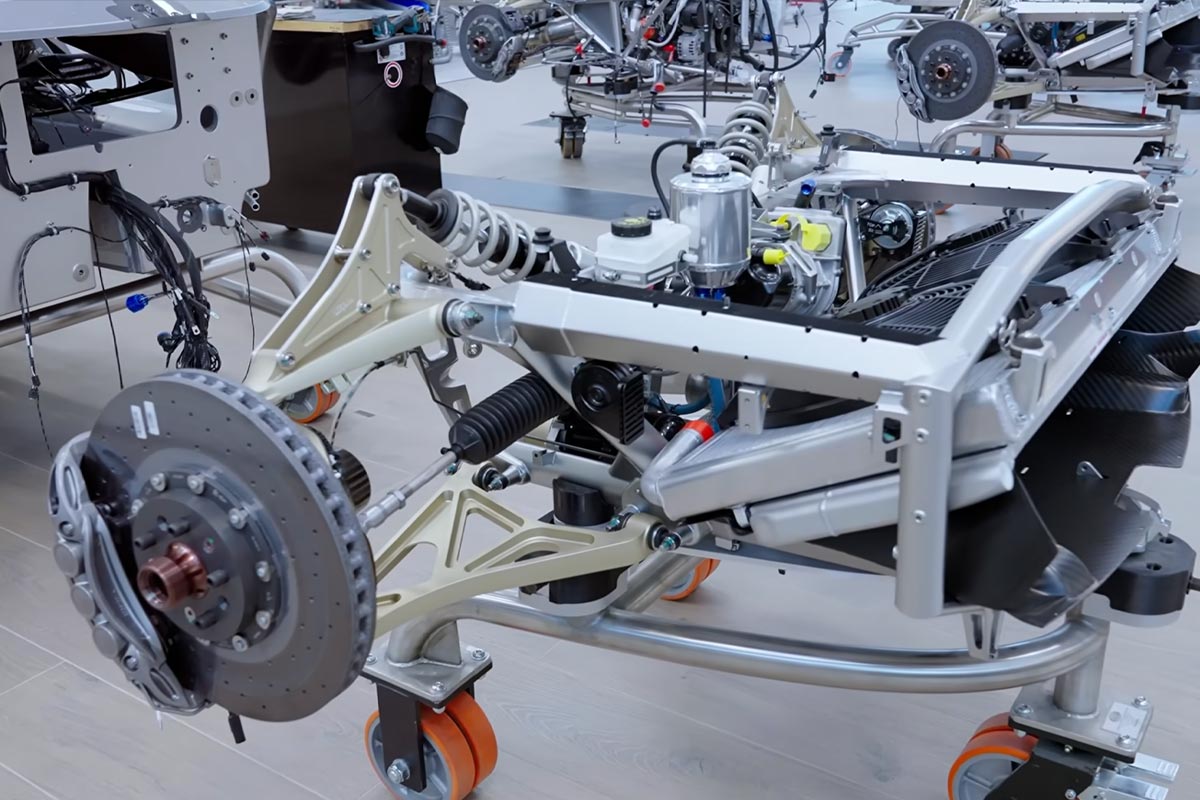
More than just a car—a work of mechanical art
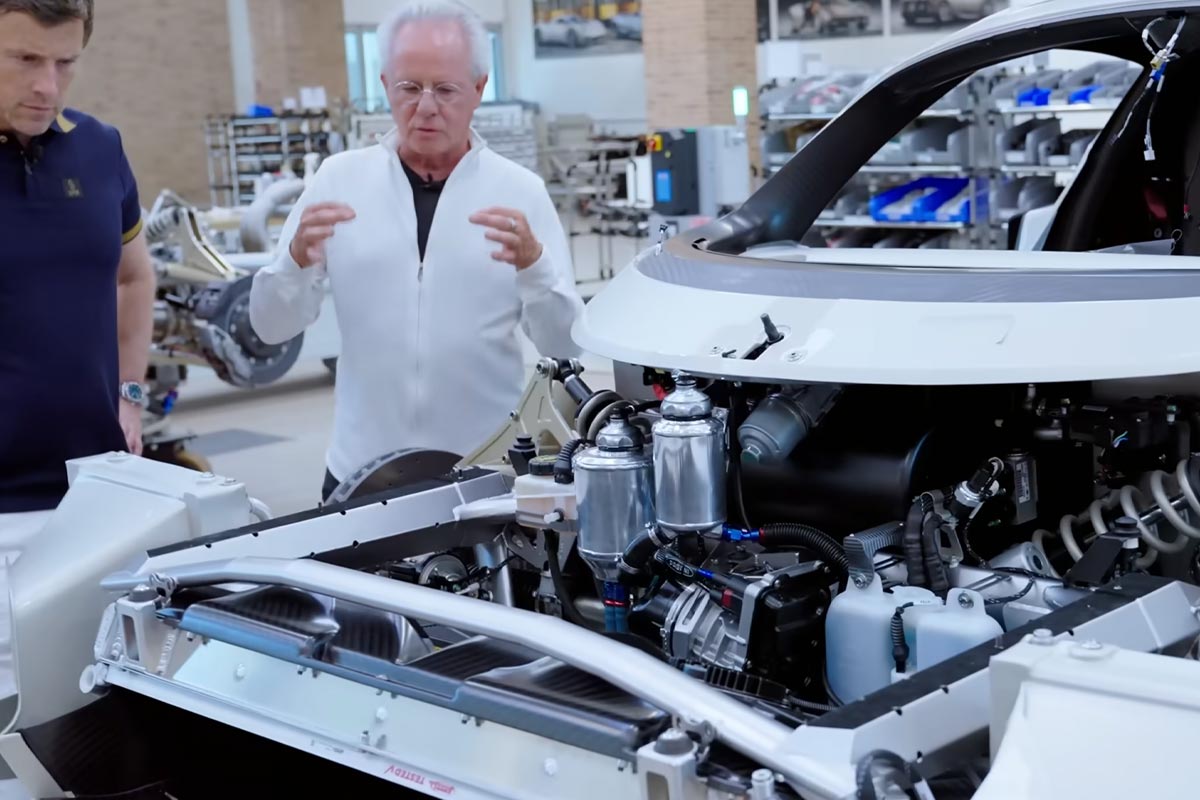
This constant pursuit of perfection partly explains the price of admission for a Pagani Utopia, starting at 3.1 million euros before taxes and the numerous customization options. With only 67 cars produced over the past twelve months (99 coupes and 130 roadsters will be produced) and assembly carried out entirely by hand by a team of about 300 people, Pagani takes an approach that goes against the grain of the modern automotive industry. Each car spends nearly nine weeks in assembly, while every stage of its production is documented with full traceability.
Given these circumstances, learning that the bolts and nuts on a Pagani cost more than a Porsche 911 isn’t so absurd after all. It simply goes to show that, at this Italian automaker, no part is considered ordinary.
 English
  French
  Italian
  Spanish
  German
  Japanese
  Dutch
Dutch
They really do look like Torx bolts, not screws.