

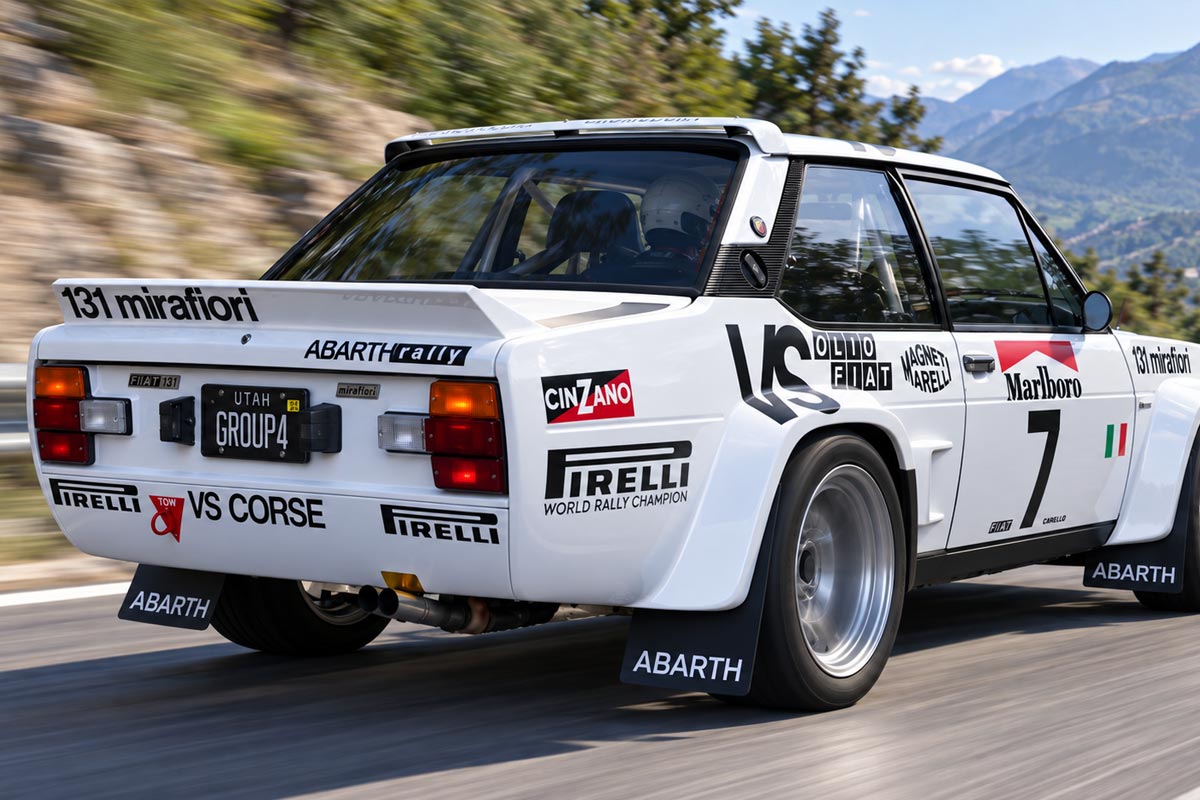
The story behind Dante Dagostini’s FIAT 131 Abarth is both a mechanical adventure and a very special human journey. For nearly twenty years, this American from Utah has been transforming a 1976 Fiat 131 into his own very personal interpretation of the legendary 131 Abarth rally car. A project that began with a wreck purchased for $650 and which, after years of handcrafted work, radical modifications, and careful consideration, has now become a rally beast unlike any other in the world.
The family sedan that became a race car
When Fiat When Fiat introduced the 131 in 1974, there was nothing to truly foreshadow the exceptional racing career of this very boxy family sedan with its rather unremarkable design. Following the success of the 124 Abarth Rally, Fiat sought a new car capable of making its mark in the World Championship and chose the 131 as the basis for its next program.
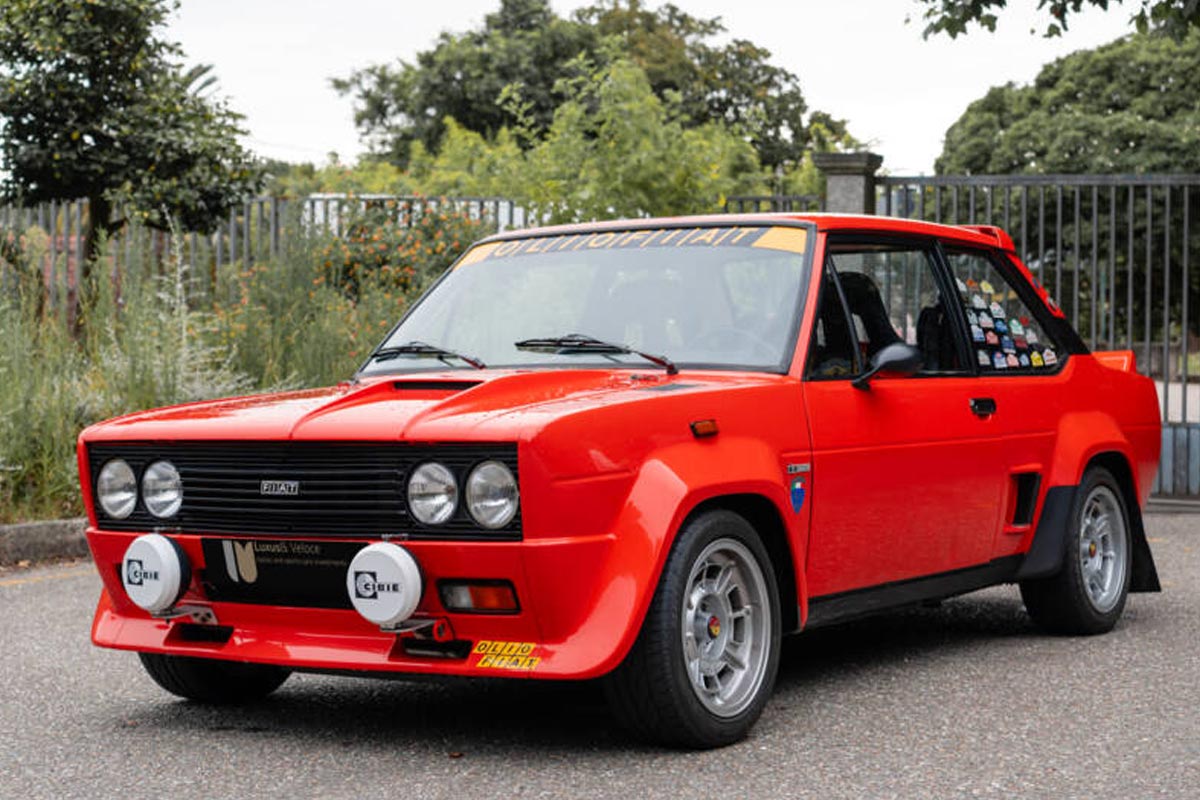
The 131 Abarth Rally debuted in 1976 and received FIA Group 4 homologation. Abarth made extensive modifications to the chassis and suspension, widened the body, reduced the overall weight, and installed the famous 2.0-liter four-cylinder engine with dual overhead camshafts and four valves per cylinder. In its street-legal version, this engine produced about 140 ch, while competition cars equipped with the Kugelfischer mechanical fuel injection system reached about 225 ch and, depending on later upgrades, up to 245 ch. The drivetrain featured a five-speed transmission and a limited-slip differential, while the weight—kept to around one metric ton—enabled the Fiat to become a true racing machine.
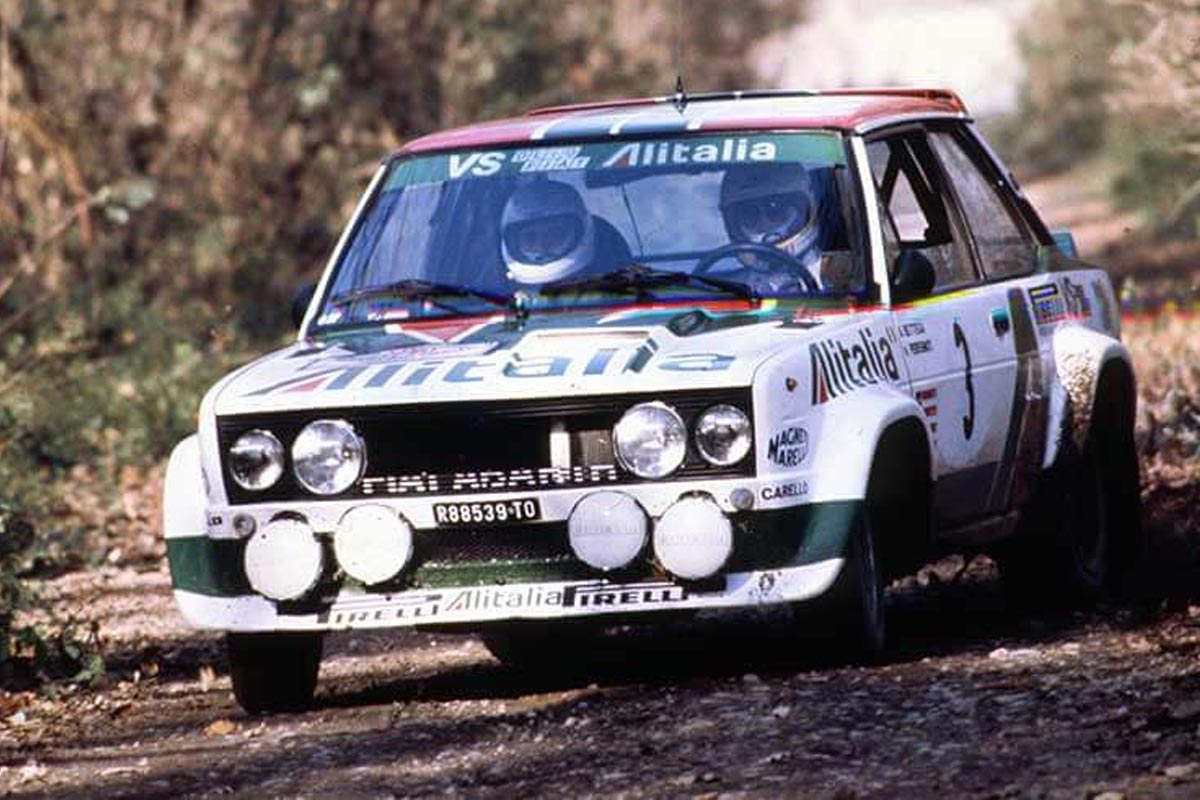
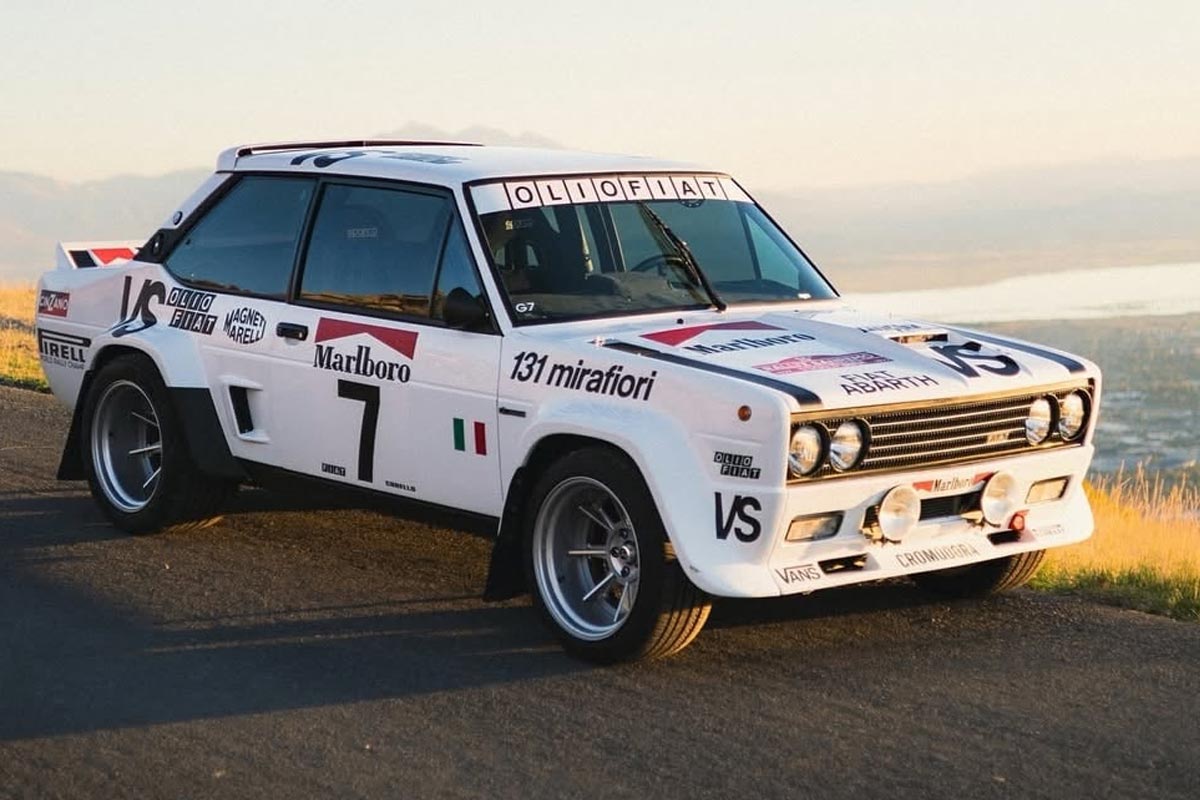
Due to team policy, the Lancia Stratos had to take a back seat to the Fiat 131 in the world championship. The Turin-based automaker won the World Manufacturers’ Championship in 1977, defended its title in 1978, and did so again in 1980—the year Walter Röhrl also won the World Drivers’ Championship. The car triumphed on venues as diverse as Finland, Portugal, Corsica, Sanremo, and Monte Carlo, racking up eighteen overall victories in the World Championship. The silhouette of the 131, with its oversized fenders, Campagnolo wheels, and Alitalia or Olio Fiat liveries, became one of the most iconic images of rallying’s golden age. It was this very car that Dante Dagostini discovered as a teenager—and which, years later, would determine the fate of a much more ordinary 131.
The Art of Patience
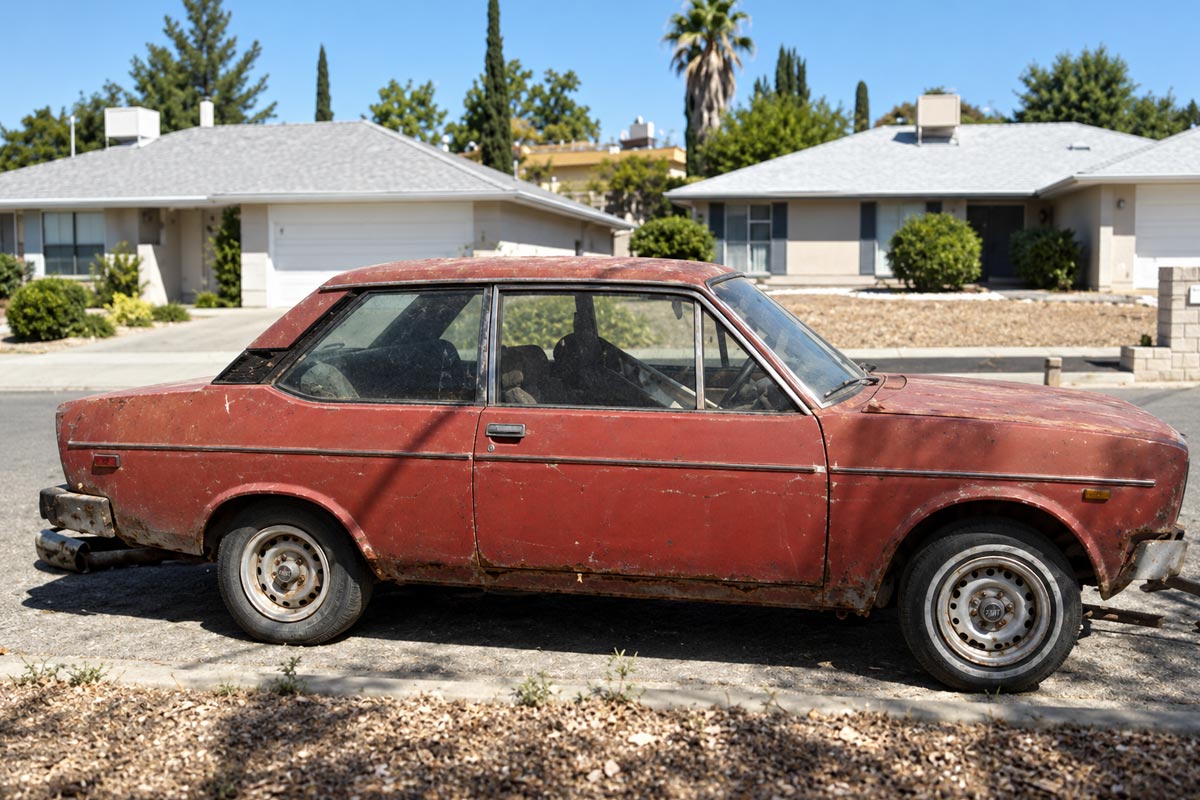
Dante was about fourteen years old when he first saw pictures of rallies from the 1970s. He was immediately drawn to those boxy, wide, noisy, dust-covered cars that could take on anything. In 2007, he finally found a 1976 131 in El Paso, Texas. The car was complete but in terrible condition. It had about 30,000 miles on it, a cracked engine block, and had been gathering dust for years. You can easily picture the atmosphere of a Western movie. It cost him only $650. Instead of opting for a traditional restoration, Dante had another idea: he wanted to build his own 131 rally car. The wreck he bought isn’t on the list of models approved for racing, so this will be his own creation.
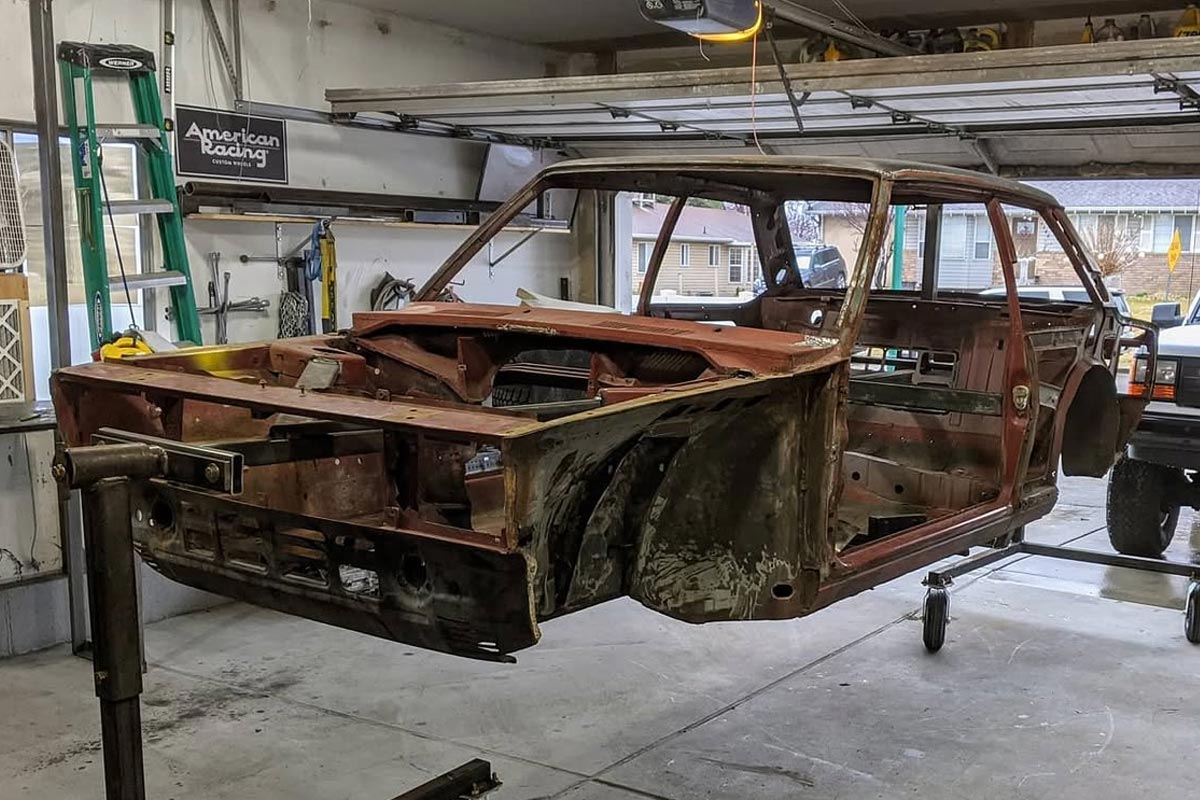
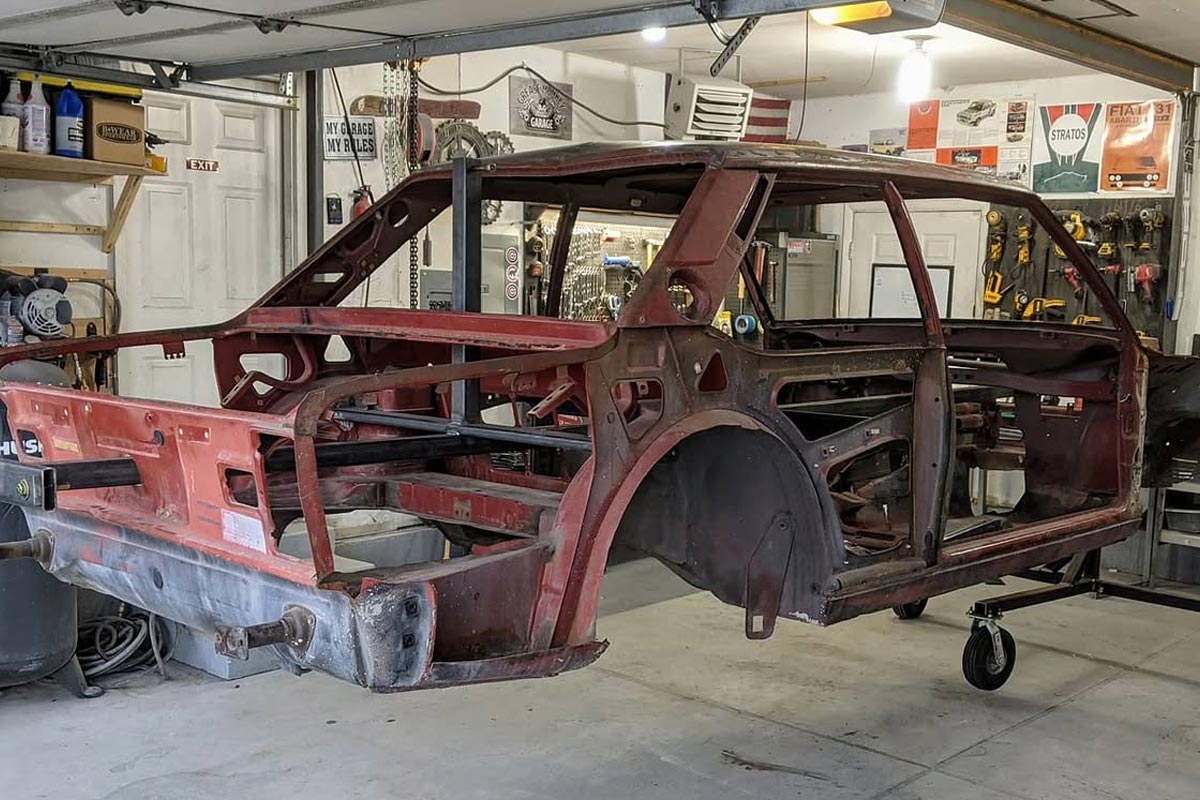
The project, however, would be put on hold for several years. Dante first had to acquire the necessary skills and equipment, but his journey was marked by a serious accident in 2006 involving a press brake, in which he lost several fingers on one hand. Although he was told he would likely never be able to weld again, he gradually returned to metal fabrication and continued to develop his expertise, all while equipping himself to compensate for the disability in his hand.
He worked on various projects, including a motorcycle and a Ford Ranger, before turning his professional focus to computer science. The Fiat remained on the back burner until he finally felt he had the experience and resources needed to seriously pursue his dream. Ten years after the initial purchase: an eternity—or rather, a lesson in patience.
Hand-sewn and “fatto a casa”
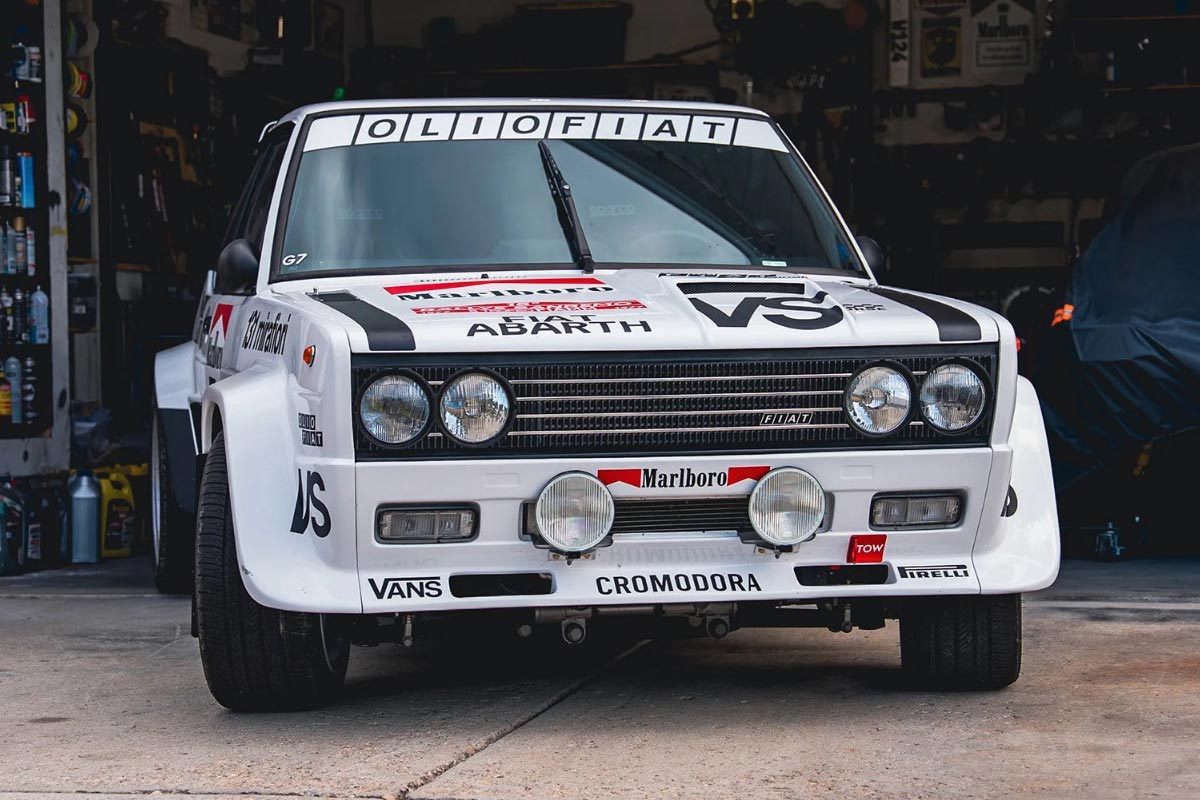
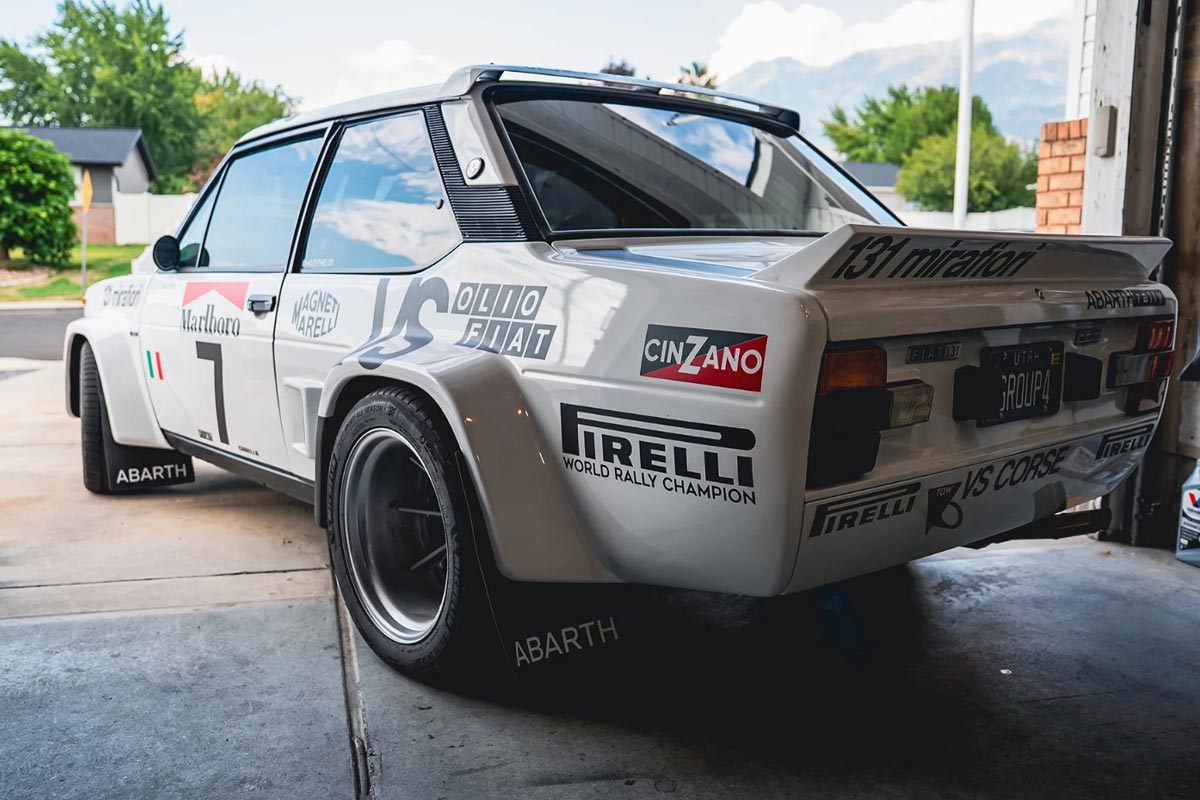
His car, named Milo, is his take on the Group 4. The floor and much of the structure have been extensively modified, and Dante builds a significant portion of the chassis and roll cage himself. The suspension has been upgraded with solutions far more sophisticated than those found on a standard 131, while the braking system features four Wilwood discs. The custom body panels—notably the fenders and hood—are made of fiberglass to recreate the Abarth’s spectacular proportions.
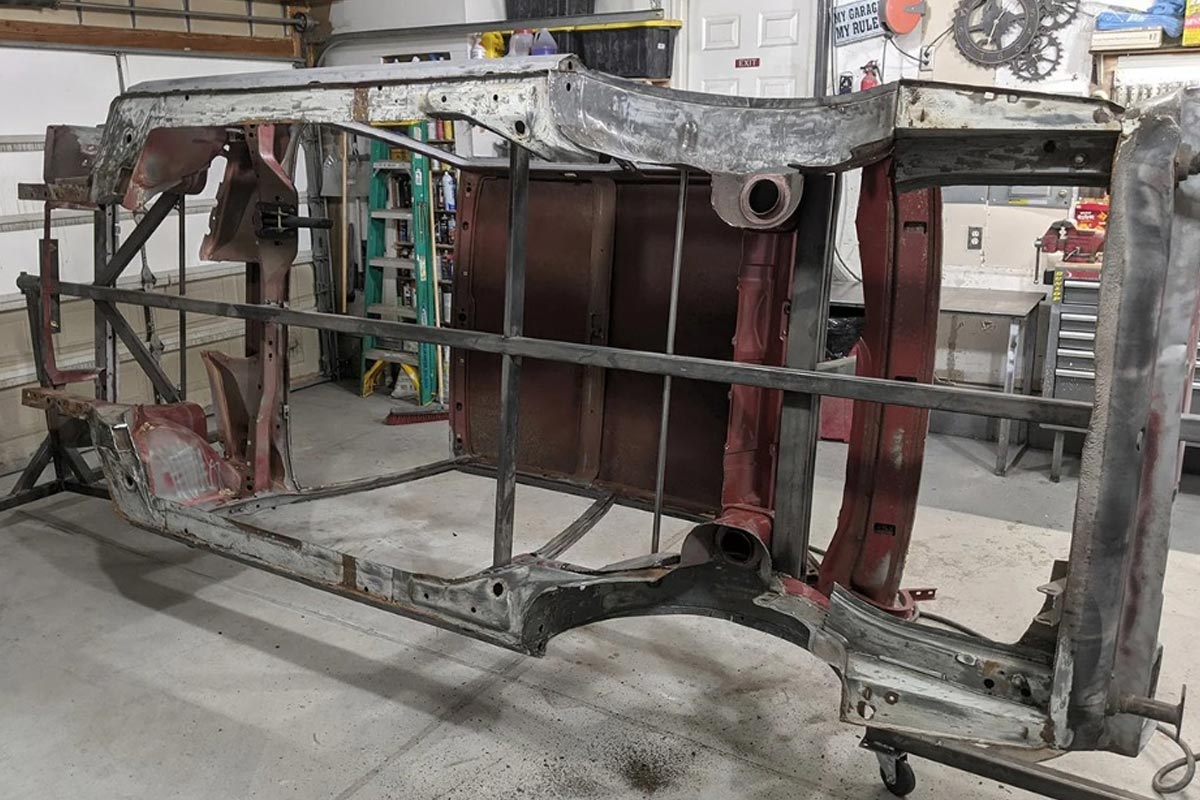
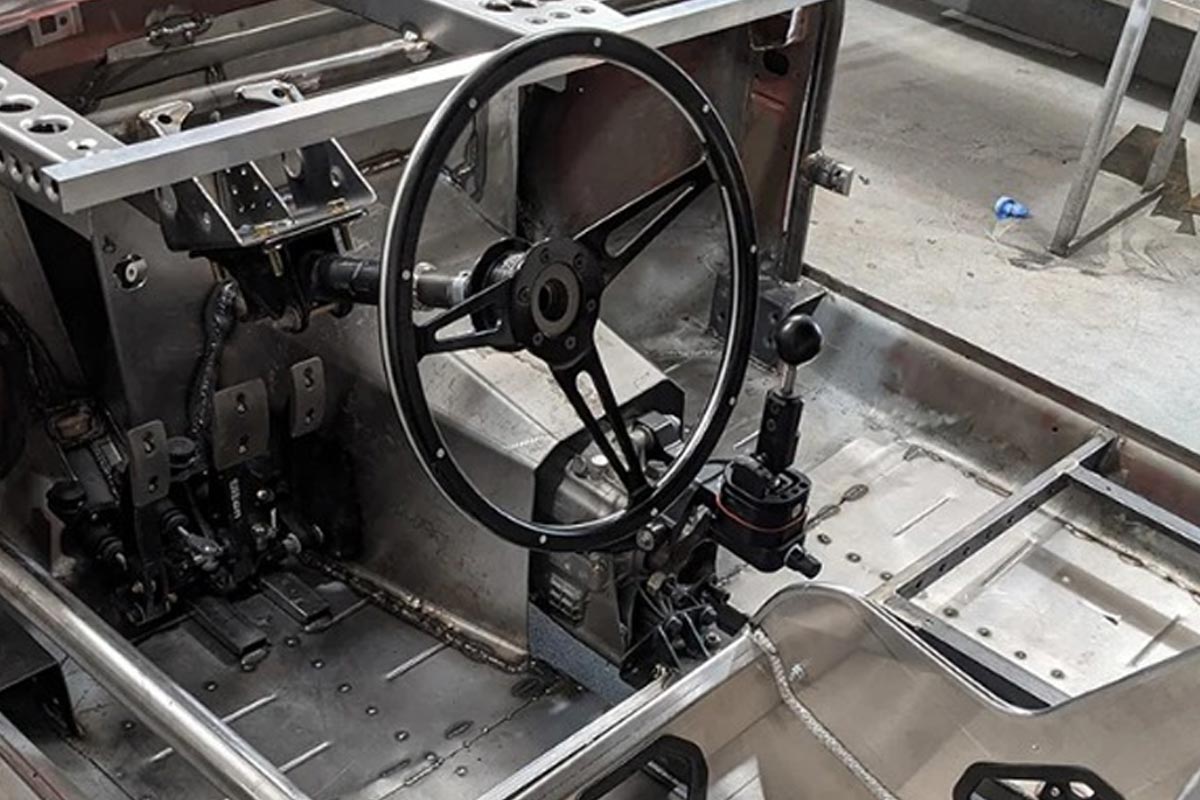
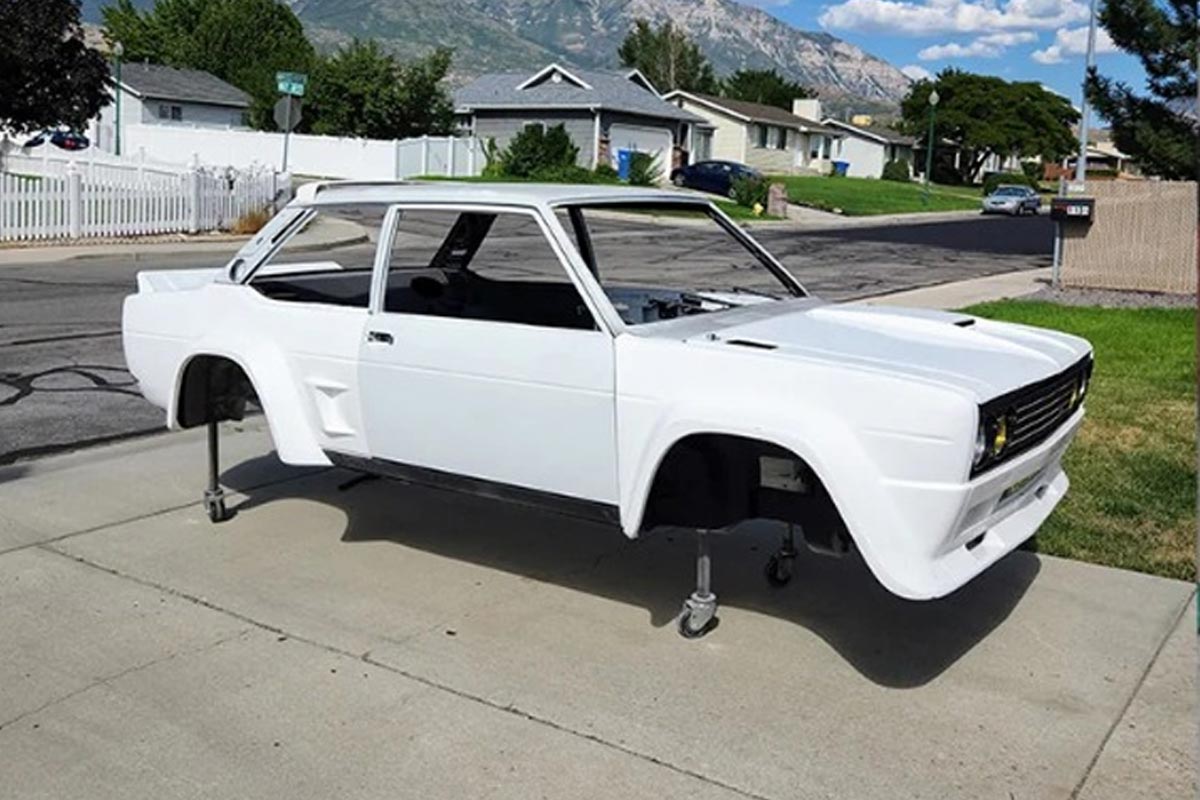
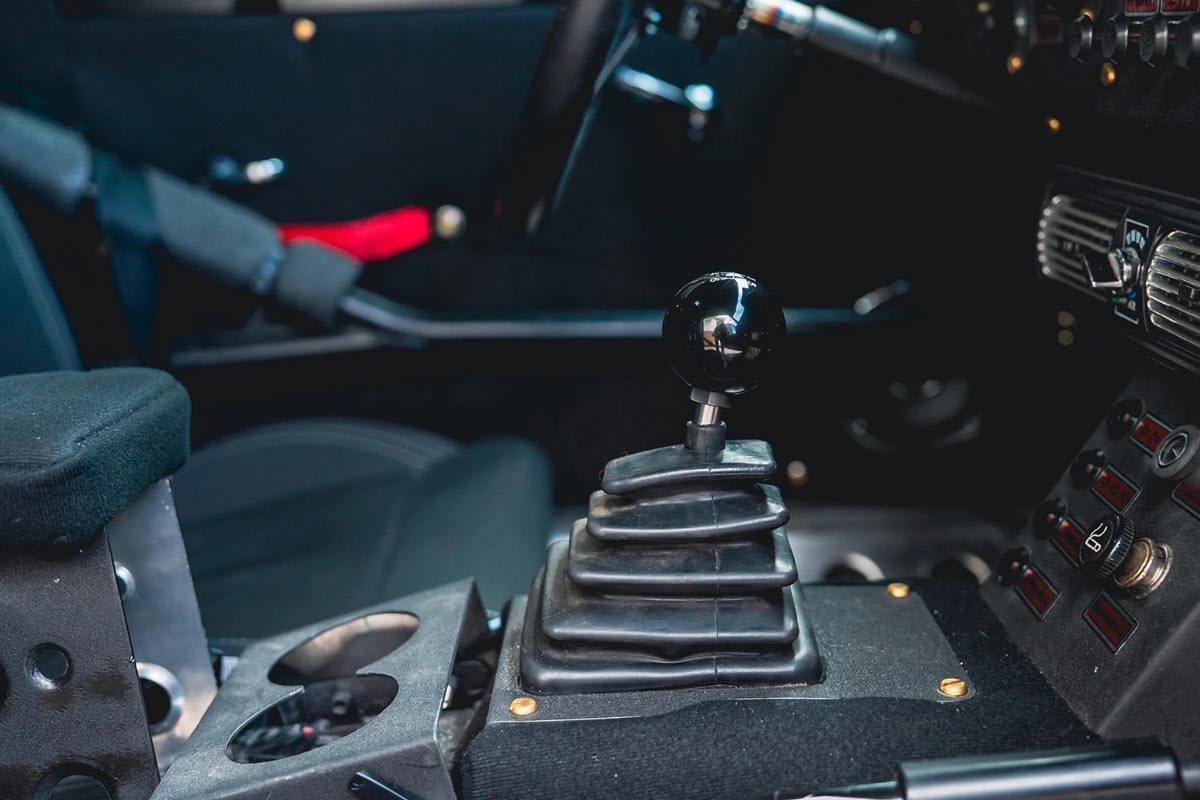
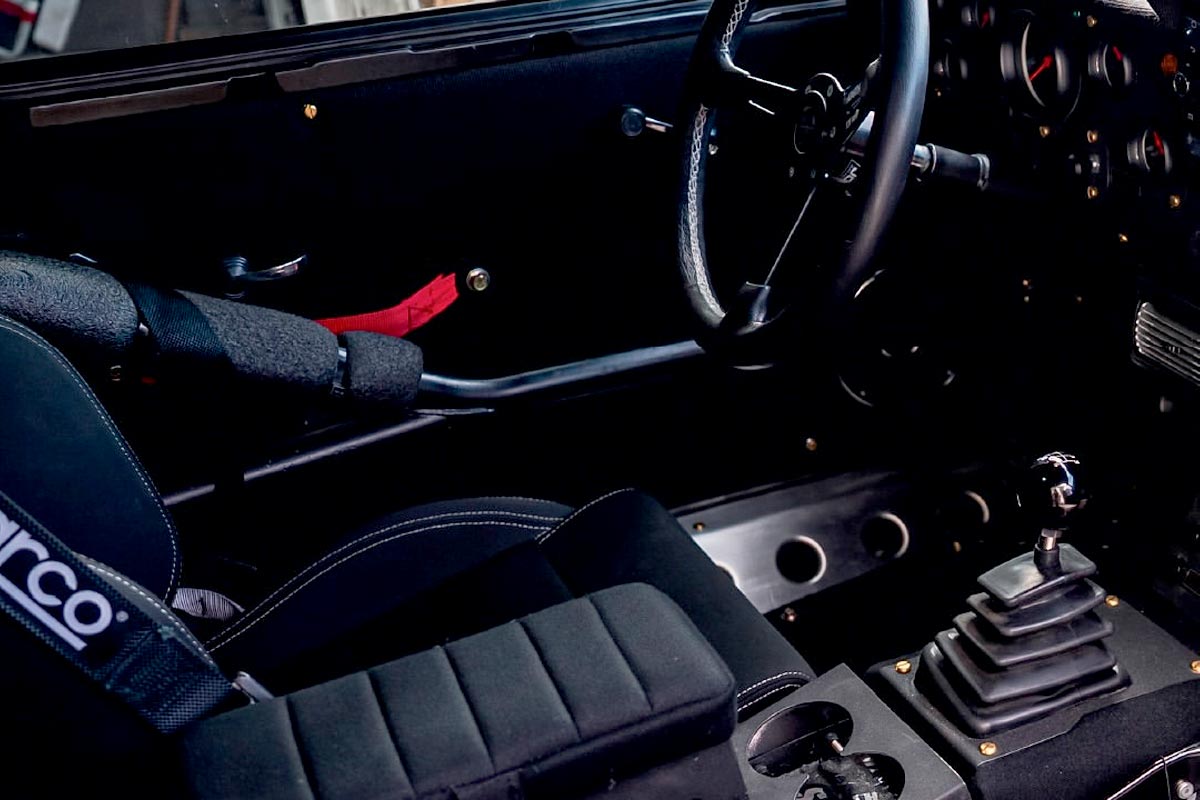
This approach extends all the way into the interior. Dante crafts the dashboard, the door panels, and some of the trim himself. He even goes so far as to restore an old industrial sewing machine to make certain upholstery components. " »I bought an industrial sewing machine and did everything myself. I had to make the dials and do everything in Italian." The modern AutoMeter gauges feature dials designed to evoke the atmosphere of a 1970s Italian race car. The bodywork follows the same philosophy: the design draws inspiration from several historic Abarth 131s rather than any one specific car, with a multitude of details intended to give the impression that this machine could have rolled out of an Abarth workshop during its heyday.
Engine: A Rational Choice
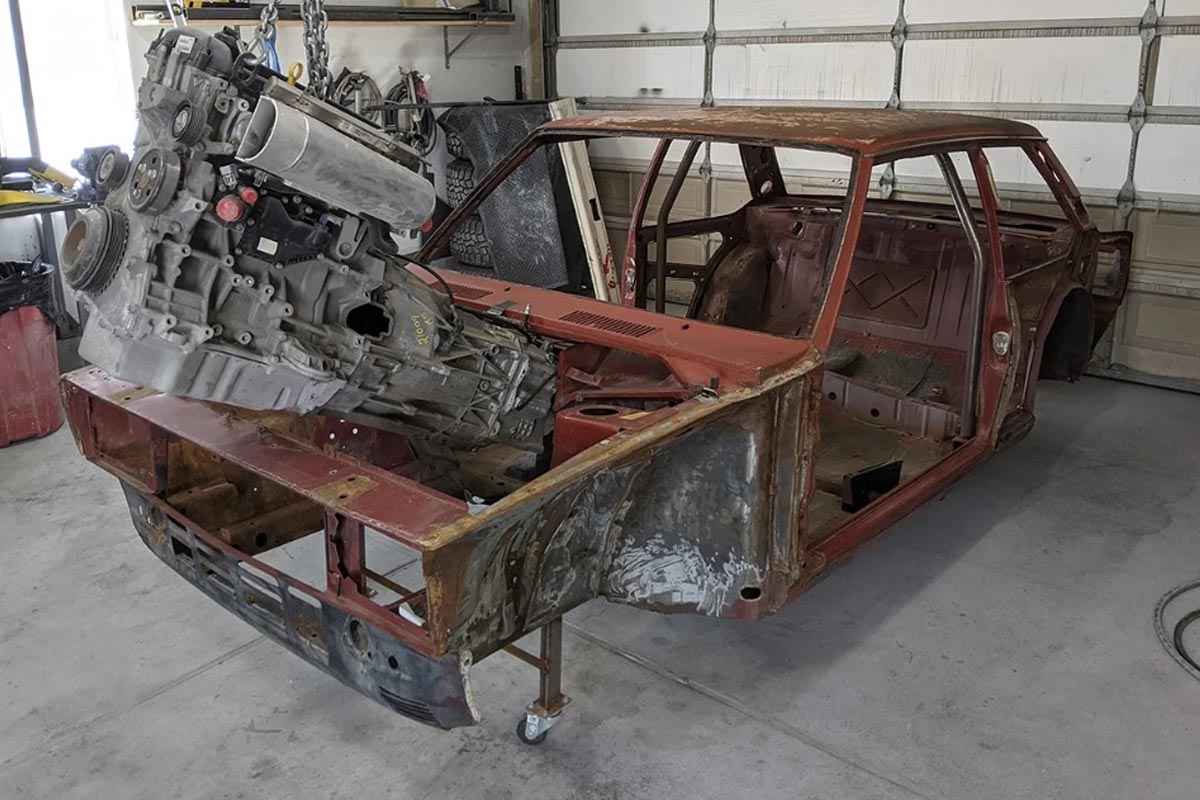
Rather than trying to replicate the Fiat 2.0-liter engine from the 131 Abarth, he installed a modern turbocharged four-cylinder engine from the Ford/Mazda lineup. The idea is to take advantage of a contemporary powertrain that’s easier to maintain in the United States and capable of delivering significantly more power than a standard 131. The car weighs just one metric ton, and Dante claims it has enough torque to still make its tires spin in third gear.
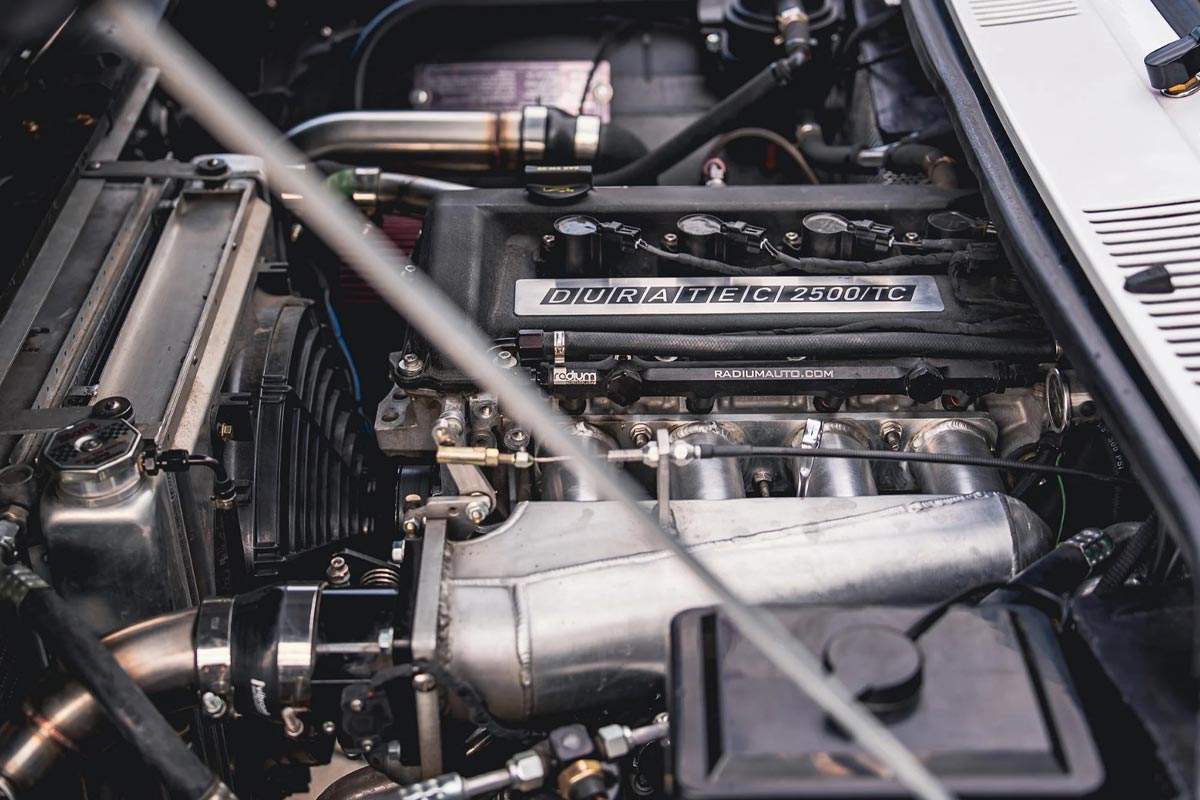
Dante had, in fact, already considered a much more dramatic modification involving the installation of a Ferrari Dino V6 engine, before abandoning the idea due to the engine’s price, which was estimated at the time to be around $25,000. A Ferrari 360 Modena engine had also been considered.
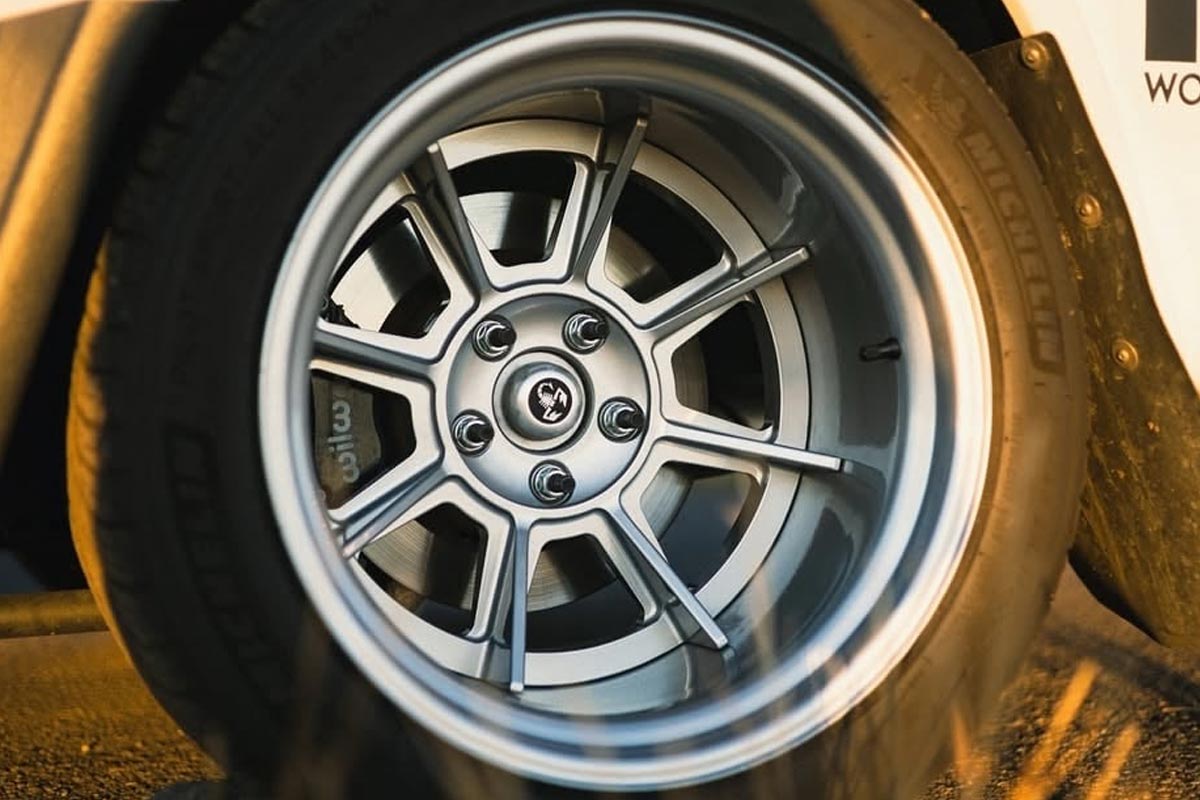
Keen to stay true to the spirit of the 131, he recently had Image Wheels Three-piece wheels inspired by the Campagnolo wheels on the 131 Abarth, but in sizes that are anything but historic: 9 inches wide in the front and no less than 11 inches in the rear, all with a 17-inch diameter. The result captures the spirit of the rally wheels of that era while allowing for the use of modern tires.
More experiments?
It is in this context that we should view the images that recently appeared on Milo’s Instagram account, which show a 4.7-liter Maserati engine installed in the Fiat. Everything seems to point to an experimental phase or a temporary setup, as the tuner indicated in one of his latest posts that the original engine was undergoing a rebuild. Nevertheless, if the swap works out, it will undoubtedly spark some ideas…
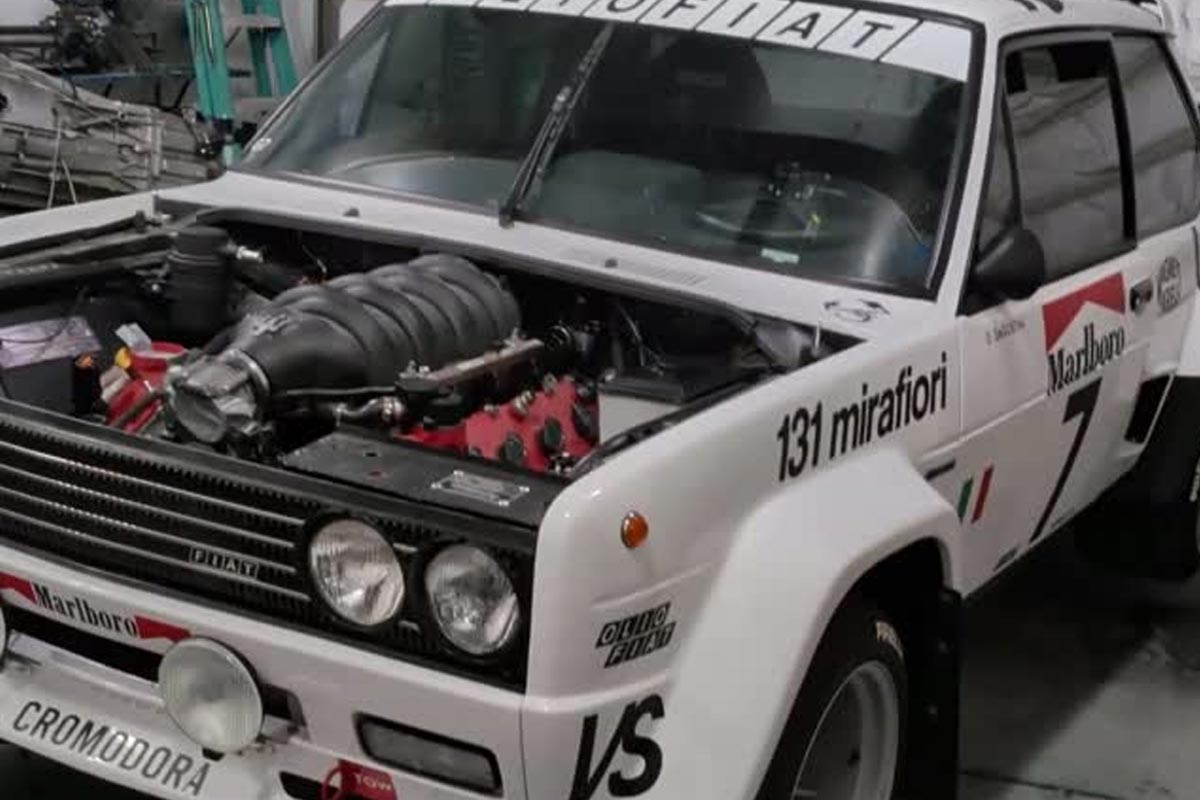
That’s ultimately what makes Dante Dagostini’s Fiat so interesting. The car’s very name reinforces this personal dimension. Milo isn’t just a reference to the car—it’s become the identity of the entire project, even on Instagram with the account @milo.the.131. Details that sometimes deviate from Fiat’s official history—such as certain decorative elements or the small personal touches added by Dante—show that he is not trying to mislead the viewer about the car’s authenticity. On the contrary, he fully acknowledges that this is his own interpretation.
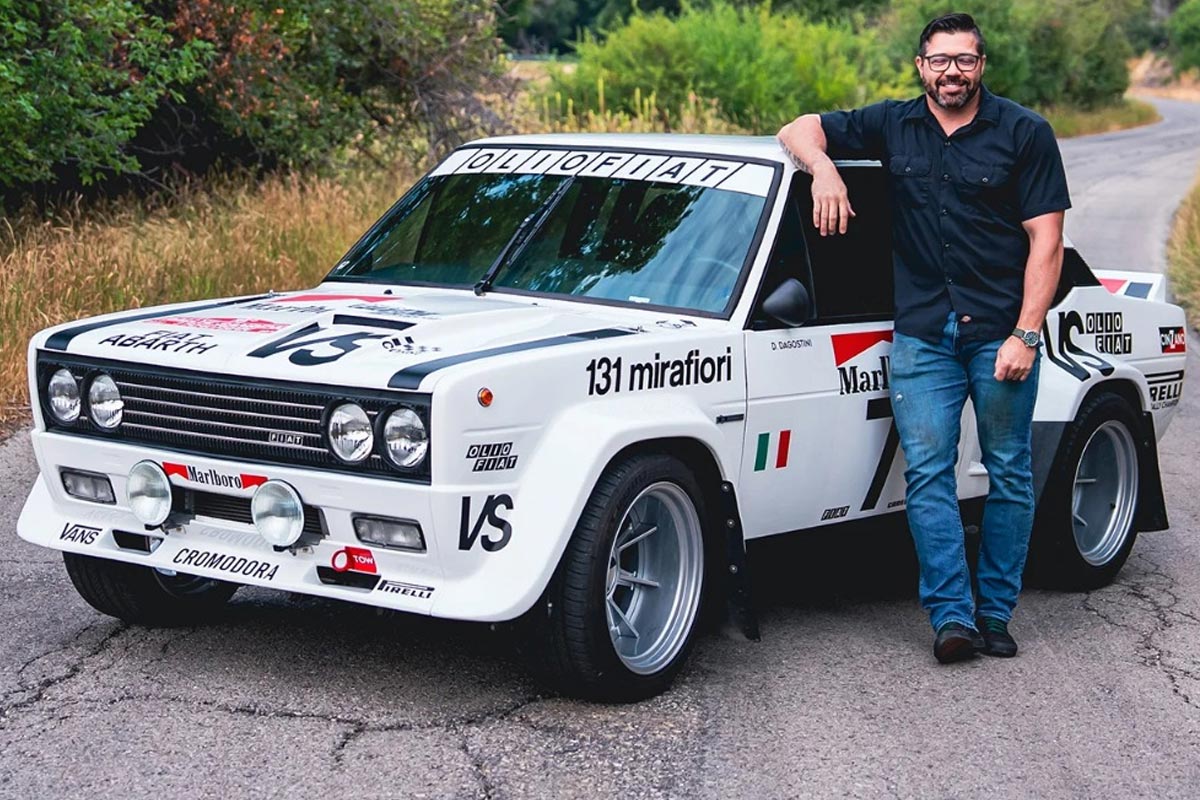
Nearly twenty years after buying this 131 for $650, Dante Dagostini now owns something much more interesting than just a replica. It’s a car that tells the story of the 131 Abarth, the story of an American enthusiast who has been fascinated by rally racing since his teens, and the story of an amateur builder who has become capable of building a large part of his car himself.

 English
  French
  Italian
  Spanish
  German
  Japanese
  Dutch
Dutch