

The Ferrari Luce continues to be the talk of the town. As the first all-electric Ferrari 100 % in history, it marks a major turning point for the Maranello-based brand. But while Ferrari While the company presents this model as a vision of the future, some observers in the automotive design world are much more critical.
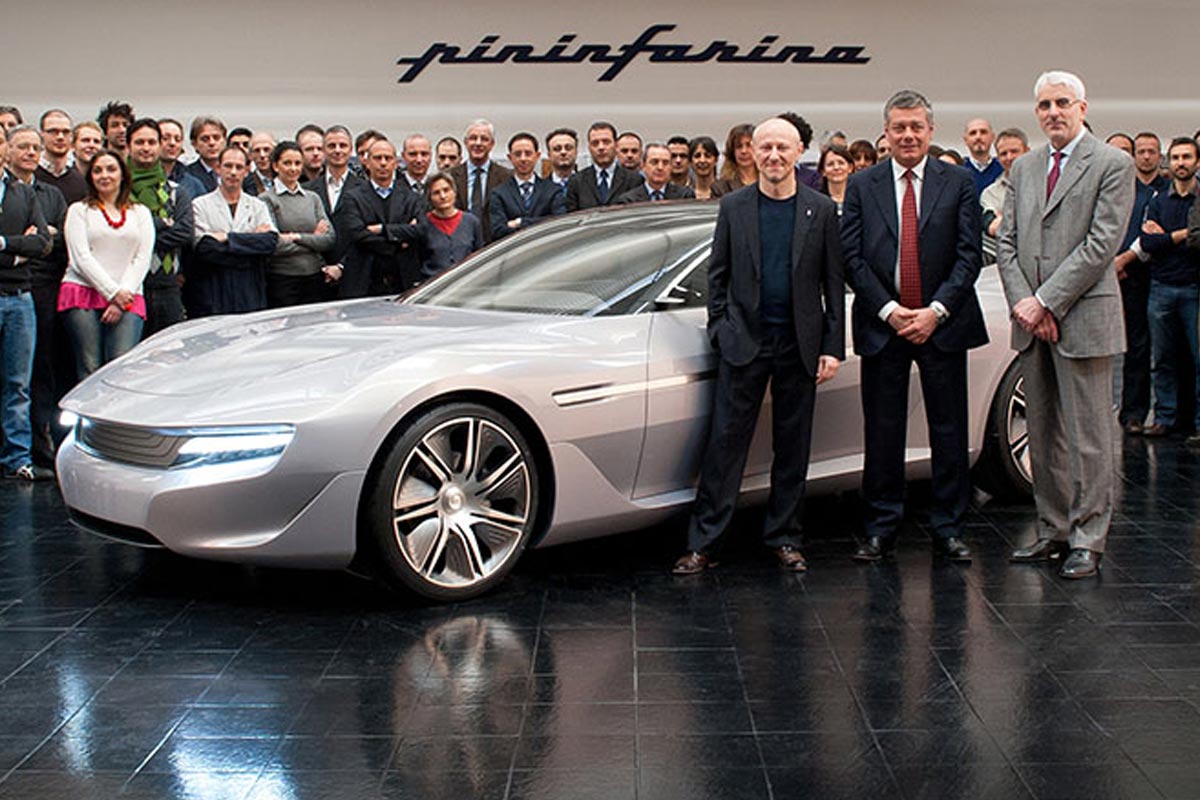
After Giugiaro's opinion, ...is Fabio Filippini, former head of design at Pininfarina, who has also worked at Renault and the Volkswagen Group. In a lengthy interview with the YouTube channel Automoto.it, the Italian designer offered a particularly harsh critique of the Ferrari Luce, going so far as to claim that it «is not a Ferrari» in terms of its stylistic expression.
«I was expecting something revolutionary»
To understand his disappointment, we need to look back at Fabio Filippini’s personal history. As he explains, his passion for cars began in 1971 when he received a die-cast model of the Ferrari 512 S Modulo, the famous concept car designed by Pininfarina. For him, this car remains the perfect example of a successful stylistic revolution: a vehicle that broke with the Ferrari design codes of its time while retaining an instantly recognizable identity.
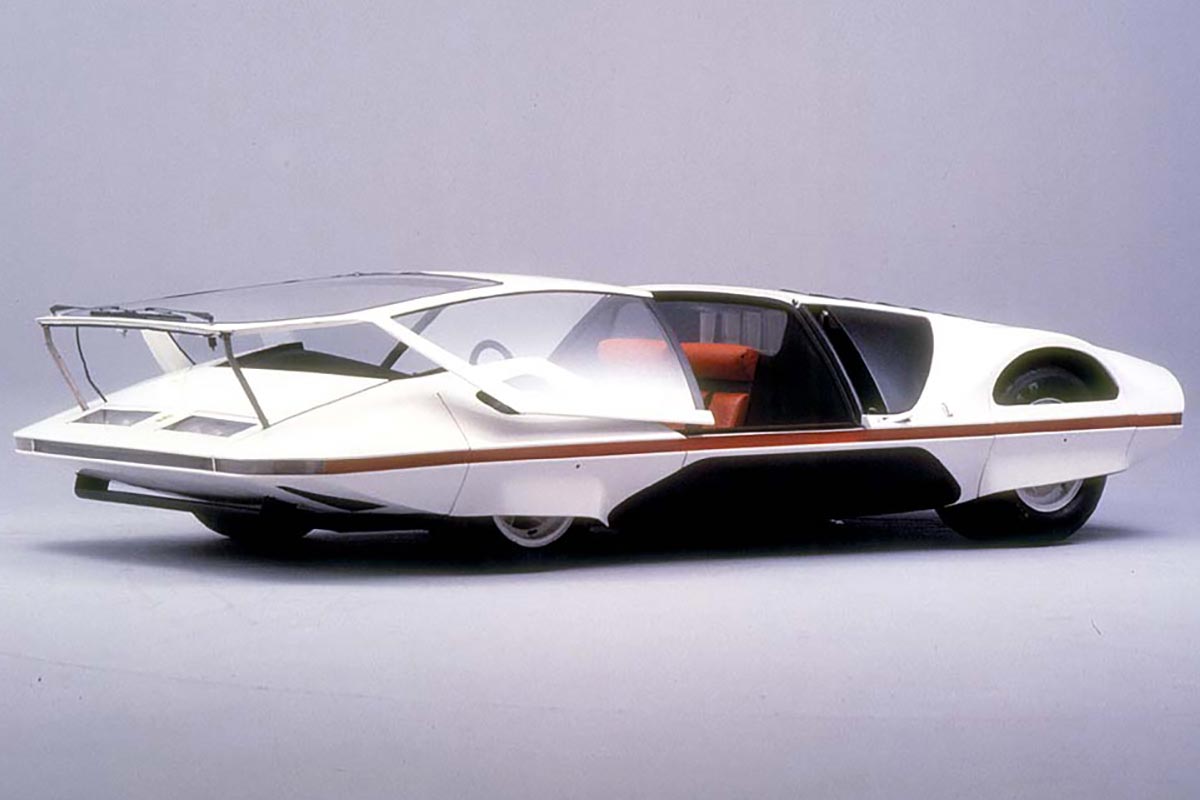
That is precisely what he had hoped to find in the Luce. In his view, the shift to electric power represented a unique opportunity for Ferrari to reinvent some of its hallmarks while retaining its DNA. However, the reaction was quite the opposite. «I was expecting something truly revolutionary,» he explains, noting that most people reacted extremely negatively as soon as the model was unveiled. A reaction that, in his view, deserves to be analyzed rather than simply noted.
Too static
Filippini’s main criticism concerns the exterior design. In his view, a car should convey a sense of motion even when it is stationary. This is one of the fundamentals of automotive design: lines, surfaces, and proportions must create a visual tension that suggests speed and dynamism.
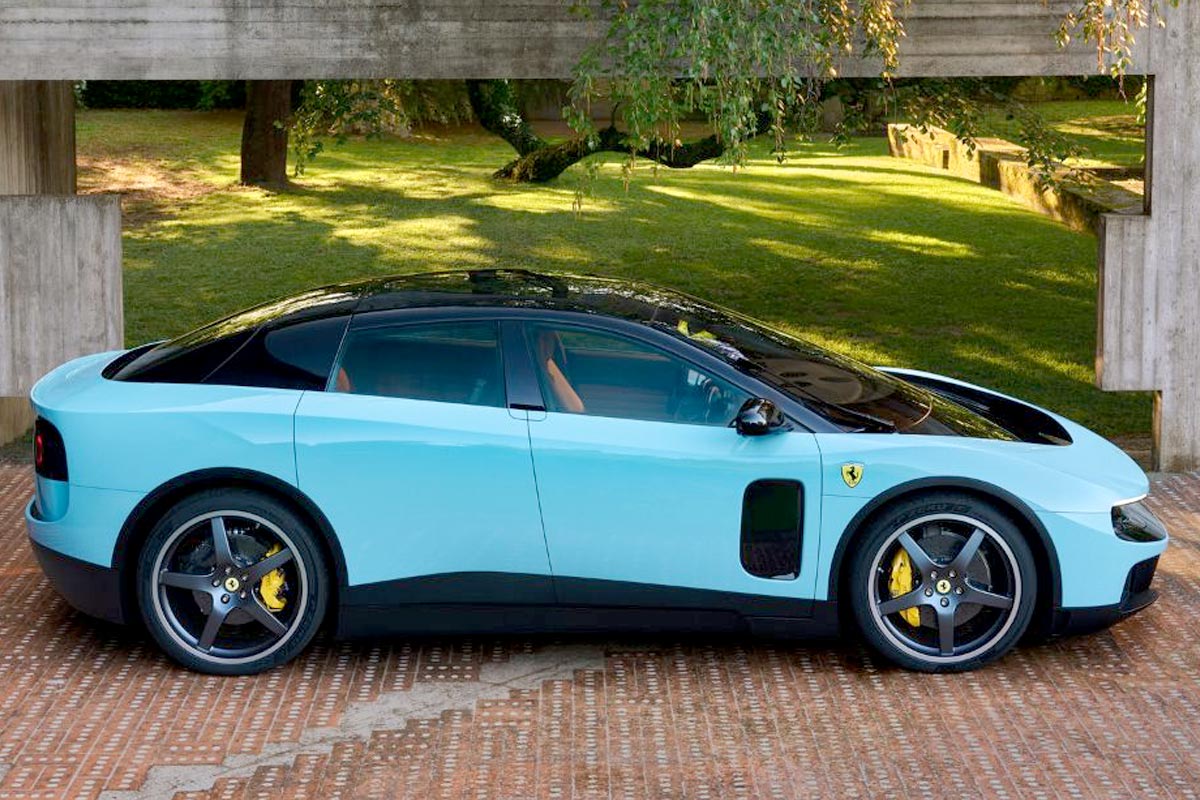
However, in his view, the Ferrari Luce falls short precisely on this point. The designer believes the car was designed as a «static object.» He feels its lines are too uniform, too soft, and not taut enough to convey the emotion associated with a Ferrari.
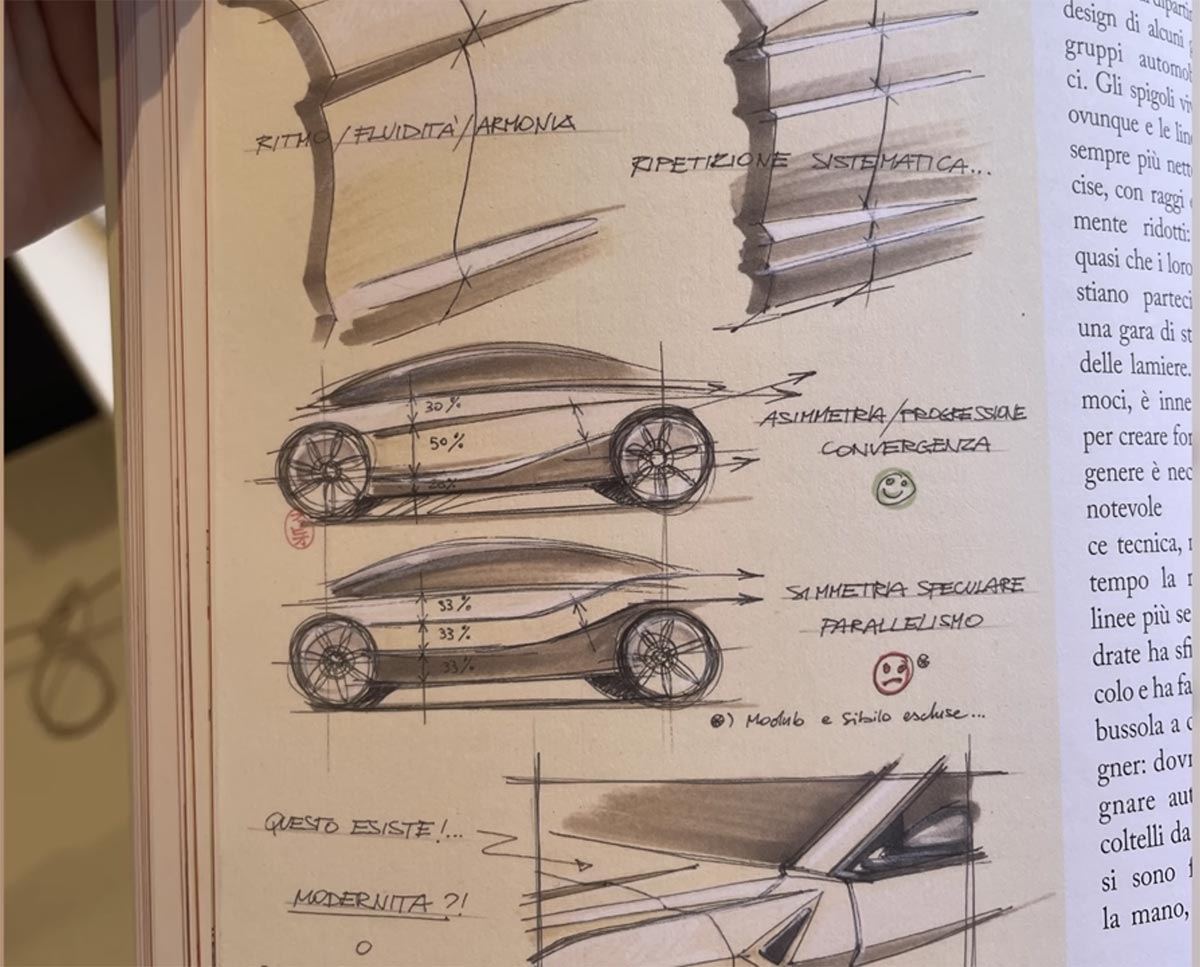
He acknowledges, however, that the designers started with a particularly complex challenge: a five-seat electric vehicle equipped with a massive battery pack and dimensions similar to those of a modern SUV. At five meters long, two meters wide, and 1.60 meters tall, the Luce strays significantly from the proportions traditionally associated with Maranello sports cars. In his view, the massive 24-inch wheels were used in an attempt to mask these proportions, but that isn’t enough to fix a design he considers generally clunky.
The interior doesn't impress him any more
The criticism doesn’t stop at the exterior. While many observers have praised the work done on the interior—particularly thanks to the involvement of Jony Ive’s LoveFrom studio—Fabio Filippini is far less enthusiastic. He readily acknowledges the quality of the digital interface and the excellent work done on the physical controls. In his view, the user experience should be remarkable.
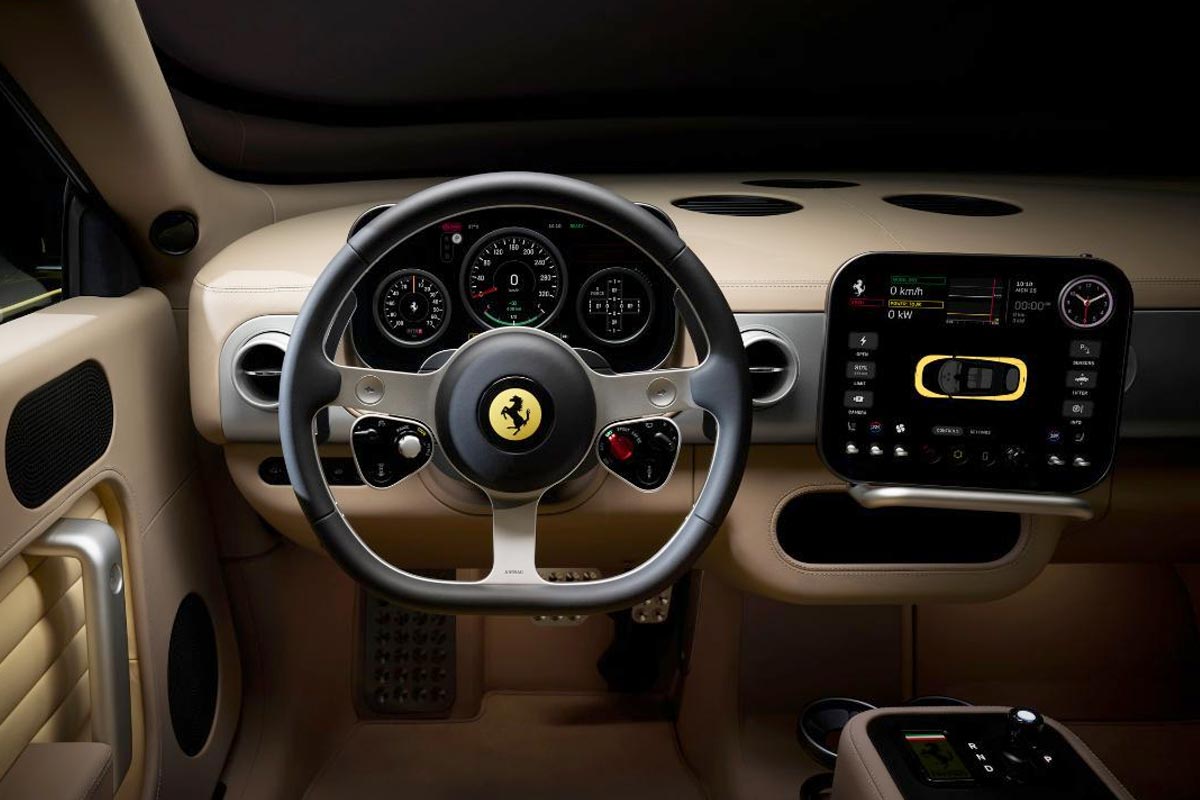
But when it comes to pure design, his verdict is final. He believes the dashboard is based on an extremely traditional layout: a wide horizontal strip, four circular air vents, a central display, and a cluster of gauges. It’s a formula he feels has been around for decades in the automotive industry.
The same goes for the three-spoke steering wheel, which he describes as the archetype of the sports steering wheel used since the 1960s. While the materials and build quality are exceptional, he feels the design lacks innovation.
The Controversial Role of LoveFrom
One of the most interesting points in his analysis concerns Ferrari’s decision to entrust a large part of the project to the LoveFrom studio, founded by Jony Ive and Marc Newson. For Filippini, the problem does not lie in their talent. On the contrary, he acknowledges their immense influence in the tech world.
But he believes that their expertise stems primarily from the world of electronics, not the automotive industry. In his view, Ferrari took a risk by entrusting part of its identity to designers outside its historical culture. The result: the Luce strikes him more as «a Jony Ive car» than as a true Ferrari. He goes even further, asserting that if you removed the Ferrari logo, it would be difficult to immediately identify the vehicle as a creation from Maranello.
However, Fabio Filippini does not question the very existence of an electric Ferrari. On the contrary, he points out that this type of model has become virtually indispensable for Ferrari to comply with environmental regulations while continuing to produce its iconic V12s.
In his view, Ferrari’s real mistake lies more in its communication. The brand did not make it clear enough that the Luce was intended to preserve internal combustion engine models rather than replace them. He even suggests a historical alternative: the creation of a specific sub-brand, similar to what Enzo Ferrari did with Dino in the 1960s. A solution that would have made it possible to more clearly distinguish this electric lineup from the rest of the Ferrari range.
«A soulless object»
Ultimately, Fabio Filippini’s critique goes far beyond the issue of electrification. For him, the Ferrari Luce’s main flaw is neither its powertrain nor its market positioning. What it lacks above all else is emotion. «It’s a static object, soulless, devoid of emotion,» he sums up.

 English
  French
  Italian
  Spanish
  German
  Japanese
  Dutch
Dutch
Everyone (or almost everyone) makes the same observation.
More broadly speaking, it is the Italian automotive industry as a whole that seems to have been losing its soul in recent years: the latest generation of Fiats, the Alfa Romeo Tonale and especially the Junior, the latest generation of Maseratis, and the latest generation of Ferraris—particularly the Luce…
The loss of identity is glaringly obvious.
I can't even look at Lamborghini's new cars anymore either… I can only agree with what you said.
Many modern, high-performance components are still available, whether for platforms or engines. It is likely that Ferrari will get back on track; at Maserati, the decision to abandon the STLA Large platform is also a step in the right direction, as it was completely unsuitable, and a push toward hybridization for the GME and Nettuno platforms seems inevitable, as does the widespread adoption of 800V systems in electric vehicles. And this avalanche of criticism regarding the Luce may perhaps prompt Ralph Gilles—who designed the Chrysler 300—to reconsider whether or not to break with convention on the future Levante and Quattroporte.
Luce is 1.53 m tall, not 1.60 m, right?