

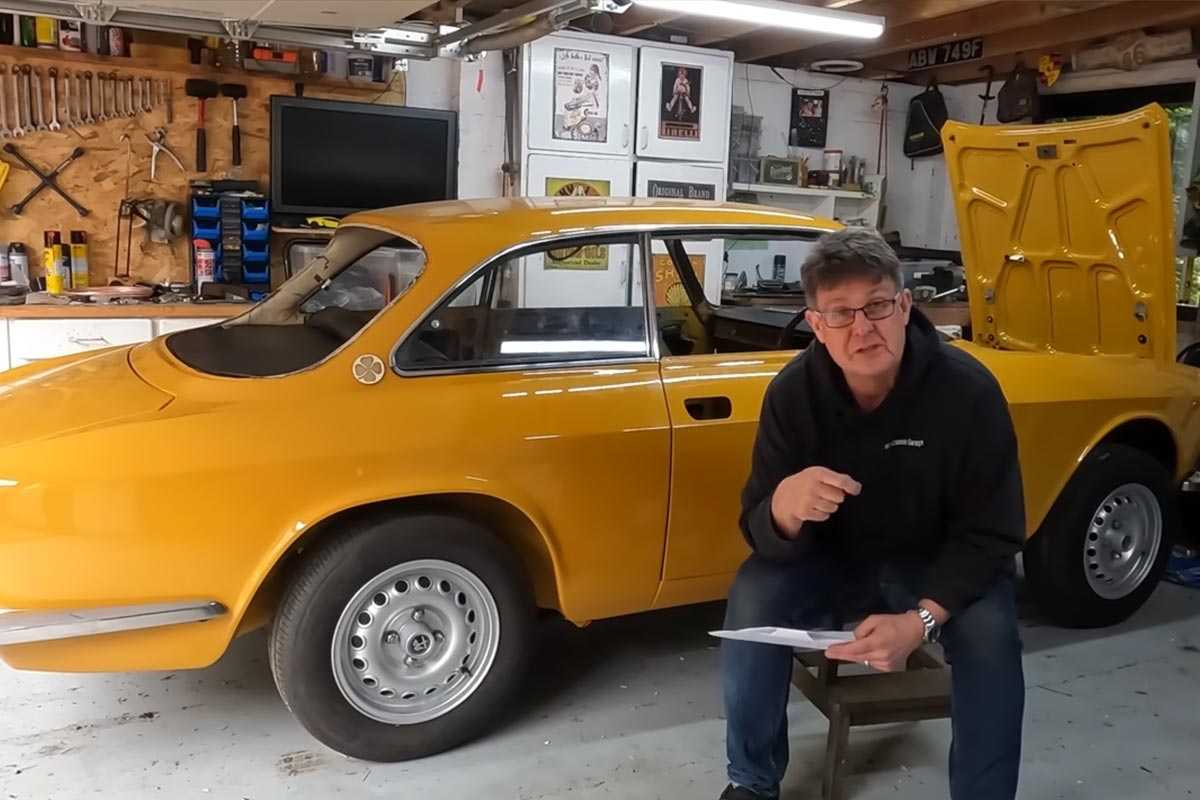
Restoring an old car is often a dream. It's almost a romantic idea: to bring a forgotten car back to life, to put it back on the road, to give it a second lease of life. But behind this seductive image, the reality is sometimes much more brutal. And the example of the’Alfa Romeo 1750 GTV restored by Rohan of the RC Classic Garage YouTube channel, is an unfiltered demonstration of this.
The optimism trap
It all starts the same way. A complete, original car that looks “healthy” despite the years. In this case, a Alfa Romeo out of the barn, immobilized for decades.
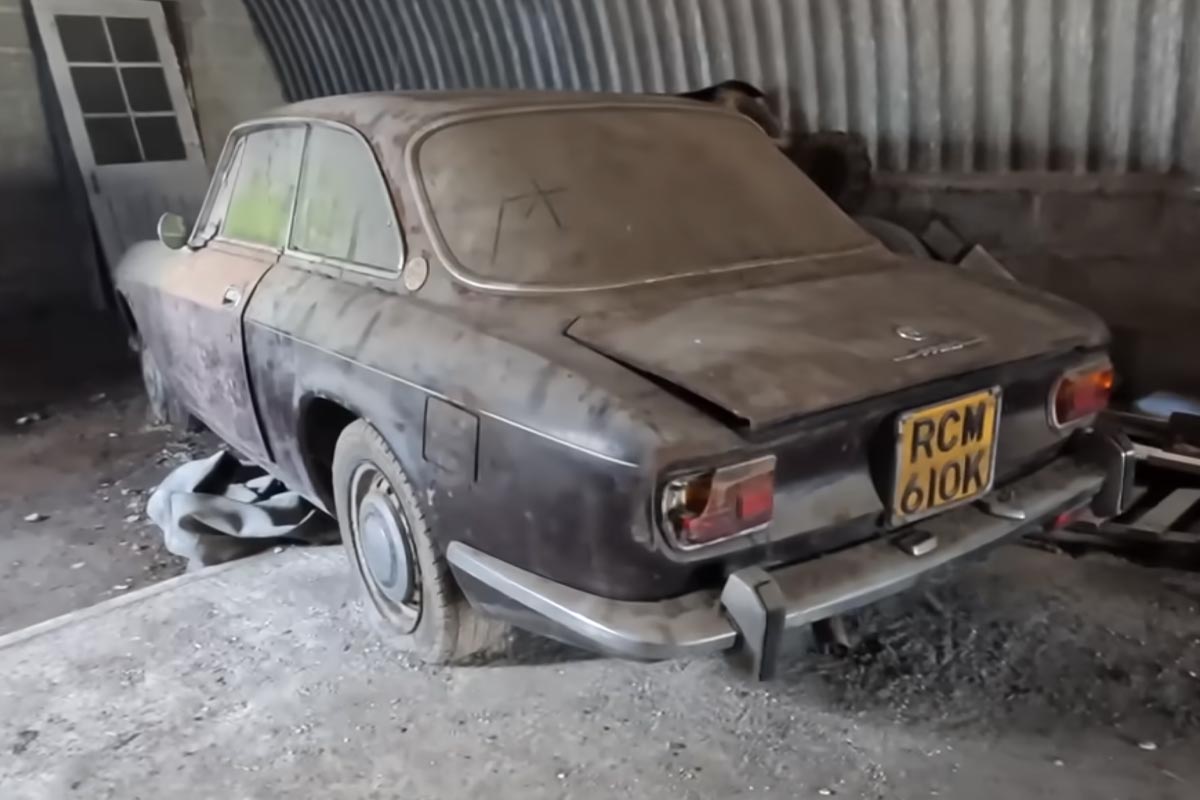
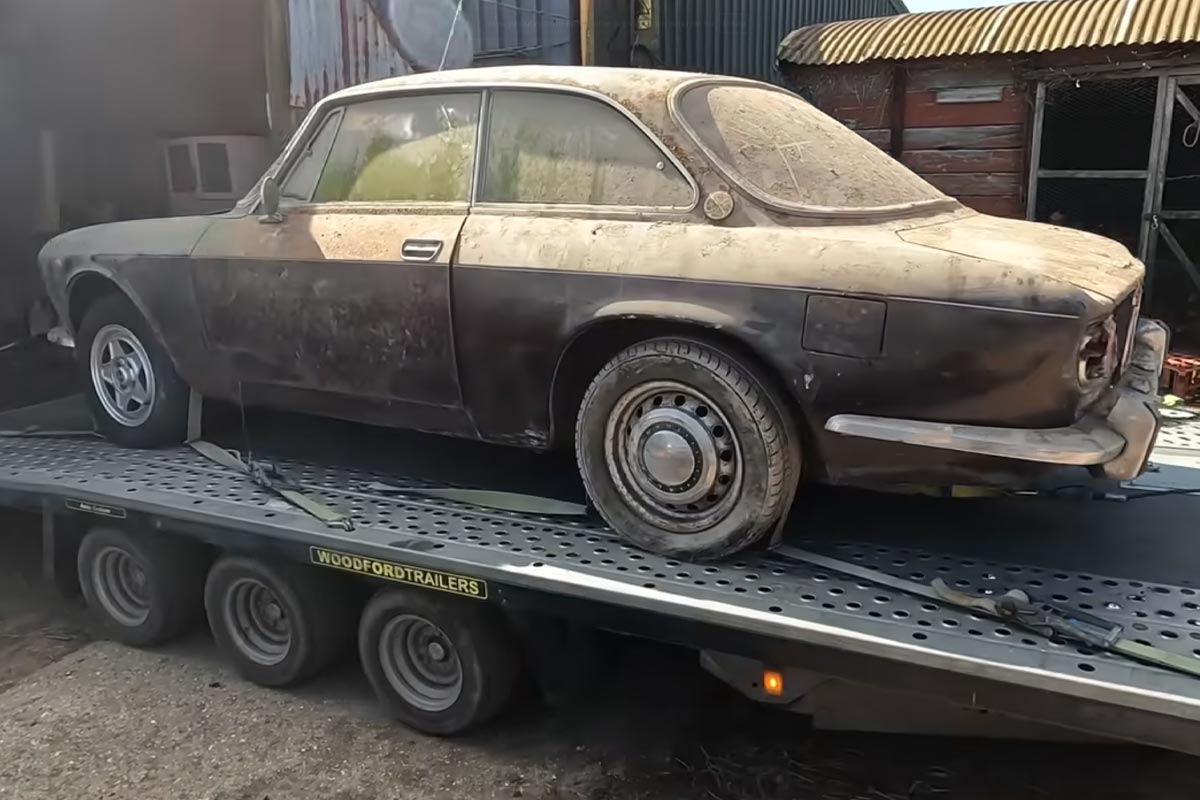
The owner thought he had come up with a reasonable project. Initial budget: £26,000 (€30,000). An already substantial sum, but deemed sufficient for a serious restoration. However, reality soon overtook enthusiasm. The budget was revised to £40,000 (€46,000)... before exploding. Because in a restoration, it's not you who controls the costs. It's the car. Each dismantled part reveals its share of surprises: hidden rust, dubious repairs from the 80s, invisible structural damage. And with each new discovery, the bill climbs.
Bodywork, the real money pit
This is often the turning point. In this project, the bodywork quickly becomes the most expensive item.
At first, a relatively standard estimate. But once the car has been stripped bare and sandblasted, the extent of the damage becomes apparent. Floors, rocker panels, fenders, hood, trunk: almost everything had to be replaced or rebuilt. The result is indisputable: over £16,500 (€19,000) spent on sheet metal alone, more than double the initial budget. Blame it on rust, which is always deeper than it lets on, and exploding labor hours, particularly for structural repairs. This is where many projects go awry. And where some come to a standstill.
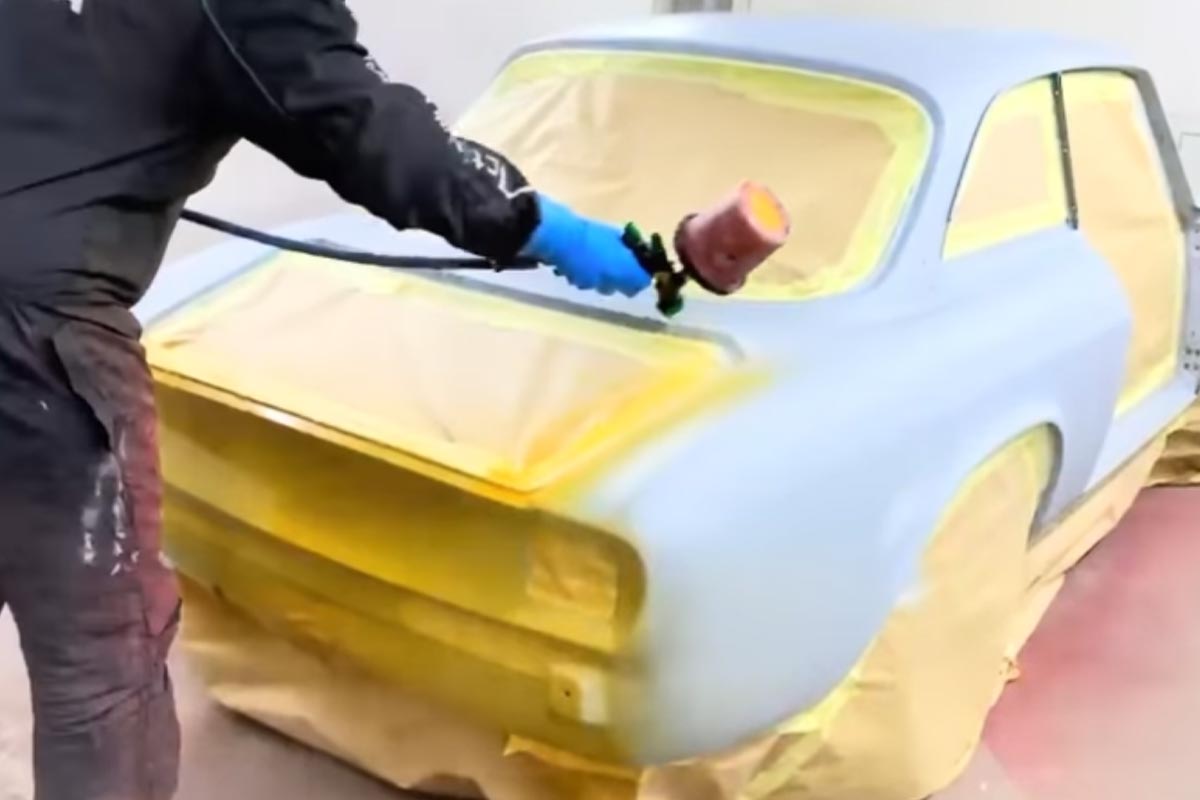
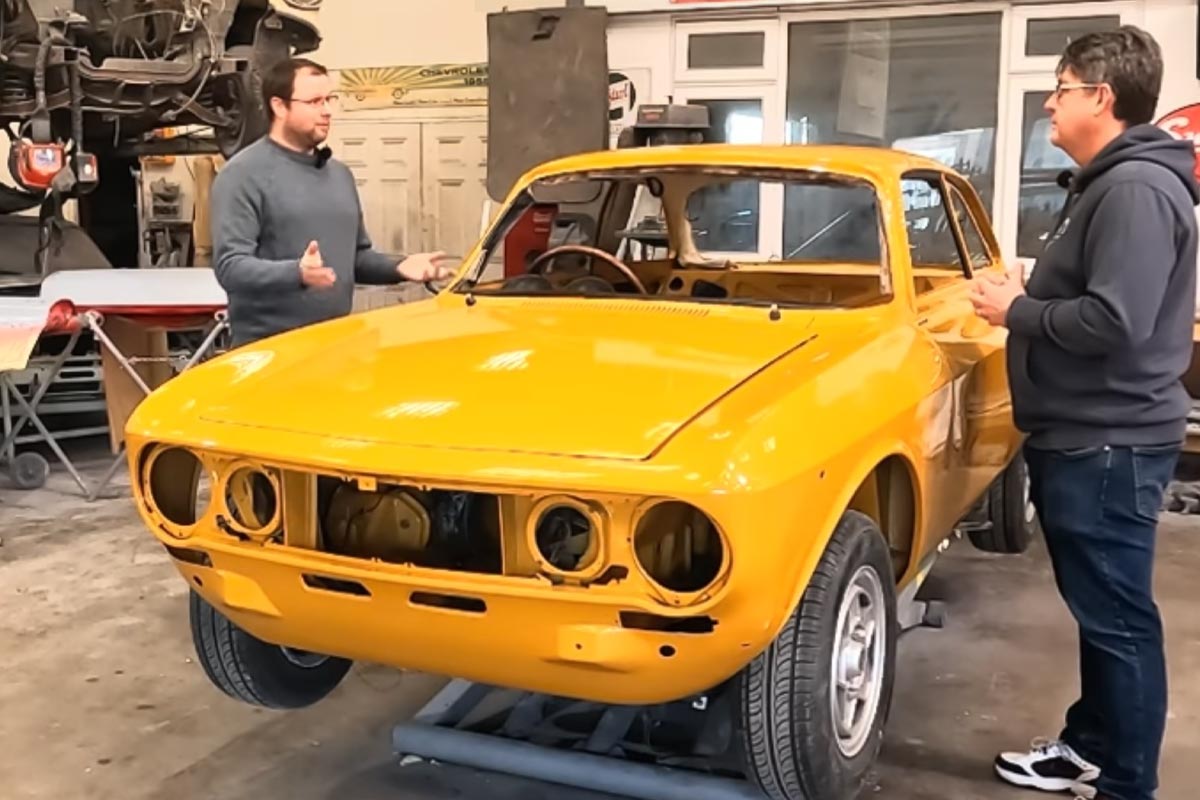
Once the bodywork has been salvaged, it's time to paint it. Here again, costs can quickly soar, especially when you're aiming for a top-of-the-range result. Initially budgeted at £7,000 (€8,000), the paintwork on this Alfa Roomeo ended up costing over £11,000 (€12,700). A conscious choice to obtain a finish worthy of a collector's model. The more the car progresses, the more demanding the requirements become. It's hard to accept an average finish after having invested so much in the structure.
Mechanics: a rare pleasant surprise
Contrary to what one might think, the mechanical part of this project is relatively well mastered.
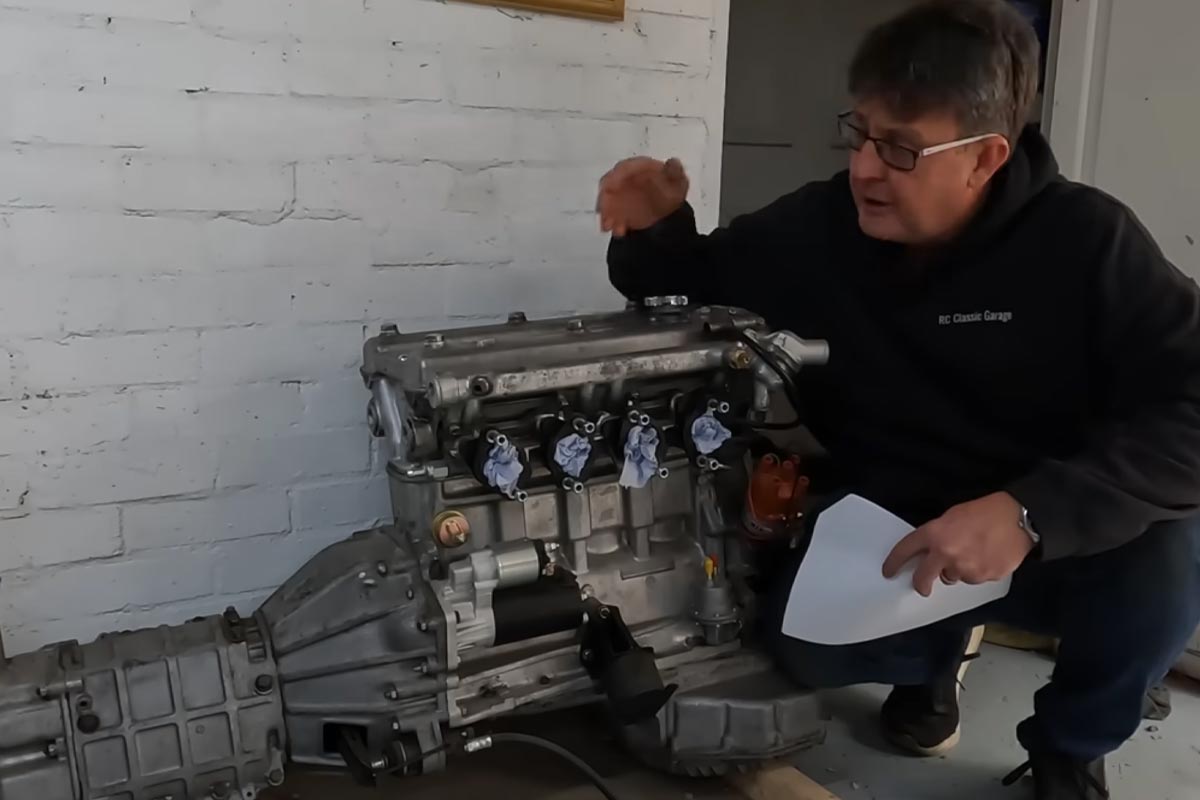
The engine, which was blocked at the outset, was completely rebuilt with many new parts: pistons, rings, bearings, cylinder head, etc. The gearbox was also refurbished. Total cost: just over £7,700 (€8,900). A substantial sum, but in line with forecasts. Just goes to show that it's sometimes easier to anticipate a mechanical problem than to guess the actual state of a car.
Further and further
As the restoration work progressed, the temptation arose to rebuild everything from scratch. Suspensions upgraded, brakes completely replaced, new shock absorbers... Result: around £3,400 (€4,000) for this part, again over the initial budget.
The interior, on the other hand, is damage-free. Thanks to a long period of downtime, it has been preserved in an acceptable condition, requiring only a partial overhaul. But a full restoration would easily have added a further £5,000 (€5,700).
Invisible costs that throw the budget off track
This is undoubtedly the most important lesson. Small details add up and end up weighing heavily. Seals, chromes, hoses, beams, optics, tires, bolts and nuts, consumables... These are all expenses that are rarely accurately anticipated. In this case, they amount to around £5,000 (€5,700).
A final bill that doubles... or worse
All in all, the restoration of this Alfa Romeo 1750 GTV is approaching £46,000 (€53,000). And could reach £50,000 (€57,000) with a complete interior refurbishment. That's almost double the original budget.
Even so, this case remains “reasonable”. The owner explains that a similar project, but started on an even more degraded base, cost him up to £165,000. The lesson is clear: it's better to buy a healthy car at a higher initial cost than to restore a wreck.
So why continue? Why invest so much money, time and energy in an old car? The answer lies in one sensation. The feeling of getting behind the wheel of a car you've saved. A car whose every bolt and weld tells a story - your story. Rationally, restoring a classic almost never makes economic sense. But emotionally, it's a unique experience. And that's precisely why, in spite of everything, enthusiasts do it all over again.

 English
  French
  Italian
  Spanish
  German
  Japanese
  Dutch
Dutch
Gezegde: de goedkoopste is de duurste!
Sterker nog koop de duurste die je kunt vinden, dat zijn bijna altijd auto's die.........(klaar zijn), en waar de vorige eigenaar financieel op leeg gelopen is.
Het scheelt je enorm veel geloop geregeld onverwachte ergernissen en vooral een bak aan tijd die je bespaart,
zeker wanneer je al wat ouder bent.
En je bent ook in één klap rijklaar. Moraal van het verhaal, je bent ook nog vele malen goedkoper uit, want een totale restauratie loont financieel nooit!
Que sería si alfa romeo dejará de diseñar y construir lo que mejor se le da, automóviles auténticos deportivos aderezados con sensaciones al volante. Otras marcas conocidas diseñan ordenados con ruedas, que pena.