

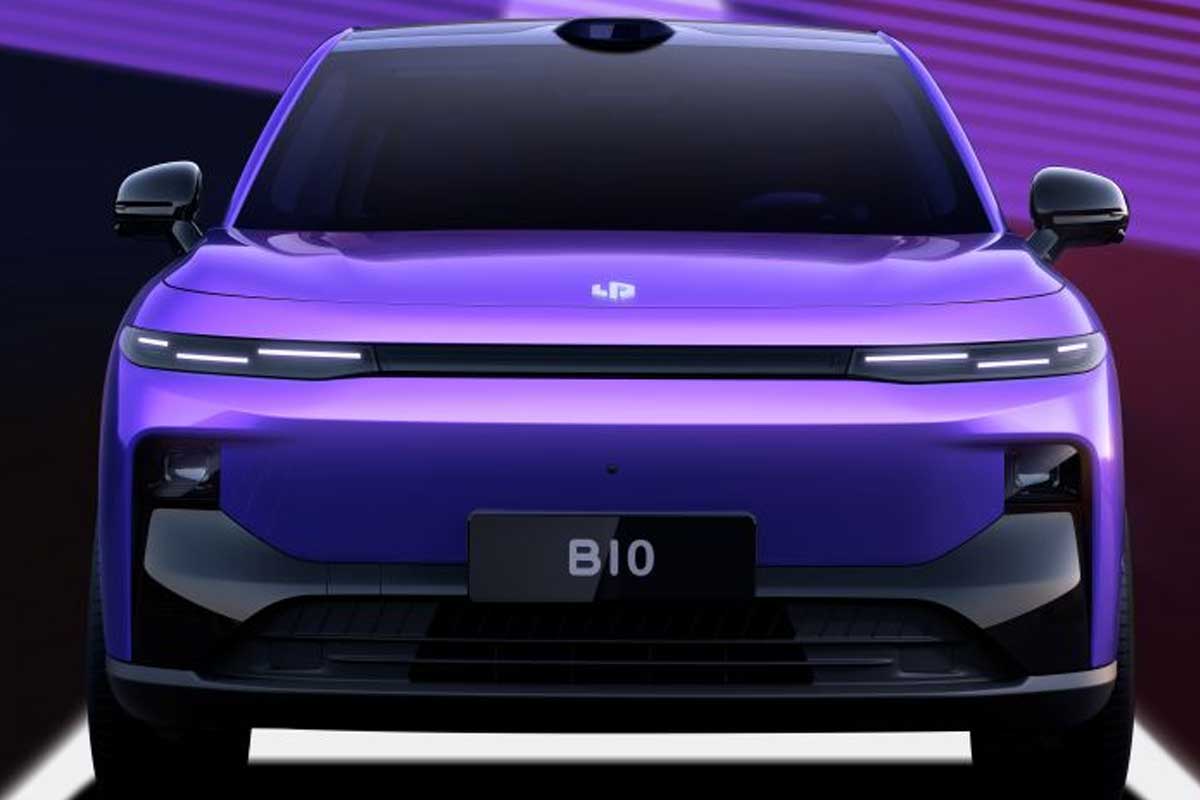
After validating the relevance of its bet on Leapmotor in Europe, Stellantis is taking another decisive step forward. No longer content with importing or distributing Chinese models, the Group is now preparing to produce them on several continents at once. Spain, Brazil, Canada... Three strategic zones, three different approaches, but a single industrial logic: to transform Leapmotor into a truly global brand, supported by Stellantis' worldwide infrastructure.
European production already in sight
In Europe, the project is already well advanced. Like mentioned in recent weeks, The Leapmotor B10 electric SUV could be assembled as early as 2026 at the Stellantis plant in Zaragoza, Spain. There's nothing trivial about this choice. Producing locally would make it possible to avoid European customs duties on Chinese electric vehicles, while improving delivery times and model competitiveness.
But above all, it confirms a change in strategic direction: Leapmotor is no longer just a sales partner, but a genuine industrial pillar for Stellantis in Europe. In the long term, certain models could even share their technical base with Fiat, Peugeot or Opel. Not to mention the R&D center in Munich, in Germany.
Brazil, an industrial and technological laboratory
In Brazil, the strategy takes on an even more ambitious dimension. Stellantis has officially confirmed that the Leapmotor B10 and C10 SUVs will be produced locally at its Goiana plant.
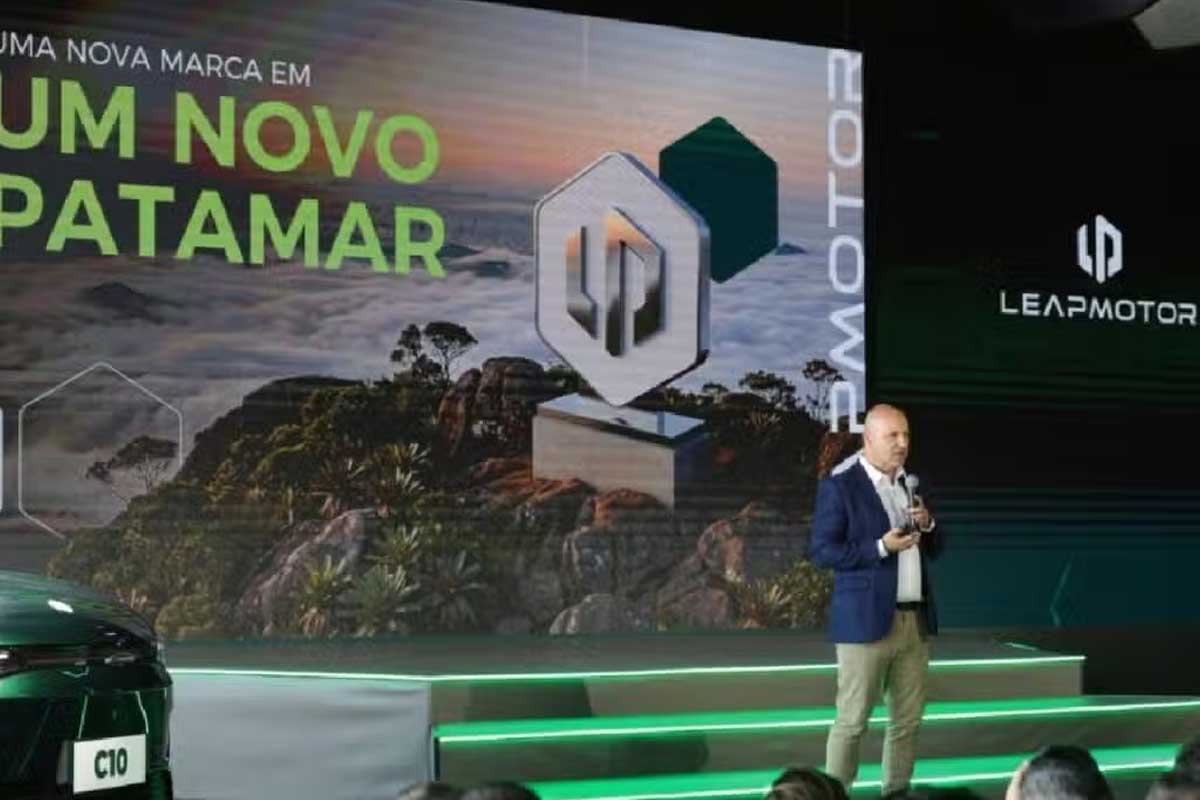
The site is currently being extended to accommodate this new activity, proof that the Group sees the South American market as a major development axis for the Chinese brand. But the stakes go far beyond simple production. Stellantis is also working on a new technology called REEV Flex, which combines electrification and flex-fuel motorization. A world first, made possible by the group's local expertise in South America.
This approach perfectly illustrates the global strategy of using Leapmotor's technological foundations while adapting them to specific regional needs. In Brazil, this means offering innovative hybrid solutions that can run on a variety of fuels, an essential criterion in this market.
A controversial project in Canada
The situation is quite different in North America. In Canada, Stellantis is reportedly considering relaunching its Brampton plant to assemble Leapmotor vehicles... but in a very special form.
According to several sources, the cars could be produced in China, then partially disassembled before being reassembled on site in kit form. This method would circumvent certain commercial constraints and facilitate distribution on the North American market.
The project is already attracting fierce criticism. A number of political and industrial leaders are denouncing the idea of cut-price production, far removed from genuine local manufacturing. The image used by some players in the sector speaks for itself: that of a car assembled like an IKEA piece of furniture.
Beyond the industrial debate, the stakes are also strategic. Even partial production in Canada could provide Stellantis with a gateway to the US market, in an increasingly complex regulatory environment for Chinese technologies.
Leapmotor, from Chinese start-up to global brand
With these simultaneous projects in Europe, South America and North America, Stellantis is profoundly redefining its industrial model. The group is no longer simply seeking to develop its own electric technologies, but to draw on the speed and competitiveness of the Chinese ecosystem, while using its global network to produce and distribute these vehicles.
Each region thus becomes a piece of a global puzzle: local production in Spain for Europe, technological innovation in Brazil, market access strategy in North America.
Two years after investing 1.5 billion euros, Leapmotor is changing dimension. The brand is no longer confined to its home market, and now relies on Stellantis to accelerate its international expansion. What was until recently a daring gamble is now becoming a global industrial strategy. Stellantis no longer sees Leapmotor as a simple Chinese partner, but as a central lever for its electric transformation... on a global scale.
 English
  French
  Italian
  Spanish
  Portuguese
  German
  Japanese
  Turkish
  Dutch
Dutch
Eeeh gotta stop with the April fools!