

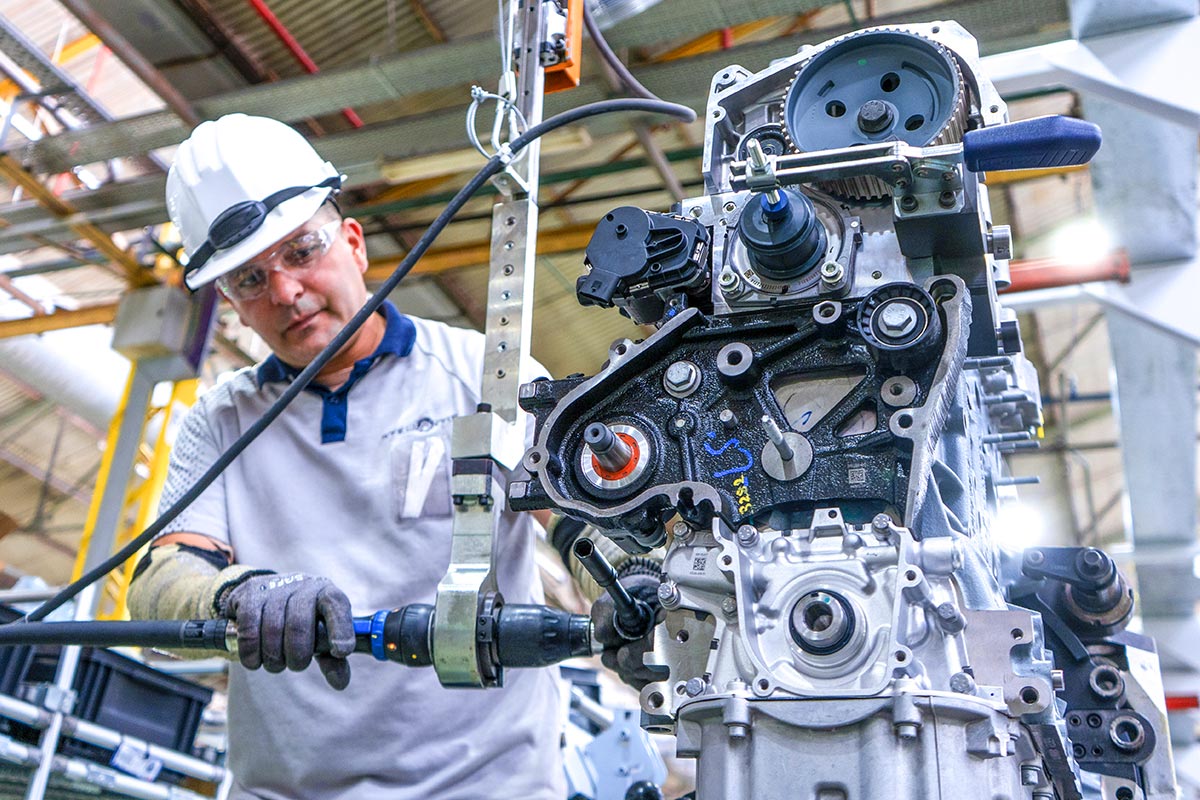
Whereas in Europe, Stellantis While it is ramping up the launch of electric cars and even aims to bring small electric models to market for €15,000, on the other side of the Atlantic, the automaker is investing in a powertrain that some thought was doomed: diesel. As we mentioned in a previous article last October, Stellantis was preparing to open a new engine plant in Argentina. On Wednesday, November 25, 2026, it was officially inaugurated. And the ambitions are far from trivial.
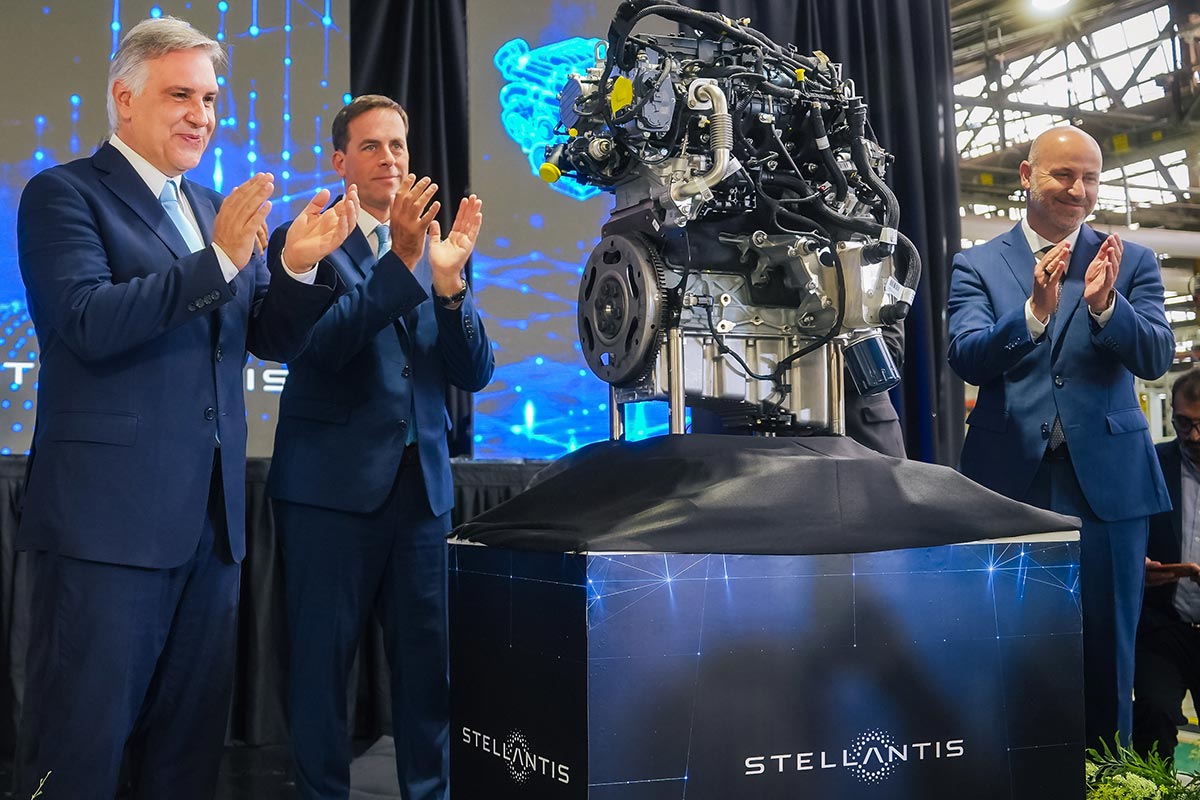
A factory capable of producing 100,000 diesel engines per year
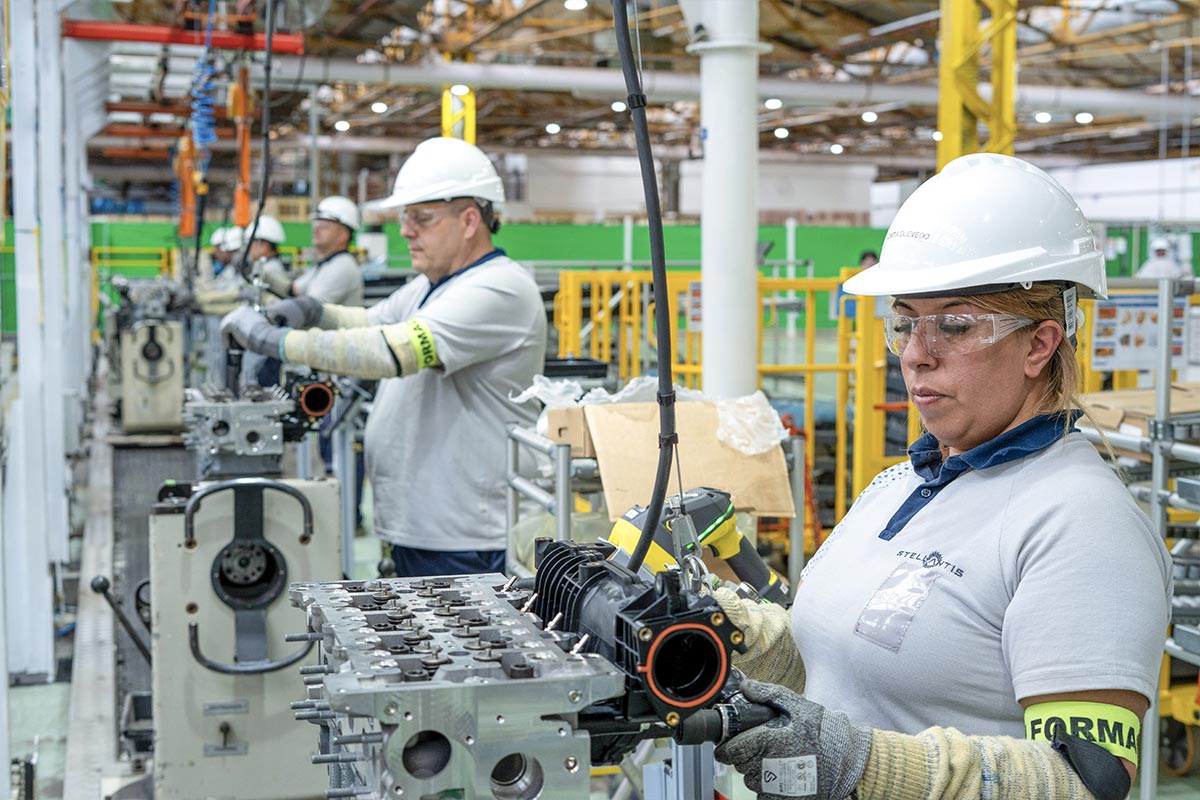
Stellantis inaugurated its new production facility—entirely dedicated to the 2.2 Multijet diesel engine—at the Ferreyra industrial complex in Córdoba. It is now the only plant in Argentina exclusively dedicated to the manufacture of automotive engines.
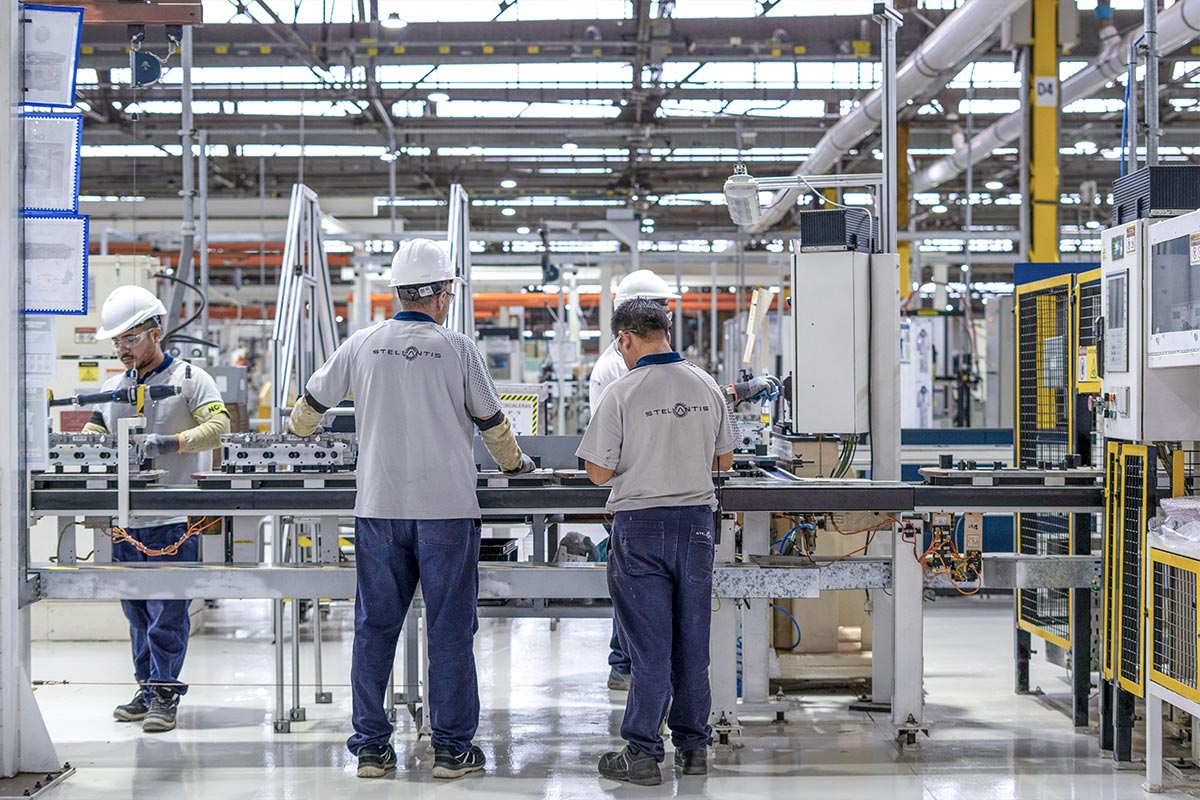
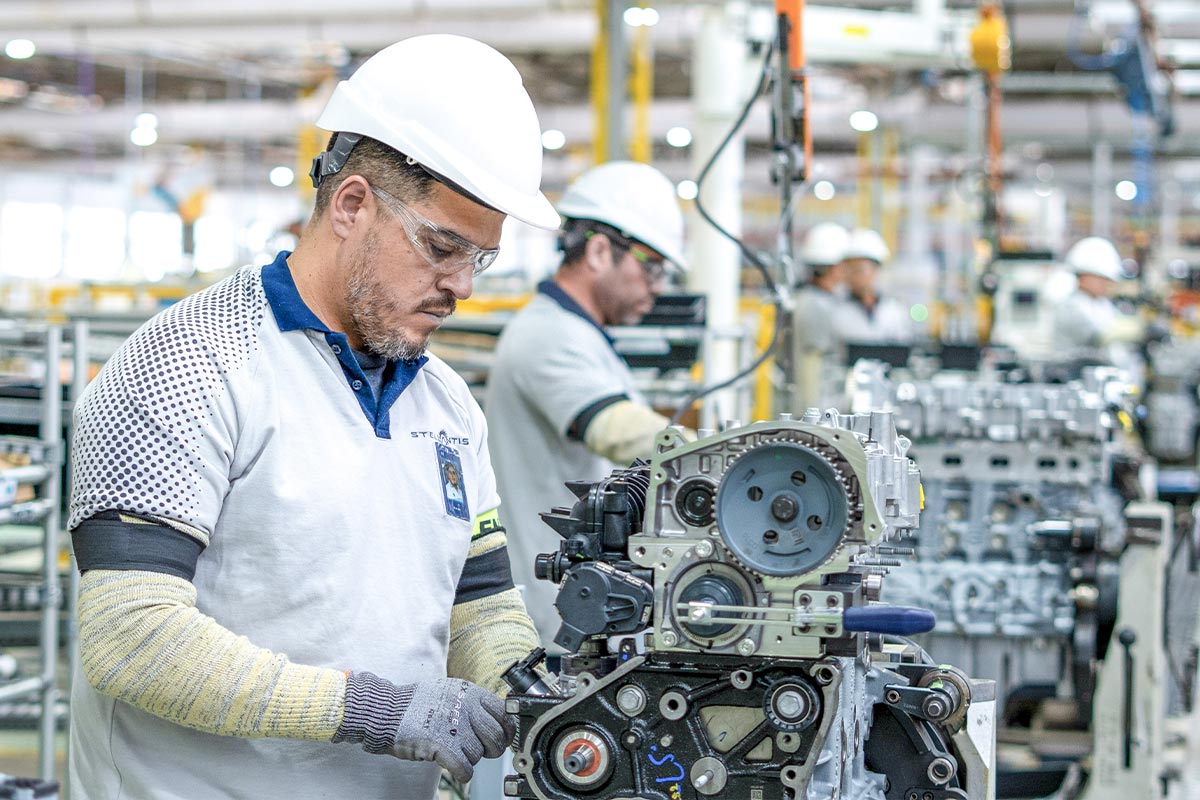
This new plant is part of a $385 million investment program, which has also enabled the group to begin mass production of its two new pickup trucks, the Fiat Titano and the Ram Dakota. Highly automated, it has a production capacity of 100,000 engines per year, employs more than 400 direct and indirect workers, and works with ten Argentine suppliers.
The inauguration coincides with the 30th anniversary of this historic Fiat plant, which has produced more than 1.5 million vehicles since 1996, including the Fiat Palio, Siena, and Cronos.
Diesel engines for Fiat, Ram, Jeep, Peugeot, and Citroën… in Latin America
Stellantis is investing so heavily in this new plant not only to meet the needs of the Argentine market. More than 70 % engines are expected to be exported in the first year, mainly to Brazil and Uruguay.
The Argentine 2.2 Multijet engine will be installed in the Fiat Titano and Toro, the Ram Dakota and Rampage, as well as the Jeep Commander. It will also be used in several commercial vehicles, such as the Fiat Ducato and Scudo, the Peugeot Boxer, and the Citroën Jumper.
A notable difference from Europe, where—as we recently reported—Stellantis also plans to produce a new 2.2 Multijet 48V hybrid diesel engine starting in 2029 at its Italian plant in Pratola Serra, but this facility would be reserved exclusively for commercial vehicles.
Chinese competition is also a cause for concern in South America
Behind the festivities surrounding the inauguration, however, the speech by Herlander Zola, president of Stellantis South America, was less optimistic. The executive acknowledged that the group had lost market share in recent years and called for regulations that promote fair competition.
According to him, the Brazilian auto market is growing by about 15 %, even as local production declines—largely to the benefit of Chinese imports. This situation is reducing production volumes at long-established plants and automatically increasing their unit costs.
The executive also acknowledges that automakers based in South America are at a competitive disadvantage compared to Chinese manufacturers when it comes to producing electric and electrified vehicles. However, this has not prevented Stellantis from simultaneously expanding the presence of its Chinese partner, Leapmotor, in the region.

A different powertrain for every continent
Between small electric cars in Europe, the return of the V8 in the United States, and this new diesel engine plant in South America, Stellantis' global strategy is taking a particularly interesting turn.
While diesel has all but disappeared from the European model lineups of some of the group’s brands, Stellantis is opening a plant several thousand kilometers away capable of producing 100,000 diesel vehicles per year. And according to Martín Zuppi, president of Stellantis Argentina, this new operation is expected to help shape the next thirty years of the Córdoba plant.
 English
 French
 Italian
 Spanish
 German
 Japanese
 Dutch