

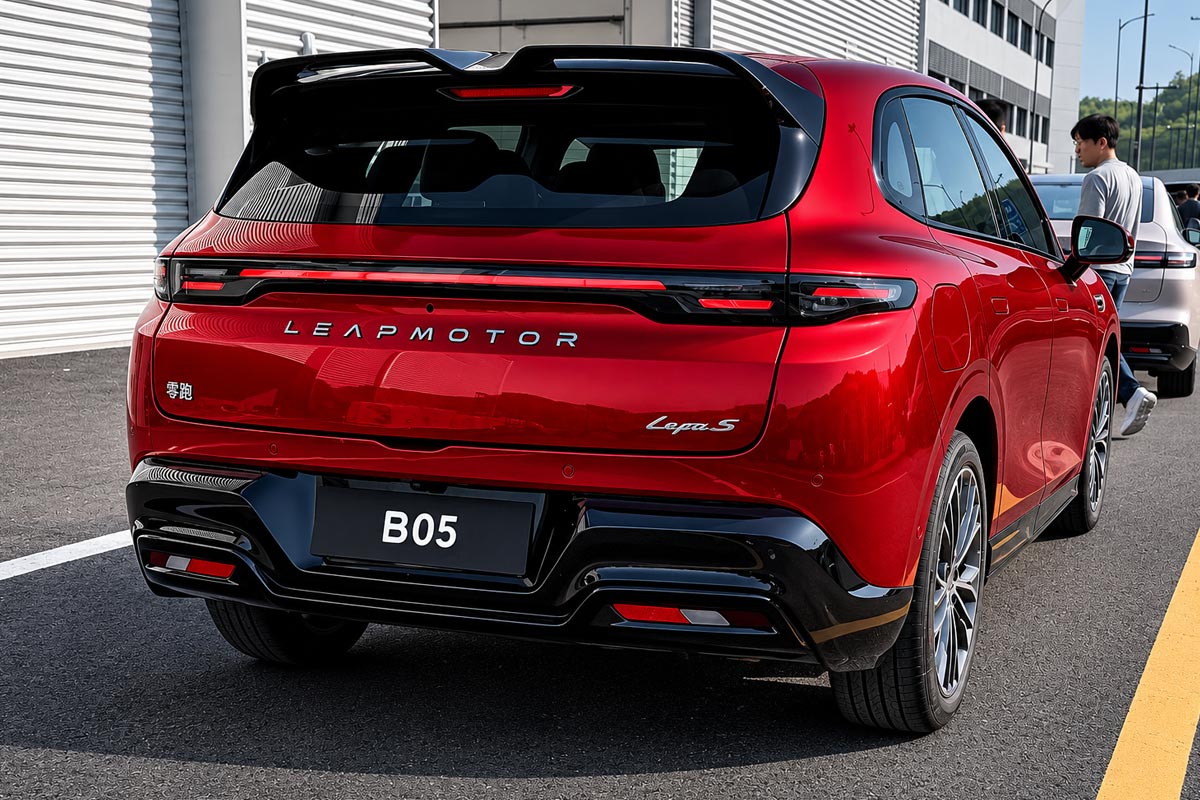
What if Leapmotor gradually became one of the most European brands in Stellantis ? The question might raise a smile when referring to an automaker that was founded in China just eleven years ago. However, in the group’s latest press release, Stellantis has officially announced an industrial and technical structure that we have been discussing for several months. With Germany handling development, Italy handling engineering, and Spain handling production, Leapmotor is taking its business to the next level in Europe.
In Germany, Leapmotor is preparing its future cars
Last March, we reported on the opening of the Leapmotor's first research and development center outside of China, in Munich, at the heart of the German automotive industry, on BMW’s home turf and near Audi. Stellantis today confirms the strategic role of this «Leapmotor European Innovation Center.» The center draws on local expertise in design, engineering, and testing to guide the development of the brand’s future European models.
It’s no longer simply a matter of adapting Chinese cars to European standards, but of incorporating the expectations of European drivers right from the design stage. Design, features, handling, ergonomics… Leapmotor now wants to design its cars for Europe—from Europe.
Leapmotor's design values—purity, balance, texture, and warmth—are rooted in a European perspective, helping to create cars that appeal to the local market.
Stellantis Press Release

In Italy, the expertise of Alfa Romeo and Maserati
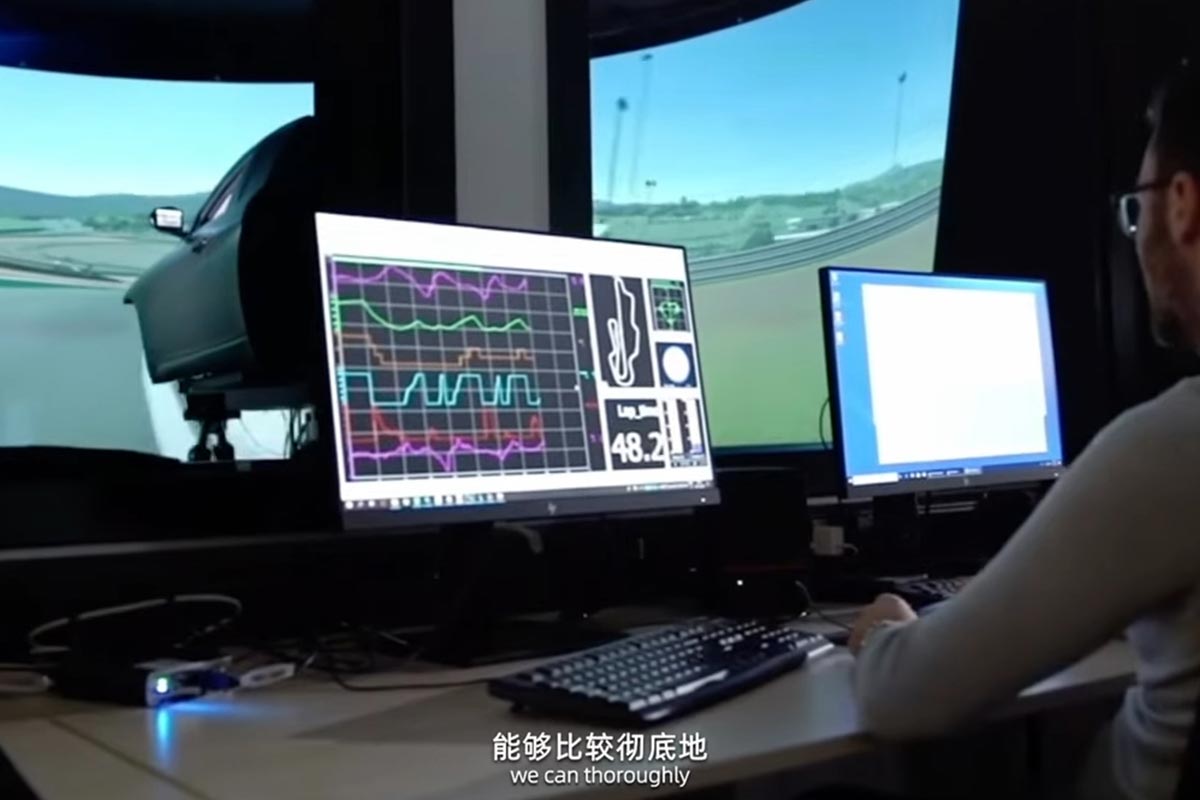
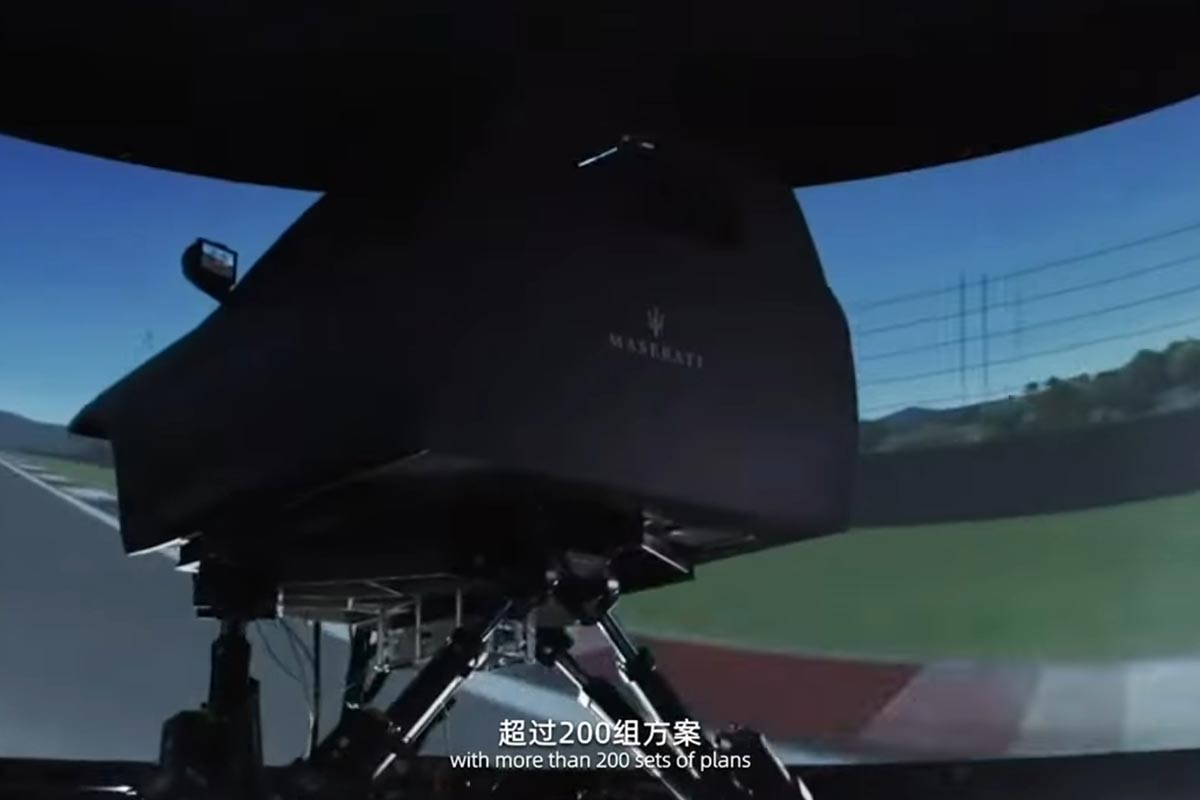
This is probably the most interesting part for us, Italian car enthusiasts. Stellantis has officially confirmed that Leapmotor vehicles destined for the European market benefit from the work of its engineers at the historic Balocco circuit… and from the Maserati simulator.
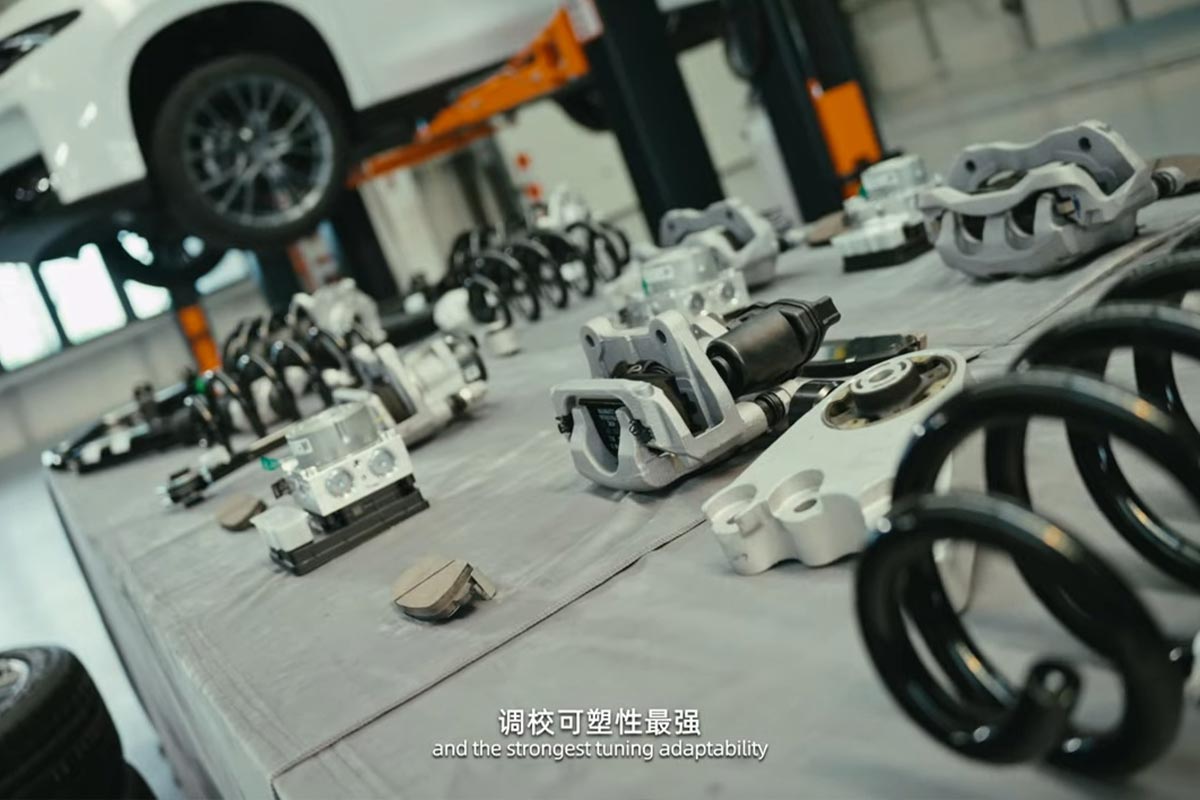
We had mentioned this collaboration a year ago. The T03, C10, and, more recently, the B05 have benefited from this Italian expertise. Stellantis now details the nature of this work: chassis tuning, dynamic handling, suspension comfort, as well as noise and vibration optimization. Engineers also use advanced simulation tools to fine-tune the various settings. This collaboration is expected to go even further with the upcoming Leapmotor B05 Ultra, whose European sport version is set to undergo specific tuning at Balocco.

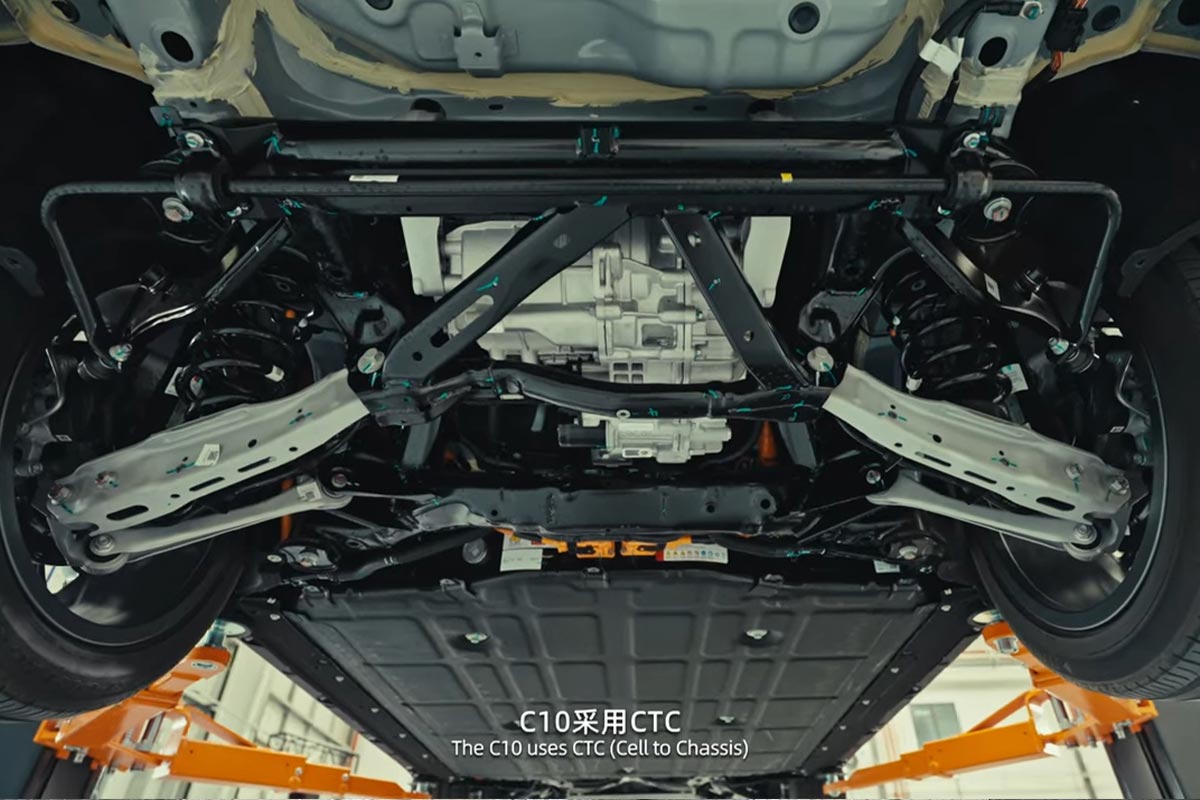
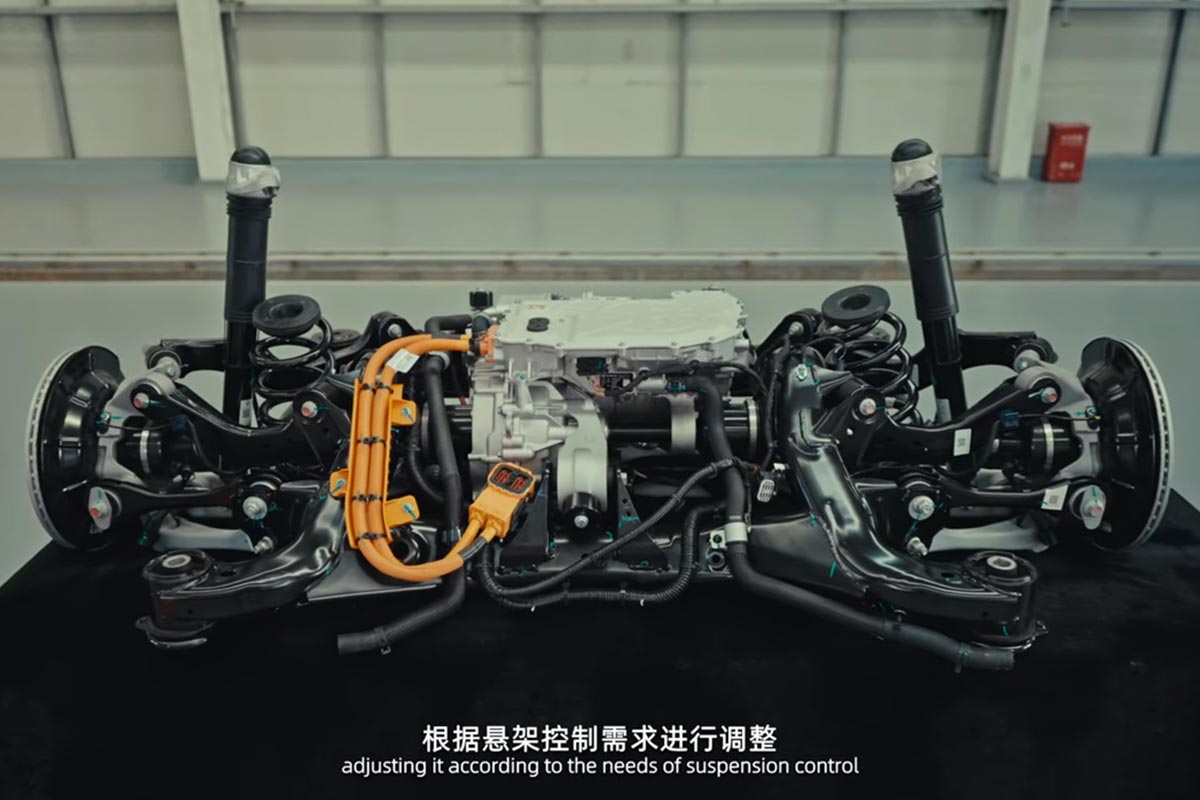
In Spain, production has officially begun
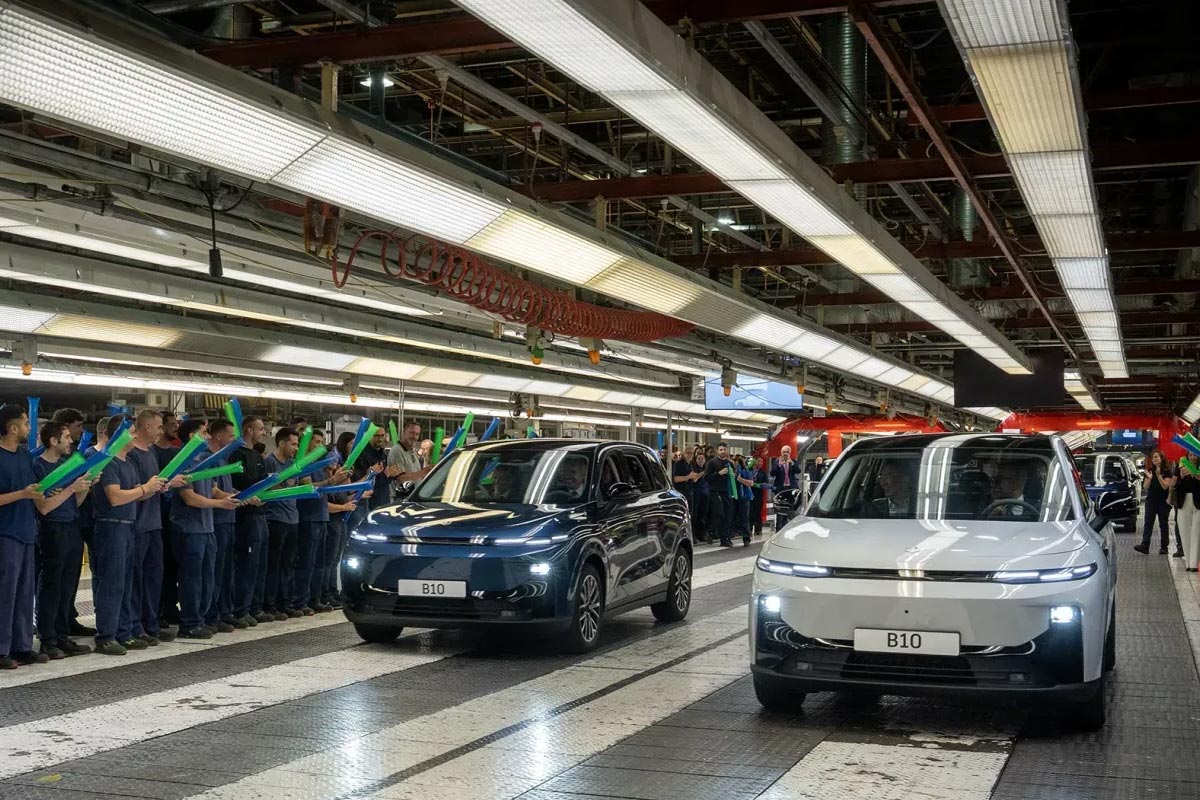
That was the final piece of the puzzle. Stellantis has confirmed that production of the Leapmotor B10 electric SUV has now begun at its plant in Zaragoza. The compact B05 will follow. These Chinese cars will therefore be manufactured in the same plant as European models such as the Peugeot 208, the Opel Corsa, and the Lancia Ypsilon. Local production should enable Leapmotor to boost its competitiveness, but it also represents a major financial opportunity for Stellantis, particularly as part of its strategy to reduce average CO₂ emissions in Europe.
With the launch of B10 production in Zaragoza and the imminent start of B05 production, Leapmotor is fulfilling its commitment to «Made in Europe, for Europe.».
Stellantis Press Release
Will Chinese technology soon be found in more Italian and French cars?
This press release takes on an even more interesting dimension when viewed in the context of recent statements by Antonio Filosa, which hopes to expand its collaboration with Leapmotor to several European plants, including one in Italy. As Stellantis works on its future affordable small electric cars, particularly for Fiat and Citroën, the exchange of expertise between the two automakers could become increasingly important.

Zaragoza reflects Leapmotor’s long-term ambition to become an increasingly integral part of the European automotive ecosystem. […] For Leapmotor, being closer to Europe means much more than just developing, refining, or building cars here. […] It means combining global innovation, European engineering expertise, and local production.
Stellantis Press Release
The paradox is quite intriguing. On the one hand, Stellantis is turning to Chinese technologies to make its future European cars more competitive. On the other hand, Leapmotor is drawing on European expertise to improve its own Chinese cars. Developed in Germany, fine-tuned in Italy, manufactured in Spain, and distributed by Stellantis… Ultimately, what will distinguish a Leapmotor from another European car brand in the future, if not the origin of its technology?

 English
 French
 Italian
 Spanish
 German
 Japanese
 Dutch