

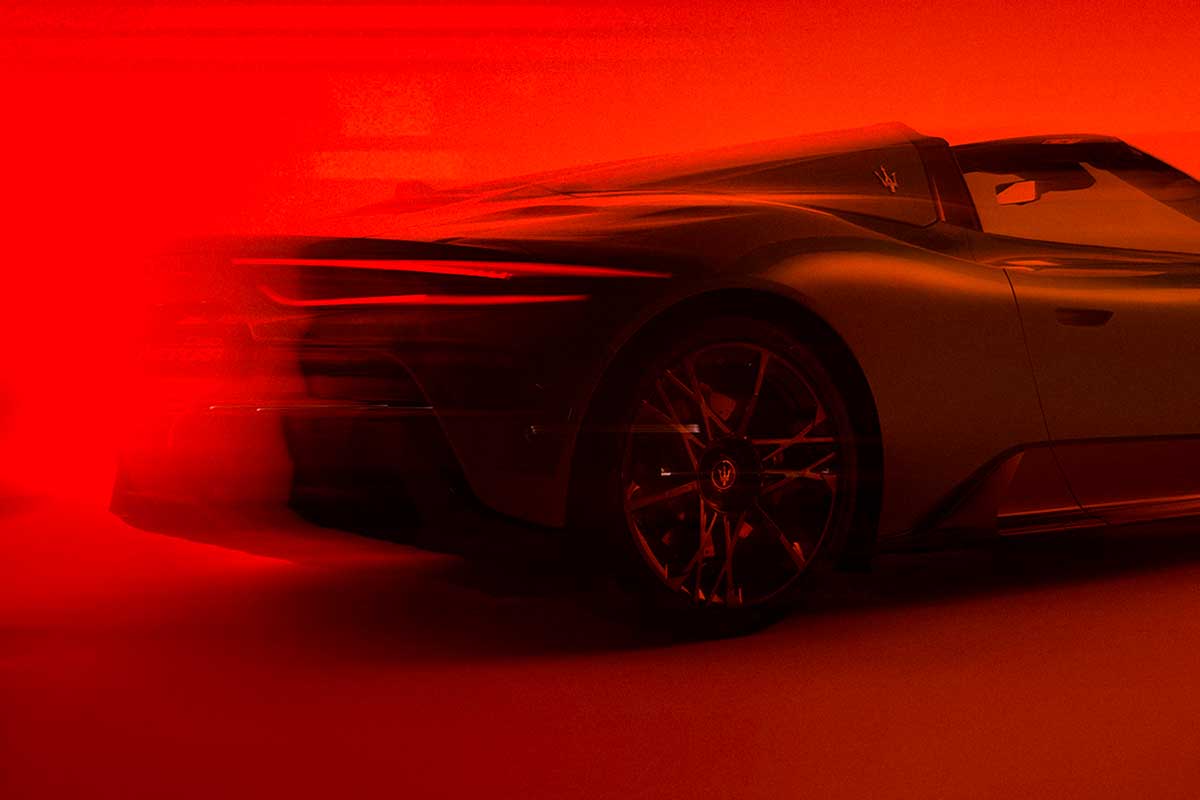
And if Maserati was about to write one of the most ambitious chapters in its recent history? Behind the strategic moves made at Stellantis in recent years, a clear pattern seems to be emerging. A pattern already tried and tested at Alfa Romeo, and which could now serve as a model for relaunching Maserati from the top, with an ultra-exclusive car, produced in very small series, deeply rooted in its heritage.
The previous Alfa Romeo 33 Stradale
To understand what might be in store at Maserati, we need to go back a few years. On January 19, 2021, Jean-Philippe Imparato was appointed CEO of Alfa Romeo. A few months later, in July 2021, an idea was born: to revive the legendary 33 Stradale. An audacious project, almost unreasonable in a constrained industrial context. Carlos Tavares gives the green lightBut there was one essential condition: the business model had to be viable. Imparato surrounded himself with Cristiano Fiorio, to whom he entrusted the task of setting up the project with a small but highly specialized team. Only around thirty people, but with a clear vision: to create an exceptional car, without compromise. In the spring of 2022, the Stellantis board approved the project, subject to a precise commercial objective: to sell all 33 examples. Thirteen had to be ordered by December 2022, twenty by March 2023, with a deadline of April 17, 2023. The gamble paid off, and even exceeded it. Demand quickly outstripped supply, to the point of creating a waiting list longer than the number of cars available.
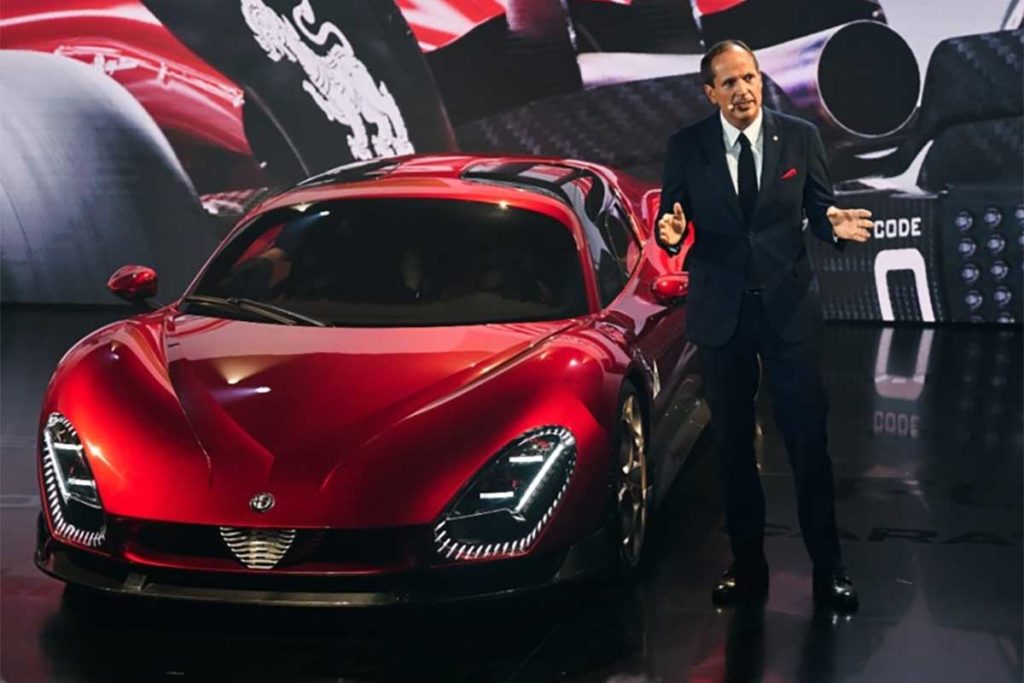
The car is presented to the public in August 2023. The Alfa Romeo 33 Stradale prototype number 00 is scheduled to take to the track in the second half of 2024, followed by a symbolic first customer delivery on December 17, 2024. It will have taken just two years to develop the project and present it, and three years to see the first prototype on the road.
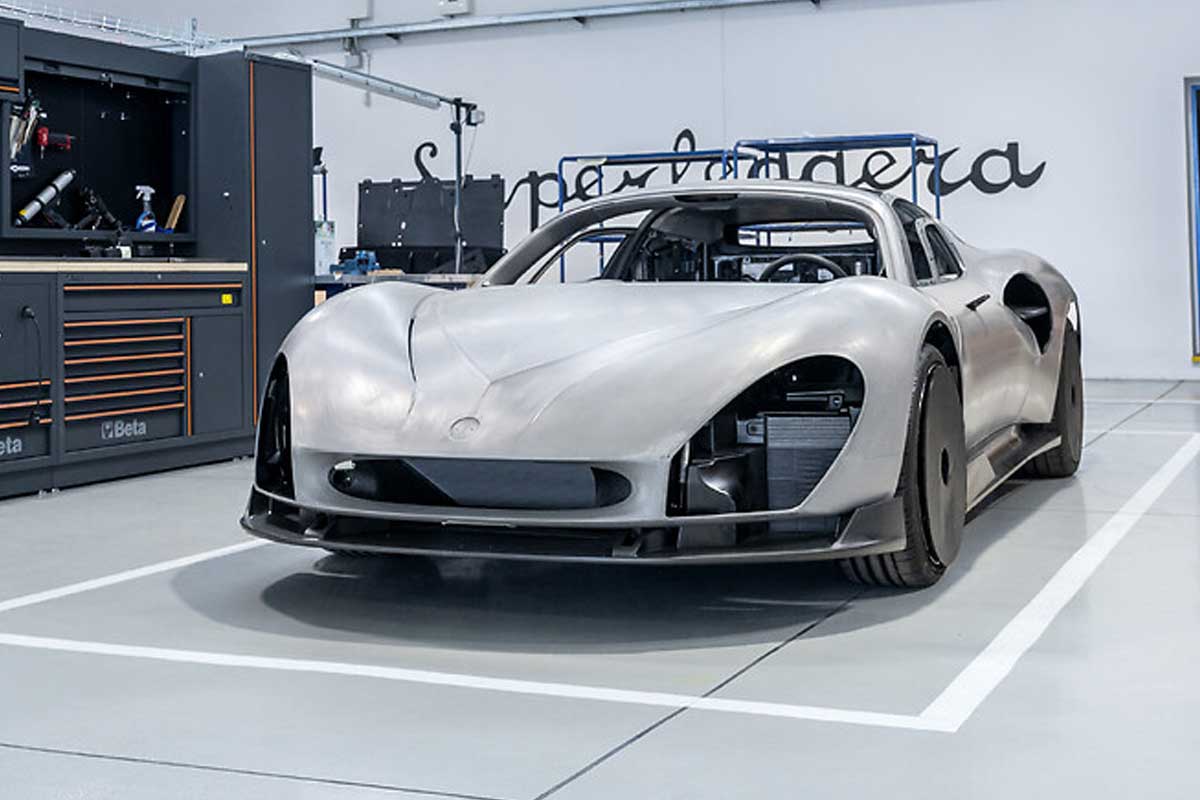
This project also marks the creation of Bottega Alfa Romeo, a program dedicated to personalized, made-to-measure cars, comparable to Ferrari's Tailor Made or Lamborghini's Ad Personam programs. Alfa Romeo no longer sells just a car: it sells an experience, a direct relationship with the brand, an almost artistic object. It is precisely this model that seems to inspire Maserati today.
Maserati: remarkable products but uneven commercial success
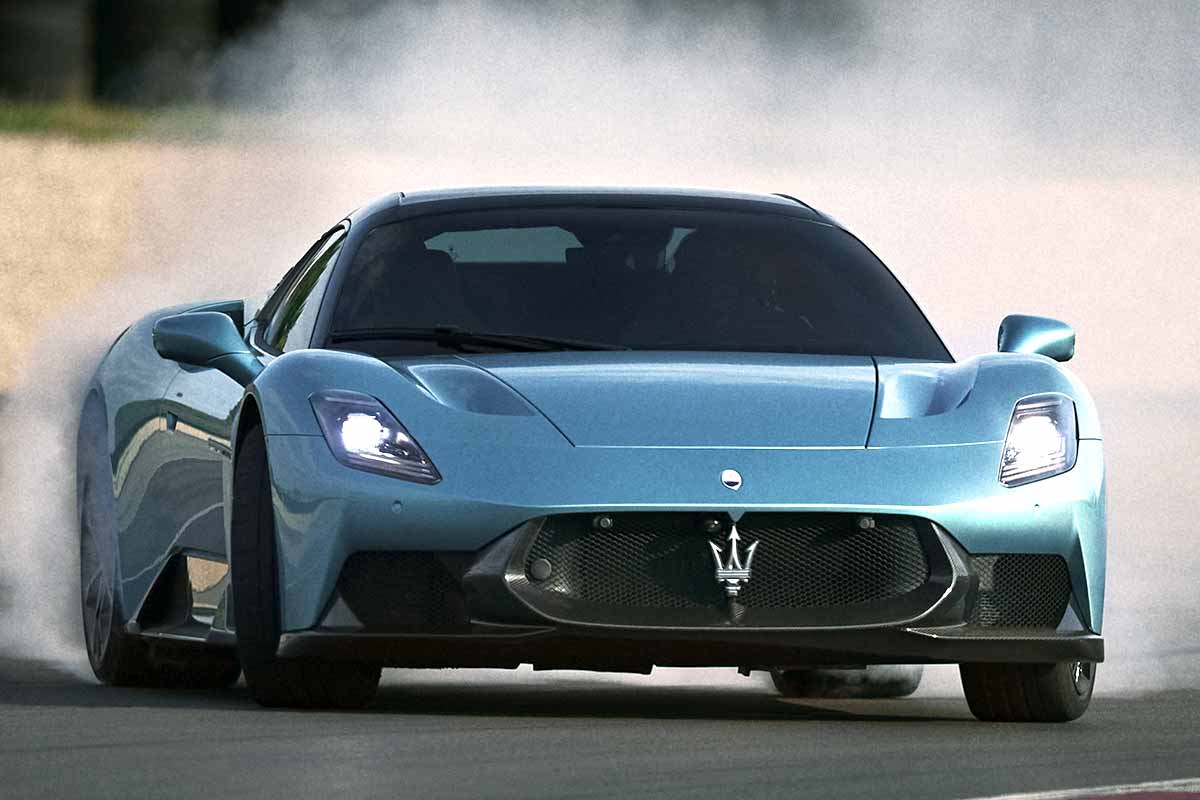
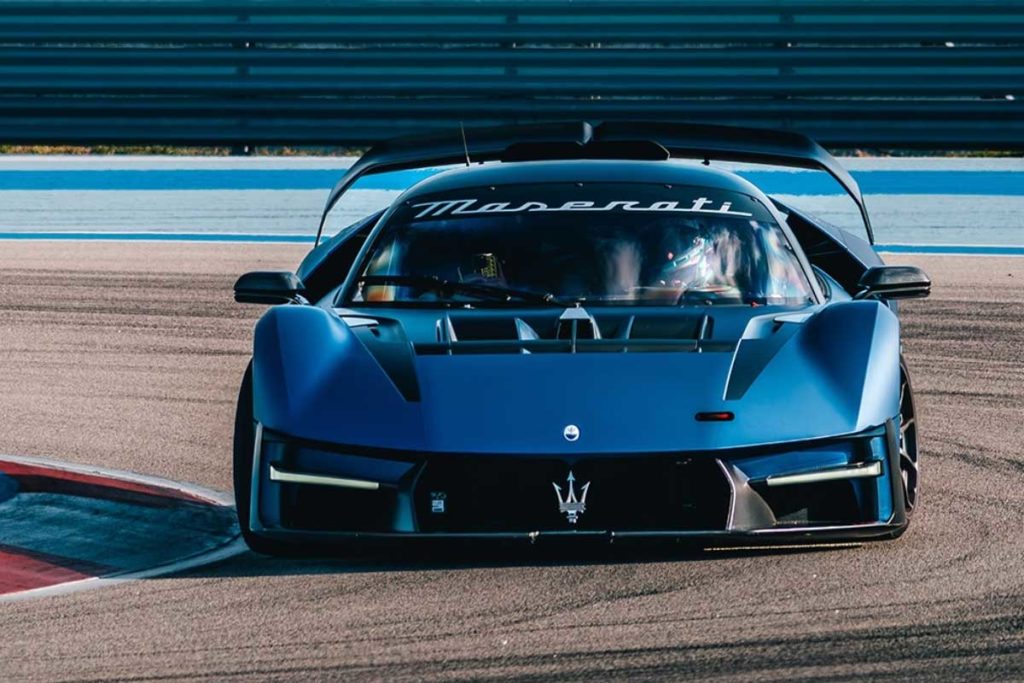
In recent years, Maserati has not lacked ambition on the product front. The MC20, then the GT2 Stradale, are unanimously recognized for their technical and dynamic qualities. Yet their commercial success remains limited. A notable exception is the Maserati MCXtrema, of which only 62 were produced, and which met with a much more favorable reception. A strong signal that Maserati customers are now more attracted by ultra-exclusive models than by mass-produced supercars.
The new 2025 team
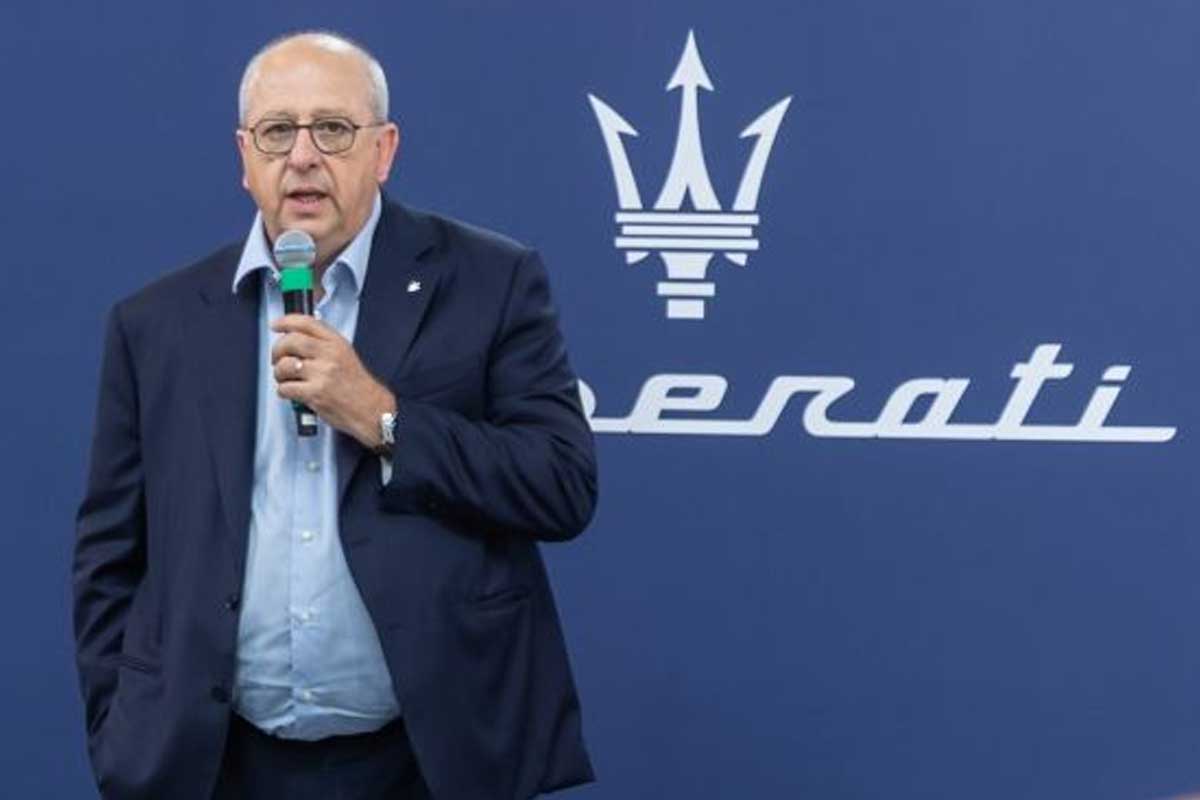
June 2025, Jean-Philippe Imparato appointed CEO of Maserati by the new CEO of Stellantis, Antonio Filosa. His mission is clear: to get the brand back on track to profitability. And to achieve this, he is announcing a major change in philosophy: cars now produced more on demandin small volumes, the opposite of our past strategy.
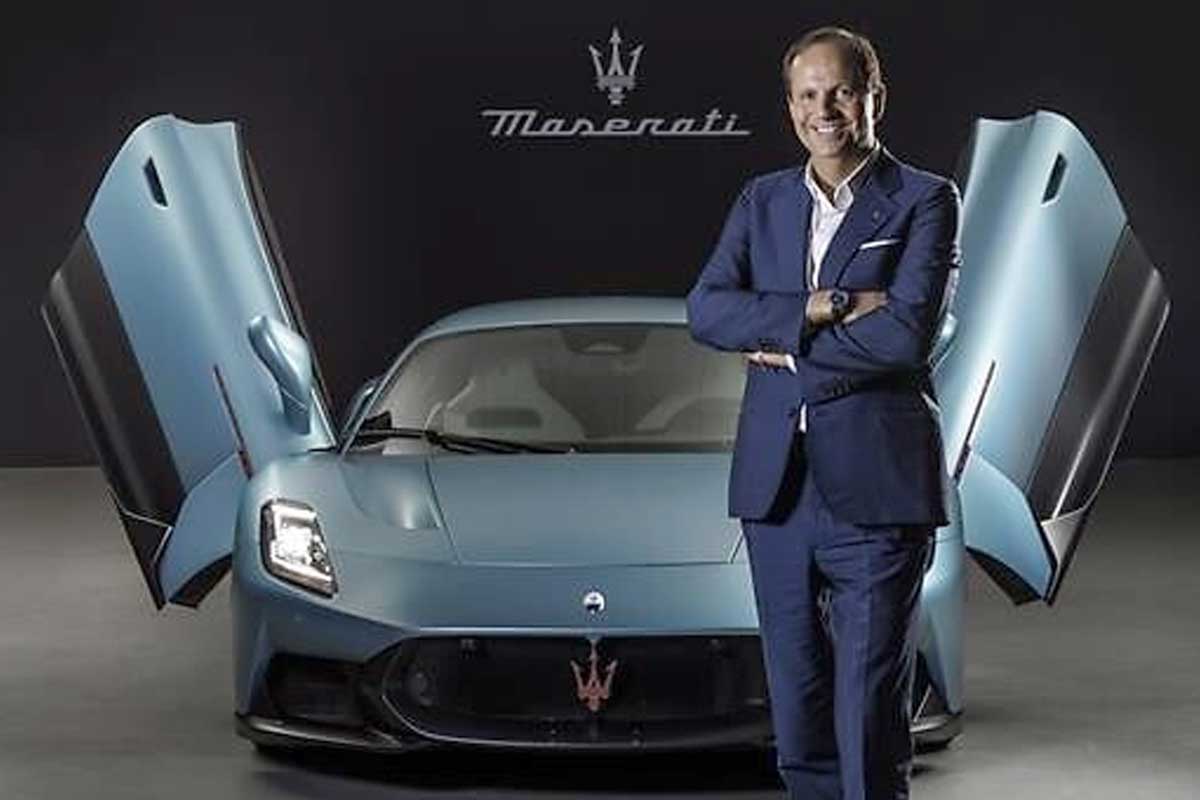
A few months later, in early December 2025, Cristiano Fiorio leaves Alfa Romeo to become Head of Marketing at Maserati and head up the Bottega Fuoriserie program. This program aims to produce small series of exclusive, customized cars, or "few-offs". Collaboration with historic coachbuilders such as Pininfarina, Touring Superleggera and Zagato cannot be ruled out. The declaration is unambiguous: with a talented and passionate team, already experienced with the 33 Stradale, Maserati wants to create cars that stand out not only for their technical qualities, but also for their unforgettable emotions. A philosophy perfectly aligned with that which led to the rebirth of the 33 Stradale.
Towards a Maserati supercar inspired by its history
Against this backdrop, it's hard not to see a clear strategy emerging. Between Jean-Philippe Imparato and Cristiano Fiorio, Maserati seems intent on reproducing the model that has worked so well at Alfa Romeo. Lamborghini regularly unveils limited editions, such as the recent Fenomeno and Countach LPI 800-4, and Ferrari Icona models. There's every reason to believe that a very exclusive supercar could be on the horizon by the end of 2026 or 2027, drawing directly on the brand's history. But which one?
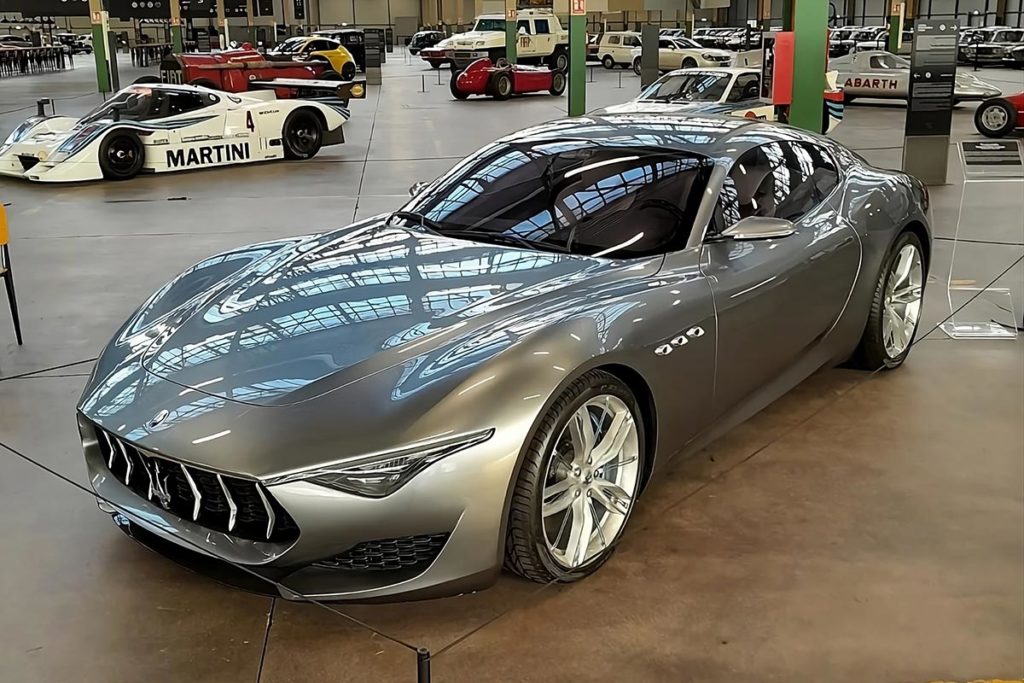
A Maserati 250F seems unlikely, given that its DNA is that of a pure racing car. The MC12 already seems to have found an indirect descendant with the MC20, although the idea of an MCXtrema Stradale, a sort of spiritual heir to the MC12 Stradale, cannot be ruled out. The Alfieri concept remains a major frustration in Maserati's recent history. Presented, eagerly awaited but never marketed, it could offer a strong emotional base.
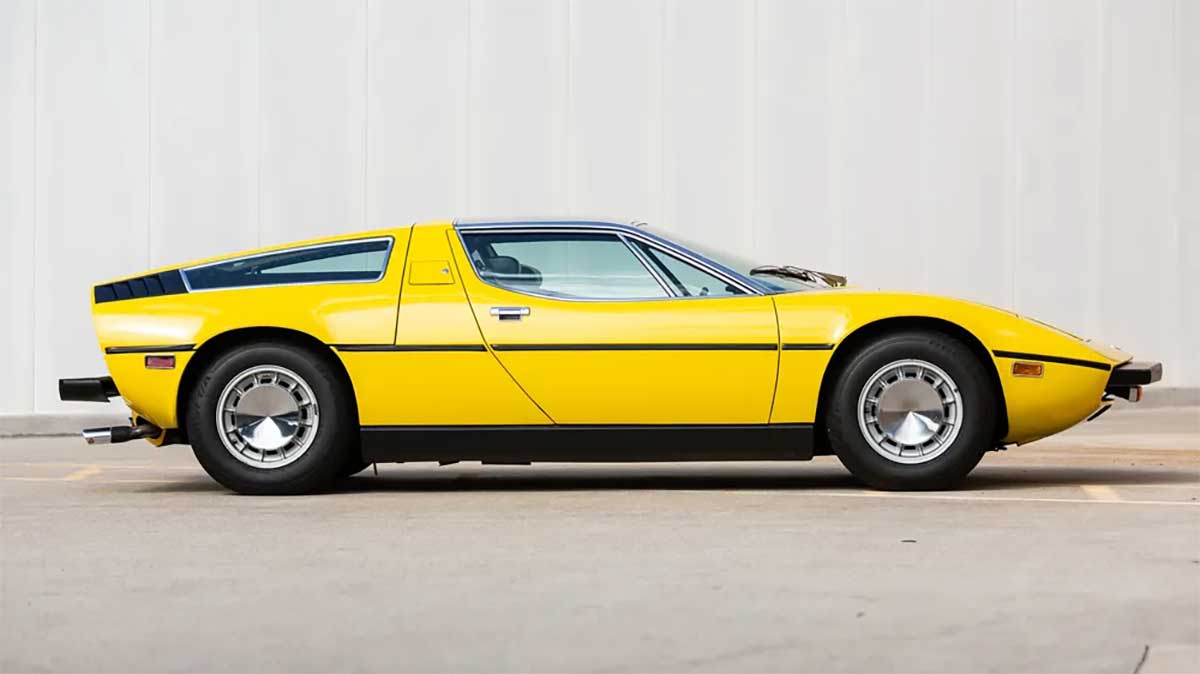
Another credible possibility is the Maserati Bora. The MC20 platform would lend itself perfectly, but the question remains: would it be exceptional enough to convince a handful of customers to write a cheque for several million euros?
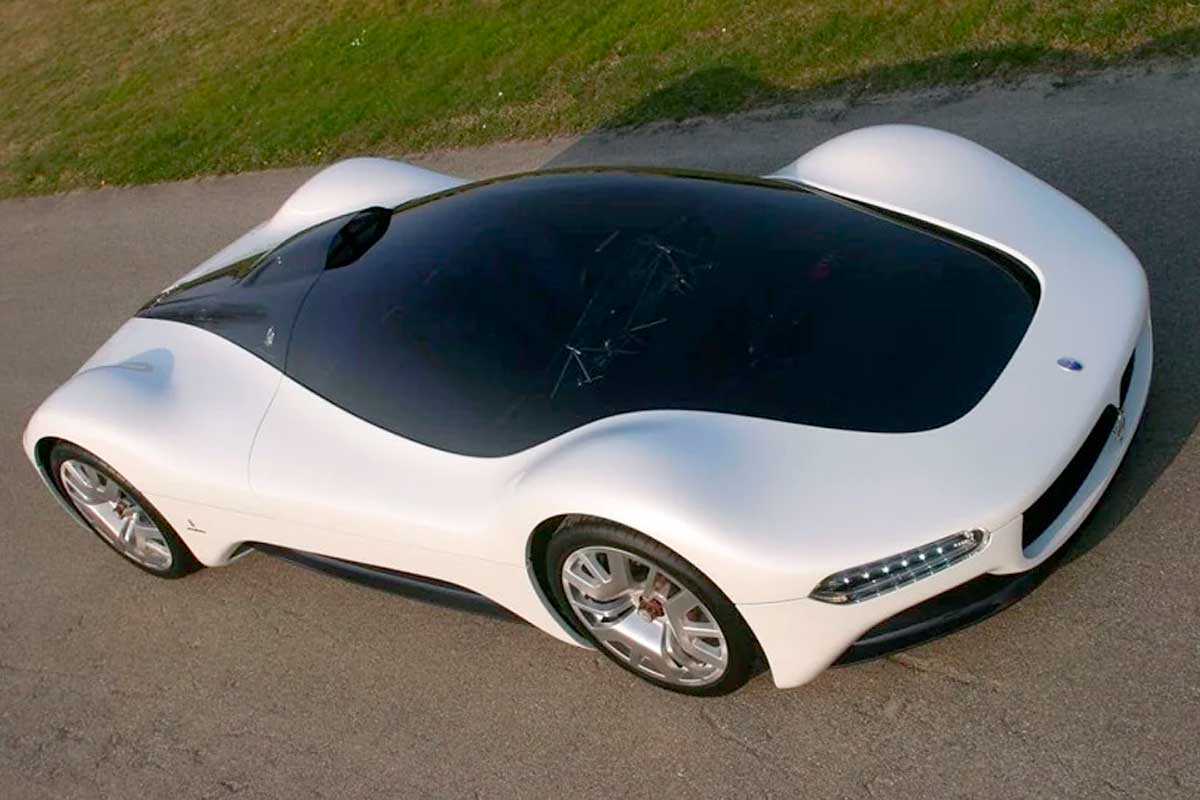
Finally, there's the Birdcage. This mythical name already inspired the Maserati Birdcage 75th concept in 2005, created for Pininfarina's 75th anniversary. In 2029, the Birdcage will celebrate its 70th birthday. The timetable may be a little far-fetched, but the idea remains seductive.


If recent history has taught us anything, it's that this kind of project doesn't have to be shouted from the rooftops. The 33 Stradale was born in relative secrecy before becoming one of Alfa Romeo's greatest image successes. Today, all the ingredients seem to be in place for Maserati to follow suit.
 English
  French
  Italian
  Spanish
  Portuguese
  German
  Japanese
  Turkish
  Dutch
Dutch
A supercar sold in a limited edition of 12 is not going to change much...
This group doesn't want to invest anything, they're on another planet...
A Supercar has the merit of making the brand shine by playing on the niche of ultra-limited series while earning money.
In my youth, Maserati was a credible alternative to Ferrari.
Why not dream of a comeback?
Sincerely, having owned several Ferraris, I find that the MC20 has nothing to envy them.
That said, finding a V8 or V12 from Maserati would be great.
Having spoken to several Ferrari owners, I've found the MC20 to be a poor choice, not only because of its price but also because of its sound (which can now be improved with a titanium exhaust system). As for a return to the V8, I don't believe it for a second. Stellantis Europe no longer has this type of engine, and the V6, even in the words of Ferrari, is the future: smaller, lighter and just as powerful.
All the more reason to assert that the MC20 should have remained as originally planned: the 6C. For its part, Maserati should have realized the magnificent Alfieri concept...
So many mistakes...
As Verstappen would say, if my mother had balls, she'd be my father! In short, both FCA and Stellantis have not managed the two brands well. I'm now waiting to see the 2025-2030 period. I have much more confidence in the new Maserati staff, than in the old one from the 2020-2025 period.
This one isn't hard at all. Go knock on Ferrari's door and tell them to give them the tooling back for their gorgeous Alfieri. Afterall, they've finished building Romas.
Yes, the Roma could have been an Alfieri, just as the California could also have been a Maserati. But that's in the past.
But that's in the past??? The Roma is still a current Ferrari model... and the California was most certainly a Maserati as it was originally developed to replace the coupe/gransport/spyder range. In addition, Maserati styling doesn't chase fads but evolves like Porsche 911 since 1998. Just look at 1998 3200 Coupe. Looks very similar to current Granturismo. So, past is fine. Build the Alfieri just as it appeared in 2014.
In 2014, Maserati and Ferrari were still part of the same group, so they could still decide which model would be produced for which brand. Ferrari has been independent since 2016, and the Roma was unveiled in 2019. So we can guess that this decision was made just as Ferrari became independent. During this period, Maserati launched the Ghibli, the Quattroporte, the Levante and then... nothing until the MC20 in 2020, which was supposed to be an Alfa Romeo.
All true, so instead Maserati should lightly knock on the door and politely ask for the Roma tooling since Ferrari is discontinuing the model. No sense in completely scrapping a solid time proven design. We shall see I guess...
As with Alfa Romeo's Stradale, this exceptional future Maserati, produced in a limited number of examples, will be nothing more than a cover-up for nothing, or almost nothing.