

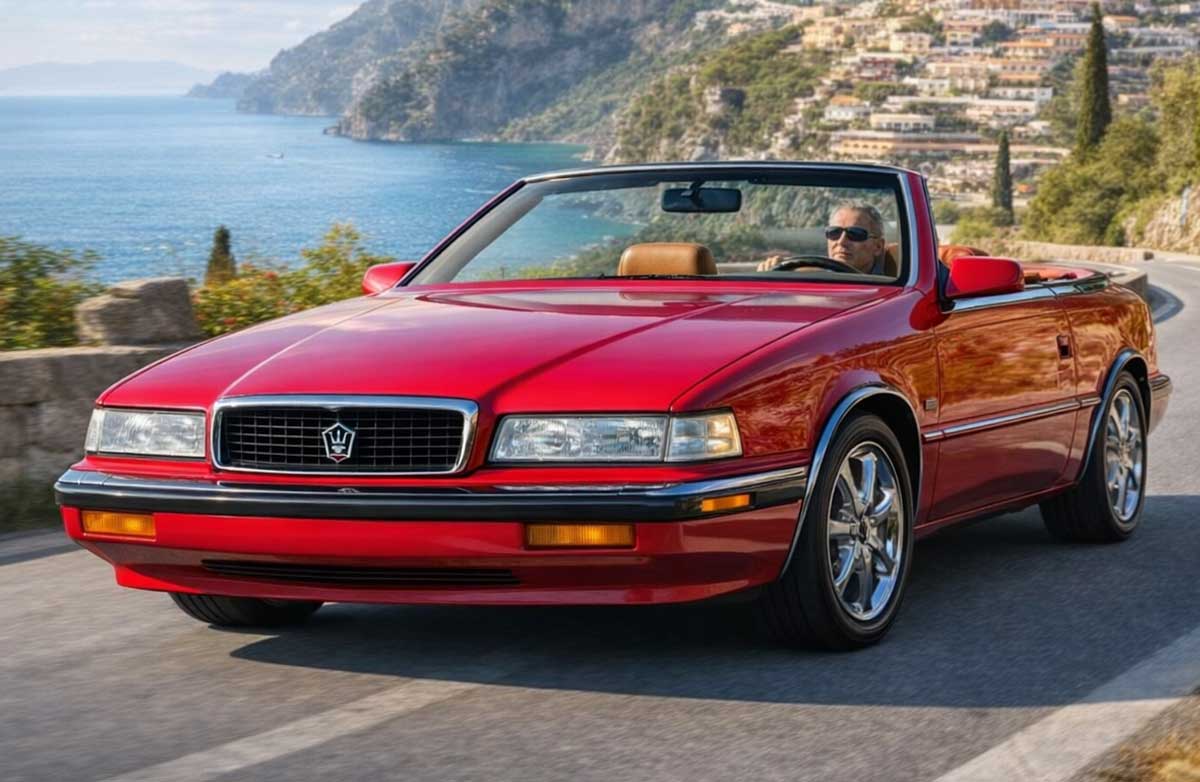
The Chrysler TC Maserati is a two-seater convertible born of a collaboration between the American carmaker Chrysler and the Italian manufacturer Maserati. More than thirty years before FCA, Italy and America had already tried the experiment! Produced between 1988 and 1990, it represented an ambitious attempt to combine Italian luxury with American industrial know-how...with very mixed results.
Chrysler's quest for prestige
The project was launched in the early 1980s at the instigation of Lee Iacocca, then head of Chrysler. The aim was to improve Chrysler's brand image by offering a top-of-the-range vehicle with a European flair, all through an industrial project that would be quicker and less costly than developing a new model in-house from start to finish. For its part, Maserati was in the process of reawakening from the setbacks that followed Citroën's withdrawal in 1975. Alessandro de Tomaso has taken the Trident back into his hands, and the Biturbo is finding its audience, but the support of a major manufacturer is most welcome. De Tomaso and Chrysler boss Lee Iacocca knew each other well, which made it easier for them to work together.
In 1984, the two companies signed a memorandum of understanding to create a sports coupé, which would eventually take the name “TC” alias “Touring Convertible”. Chrysler also became an investor in Maserati during this period, investing tens of millions of dollars. In 1985, Lee Iacocca declared that this coupe would be “the prettiest Italian to arrive in the United States since his mother immigrated”. Surely an executive wouldn't say that today!
A little Maserati, a lot Chrysler
The TC is based on a platform derived from front-wheel-drive Chrysler models, notably the “K-Car” represented by the Dodge Daytona. Despite its premium positioning, it shared several components with other, more affordable Chrysler models. It featured a removable hardtop with side windows (opera windows) and an electric soft top.
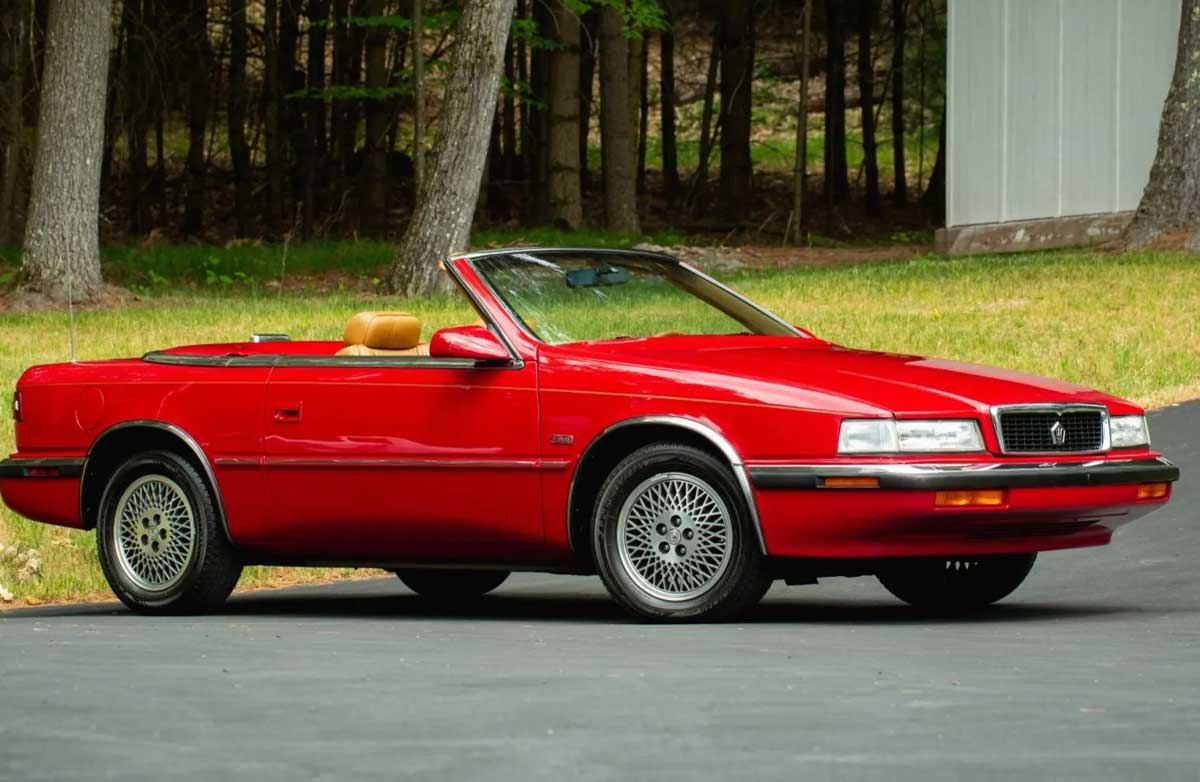
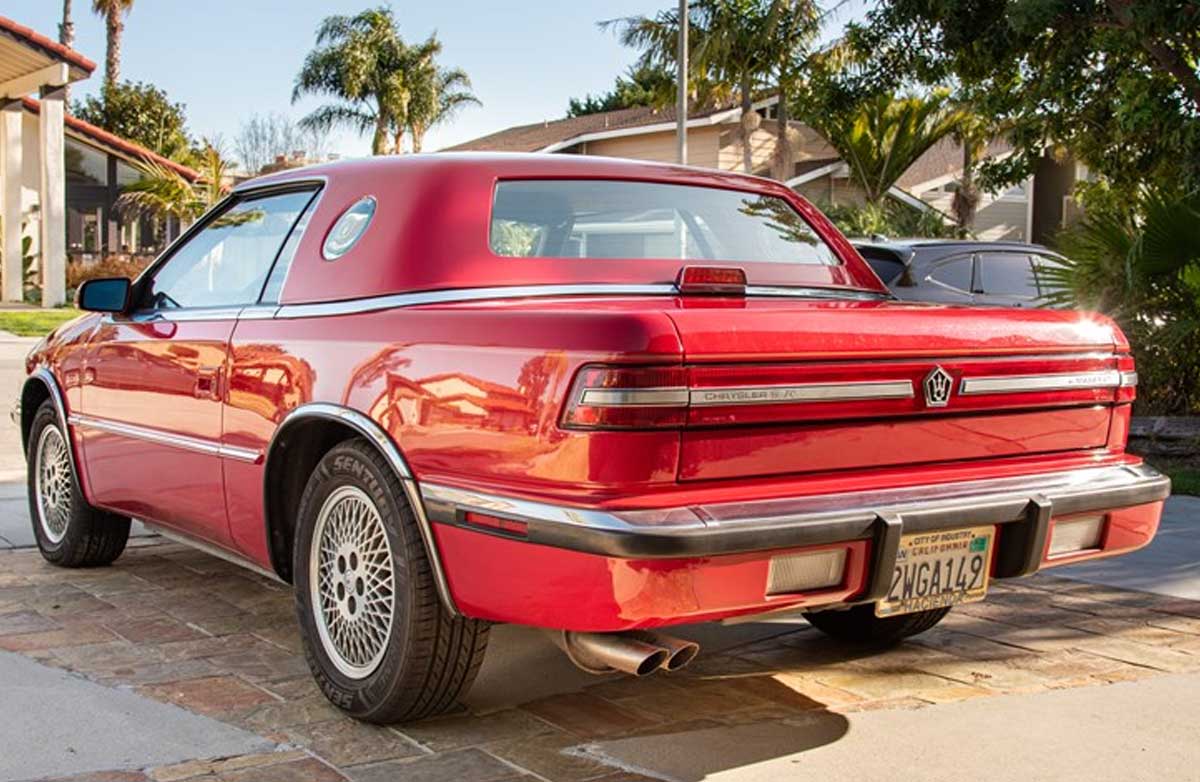
Three engines were offered. The 2.2L Turbo 4-cylinder (8-valve) developed around 160 hp. This intercooler version, known as Turbo II, was coupled to a three-speed automatic transaxle, before being replaced in 1990 by a Mitsubishi 3.0L V6 producing around 141 hp, coupled to a 4-speed automatic gearbox.
500 examples will be fitted with a 2.2L Turbo 16-valve engine producing around 200 hp, with a Getrag 5-speed manual gearbox. This will be the rarest version, and therefore the most sought-after, as this variant is obviously far more pleasant to drive. Why? This engine was considered the “Maserati” version, as it was built by Trident.
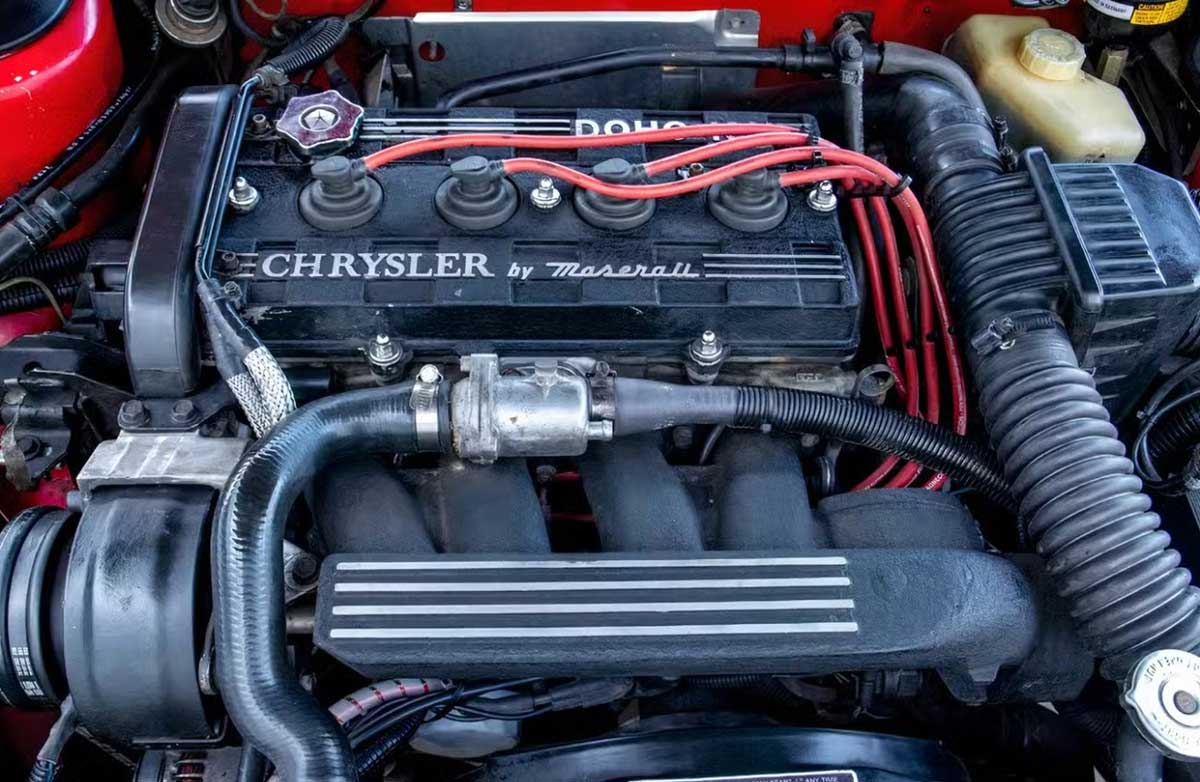
The cylinder head and valves came from Cosworth (finished in Italy by Maserati), the pistons from Mahle GmbH in Germany, while the camshafts were designed by Florida-based Crane Cams and manufactured by Maserati in Modena. The bodywork was produced by Innocenti, a De Tomaso subsidiary. Last but not least, the wheels were supplied by Fondmetal, an Italian company that would be present in F1 in the early 90s.

Approximate performance figures indicated a 0 to 100 km/h time of around 6.9 seconds (200 hp version), with a top speed of between 210 and 217 km/h. However, the car weighed in at around 1,500 kg (quite substantial at the time!) and was 4,465 mm long.
High price...and not enough identity?
The TC featured a luxurious interior with hand-stitched Italian leather upholstery, armrests and door panels, electric seats, air conditioning, cruise control, Infinity audio system, and various electrical equipment. A special compartment housed a compact spare wheel and accessories, including an umbrella.
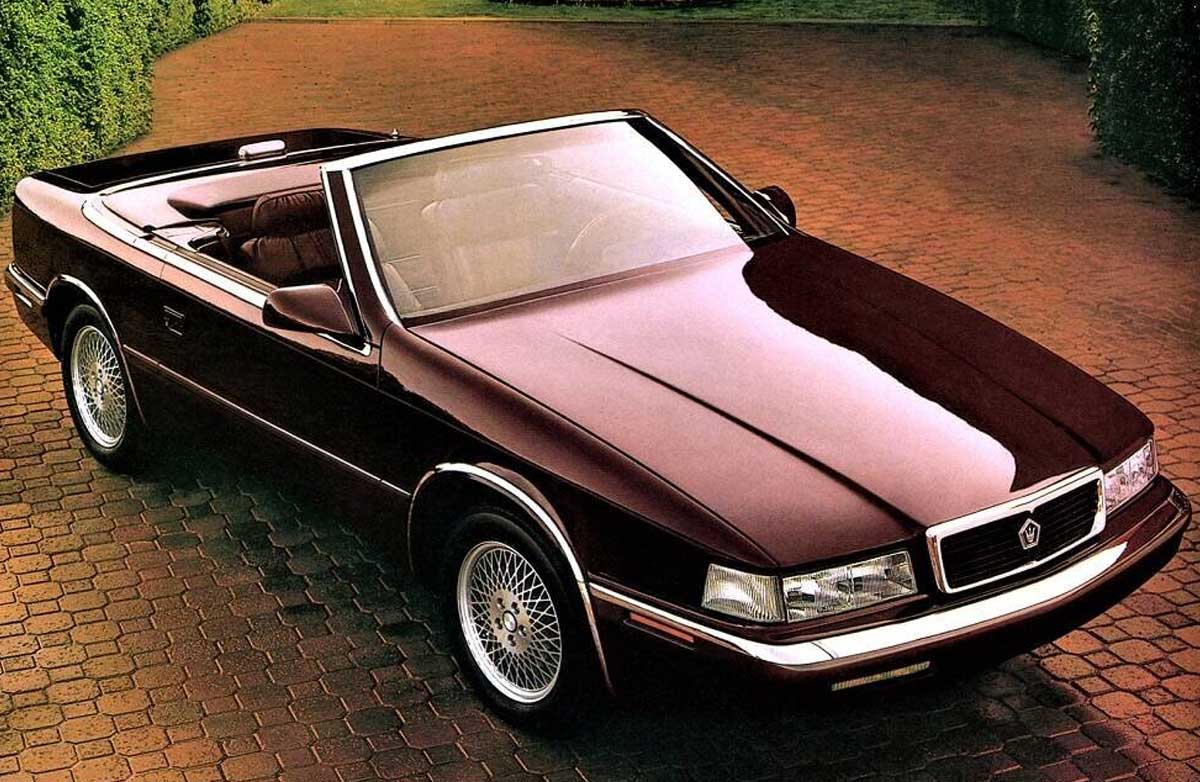
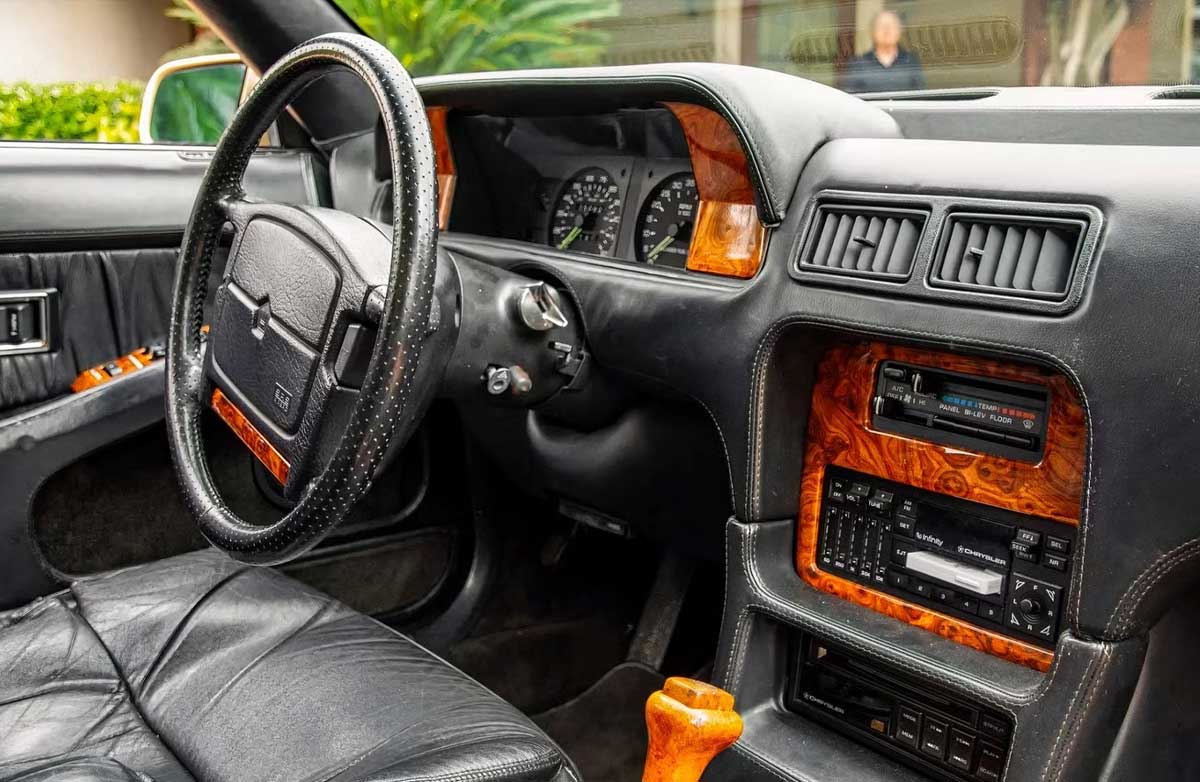
Presented for the first time at the Los Angeles Auto Show in 1986, the TC didn't reach the market until late 1988, after several production delays attributable to De Tomaso. Total production was around 7,300 units. Assembly was carried out in Milan, Italy.
The launch price was around $33,000 in 1989, rising to almost $37,000 in 1991. This high positioning, combined with performance deemed modest, overly restrictive choices (available exterior colors were yellow, red or dark red) and a strong resemblance to the less expensive Chrysler LeBaron, led to disappointing sales.
Heritage
Today, the Chrysler TC by Maserati has become a rare collector's item. The 16-valve, 200 hp versions are the most sought-after. Despite the Maserati touch in manufacturing and engine preparation, the mistake was to give it a style that was too classic and too close to other Chryslers. This is strangely reminiscent of what would happen more than twenty years later, when it was decided to sell Lancia rebadged Chryslers in Europe, like the Lancia Thema... I guess you never really learn from your mistakes!

 English
  French
  Italian
  Spanish
  Portuguese
  German
  Japanese
  Turkish
  Dutch
Dutch