

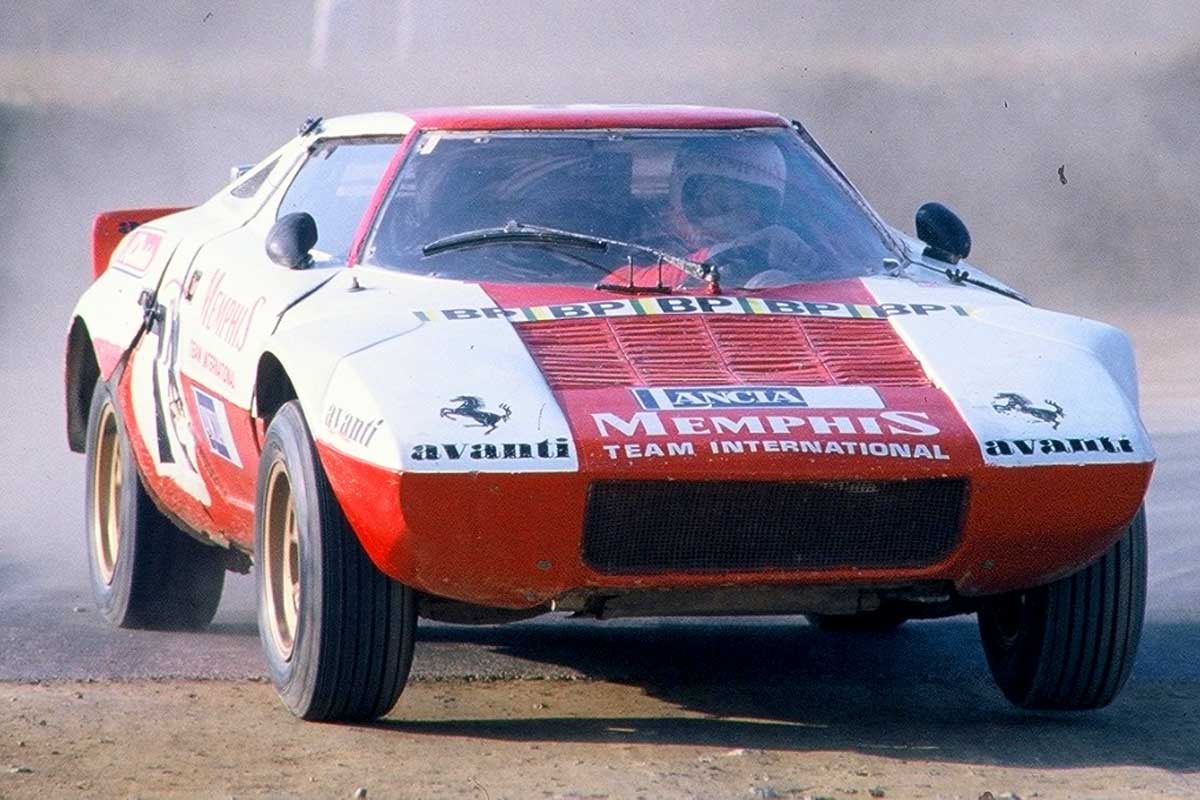
When it appeared in 1974, the Lancia Stratos is a revolution. Prefigured by Bertone's Stratos Zero concept a few years earlier, the Stratos was conceived for racing, not as a road saloon subsequently prepared for racing. It was designed to optimize the work of the mechanics, with a low, aerodynamic line and the famous "visor" glazing. And that's without counting on its soul: a 2.4-liter V6, mounted in the rear center position, which is none other than the engine from the Ferrari Dino, that Enzo Ferrari, after much discussion and negotiation, agreed to supply to Lancia.
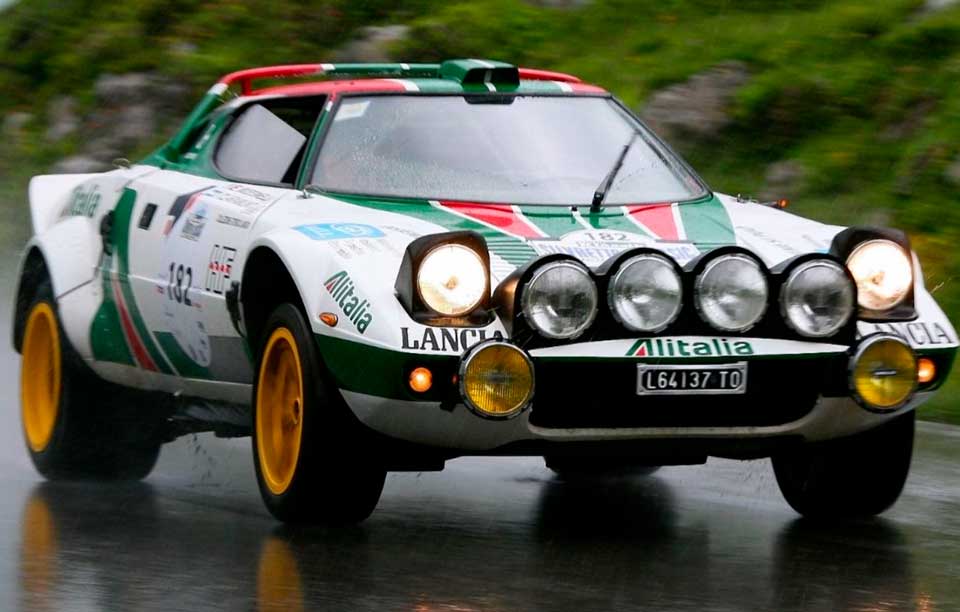
The Stratos dominated its field between 1975 and 1978, winning several world titles and numerous national titles. FIAT then gave priority to the 131 Abarth for the WRC, relegating the Stratos to the European championship. Nonetheless, it still pulled off some memorable coups, such as Bernard Darniche's victory in the 1981 Tour of Corsica.
On the track too
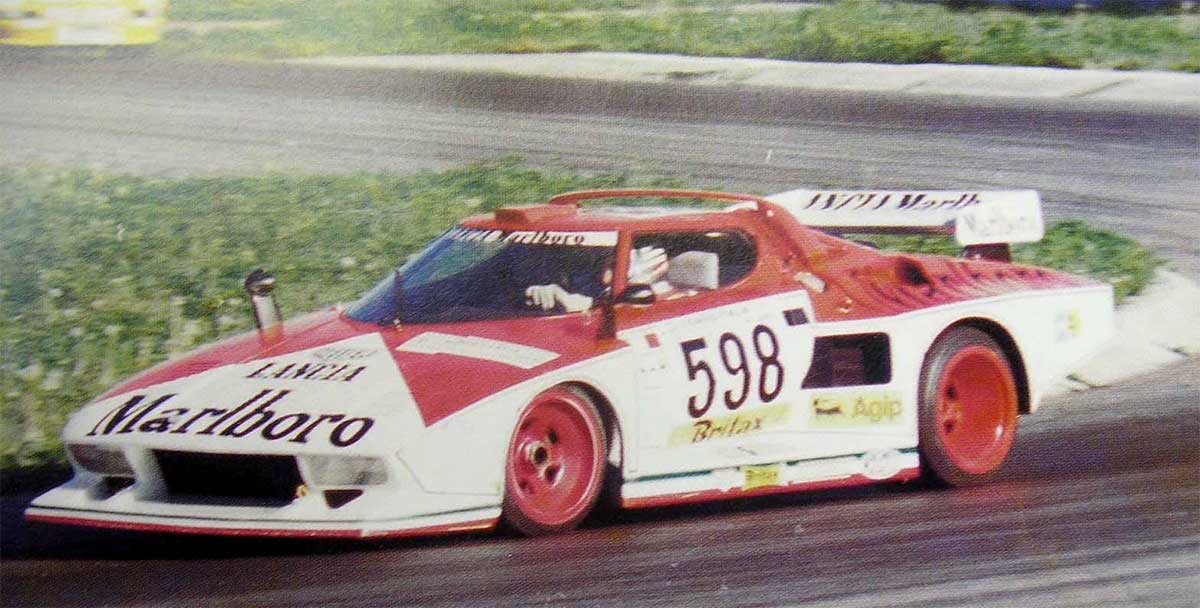
The Stratos was also developed for the Group 5 "Silhouette" category on the circuit, but no longer with a Dino V6, since the Fiat-Abarth Stratos Gr.5 used a 1,429 cm³ Abarth in-line 4-cylinder engine, powered by a KKK Turbo. But, as is often the case, rally cars of this era are given a "second lease of life" in rallycross.
A one-of-a-kind Lancia 3.0L V6
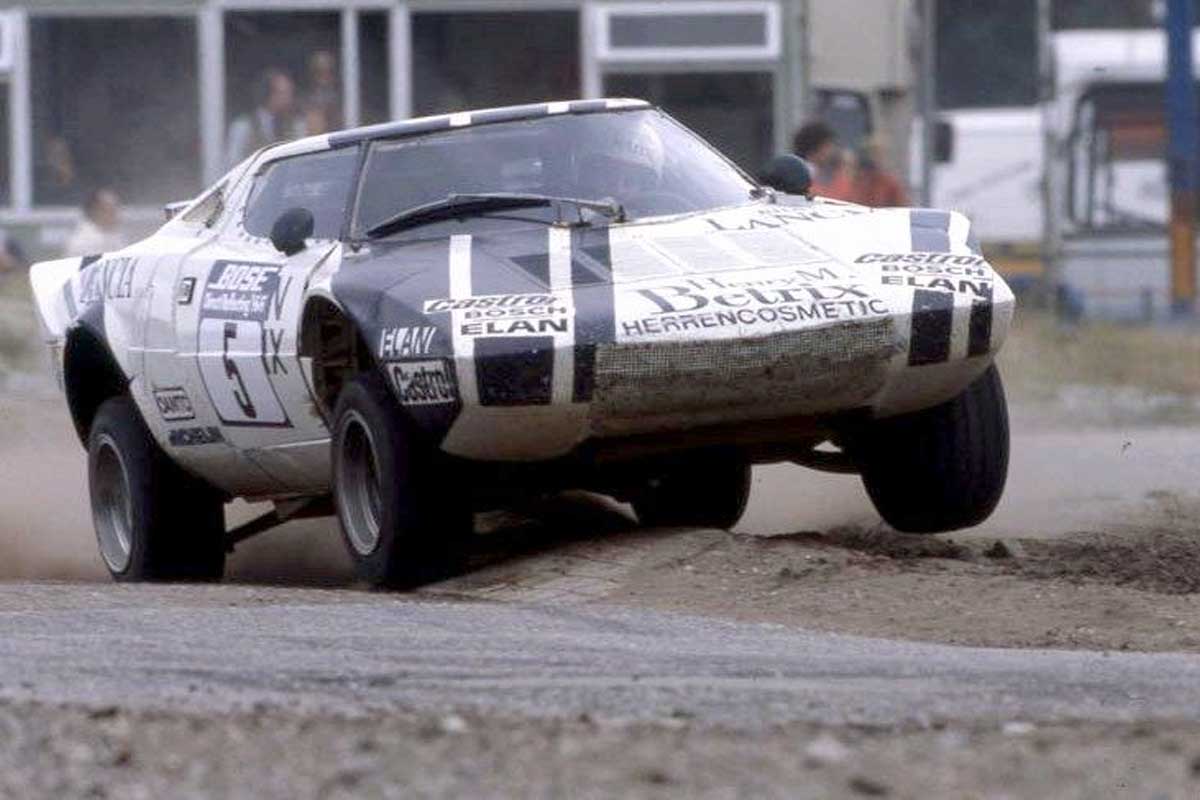
In fact, there was once a unique Stratos with a 3.0-liter engine: an experimental preparation used in rallycross, linked to the teams of Andy Bentza and Franz Wurz, father of Alexander Wurz. The son of a driver who cut his teeth on a BMW 328 in the 1950s, he was the first two-time European Rallycross Champion, in 1974 and 1976 (on a Lancia Stratos HF 2.4). For the 1977 European Rallycross Championship season, Mike Parkes, the driver and engineer who had worked on the Stratos prototype, supplied a 24-valve cylinder head and a special crankshaft that brought displacement to just under 3,000 cm³.
Rallycross-ready and champion!
They made the pistons larger in diameter and carried out other machining modifications. The engine developed around 320 hp. As the car was not intended for rallycross use, the exhaust was free, so there were no mufflers or exhaust pipes. The car was also adapted to rallycross constraints: to increase travel, the rear shock absorber mounting point was moved higher.
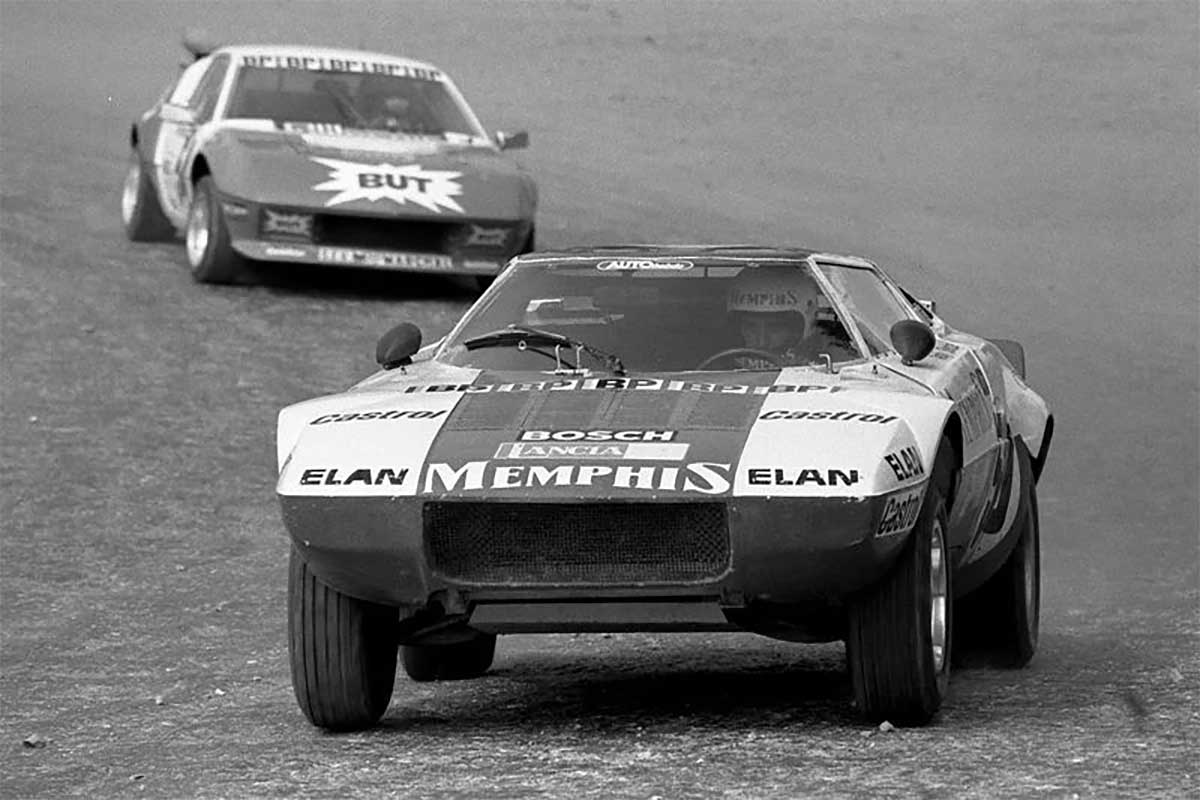
Bentza took over Wurz's Stratos, sold his own Stratos 2.4 L 12V and won the ERC GT class title in 1978 with this unique 3-liter Stratos, which Bentza drove until the end of 1983. Bentza kept it until the 1980s, when it was finally sold to Alexander Wurz. Since then, it has been restored to its original specification and historic rallycross livery, to take part in events such as Goodwood and Rallylegend.

 English
  French
  Italian
  Spanish
  Portuguese
  German
  Japanese
  Turkish
  Dutch
Dutch