

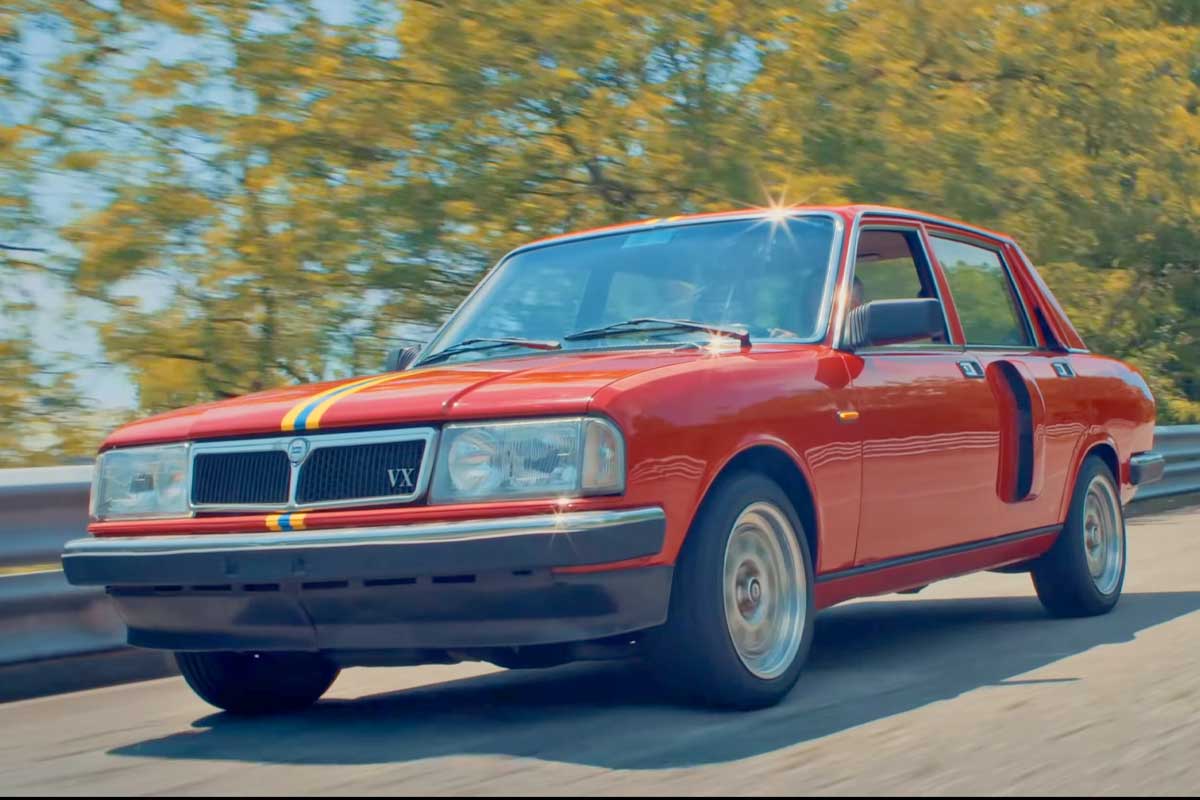
Some cars are quickly forgotten, either because they didn't leave their mark on the history of a particular brand, or because they remained highly confidential, or because they weren't easy on the eye: Alfa 6, Ferrari Mondial, Lamborghini Silhouette... Remember, or don't! The Lancia Trevi certainly falls into this category. Produced between 1980 and 1984, this compact sedan was the three-box version of the Beta range. Its name, "Trevi", derives from the Italian expression "Tre Volumi" (three volumes), in reference to its split-trunk silhouette. Although the Beta retained a certain notoriety, aided by its sporting career, the Trevi soon disappeared from the radar and had a very short career, selling just 40,000 units.
Lancia Trevi: old-fashioned design
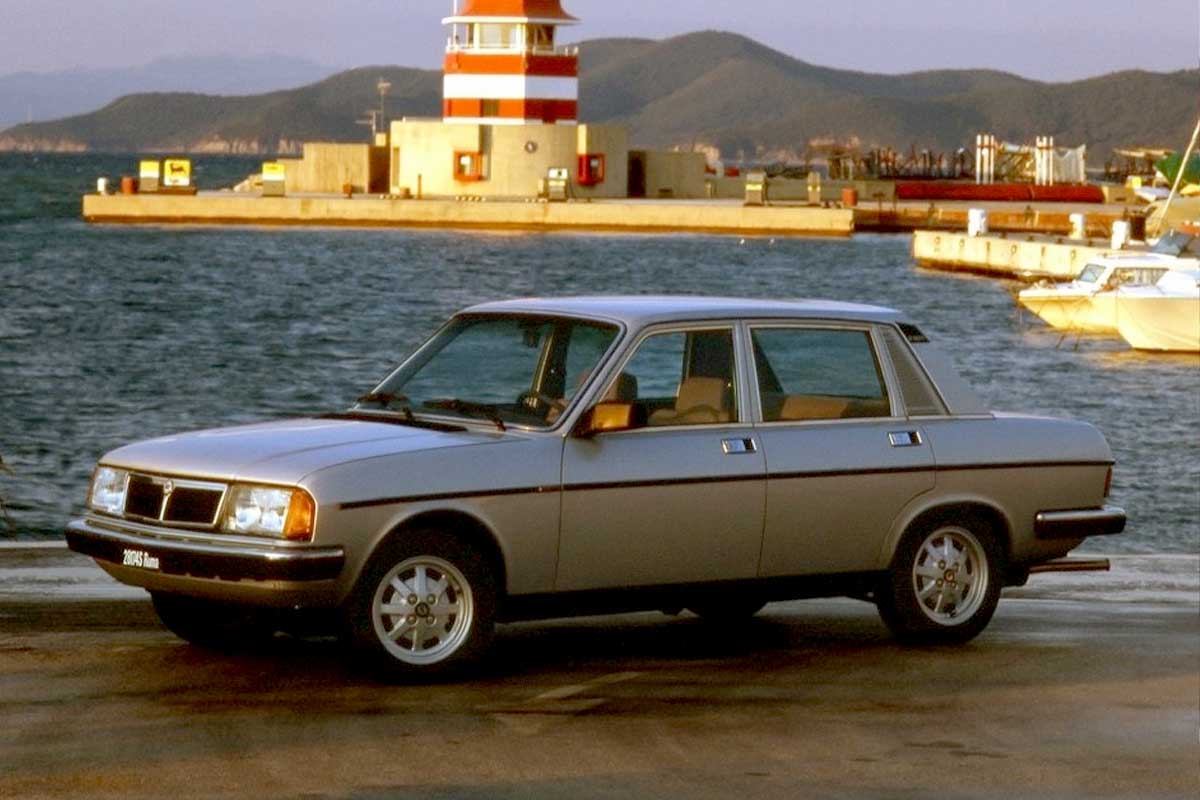
It has to be said that design was not the Trevi's strong point. The styling is certainly elegant and statutory, in keeping with the "patte" of the brand. LanciaThe lines are not ideally balanced, however, and the high profile and squared-off trunk of this 1980 model make it look old-fashioned. Whereas Lancia had accustomed us to bold design with the Stratos, the Trevi is surprisingly classic and sober, in the vein of Peugeot styling from the 70s. However, Lancia's traditional clientele had not been enthusiastic about the atypical Beta, and the board of directors felt it necessary to go back to the past, resulting in this slightly old-fashioned look designed by Pininfarina.
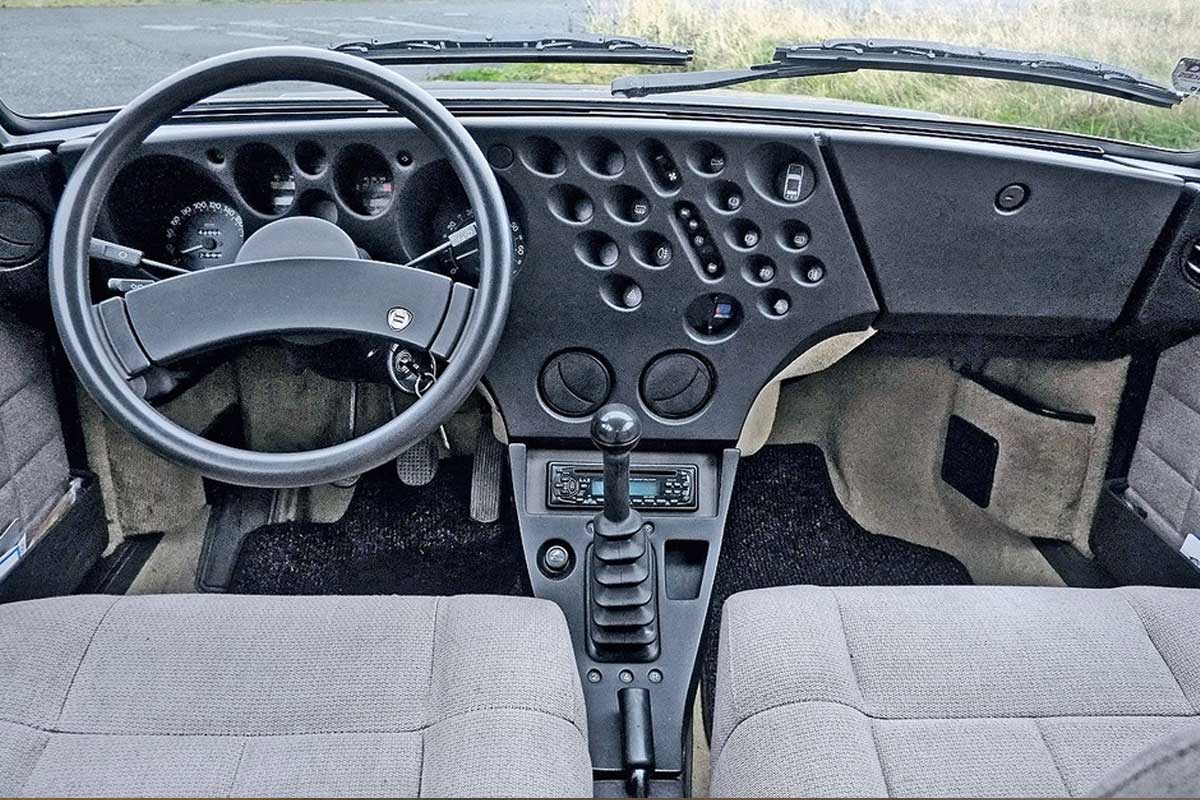
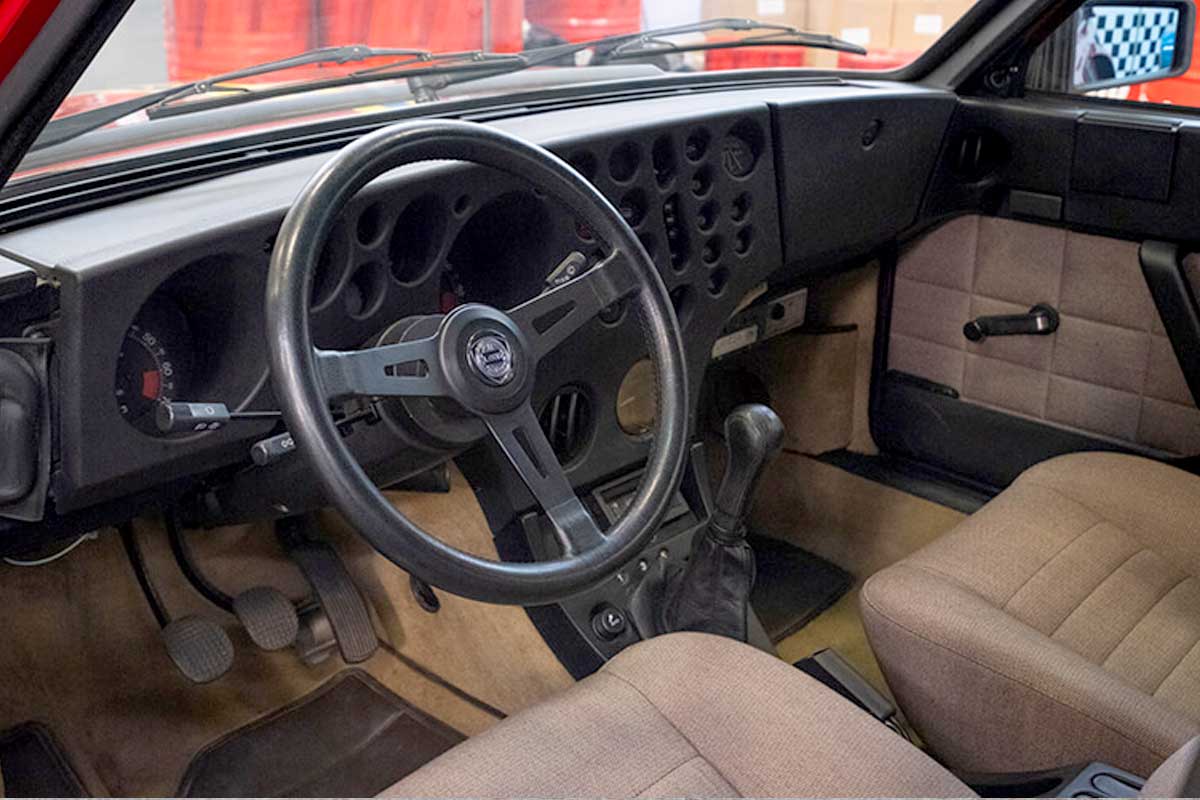
The Trevi was also distinguished by a bold interior, designed by Mario Bellini, who had been the designer of Olivetti typewriters and would later design the Louvre galleries. The resolutely modernist interior also elicited its share of mockery from certain executives who wondered who could have approved it: the highly original dashboard was characterized by its "lunar" design, composed of a plethora of round meters and buttons, 29 in all, arranged like craters. Although not practical, the design had the merit of originality and was given several nicknames, including "dust nest".
The Lancia Trevi was available with several engines from the Lampredi family, ranging from 1.6 to 2.0 liters. It offered balanced handling, good roadholding and the usual Lancia refinement of the period. In 1982, Lancia drew on its racing experience and marketed the Trevi in a "Volumex" variant, equipped with FIAT's 2.0-liter double overhead camshaft engine and carburetor, to which a lobe-type positive-displacement compressor had been added. The latter increased power to 135 hp, top speed to 190 km/h and, above all, torque to 205 Nm.
The Lancia Trevi Bimotore
In 1984, Lancia's competition department was working on a replacement for the Rally 037: although the latter had won the world title in 1983, it could no longer rely solely on rear-wheel drive, as Group B manufacturers were rushing to introduce all-wheel drive following the ground-breaking entry of the Audi Quattro. But with the Fiat Group still lacking a viable all-wheel-drive technology, Giorgio Pianta, driver, tester and team manager at Abarth, tried to circumvent the impasse with an unconventional solution.
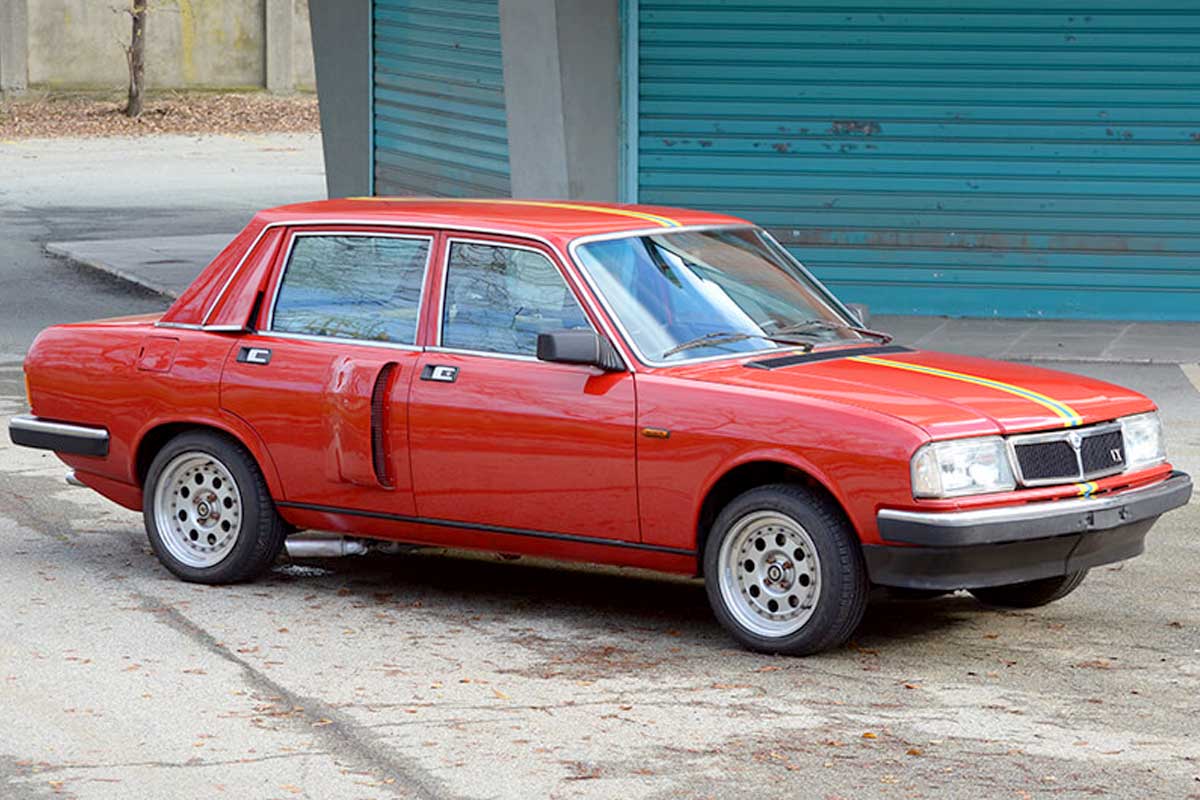
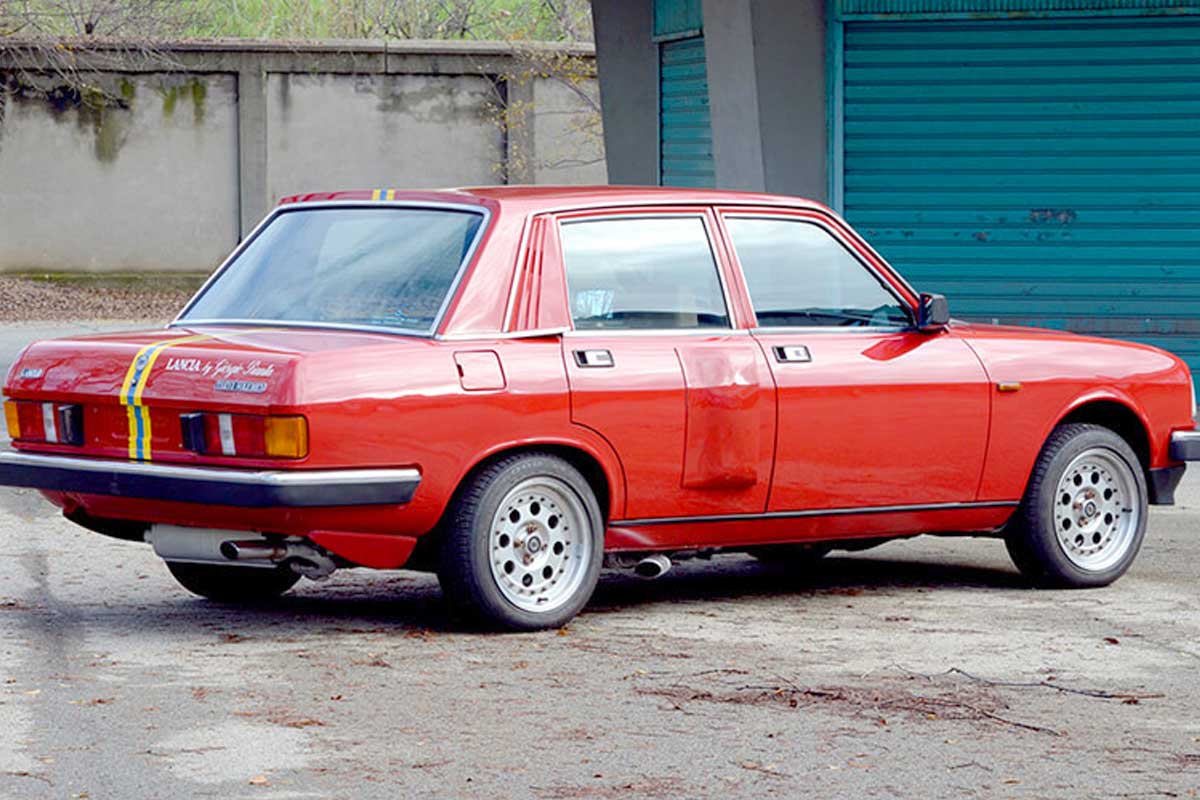
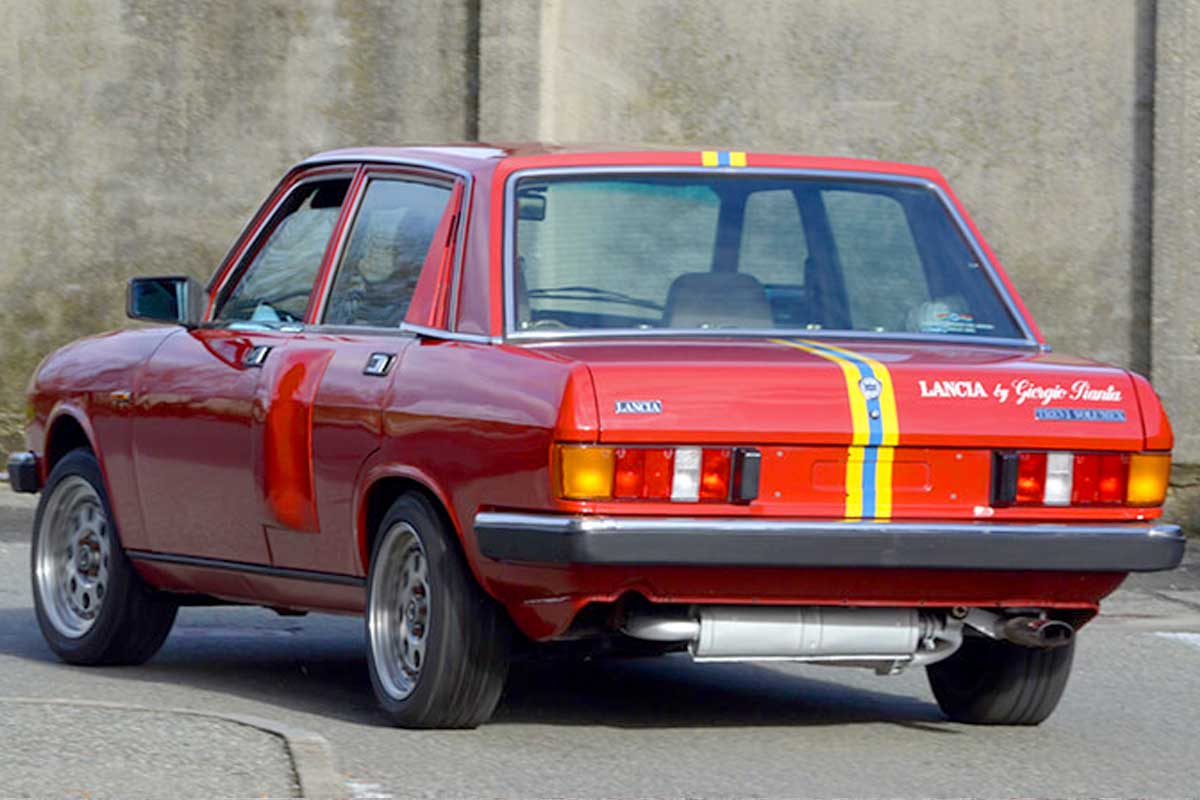
Having set his sights on a Trevi Volumex, the flagship of the Lancia range at the time, mainly because of its volumetric compressor of the same name, he decided to transplant a second four-cylinder engine onto a Lancia Trevi, thus duplicating the entire front end - engine, gearbox and suspension - at the rear, in order to obtain a "home-made" all-wheel drive. Pianta took up the "crazy" idea tested by Wainer on theAlfasud Bimotore a few years earlier. The unusual choice of car, a three-box sedan, seemed unsuited to the sporting role it was supposed to fulfill. Nevertheless, Pianta had the support of Alberto Fiorio, director of the Chivasso factory, and Cesare Fiorio, sporting director of the HF Racing team.
Almost 300 hp from a wise family sedan
Each Lampredi 2.0 compressor engine developed around 135 hp, bringing total power to almost 270 hp. The Trevi Bimotore thus boasted formidable performance for a sedan of its era, even if its design remained experimental and was never destined for production. The additional engine, which takes the place of the rear seat, is coupled to the gearbox. The whole unit is attached to a frame welded to the body. In addition, the second engine's cage, with its cross-members, contributes to the rigidity of the car's structure, to which the rear doors are also welded. An additional 15 hp was also obtained for each engine, thanks to the addition of smaller-diameter pulleys that increased the rotation speed of the Volumex compressors.
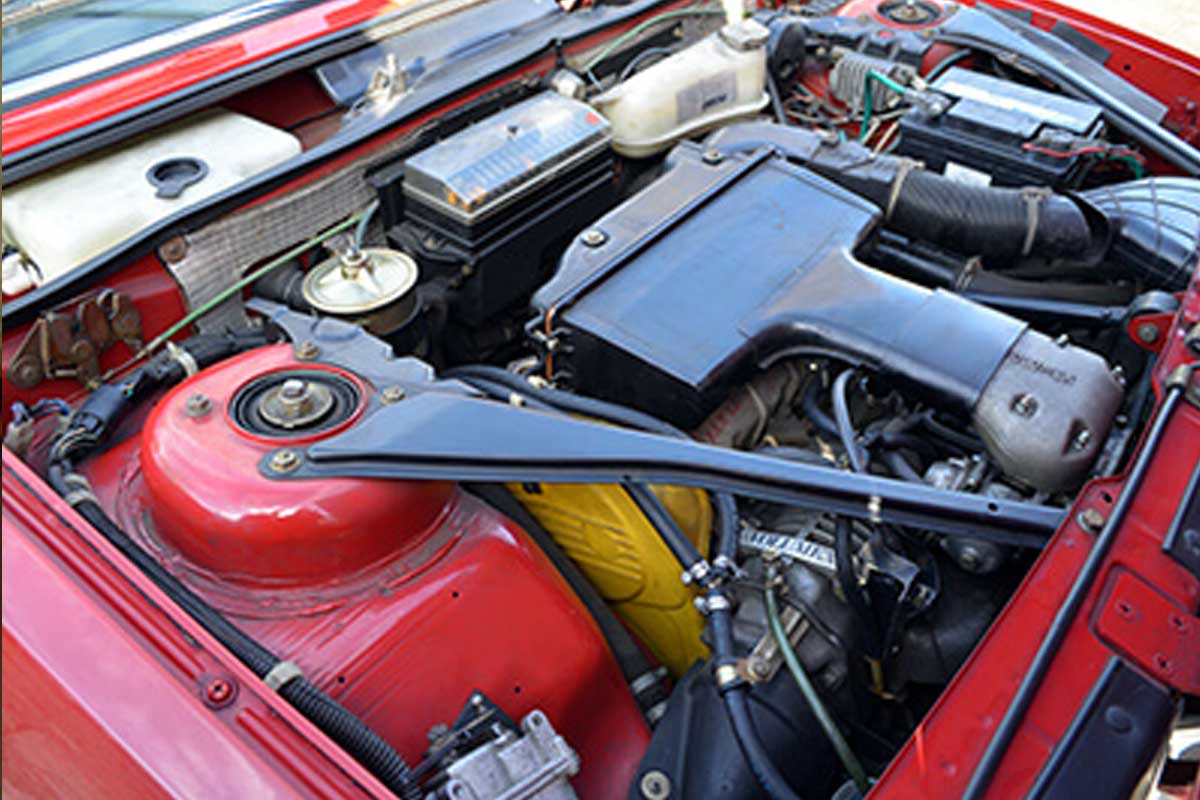

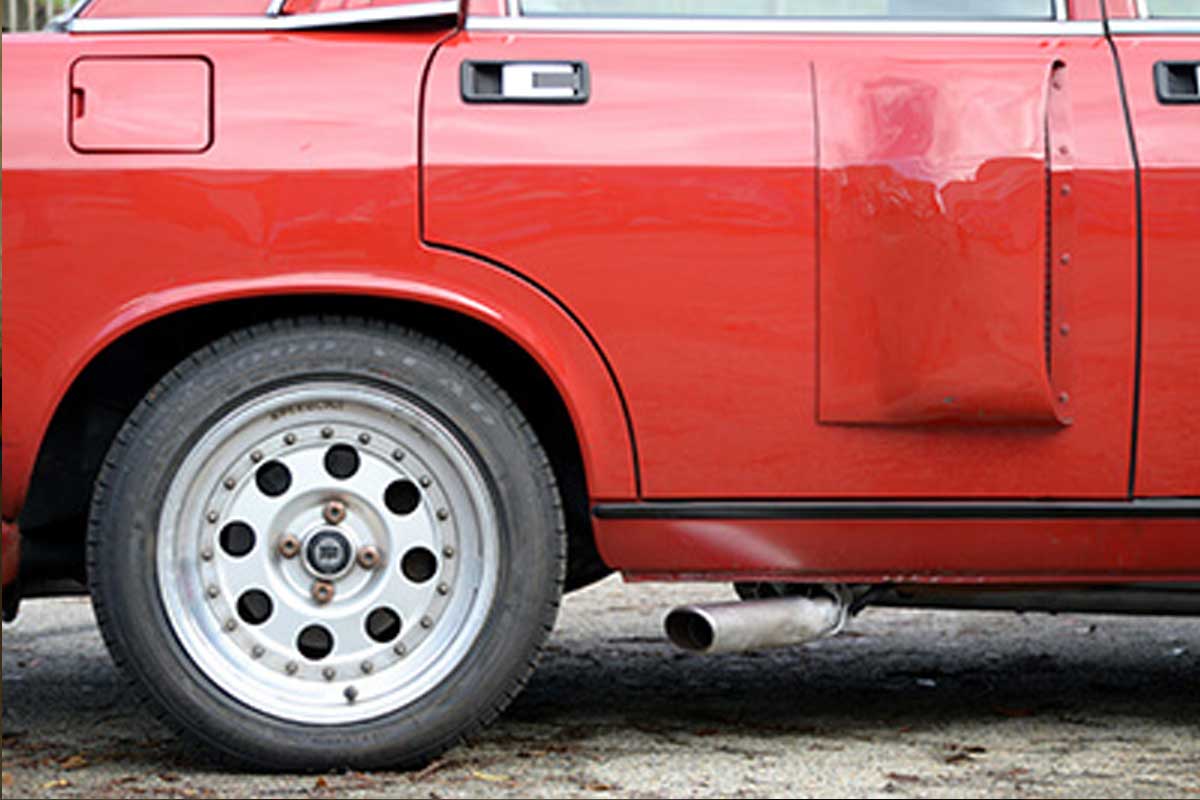
The front exhaust exits on the left side, while the rear exhaust is located at the rear. To facilitate cooling of the central engine, the cockpit vents were outward-facing, with two air intakes attached to the rear doors. The mechanics had unified the operation of the mechanical units, allowing the pilot to control both engines directly from his seat. The instrument panel features two tachometers, the second in place of the speedometer, and the two central instruments show water temperature and oil pressure for each engine.
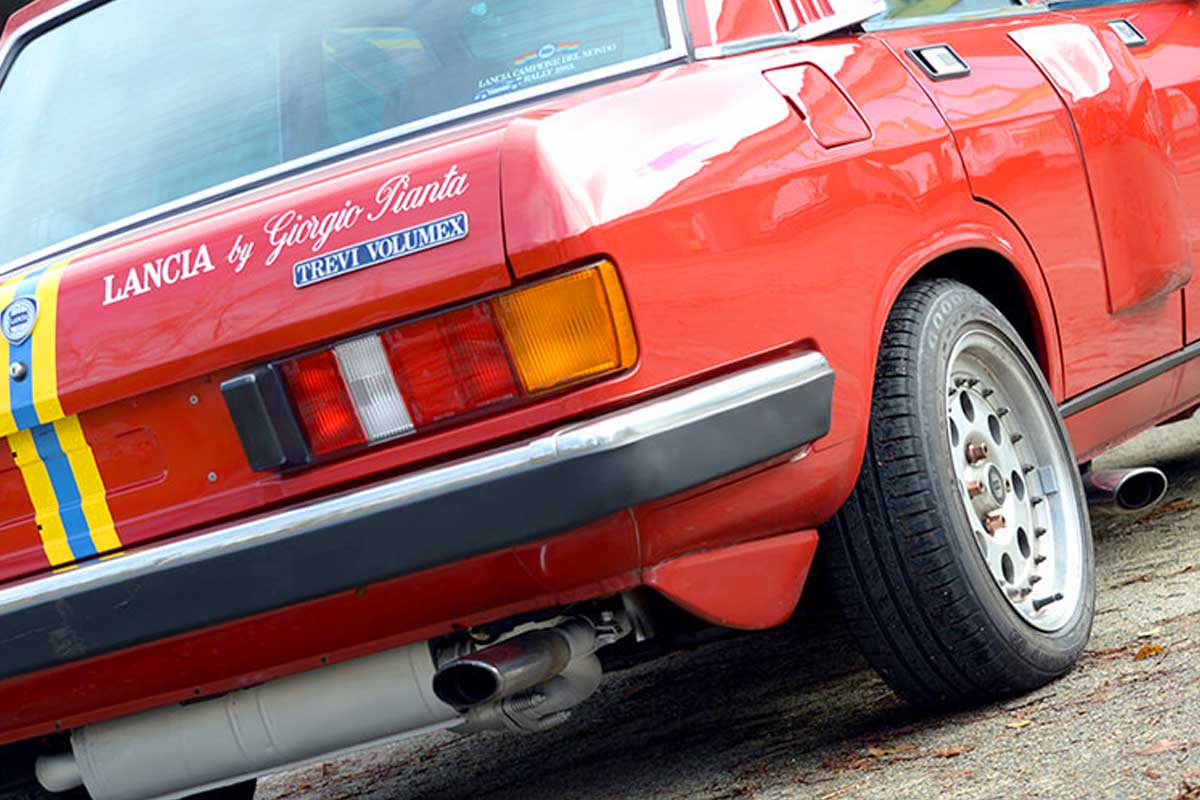
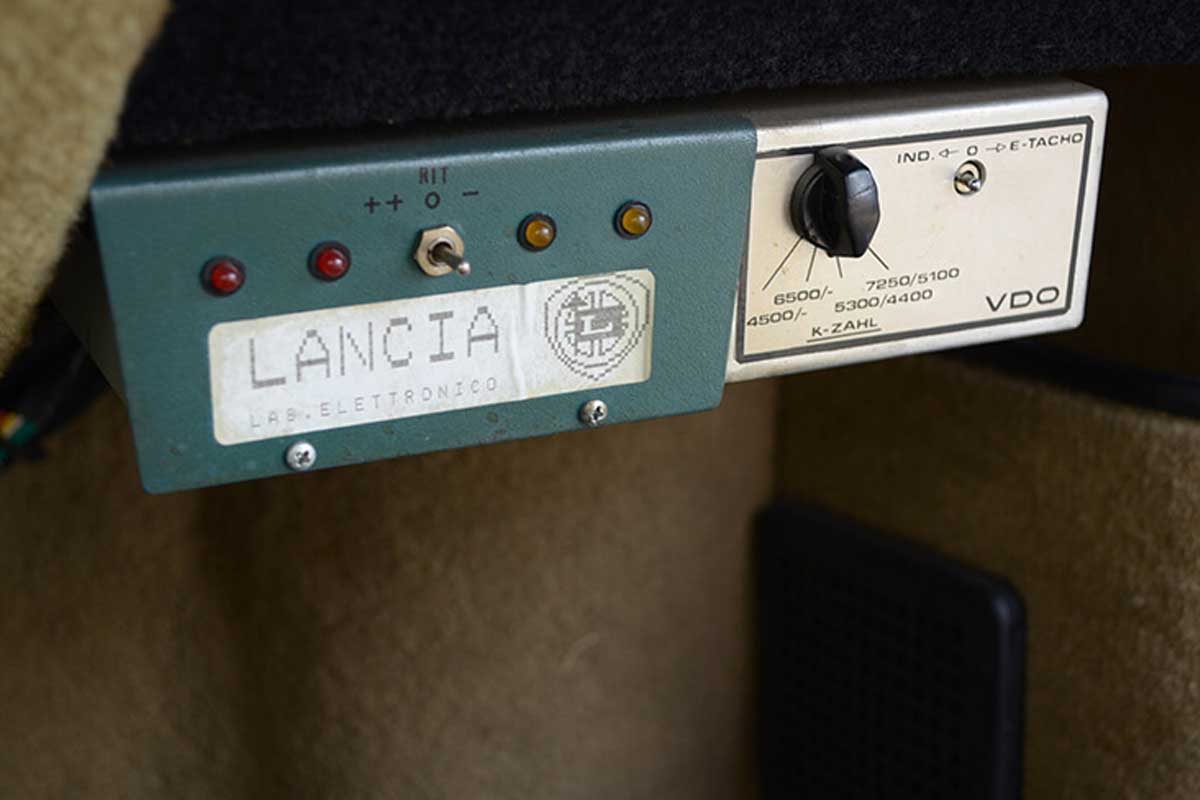
Thanks to a fairly basic electronic control, the two Weber model 36 carburetors act on a Bowden cable, applying a slight delay to rear engine ignition to reduce oversteer. A real wizard's trick!
Imperfect, but inspiring for the Delta S4
As for the chassis, it was a sedan with a load-bearing structure and steel body, painted in Lancia's historic sports car colors: Montebello red with a yellow and blue central stripe. It was equipped with independent MacPherson strut suspensions front and rear, coil springs, anti-roll bars and telescopic hydraulic shock absorbers. A 130-liter fuel tank for both engines was located in the trunk. The car could reach a speed of 230 km/h, a speed then reserved for supercars.


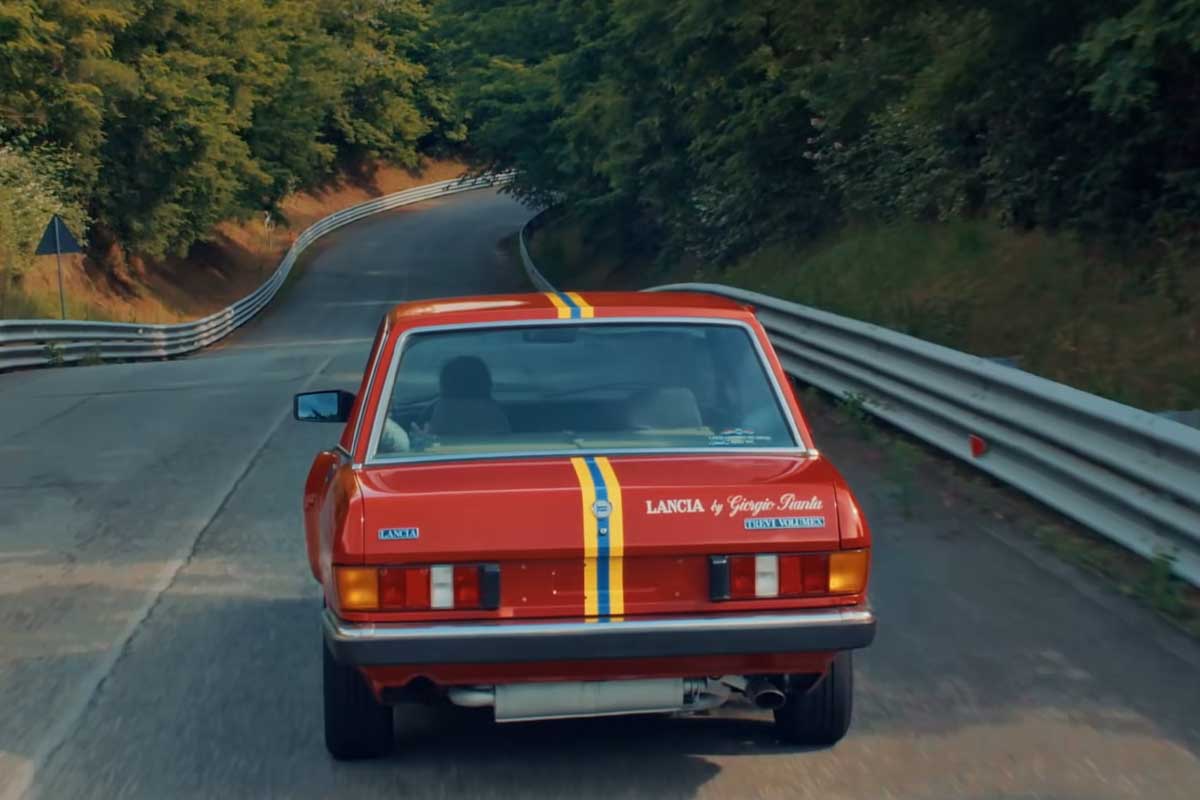
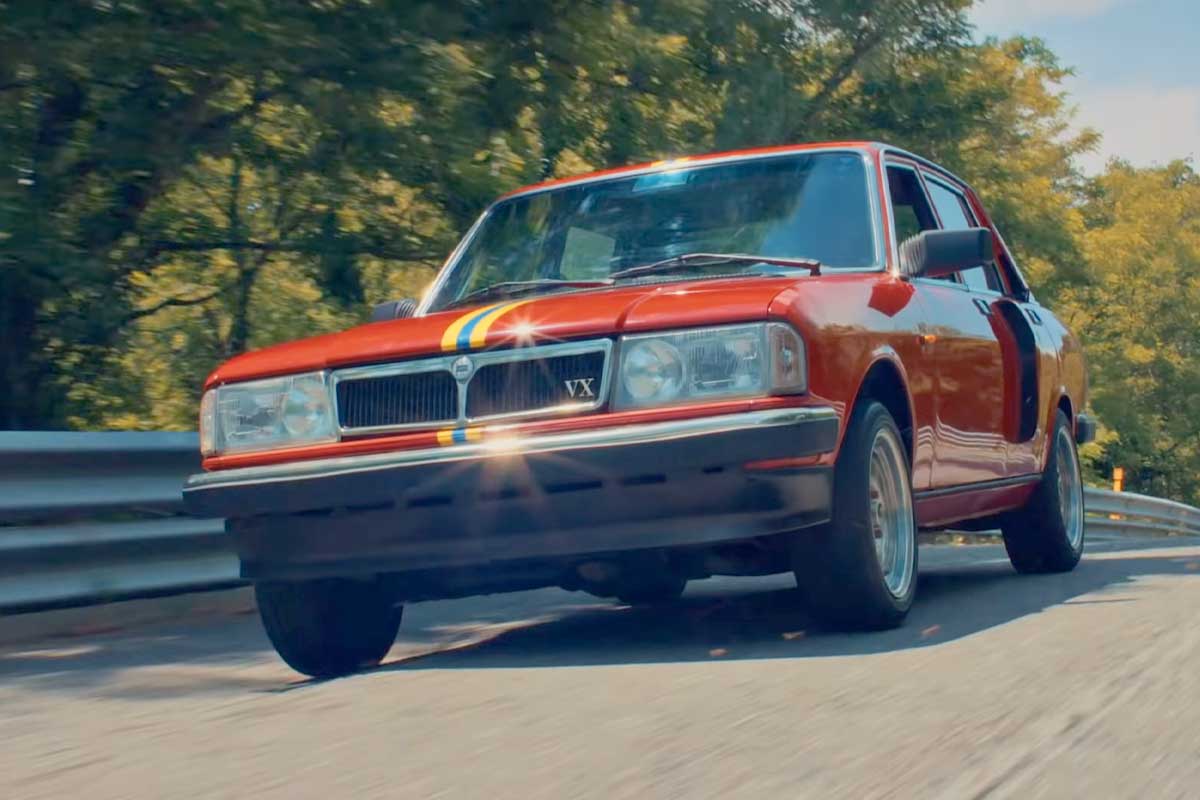
During the test phase, the Bimotore proved to be a high performer. However, it remained at the prototype stage, as several fundamental problems were difficult to solve: the mid-engine overheated too much, despite the additional air intakes, and the weight was obviously excessive due to its dual mechanics, hardly exploitable in competition where rapid maintenance is decisive. Peugeot demonstrated the merits of small compacts with rear mid-engines with the 205 T16. Despite this, some of its solutions, such as the cage housing the central engine and the special removable alloy wheels, were later used on the Delta S4, the road-going heir to the 037, whose racing version made its world championship debut in the 1985 season.

 English
  French
  Italian
  Spanish
  Portuguese
  German
  Japanese
  Turkish
  Dutch
Dutch