

In the 1980s, the Mimran brothers, new owners of the Taurus brand, broke with Ferrucio Lamborghini's philosophy: the brand would compete! A first project was developed in Group C with the QVX, which only made an appearance in 1985 before disappearing.
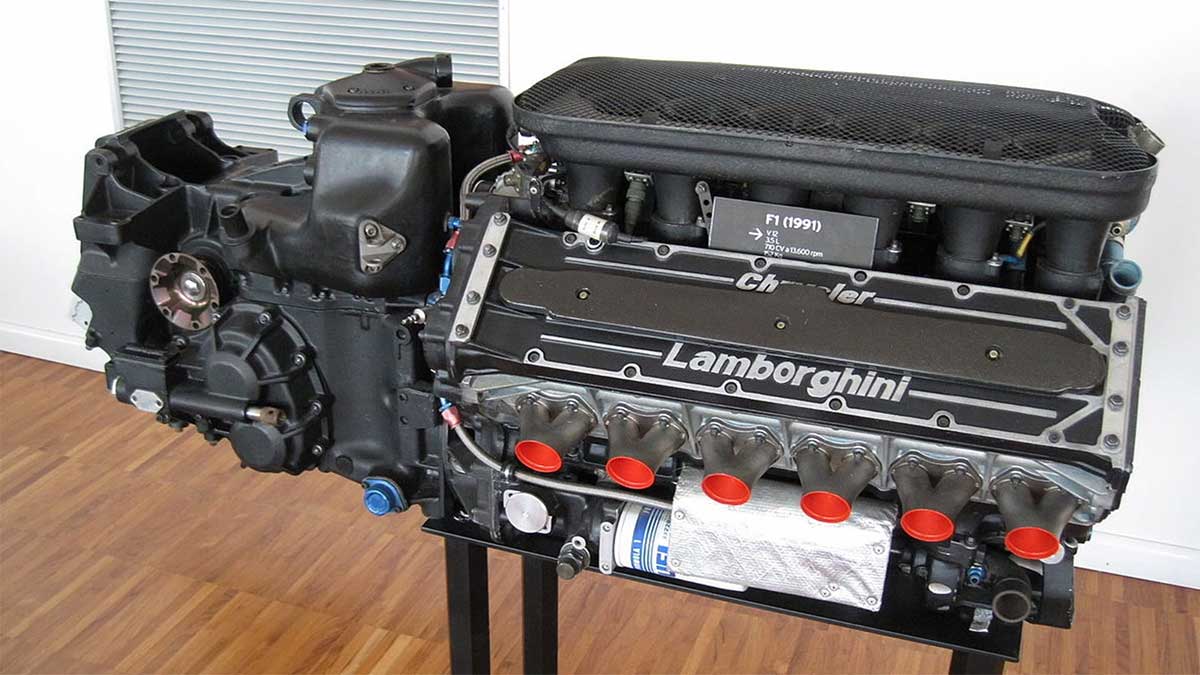
In 1987, Chrysler Corporation bought Lamborghini and wants to challenge Ferrari on its home turf, F1. To this end, Daniele Audetto heads up a new technical structure based in Bologna, Lamborghini Engineering, and recruits Mauro Forghieri. The former emblematic technical director of Scuderia Ferrari, who had just left Maranello, was given the task of developing an atmospheric V12, as F1 abandoned turbo engines at the end of 1988. This engine powered the Larrousse-Calmels LC 89 Lola in 1989, and in 1990 Lotus was added to the list of customers. A podium finish was even achieved by Aguri Suzuki at the 1990 Japanese Grand Prix with the Larrousse team, which finished 6th in the constructors' championship!

Italian-Mexican alliance
But another project was born in 1990. At that time, budgets were not yet as astronomical as they are today, and Formula 1 projects were multiplying. However, many of them turned out to be rather dodgy. In the autumn, an agreement was reached with a Mexican businessman, Fernando Gonzalez Luna, who promised to bring together a number of his country's investors to finance a project for a Mexican 100% team, GLAS (Gonzalez Luna Associates), to the tune of $20 million, with a Lamborghini chassis and engine.
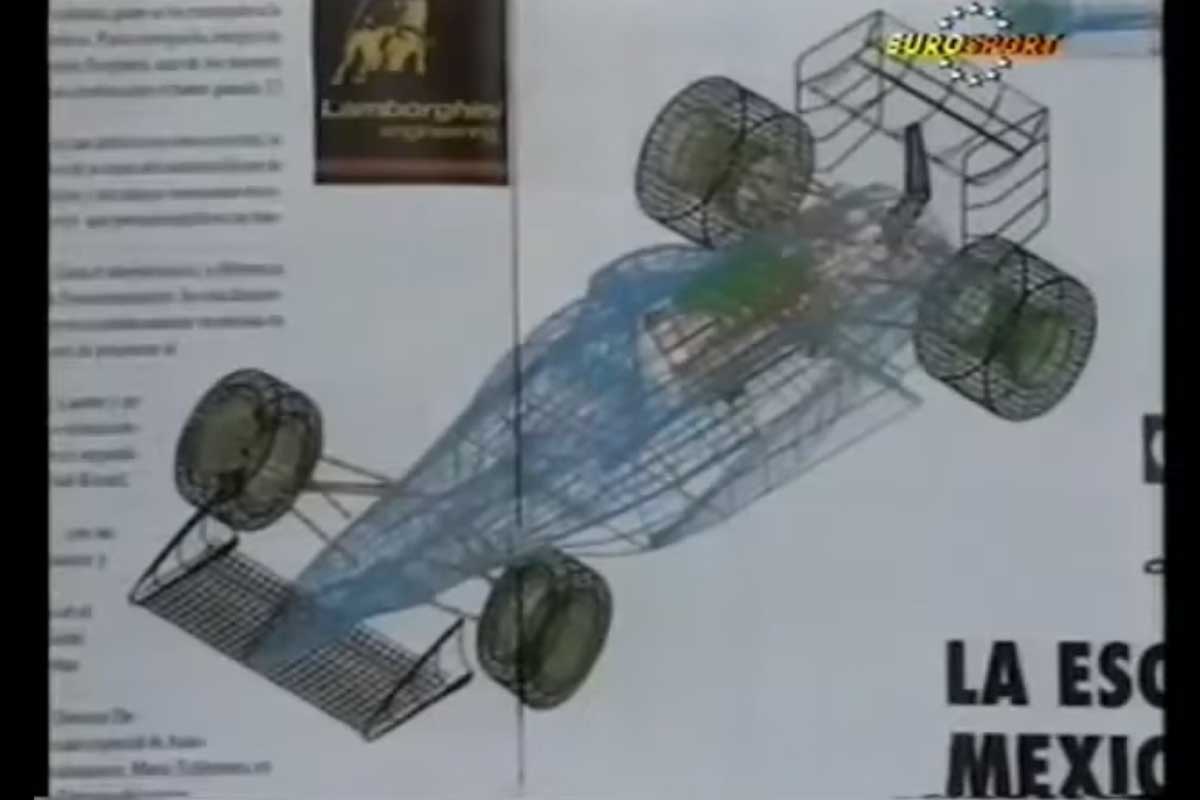
Everything is planned, including the launch of a young Mexican hopeful, Giovanni Aloi, who is to learn the ropes in the F3000 and carry out an intense testing program during 1990. Mauro Baldi, former Alfa Romeo driver and specialist in sports-protos, is also on board. Mauro Forghieri is, of course, the project's technical leader, surrounding himself with talented engineers such as Mario Tollentino, a former Alfa Romeo employee, who is in charge of the chassis. Gonzalez Luna provides the initial financing.
When Interpol gets involved
A grand presentation was planned for the 1990 Mexican Grand Prix, with the presence of financial partners and even a first public drive. Lamborghini sent the single-seater to Paris, before shipping it by air. But then disaster struck! A few days before the event, Gonzalez Luna disappeared into thin air. A warrant for his arrest had been issued by Interpol, suggesting that his activities were somewhat legal. Two weeks later, González Luna is still nowhere to be found, and the stable's bank account is empty. Lamborghini cut all ties with Mexico and the contract was terminated. The car and team become the full property of Lamborghini, which is looking for a buyer for the project.
Italians to the rescue
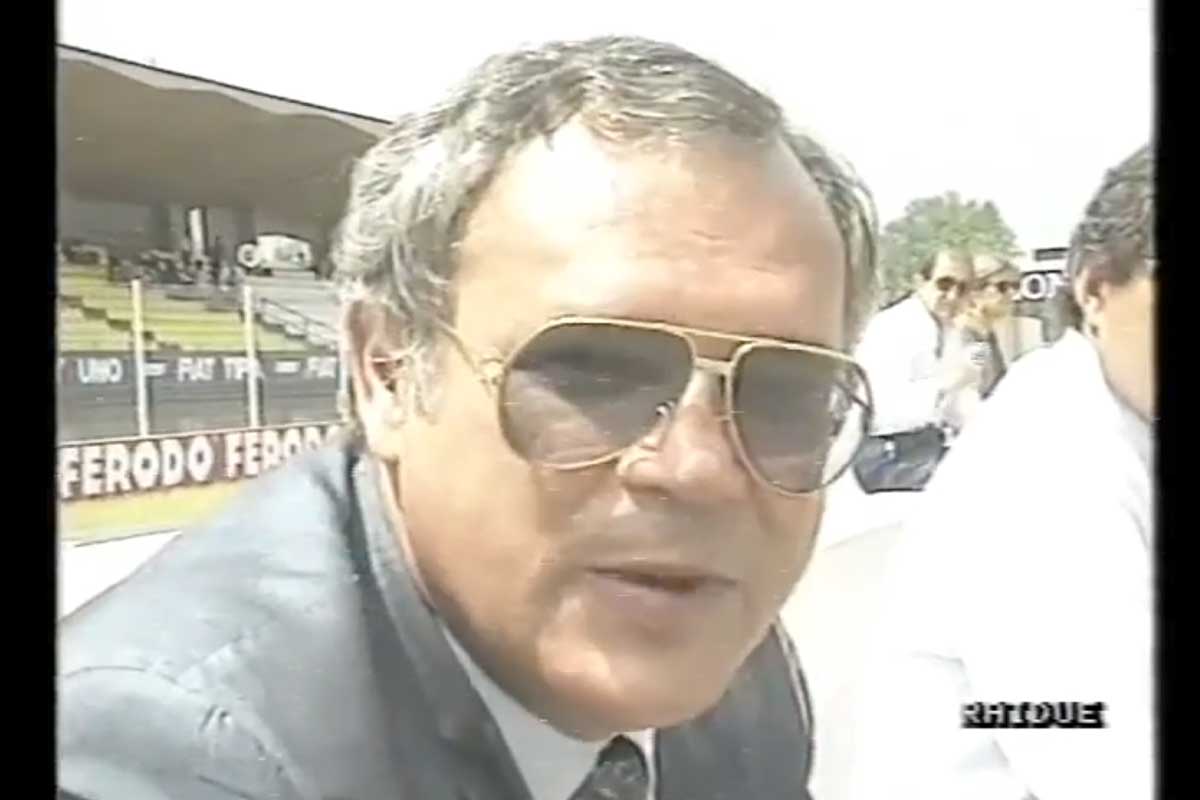
Lamborghini found its savior in Carlo Patrucco. A former chairman of Fila, Patrucco is a prominent member of Confindustria, the powerful Italian employers' union. Under his impetus, a consortium of Italian industrialists was brought together to take over the GLAS project and bring it to fruition.
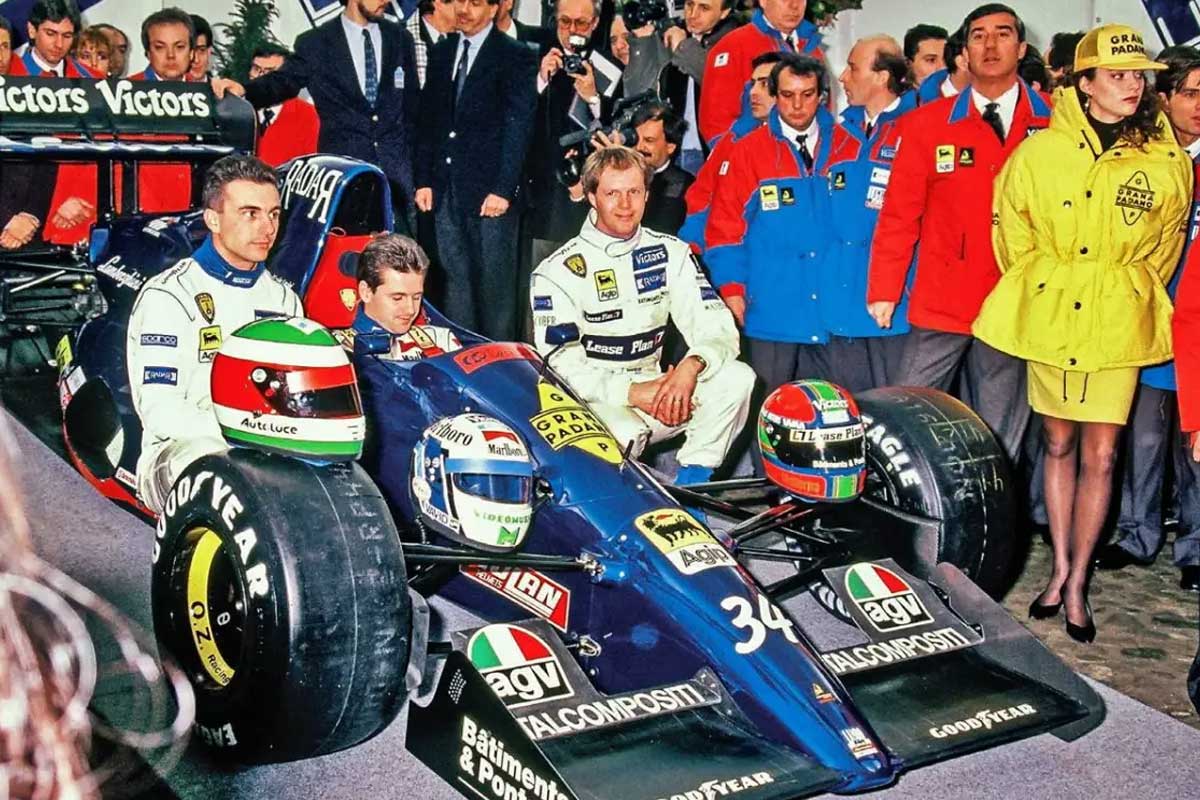
The team takes up residence in Modena and officially calls itself Scuderia Modena, as Lamborghini doesn't want to expose itself fully... or put too much money in the wallet. Emile Novaro and Daniele Audetto, Lamborghini's president and head of the Formula 1 program, do their utmost to convince Chrysler to finance a manufacturing commitment. Patrucco and his associates commit their own money to the car, in the hope of attracting sponsors. However, in the eyes of the general public, the media and the tifosis, it is indeed the Bull that officially enters the arena as a manufacturer!
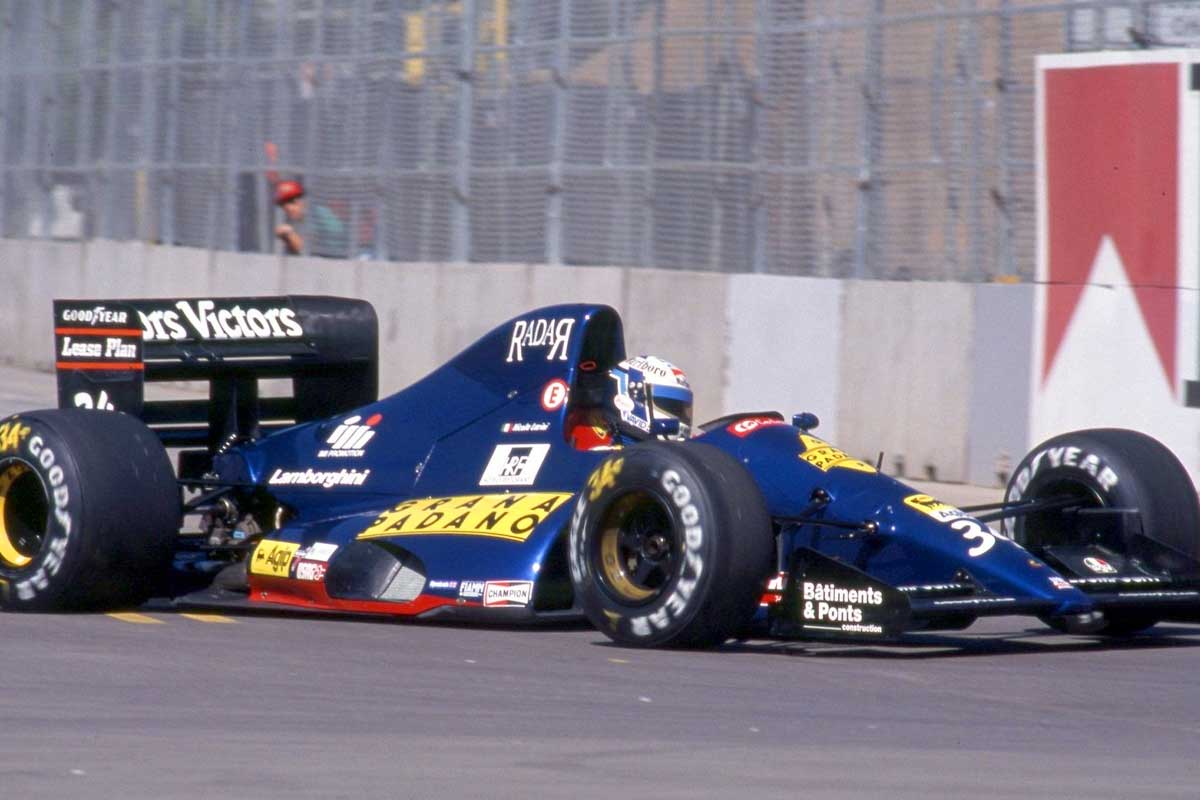
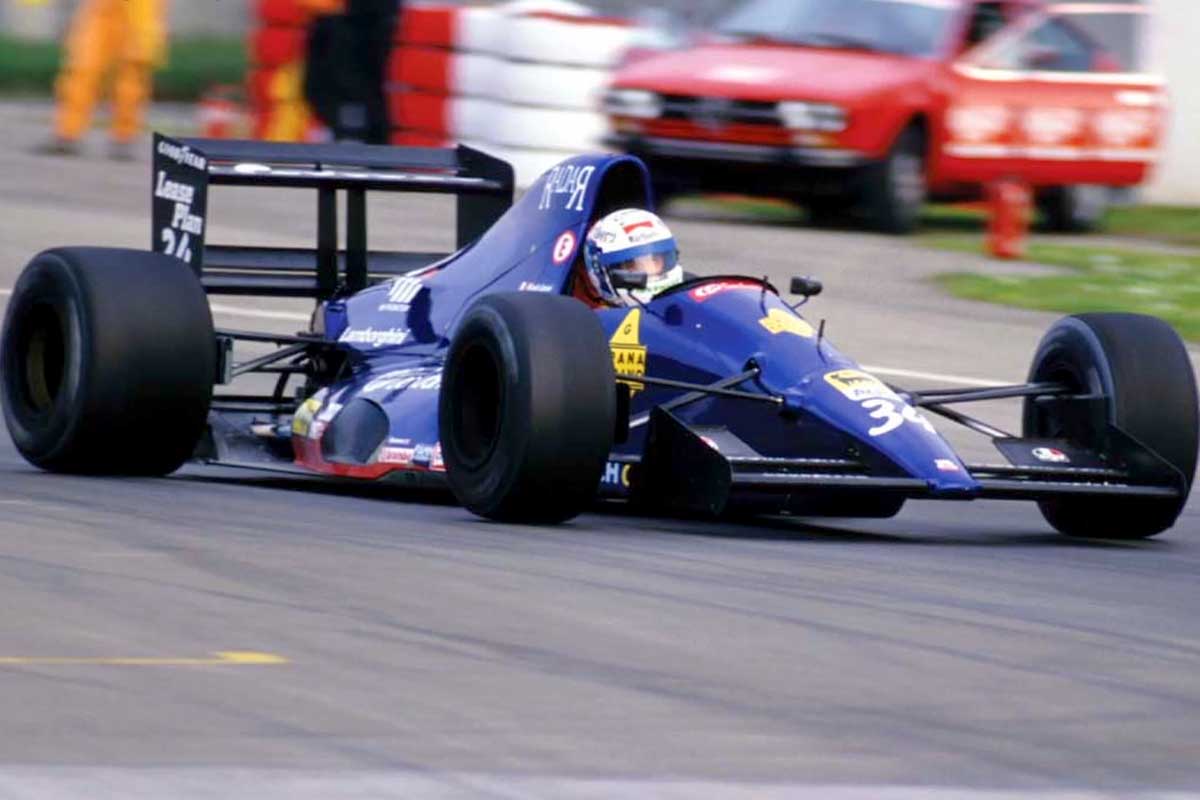
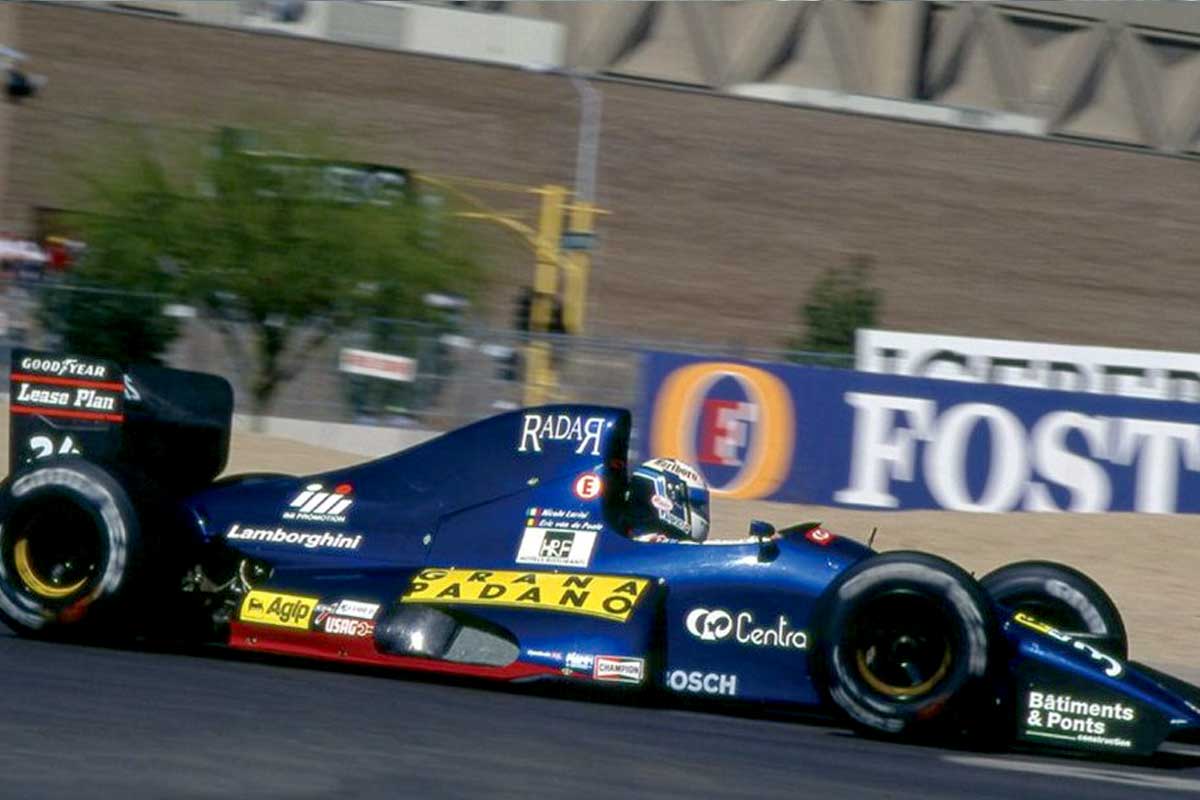
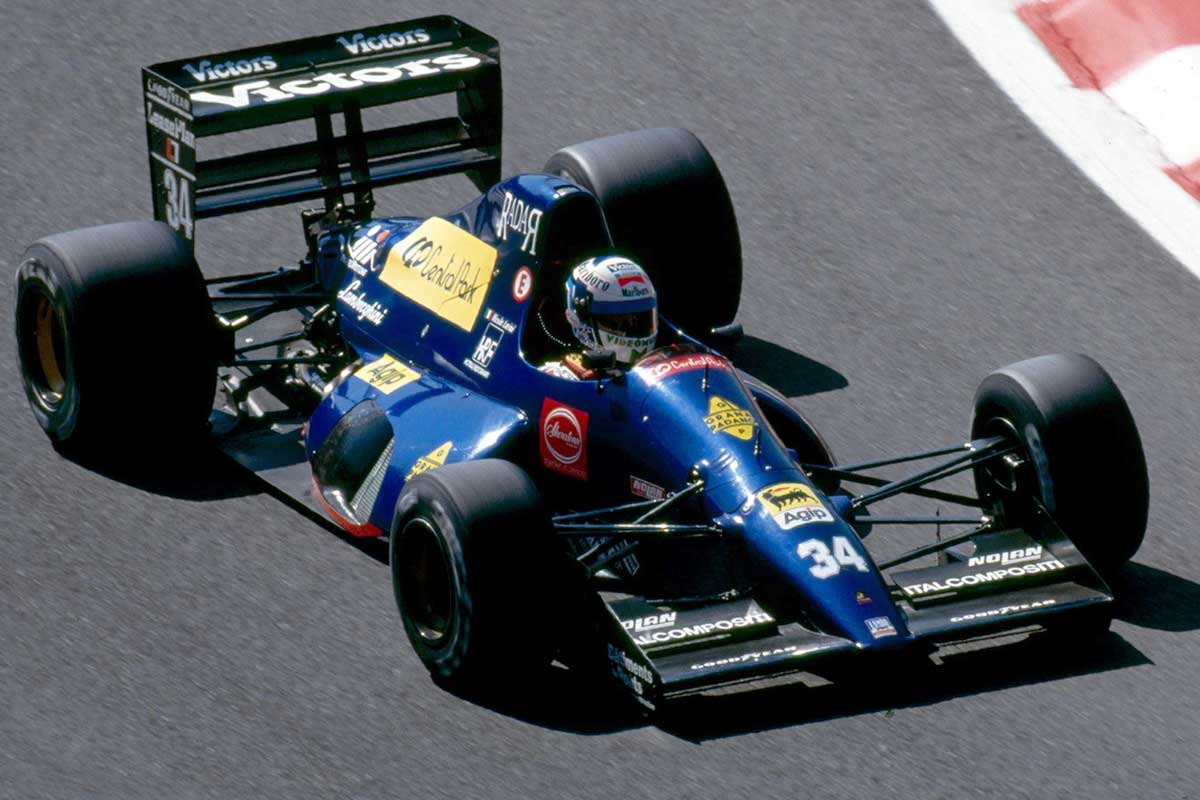
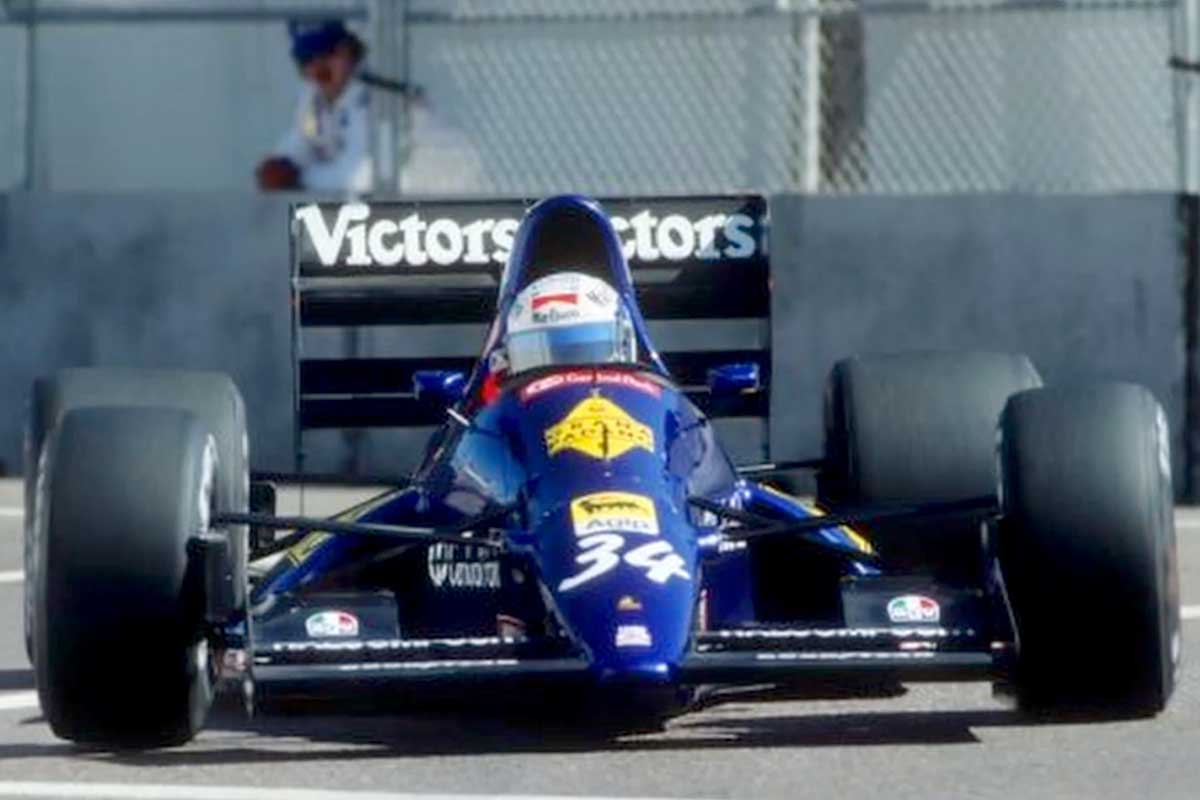
The first test took place at Imola in July 1990, with Mauro Baldi at the wheel. The single-seater was credited with a time of 1'31, 4 seconds off the reference time. It already smelled of trouble. The chassis was designed for the small frame of the Mexican Aloi, and the drivers complained of discomfort. Despite all these setbacks, Modena Team is present in the paddock in Phoenix, Arizona, for the 1991 season opener. The low-slung Lamborghini 291 is quite attractive, with some original aerodynamic features, such as triangular side pillars and sloping pontoons for the radiators. The livery, in various shades of blue, is pleasing to the eye and is covered with a few sponsoring stickers... including Grana Padano! The two drivers recruited are Nicola Larini, an Italian with a fine driving touch (who would go on to make Alfa Romeo's DTM debut two years later), and Belgian Eric Van de Poele, who contributes a personal budget.

The galleys
As a new team, Scuderia Modena had to go through the thankless exercise of pre-qualifying on Friday morning, which allowed the 34-car field to be skimmed! A dreadful cut-throat, unprepared event, in which F1's lowest-ranked cars play for all they're worth in the hope of continuing their weekend. Only Larini managed to get through, even finishing 17th in practice. In the race, thanks to a number of retirements, the Italian finished in 7th place, just outside the points, and was able to post a very respectable race pace. An encouraging result!
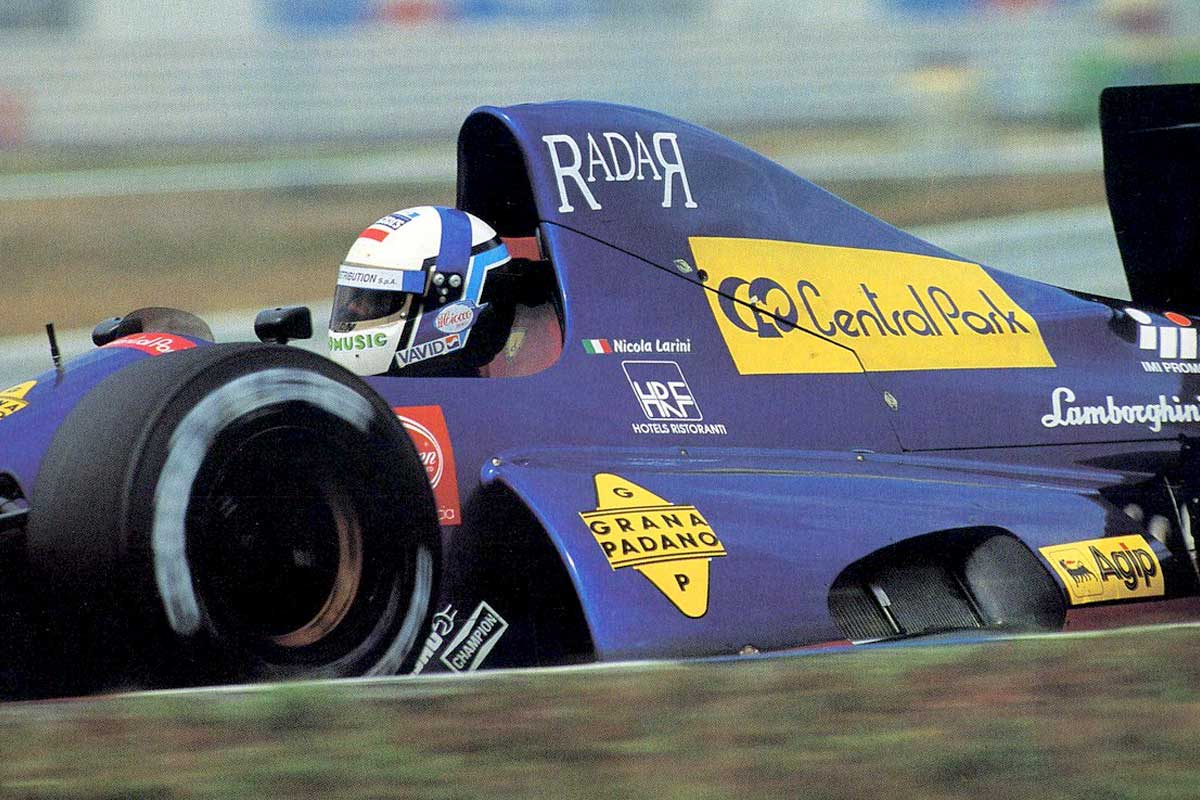
In Brazil, both cars were eliminated in pre-qualifying. At Imola, only Van de Poele escaped with his powerful engine, while the other teams at the back of the grid often had to make do with an out-of-date Cosworth V8. 17th on the grid, he set a very decent pace, regularly outpacing the Ligiers, Lotuses and Larrousse. With the help of tricky conditions and an elimination race, Van de Poele came close to achieving the feat. At the start of the last lap, he was in 5th position...when the car ran out of fuel! The on-board computer was still indicating fuel, but nothing could be done. On the radio, Van de Poele's track engineer replied to his driver, who asked what he could do: "The only thing you can do is cry".
A bull? More like a mule...
Modena Team has eaten its fill, because things are getting tougher: the coffers are getting emptier and emptier, sponsors are not coming on board, and Lamborghini is getting impatient with this farce. Driver after driver failed to qualify, the V12s broke like glass and Forghieri, a notoriously difficult character, was challenged within the team! At mid-season, the Lamborghinis are exempt from pre-qualifying, thanks to Larini's 7th place in Phoenix, but fail to qualify most of the time. When they did manage to appear in races, mainly on the speed circuits that confirmed the power of the V12, it was in total anonymity.
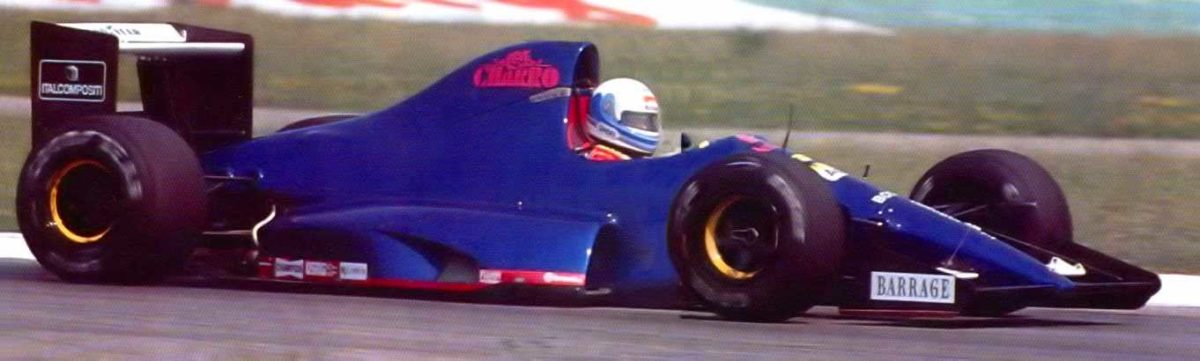
On the sidelines of the Spanish Grand Prix, Chrysler takes back control of Lamborghini Engineering. Rumor has it that this move is intended to give Mauro Forghieri, nicknamed "Furia", more control. It was announced that only the Minardi and Larrousse teams would benefit from the Italian V12 in 1992, marking the death of the Modena Team. Mauro Forghieri was eventually sacked and replaced by François Castaing, the former boss of the Turbo Renault adventure and previously Director of Operations at Chrysler. The team struggled to finish the year due to a lack of resources. The last appearance was in Australia, where Larini retired in the rain after 6 laps. Lamborghini continued its F1 adventure for two seasons as an engine manufacturer, first with Venturi and then with Larrousse, before retiring at the end of '93.

Olé!
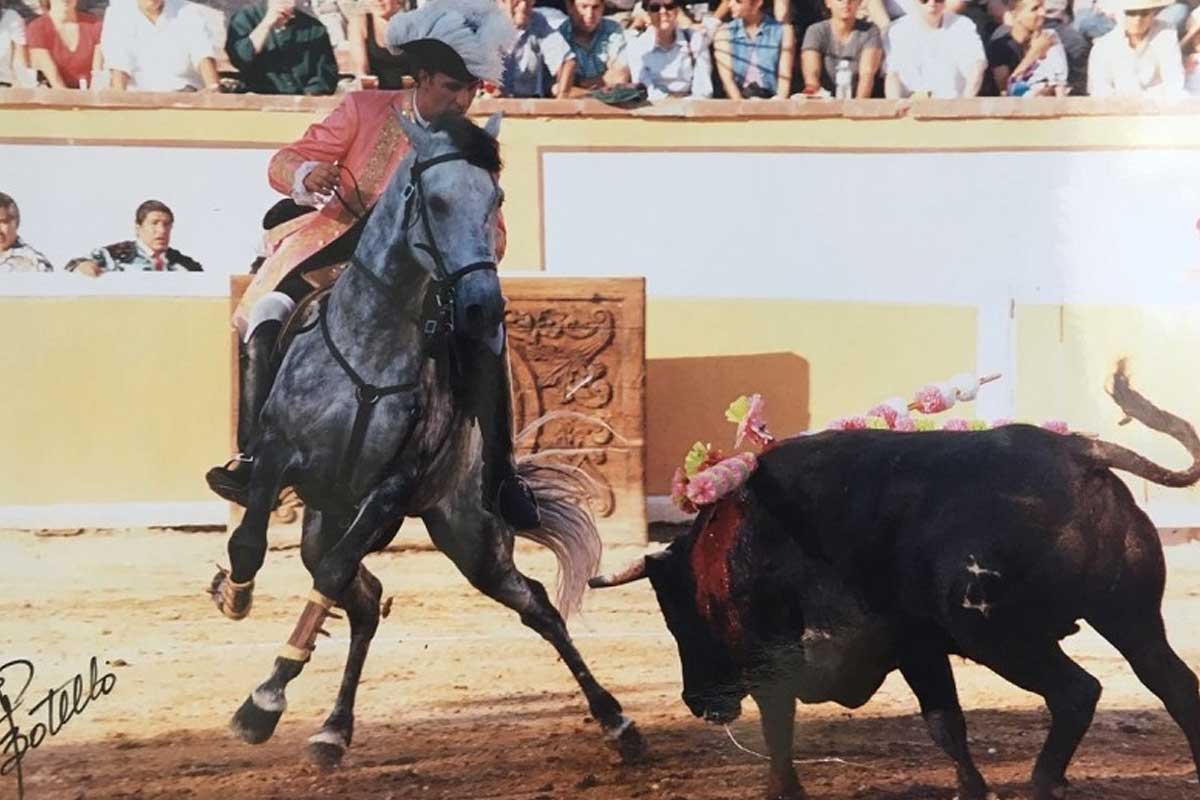
Ironically, the young Mexican Giovanni Aloi, who was to be propelled into F1 with GLAS, ended up giving up motor racing some time later to become...a matador! He went on to enjoy a successful career in this field, becoming very popular in Mexico. Quite a feat for someone who never had the chance to tame the power of the Lamborghini bull in a single-seater!
 English
  French
  Italian
  Spanish
  Portuguese
  German
  Japanese
  Turkish
  Dutch
Dutch