

At the crossroads of the late 60s and early 70s, the Scuderia Ferrari is already experiencing an emotional «rollercoaster”: a few “highs” and a lot of “lows”, one season going well and then another where nothing goes right. Does this sound familiar? After John Surtees' title in 1964 came the lean times: the British teams innovated and found an excellent ally in the Cosworth V8, while Ferrari could not help but suffer from internal crises and technical conservatism, not to mention the financial difficulties that forced the Commendatore to grab a lifeline called FIAT. Between 1965 and 1969, Ferrari won just three grand prix!
Boxer genius isn't enough
In 1969, when the giant FIAT acquired a 50% stake in Ferrari, Mauro Forghieri left the team's technical management to head an R&D department, which produced a marvel: the 12-cylinder, flat-six engine with a 180° angle, known as the “boxer” because of the arrangement of the cylinders. This new engine would become one of the most emblematic in Ferrari's history, on both race and road cars. With 4 valves per cylinder and, above all, 450 hp at 11,000 rpm, its racing version contributed to the Scuderia's revival in 1970. Compact and lightweight, it enabled the design of an efficient 312B single-seater, with a very low center of gravity. The result? The prancing horse finished second in the world championship behind Lotus, while Jacky Ickx and Clay Regazzoni returned to winning races.
But Ferrari soon fell back into its old ways: the 312B2 evolution of the single-seater, with new suspension geometry, was unsatisfactory, and results for the 1971 and 1972 seasons were rather disappointing. Ferrari was running F1 and endurance racing at the same time, which absorbed a lot of resources. Too much? In the summer of 1972, Mauro Forghieri returned to his design office to find solutions to the Lotus prowess, which had revolutionized F1 with the introduction of side pontoons incorporating radiators, radically changing the look of the single-seaters to give them their modern, sleeker, more aerodynamic shape. The result was a revolutionary car: the 312B3. The car has a very short wheelbase of 2,250 mm, inspired by the Lotus 72, designed to give remarkable agility, ideal for winding circuits and for absorbing bumps and vibrators.
It's a cape, a peninsula!
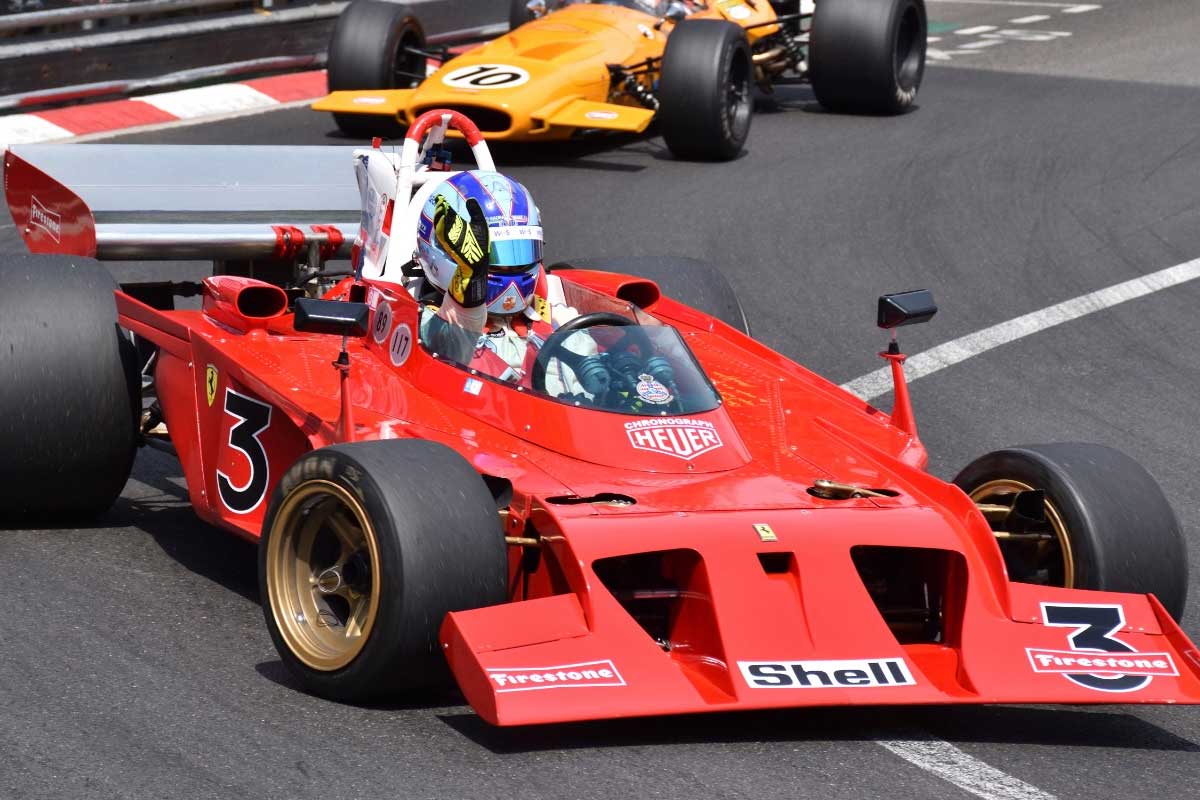
Its low center of gravity between the front and rear axles is designed to optimize aerodynamic downforce. A technical solution used until then, the tubular steel structure was abandoned in favor of an all-aluminum monocoque. This was Ferrari's first chassis of this type. Its distinctive physical feature is undeniably its imposing bow, with a very horizontal nose that spans the entire width of the wheelbase. This nose is fitted with two large NACA air intakes that carry air into the car, passing through the suspension arms and radiator inlets, before exhausting it laterally.
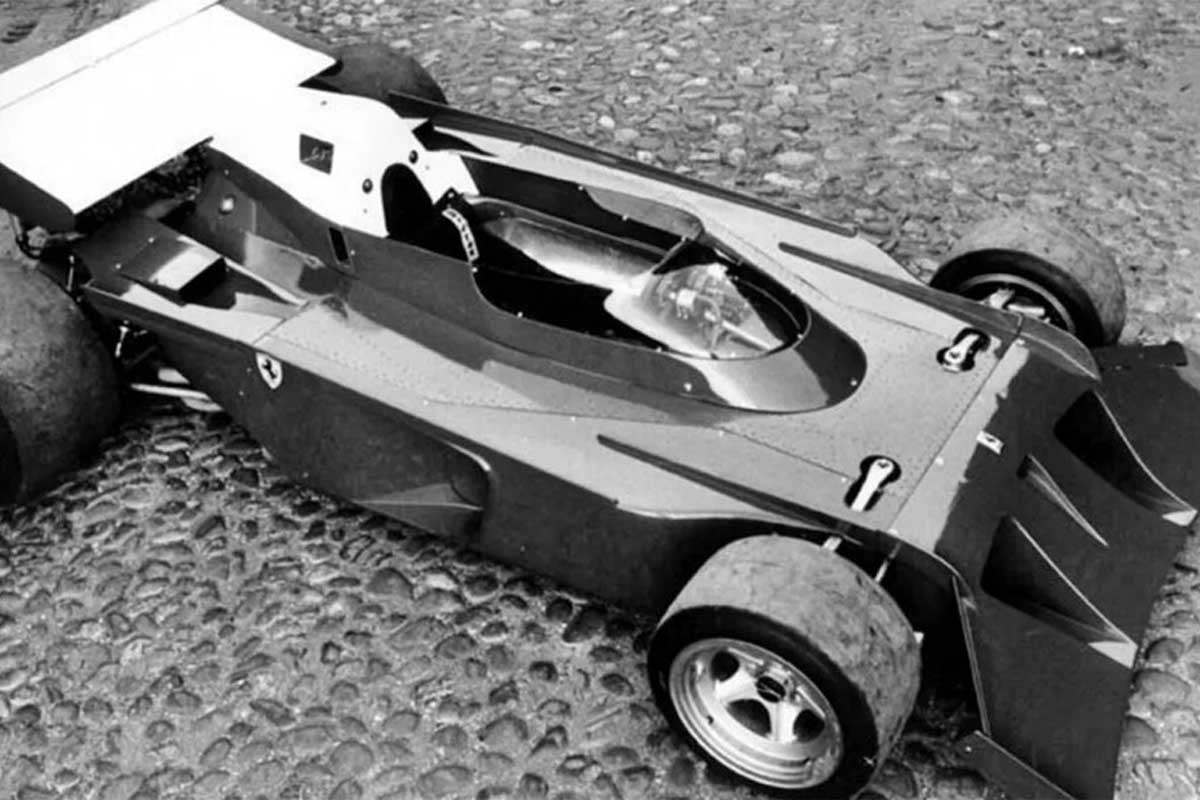
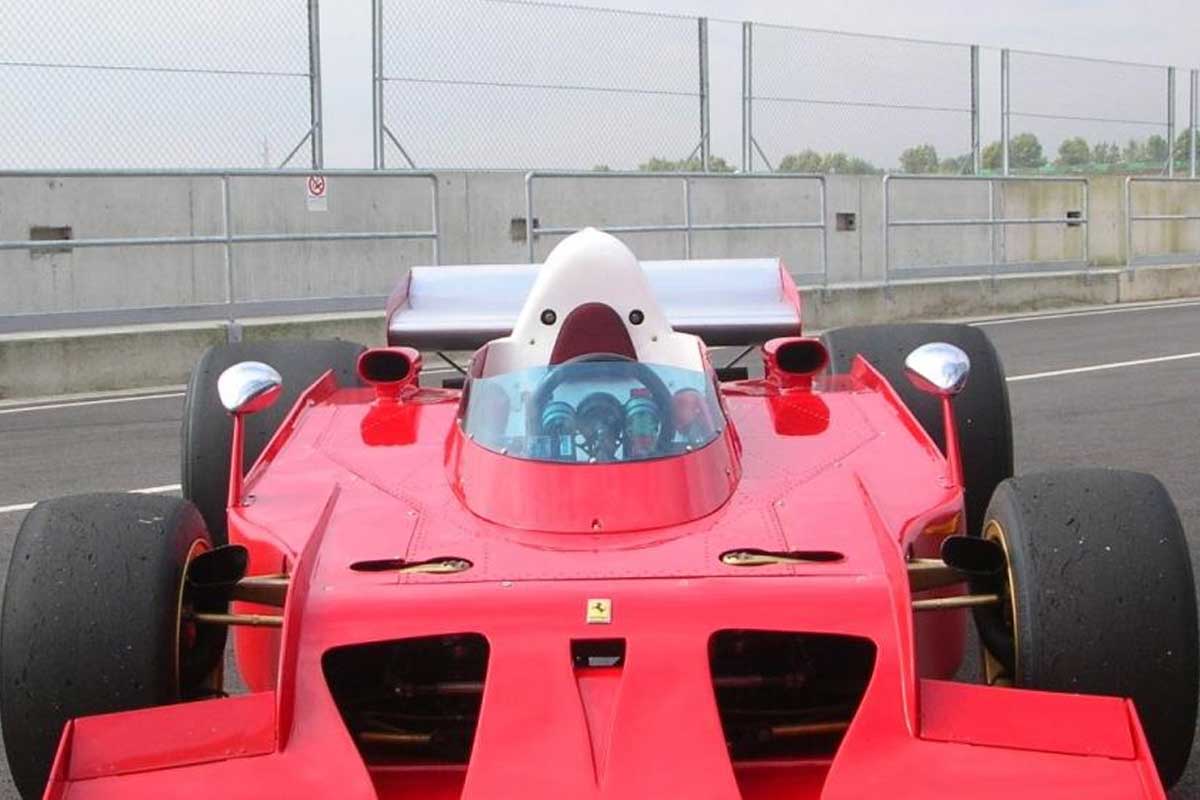
This process created a massive Venturi effect, generating a large surface area under the car and contributing to downforce. The fuel tank is positioned behind the engine. All this was made possible by the use of the two-side water-cooler concept, already present on a Lotus. This brought the car's center of gravity closer together and allowed a full-size front spoiler to be fitted without obstructing the flow of air to the radiators. Forghieri was thus experimenting with aerodynamic solutions that foreshadowed the ground effect and side skirts that would revolutionize F1 performance a few years later.
A snowplow's face
At the end of 1972, the new 312 B3 was extensively tested by Jacky Ickx and Arturo Merzario on the new Fiorano private test track, but the drivers found the car «vicious» and tricky to drive, especially in fast corners due to the short wheelbase that made it unstable. Under pressure, the car was entered and presented to the media at Monza, for the Italian Grand Prix.
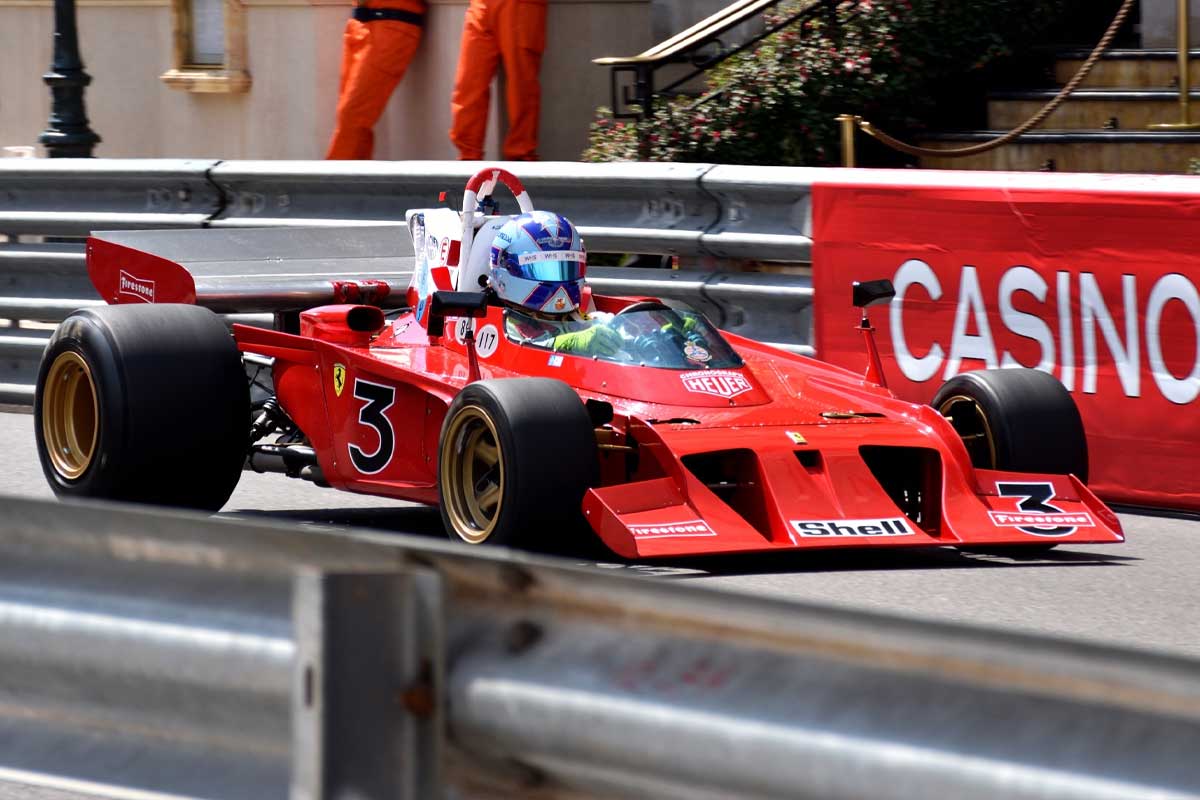
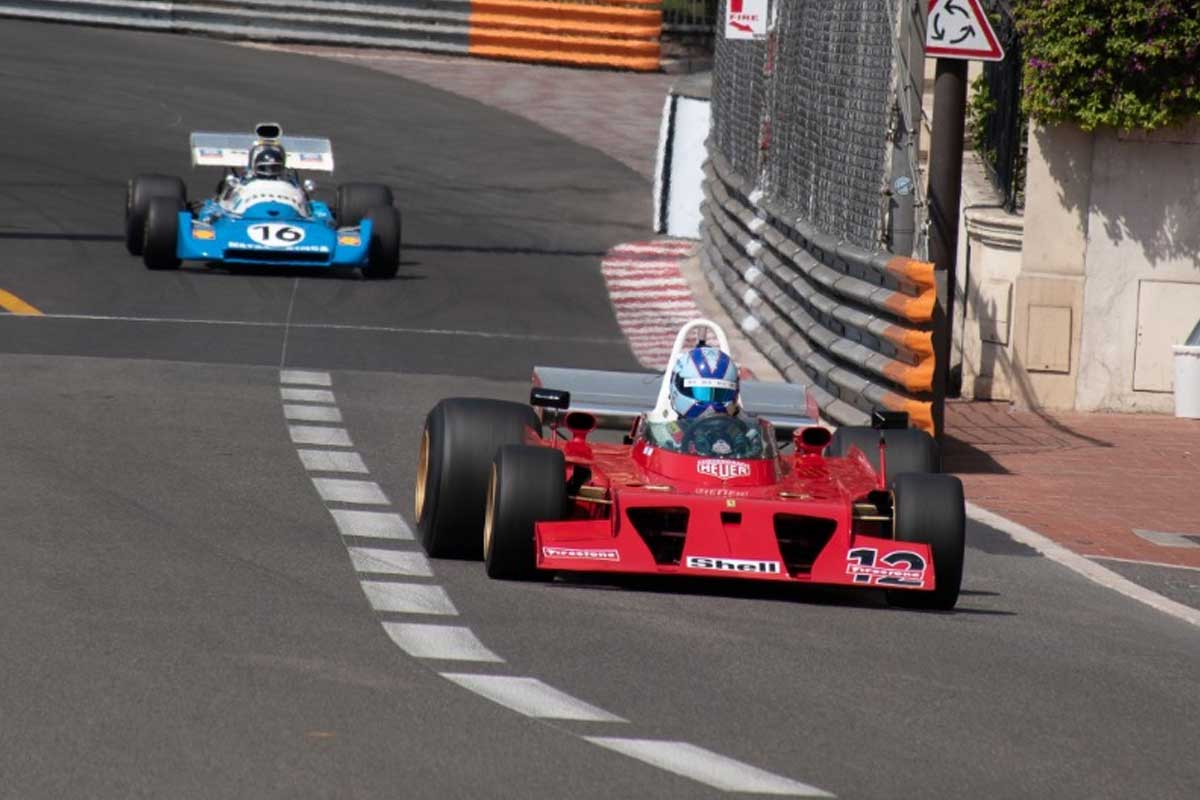
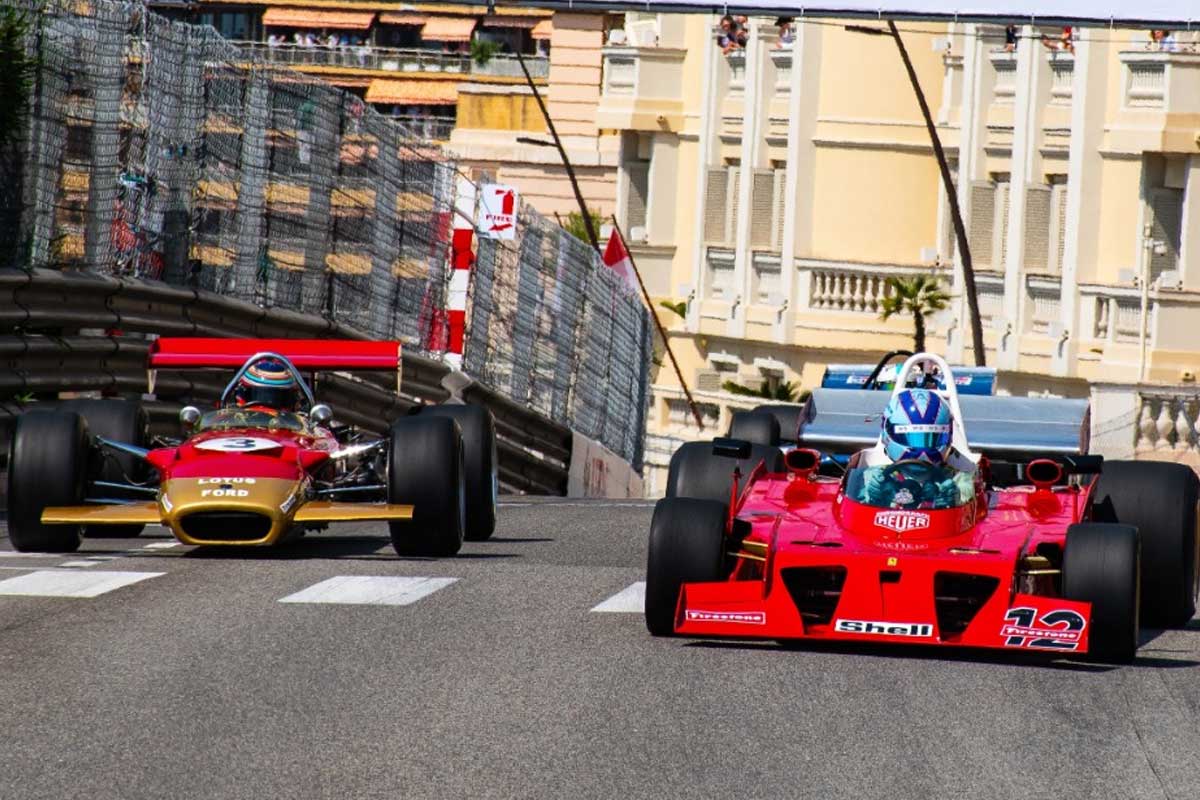
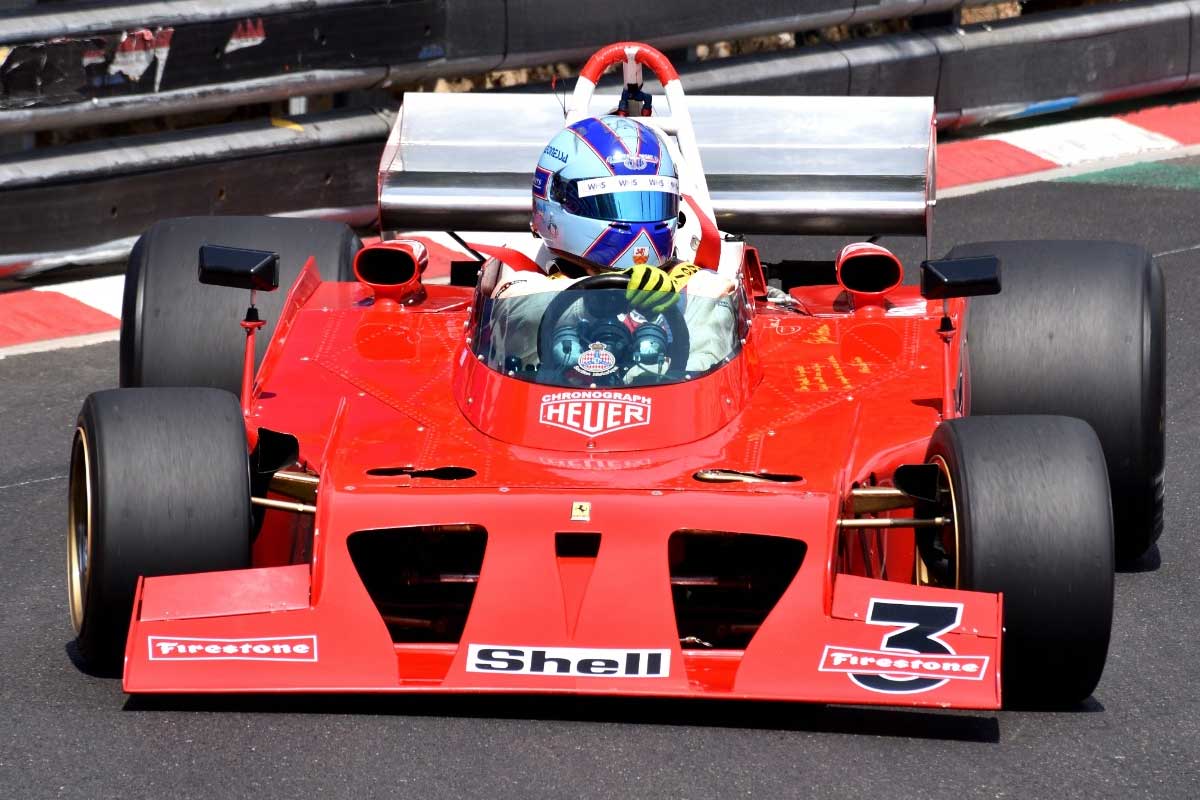
The unusual treatment of the nose, very vertical and massive, earned it the nickname «Spazzaneve» or snowplough in the press. It's a comparison that must not have pleased Ferrari! Problem: the mechanics also complained about the time needed to change the engine - 8 hours - and the lack of practicality of maintenance operations on the bodywork. As a result, the car is not raced, and never will be.
A laboratory that will contribute to the development of the 312T
At the end of the 1972 season, Enzo Ferrari sanctioned the failure of this development and sent Mauro Forghieri back to his experimental department. The F1 work was taken over by his successor, Sandro Colombo, who incorporated some elements of Forghieri's designs into his ‘312 B3’, but with a more conservative approach and little success. The team was destabilized, while relations with FIAT became strained, against a backdrop of economic crisis and strikes. Mauro Forghieri finally returned a year later, and used some of the lessons learned from the Spazzaneve “prototype” to lay the foundations, from 1974 onwards, for the B3-74 and then the line of 312T single-seaters, which would finally enable Ferrari to return to success and the world title. from 1975.
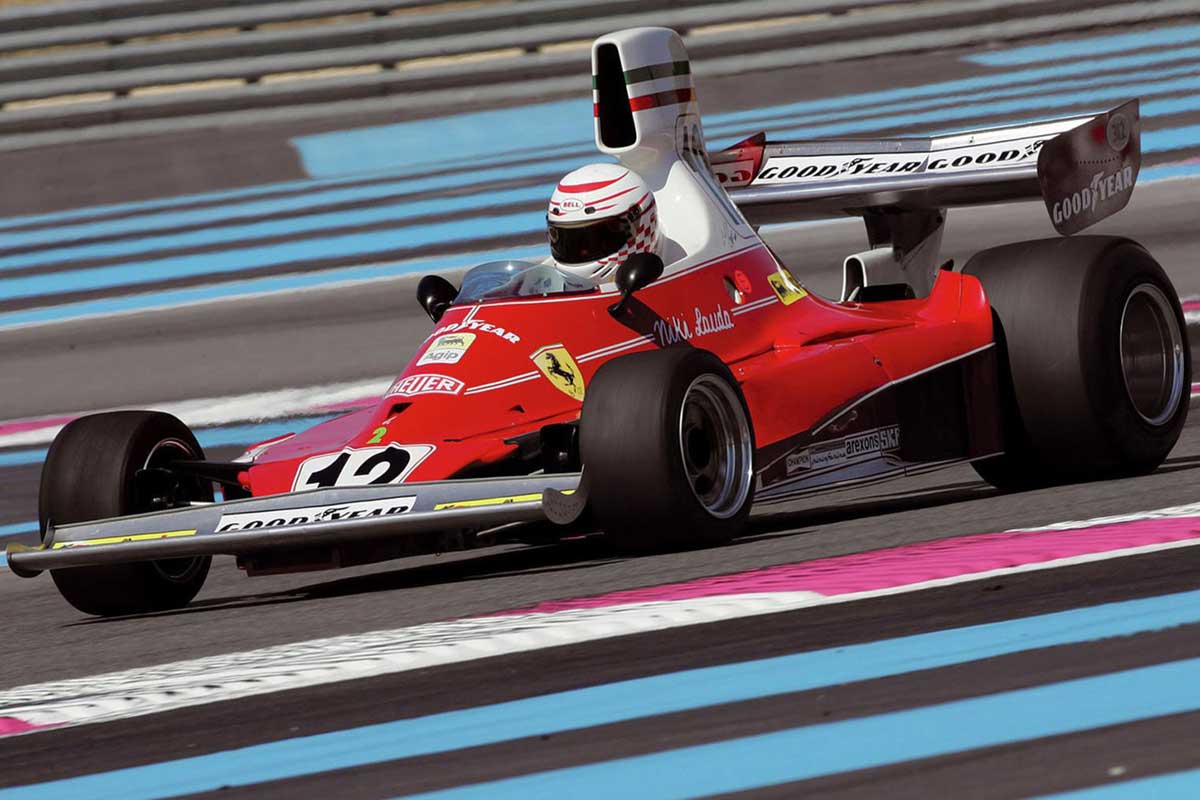
«The Spazzaneve was a very important car for me and for Ferrari. But it was always conceived as an experimental car. For me, it was the basis for studying aerodynamics. It represented a major turning point in my way of thinking,» Mauro Forghieri.
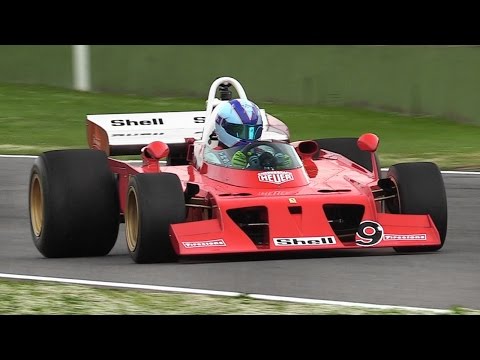
The “Spazzaneve” never raced in the world championships, but it finally found its place in the historic races, including Monaco.

 English
  French
  Italian
  Spanish
  Portuguese
  German
  Japanese
  Turkish
  Dutch
Dutch